Peanut Butter Runtz (Cannabis Strain)
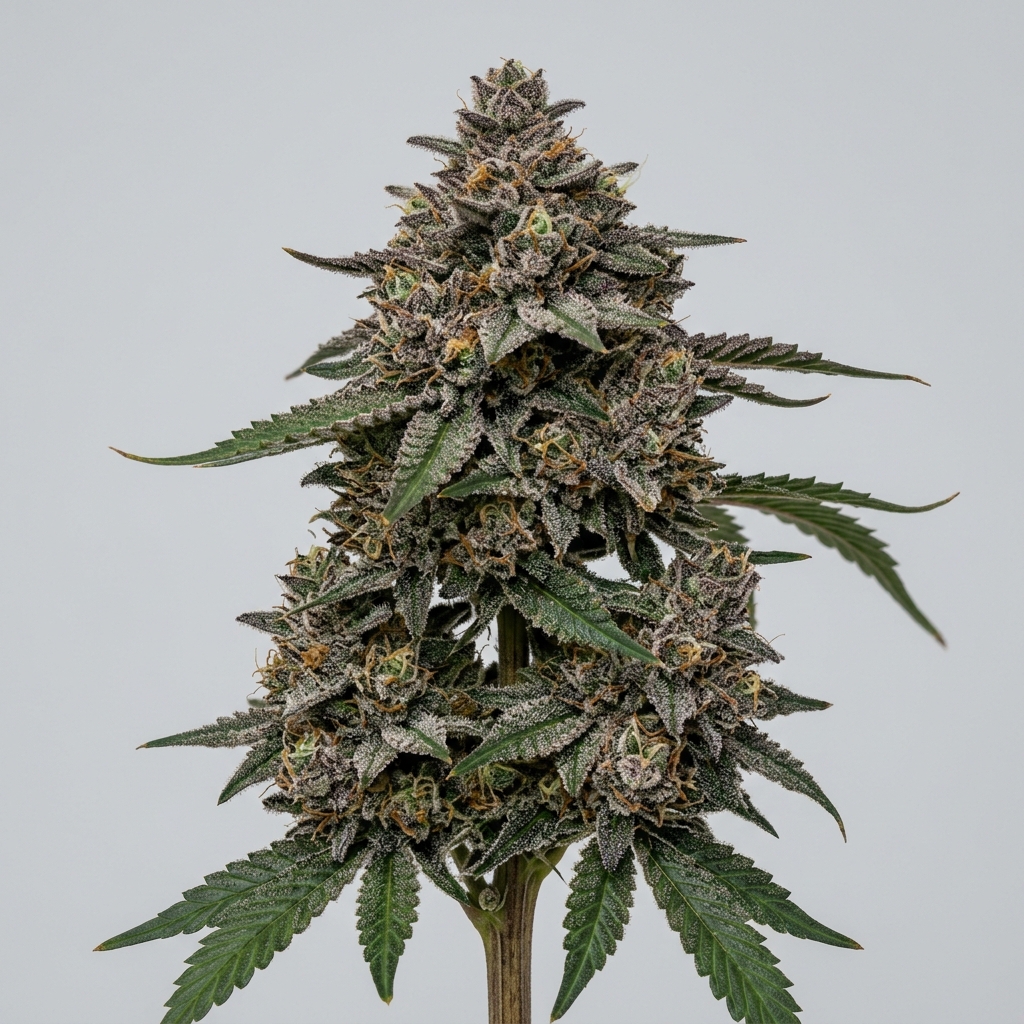
Peanut Butter Runtz is an indica-dominant hybrid cannabis strain, typically testing between 22% and 27% THC, created by crossing the highly celebrated Peanut Butter Breath and Runtz. This cultivar stands out for its distinct terpene profile that merges savory, roasted nuttiness with a sweet candy gas aroma. Known for its greasy resin production and dense, purple-splashed buds, this plant shows a compact growth structure that makes it a favorite among boutique growers and extraction artists. It offers a heavy, physically relaxing experience that remains highly sought after in contemporary cannabis markets.
While many modern dessert-forward strains lean completely into sugary fruit notes, this hybrid retains a grounding, earthy depth. The plant develops tight internodes and thick, resin-rich flowers that require careful humidity management during the final weeks of bloom. It is a refined option for cultivators and consumers seeking a complex, multi-layered profile of nutty pastry and sweet gas.
Quick Facts
| Attribute | Details |
|---|---|
| Genetics | Peanut Butter Breath × Runtz |
| Variety | Indica-dominant Hybrid (approx. 70/30) |
| THC Range | 22% – 27% |
| Flowering Time | 8 – 9 Weeks |
| Yield Potential | Moderate to High |
| Plant Height | Medium (controlled stretch) |
| Climate Preference | Temperate, low late-flower humidity |
| Difficulty | Moderate |
Scientific & Botanical Overview
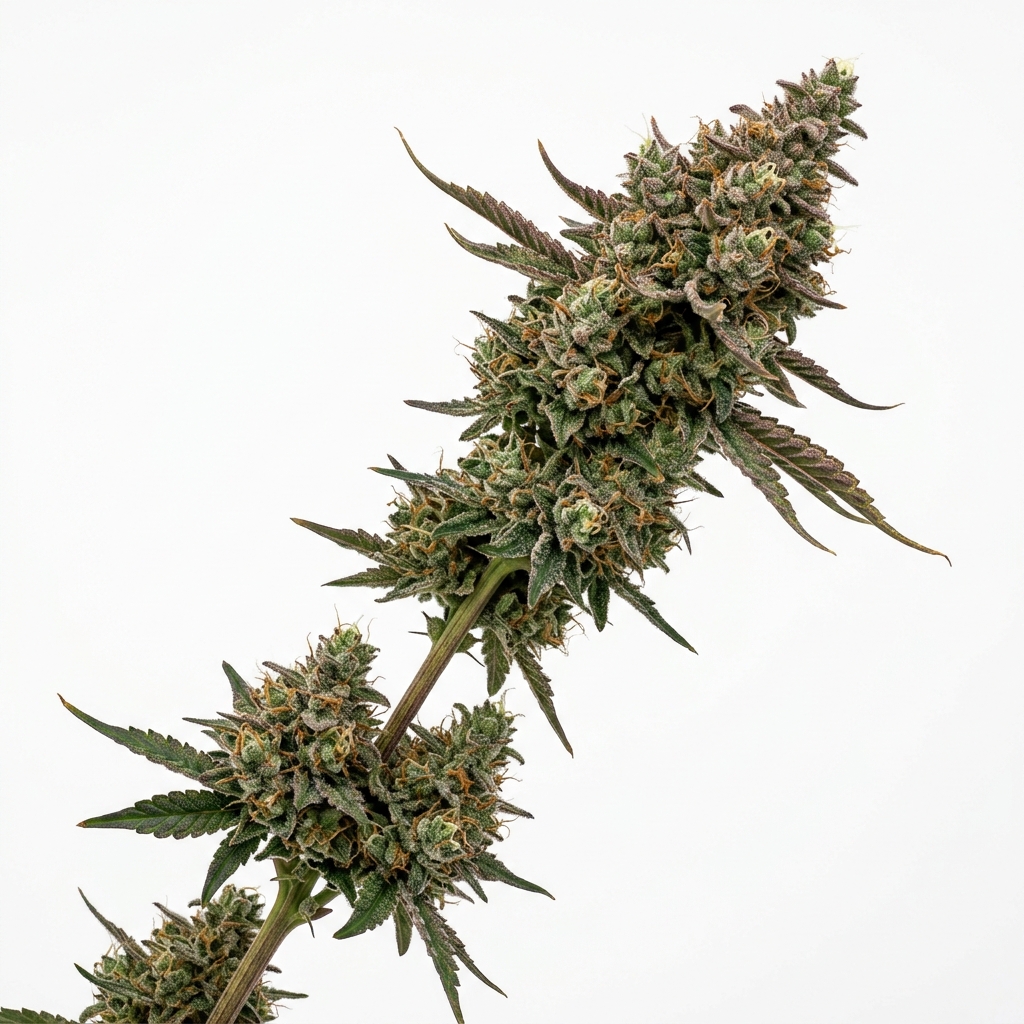
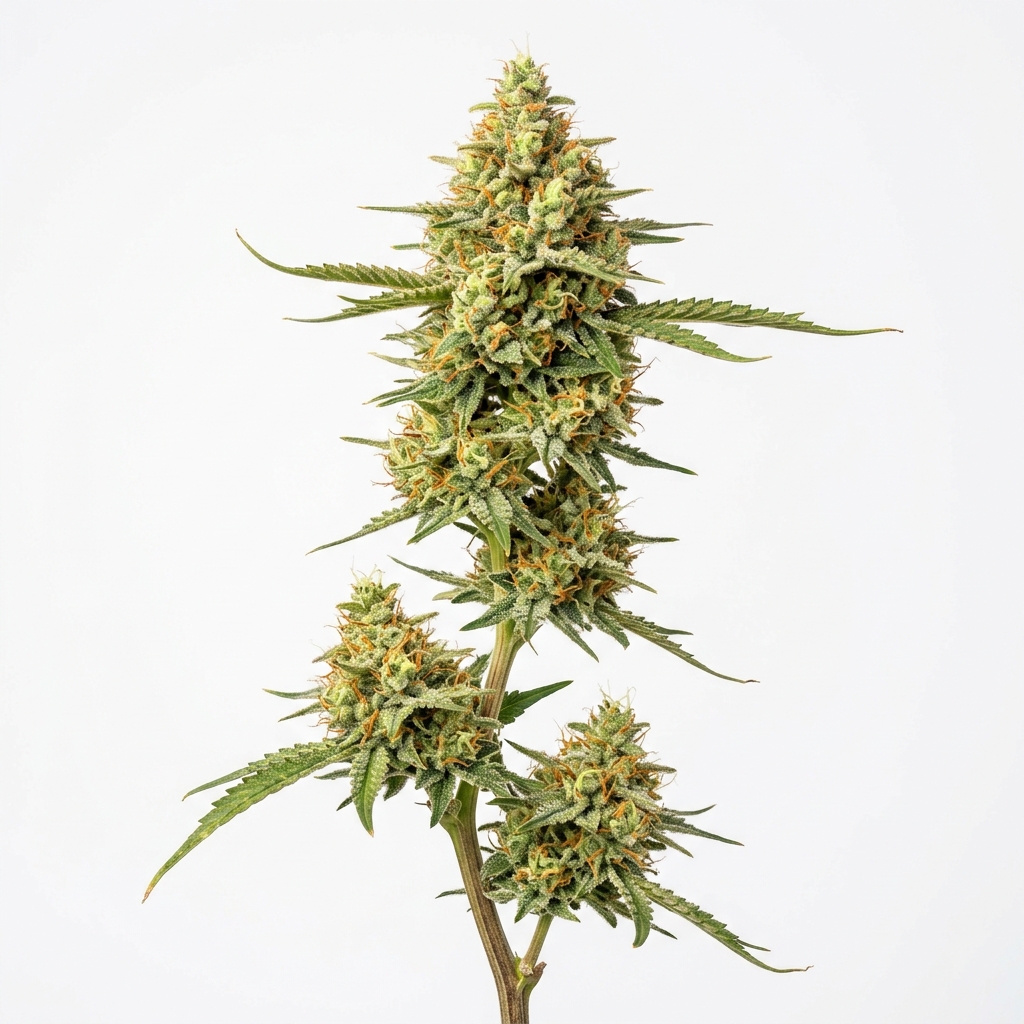
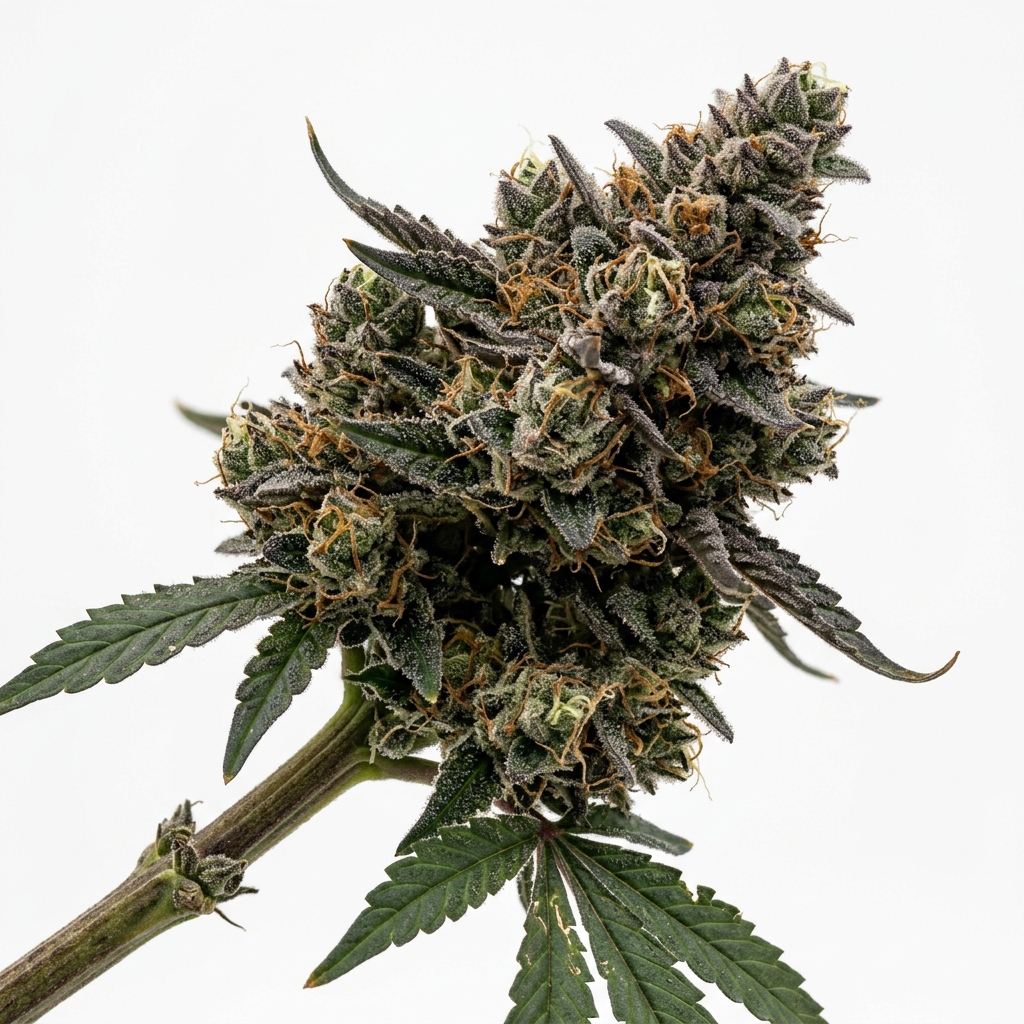
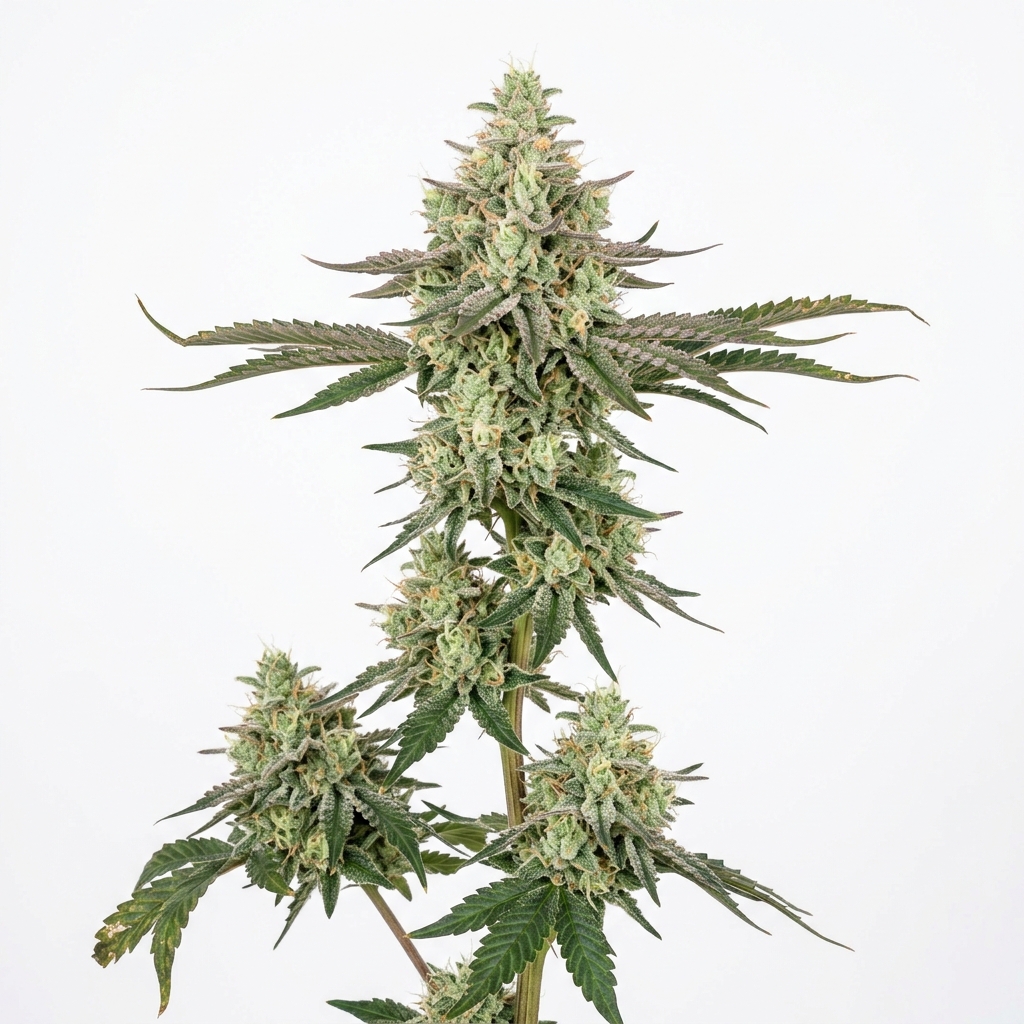
Peanut Butter Runtz shows a sturdy, compact vegetative structure characterized by broad fan leaves and strong lateral branching. The plant inherits its dense, spherical bud structure from the Runtz lineage, while the Peanut Butter Breath parentage contributes a thick stem caliper and robust frame. Under cooler night temperatures during late bloom, the foliage regularly transitions to deep shades of violet and forest green.
The trichome development on this cultivar is dense and early-onset, often visible on emerging bracts by the third week of flowering. The capitate-stalked resin glands are highly concentrated, producing a sticky, greasy texture that coats the entire bud surface. This heavy resin coverage makes the dried buds appear almost white under bright light, contrasting sharply with the dark purple undertones underneath.
Cultivators note that this strain requires consistent microclimatic control, particularly regarding airflow through the lower canopy. Its tight internodes and dense colas can trap moisture, making it susceptible to botrytis if humidity levels are not scaled down during the final weeks of bloom. Proper pruning and selective leaf stripping are essential to maximize light penetration and maintain optimal air exchange.
Effects & Use-Cases (Reported)
Commonly reported effects: Users frequently describe a deep, physical relaxation that settles in quickly, accompanied by a calm, clear mental state. The initial experience is typically centering rather than overwhelming, slowly transitioning into a heavy, soothing sensation throughout the limbs.
Use-case context: This cultivar is highly suited for late afternoon or evening use, when physical decompression is the primary goal. It is often selected for quiet, low-energy activities, winding down after physical exertion, or preparing for sleep.
Note: Individual experiences may vary depending on tolerance, dosage, and specific phenotype chemistry.
Aroma & Flavors
Aroma: The initial nose is dominated by a heavy, roasted nuttiness and rich earth, closely followed by a sweet, candied gas undertone. Breaking the buds releases a sharper, slightly sour berry note inherited from the Zkittlez heritage within the Runtz line.
Flavor: On the palate, the smoke is thick and creamy, delivering a distinct peanut butter flavor blended with sweet, doughy vanilla. The exhale leaves a lingering finish of tart gas and subtle herbal spice.
Terpene associations: Lab analyses typically show a dominance of beta-caryophyllene, limonene, and myrcene, which collectively drive its spicy, citrusy, and deeply relaxing aromatic profile.
Tested Cannabinoid & Terpene Ranges
| Compound | Typical Range |
|---|---|
| Δ9-THC | 22.0% – 27.0% |
| CBD | < 1.0% |
| Beta-Caryophyllene | 0.5% – 1.2% |
| Limonene | 0.3% – 0.8% |
| Myrcene | 0.2% – 0.6% |
| Linalool | 0.1% – 0.4% |
Note: Cannabinoid and terpene levels are highly variable and depend on the specific phenotype, cultivation environment, and curing methods.
Cultivation Notes
- Humidity control: Keep relative humidity (RH) at 55-60% during vegetative growth, dropping to 45% by mid-flower, and down to 40% in the final two weeks to protect the dense colas.
- Nutrient regimen: Responds well to a moderate-to-heavy feeding schedule, showing a high demand for calcium and magnesium during the transition to flower.
- Canopy management: Implement topping early in the vegetative cycle and use low-stress training (LST) to create an even canopy of spear colas.
- Pruning: Perform a thorough defoliation (lollipopping) of the bottom third of the plant before initiating the 12/12 light cycle to improve airflow.
- Phenotype selection: Look for phenotypes that exhibit the deep purple coloration of Runtz combined with the savory, nutty nose of Peanut Butter Breath.
Grower Notes (Week-by-Week Snapshot)
- Weeks 1–3 (Transition & Stretch): The stretch is moderate, usually doubling in height. Focus on tucked fan leaves and light training to keep the canopy level as the first pistils emerge.
- Weeks 4–6 (Flower Development & Resin): Buds begin to swell rapidly, forming tight clusters. Trichomes become highly visible on the sugar leaves; ensure airflow is continuous and carbon filters are functioning.
- Weeks 7–9 (Ripening & Flush): Flush with clean water during the final 10 to 14 days. Lower nighttime temperatures by 5-8°F to encourage the expression of deep purple and dark green hues.
- Post-Harvest (Dry & Cure): Hang dry at 60°F and 60% RH for 12 to 14 days to preserve the delicate volatile terpenes before a minimum three-week jar cure.
Genetic Lineage
The lineage of Peanut Butter Runtz is a direct cross between two highly influential contemporary hybrids: Peanut Butter Breath and Runtz. Peanut Butter Breath, bred by ThugPug Genetics (Dosidos × Mendo Breath), contributes its legendary savory, nutty terpene profile and heavy trichome coverage. This parent is known for its dense, resin-encrusted buds and deep, earthy physical effects.
On the maternal side, Runtz (Zkittlez × Gelato #33) infuses the cross with its signature sweet candy aroma, colorful purple aesthetics, and balanced hybrid vigor. The combination of these two distinct profiles results in a cultivar that perfectly bridges the gap between savory earthiness and sugary gas, offering a highly complex sensory profile that stands out in a market dominated by single-note sweet strains.
Research Insights
Analytical testing of Peanut Butter Runtz highlights a robust concentration of sesquiterpenes, particularly beta-caryophyllene, which interacts directly with peripheral cannabinoid receptors. This compound, when combined with high levels of limonene, is believed to contribute to the strain’s signature physical soothing properties without causing immediate mental fog. The presence of minor terpenes like linalool further modulates the experience, promoting a calm, centered state.
Horticultural researchers and breeders value this cultivar for its genetic stability and high concentration of glandular trichomes. The resin quality makes it highly viable for solventless extraction methods, such as ice water hash and live rosin, where the distinct peanut-gas profile is preserved with exceptional clarity.
Frequently Asked Questions
Is Peanut Butter Runtz an indica or sativa?
Peanut Butter Runtz is an indica-dominant hybrid, typically exhibiting a 70% indica and 30% sativa ratio. Its growth patterns and physical effects heavily reflect its indica heritage.
What does Peanut Butter Runtz smell like?
It features a complex aroma of roasted nuts, rich earth, and sweet candy gas. Users will also notice subtle undertones of sour berry and creamy vanilla upon breaking the buds.
How long does it take to flower?
This strain typically finishes its flowering cycle in 8 to 9 weeks when grown indoors. Outdoor harvests generally occur in late September to early October.
Is this strain difficult to grow?
It is rated as moderate difficulty. While it has a sturdy structure, its tight internodes and dense buds require strict humidity control and careful canopy management to prevent mold.
Educational Disclaimer
This profile is for informational and educational purposes only. Local laws regarding cannabis cultivation and consumption vary widely; always consult local regulations before growing or using cannabis.
Rate and review this strain
Ratings and reviews are accepted only from signed-in Google accounts.
Sign in with Google to leave a rating and written review.
Latest Reviews
0 reviewsNo reviews yet. Be the first Google user to rate and review this strain.
Follow New Cultivar Records
Get newly documented genetics, breeder history, research highlights, and important Strainpedia discoveries by email.