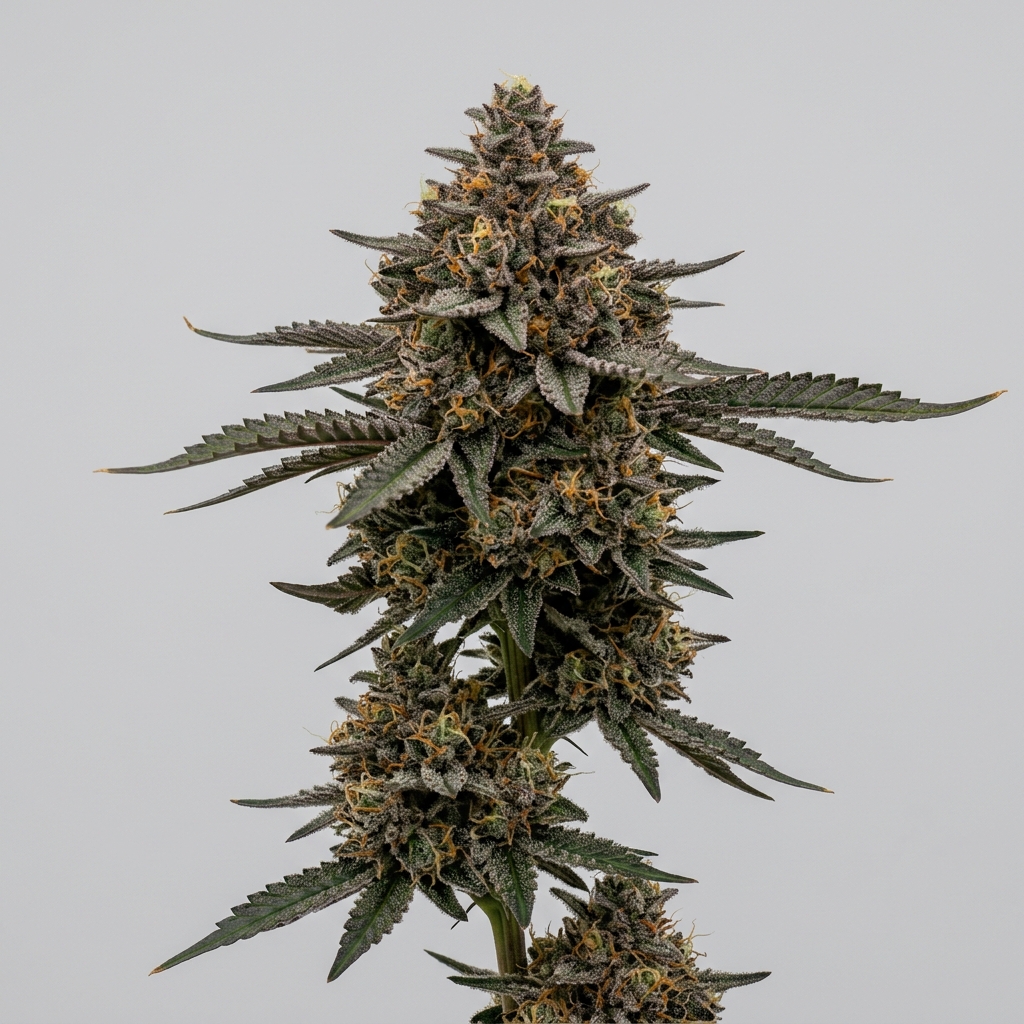
Truffle Cake (Cannabis Strain)
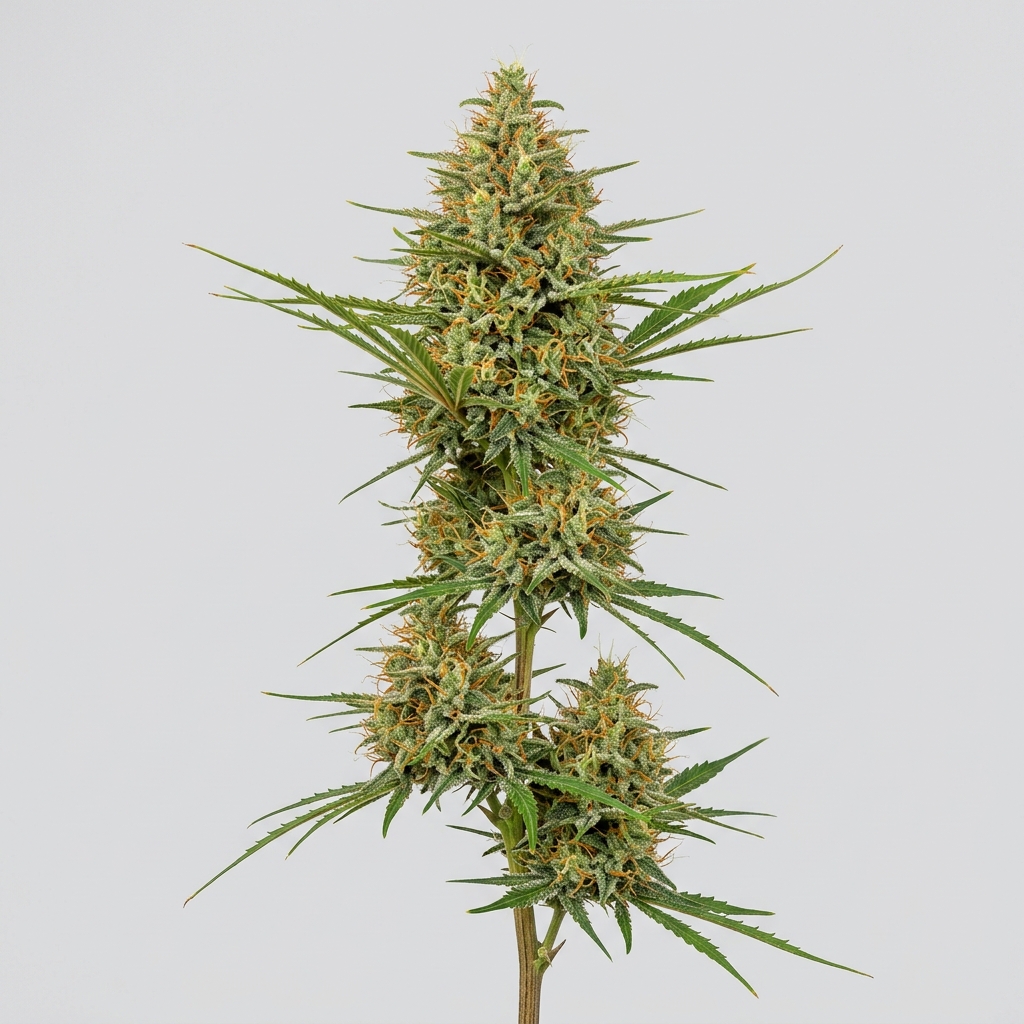
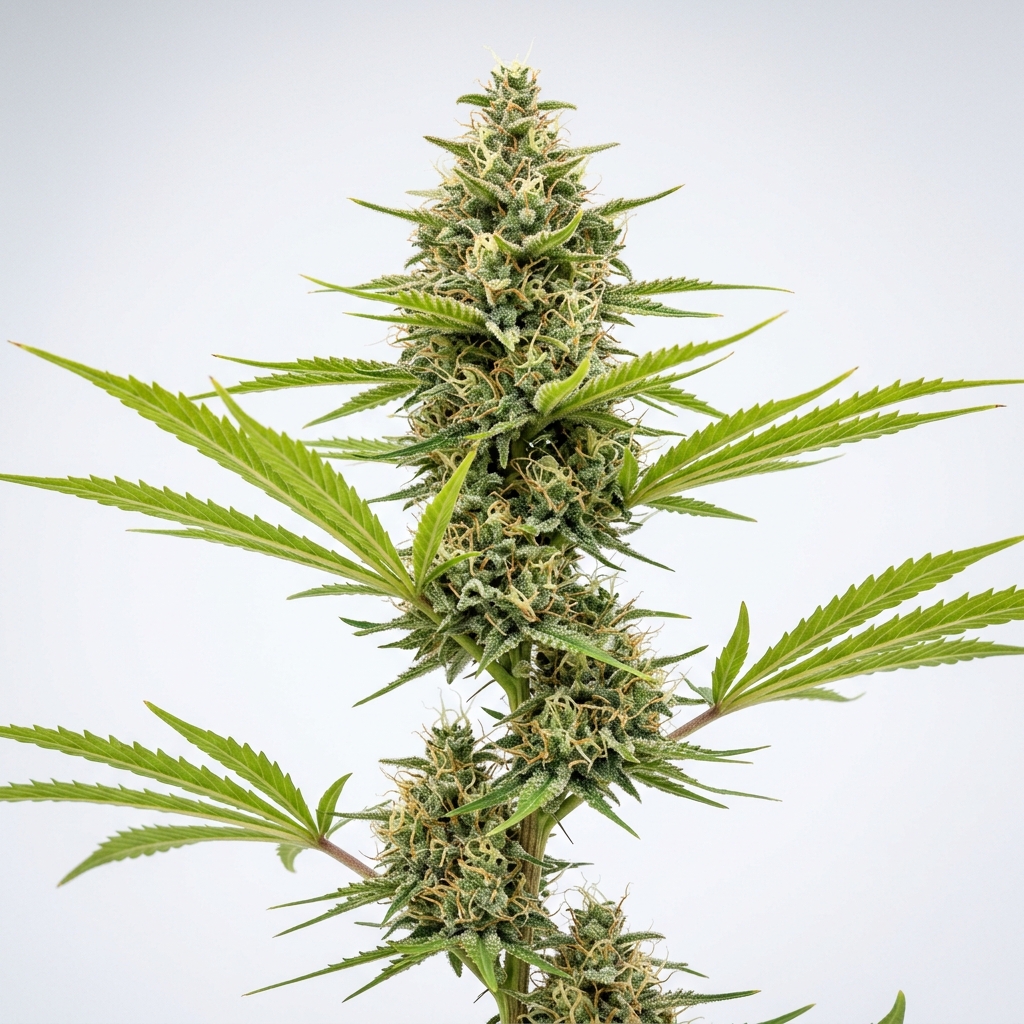
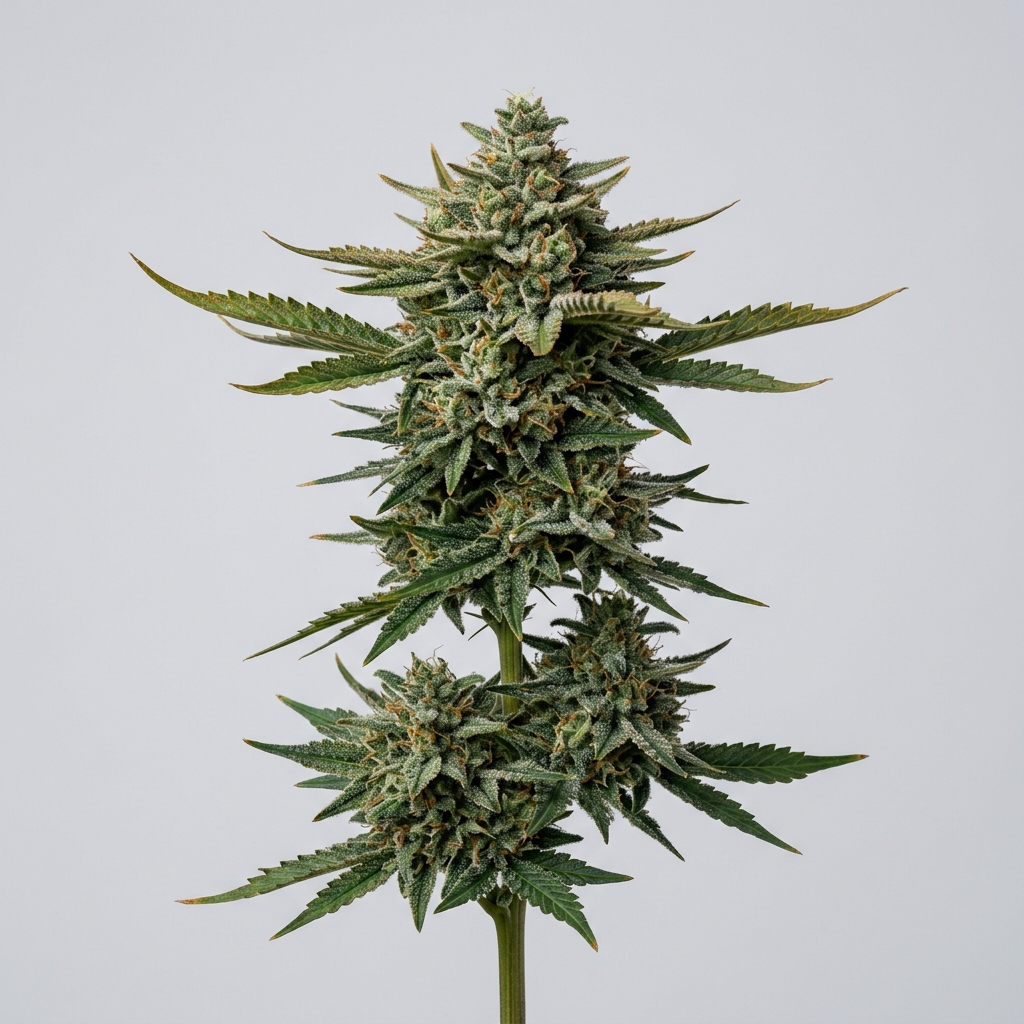
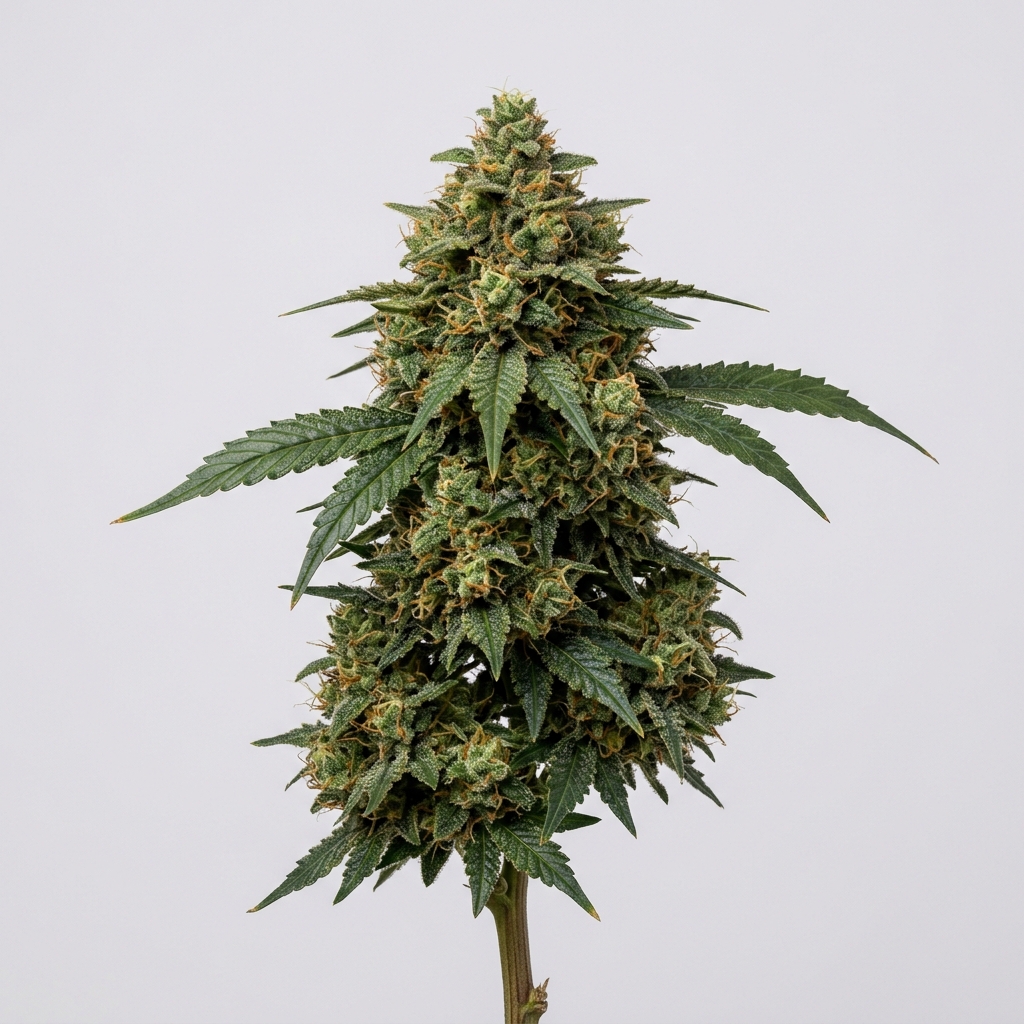
Truffle Cake is an indica-dominant hybrid, typically testing between 20% and 26% THC, bred by crossing the resin-heavy White Truffle with the sweet, doughy Wedding Cake. Known for its greasy resin and dense, purple-tinted buds, this cultivar delivers a complex profile of rich cocoa, warm dough, and a sharp fuel finish. The plant shows a compact, sturdy growth habit with tight internodes, making it a favored choice among extraction-focused growers seeking high-quality washing material.
Cultivators prize this selection for its consistent trichome density and manageable stretch during early flower. The cured flowers present a striking visual contrast of deep violet bracts under a thick sheet of glassy frost, making it a standout in boutique environments.
Quick Facts
| Field | Detail |
|---|---|
| Genetics | White Truffle × Wedding Cake |
| Variety | Indica-dominant hybrid |
| THC Range | 20% – 26% |
| Flowering Time | 8 – 9 Weeks |
| Yield Potential | Moderate to High |
| Plant Height | Medium (3 to 4 feet indoors) |
| Climate Preference | Temperate, low humidity |
| Difficulty | Moderate |
Scientific & Botanical Overview
Truffle Cake displays classic indica morphology, characterized by broad fan leaves and a stocky, lateral branching structure. The nodal spacing remains tight throughout the vegetative stage, requiring proactive defoliation to maintain adequate airflow through the lower canopy.
During the transition to flower, the plant shows a controlled stretch, usually doubling in height while establishing dense, rounded colas. The bracts frequently develop deep anthocyanin pigmentations, shifting from forest green to dark purple when exposed to cooler nighttime temperatures in late bloom.
The trichome development is particularly intense, producing capitate-stalked resin glands that cover the fan leaves well into the secondary canopy. This high density of greasy resin makes the fresh-frozen material highly suitable for solventless extraction.
Effects & Use-Cases (Reported)
Commonly reported effects: Users frequently describe a heavy, physical relaxation that settles in quickly, accompanied by a calm, meditative mental state. The initial onset is physically grounding without immediate sedation, slowly transitioning into a deep, long-lasting ease.
Use-case context: Given its heavy physical profile, this strain is best suited for evening use or quiet, low-activity settings. It is often selected by those looking to unwind after physical exertion or to transition into a restful night.
Please note: Individual tolerance and chemistry vary; higher doses may lead to pronounced physical heaviness and drowsiness.
Aroma & Flavors
Aroma: The initial scent is dominated by rich, earthy cocoa and warm, yeasty dough, followed closely by a sharp, chemical fuel undertone. Breaking the dense buds releases a sweet, vanilla-forward cake profile balanced by a pungent, musky damp-earth base.
Flavor: On the palate, the smoke is thick and creamy, carrying a distinct toasted hazelnut and sweet dough flavor on the inhale. The exhale leaves a lingering coat of tart gas and a subtle mint finish.
Terpene associations: The primary terpene profile is typically led by caryophyllene, limonene, and myrcene, which drive the spicy, citrus-gassy, and earthy notes respectively.
Tested Cannabinoid & Terpene Ranges
| Compound | Typical Range |
|---|---|
| Δ9-THC | 20.0% – 26.0% |
| CBD | 0.1% – 0.5% |
| β-Caryophyllene | 0.4% – 0.9% |
| d-Limonene | 0.3% – 0.7% |
| β-Myrcene | 0.2% – 0.5% |
| Linalool | 0.1% – 0.3% |
Note: Cannabinoid and terpene levels are highly variable and depend on specific phenotypes, cultivation methods, and curing practices.
Cultivation Notes
- Humidity control: Maintain relative humidity (RH) below 50% during the mid-to-late flowering stages to protect the extremely dense, resin-choked colas from moisture retention.
- Nutrient management: This cultivar responds well to a moderate feeding schedule, showing a high demand for calcium and magnesium during the transition phase.
- Training techniques: use topping and low-stress training (LST) early in veg to encourage a flat canopy, ensuring even light penetration to the lower bud sites.
- Phenotype variation: Watch for the purple-leaning phenotypes, which tend to show a more pronounced fuel aroma and slightly longer flowering times.
- Harvest timing: Harvest when the trichome heads transition from cloudy to amber, typically around day 60 of flowering for optimal terpene clarity.
Grower Notes (Week-by-Week Snapshot)
- Weeks 1–3 (Vegetative & Transition): Establish a strong root zone and apply light topping to promote lateral growth. The plant shows minimal stretch in the first ten days of 12/12, maintaining tight internodal spacing.
- Weeks 4–6 (Mid-Flower): Resin production begins early, with wet frost appearing on the sugar leaves. Increase airflow and defoliate the bottom third of the plant to eliminate microclimates.
- Weeks 7–9 (Late Flower & Flush): Reduce night temperatures by 5–8°F to stimulate the expression of deep purple hues in the bracts. Flush with clean water for the final 10 to 14 days as the calyxes swell and the pistils recede.
- Post-Harvest (Dry & Cure): Execute a slow dry at 60°F and 60% RH for 14 days, followed by a minimum of three weeks curing in sealed vessels to lock in the delicate cake and dough terpenes.
Genetic Lineage
Truffle Cake inherits its heavy resin coverage from White Truffle, a highly sought-after phenotype of Gorilla Butter (itself a cross of Gorilla Glue #4 and Peanut Butter Breath). This maternal line contributes the greasy, savory, and gassy qualities that make the buds look almost white with trichomes.
The paternal influence comes from Wedding Cake (Triangle Mints #23), an industry-standard cultivar renowned for its sweet, vanilla-dough profile and robust structure. This cross tempers the savory, earthy notes of the White Truffle with a sweet, dessert-like finish while improving overall bud density.
Research Insights
Analytical data on this lineage highlights a significant concentration of sesquiterpenes, particularly caryophyllene, which may interact with peripheral cannabinoid receptors. This compound is frequently studied for its potential to modulate physical comfort without inducing cerebral intensity.
The presence of monoterpenes like limonene and linalool in the secondary profile suggests a stabilizing effect on the overall experience. Researchers hypothesize that this specific combination contributes to the smooth, physical transition commonly associated with heavy cookie hybrids.
Frequently Asked Questions
Is Truffle Cake an indica or sativa?
Truffle Cake is an indica-dominant hybrid, exhibiting classic broad fan leaves, a compact growth structure, and a deeply relaxing, physically grounding effect.
What does Truffle Cake taste like?
The flavor profile is highly decadent, featuring notes of sweet vanilla dough, toasted hazelnut, and cocoa on the inhale, followed by a sharp, gassy finish on the exhale.
How long does Truffle Cake take to flower?
This cultivar typically completes its flowering cycle in 8 to 9 weeks (56 to 63 days) when grown indoors under a standard 12/12 light schedule.
Is Truffle Cake easy to grow?
It is considered a moderate-difficulty strain, requiring proactive humidity management and canopy thinning due to its extremely dense bud structure and tight internodes.
Educational Disclaimer
This content is for educational and informational purposes only. It is not intended to provide medical advice or encourage illegal cultivation. Always consult with a qualified professional regarding any health concerns, and ensure compliance with local laws and regulations governing cannabis cultivation and consumption.
Rate and review this strain
Ratings and reviews are accepted only from signed-in Google accounts.
Sign in with Google to leave a rating and written review.
Latest Reviews
0 reviewsNo reviews yet. Be the first Google user to rate and review this strain.