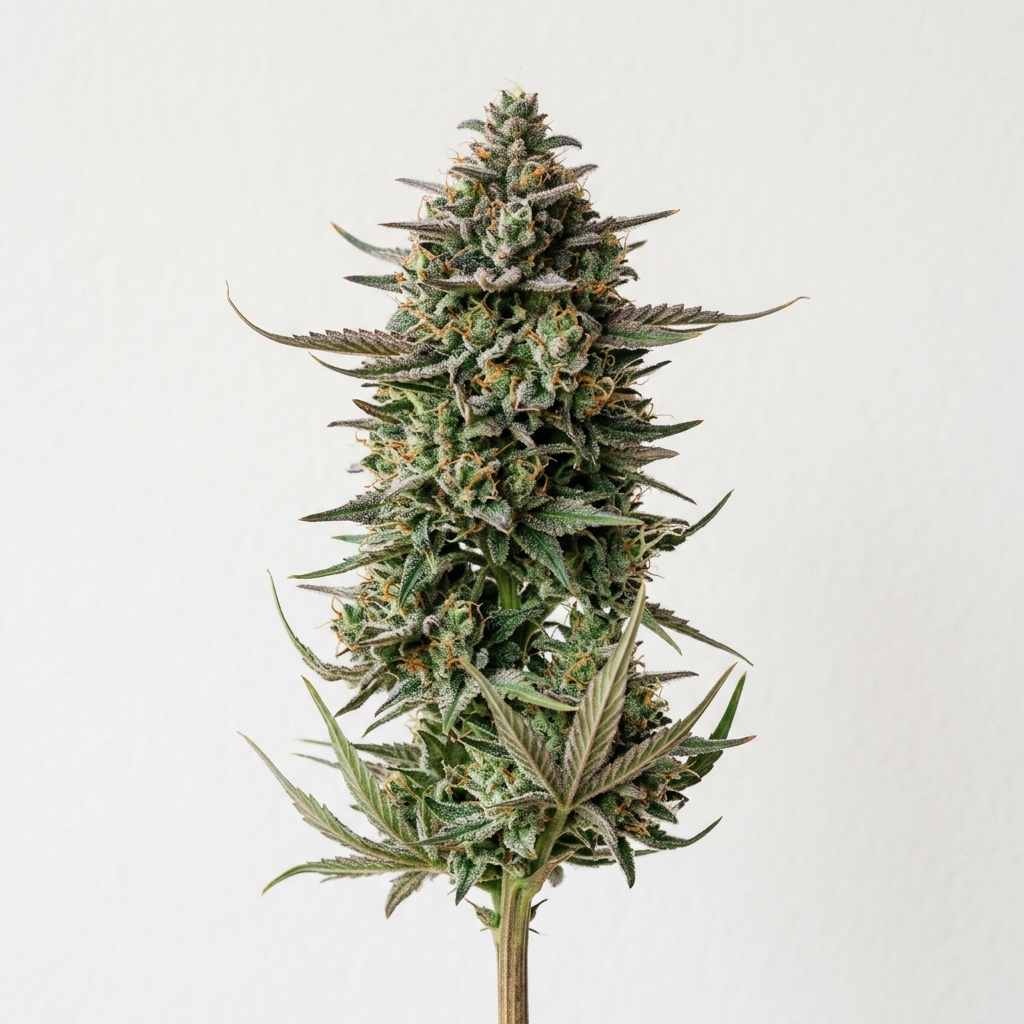
Blueberry Haze (Cannabis Strain)
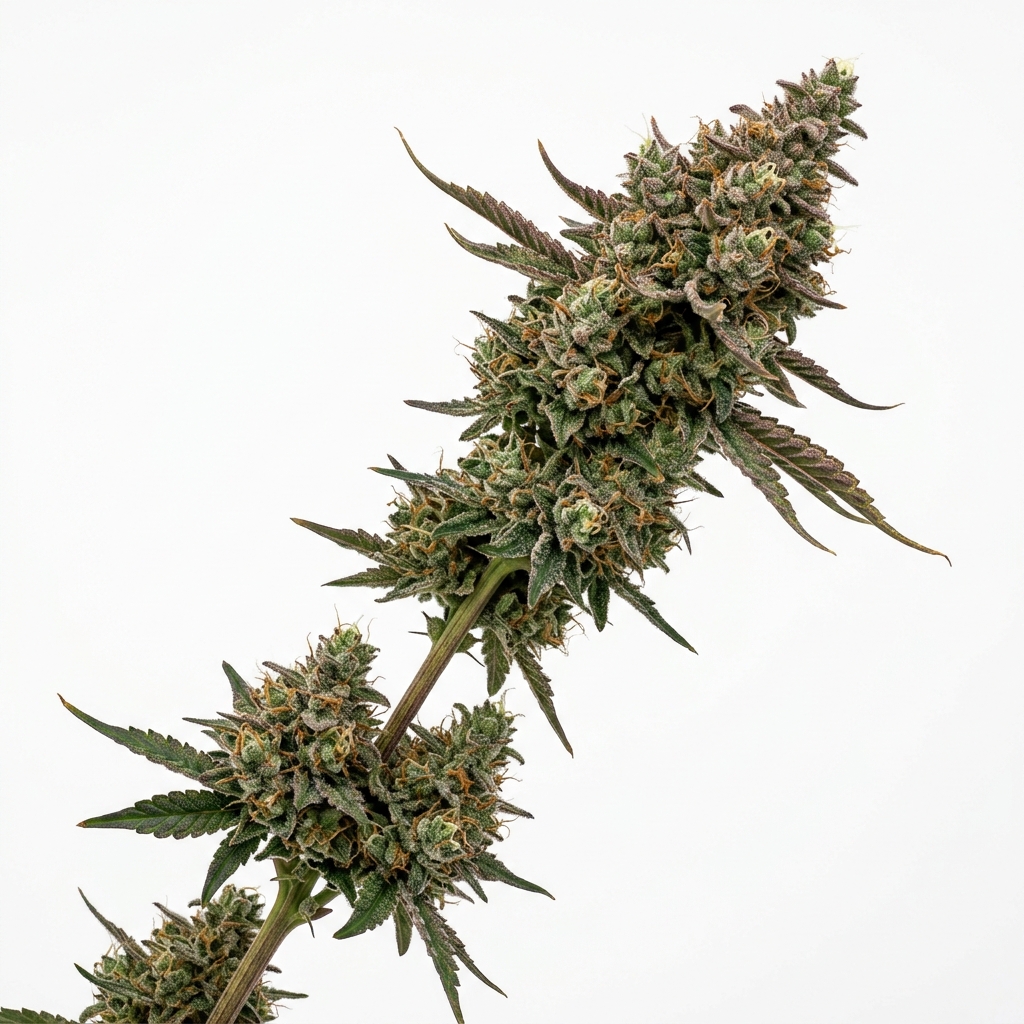
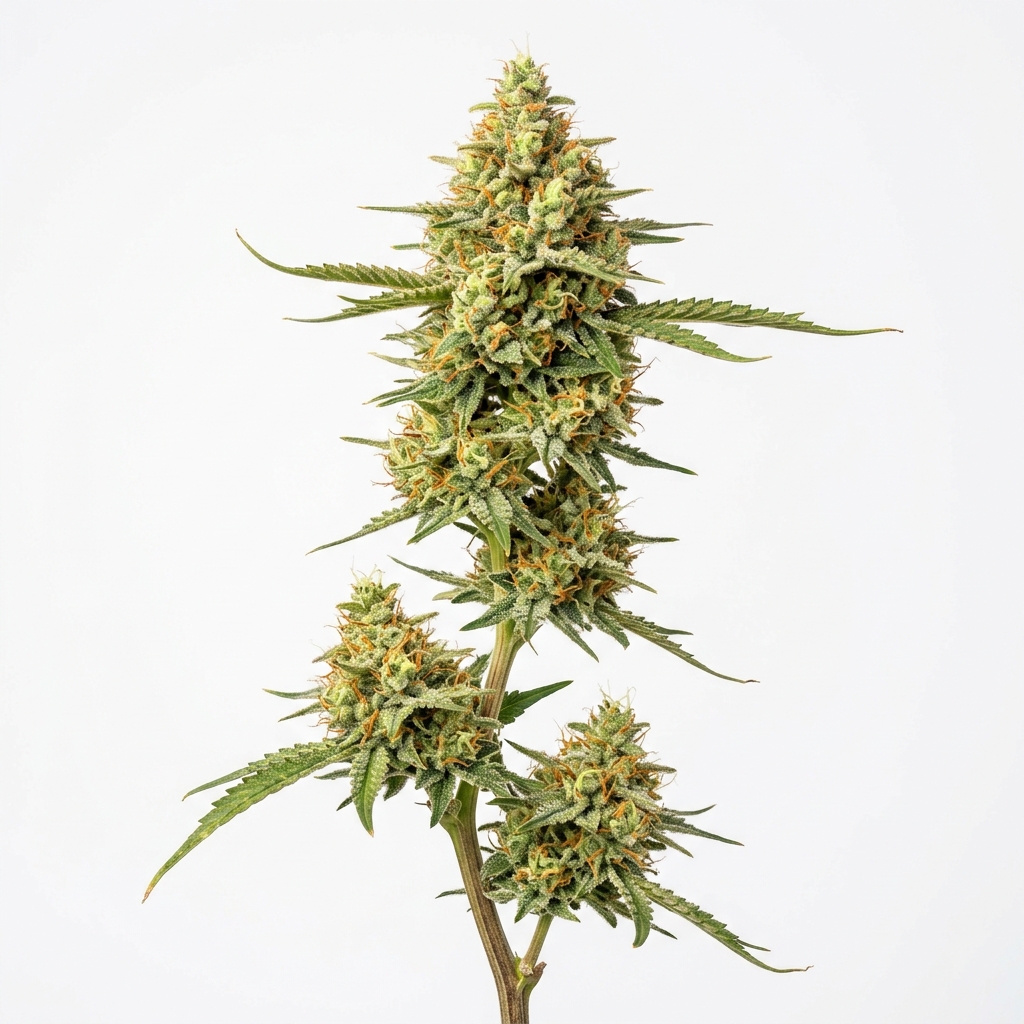
Blueberry Haze is a classic sativa-dominant hybrid, typically testing between 16% and 22% THC, created by crossing the legendary Blueberry with a select Haze mother. This cultivar is highly regarded for its sweet berry aroma and uplifting daytime effects, producing elongated spear colas covered in a moderate layer of glassy resin. Growers appreciate its manageable stretch and vibrant purple hues that develop late in the flowering cycle under cooler night temperatures.
Unlike modern dessert strains that rely on heavy cream profiles, this cultivar preserves the bright, herbaceous character of old-school genetics. It delivers a functional, clear-headed experience that makes it a favorite among daytime cultivators and extraction artists looking for classic terpene clarity.
Quick Facts
| Field | Details |
|---|---|
| Genetics | Blueberry × Haze |
| Variety | Sativa-dominant Hybrid |
| THC Range | 16% – 22% |
| Flowering Time | 9 – 10 Weeks |
| Yield Potential | Moderate to High |
| Plant Height | Medium to Tall |
| Climate Preference | Temperate, mild Mediterranean |
| Difficulty | Moderate |
Scientific & Botanical Overview
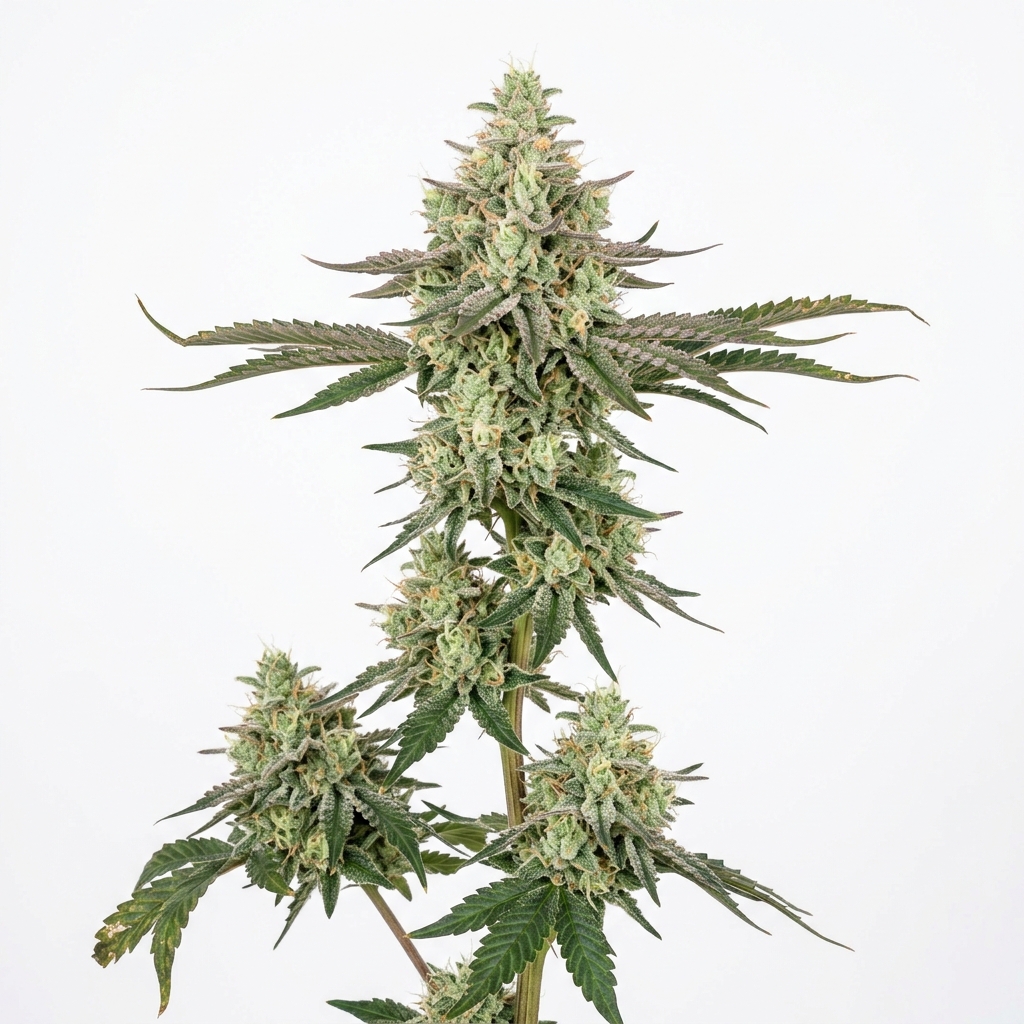
Botanically, Blueberry Haze shows classic sativa-dominant morphology, characterized by thin-fingered fan leaves and a notable stretch during the first three weeks of transition. The internodal spacing is moderately wide, allowing for excellent light penetration and airflow through the lower canopy.
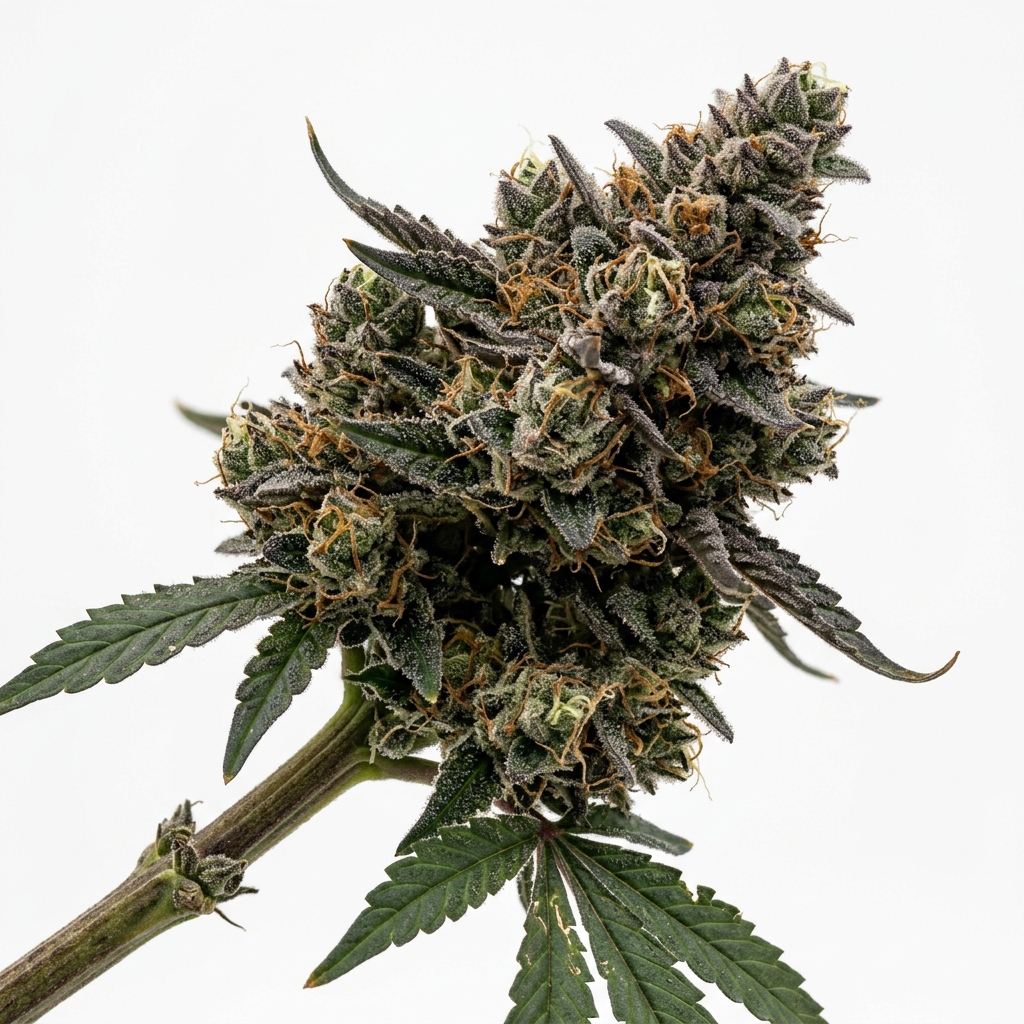
The buds develop as elongated, semi-dense spear colas rather than tight, rounded golf balls. Swollen calyxes stack along the stems, showing off deep green hues that can transition to soft lavender and violet when exposed to cooler night temperatures in late bloom.
Glandular trichomes are abundant but typically smaller than those found on heavy indica cultivars, producing a slick, greasy resin coating. This resin-rich surface holds a high concentration of volatile monoterpenes, which release a bright, sweet berry profile when handled.
Effects & Use-Cases (Reported)
Commonly reported effects: Users frequently describe a cerebral lift accompanied by a gentle, warming physical relaxation that does not lead to heavy sedation. The initial onset is clear and energizing, gradually settling into a calm, focused mental state.
Use-case context: This cultivar is highly suited for daytime activities, creative projects, and social settings where mental clarity is preferred. It offers a functional alternative to heavier evening hybrids, making it a staple for afternoon use.
Please note that individual tolerance varies, and the uplifting sativa elements may occasionally induce mild sensory stimulation in sensitive individuals.
Aroma & Flavors
Aroma: A distinct burst of sweet, sun-ripened blueberries dominates the jar, supported by a woody, herbal haze undertone and a faint hint of spicy earth.
Flavor: The smoke carries a sweet, dark berry edge on the inhale, followed by a crisp, piney, and slightly minty finish on the exhale.
Terpene associations: Lab analyses frequently associate this profile with high levels of myrcene, pinene, and caryophyllene, which work together to produce its signature sweet and woody character.
Tested Cannabinoid & Terpene Ranges
| Compound | Tested Range |
|---|---|
| Δ9-THC | 16.0% – 22.0% |
| CBD | < 1.0% |
| CBG | 0.5% – 1.2% |
| Myrcene | 0.4% – 0.9% |
| Pinene | 0.2% – 0.5% |
| Caryophyllene | 0.1% – 0.4% |
These ranges are literature-informed and can vary significantly depending on phenotype, cultivation environment, and curing practices.
Cultivation Notes
- Humidity management: Maintain relative humidity around 55-60% during early vegetative growth, tapering down to 40-45% in late flower to prevent moisture retention in the dense spear colas.
- Canopy training: Utilizing Screen of Green (ScrOG) or low-stress training (LST) is highly recommended to manage the typical Haze stretch and encourage even canopy development.
- Nutrient requirements: This cultivar is moderately sensitive to nitrogen; ease off feeding during the transition to bloom to prevent leaf curl and encourage clean bud development.
- Temperature control: Dropping nighttime temperatures by 10-15°F during the final two weeks of flower helps stimulate the production of anthocyanins, bringing out the desired purple hues.
- Phenotype variations: Some phenotypes lean heavily toward the Haze parent, stretching more and requiring a full 10 weeks to mature, while Blueberry-dominant selections finish faster with tighter internodes.
Grower Notes (Week-by-Week Snapshot)
- Weeks 1–3 (Transition & Stretch): Plants will stretch vigorously, often doubling in height. Implement early training and ensure trellis nets are in place to support the branches.
- Weeks 4–6 (Mid-Flower): Bud sites begin to stack rapidly, forming elongated clusters. Keep humidity controlled and monitor potassium and phosphorus levels as calyx development accelerates.
- Weeks 7–9+ (Late-Flower & Ripening): Trichomes transition from clear to milky. Reduce night temperatures to stimulate purple coloration and perform a thorough two-week flush to ensure terpene clarity.
Genetic Lineage
The lineage of Blueberry Haze traces back to a deliberate cross between Blueberry and Haze. The Blueberry parent, originally developed by legendary breeder DJ Short, contributes its signature sweet berry aroma, dense bud structure, and relaxing physical undertones.
The Haze parent, a cornerstone of Dutch and American breeding, infuses the cross with its soaring, cerebral effects, tall growth stature, and spicy, woody aromatic profile. This combination balances the slow-flowering, wild nature of pure Haze with the structural stability and flavor of the classic indica-dominant Blueberry.
Research Insights
From a phytochemical perspective, Blueberry Haze shows a balanced terpene profile where myrcene and pinene co-dominate. This specific ratio is of interest to researchers studying how pinene’s alert, focusing qualities can modulate the sedative properties typically associated with high-myrcene cultivars.
The presence of secondary cannabinoids like CBG in some phenotypes suggests an active biosynthetic pathway that supports a more nuanced therapeutic profile. Ongoing breeding projects continue to use this genetic backbone to stabilize fruit-forward sativa hybrids without losing daytime functionality.
Frequently Asked Questions
Is Blueberry Haze easy to grow?
It is moderately difficult due to its sativa-leaning stretch and sensitivity to overfeeding, but manageable with basic canopy training.
How long does Blueberry Haze take to flower?
Most phenotypes finish flowering within 9 to 10 weeks, though Haze-leaning selections may require a few extra days.
What does Blueberry Haze smell like?
It smells of sweet, fresh blueberries combined with a woody, spicy, and slightly earthy haze undertone.
Does Blueberry Haze turn purple?
Yes, exposing the plants to cooler night temperatures during the final weeks of flower will typically bring out deep purple and lavender hues.
Educational Disclaimer
This article is for educational and informational purposes only. Information regarding reported effects is based on historical use and anecdotal consumer reports, and does not constitute medical advice. Cultivation of cannabis is subject to local laws and regulations.
Rate and review this strain
Ratings and reviews are accepted only from signed-in Google accounts.
Sign in with Google to leave a rating and written review.
Latest Reviews
0 reviewsNo reviews yet. Be the first Google user to rate and review this strain.
Follow New Cultivar Records
Get newly documented genetics, breeder history, research highlights, and important Strainpedia discoveries by email.