
Great Basin Kush (Cannabis Strain)
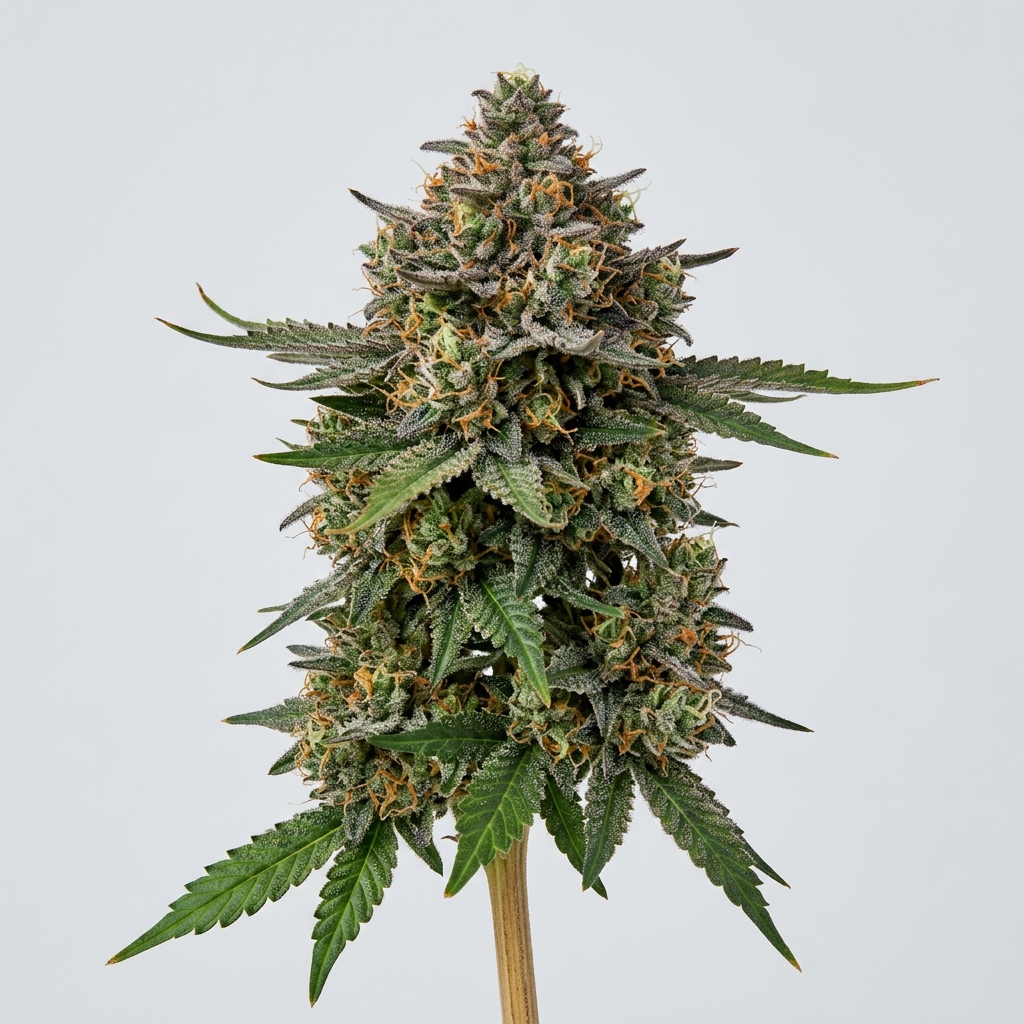
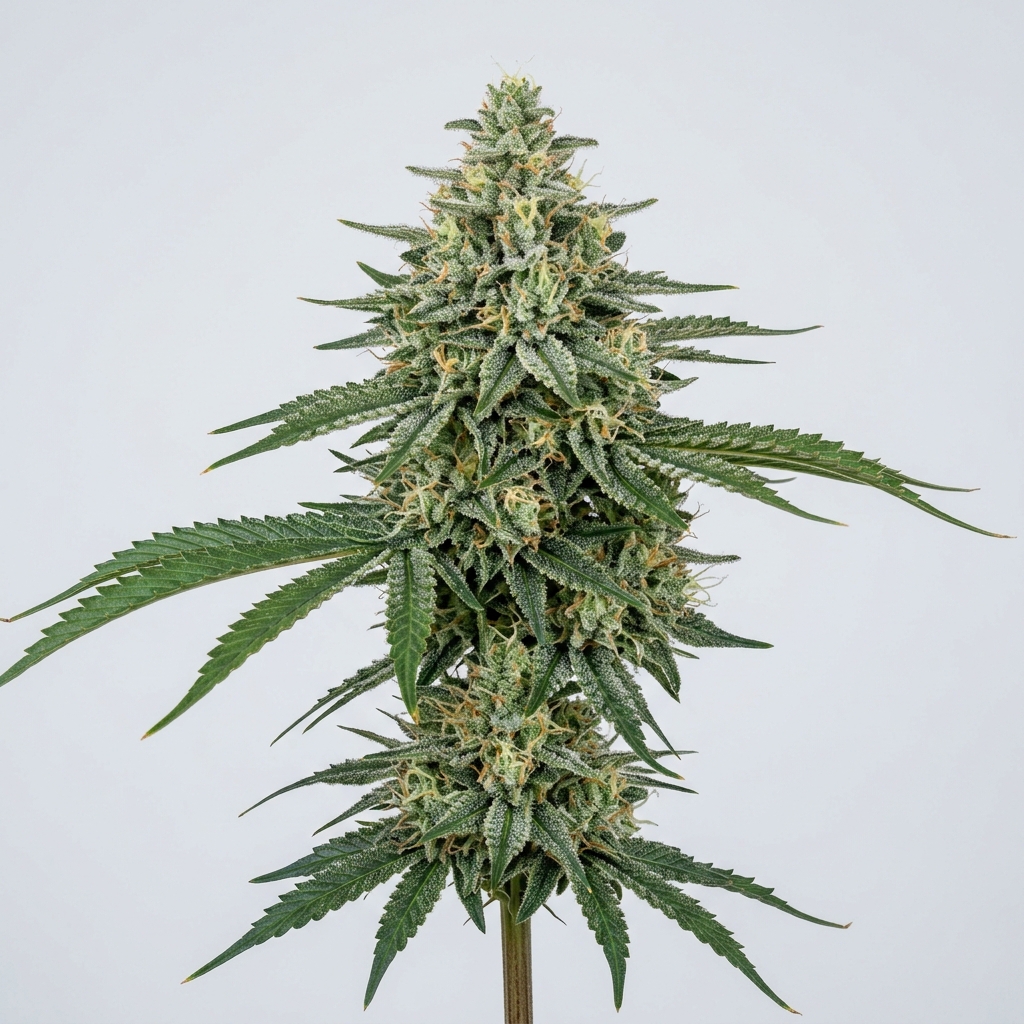
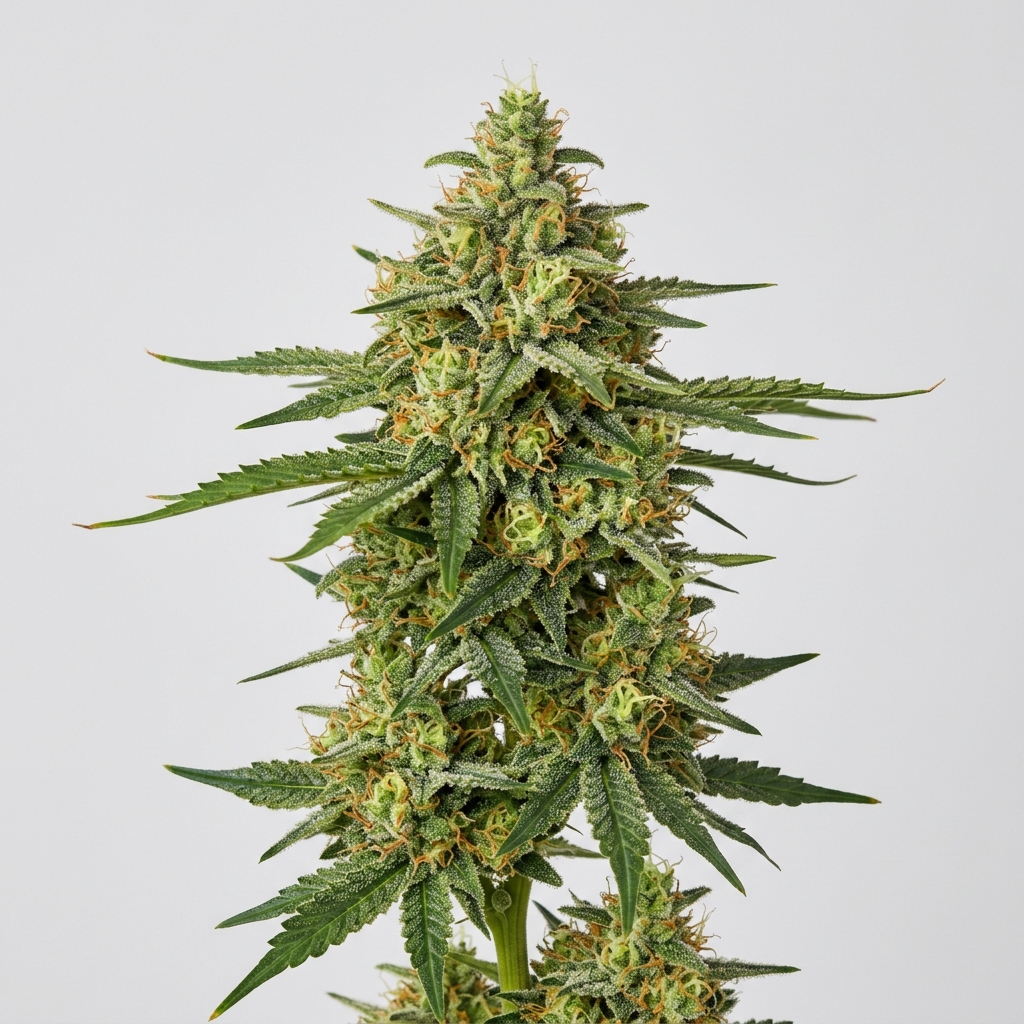
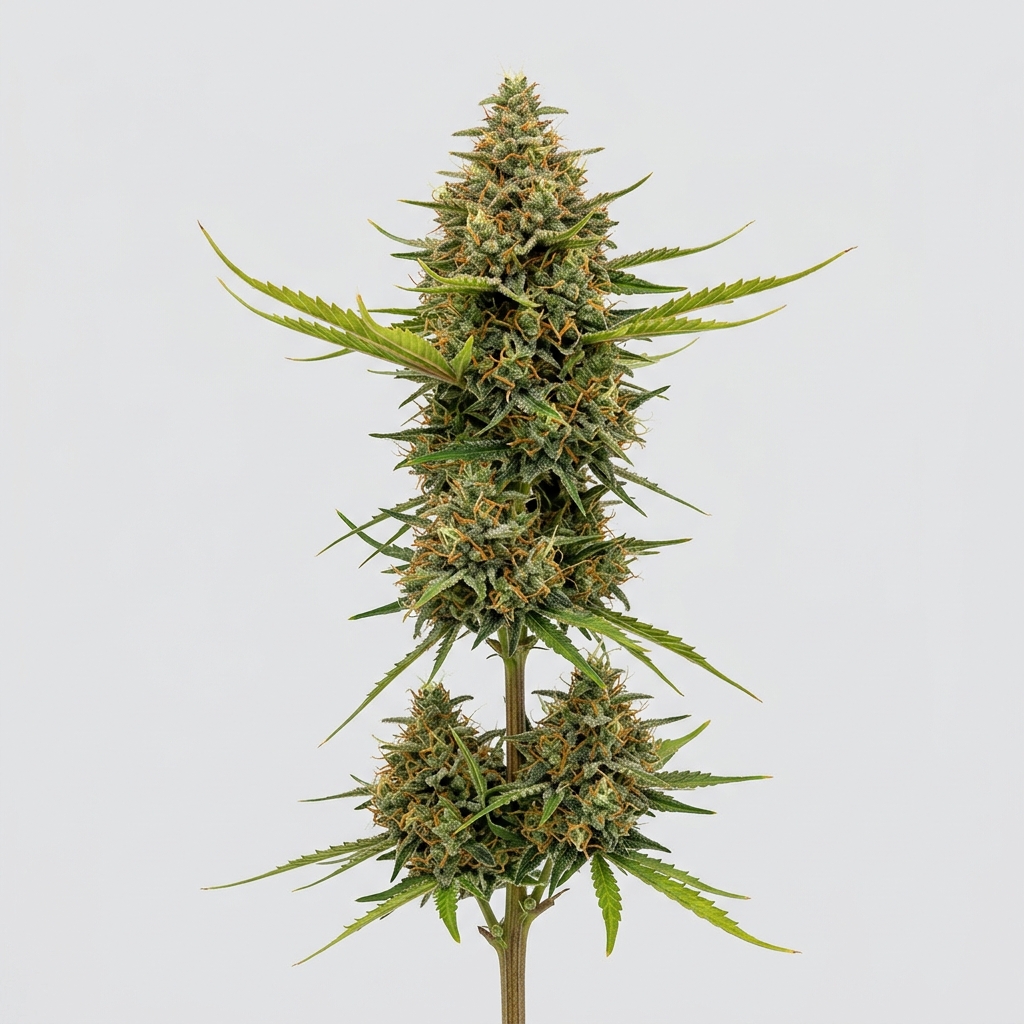
Great Basin Kush is a resilient indica-dominant hybrid cannabis cultivar engineered for structural durability and high resin output. Inspired by the rugged landscapes of the Intermountain West, this strain is often a cross between pure Hindu Kush selections and high-altitude Afghani phenotypes, resulting in a plant that thrives in dry, challenging environments where other hybrids might struggle.
Renowned for its rock-hard bud density and “mountain-air” aromatic profile, Great Basin Kush has become a top-tier choice for growers in the 2026 boutique market who prioritize environmental adaptability without sacrificing potency. It is specifically recognized for its efficient water usage and a shorter flowering cycle. The information below is provided strictly for scientific and botanical reference.
Quick Facts
| Feature | Details |
|---|---|
| Genetics | Hindu Kush × Northern Afghani (Environmental Selection) |
| Variety | Indica-dominant hybrid (~80% indica / 20% sativa) |
| THC Range | 22%–26% |
| Flowering Time | 7–8 weeks (49–56 days) |
| Yield Potential | 400–450 g/m² (Highly compact) |
| Plant Height | 80–110 cm; stocky with short internodal spacing |
| Difficulty | Easy to Intermediate (high drought and cold tolerance) |
Scientific & Botanical Overview
Great Basin Kush produces extraordinarily dense, small-to-medium sized “nuggets” that minimize internal moisture loss. The foliage is a deep forest green, often developing a silver-blue sheen due to the sheer volume of resin glands. Its thick waxy cuticle serves as a natural defense against arid conditions and high UV exposure common in its namesake region.
Botanically, this cultivar is defined by high concentrations of beta-pinene and beta-caryophyllene. These terpenes provide a crisp, woody foundation that mimics the scent of high-altitude pine forests, while the caryophyllene provides a spicy, protective resin layer.
Effects & Use-Cases (Reported)
Commonly reported effects: A heavy, grounding physical sensation often described as “mountain-stillness,” accompanied by a quiet, meditative mental state.
Use-case context: Popular among users seeking relief from chronic pain and muscle spasms, or those looking for a “reset” after a high-stress day. Its effects are deeply relaxing but typically allow for mental focus.
Note: These observations are anecdotal reports and should not be interpreted as medical claims.
Aroma & Flavors
Aroma: Crisp pine needles, damp earth, crushed sage, and spicy sandalwood.
Flavor: Intense cedar and herbal spice on the inhale with a clean, cool minty-gas finish.
Terpene associations: Beta-Pinene, Beta-Caryophyllene, Myrcene, and Humulene.
Tested Cannabinoid & Terpene Ranges
| Compound | Typical Range* | Notes |
|---|---|---|
| Δ9-THC | 22.0%–26.0% | Potent, long-lasting physical effects |
| Beta-Pinene | 0.8%–1.2% | Drives the “fresh mountain air” aroma |
| Caryophyllene | 0.5%–0.9% | Adds spicy depth and grounding qualities |
*Ranges may vary by phenotype, cultivation environment, harvest timing, and analytical method.
Cultivation Notes
- Watering: Sensitive to overwatering; allow the medium to dry out significantly between cycles to mimic arid cycles.
- Feeding: Moderate nutrient requirements; avoid over-fertilization as the plant is adapted to mineral-rich, lean soils.
- Climate: Thrives in lower humidity (30–40% RH in flower) and can handle cooler night temperatures which often trigger purple hues.
- Training: Topping once is usually sufficient to create a wide, productive canopy due to its natural stockiness.
Grower Notes (Week-by-Week Snapshot)
- Weeks 1–3: Slow vertical growth but rapid root development; establishes a very sturdy main stalk.
- Weeks 4–5: Flowers begin to form in tight clusters; aroma is initially herbal and sage-like.
- Weeks 6–8: Buds harden into “stones”; trichome coverage becomes dense and appears dry/tacky rather than greasy.
- Post-Harvest: Extremely dense buds require a controlled dry to prevent center-rot; cure for 3 weeks to unlock pine complexity.
Genetic Lineage
Great Basin Kush is a lineage-stabilized cross of Hindu Kush and Afghani, bred specifically for cold and drought resilience.
Research Insights
This strain is often cited in terpene-environment studies for its ability to maintain high pinene levels even under intense heat, a trait inherited from its high-altitude ancestors.
Frequently Asked Questions
Is it good for outdoor growing?
Yes, it was bred specifically for outdoor environments with shorter summers and lower water availability.
Does it have a strong “gas” smell?
It is more “woody” and “earthy” than gassy, though a slight diesel undertone may emerge in certain phenotypes.
How tall does it get?
It remains quite short and manageable, rarely exceeding 110 cm indoors.
Educational Disclaimer
This page is provided for scientific and horticultural reference only. Cannabis laws vary by jurisdiction; always ensure compliance with local regulations.
Rate and review this strain
Ratings and reviews are accepted only from signed-in Google accounts.
Sign in with Google to leave a rating and written review.
Latest Reviews
0 reviewsNo reviews yet. Be the first Google user to rate and review this strain.