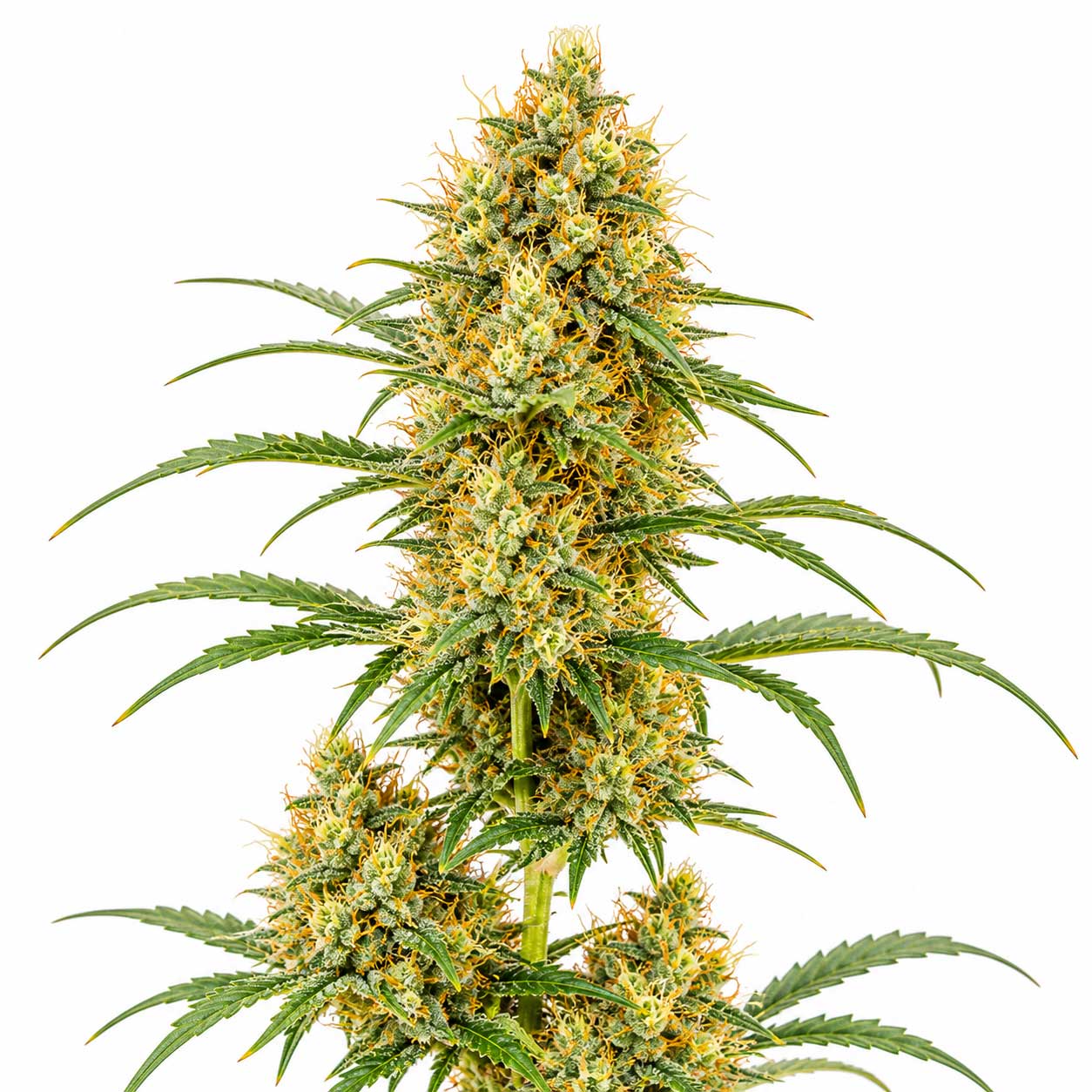
Apricot Papaya (Cannabis Strain)
Apricot Papaya is a vibrant sativa-dominant hybrid cannabis cultivar prized for its extraordinary tropical terpene profile and clear-headed stimulation. Developed by crossing the legendary Green Crack with the flavor-heavy Papaya, this strain is a standout in the 2026 “fruit-forward” market, specifically bred for those who prioritize sensory complexity and functional daytime effects.
Known for its bright orange pistils and an aroma that mimics a sun-ripened fruit basket, Apricot Papaya has become a go-to selection for concentrate makers and flower connoisseurs alike. It offers a refreshing alternative to heavy “gas” strains, providing a buoyant, energetic experience. The information below is provided strictly for scientific and botanical reference.
Quick Facts
| Feature | Details |
|---|---|
| Genetics | Green Crack × Papaya |
| Variety | Sativa-dominant hybrid (~70% sativa / 30% indica) |
| THC Range | 20%–24% |
| Flowering Time | 8–9 weeks (56–63 days) |
| Yield Potential | 450–500 g/m² |
| Plant Height | 120–160 cm; vigorous with slender branching |
| Difficulty | Intermediate (benefits from early canopy management) |
Scientific & Botanical Overview
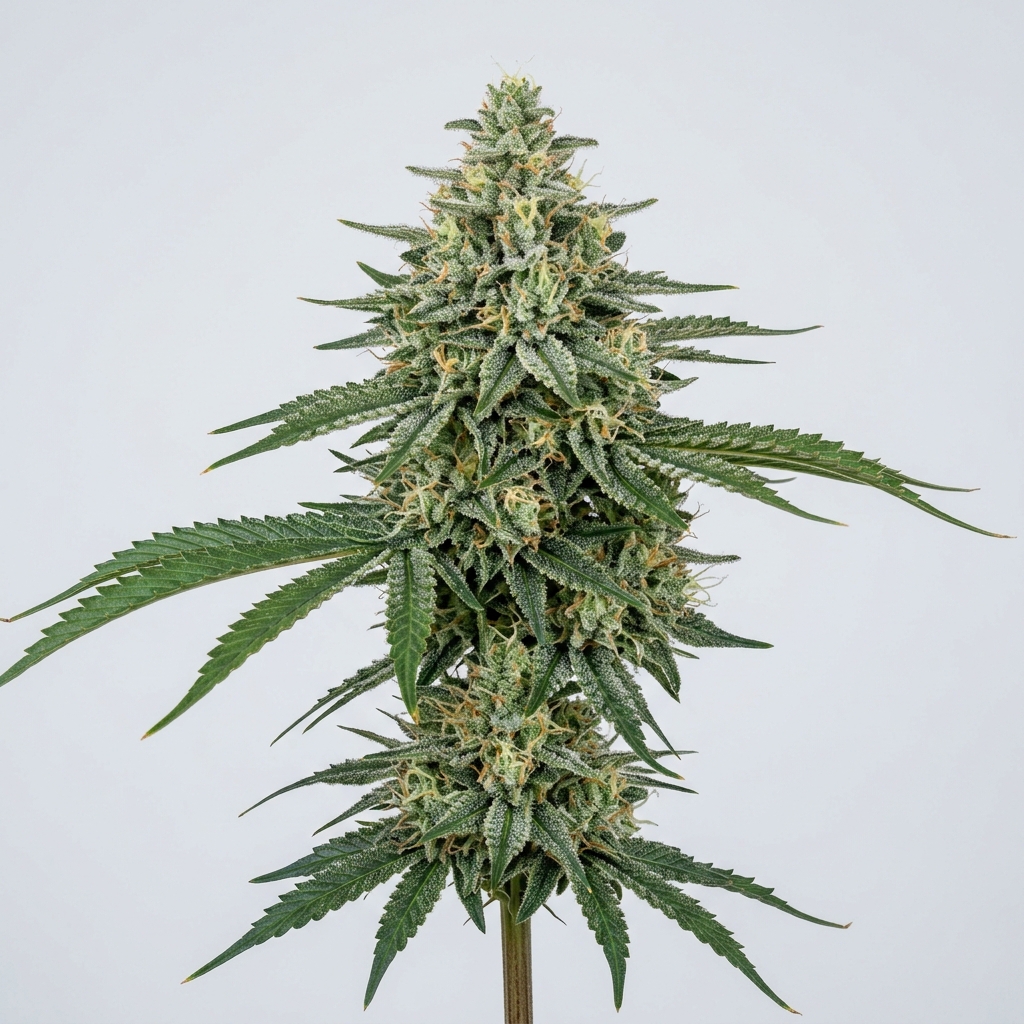
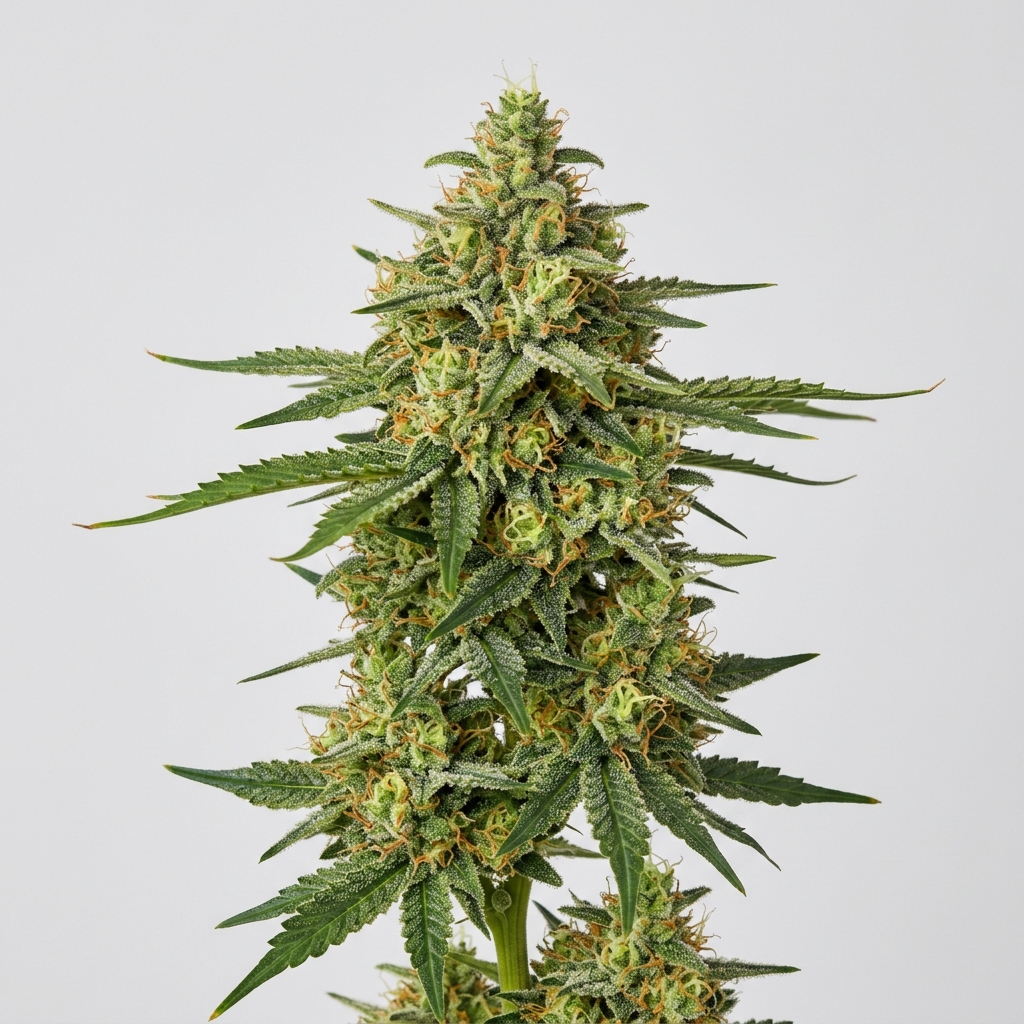
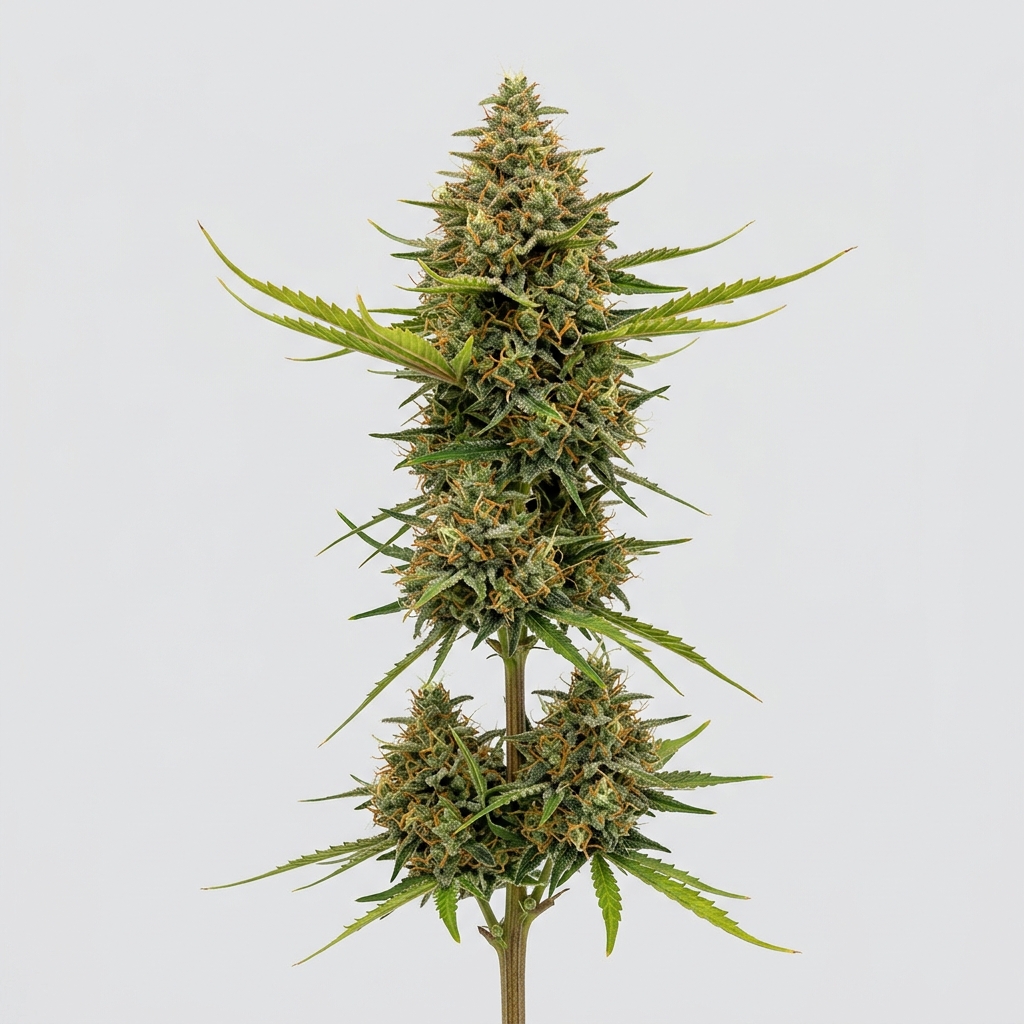
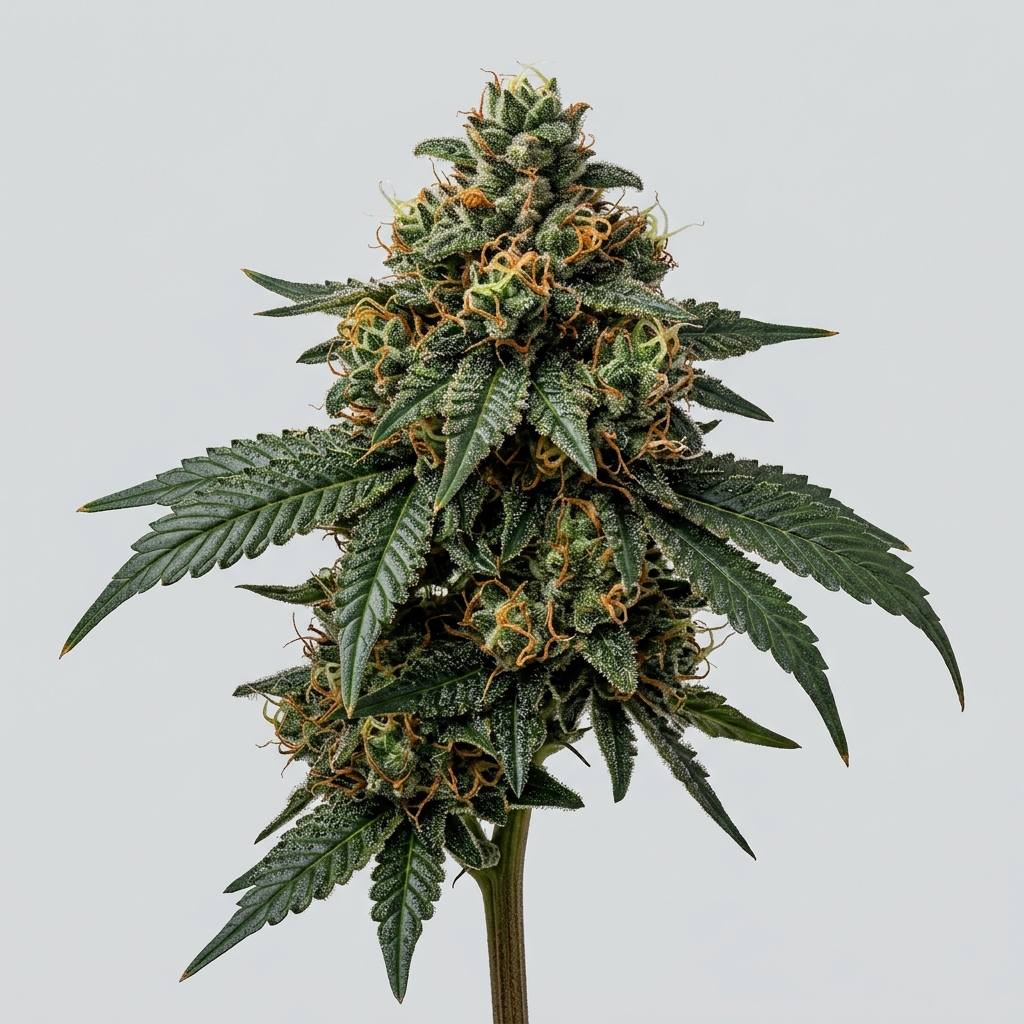
Apricot Papaya typically produces elongated, light-green colas with an abundance of vibrant amber-orange hairs. The trichomes are medium-sized and exceptionally aromatic, often carrying a slightly tacky rather than greasy texture. Its growth pattern reflects its sativa heritage, showing a significant stretch during the first three weeks of flowering and requiring ample vertical space.
Botanically, this cultivar is defined by a high concentration of myrcene and limonene, uniquely balanced by linalool and beta-caryophyllene. This chemical synergy is responsible for the distinct “stone fruit” aroma, where the sharpness of apricot meets the soft, musky sweetness of tropical papaya.
Effects & Use-Cases (Reported)
Commonly reported effects: A rapid, sparkling cerebral lift, heightened focus, and a pleasant, social energy that transitions into a mild physical relaxation.
Use-case context: Frequently selected for creative pursuits, outdoor adventures, and daytime social gatherings. It is often reported to provide an “anti-fatigue” effect, making it suitable for managing daytime lethargy or stress.
Note: These observations are anecdotal reports and should not be interpreted as medical claims.
Aroma & Flavors
Aroma: Tangy apricot, sweet papaya, tropical citrus, and a hint of herbal spice.
Flavor: Intense tropical fruit candy on the inhale with a smooth, peachy and floral finish.
Terpene associations: Myrcene, Limonene, Linalool, and Caryophyllene.
Tested Cannabinoid & Terpene Ranges
| Compound | Typical Range* | Notes |
|---|---|---|
| Δ9-THC | 20.0%–24.0% | Energetic high without heavy sedation |
| Myrcene | 0.8%–1.2% | Contributes to the soft tropical sweetness |
| Limonene | 0.6%–0.9% | Drives the uplifting and tangy citrus profile |
*Ranges may vary by phenotype, cultivation environment, harvest timing, and analytical method.
Cultivation Notes
- Training: Responds exceptionally well to “Mainlining” or SCROG to control the height and increase yield.
- Nutrients: Prefers a moderate nutrient regimen; excessive nitrogen in late flower can overshadow the delicate fruit terpenes.
- Harvest Timing: Harvesting when trichomes are mostly milky (with minimal amber) preserves the brightest fruit notes and most energetic effects.
- Environment: Thrives in slightly higher temperatures but requires excellent ventilation to support its rapid growth.
Grower Notes (Week-by-Week Snapshot)
- Weeks 1–3: Fast vertical stretch; ensure enough light penetration to the lower nodes.
- Weeks 4–6: The aroma shifts from grassy to distinctly tropical; pistils begin to darken into orange.
- Weeks 7–9: Flowers swell and become coated in clear/milky resin; fruit scent peaks in intensity.
- Post-Harvest: A gentle 10-day dry is recommended to lock in the volatile apricot aromatic compounds.
Genetic Lineage
Apricot Papaya is a genetic marriage between Green Crack (energy) and Papaya (flavor), resulting in a cultivar that excels in both effect and sensory appeal.
Research Insights
This cultivar is often studied for its high limonene-myrcene ratio, which is hypothesized to provide significant mood elevation while maintaining a state of physical ease.
Frequently Asked Questions
Is it a Sativa or Indica?
It is a sativa-dominant hybrid, leaning roughly 70% toward the sativa side, making it ideal for daytime use.
Does it really smell like apricots?
Yes, many users report a distinct stone-fruit tartness that specifically resembles dried apricots or peach skins.
Is it easy to grow?
It is moderately easy, though its height can be a challenge for small indoor spaces without proper training.
Educational Disclaimer
This page is provided for scientific and horticultural reference only. Cannabis laws vary by jurisdiction; always ensure compliance with local regulations.
Rate and review this strain
Ratings and reviews are accepted only from signed-in Google accounts.
Sign in with Google to leave a rating and written review.
Latest Reviews
0 reviewsNo reviews yet. Be the first Google user to rate and review this strain.