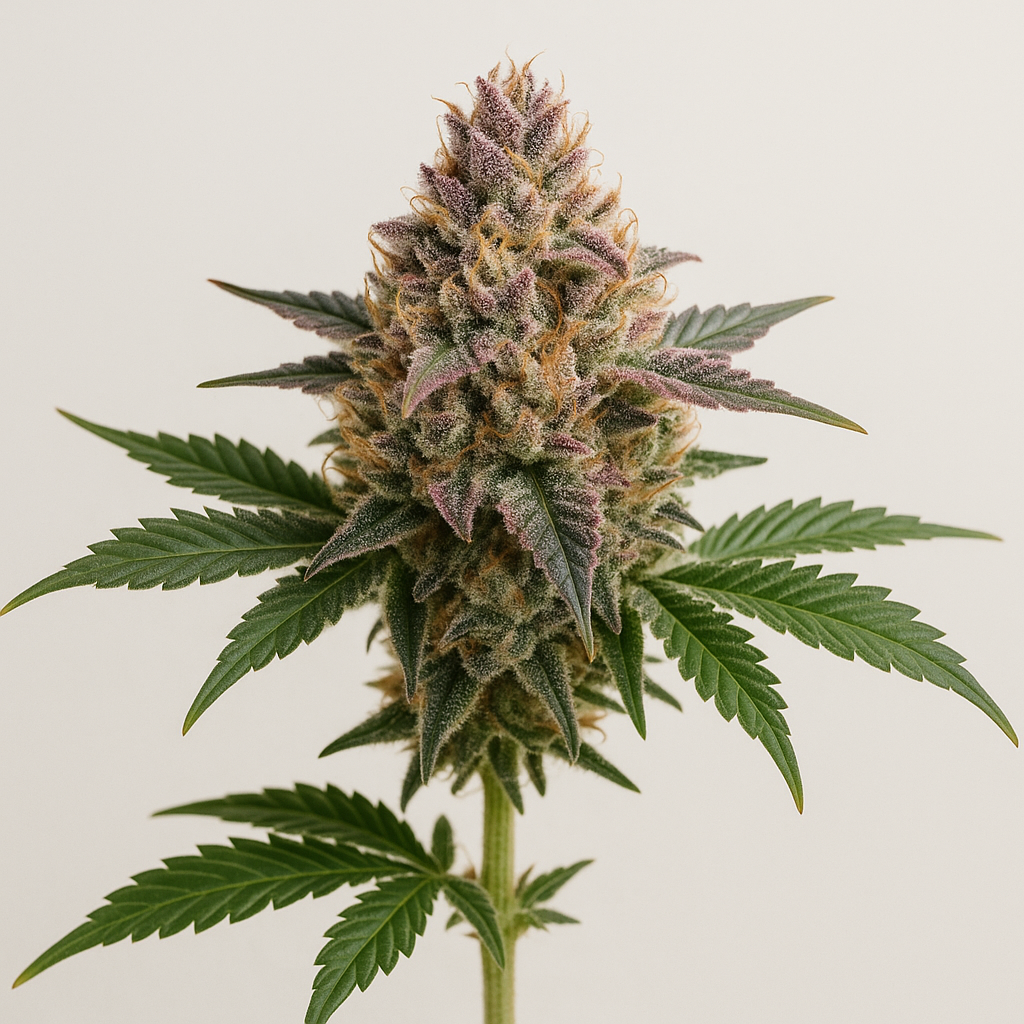
Big Sur Holy Weed (Cannabis Strain)
Big Sur Holy Weed is a legendary sativa-dominant heirloom cannabis cultivar commonly described as a cross between Zacatecas Purple (Mexican Sativa) and a rugged Afghani heirloom. Originating in the 1970s along the coastal region of Big Sur, California, it represents a rare preservation of early cannabis genetics prior to modern hybrid saturation.
Recognized for its luminous cerebral effects and distinctive mentholated-berry terpene profile, Big Sur Holy Weed remains a highly sought-after cultivar among preservationists and connoisseurs. Its appeal centers on clarity, sensory expansion, and a unique “weightless” experience rarely found in contemporary hybrids. The information below is provided strictly for scientific and botanical reference.
Quick Facts
| Feature | Details |
|---|---|
| Genetics | Zacatecas Purple × Afghani Heirloom |
| Variety | Sativa-dominant hybrid (~80% sativa / 20% indica) |
| THC Range | 18%–24% |
| Flowering Time | 10–12 weeks (70–84 days) |
| Yield Potential | 400–500 g/m² (Quality-focused) |
| Plant Height | 160–200 cm; tall, viny structure with extended stretch |
| Climate Preference | Mediterranean / coastal environments |
| Difficulty | Advanced (requires patience and vertical control) |
Scientific & Botanical Overview
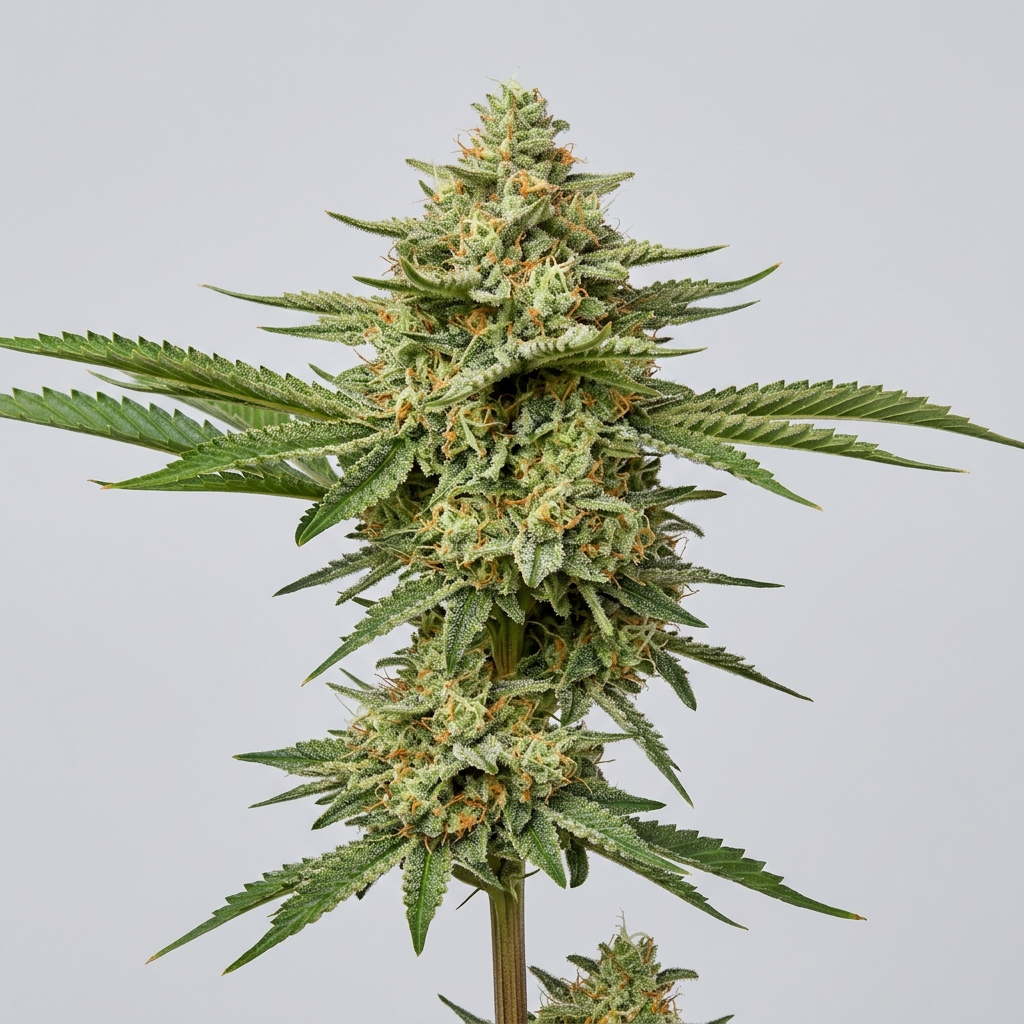
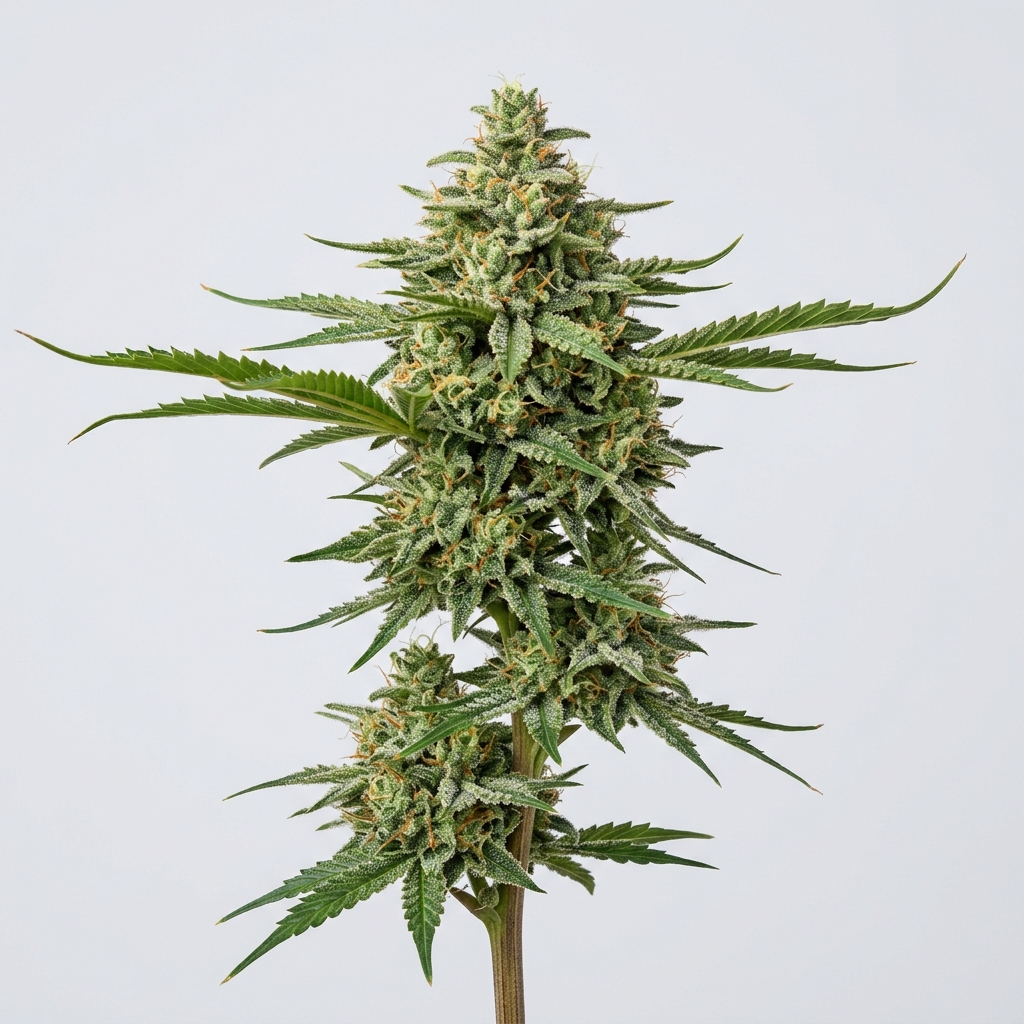
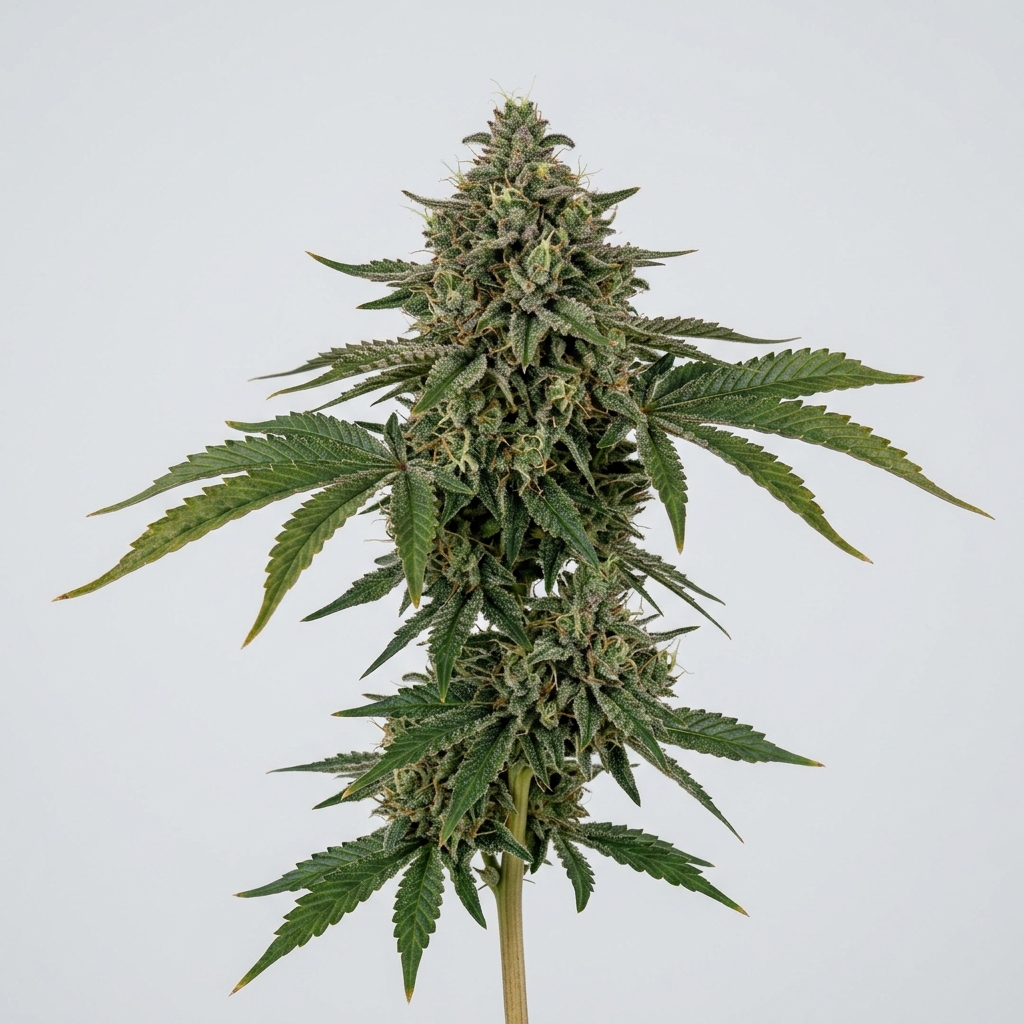
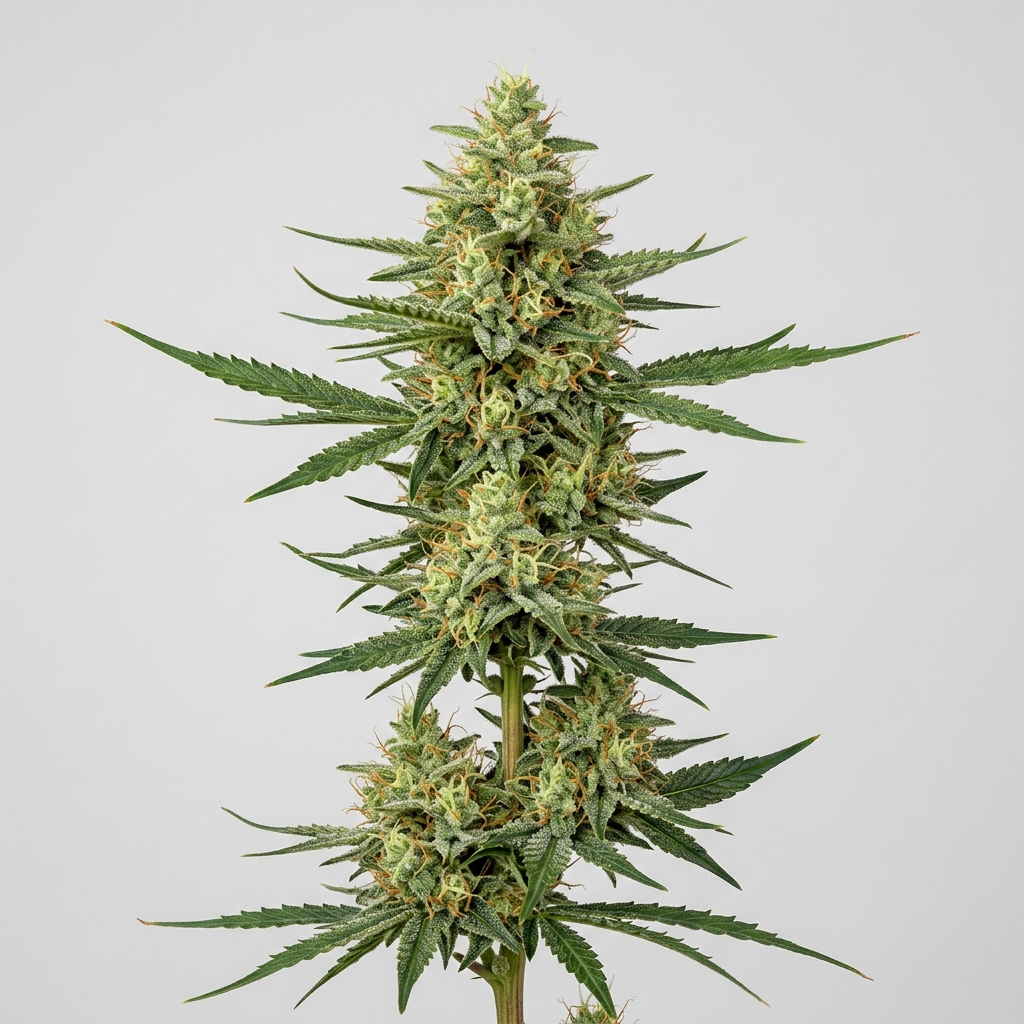
Big Sur Holy Weed exhibits classic coastal sativa morphology, producing elongated, loosely structured colas with high surface-area resin distribution. Unlike dense modern hybrids, its floral structure emphasizes terpene exposure over compact mass.
The cultivar is known for its dramatic coloration, often developing lavender, magenta, and pink hues late in flowering, especially under cooler conditions. Botanically, it is associated with elevated concentrations of ocimene and pinene, contributing to its refreshing, menthol-like aromatic identity.
Effects & Use-Cases (Reported)
Commonly reported effects: A “weightless” cerebral lift, enhanced visual perception, elevated mood, and a calm yet expansive mental state.
Use-case context: Frequently selected for outdoor activities, creative exploration, meditation, and sensory-focused experiences such as music or nature immersion.
Note: These observations are anecdotal reports and should not be interpreted as medical claims.
Aroma & Flavors
Aroma: Fresh menthol, wild berries, rose petals, sandalwood, and light herbal spice.
Flavor: Crisp herbal inhale with floral and berry notes, followed by a smooth woody and slightly sweet exhale.
Terpene associations: Ocimene, Pinene, Myrcene, and Limonene.
Tested Cannabinoid & Terpene Ranges
| Compound | Typical Range* | Notes |
|---|---|---|
| Δ9-THC | 18.0%–24.0% | Clarity-focused potency with minimal heaviness |
| CBG | 0.6%–1.2% | Supports cannabinoid balance and clarity |
| Ocimene | 0.5%–0.9% | Provides cooling, refreshing aromatic quality |
| Pinene | 0.4%–0.7% | Supports alertness and forest-like aroma |
| Myrcene | 0.2%–0.5% | Adds subtle grounding balance |
*Ranges may vary by phenotype, cultivation environment, harvest timing, and analytical method.
Cultivation Notes
- Environment: Thrives in coastal and Mediterranean climates
- Training: SCROG or LST recommended to manage height
- Resistance: Naturally resistant to mold and humidity
- Patience: Long flowering cycle requires full maturation for optimal effect
- Harvest Window: Final weeks critical for terpene and cannabinoid development
Grower Notes (Week-by-Week Snapshot)
- Weeks 1–4: Rapid vertical growth; canopy control required
- Weeks 5–8: Floral structures elongate; aroma shifts to menthol and berries
- Weeks 9–12: Color expression develops; resin becomes highly aromatic
- Post-Harvest: Long curing period (4–6 weeks) enhances complexity and smoothness
Genetic Lineage
Big Sur Holy Weed combines Zacatecas Purple and an Afghani heirloom. The Mexican sativa lineage contributes the uplifting cerebral profile and coloration, while the Afghani genetics provide stability and subtle grounding effects.
Research Insights
Big Sur Holy Weed is frequently referenced in studies involving ocimene-dominant terpene profiles, which are associated with uplifting, refreshing sensory effects and enhanced mental clarity.
Frequently Asked Questions
Why is it called “Holy Weed”?
The name reflects both its historical origins and the uniquely clear, expansive mental experience reported by users.
Is it hard to grow?
It requires patience due to its long flowering time, making it better suited for experienced growers.
Is it good for daytime use?
Yes, it is often selected for daytime due to its uplifting and non-sedating effects.
Educational Disclaimer
This page is provided for scientific and horticultural reference only. Cannabis laws vary by jurisdiction; always ensure compliance with local regulations.
Rate and review this strain
Ratings and reviews are accepted only from signed-in Google accounts.
Sign in with Google to leave a rating and written review.
Latest Reviews
0 reviewsNo reviews yet. Be the first Google user to rate and review this strain.