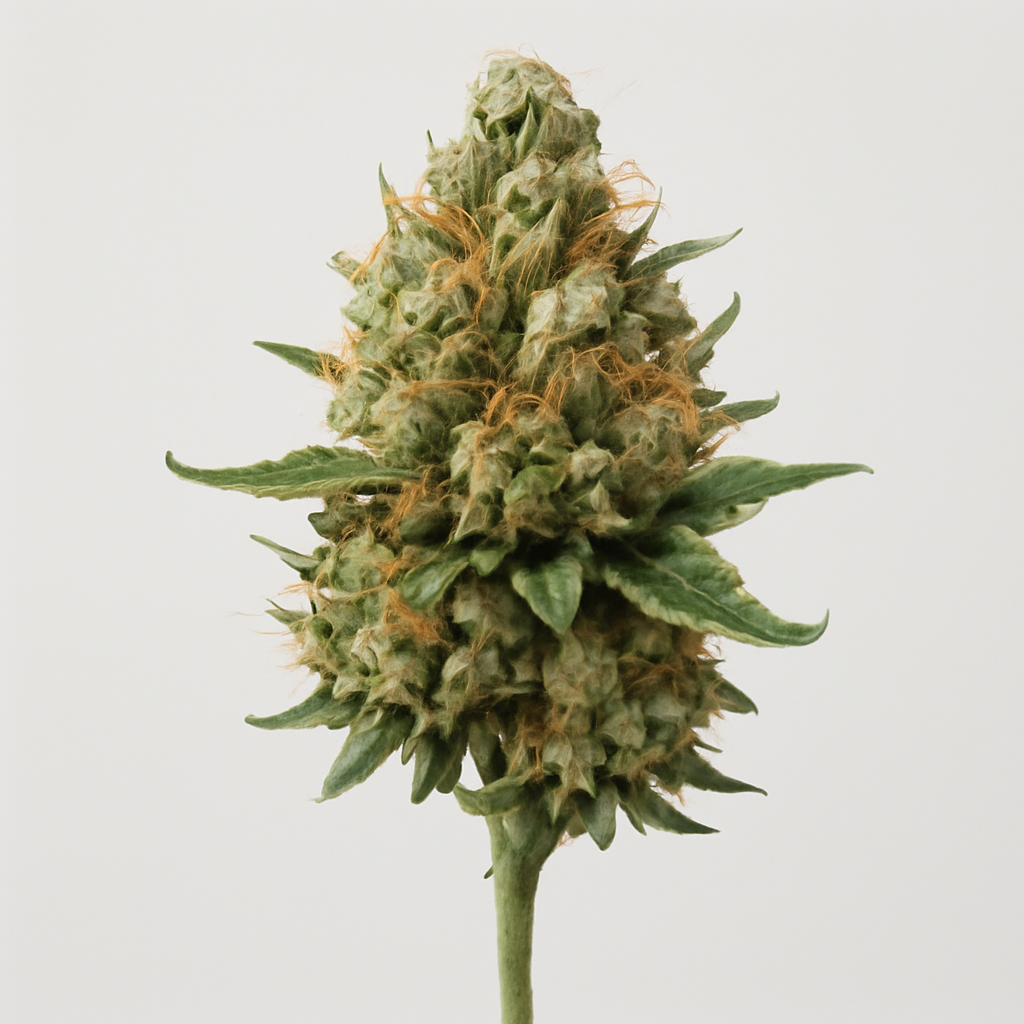
A.C.D.C. (Cannabis Strain)
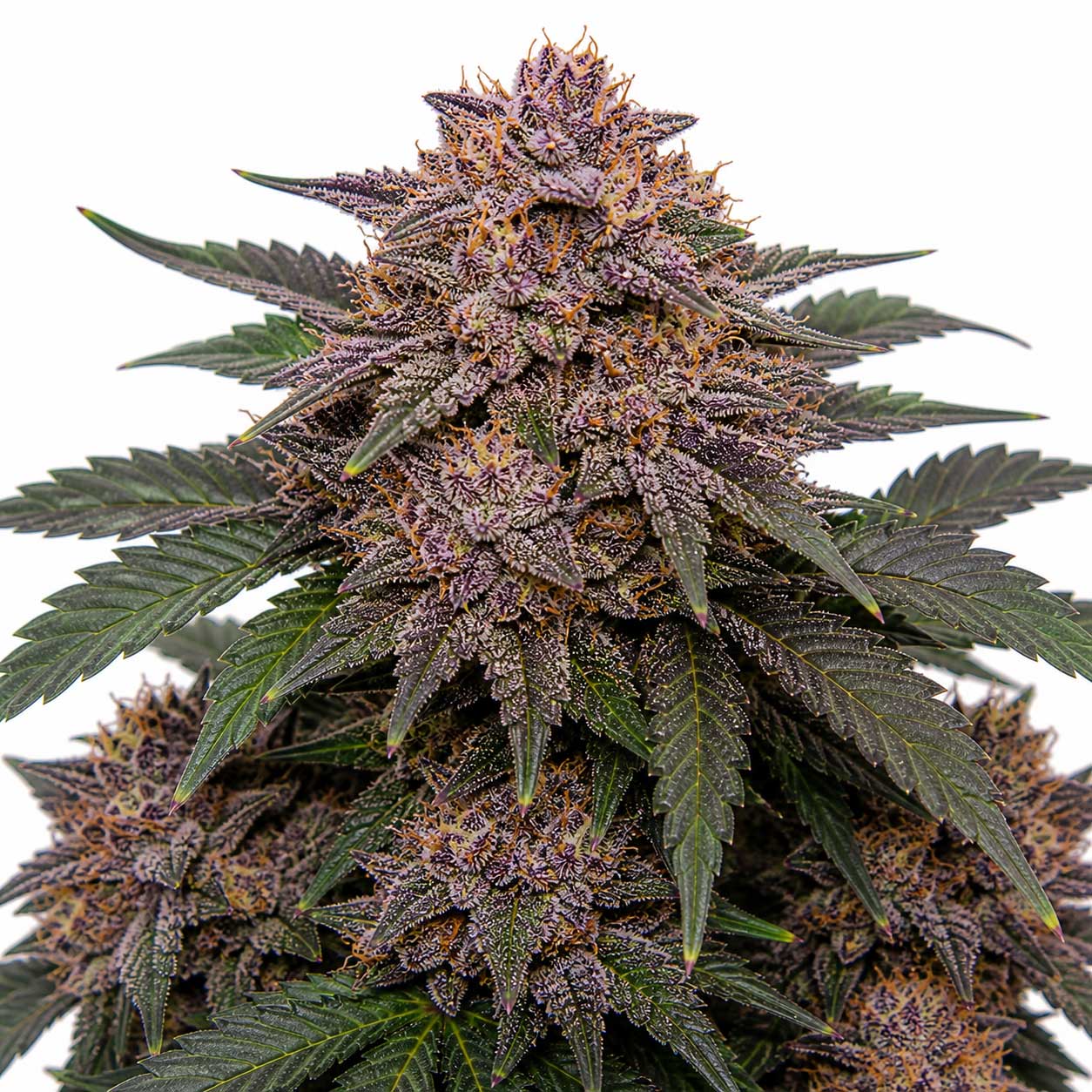
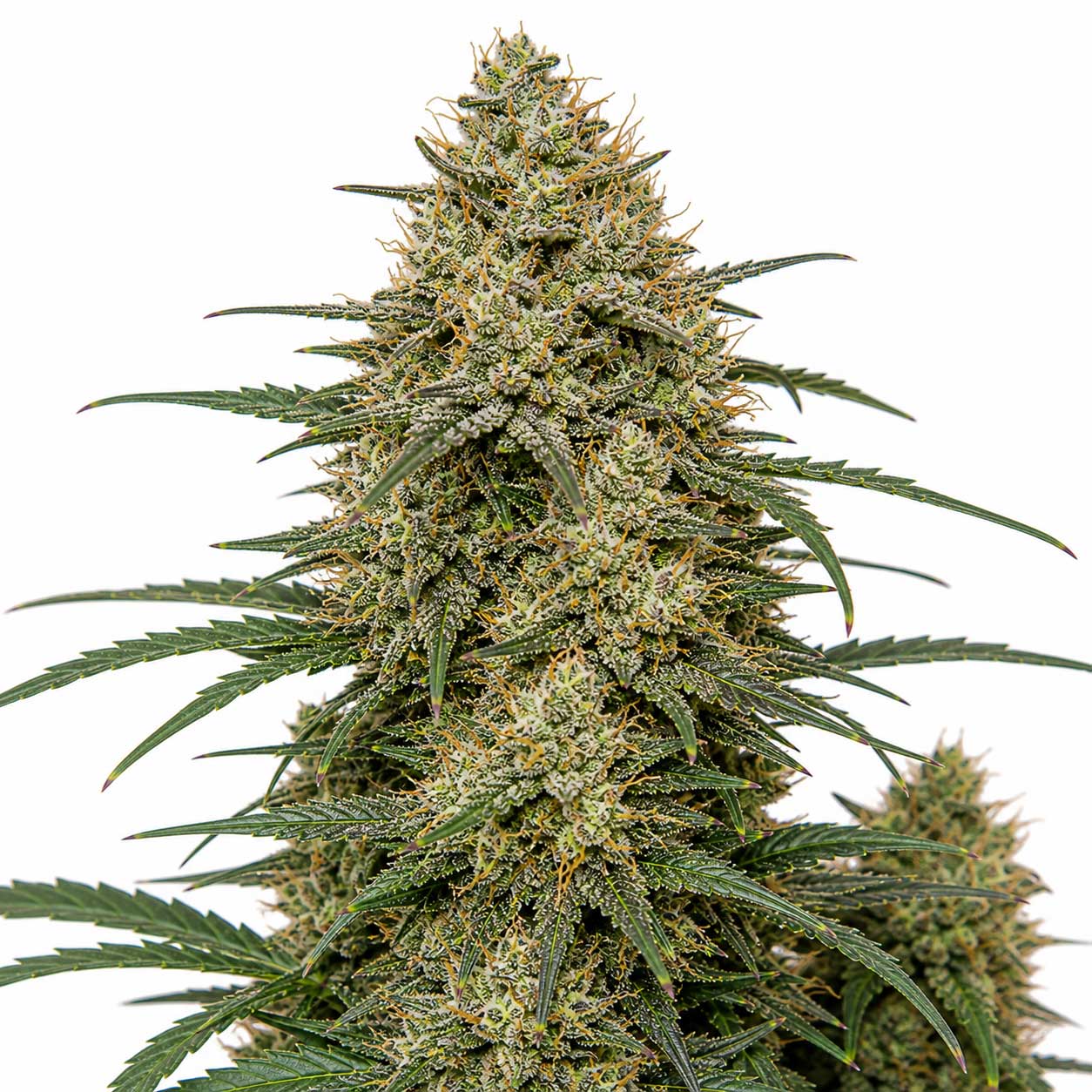
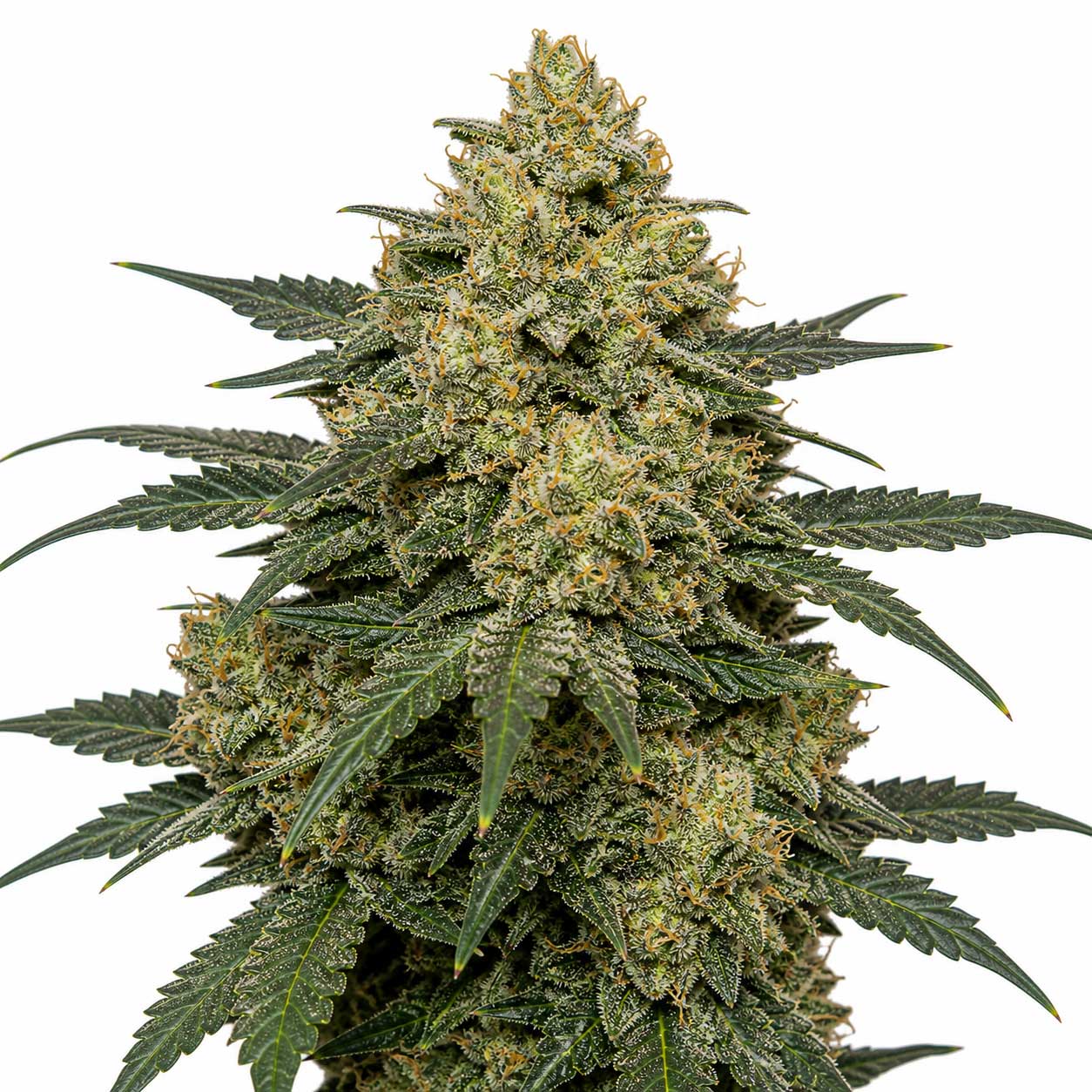
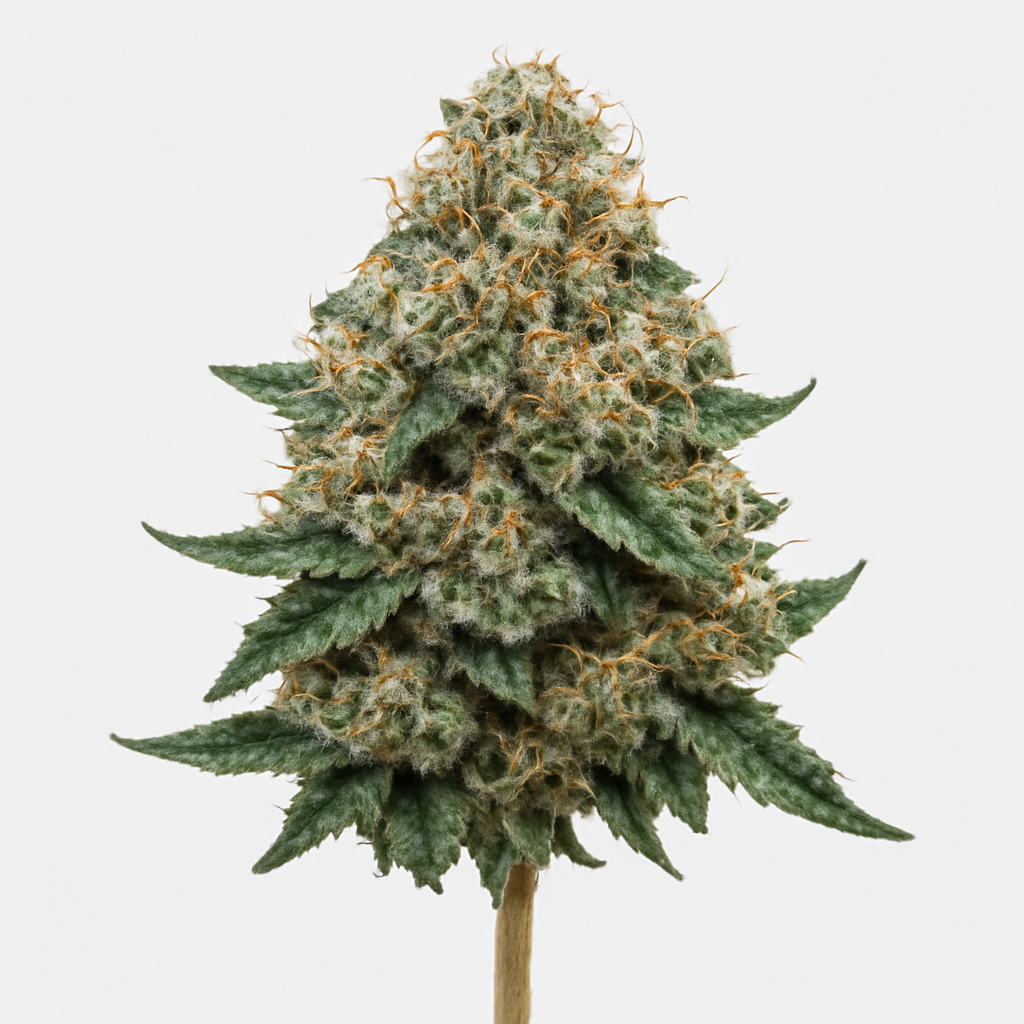
A.C.D.C. is a landmark sativa-dominant hybrid renowned for its exceptionally high CBD-to-THC ratio, typically testing between 0.5% to 6% THC and 12% to 20% CBD. Selected as a specific phenotype of Cannatonic, this cultivar delivers a clean aroma of earthy pine, herbal sage, and fresh citrus peel. Unlike modern high-THC dessert cultivars, its slender sativa structure produces elongated, airy-to-medium density buds coated in a matte-sugar layer of trichomes, making it a premier choice for functional daytime use and specialized breeding.
While many contemporary hybrids compete on sheer psychoactive potency, this cultivar remains an essential reference point for therapeutic and ratio-based selection. Growers value its predictable cannabinoid expression, though its sativa-leaning growth habits require attentive canopy management and environmental control to maximize yield.
Quick Facts
| Field | Details |
|---|---|
| Genetics | Cannatonic phenotype |
| Variety | Sativa-dominant Hybrid |
| THC Range | 0.5% – 6% |
| Flowering Time | 9 – 11 weeks |
| Yield Potential | Moderate |
| Plant Height | Medium to tall |
| Climate Preference | Warm, dry, well-ventilated |
| Difficulty | Moderate |
Scientific & Botanical Overview
Botanically, A.C.D.C. displays classic sativa-dominant morphology, characterized by narrow fan leaves, long internodal spacing, and a substantial stretch during the early flowering phase. The plant develops a slender, flexible frame that requires physical support to manage its elongated branch structure as the flower weight develops.
The floral architecture favors open, spear-shaped colas rather than dense, compressed indica-style clusters. This looser bud density naturally enhances airflow through the canopy, providing the plant with moderate resistance to late-season moisture issues and mold.
Its resin production is distinct, presenting as a fine, dusty layer of small-headed trichomes rather than the greasy, wet resin pools found in modern extraction-focused cultivars. This dry, sandy texture preserves volatile monoterpenes well when dried and cured under cool, stable conditions.
Effects & Use-Cases (Reported)
Commonly reported effects: clear-headed, calm, lightly uplifting, steady, and entirely non-sedating.
Use-case context: Often selected by consumers seeking a functional, low-intensity experience that allows for focus, daily routines, or daytime social interactions without cognitive disruption.
Note: These observations are anecdotal and do not constitute medical claims or advice.
Aroma & Flavors
Aroma: Earthy pine, wet forest soil, herbal sage, and a sharp citrus peel finish.
Flavor: Woodsy cedar, dry lemongrass, herbal tea, and a soft, peppery spice on the exhale.
Terpene associations: Aligned primarily with myrcene, pinene, and caryophyllene, which drive its herbal and forest-like profile.
Tested Cannabinoid & Terpene Ranges
| Compound | Typical Range | Notes |
|---|---|---|
| Δ9-THC | 0.5% – 6% | Exceptionally low compared to recreational standards. |
| CBD | 12% – 20% | The primary cannabinoid driver in this phenotype. |
| Myrcene | 0.3% – 0.8% | Provides the foundational herbal and earthy baseline. |
| Pinene | 0.1% – 0.4% | Contributes to the clean forest aroma and mental clarity. |
| Caryophyllene | 0.1% – 0.3% | Adds a subtle peppery note on the exhale. |
Note: Cannabinoid and terpene profiles vary based on phenotype, cultivation methods, and curing environments.
Cultivation Notes
- Humidity: Maintain 55-60% RH during vegetative growth, dropping to 40-45% in late flower to protect the airy colas.
- Nutrition: Requires a moderate nutrient regimen; avoid heavy nitrogen feeding to prevent excessive vegetative stretch.
- Training: Responds exceptionally well to topping and low-stress training (LST) to promote lateral branching and even canopy distribution.
- Harvest: Harvest timing is critical; monitor trichomes closely to ensure harvest occurs before degradation, preserving the clean CBD profile.
- Phenotype Management: Select phenotypes that demonstrate stable high-CBD ratios and sturdier stem structures to minimize trellis dependency.
Grower Notes (Week-by-Week Snapshot)
- Weeks 1–3 (Vegetative & Transition): Rapid vertical growth begins immediately. Implement early training and secure trellis netting to manage the significant internodal stretch.
- Weeks 4–6 (Mid-Flower): Elongated spear colas begin to form. Ensure adequate airflow through the lower canopy by performing light defoliation of fan leaves.
- Weeks 7–9+ (Late Flower & Ripening): Buds fill out with a matte-sugar coating. Monitor trichome clarity carefully, as this cultivar often requires a full 10 weeks to reach optimal cannabinoid balance.
- Post-Harvest & Cure: Execute a slow, 10-to-14-day dry at 60°F and 60% RH to preserve the delicate herbal and pine monoterpenes.
Genetic Lineage
A.C.D.C. is widely recognized as a specific, high-CBD phenotype selected from Cannatonic, a foundational medicinal hybrid bred by Resin Seeds. Cannatonic itself is a cross between MK Ultra and G13 Haze, which explains the sativa-leaning growth traits and complex herbal terpene profile found in this selection.
Because early distribution of this cut relied heavily on clone-only sharing among medical collectives in California, some variation exists in commercial representations. However, verified lines consistently maintain the signature near-zero THC expression and dominant CBD profile that defined the original selection.
Research Insights
Scientific interest in this cultivar focuses on its stable cannabinoid synthesis pathways, specifically the dominance of CBD synthase over THC synthase. This genetic trait allows the plant to produce high concentrations of cannabidiol while keeping psychoactive compounds below typical threshold levels.
The synergy of its terpene profile—dominated by myrcene and pinene—complements the high-CBD content, offering a highly functional botanical profile. This balance makes it a valuable parent line in modern breeding programs aiming to introduce ratio-based profiles into high-potency dessert strains.
Frequently Asked Questions
Is A.C.D.C. a completely non-psychoactive strain?
Yes, for most consumers. Because the THC content typically remains below 6% (and often under 1%), it produces a clear-headed, functional experience without the intoxicating effects common to high-THC strains.
Does A.C.D.C. stretch a lot during flowering?
Yes. Due to its sativa-dominant heritage, this cultivar can easily double or triple in size during the transition to flower, requiring early training and physical support.
What does A.C.D.C. smell like?
It features an earthy, woodsy aroma dominated by fresh pine, herbal sage, and a light, peppery citrus undertone.
How long does it take to flower?
This cultivar typically requires 9 to 11 weeks of flowering to reach optimal cannabinoid and terpene maturity.
Educational Disclaimer
This content is for educational and informational purposes only. Cannabis laws and regulations vary by jurisdiction. Consult a healthcare professional before using cannabis for therapeutic purposes.
Rate and review this strain
Ratings and reviews are accepted only from signed-in Google accounts.
Sign in with Google to leave a rating and written review.
Latest Reviews
0 reviewsNo reviews yet. Be the first Google user to rate and review this strain.