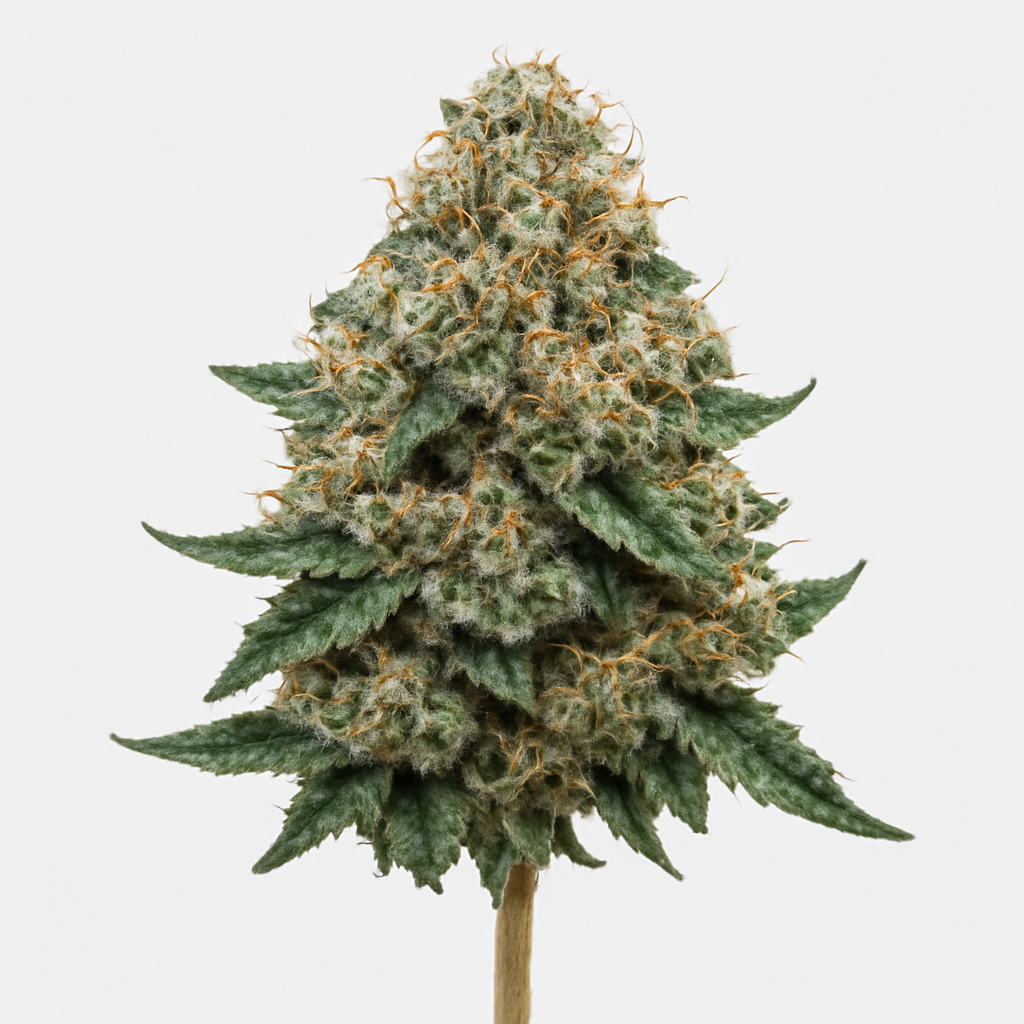
Chem Dog (Cannabis Strain)
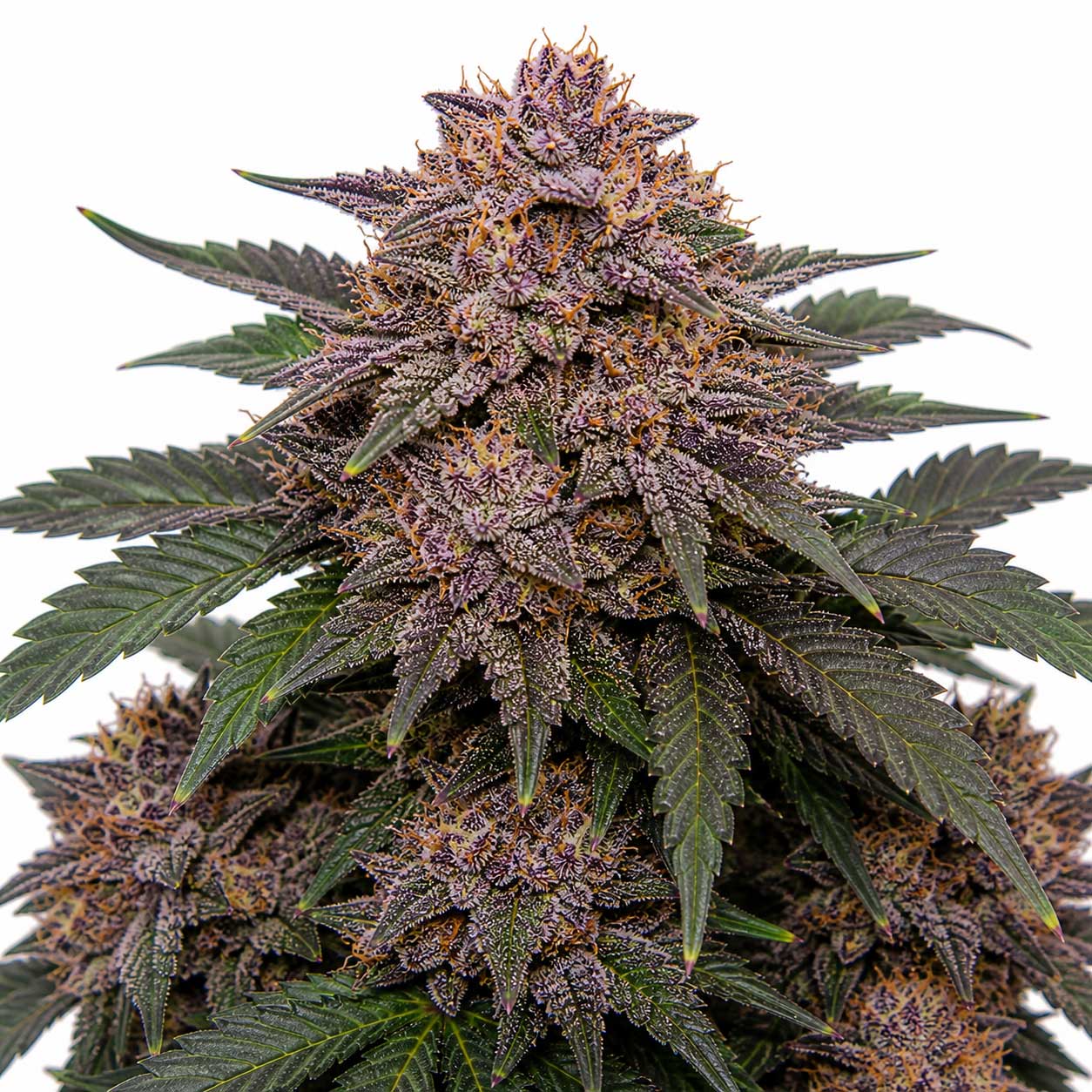
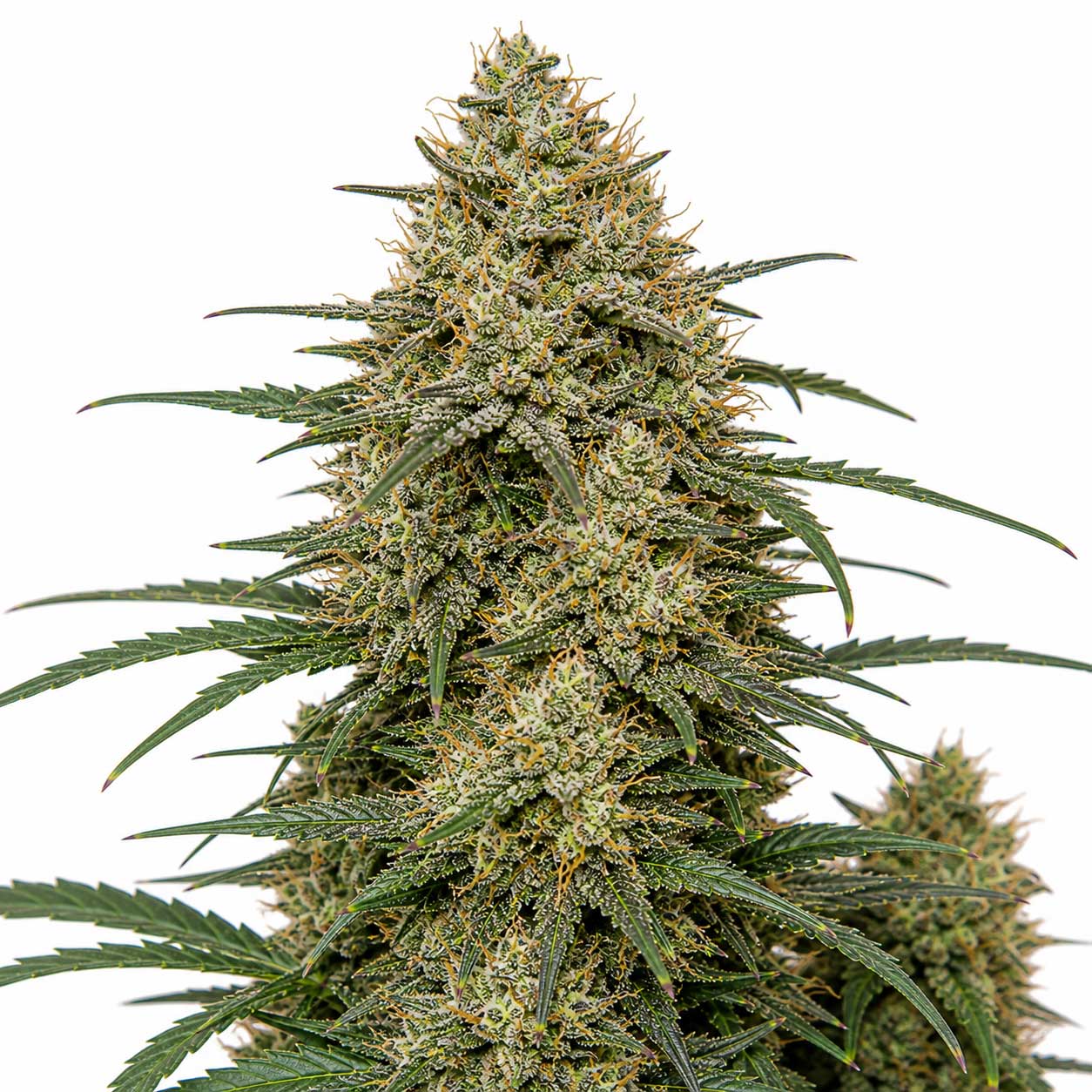
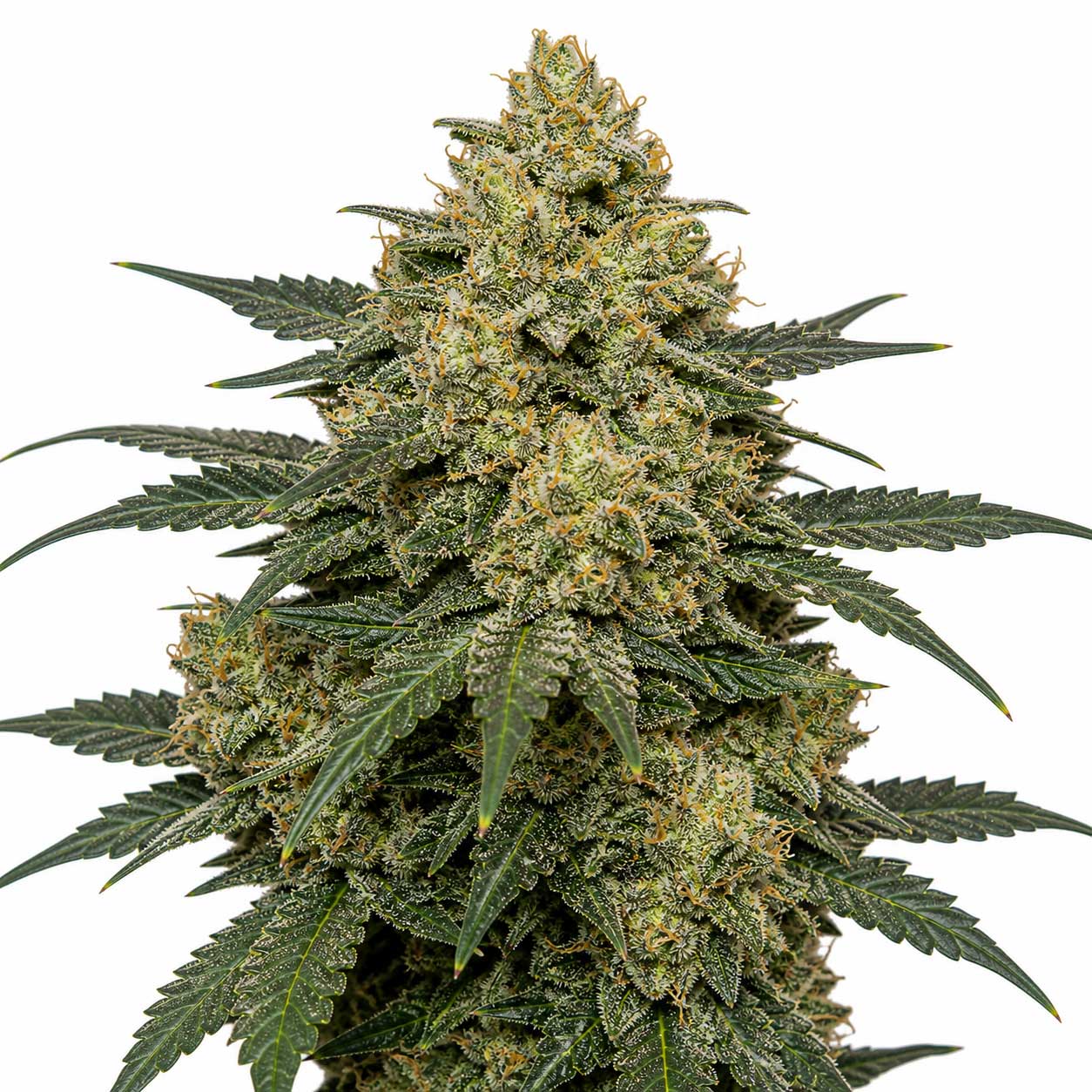
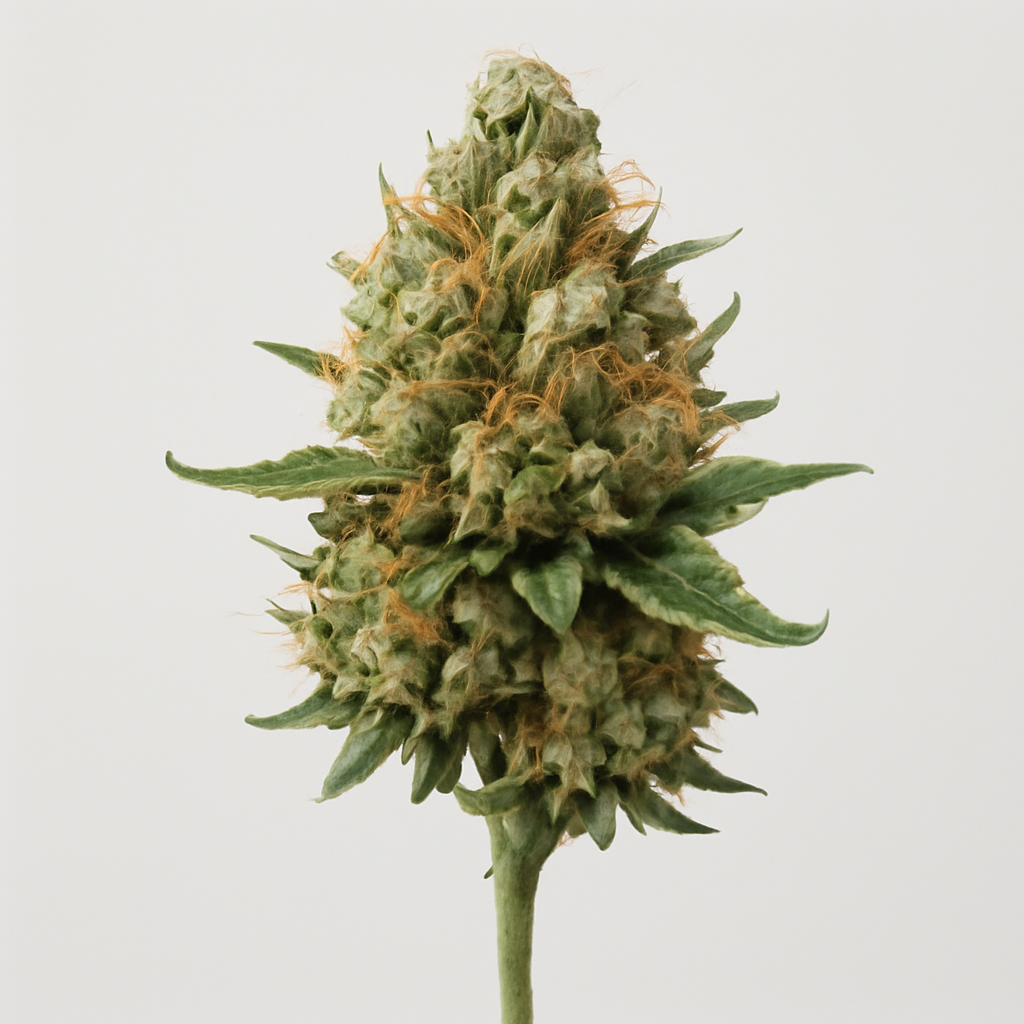
Chem Dog is a foundational, sativa-leaning hybrid testing between 18% and 24% THC, celebrated for its raw, fuel-forward aroma, greasy resin production, and vigorous, stretchy growth profile. Believed to have originated from a legendary bag seed at a 1991 Grateful Dead show, this cultivar delivers a fast-hitting, cerebral experience characterized by sharp focus and creative momentum. Its spear-shaped colas feature dense bracts coated in a wet frost of trichomes, making it a cornerstone of modern gas-forward breeding.
Unlike modern dessert-style cultivars, this classic line refuses to mask its chemical heritage behind sugary terpenes. It remains a reference point for growers who prioritize pungent diesel notes, skunky undertones, and a robust physical structure that responds exceptionally well to canopy management.
Quick Facts
| Field | Details |
|---|---|
| Genetics | Debated (commonly linked to a 1991 bag seed / Chemdawg line) |
| Variety | Sativa-leaning Hybrid |
| THC Range | 18% – 24% |
| Flowering Time | 9 – 10 weeks |
| Yield Potential | Moderate to High |
| Plant Height | Medium to Tall |
| Climate Preference | Temperate, low humidity late-flower |
| Difficulty | Moderate |
Scientific & Botanical Overview
Botanically, Chem Dog exhibits a classic hybrid morphology with a pronounced sativa stretch during the early flowering phase. The plant develops long internodes and slender fan leaves, requiring early support to manage its heavy, resin-rich upper colas.
Its floral structure is characterized by swollen calyxes and a high calyx-to-leaf ratio, which simplifies the post-harvest trimming process. The trichome heads are remarkably volatile, secreting a greasy layer of terpenes rich in sulfurous compounds that define its chemical profile.
Breeders frequently select this cultivar for its ability to transmit intense aroma profiles and high resin density to offspring. Its genetic stability in stable environments makes it an essential tool for creating fuel-forward hybrids.
Effects & Use-Cases (Reported)
Commonly reported effects: brisk cerebral lift, sharp focus, creative momentum, and a fast-hitting initial rush.
Use-case context: ideal for daytime productivity, artistic sessions, or social gatherings where mental clarity is preferred over physical sedation.
Note: These observations are based on anecdotal reports and do not constitute medical advice.
Aroma & Flavors
Aroma: pungent diesel, skunky chemical funk, wet earth, and sharp citrus undertones.
Flavor: raw fuel on the inhale, transitioning to herbal spice, dry pepper, and a tart lemon-rind finish.
Terpene associations: dominant in myrcene, caryophyllene, and limonene.
Tested Cannabinoid & Terpene Ranges
| Compound | Typical Range |
|---|---|
| Δ9-THC | 18% – 24% |
| CBD | < 0.5% |
| Myrcene | 0.20% – 0.60% |
| Caryophyllene | 0.15% – 0.50% |
| Limonene | 0.10% – 0.40% |
Tested ranges reflect typical phenotype expressions and can vary significantly based on cultivation methods, curing conditions, and light intensity.
Cultivation Notes
- Humidity Control: Keep relative humidity below 45% during the final three weeks of bloom to prevent botrytis in the dense colas.
- Canopy Training: Utilize SCROG or multi-topping to manage the aggressive vertical stretch during the first transition weeks.
- Nutrient Regimen: Responds well to moderate nitrogen in veg, with a heavy demand for phosphorus and potassium as the calyxes swell.
- Airflow: Maintain high-volume internal airflow to clear microclimates within the dense, leafy mid-canopy.
- Harvest Window: Watch for trichomes to transition from glassy to milky, with roughly 10% amber for the optimal balance of cerebral energy.
Grower Notes (Week-by-Week Snapshot)
- Weeks 1–3 (Transition & Stretch): Expect a rapid vertical stretch of up to 150%. Tuck branches early and apply lower-third defoliation to encourage airflow.
- Weeks 4–6 (Mid-Bloom & Resin): Flowers begin to stack into spear colas. A greasy resin layer develops early, releasing a strong chemical aroma; ensure carbon filters are fully operational.
- Weeks 7–9+ (Ripening & Flush): Calyxes swell and pistils darken. Reduce feeding gradually and initiate a clean water flush in the final 10 to 14 days to preserve terpene clarity.
Genetic Lineage
The exact origin of Chem Dog remains one of the most famous mysteries in cannabis history. The prevailing legacy narrative traces its roots to a 1991 purchase of high-grade flower at a concert in Oregon, which yielded a handful of seeds that were later popped on the East Coast, giving rise to the Chemdawg line.
This genetic pool subsequently birthed legendary phenotypes like Chem 91, Chem D, and Chem Sis. These cuts became the direct foundation for global powerhouses like Sour Diesel and OG Kush, securing Chem Dog’s status as a primary ancestor of modern fuel genetics.
Research Insights
Analytical testing of Chem Dog consistently reveals a high concentration of volatile monoterpenes alongside its primary cannabinoid profile. The co-dominance of myrcene and caryophyllene creates a unique sensory synergy, anchoring the sharp, cerebral onset with a grounded physical undertone.
Its distinctive chemical aroma is driven not just by terpenes, but by trace sulfur-containing compounds that produce the signature skunky gas. This complex chemical fingerprint explains why the strain’s sensory impact often feels far more intense than its raw THC percentage suggests.
Frequently Asked Questions
Is Chem Dog a sativa or an indica?
Chem Dog is a sativa-leaning hybrid. While its physical growth patterns and fast-hitting, energetic effects lean toward the sativa side, it produces dense, resin-rich buds reminiscent of classic indica cultivars.
What does Chem Dog smell like?
It is famous for a sharp, chemical aroma dominated by industrial diesel, skunky fuel, and earthy pine, rounded out by a subtle, tart citrus finish.
How long does Chem Dog take to flower?
When grown indoors, Chem Dog typically requires 9 to 10 weeks of flowering to reach peak maturity and optimal resin coverage.
Is Chem Dog difficult to grow?
It is rated as moderate. The strain requires active canopy management to control its significant vertical stretch and demands strict humidity control during late bloom to protect its dense buds from moisture issues.
Educational Disclaimer
This guide is intended strictly for educational and informational purposes. Cultivation of cannabis is subject to varying legal restrictions globally; always consult local regulations before germinating seeds or handling live plants.
Rate and review this strain
Ratings and reviews are accepted only from signed-in Google accounts.
Sign in with Google to leave a rating and written review.
Latest Reviews
0 reviewsNo reviews yet. Be the first Google user to rate and review this strain.