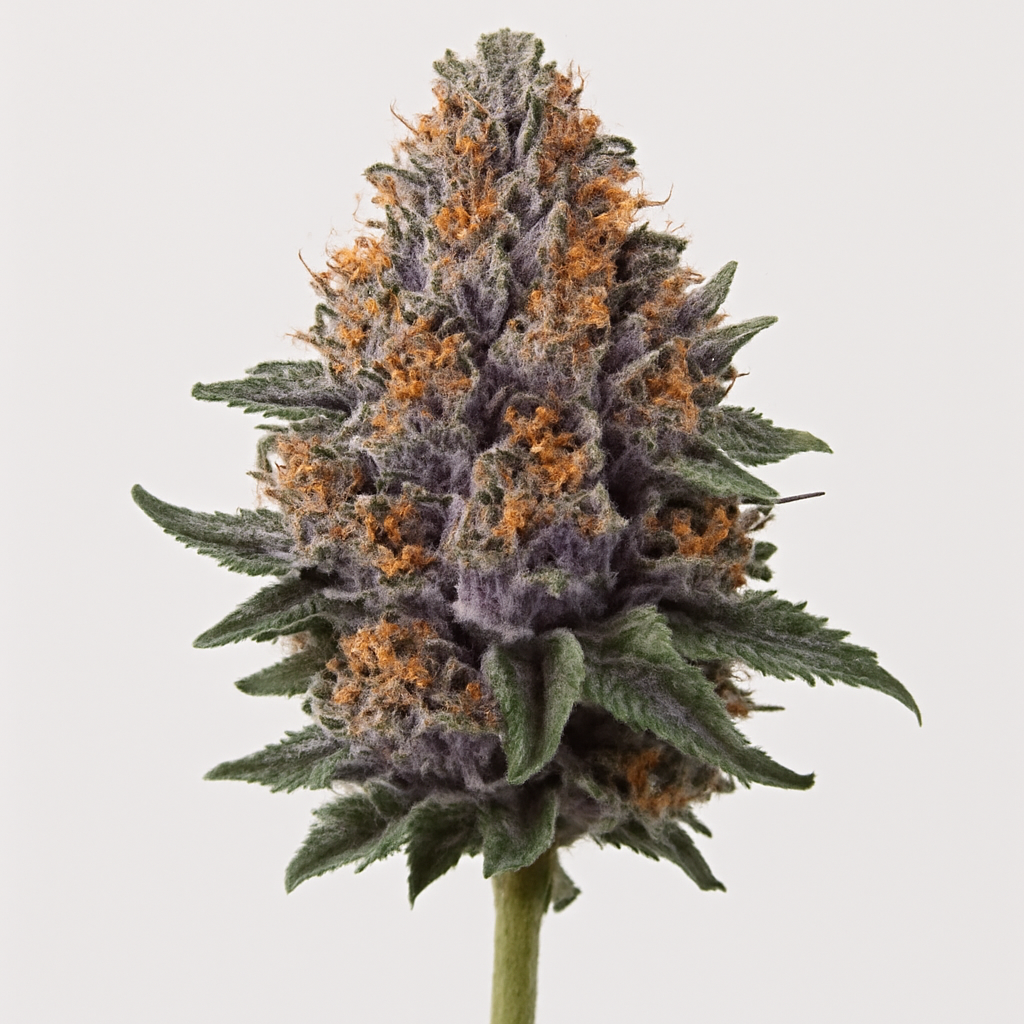
Ninja Fruit (Cannabis Strain)
Ninja Fruit is an indica-dominant hybrid testing between 22% and 28% THC, bred by Exotic Genetix by crossing Strawberry Banana with Grape Pie. This cultivar is highly regarded for its sweet berry-grape candy aroma, creamy pastry undertones, and dense, resin-rich flowers that showcase a thick coating of wet frost. In the garden, it behaves as a manageable, medium-height plant with responsive branching, making it a favorite for growers seeking premium bag appeal and high-quality extraction material.
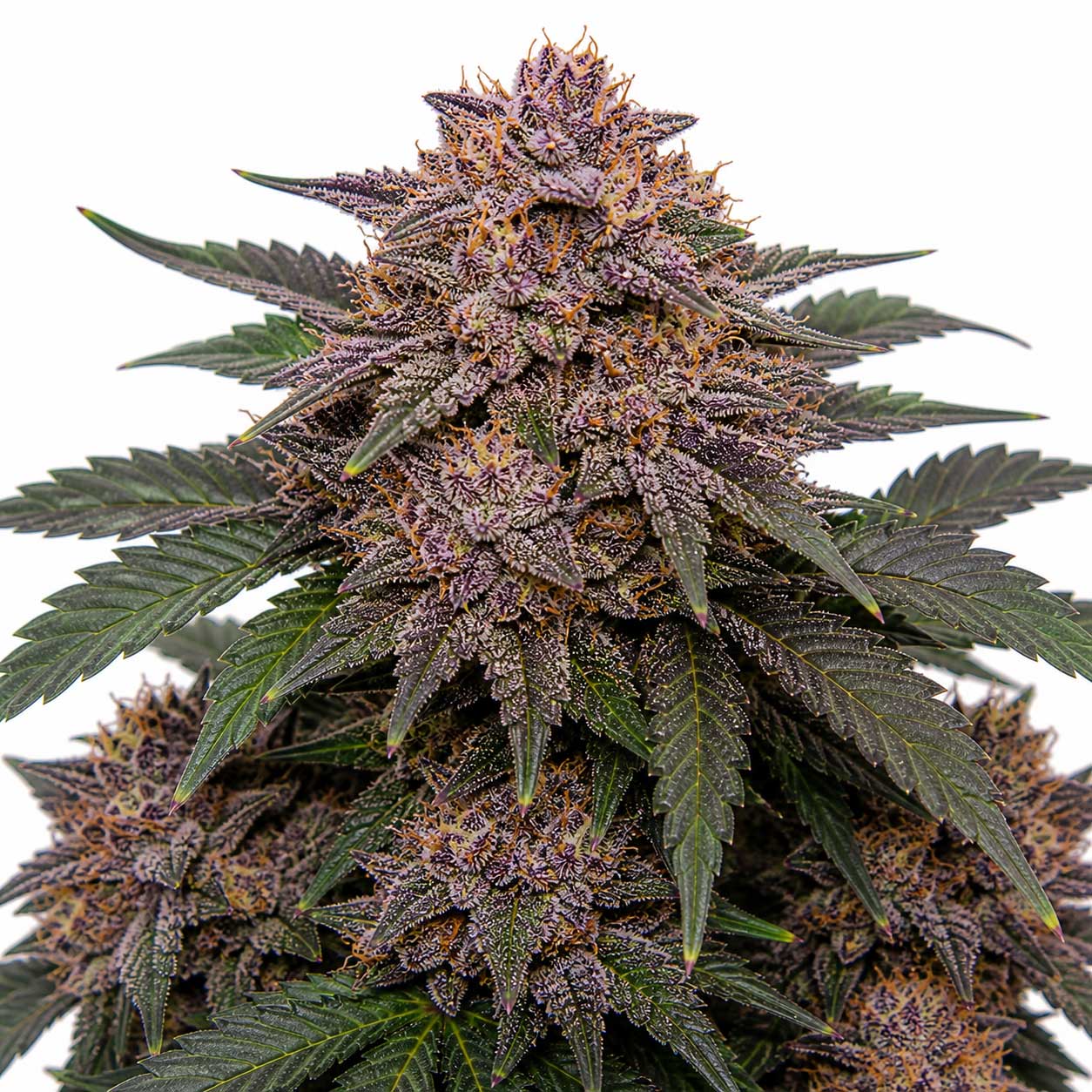
The visual profile of this strain is defined by its deep purple hues and contrasting bright orange pistils, which intensify during the late stages of bloom. It delivers a balanced experience that starts with a soft, uplifting cerebral clarity before settling into a deep, functional physical relaxation. This combination of heavy resin production and a refined dessert terpene profile has secured its place among modern cannabis enthusiasts.
Quick Facts
| Metric | Details |
|---|---|
| Genetics | Strawberry Banana x Grape Pie |
| Variety | Indica-dominant Hybrid |
| THC Range | 22% – 28% |
| Flowering Time | 8 – 9 weeks |
| Yield Potential | Moderate to High |
| Plant Height | Medium |
| Climate Preference | Temperate, low humidity late flower |
| Difficulty | Moderate |
Scientific & Botanical Overview
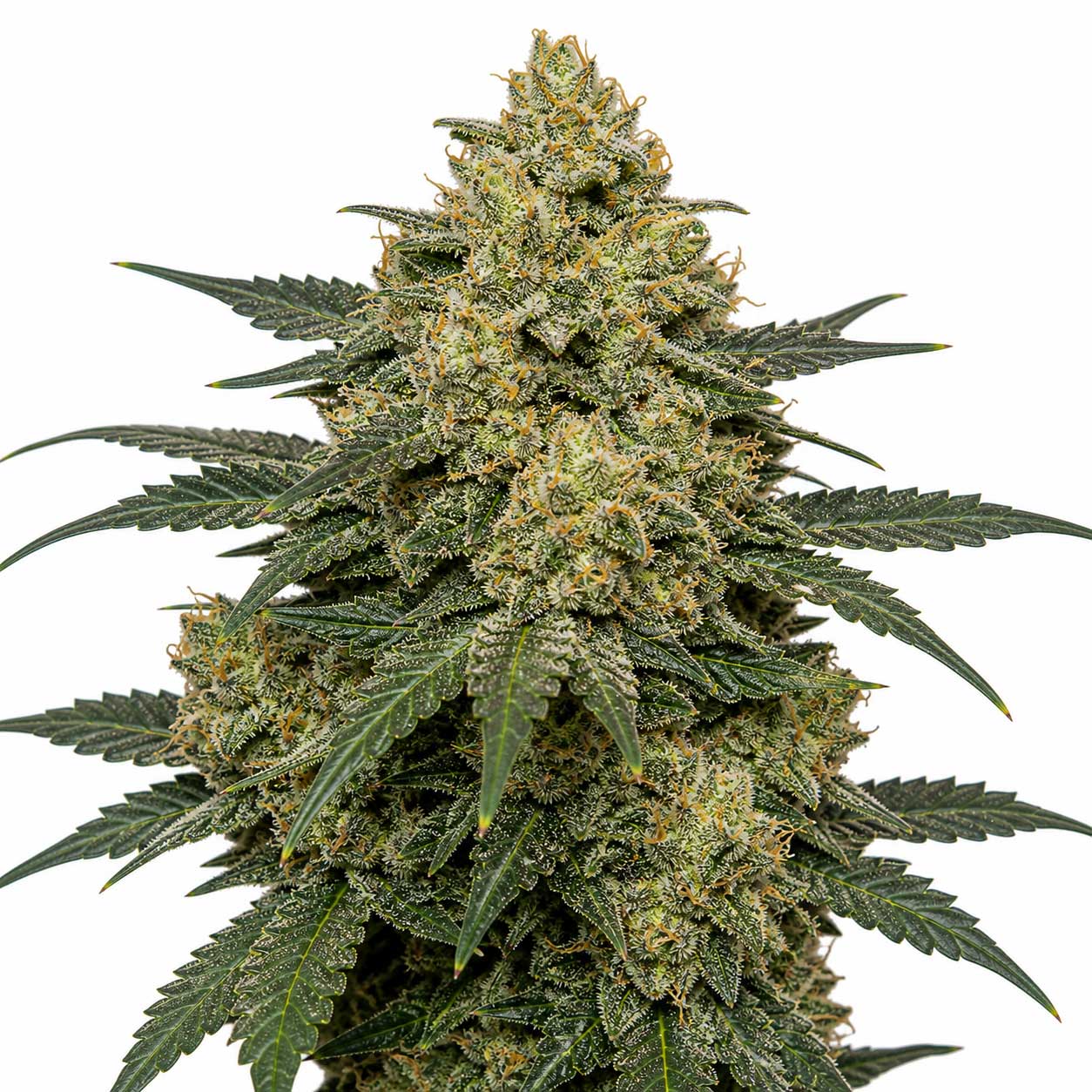
From a botanical perspective, Ninja Fruit displays a classic hybrid morphology characterized by tight internodes and sturdy lateral branches. The plant structure easily supports the weight of its dense, rounded colas, reducing the need for heavy external staking compared to more lanky sativa varieties. The foliage consists of broad fan leaves that often turn dark purple or near-black when exposed to cooler night temperatures during the final weeks of bloom.
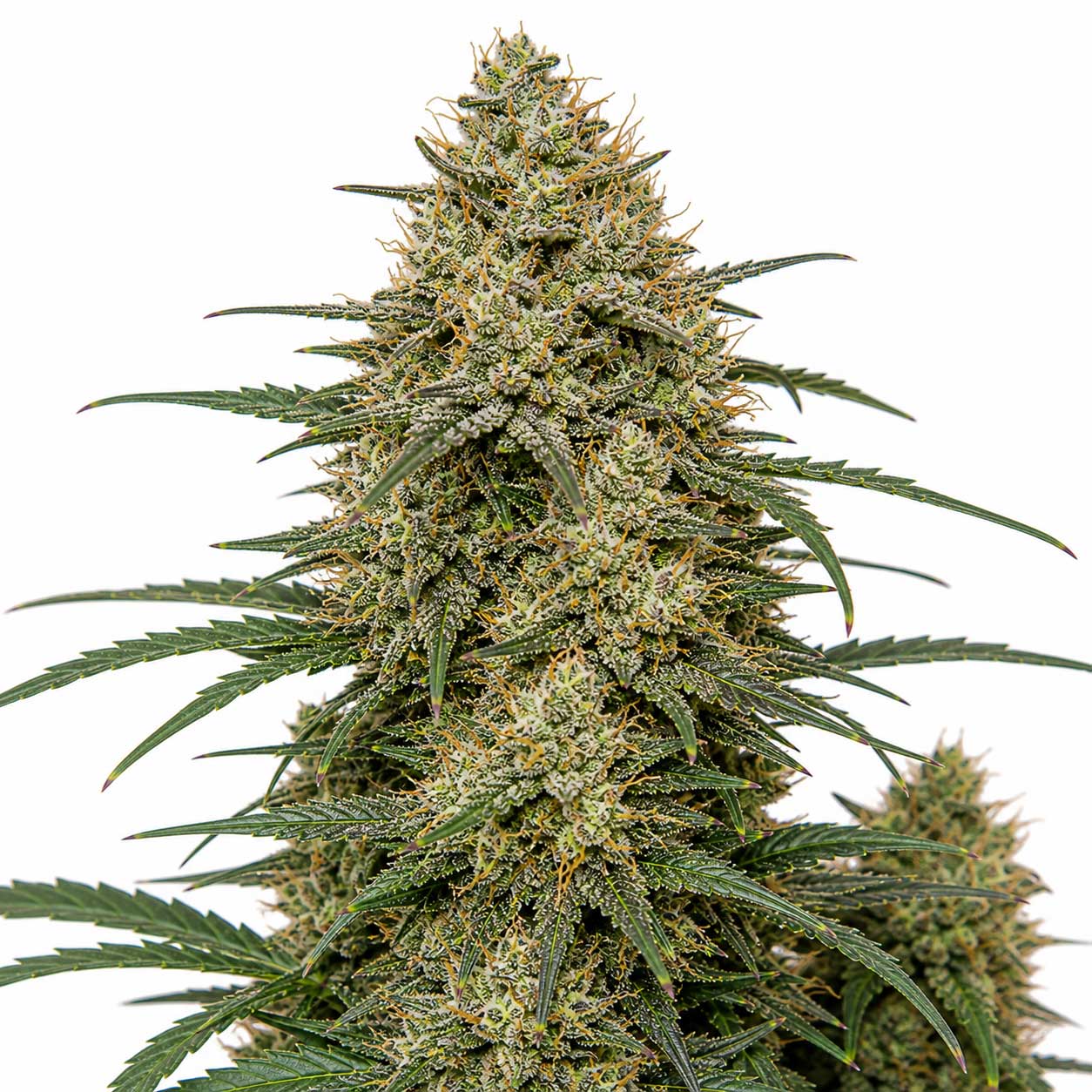
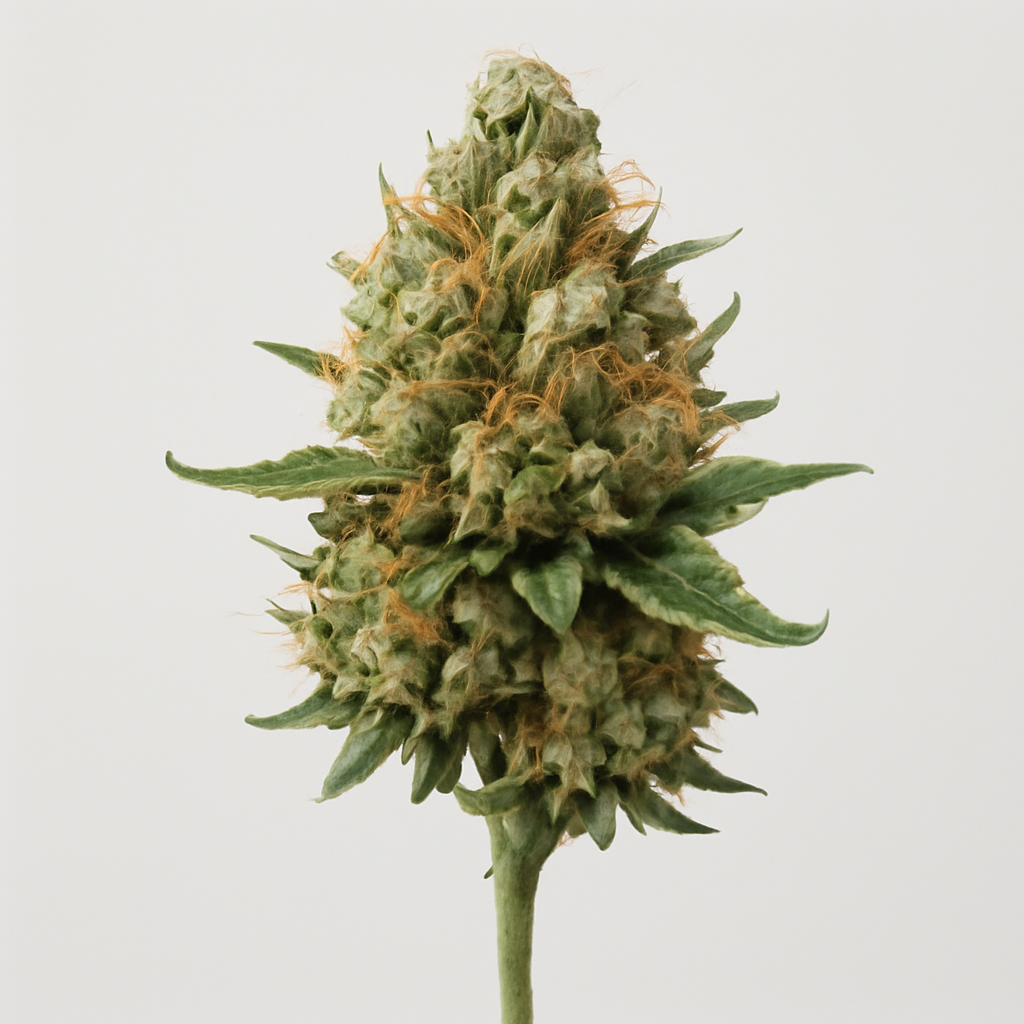
The cultivar is highly valued for its glandular trichome density, which coats the calyxes and surrounding sugar leaves in a sticky, greasy resin. This heavy resin development is inherited directly from its parentage, making the dried flowers highly photogenic and highly suitable for solventless extraction methods. The bracts are tightly packed, forming solid, heavy buds that retain their structure well throughout the drying and curing process.
Horticulturalists note that this strain responds well to canopy management techniques such as topping and low-stress training (LST). Implementing a scrog net or selective defoliation early in the flowering cycle helps distribute light evenly, ensuring that lower bud sites develop the same density and frost as the main colas. The plant maintains a predictable stretch, usually doubling in size after the transition to a 12/12 light cycle.
Effects & Use-Cases (Reported)
Commonly reported effects: Consumers frequently describe an initial wave of cerebral clarity and mood elevation, followed by a soothing physical relaxation that spreads through the limbs. The physical effect is calming without being overly sedative, allowing users to remain functional and engaged while enjoying a release of physical tension.
Use-case context: This balanced profile makes the strain highly versatile, often selected for late afternoon or early evening sessions. It is well-suited for creative projects, social gatherings, or unwinding after a demanding day without immediately inducing sleep.
Note: These observations are anecdotal and do not constitute medical claims.
Aroma & Flavors
Aroma: The olfactory profile is dominated by a sweet, saturated burst of ripe berries and candied grape, balanced by a subtle earthy undertone and a hint of yeasty dough.
Flavor: On the inhale, users typically experience a smooth blend of sweet strawberry and mixed tropical fruits, which transitions into a rich, creamy pastry finish on the exhale.
Terpene associations: The complex sensory profile is driven primarily by a terpene blend containing myrcene, caryophyllene, and limonene.
Tested Cannabinoid & Terpene Ranges
| Compound | Typical Range* | Notes |
|---|---|---|
| Δ⁹-THC | 22% – 28% | Delivers a potent, long-lasting effect in well-cultivated batches. |
| CBD | <0.5% | Typically present in trace amounts, playing a minimal role in the overall effect. |
| Myrcene | 0.20% – 0.60% | Contributes to the ripe fruit sweetness and the relaxing physical undertone. |
| Caryophyllene | 0.15% – 0.45% | Adds a mild, spicy complexity that balances the sweet dessert notes. |
| Limonene | 0.10% – 0.35% | Enhances the bright, citrusy lift in the initial aroma profile. |
*Ranges are estimates based on laboratory data and may vary depending on phenotype, cultivation methods, and curing protocols.
Cultivation Notes
- Humidity management: Keep relative humidity below 45% during the final weeks of flowering to prevent moisture retention within the dense, resin-heavy colas.
- Nutrient requirements: This cultivar responds well to moderate feeding schedules, showing a preference for phosphorus and potassium boosters during mid-to-late bloom.
- Canopy training: Topping early in the vegetative phase encourages lateral branching, creating a flat canopy that maximizes light exposure across all bud sites.
- Harvest indicators: Watch for the trichomes to transition from clear to mostly milky white, with roughly 10% turning amber for a balanced physical and mental effect.
- Phenotype variation: Some selections lean heavily toward the purple coloration of Grape Pie, while others maintain a greener profile with the distinct banana-cream aroma of Strawberry Banana.
Grower Notes (Week-by-Week Snapshot)
- Weeks 1–3 (Transition & Stretch): The plants undergo a moderate stretch, requiring early trellis support or low-stress training to establish a clean, open canopy structure.
- Weeks 4–6 (Flower Set & Trichome Development): Bud sites stack rapidly, and the first visible layers of greasy resin begin to coat the calyxes as the sweet berry aroma intensifies.
- Weeks 7–9 (Late Bloom & Flush): Introduce cooler night temperatures to encourage deep purple pigmentation, reduce humidity, and perform a thorough flush to ensure clean flavor and smooth burning qualities.
Genetic Lineage
The genetic foundation of Ninja Fruit is a deliberate pairing of two highly celebrated dessert cultivars. The maternal parent, Strawberry Banana, is renowned for its intense banana-cream aroma and heavy resin production, which it consistently passes down to its offspring. This lineage provides the strain with its greasy trichome texture and sweet, tropical fruit base notes.
The paternal contributor, Grape Pie, introduces a deep grape candy profile and a tendency to produce vibrant purple coloration across the flowers and fan leaves. This parent also contributes to the compact, sturdy growth habit of the plant, helping to temper the stretch of the Strawberry Banana genetics and resulting in a more manageable, dense structure in the garden.
Research Insights
Research into cultivars like Ninja Fruit focuses on the interaction between high THC levels and a rich concentration of myrcene and caryophyllene. This specific terpene combination is believed to modulate the psychoactive effects of THC, helping to ground the experience and mitigate potential anxiety sometimes associated with high-potency strains. The presence of limonene adds a subtle mood-elevating quality, creating a well-rounded sensory profile.
From a breeding perspective, this cross demonstrates how specific terpene profiles can be stabilized alongside desirable morphological traits like dense bract structure and high trichome density. The strain serves as an excellent case study in how modern dessert hybrids are selected not just for raw potency, but for the clarity and longevity of their aromatic compounds, which remain highly stable even after the drying and curing process.
Frequently Asked Questions
Is Ninja Fruit an indica or sativa?
Ninja Fruit is an indica-dominant hybrid. While it delivers an initial wave of uplifting mental clarity, the experience gradually transitions into a deeply relaxing physical calm, making it ideal for evening use.
Who is the original breeder of Ninja Fruit?
The cultivar was originally bred by Exotic Genetix, a highly respected breeding group known for creating flavor-forward, resin-rich dessert strains.
What does Ninja Fruit smell and taste like?
It features a sweet, saturated aroma of ripe berries and grape candy with a doughy undertone. The flavor is highly reflective of its scent, offering notes of sweet strawberry and mixed fruits with a smooth, creamy pastry finish.
How long does Ninja Fruit take to flower?
When grown indoors, Ninja Fruit typically completes its flowering cycle in 8 to 9 weeks, rewarding growers with dense, purple-hued buds covered in thick frost.
Educational Disclaimer
This content is intended strictly for educational and informational purposes. Cultivation of cannabis is subject to varying local, state, and federal laws. Always consult local regulations before germinating seeds or cultivating cannabis plants.
Rate and review this strain
Ratings and reviews are accepted only from signed-in Google accounts.
Sign in with Google to leave a rating and written review.
Latest Reviews
0 reviewsNo reviews yet. Be the first Google user to rate and review this strain.