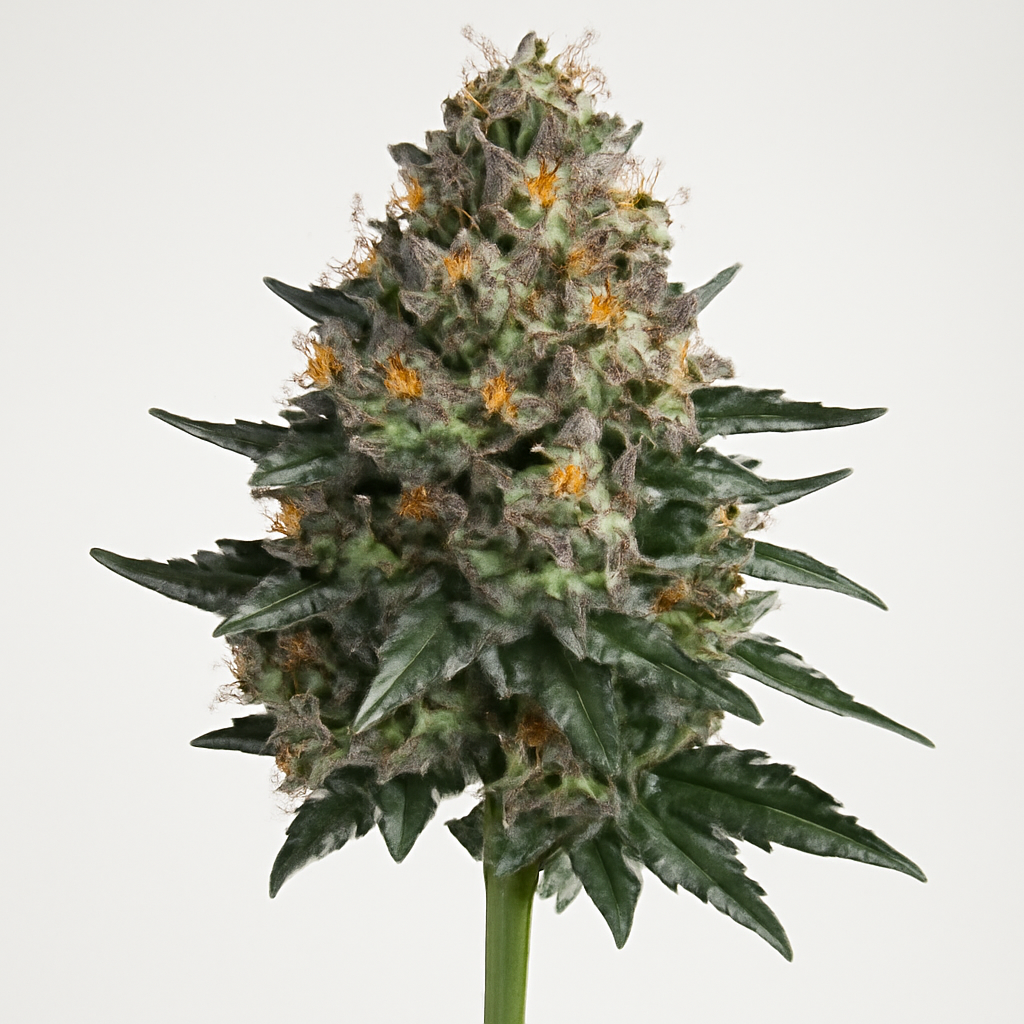
Triangle Kush (Cannabis Strain)
Triangle Kush is a legendary indica-dominant hybrid testing between 20% and 26% THC, originating from a coveted Florida OG Kush selection. Known for its distinct fuel-forward, piney, and earthy profile, this cultivar produces dense, greasy resin-rich flowers on a plant that exhibits a moderate, manageable stretch during early bloom. Its reputation as a foundational pillar of modern Kush breeding is cemented by its heavy, deeply relaxing physical effects and classic, unadulterated gas aroma.
Unlike modern dessert-style hybrids that lean heavily into sugary or candy notes, this cultivar maintains a raw, vintage edge. It remains highly sought after by growers and extractors who value pure terpene clarity, exceptional resin coverage, and a deeply grounding evening experience.
Quick Facts
| Metric | Details |
|---|---|
| Genetics | Florida OG Kush selection |
| Variety | Indica-dominant Hybrid |
| THC Range | 20% – 26% |
| Flowering Time | 9 – 10 weeks |
| Yield Potential | Moderate to average |
| Plant Height | Medium (with moderate stretch) |
| Climate Preference | Warm, dry, low-humidity |
| Difficulty | Moderate |
Scientific & Botanical Overview
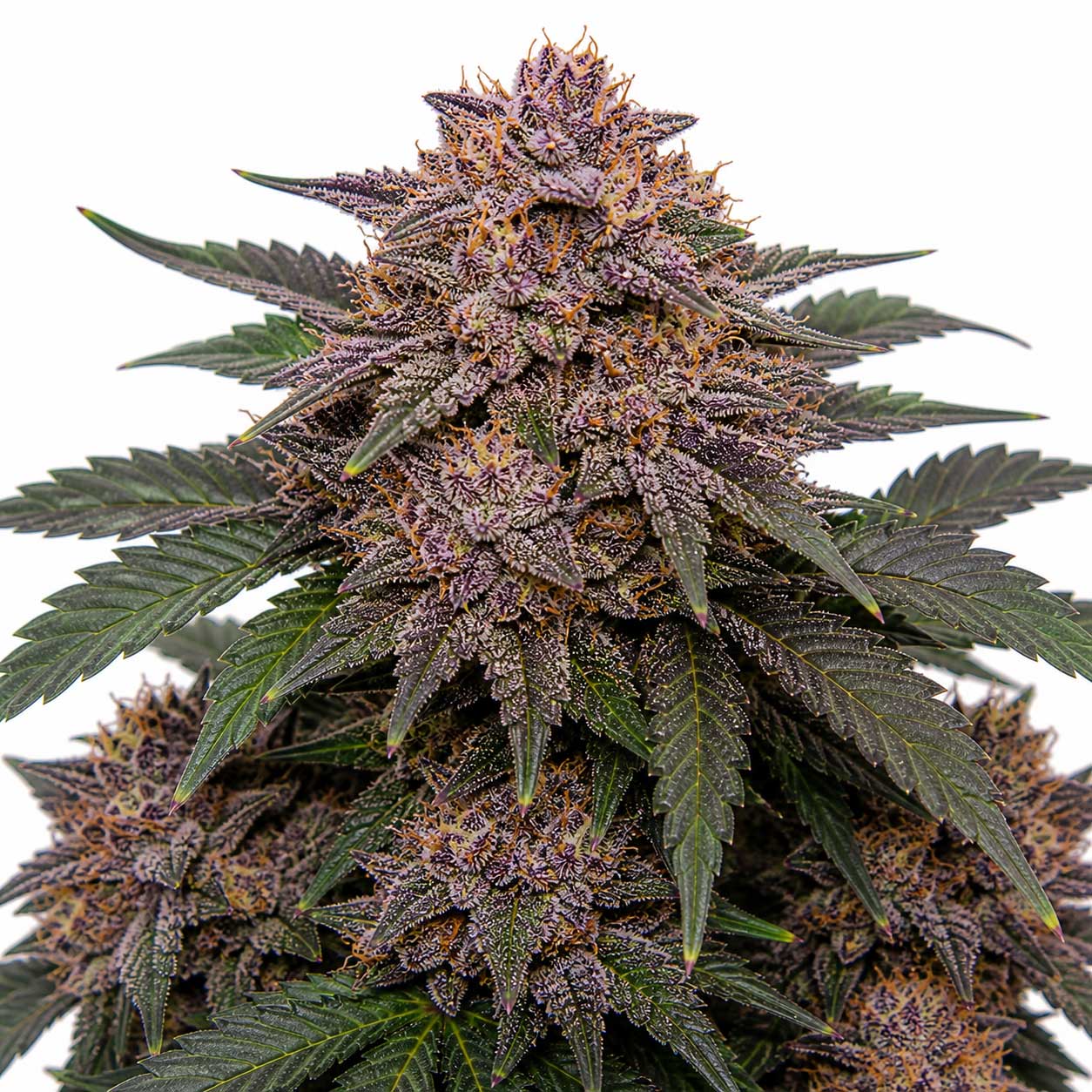
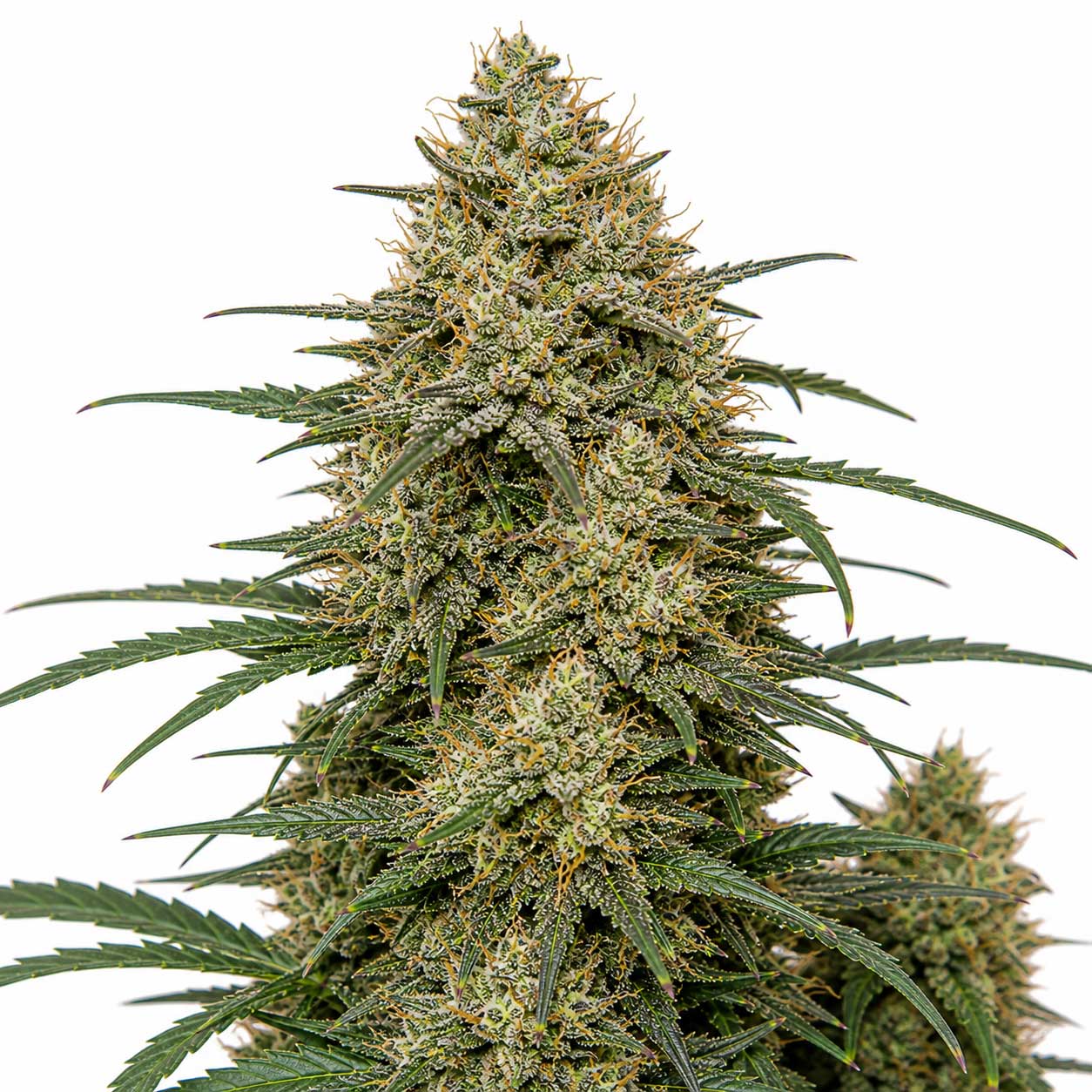
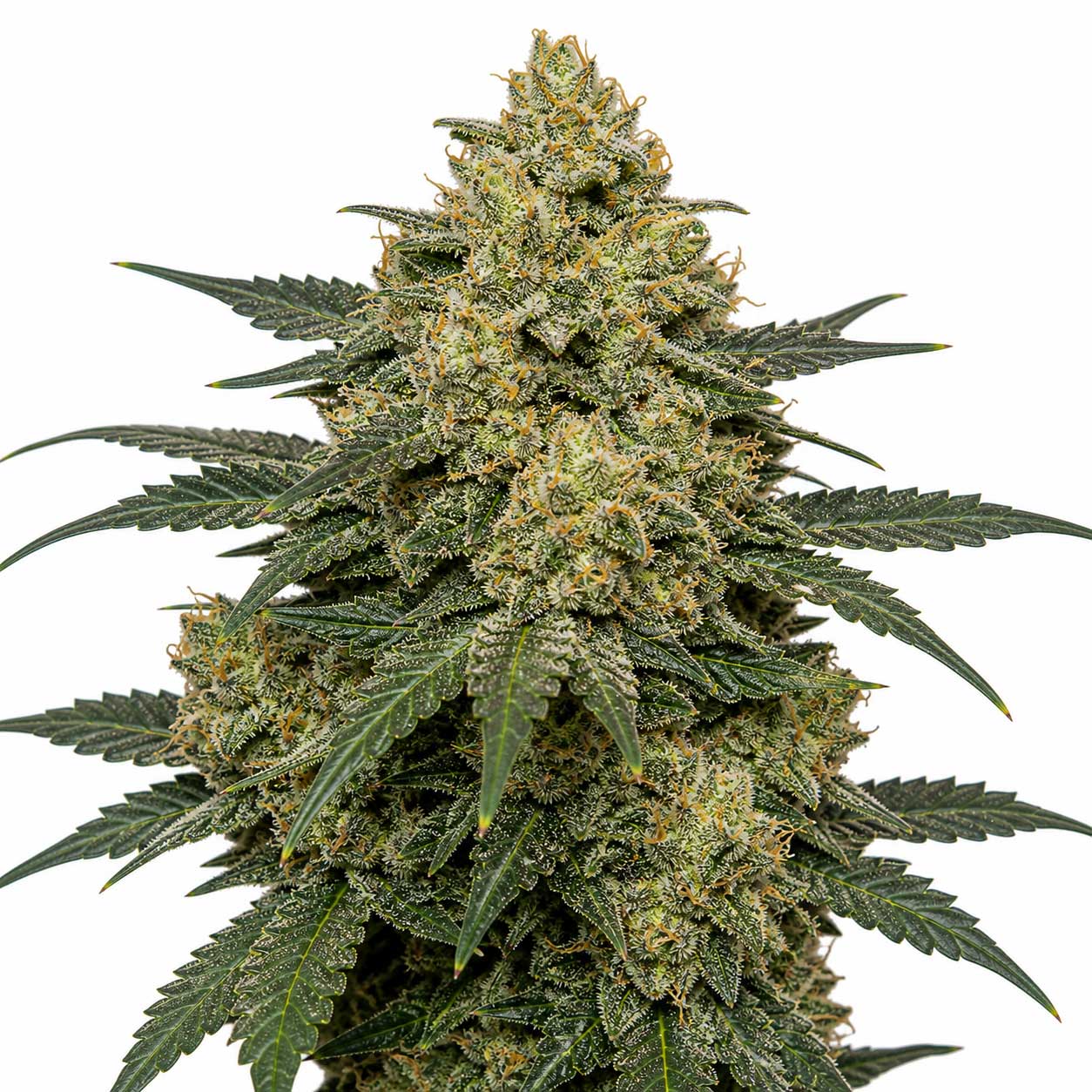
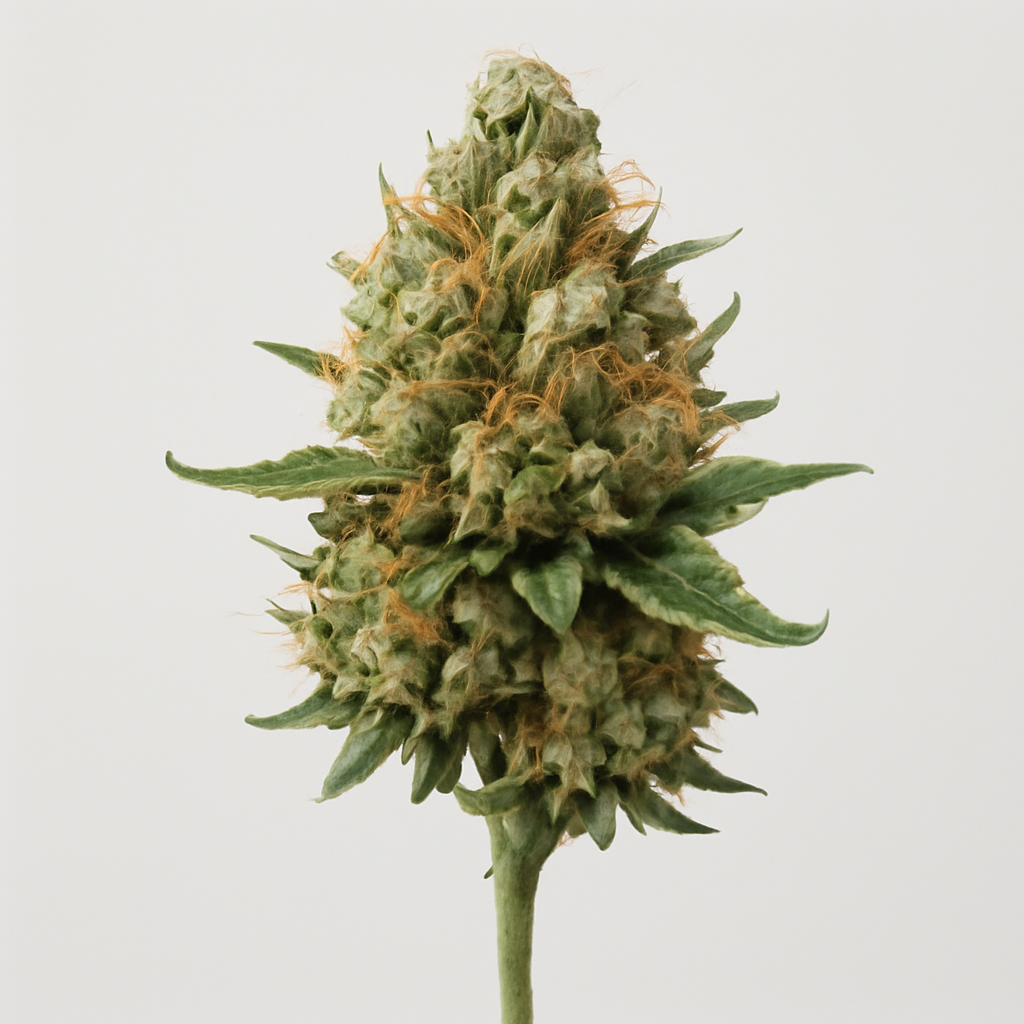
Structurally, the cultivar exhibits classic Kush morphology, characterized by tight internodal spacing, broad fan leaves, and dense, compact colas. The flowers develop swollen calyxes that pack tightly along the stems, minimizing excess foliage and streamlining the trimming process.
Glandular trichome production is exceptionally high, coating both the dense bracts and surrounding sugar leaves in a thick layer of greasy resin. This heavy resin coat serves as a protective barrier and a concentrated reservoir for volatile monoterpenes, which emit a pungent aroma long before harvest.
The plant is sensitive to microclimatic shifts, requiring strict environmental controls to prevent moisture retention within its tight flower clusters. Experienced cultivators prioritize high airflow and low late-flower humidity to ensure the dense colas mature without compromise.
Effects & Use-Cases (Reported)
Commonly reported effects: A heavy physical relaxation, mental quieting, and a warm, settling body sensation that often transitions into deep sleepiness.
Use-case context: Best suited for late-evening wind-downs, quiet night sessions, or post-activity recovery when physical decompression is the primary goal.
Note: These observations are based on anecdotal reports and do not constitute medical advice or claims.
Aroma & Flavors
Aroma: Pungent diesel fuel, damp earth, fresh pine, and a sharp citrus lift that cuts through the heavier skunky undertones.
Flavor: A robust blend of woodsy earth, spicy hash, and tart gas, leaving a dry, peppery finish on the palate.
Terpene associations: Typically dominated by myrcene, limonene, and caryophyllene, which work together to create its signature old-school funk.
Tested Cannabinoid & Terpene Ranges
| Compound | Typical Range | Notes |
|---|---|---|
| Δ9-THC | 20% – 26% | High-potency range typical of well-cultivated OG selections. |
| CBD | < 0.5% | Negligible levels, typical for recreational Kush cultivars. |
| Myrcene | 0.3% – 0.8% | The primary terpene, driving the earthy base and physical weight. |
| Limonene | 0.2% – 0.6% | Provides the sharp citrus lift and fuel-like brightness. |
| Caryophyllene | 0.1% – 0.4% | Adds a subtle, warm black pepper spice to the finish. |
Range Note: Tested values are literature-informed averages and can vary significantly based on phenotype, environmental factors, and cultivation practices.
Cultivation Notes
- Keep late-flower relative humidity (RH) below 45% to protect the dense, compact colas from moisture issues.
- Apply moderate to heavy canopy thinning (defoliation) before the flip to improve light penetration and airflow through the tight internodes.
- Provide a sturdy trellis system early to support the heavy, resin-rich flowers during the final weeks of bloom.
- Maintain a balanced nutrient regimen, avoiding excessive nitrogen during mid-to-late flowering to prevent leafy bud structures.
Grower Notes (Week-by-Week Snapshot)
- Weeks 1–3 (Transition & Stretch): The plants undergo a moderate stretch, requiring early training or low-stress bending to establish an even canopy.
- Weeks 4–6 (Flower Development): Button-like flower clusters form quickly, accompanied by an early, greasy resin coat and a noticeable fuel-like aroma.
- Weeks 7–9+ (Ripening & Flush): Calyxes swell significantly, and the trichomes transition from clear to milky. A thorough two-week flush helps clear residual nutrients and lock in the clean, earthy flavor profile.
- Post-Harvest (Dry & Cure): A slow, 10-to-14-day dry at 60°F (15°C) and 60% RH preserves the delicate monoterpenes, followed by a minimum four-week cure to develop the deep, skunky hash finish.
Genetic Lineage
The exact parental heritage of this cultivar remains one of the most famous mysteries in modern cannabis history. It is widely accepted to be an exceptional phenotype selected from a legendary Florida OG Kush line in the early 1990s, originating within the Jacksonville, Tampa, and Miami grower network.
Unlike contemporary seed releases, the original cut has been preserved and passed down through generations of dedicated growers. This careful clonal preservation has kept the true, fuel-heavy Florida OG archetype alive and distinct from later West Coast variations.
Research Insights
Analytical testing highlights a high concentration of myrcene and limonene, a pairing that defines the classic “gas” profile sought after by modern breeders. This specific ratio contributes to the intense aroma and the deeply relaxing physical character associated with legacy Kush cultivars.
From a breeding perspective, its genetic stability makes it a highly valued parent plant for introducing resin density, compact growth habits, and a sharp, non-sweet terpene profile to modern hybrid lines.
Frequently Asked Questions
Why is it called Triangle Kush?
The name pays tribute to the three major Florida cities that formed the historic heart of the state’s cannabis scene in the 1990s: Jacksonville, Tampa, and Miami.
Is Triangle Kush hard to grow?
It is moderately challenging, requiring careful humidity management in late flower and proactive canopy management to prevent moisture retention in its dense colas.
What does Triangle Kush smell like?
It has an intense, old-school aroma of pungent diesel fuel, wet earth, pine needles, and a sharp citrus rind undertone without any modern candy sweetness.
How long does it take to flower?
When grown indoors, this cultivar typically requires 9 to 10 weeks of flowering to reach peak resin maturity and optimal terpene expression.
Educational Disclaimer
This content is for educational and informational purposes only. Cultivation of cannabis is subject to varying local, state, and federal laws. Always consult local regulations before germinating or cultivating any cannabis genetics.
Rate and review this strain
Ratings and reviews are accepted only from signed-in Google accounts.
Sign in with Google to leave a rating and written review.
Latest Reviews
0 reviewsNo reviews yet. Be the first Google user to rate and review this strain.