Panama Red (Cannabis Strain) — Strainpedia
Panama Red stands out as a heritage sativa with a distinctly tropical, old-world profile: long flowering, narrow-leaf structure, and a flavor set built around spice, cedar, and incense rather than dessert-style sweetness. Its reputation comes from legacy cannabis culture, where the strain was admired for energetic character and a classic landrace feel that modern hybrids rarely reproduce in full.
In practical terms, this is a cultivar associated with Colombian and Panamanian tropical cannabis lines, though exact breeder documentation is inconsistent across sources. The plant often expresses taller growth, looser flower architecture, and a bright aromatic finish that can read floral, herbal, and lightly citrusy depending on phenotype and cure.
Quick Facts
| Genetics | Colombian and Panamanian landrace sativa stock, exact origin unverified |
|---|---|
| Original Breeder | Not clearly documented |
| Variety | Sativa-dominant Landrace Hybrid |
| Flowering Time | Approximately 10–14 weeks indoors |
| Yield Potential | Moderate to high with a long enough cycle and strong light intensity |
| Plant Height | Tall; stretch-heavy and best managed with early canopy training |
| Climate Preference | Warm, steady, well-ventilated environments with lower humidity late in bloom |
| Difficulty | Moderate to challenging for indoor growers due to stretch and finishing time |
Strain Classification
| Type | Sativa-dominant Landrace Hybrid |
|---|---|
| Genetic Family | Tropical Central/South American sativa heritage with heirloom selection traits |
| Primary Terpenes | Terpinolene, myrcene, caryophyllene* |
| Original Breeder | Not clearly documented |
| Breeding Lineage | Legacy Colombian and Panamanian sativa populations selected over time rather than a single verified modern cross |
*Exact terpene dominance may vary by phenotype and cultivation method.
Scientific & Botanical Overview
Botanically, Panama Red is best understood as a tropical sativa heirloom type rather than a tightly standardized commercial cultivar. Its morphology usually reflects adaptation to longer seasons: narrow leaflets, elongated internodes, and flowering structures that favor airflow in humid environments. Those traits are useful clues when comparing it with denser indica-leaning hybrids, which typically finish faster and stack more compactly.
From a breeding perspective, the strain matters because it preserves a flavor and growth pattern that has become comparatively rare in the modern market. Where many contemporary cultivars have been selected for faster indoor turnover, Panama Red retains the slower, more vertical rhythm of classic equatorial cannabis. That usually translates to a lighter bud density, a more open finish, and an effect style that users often describe as bright and active rather than heavy or sedating.
Appearance
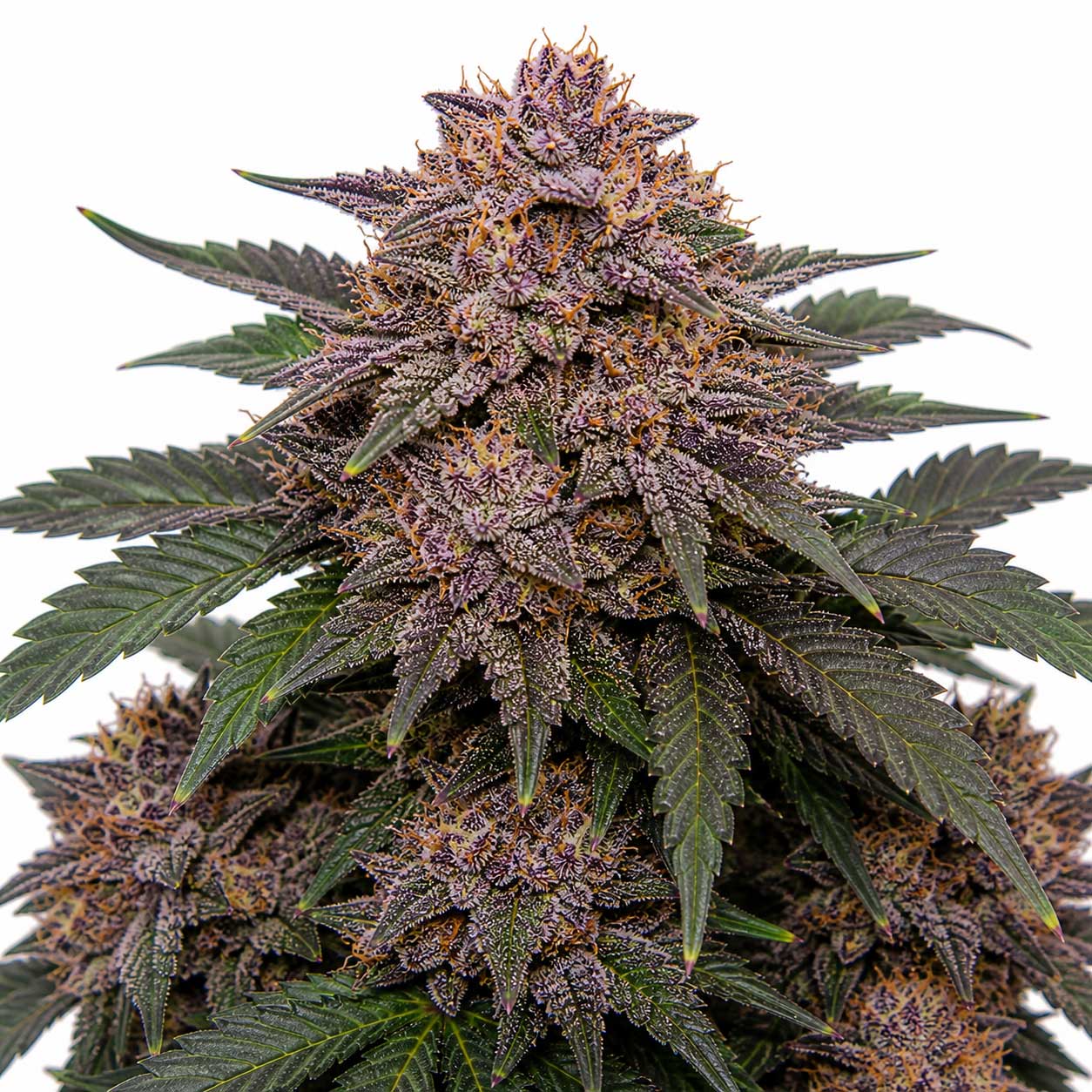
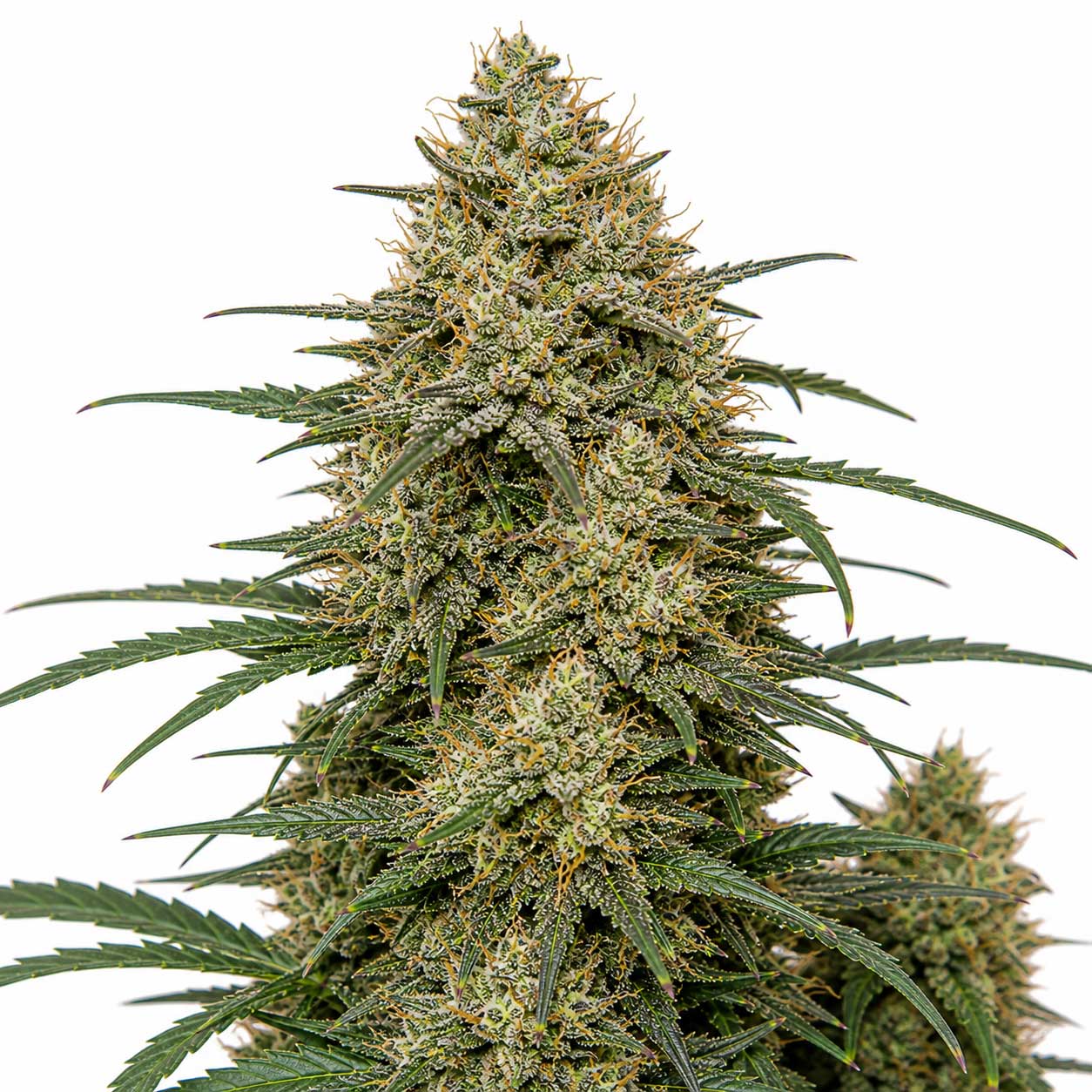
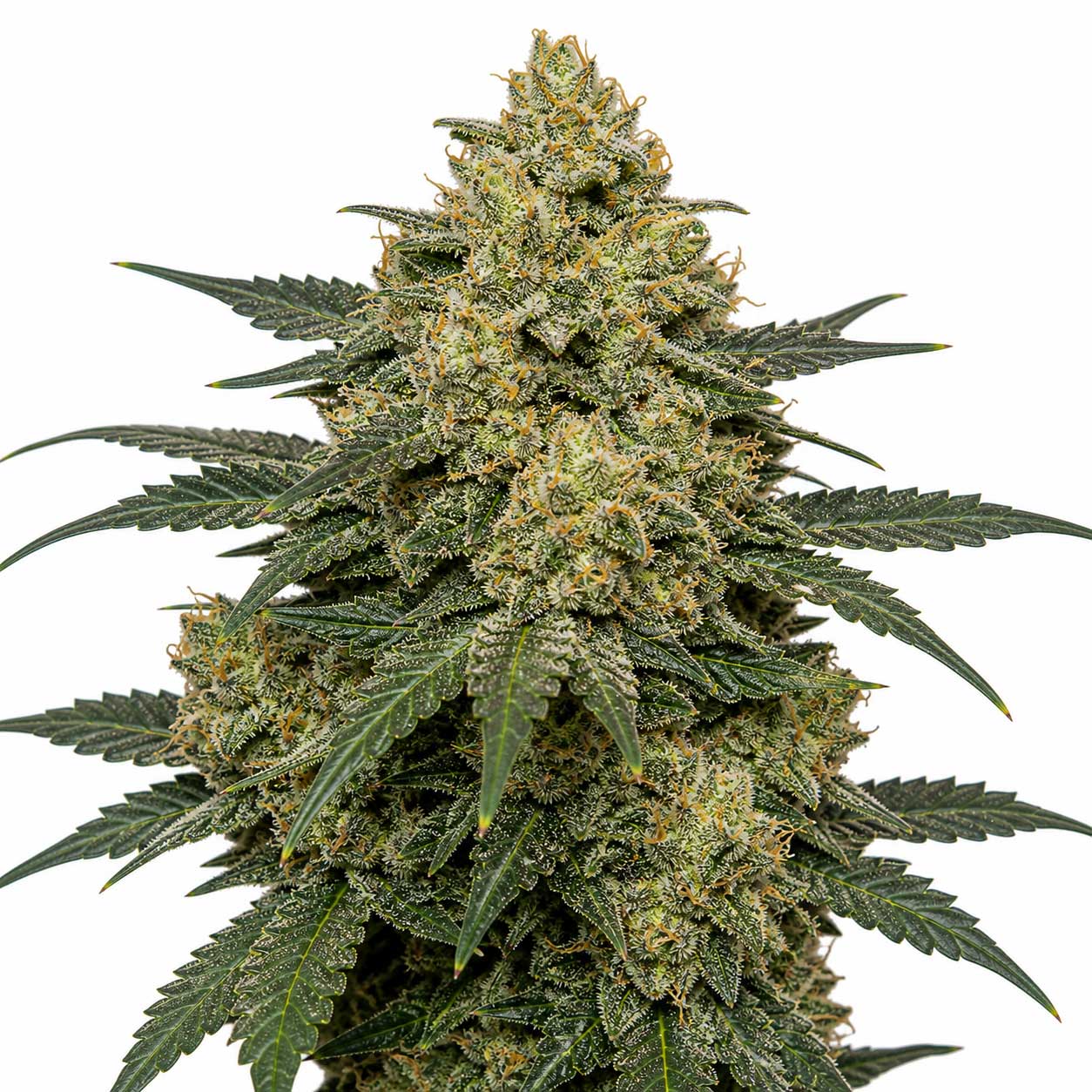
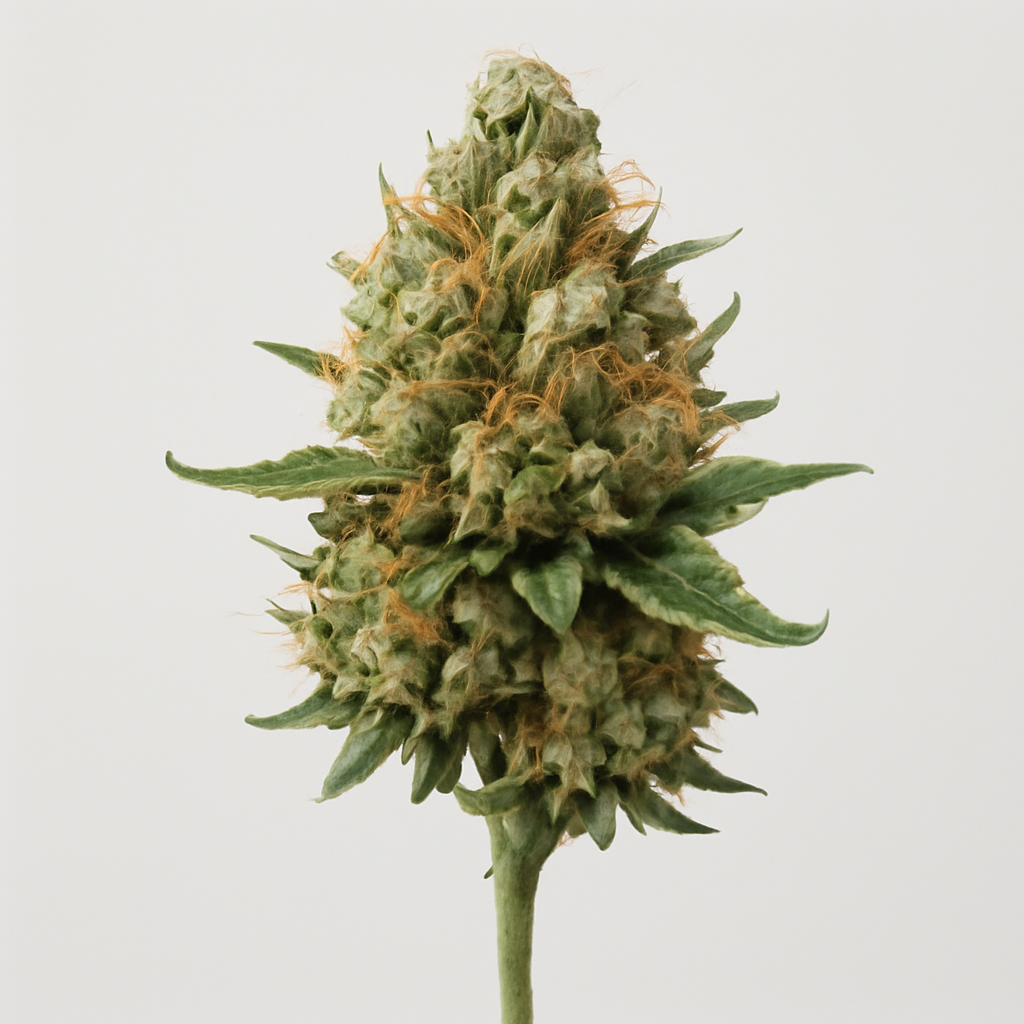
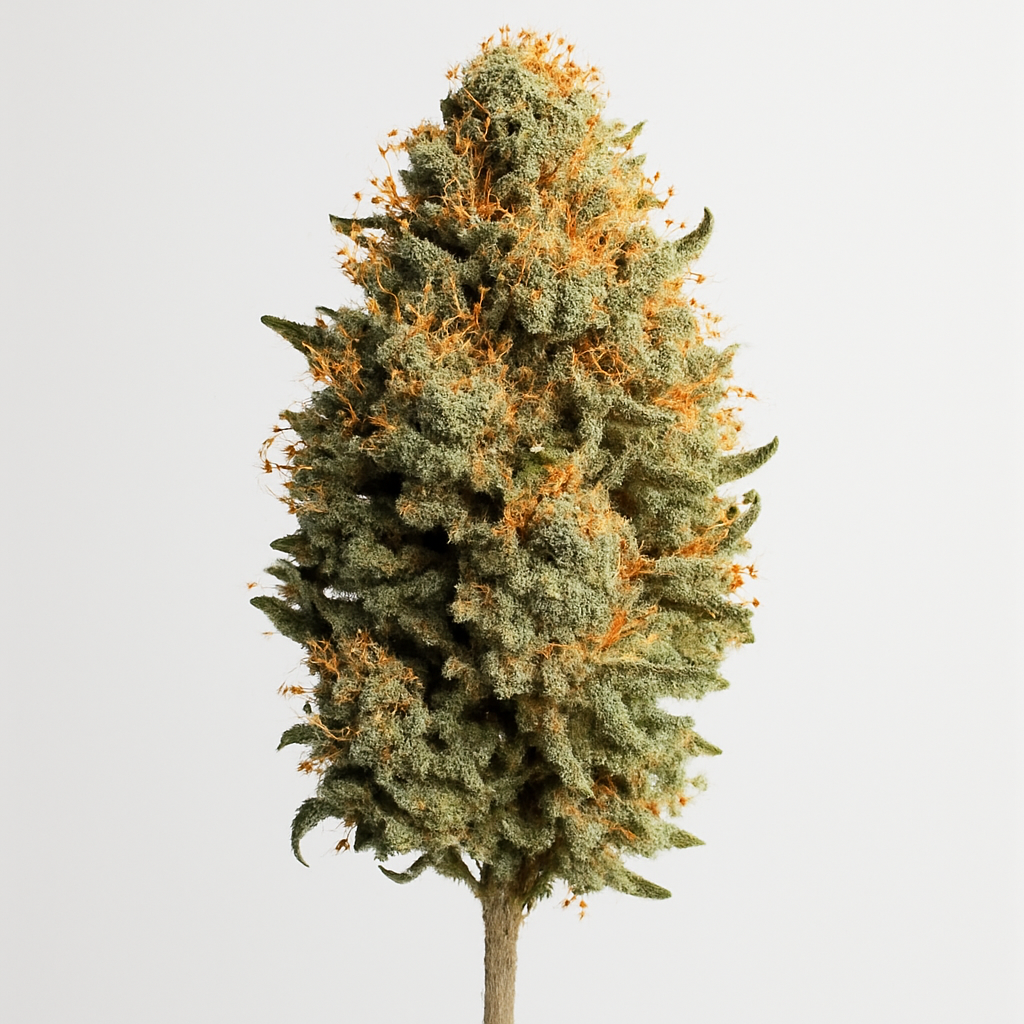
Panama Red buds usually develop as elongated spears with a somewhat airy internal structure, especially on upper colas. The flowers often display olive-green to medium-green coloration, with thin rust-orange pistils that can appear especially vivid against the lighter calyxes. Trichome coverage is typically respectable rather than overly chunky, giving the surface a frosted look without the deep resin stack associated with many modern dessert hybrids.
Phenotype variation can be noticeable. Some plants lean brighter and more floral, while others carry a slightly darker green cast and a more herbal silhouette. When well grown, the plant’s classic sativa architecture becomes part of the visual identity: long nodes, narrow sugar leaves, and a top-heavy cola structure that feels distinctly heirloom in character.
Effects & Use-Cases (Reported)
- Commonly reported effects: uplifted mood, mental clarity, creative energy, sociability, alertness
- Use-case context: often selected for daytime sessions, conversation, listening to music, or tasks that benefit from a lighter, more active headspace
- Body character: generally described as subtle and non-heavy, with less physical drag than many indica-leaning flowers
- Note: These observations are anecdotal and do not constitute medical claims.
Observational Note: Panama Red tends to be discussed as a cerebral, upbeat cultivar rather than a strain that settles heavily into the body. Its reputation comes from a clear, lifted profile that can feel more expansive than forceful.
Potency Note: The THC range is usually lower than that of modern top-end hybrids, but the overall experience can still feel vivid because of the strain’s terpene profile and classic sativa structure. A careful first session is sensible for users accustomed to more compact, denser flower styles.
Aroma & Flavor Profile
- Aroma: sweet spice, tropical cedar, earthy incense, dry floral, herbal musk
- Flavor: peppery herbs, sweet wood, citrus peel, tropical earth, incense
- Aftertaste: lingering wood spice with a faint citrus-herbal finish
- Terpene associations: commonly aligned with terpinolene, myrcene, and caryophyllene.
Searches for Panama Red flavor, aroma, and effects usually point to its old-school tropical sativa character: spicy on the nose, woody on the palate, and lightly floral once the flower is broken apart. The profile is less candy-like than many contemporary strains, which is exactly why it remains a reference point for fans of classic heirloom cannabis.
Tested Cannabinoid & Terpene Ranges
| Compound | Typical Range* | Notes |
|---|---|---|
| Δ⁹-THC | ~12–18% | Often moderate by modern market standards; can feel more stimulating than the number suggests. |
| CBD | <0.5% | Usually minimal in most tested flower. |
| Terpinolene | ~0.2–0.8% | Frequently associated with bright, herbal, and lightly sweet top notes. |
| Myrcene | ~0.1–0.5% | Can round out the aroma with soft earth and fruit-adjacent depth. |
| Caryophyllene | ~0.1–0.4% | Often contributes the strain’s peppery, dry spice finish. |
*Ranges are estimates and may vary by phenotype, harvest timing, and testing methods.
Cultivation Notes
- Light Cycle: 12/12 for flowering; strong light intensity helps support the longer finish
- Humidity: moderate in early bloom, then reduced as flowers mature to protect the looser tops
- Stretch: pronounced; expect substantial vertical gain after flip
- Training: responds well to topping, trellising, and early canopy control
- Odor Control: advisable indoors, especially in late flower when spice and herbal notes intensify
- Harvest Window: Approximately 10–14 weeks indoors
Panama Red is typically more rewarding for growers who appreciate sativa timing and can allow the plant to mature fully. The long cycle is part of the strain’s identity, and premature harvest often leaves the profile underdeveloped. Indoors, management is largely about height control, airflow, and patience; outdoors, warm climates are the most natural fit.
Grower Notes (Week-by-Week Snapshot)
- Weeks 1–3: Rapid stretch begins, internodes lengthen, and the plant sets a tall frame that benefits from support and early training.
- Weeks 4–5: Flower sites separate along the branches, with airy pistil production and a clear floral-spice aroma emerging.
- Weeks 6–8: Buds continue stacking lengthwise, resin becomes more visible, and humidity control becomes increasingly important.
- Weeks 9–10: Early finish markers may appear on some phenotypes, but longer-running selections often keep developing into weeks 12–14 for fuller expression.
Genetic Lineage
Panama Red is generally described as part of a tropical sativa lineage tied to Colombian and Panamanian cannabis populations. Those parent populations are known for extended flowering, slender leaf expression, and an energetic aromatic profile that can lean spicy, floral, and woody. Because the strain’s history predates the modern seed-company era, the exact lineage remains less definitive than many contemporary hybrids, but the core heritage is consistent across legacy references.
Research Insights
In today’s market, Panama Red matters less as a high-THC novelty and more as a reference point for classic tropical cannabis breeding. It helps preserve a terpene and morphology style that sits apart from the dense, dessert-forward hybrids dominating dispensary shelves. For search interest, it remains important because users are often looking for a genuine old-school sativa experience: long flowering, herbal-spice aroma, and a lighter, brighter effect profile.
Frequently Asked Questions
Is Panama Red a true landrace strain?
It is best described as a landrace-style heritage sativa or heirloom selection linked to tropical Colombian and Panamanian cannabis populations. Exact documentation varies, so strict botanical certainty is limited.
How long does Panama Red usually take to flower?
Most indoor runs are estimated at approximately 10–14 weeks. Some phenotypes may finish sooner or later depending on environment and selection.
What does Panama Red taste like?
Expect peppery herbs, sweet wood, citrus peel, and incense-like notes. The profile is generally more classic and aromatic than candy-sweet.
Is Panama Red strong by modern THC standards?
Not usually. It tends to test in a moderate THC range, but its effect can still feel lively and pronounced because of its sativa-leaning structure and terpene expression.
Is Panama Red difficult to grow indoors?
It can be, mainly because of its stretch and longer flowering time. Growers with limited vertical space usually need to train early and maintain strong airflow.
Educational Disclaimer: This page is provided strictly for scientific and horticultural reference. Cannabis cultivation, possession, and use are regulated by local laws. This content does not promote illegal activity or constitute medical advice. Always comply with applicable regulations in your jurisdiction.
Rate and review this strain
Ratings and reviews are accepted only from signed-in Google accounts.
Sign in with Google to leave a rating and written review.
Latest Reviews
1 reviewAnother memory..this stuff is awesome. This blast from the past is perfect for days or nights for that spicy high. Flavor bag appearances aside which were 10..the high hits hard and lingers into a floaty existence. It can be hard to obtain buy as much as you can when you can. The bomb.
Follow New Cultivar Records
Get newly documented genetics, breeder history, research highlights, and important Strainpedia discoveries by email.