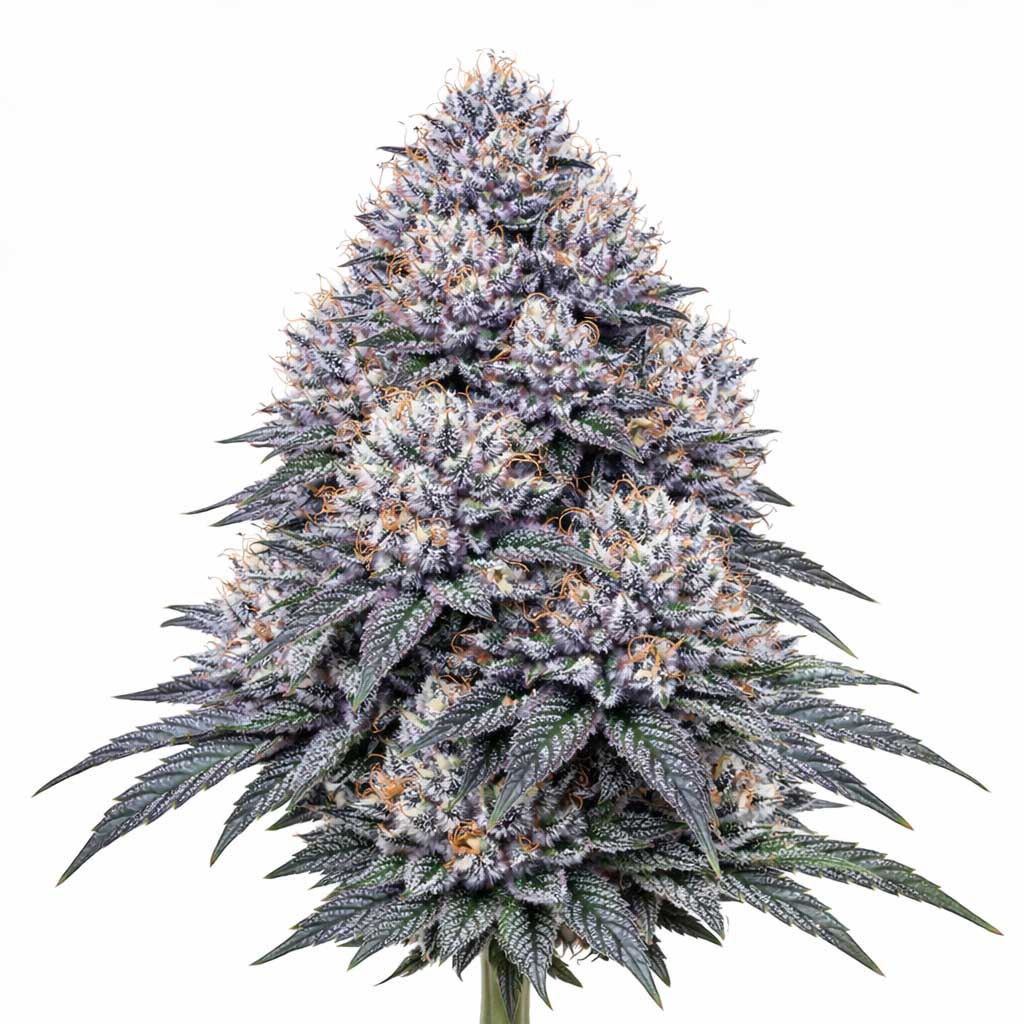
Blackberry Maple (Cannabis Strain)
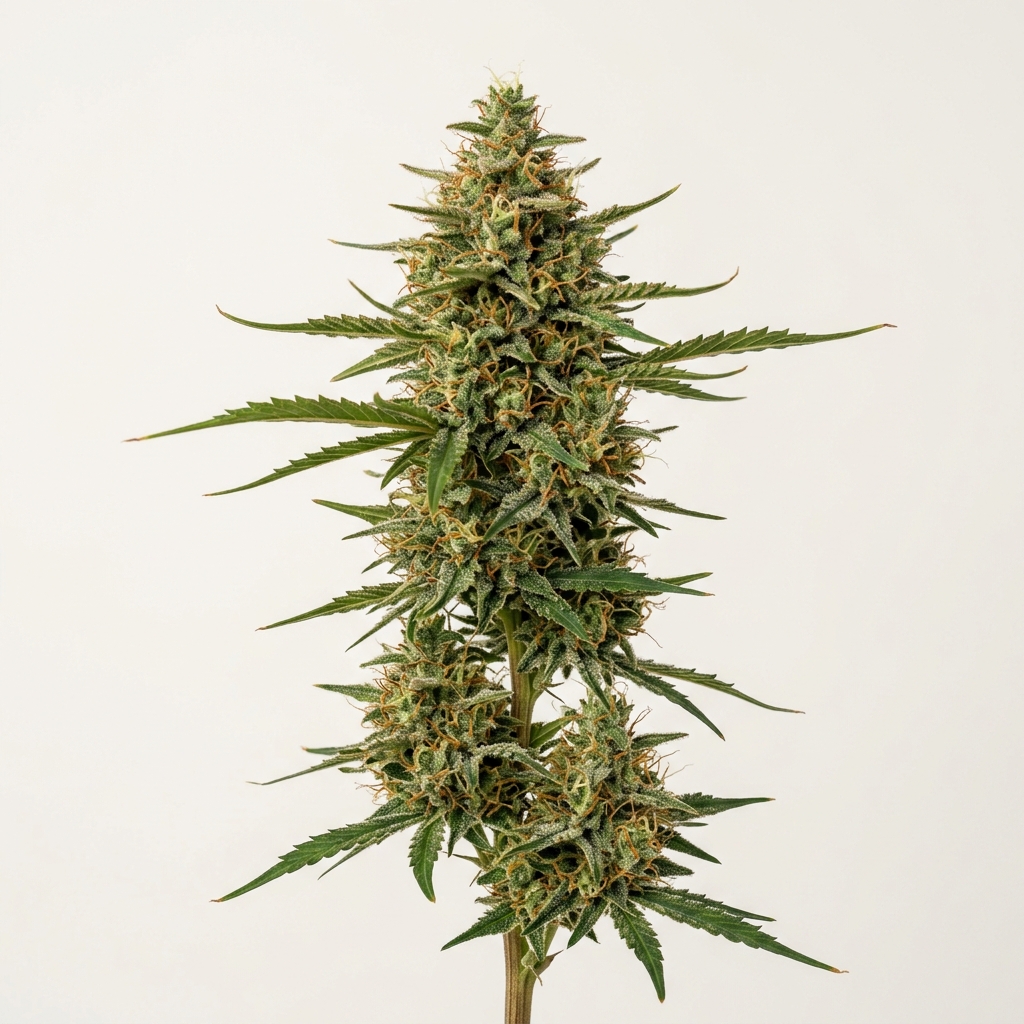
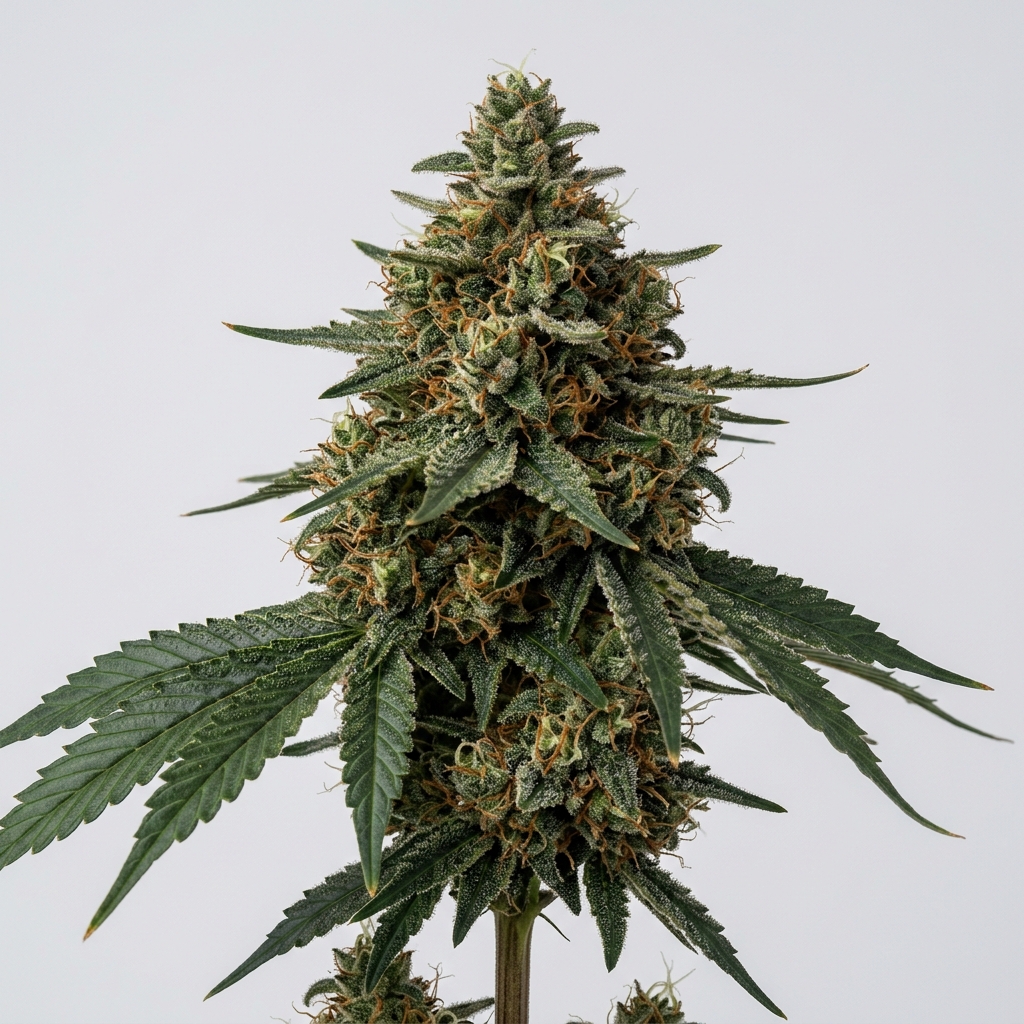
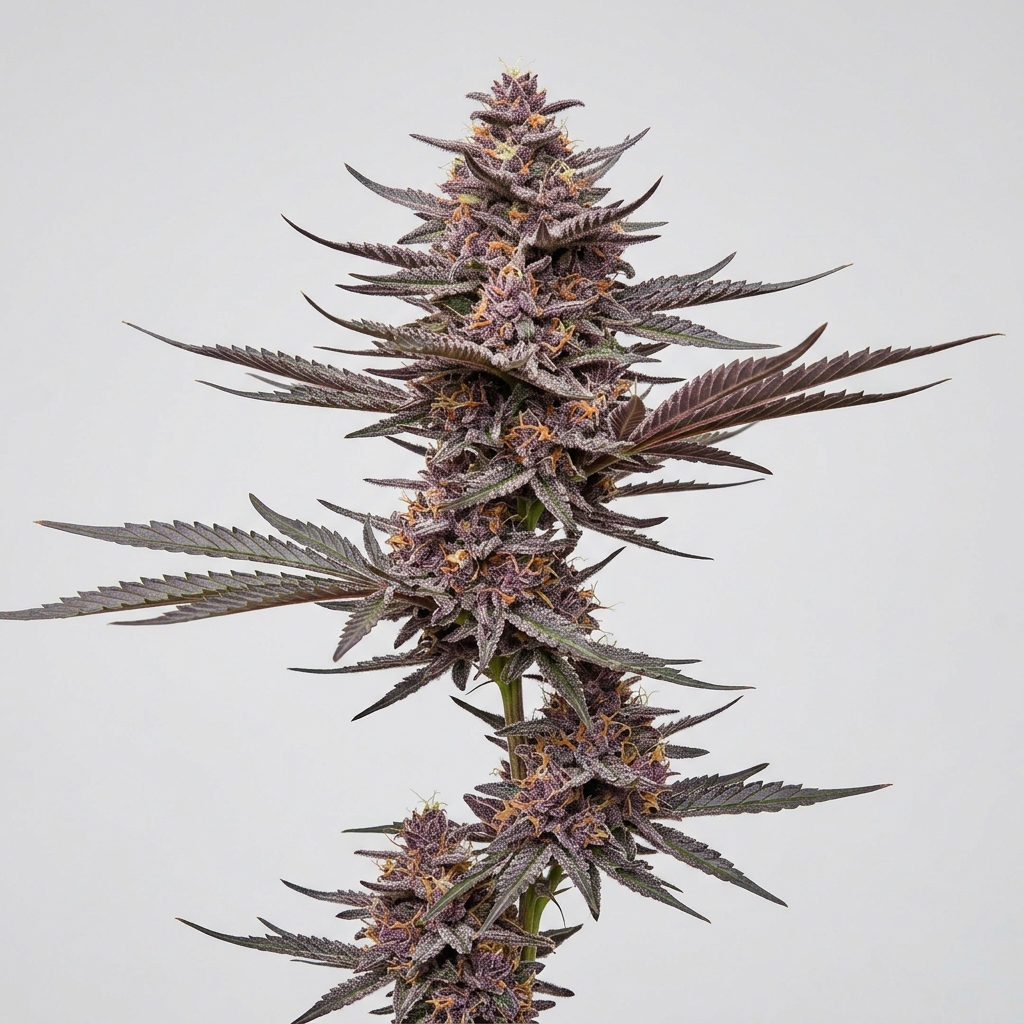
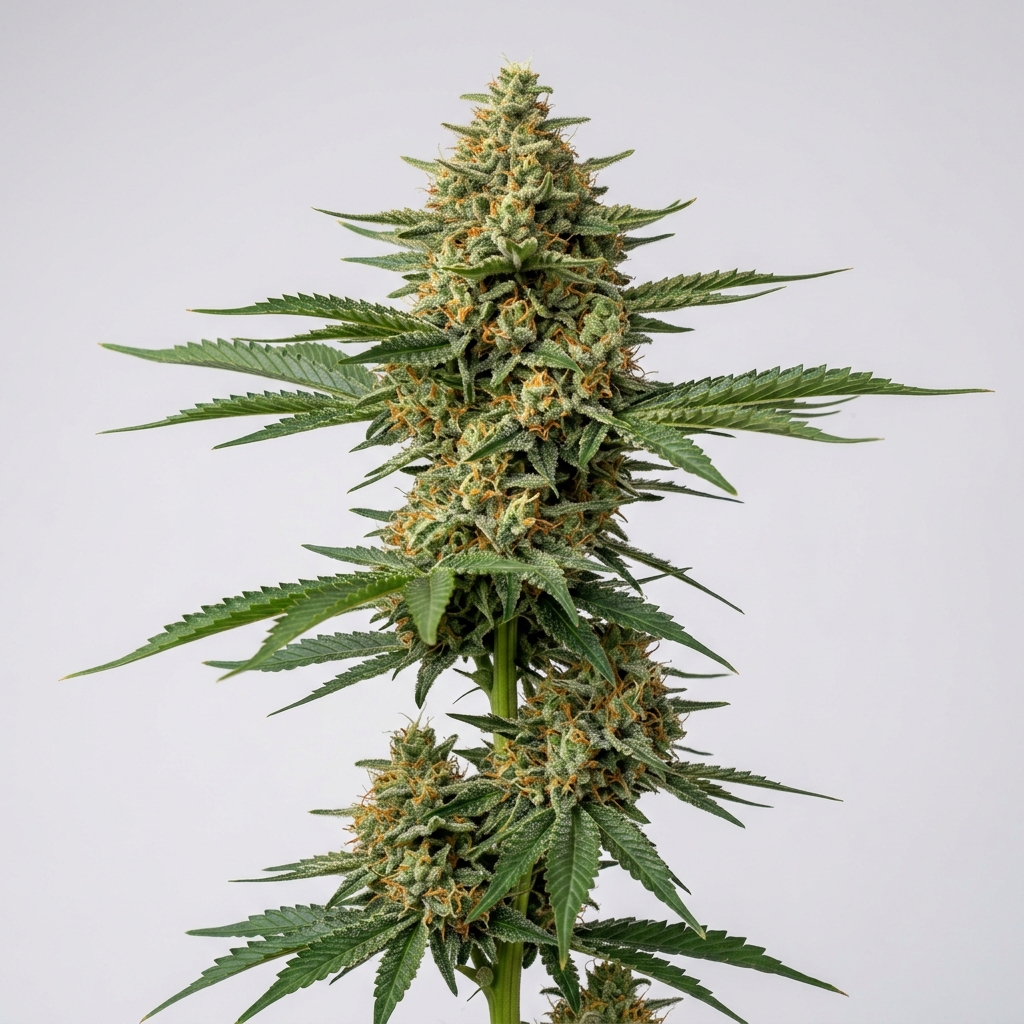
Blackberry Maple is an indica-dominant hybrid cannabis strain testing between 24% and 28% THC, bred by crossing Blackberry Pie and Maple Leaf Indica. Known for its heavy-bodied relaxation and greasy resin production, this cultivar delivers a complex profile of sweet maple syrup, dark berry edge, and woody hash undertones. The plants exhibit a compact, sturdy structure with dense, purple-tinted flowers, making it a favored choice among extraction artists seeking high solventless yields.
This cultivar bridges the tart fruit esters of its berry lineage with the deep, resinous heritage of classic Afghan hash plants. It has earned a dedicated following among evening users and growers who appreciate dense bract development and a slow-building, physical calm.
Quick Facts
| Field | Value |
|---|---|
| Genetics | Blackberry Pie x Maple Leaf Indica |
| Variety | Indica-Dominant Hybrid |
| THC Range | 24% – 28% |
| Flowering Time | 8 – 9 weeks (56 – 63 days) |
| Yield Potential | Moderate to High |
| Plant Height | Medium, compact |
| Climate Preference | Temperate; benefits from cool late-flower temperatures |
| Difficulty | Intermediate |
Scientific & Botanical Overview
Blackberry Maple showcases classic indica morphology, characterized by broad fan leaves, tight internodes, and robust lateral stacking. The vegetative phase demands strategic defoliation to maintain optimal airflow through its dense canopy.
As flowering progresses, the calyxes swell and develop deep purple and plum hues, a trait inherited from its Blackberry ancestry that intensifies under cooler nighttime temperatures. The trichomes are notably dense and oily, producing a high concentration of volatile terpenes and cannabinoids.
This heavy resin coverage makes the dried flowers feel sticky and slow to break down. The physical structure of the buds is tight and rounded, with minimal foliage within the colas, simplifying the post-harvest trim process.
Effects & Use-Cases (Reported)
Commonly reported effects: Physical relaxation, deep mental calm, and a heavy, weighted-blanket sensation that develops slowly over time.
Use-case context: Best suited for evening use, wind-down routines, and sleep support due to its strong sedative leanings.
Note: Individual experiences may vary, and high-potency cultivars should be approached with caution by novice users.
Aroma & Flavors
Aroma: Rich notes of warm maple syrup, dark forest berries, and a distinct background of damp earth and wood smoke.
Flavor: Tangy blackberry on the inhale, transitioning to a sweet, syrupy, and herbal taste on the exhale.
Terpene associations:
Myrcene drives the heavy fruit sweetness, while caryophyllene adds a woody spice depth, and linalool contributes a subtle floral calm.
Tested Cannabinoid & Terpene Ranges
| Compound | Typical Range | Notes |
|---|---|---|
| Δ9-THC | 24% – 28% | High potency with deep physical effects |
| CBD | <0.5% | Minimal presence |
| Myrcene | 0.8% – 1.3% | Primary terpene; sweet fruit and sedative properties |
| Caryophyllene | 0.5% – 0.9% | Adds woody spice and structural depth |
| Humulene | 0.2% – 0.4% | Contributes earthy, herbal undertones |
Note: Cannabinoid and terpene profiles are highly variable and depend on specific phenotypes, environmental conditions, and cultivation methods.
Cultivation Notes
- Keep late-flower humidity strictly controlled between 40% and 45% to protect the dense, moisture-retentive colas from mold.
- The plants exhibit a low to moderate stretch during the transition to flower, making them highly manageable in spaces with limited vertical clearance.
- Responds exceptionally well to low-stress training (LST) and early topping to encourage multiple main spear colas.
- Expect a moderate to heavy odor during the final weeks of flowering, requiring functional carbon filtration.
- Introduce cooler nighttime temperatures during the last two weeks of the cycle to stimulate anthocyanin production and bring out deep purple hues.
Grower Notes (Week-by-Week Snapshot)
- Weeks 1–3 (Vegetative & Early Stretch): Focus on building a strong root system and establishing a flat canopy; vegetative growth is compact with thick stems and broad fan leaves.
- Weeks 4–5 (Early Flower): Stacking begins with small, white pistil clusters forming at the nodes; minor leaf tucking or defoliation helps light penetrate lower bud sites.
- Weeks 6–8 (Mid to Late Flower): Bud development accelerates with significant resin production; the sweet, syrupy aroma becomes pronounced as calyxes swell and purple pigments begin to show.
- Week 9 (Ripening & Harvest): Flush the medium and monitor trichomes; harvest when the majority of heads are milky white with a small percentage of amber for optimal physical weight.
Genetic Lineage
The genetic foundation of Blackberry Maple rests on a deliberate cross between Blackberry Pie and Maple Leaf Indica. Blackberry Pie, a hybrid known for its pastry-like berry sweetness and balanced effects, contributes the vibrant berry esters and striking purple coloration.
This is balanced by Maple Leaf Indica, a historic pure Afghan landrace selection prized for its heavy, greasy resin production, sweet maple-hash aroma, and deeply sedative physical effects. The resulting hybrid preserves the flavor complexity of the former while inheriting the structural integrity and resin density of the latter.
Research Insights
The synergy between high concentrations of myrcene and caryophyllene in Blackberry Maple suggests a terpene profile optimized for physical sedation. Analytical data indicates these compounds work alongside the high THC content to influence receptors associated with muscle relaxation and tension relief.
From a breeding perspective, this cultivar demonstrates the value of crossing modern terpene-forward hybrids with stable, resin-rich landrace genetics. This approach preserves volatile flavor compounds while reinforcing the physical traits necessary for efficient solventless extraction.
Frequently Asked Questions
Is Blackberry Maple an indica or sativa?
Blackberry Maple is an indica-dominant hybrid, displaying classic indica growth habits, dense bud structures, and deeply relaxing physical effects.
What does Blackberry Maple smell like?
This strain features a distinct aroma of sweet maple syrup, dark berries, and earthy wood smoke, followed by a sweet, slightly tart berry flavor.
How long does Blackberry Maple take to flower?
Indoors, Blackberry Maple typically completes its flowering cycle in 8 to 9 weeks (56 to 63 days).
Is Blackberry Maple good for concentrates?
Yes, the high concentration of greasy, oily trichomes makes this strain an excellent candidate for solventless extraction, particularly live rosin.
Educational Disclaimer
This content is provided for informational and educational purposes only. Cultivation of cannabis is subject to varying local, state, and federal laws.
Rate and review this strain
Ratings and reviews are accepted only from signed-in Google accounts.
Sign in with Google to leave a rating and written review.
Latest Reviews
0 reviewsNo reviews yet. Be the first Google user to rate and review this strain.