Trop Cookies (Cannabis Strain)
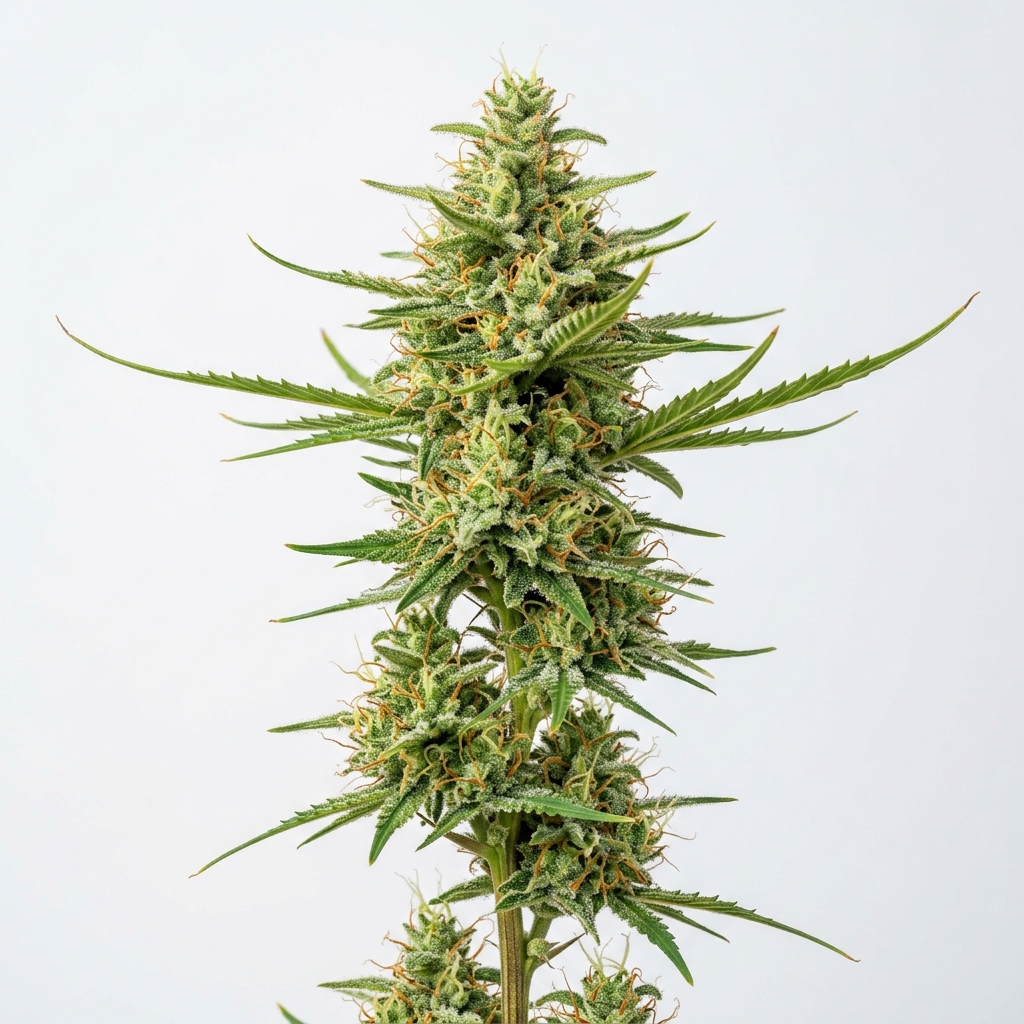
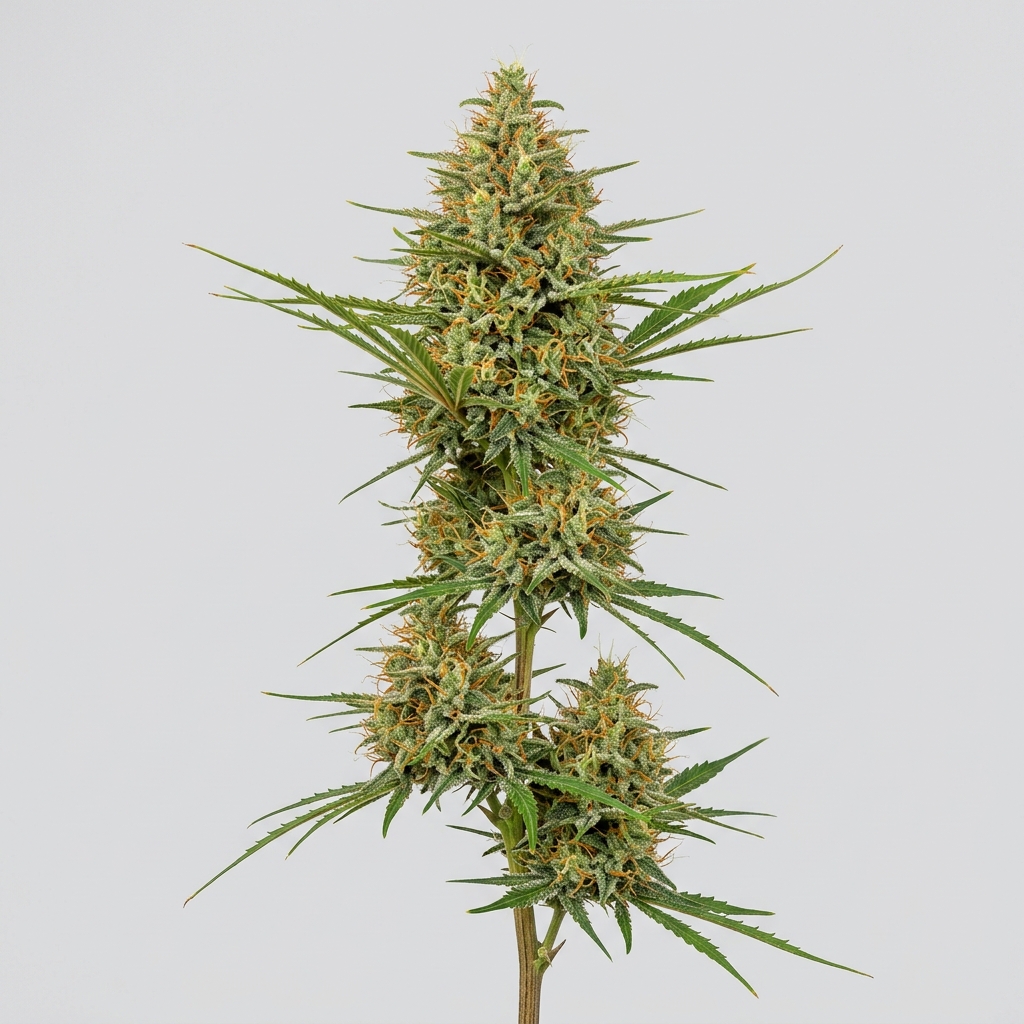
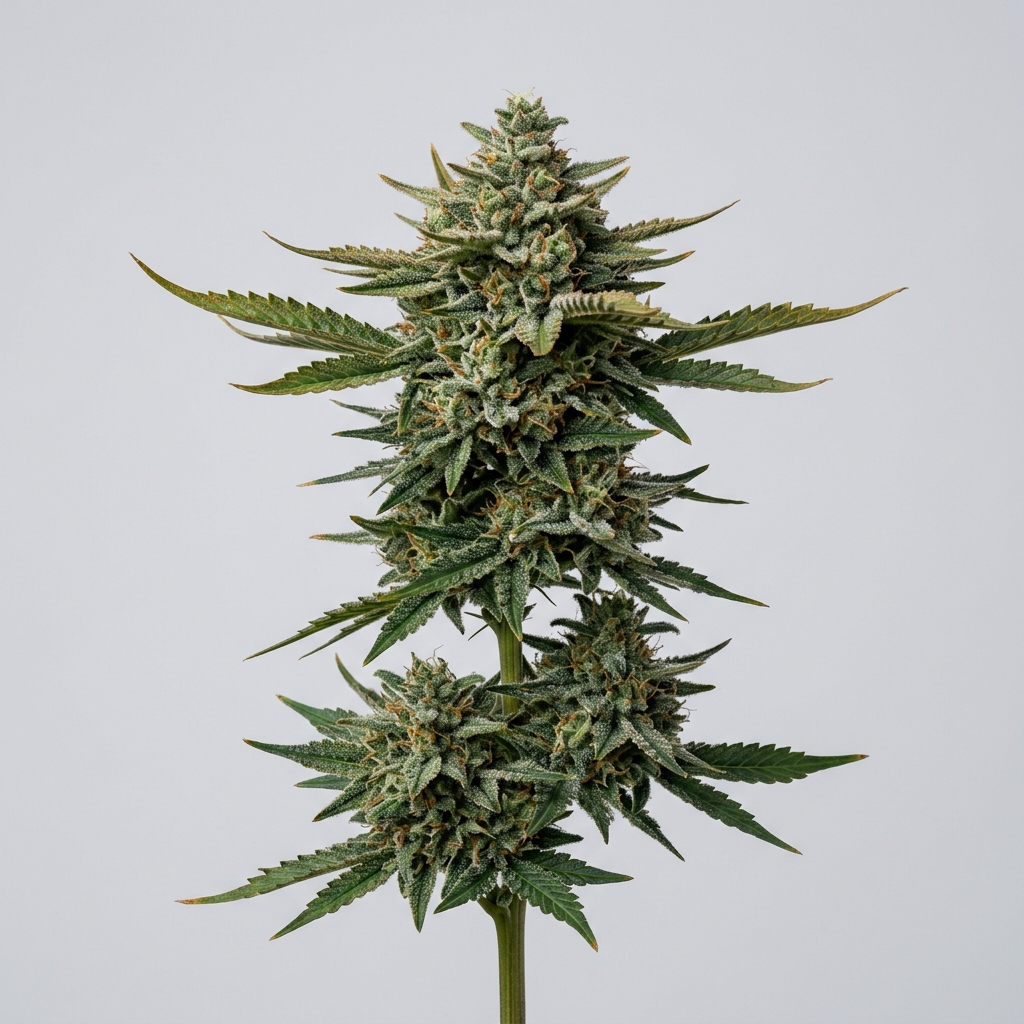
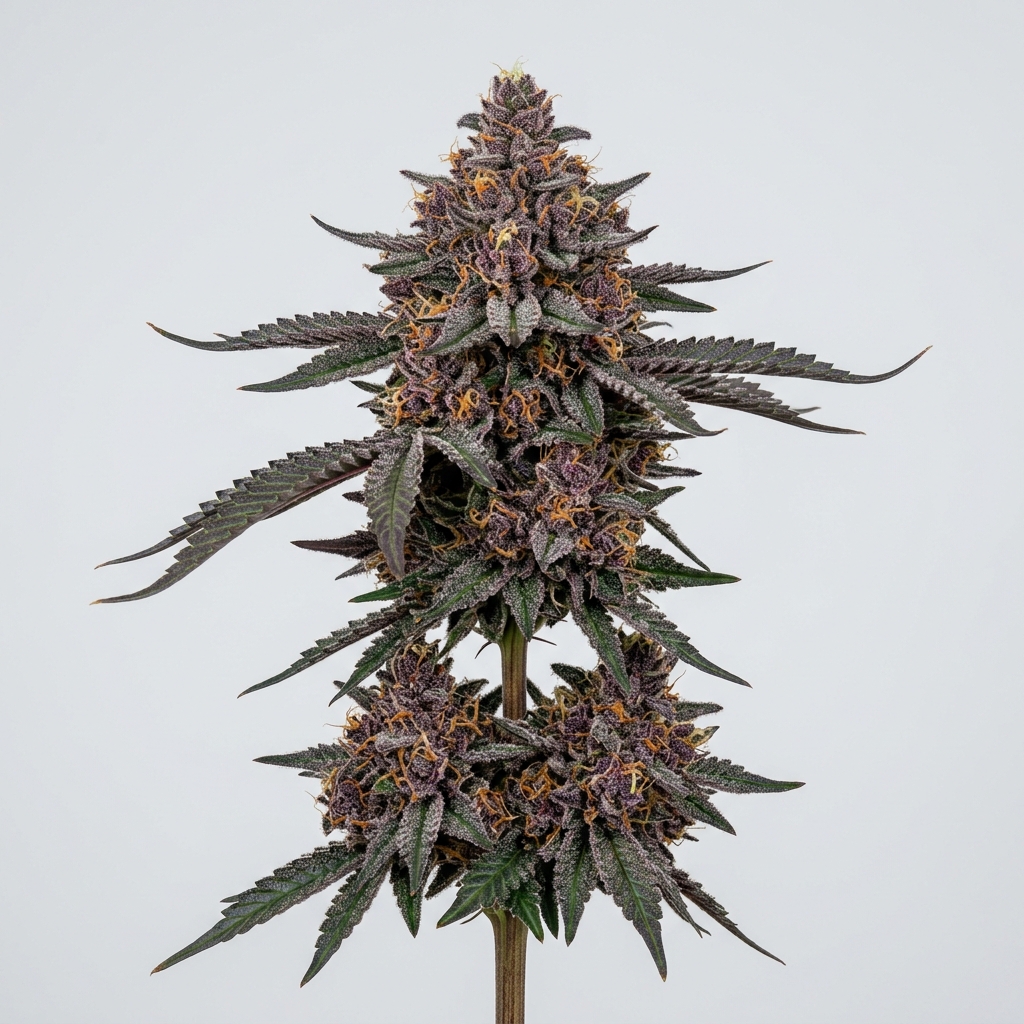
Trop Cookies, also widely known as Tropicanna Cookies, is a highly celebrated sativa-dominant hybrid typically testing between 18% and 24% THC. Bred by crossing the legendary GSC Forum Cut with the citrus-forward Tangie, this cultivar is famous for its striking deep violet anatomy, heavy silver resin coverage, and a sharp blood orange and warm cookie dough aroma. It shows a vigorous vegetative growth pattern with a manageable stretch, developing dense, resin-rich flowers that make it a prized selection for both boutique flower growers and extraction artists.
The cultivar stands out in modern cultivation primarily due to its intense anthocyanin production, which turns the fan leaves and bracts nearly black by late flower. Beyond its visual appeal, it delivers a bright, sensory-forward experience that avoids the heavy sedation of typical cookie crosses, making it an enduring favorite in competitive markets.
Quick Facts
| Field | Details |
|---|---|
| Genetics | GSC Forum Cut × Tangie |
| Variety | Sativa-dominant hybrid |
| THC Range | 18% – 24% |
| Flowering Time | 9 – 10 weeks |
| Yield Potential | Moderate to high |
| Plant Height | Medium to tall |
| Climate Preference | Temperate, low late-flower humidity |
| Difficulty | Moderate |
Scientific & Botanical Overview
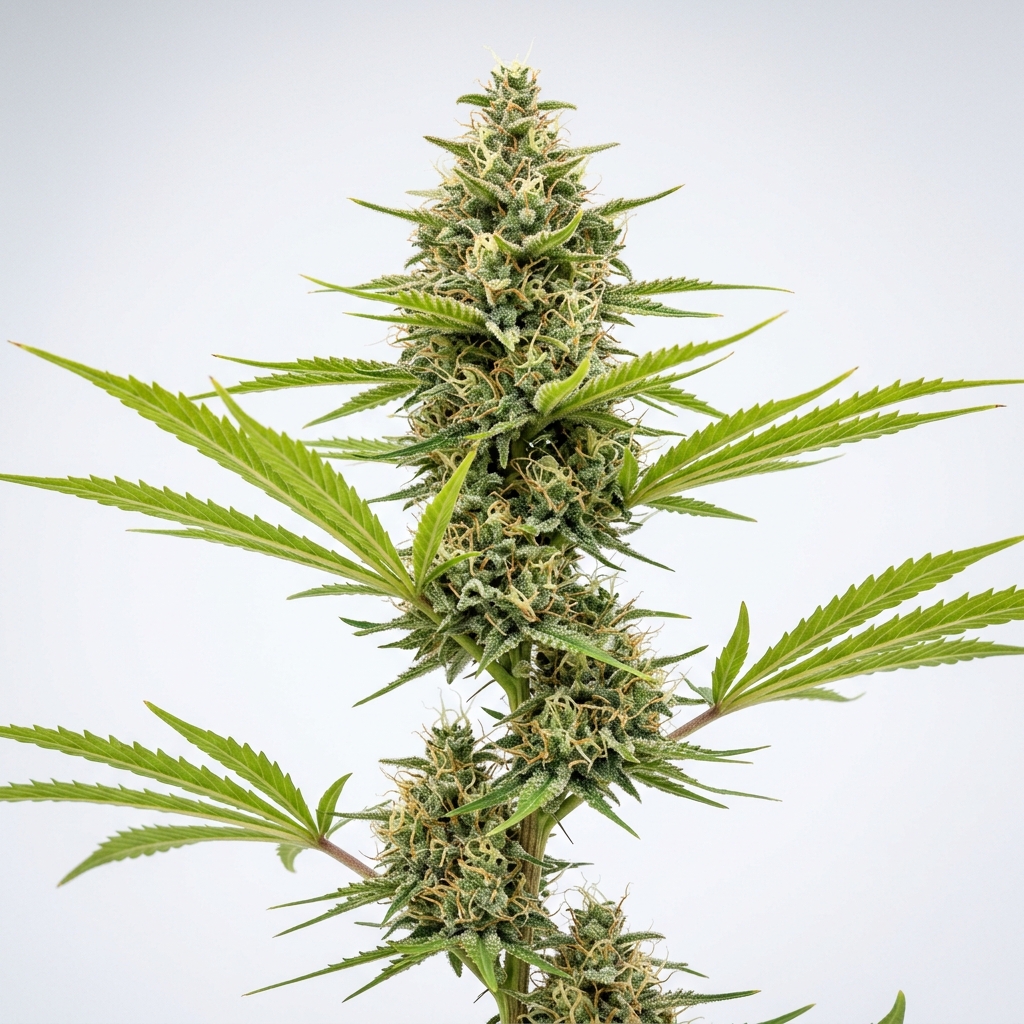
Botanically, Trop Cookies is characterized by its broad fan leaves that quickly transition from deep forest green to rich violet as flowering progresses. The plant displays tight internodes during early vegetative growth but undergoes a noticeable stretch once flipped to a 12/12 light cycle. Growers frequently observe heavy trichome development extending well onto the fan leaves, a trait inherited from its cookie lineage.
The calyx-to-leaf ratio is highly favorable, allowing for excellent airflow through the canopy and a relatively easy post-harvest trim. The bracts swell significantly in the final weeks, forming dense, spear-shaped colas coated in glassy buds. This structural density requires careful environmental monitoring, particularly in the late stages of flower to prevent moisture retention.
Anthocyanin accumulation is highly temperature-dependent, with cooler night temperatures in the final weeks bringing out the signature deep purple hues. The resin produced is notably greasy to the touch, rich in monoterpenes that persist through the curing process if dried slowly.
Effects & Use-Cases (Reported)
Commonly reported effects: Consumers frequently describe a sharp citrus lift that provides immediate mental clarity and an uplifting energy. This initial cerebral stimulation gradually settles into a functional, warm physical relaxation that does not lead to heavy sedation.
Use-case context: This profile makes the cultivar well-suited for daytime activities, creative projects, or social settings where focus and conversational ease are desired. It serves as an appealing alternative to heavier evening hybrids, offering physical comfort without compromising productivity.
Note: Individual tolerance and specific phenotype variations can influence these effects. High-THC selections may produce more intense cerebral stimulation, which sensitive individuals should approach with caution.
Aroma & Flavors
Aroma: A dominant burst of fresh blood orange and sharp peel, backed by a subtle, warm undertone of baked dough, earth, and a dark berry edge.
Flavor: The smoke delivers a bright, tangy citrus flavor on the inhale, transitioning to a smooth, sweet dough and light spice finish.
Terpene associations: Caryophyllene, limonene, and humulene are typically the dominant terpenes, driving the balance of spice, citrus, and earth.
Tested Cannabinoid & Terpene Ranges
| Compound | Typical Range |
|---|---|
| Δ9-THC | 18.0% – 24.0% |
| CBD | < 1.0% |
| beta-Caryophyllene | 0.4% – 0.9% |
| d-Limonene | 0.3% – 0.7% |
| alpha-Humulene | 0.1% – 0.3% |
| Myrcene | 0.1% – 0.4% |
Note: Cannabinoid and terpene profiles are literature-informed references and can vary significantly depending on cultivation techniques, environmental conditions, and specific phenotype selections.
Cultivation Notes
- Humidity management: Keep relative humidity below 45% during the final three weeks of flowering to protect the dense, swollen calyxes from moisture retention.
- Training techniques: Responds exceptionally well to topping and low-stress training (LST) to create a uniform canopy and maximize light penetration to lower bud sites.
- Defoliation: Moderate defoliation at day 21 and day 42 of flowering helps maintain airflow and ensures light reaches the lower spear colas.
- Temperature control: Introduce a 10-degree drop in night temperatures during the last two weeks to stimulate the expression of deep purple pigments.
- Nutrient requirements: Prefers a moderate feeding schedule; avoid heavy nitrogen in mid-to-late flower to prevent leaf curl and maintain terpene clarity.
Grower Notes (Week-by-Week Snapshot)
- Weeks 1–3 (Transition & Stretch): Expect a moderate to strong stretch after flipping to 12/12. Ensure early support structures like trellis netting are in place to manage the expanding canopy.
- Weeks 4–6 (Bud Development & Resin): White pistils form rapidly into dense clusters. Greasy resin begins to coat the bracts and surrounding sugar leaves, accompanied by an early sharp citrus aroma.
- Weeks 7–9 (Color Transition & Ripening): Fan leaves begin their transition to deep purple and near-black hues. Monitor trichome maturity closely as the orange pistils recede and calyxes swell.
- Post-Harvest (Slow Dry & Cure): Hang-dry the entire plant at 60°F and 60% relative humidity for 10 to 14 days to preserve the volatile monoterpenes before a minimum three-week cure.
Genetic Lineage
The lineage of Trop Cookies traces back to a deliberate cross by Oni Seed Co, pairing the GSC Forum Cut with Tangie. This pairing was designed to combine the dense, resin-rich structure of the cookies lineage with the unmistakable, sharp citrus profile of Tangie. The result stabilized a phenotype that retains the best cosmetic and aromatic traits of both parents.
The maternal GSC Forum Cut contributes the tight, compact bud structure and the underlying doughy, sweet flavor profile. Meanwhile, the paternal Tangie genetics introduce the vigorous growth habit, sativa-leaning effects, and the dominant blood orange terpene profile that defines the cultivar.
Research Insights
Analytical testing of Trop Cookies reveals a complex terpene matrix dominated by caryophyllene and limonene. This specific combination is of interest in phytocannabinoid research, as the interaction between these monoterpenes and sesquiterpenes may influence the rate of cannabinoid absorption. The presence of humulene adds a subtle woody note that tempers the sharper citrus elements.
The cultivar is also a frequent subject of study regarding anthocyanin accumulation in cannabis tissues. Researchers note that the genetic pathways inherited from its purple-leaning ancestors allow for rapid pigment synthesis under mild thermal stress, providing a natural defense mechanism that also enhances its visual appeal.
Frequently Asked Questions
Is Trop Cookies a sativa or indica?
Trop Cookies is a sativa-dominant hybrid, typically exhibiting a 70:30 sativa-to-indica ratio. It offers an energizing, clear-headed experience while maintaining a gentle physical relaxation inherited from its cookie lineage.
How long does Trop Cookies take to flower?
Indoor flowering typically takes between 9 and 10 weeks. Outdoor growers can expect to harvest in mid-to-late October, depending on local climate conditions.
What does Trop Cookies smell like?
The cultivar features a prominent aroma of fresh blood orange and tangy citrus, layered over a warm, sweet cookie dough base with hints of earth and dark berries.
Is Trop Cookies suitable for extraction?
Yes, Trop Cookies is highly regarded by extraction artists. Its greasy resin profile, high trichome density on sugar leaves, and robust terpene retention make it an excellent choice for producing solventless concentrates like live rosin.
Educational Disclaimer
This content is for educational and informational purposes only. Cultivation and consumption of cannabis are subject to local laws and regulations. Consult with a qualified professional before making any horticultural or personal wellness decisions.
Rate and review this strain
Ratings and reviews are accepted only from signed-in Google accounts.
Sign in with Google to leave a rating and written review.
Latest Reviews
0 reviewsNo reviews yet. Be the first Google user to rate and review this strain.