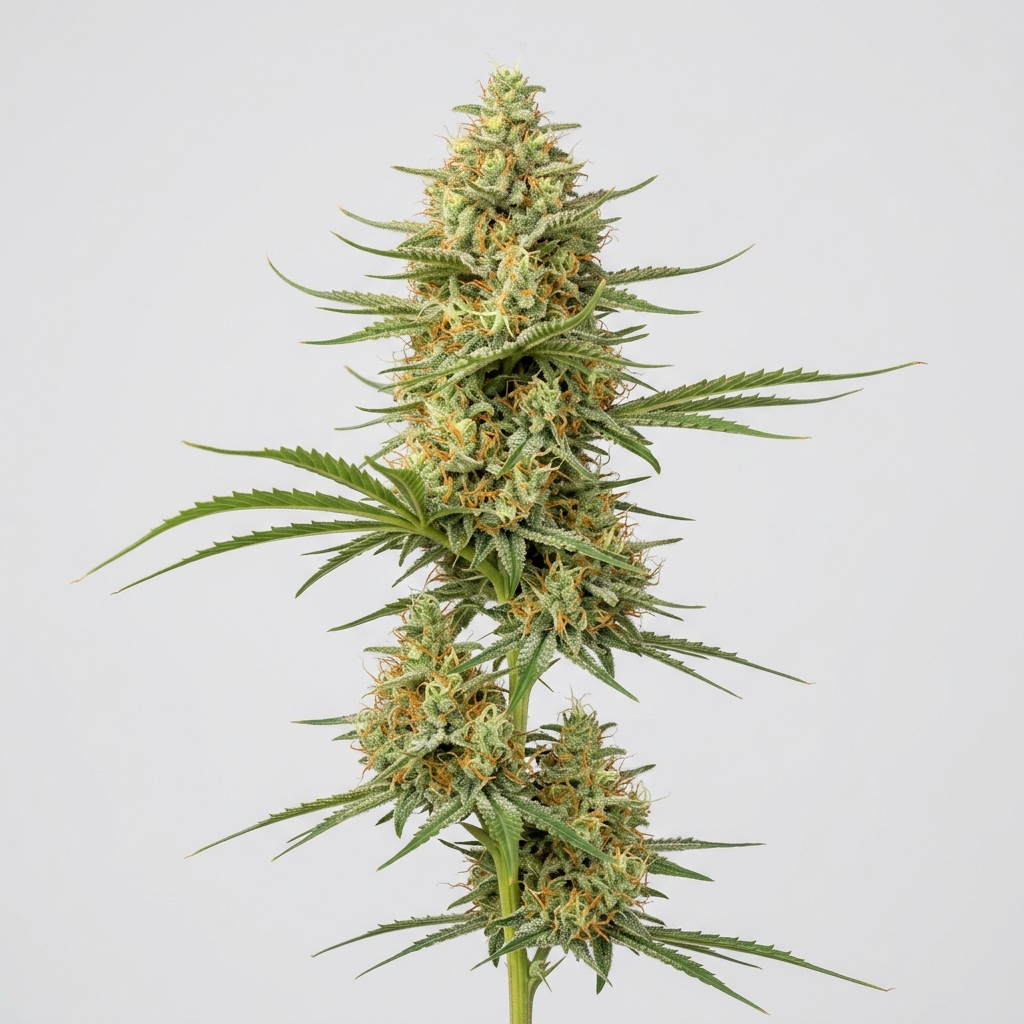
Tangie Dream (Cannabis Strain)
Tangie Dream is a sativa-dominant hybrid crossing the citrus-forward Tangie with the legendary Blue Dream, typically testing between 18% and 24% THC. Known for its sharp citrus lift and sweet berry undertones, this cultivar produces long, spear-shaped colas coated in a fine layer of glassy resin. It shows a vigorous vegetative stretch and thrives in environments where humidity and airflow are closely managed, making it a favorite for growers seeking terpene clarity and functional daytime profiles.
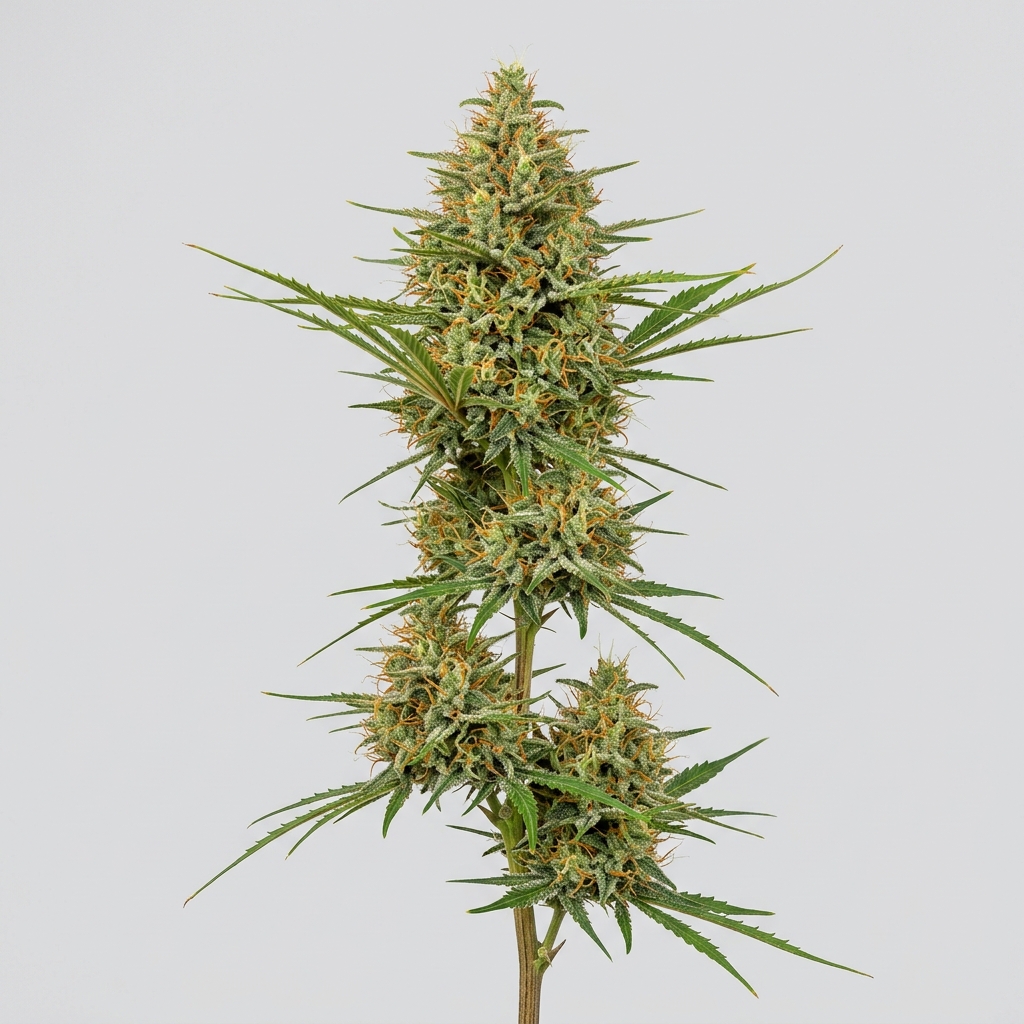
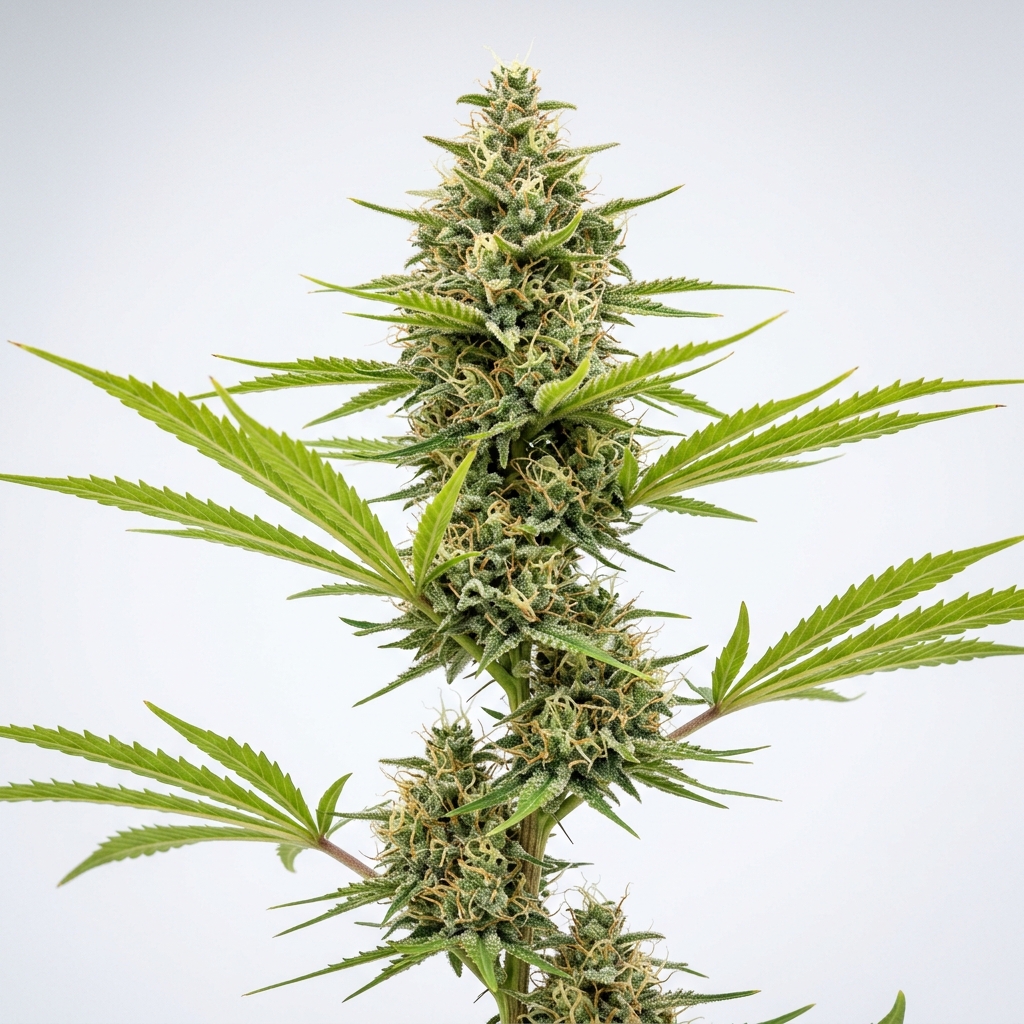
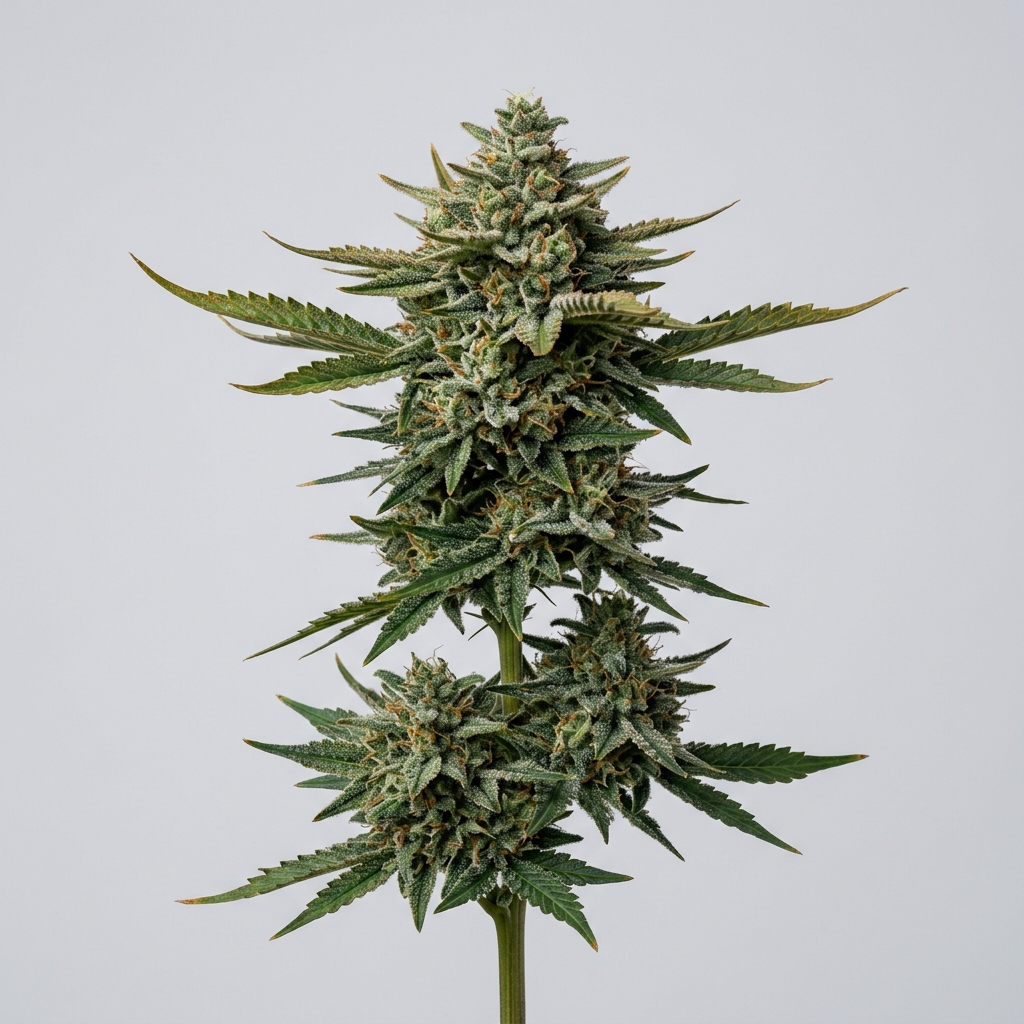
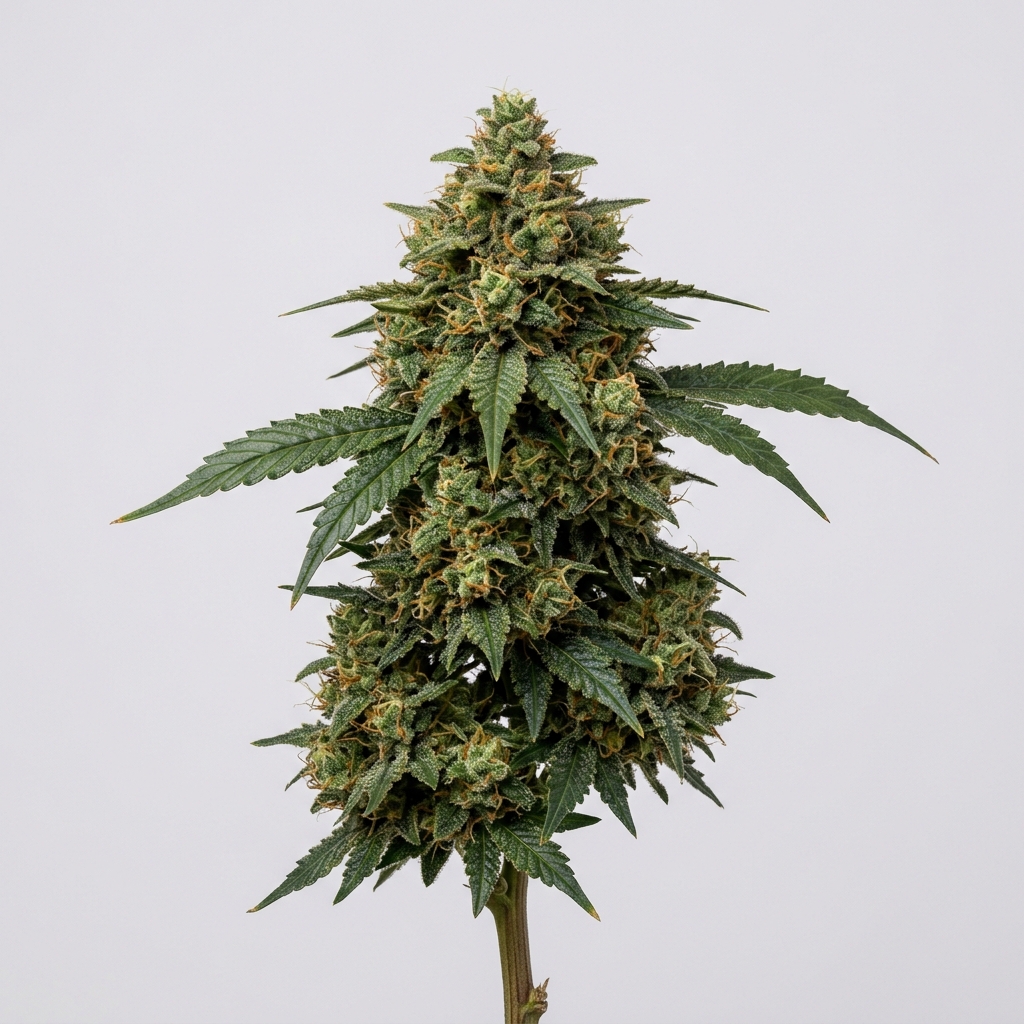
The cultivar bridges the gap between old-school California citrus genetics and modern sweet-herbal hybrids. Its visual appeal lies in its bright orange pistils and pale green bracts, which occasionally develop subtle blue hues during late-stage temperature drops.
Quick Facts
| Key Metric | Details |
|---|---|
| Genetics | Tangie × Blue Dream |
| Variety | Sativa-dominant Hybrid |
| THC Range | 18% – 24% |
| Flowering Time | 9 – 10 Weeks |
| Yield Potential | Moderate to High |
| Plant Height | Tall (Significant stretch) |
| Climate Preference | Warm, dry, temperate |
| Difficulty | Moderate |
Scientific & Botanical Overview
Botanically, Tangie Dream displays classic sativa-dominant morphology with long internodal spacing and thin, elegant fan leaves. The plants require active canopy management to distribute light evenly across the lower nodes and prevent excessive vertical reach. Outdoors, they can grow quite tall, requiring support stakes or trellis systems to handle the weight of the developing branches.
During the transition to flower, the nodal development accelerates into long, tapered spear colas rather than dense, rounded golf-ball clusters. The calyx-to-leaf ratio is remarkably high, which simplifies the post-harvest trimming process and preserves the delicate trichome heads. The resin gland structure is dominated by capitate-stalked trichomes that remain relatively small but highly concentrated.
The resin profile is characterized by high volatility, meaning the terpenes are easily felt even during early vegetative stages. This requires a dedicated carbon filtration system to manage the pungent, sweet citrus vapors that fill the cultivation space by week five of flower.
Effects & Use-Cases (Reported)
Commonly reported effects: Users frequently note a clear-headed, uplifting mental energy accompanied by a gentle, relaxing physical undercurrent. The physical sensation is rarely heavy or sedating, allowing for sustained focus and physical activity.
Use-case context: This functional profile makes the strain highly suitable for morning or mid-day sessions, creative tasks, and social settings. It is often selected by those looking to maintain productivity without the heavy physical drag associated with indica-dominant hybrids.
Note: Individual experiences vary, and those sensitive to sativa-leaning cultivars should start with conservative doses to gauge personal tolerance.
Aroma & Flavors
Aroma: A dominant burst of fresh tangerine peel and sweet orange citrus is immediately apparent upon opening a jar. Underneath the bright citrus lift lies a softer, herbal undertone reminiscent of sweet pine and dried berries.
Flavor: The smoke or vapor delivers a sharp citrus start that transitions into a smooth, sweet berry finish on the exhale. A faint, earthy musk lingers on the palate, grounding the sweet fruit notes.
Terpene associations: Lab analyses frequently highlight high concentrations of myrcene, pinene, and caryophyllene, which work together to produce the strain’s complex sweet-citrus and herbal character.
Tested Cannabinoid & Terpene Ranges
| Compound | Typical Range |
|---|---|
| Δ9-THC | 18.0% – 24.0% |
| CBD | < 0.5% |
| Myrcene | 0.4% – 0.8% |
| Pinene | 0.2% – 0.5% |
| Caryophyllene | 0.1% – 0.4% |
| Limonene | 0.1% – 0.3% |
Range note: Cannabinoid and terpene levels are highly dependent on specific phenotypes, environmental variables, and cultivation techniques.
Cultivation Notes
- Humidity management: Maintain relative humidity below 50% during the final three weeks of flower to protect the long, resinous colas from moisture retention.
- Nutrient requirements: The strain responds well to moderate feeding schedules; excessive nitrogen during early flower can trigger unwanted stretching.
- Canopy training: Employing low-stress training (LST) or a Screen of Green (ScrOG) setup is highly recommended to control the plant’s height and maximize light penetration.
- Phenotype selection: Look for phenotypes that exhibit the tightest internodal spacing and the strongest citrus aroma during early vegetative selections.
- Harvest timing: Harvest when the trichomes are mostly milky white with a small percentage of amber to preserve the uplifting, clear-headed qualities of the high.
Grower Notes (Week-by-Week Snapshot)
- Weeks 1–3 (The Stretch): The plants will stretch significantly upon flipping to a 12/12 light cycle. Secure branches early to trellis netting and prune lower fan leaves to improve airflow.
- Weeks 4–6 (Flower Development):** Pistils develop rapidly, forming the structures of the long spear colas. Trichome production begins along the sugar leaves, releasing a strong sweet orange scent.
- Weeks 7–9 (Resin & Maturation): Calyxes swell and the pistils turn a deep orange. Monitor humidity closely and reduce ambient temperatures slightly at night to encourage potential blue or purple coloration.
- Post-Harvest (Dry & Cure): Hang the whole plant for a slow dry at 60°F (15°C) and 60% relative humidity for 10 to 14 days. A patient two-week cure in airtight vessels is essential to lock in the delicate berry and citrus terpenes.
Genetic Lineage
Tangie Dream inherits its distinct profile from two highly influential parents. Tangie, a modern take on the classic California Orange, contributes its intense, sweet tangerine aroma and sativa-leaning growth structure.
The other half of its lineage comes from Blue Dream, a legendary cross of Blueberry and Haze. Blue Dream infuses the hybrid with its sweet berry undertones, robust yield potential, and balanced, functional physical effects.
Research Insights
Analytical data shows that the cultivar’s unique sensory profile is driven by a high concentration of monoterpenes. The presence of pinene is particularly notable, as it is often associated with the clear-headed, alert qualities reported by consumers.
Breeders value the genetic stability of this hybrid, utilizing its reliable terpene expression to introduce bright citrus notes into newer breeding projects. The interaction between the parent strains ensures a resilient plant capable of handling moderate environmental fluctuations.
Frequently Asked Questions
Is Tangie Dream an indica or a sativa?
Tangie Dream is a sativa-dominant hybrid. It shows sativa-like growth characteristics, including a significant vertical stretch, and is reported to produce uplifting, functional effects.
How long does Tangie Dream take to flower?
The typical flowering time for this cultivar is between 9 and 10 weeks when grown indoors. Outdoor harvests generally occur in mid-to-late October in the Northern Hemisphere.
Does Tangie Dream smell like oranges?
Yes, the aroma is heavily dominated by sharp tangerine and sweet orange notes, inherited directly from its Tangie parent, balanced by a subtle sweet berry undertone.
Is this strain difficult to grow?
It is considered moderately difficult due to its vigorous stretch and tall stature. However, with proper canopy training and humidity control, it can be successfully managed by most growers.
Educational Disclaimer
This content is for educational and informational purposes only. Cultivation and consumption laws vary by jurisdiction. Always consult local regulations before germinating seeds or using cannabis products.
Rate and review this strain
Ratings and reviews are accepted only from signed-in Google accounts.
Sign in with Google to leave a rating and written review.
Latest Reviews
0 reviewsNo reviews yet. Be the first Google user to rate and review this strain.