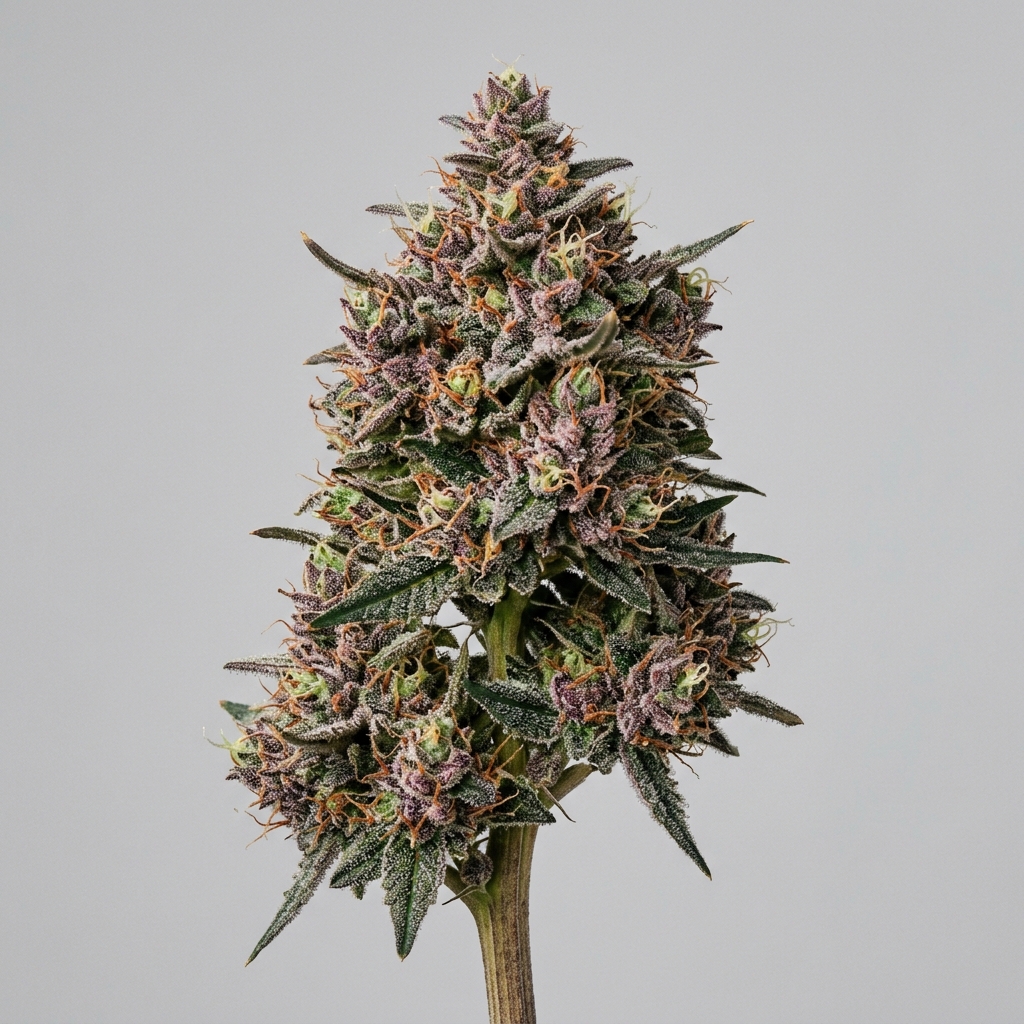
Strawberry Gary (Cannabis Strain)
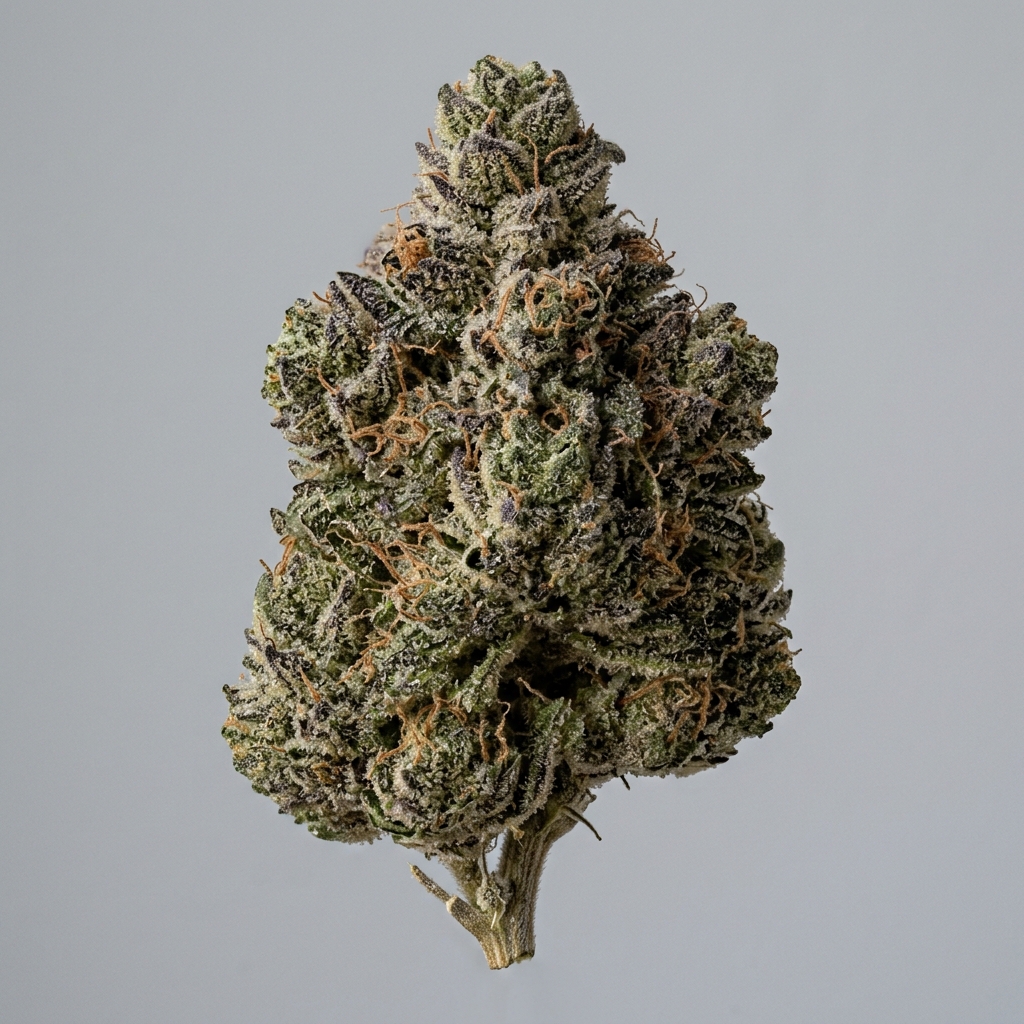
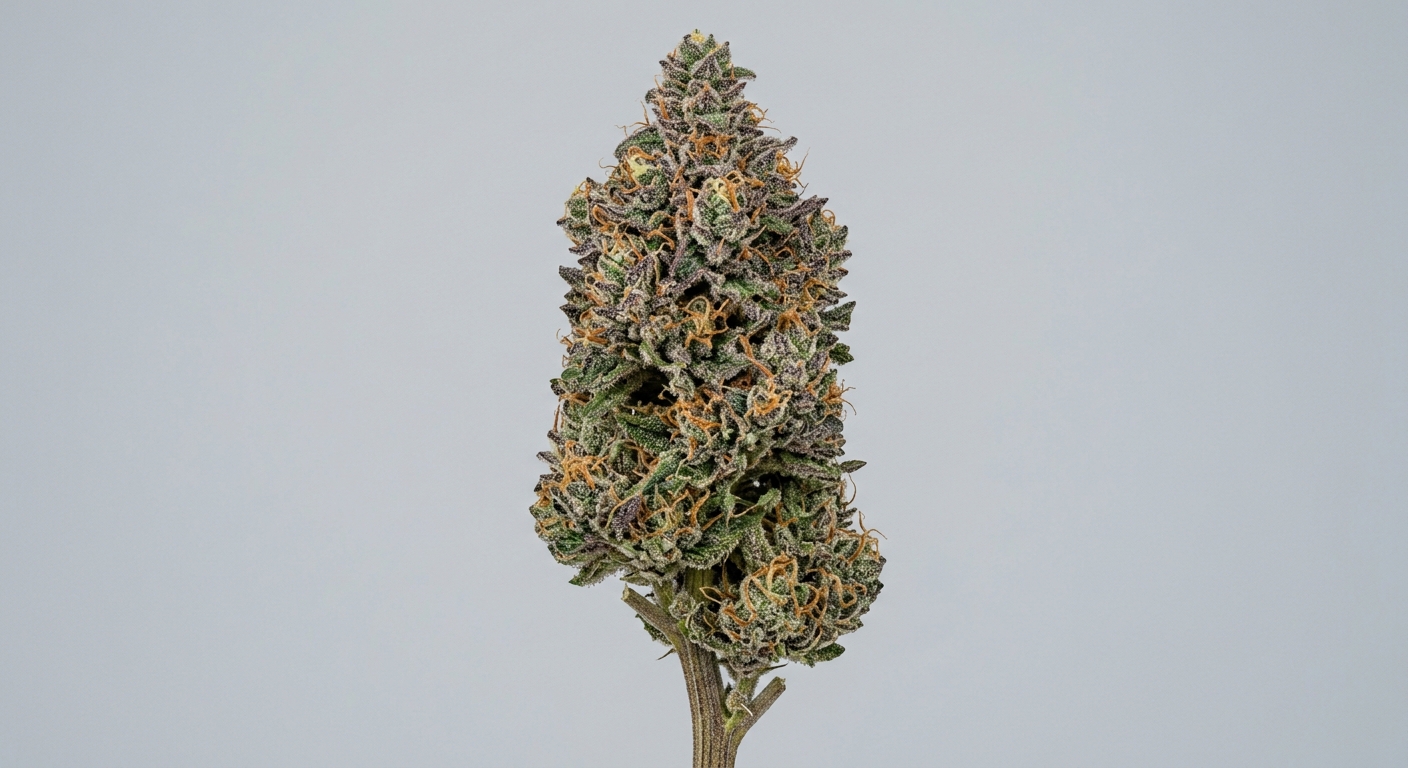
Strawberry Gary is a balanced hybrid cultivar typically testing between 20% and 26% THC, bred by crossing the renowned Gary Payton with the terpene-heavy Red Pop. This selection is highly regarded for its distinctive fusion of sweet strawberry cream and sharp, chemical-gasp fuel, producing dense, cone-shaped colas covered in a thick layer of greasy resin. The plants display a manageable growth habit with sturdy lateral branching and a moderate stretch during early flower, making it a favored choice among boutique cultivators looking for both bag appeal and extraction potential.
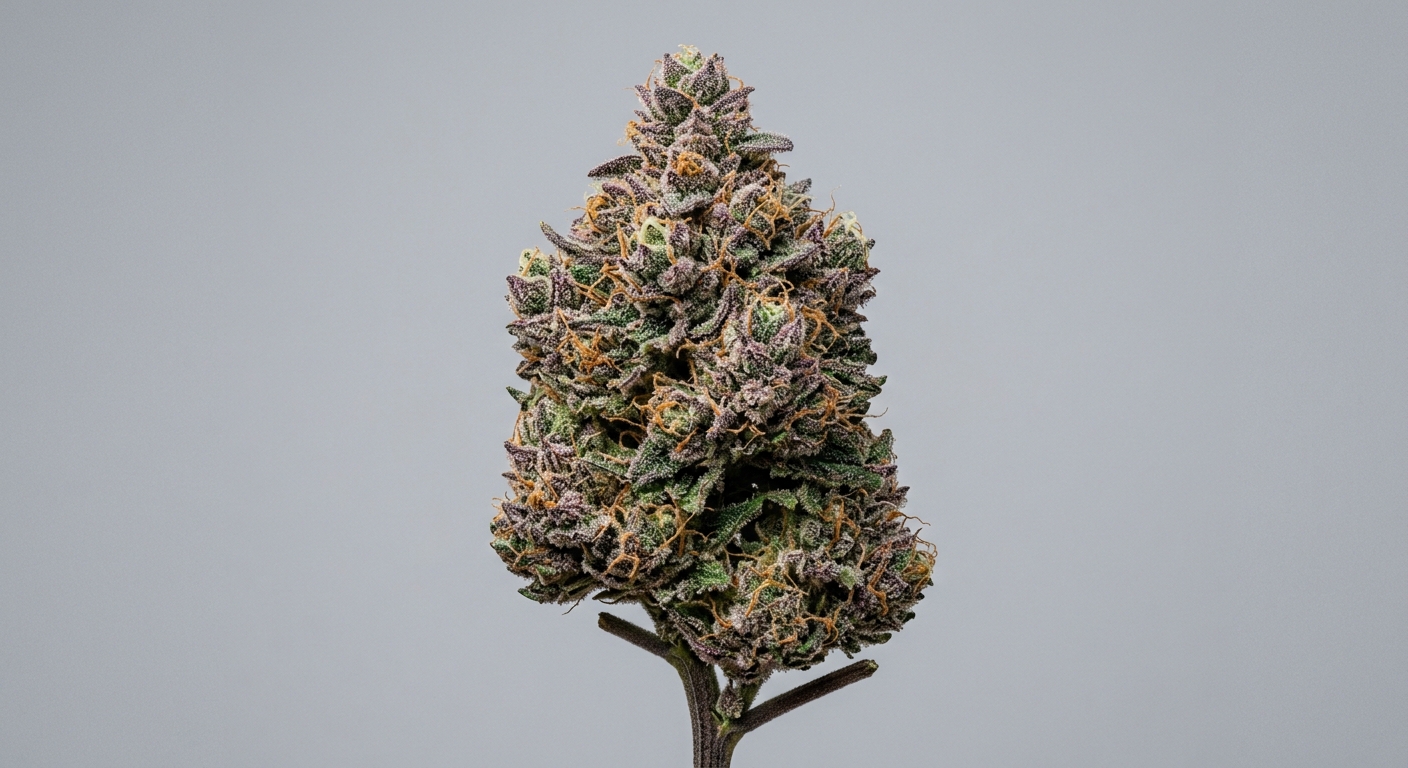
Beyond its striking visual appeal, which often includes deep violet hues under cooler night temperatures, the cultivar offers a versatile performance in various cultivation setups. Its terpene profile is dominated by limonene, caryophyllene, and myrcene, delivering a complex sensory profile that lingers on the palate. Growers appreciate its predictable feeding requirements and resilient structure, which support heavy, resin-rich flowers without requiring excessive support.
Quick Facts
| Attribute | Details |
|---|---|
| Genetics | Gary Payton × Red Pop |
| Variety | Hybrid (Balanced) |
| THC Range | 20% – 26% |
| Flowering Time | 8 – 9 Weeks |
| Yield Potential | Moderate to High |
| Plant Height | Medium |
| Climate Preference | Temperate, controlled indoor environments |
| Difficulty | Moderate |
Scientific & Botanical Overview
Botanically, Strawberry Gary shows a classic hybrid morphology, characterized by broad fan leaves that taper into sharp, serrated fingers. The internodal spacing is tight to medium, allowing for excellent light penetration when properly defoliated during the early vegetative stage. As the vegetative cycle progresses, the plant develops a robust main stem capable of supporting its dense, heavy flower clusters.
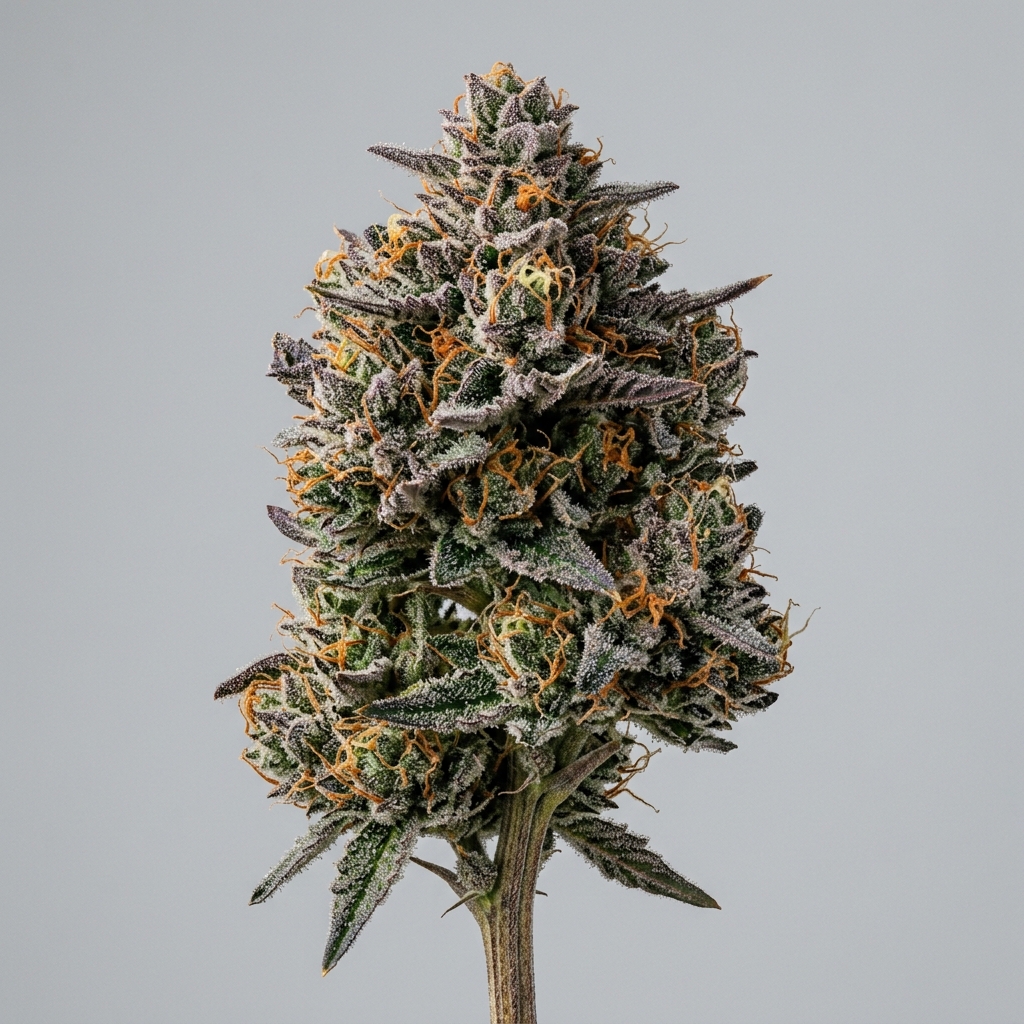
During the flowering phase, the cultivar produces tight, spear-like colas composed of swollen calyxes and deep green bracts that frequently exhibit purple variegation. The trichome development is rapid, starting as a glassy dusting in week three and maturing into a dense, sticky carpet of capitate-stalked resin glands by harvest. This heavy resin coverage gives the mature buds a wet, frosted appearance that contrasts sharply with the orange pistils.
The plant responds dynamically to temperature fluctuations in late flower, where cooler night conditions stimulate the production of anthocyanins, turning the foliage and bud undersides deep purple. Airflow management is critical during this stage, as the high density of the colas makes them susceptible to moisture retention. Maintaining low relative humidity in the final weeks ensures clean, disease-free flower development.
Effects & Use-Cases (Reported)
Commonly reported effects: Consumers frequently report a balanced physical relaxation coupled with a clear, uplifting mental clarity. The onset is typically described as immediate but smooth, starting with a warming sensation behind the eyes before settling into a steady, functional body buzz. It is often noted for providing physical ease without inducing heavy sedation or lethargy.
Use-case context: This balanced profile makes the strain highly versatile, suitable for late afternoon or early evening use when relaxation is desired without sacrificing focus. It is commonly selected by creative professionals and social groups looking for a mellow, engaging atmosphere. The mild physical release also makes it a popular choice for winding down after light physical activity.
Note: Individual tolerance and metabolic factors play a significant role in how this cultivar is experienced; higher doses may lead to a more pronounced physical heaviness.
Aroma & Flavors
Aroma: The primary aroma is a striking blend of candied strawberry and artificial red fruit, backed by a heavy, chemical-gas undertone that sharpens upon breaking the buds. A subtle earthy musk and a hint of sour cream emerge in the background, balancing the intense sweetness.
Flavor: On the exhale, the flavor translates into a rich, creamy berry profile with a distinct diesel and black pepper finish. The smoke is exceptionally smooth, leaving a lingering tart gas and sweet pastry taste on the palate.
Terpene associations: Laboratory testing frequently shows high concentrations of limonene, beta-caryophyllene, and myrcene, which drive the sweet-gas contrast.
Tested Cannabinoid & Terpene Ranges
| Compound | Typical Range |
|---|---|
| Δ9-THC | 20.0% – 26.0% |
| CBG | 0.5% – 1.2% |
| Limonene | 0.4% – 0.8% |
| Beta-Caryophyllene | 0.3% – 0.7% |
| Myrcene | 0.2% – 0.5% |
| Linalool | 0.1% – 0.3% |
Note: Cannabinoid and terpene levels are highly variable and depend heavily on cultivation methods, environmental factors, and curing techniques.
Cultivation Notes
- Humidity Control: Keep relative humidity (RH) around 55% during early veg, stepping down to 45% in early flower, and maintaining a strict 35-40% during the final three weeks to protect the dense colas from mold.
- Nutrient Regimen: The cultivar responds well to a moderate feeding schedule; avoid over-saturating with nitrogen during late veg to prevent excessive leaf growth within the flower clusters.
- Training Techniques: Utilizing low-stress training (LST) and topping early in the vegetative cycle helps establish a uniform canopy, maximizing light exposure to lower bud sites.
- Defoliation: Perform a thorough defoliation just before triggering flower and again around day 21 to improve airflow and ensure light reaches the lower nodes.
- Phenotype Variation: Most phenotypes show a consistent medium stretch, but some selections inherit more of the Red Pop lineage, exhibiting a sweeter aroma and slightly looser, more resin-rich flower structure.
Grower Notes (Week-by-Week Snapshot)
- Weeks 1–3 (Transition & Stretch): Plants exhibit a moderate stretch, typically doubling in height. Focus on tucked fan leaves and light training to shape the canopy, while maintaining a steady vegetative nutrient mix.
- Weeks 4–6 (Flower Development & Resin Onset): Bud sites begin to swell and stack quickly, forming tight green clusters. Trichome production begins early on the sugar leaves, accompanied by a faint sweet berry aroma; ensure support trellis is in place.
- Weeks 7–9 (Ripening & Color Expression): Lower the night temperatures by 5-10°F to encourage the expression of deep purple and violet hues. Flush with plain water during the final 10 days, monitoring trichomes for a mix of milky and amber heads before harvest.
- Post-Harvest (Dry & Cure): Hang whole plants to dry at 60°F and 60% RH for 12 to 14 days to preserve the delicate volatile monoterpenes. A slow, cold cure in sealed glass jars for at least three weeks fully locks in the sweet strawberry-gas profile.
Genetic Lineage
The maternal lineage of Strawberry Gary is defined by Gary Payton, a highly sought-after hybrid bred by Powerzzzup Genetics. Known for its intense fuel-forward aroma, peppery finish, and outstanding resin density, Gary Payton contributes a robust physical structure and a heavy, chemical-like gas profile to the offspring. This parent strain is celebrated for its reliable growth stability and high-potency cannabinoid production.
This gaseous foundation is sweetened by Red Pop, an Exotic Genetix creation famous for its soda-like candied strawberry flavor and exceptional terpene output. Red Pop infuses the cross with its signature red-fruit profile, vibrant bag appeal, and a tendency to produce highly aromatic, resin-rich flowers. The combination of these two distinct profiles results in a balanced hybrid that captures the best of both the savory-gas and sweet-dessert categories.
Research Insights
Analytical testing of Strawberry Gary highlights a compelling interaction between the cyclic monoterpene limonene and the sesquiterpene beta-caryophyllene. This specific chemical ratio is believed to modulate the uptake of cannabinoids, smoothing out the rapid onset of THC and contributing to the reported clear-headed physical ease. The presence of trace amounts of linalool further rounds out the profile, adding a subtle floral complexity that enhances the overall aromatic depth.
From a breeding perspective, the cultivar serves as an excellent example of targeted terpene hybridization, successfully merging the sharp, volatile compounds of the Cookies lineage with the sweet, fruit-forward esters of modern dessert strains. Its high resin gland density and resilient gland heads make it a valuable subject for solventless extraction research. Cultivators and extractors alike value the strain for its ability to maintain its distinct strawberry-gas profile through various processing methods.
Frequently Asked Questions
Is Strawberry Gary an indica or sativa?
Strawberry Gary is a balanced hybrid strain, displaying characteristics of both indica and sativa varieties in both its growth structure and reported effects.
What does Strawberry Gary taste like?
The flavor profile is a complex mix of sweet strawberry cream and artificial red fruit on the inhale, followed by a sharp, gassy diesel and black pepper finish on the exhale.
How long does Strawberry Gary take to flower?
When grown indoors under optimal conditions, Strawberry Gary typically completes its flowering cycle in 8 to 9 weeks.
What are the primary terpenes in Strawberry Gary?
The most dominant terpenes found in this cultivar are limonene, beta-caryophyllene, and myrcene, which combine to create its unique sweet-and-gassy aroma.
Educational Disclaimer
This profile is for educational and informational purposes only. Cannabis cultivation and consumption are subject to local laws and regulations. Always consult with a healthcare professional before using cannabis for any therapeutic purposes.
Rate and review this strain
Ratings and reviews are accepted only from signed-in Google accounts.
Sign in with Google to leave a rating and written review.
Latest Reviews
0 reviewsNo reviews yet. Be the first Google user to rate and review this strain.