Papaya Syrup (Cannabis Strain)
Papaya Syrup is a premium indica-dominant hybrid registering between 22% and 28% THC, highly prized for its exceptional solventless extraction potential and rich tropical profile. Created by crossing the legendary Papaya with the gas-heavy Gushers, this cultivar delivers a complex blend of sweet, overripe tropical fruit and thick, doughy fuel. Structurally, the plant is characterized by broad fan leaves, tight internodal spacing, and dense, resin-drenched colas that produce high concentrations of large-headed trichomes. Its growth behavior is predictable, showing moderate stretch during early flower and requiring careful humidity management to protect its heavy, moisture-retaining buds.
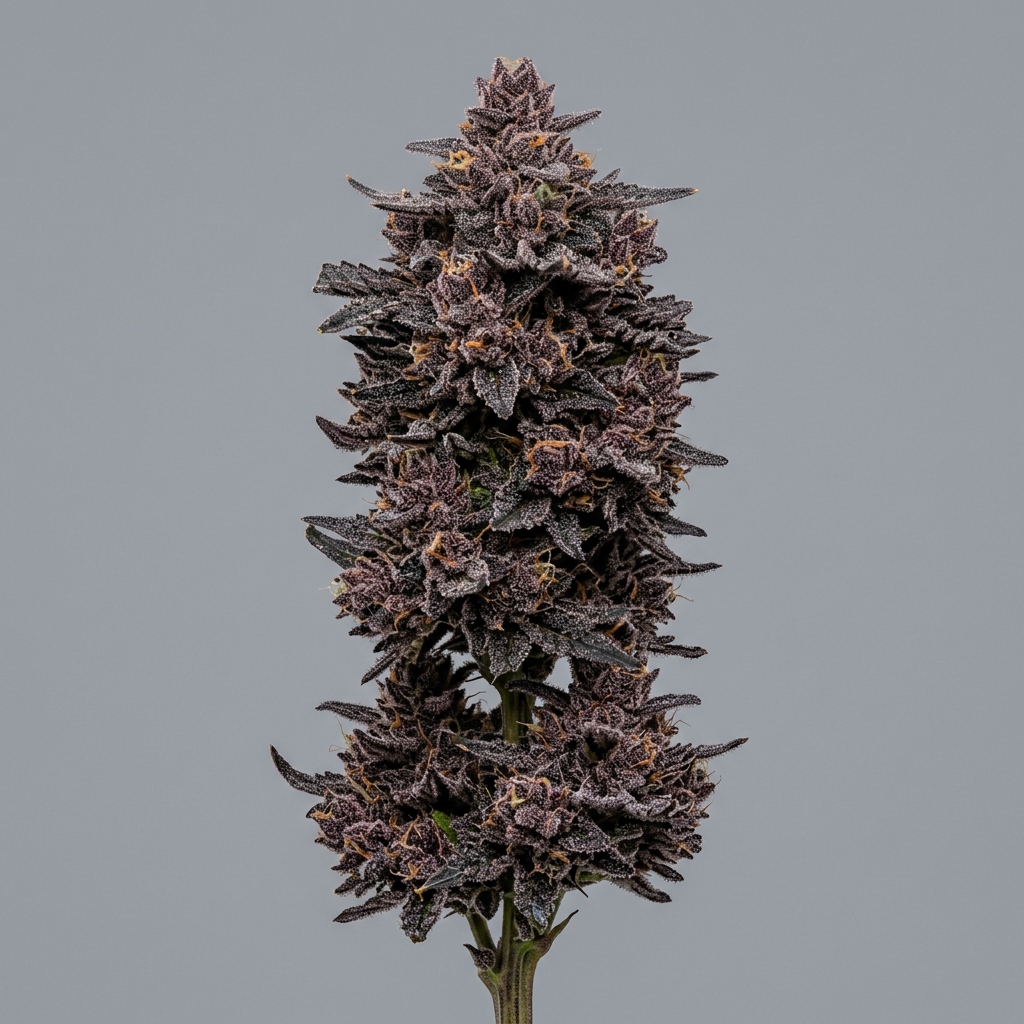
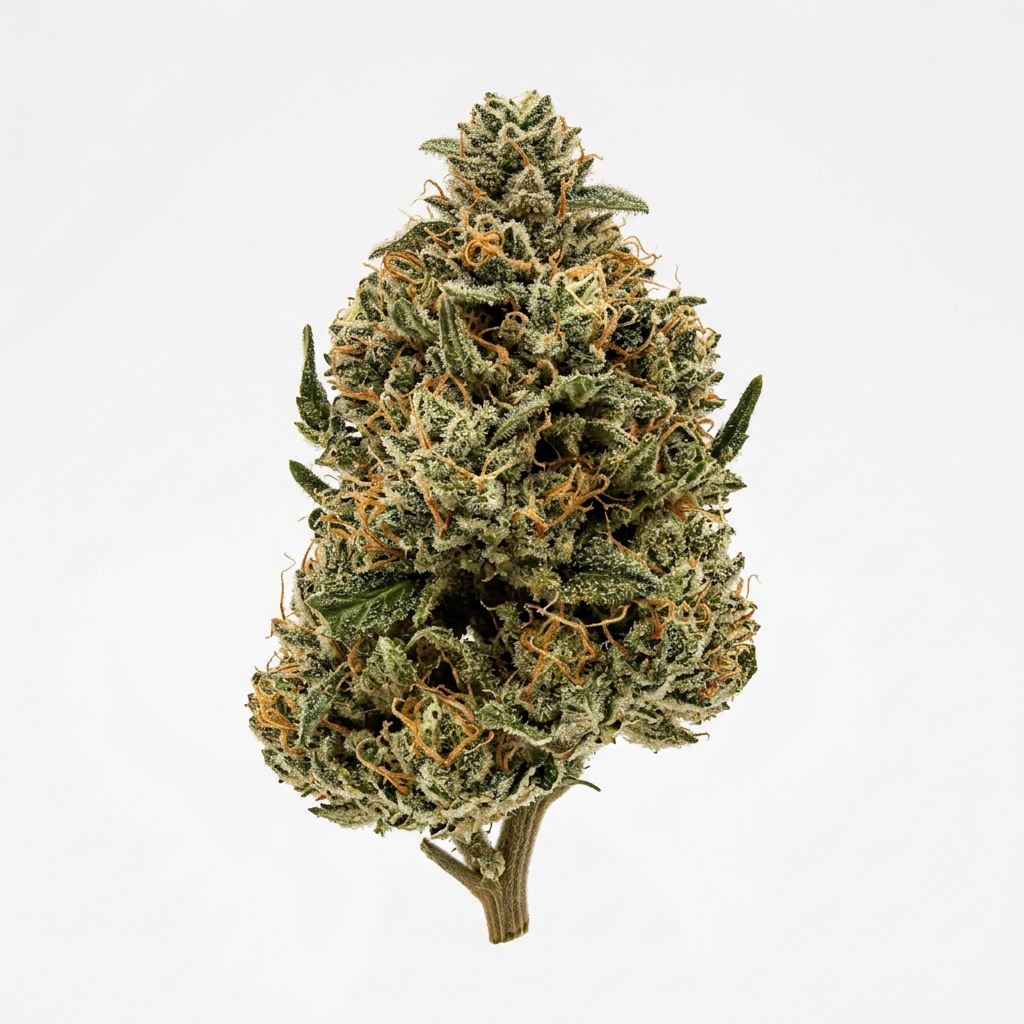
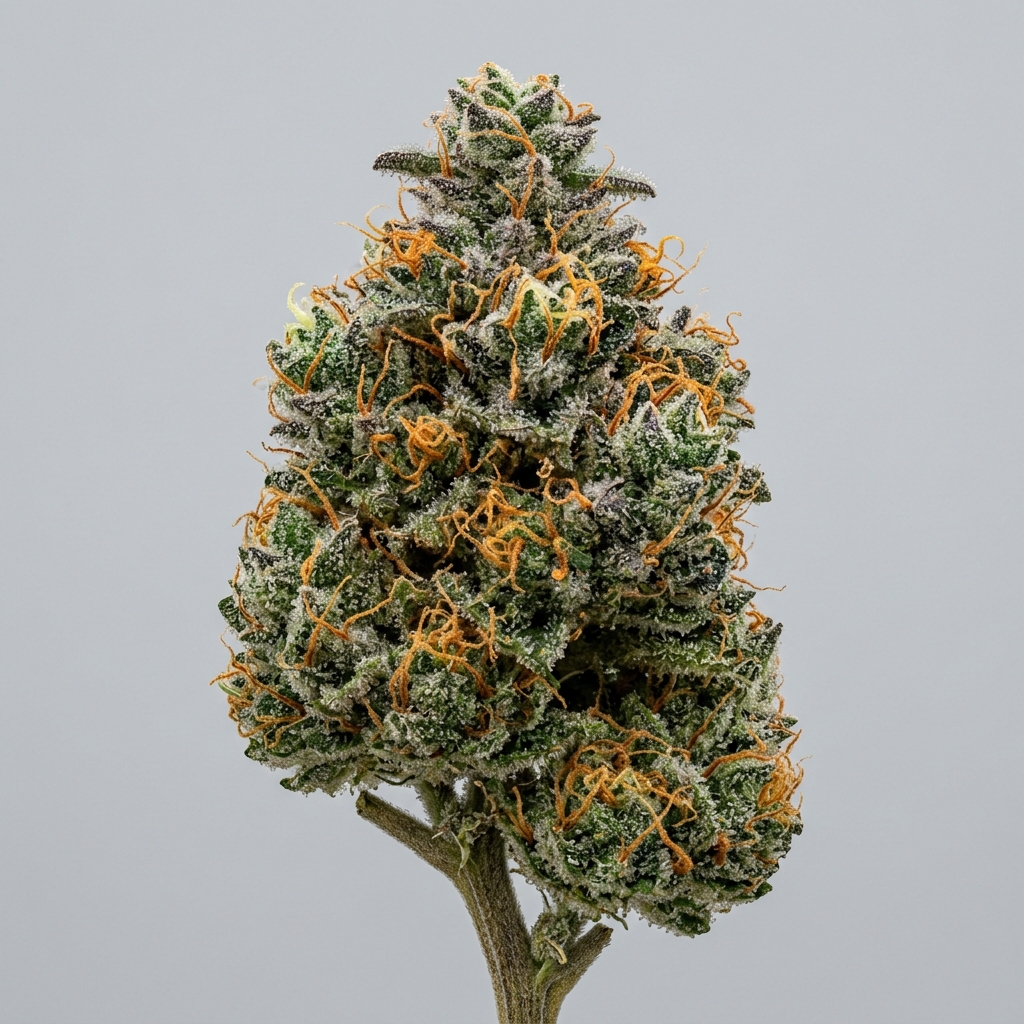
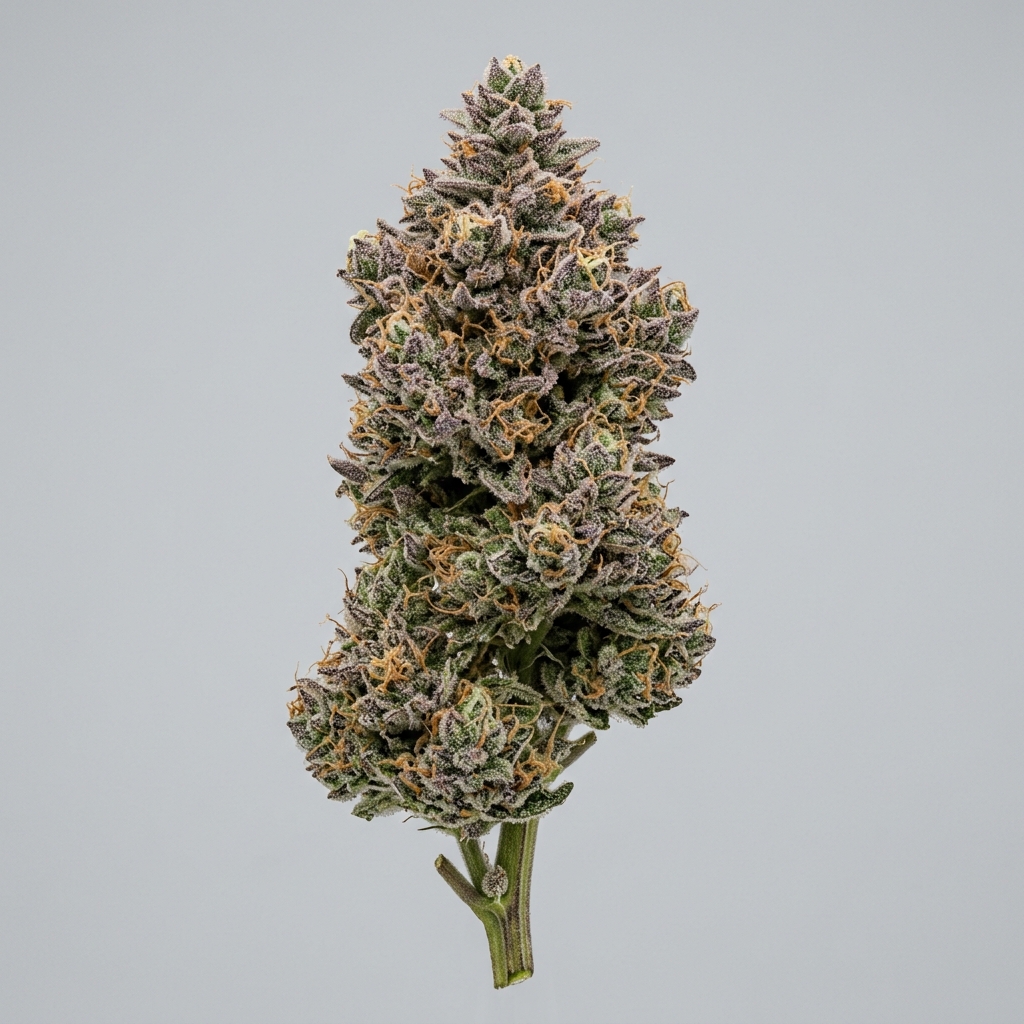
Cultivators and extractors favor this strain for its greasy resin texture and remarkable wash yields. In the jar, the buds present a striking visual contrast of deep forest greens, subtle violet hues, and a thick, wet frost of trichomes.
Quick Facts
| Metric | Details |
|---|---|
| Genetics | Papaya × Gushers |
| Variety | Indica-dominant Hybrid |
| THC Range | 22% – 28% |
| Flowering Time | 8 – 9 Weeks |
| Yield Potential | Moderate to High |
| Plant Height | Medium (Controlled Stretch) |
| Climate Preference | Temperate, Low Late-Flower Humidity |
| Difficulty | Moderate |
Scientific & Botanical Overview
Botanically, Papaya Syrup shows classic indica-dominant morphology with broad, dark green fan leaves and a stout, bushy frame. The plant develops a strong central leader but responds exceptionally well to early topping, which encourages a more even, multi-topped canopy. Its nodal development remains tight throughout vegetative growth, creating a highly efficient structure for light absorption.
During the transition to flower, the cultivar undergoes a manageable stretch of roughly 50% to 80% of its vegetative height. The bud sites quickly stack, forming dense, spherical clusters that mature into heavy, resin-rich spear colas. The bracts are tightly packed and swell significantly in the final weeks, pushing out short, thick capitate-stalked trichomes that give the flowers a wet, glassy appearance.
This cultivar is particularly notable for its high concentration of monoterpenes, which remain stable during the late stages of flowering. The outer wax layers of the trichomes are relatively thin, making the live plant highly aromatic even under cool night temperatures. This thin-membrane characteristic also contributes to its popularity among solventless extractors, as the resin heads separate easily during cold-water agitation.
Effects & Use-Cases (Reported)
Commonly reported effects include a heavy, grounding physical relaxation paired with a calm, spacey mental ease. Users frequently note an initial wave of warm, soothing physical comfort that settles deeply into the limbs, followed by a quiet, meditative state of mind.
Use-case context suggests this strain is best suited for late afternoon or evening use, when physical demands are minimal. It is commonly selected for unwinding after physical exertion, quiet creative sessions, or as a prelude to rest.
Note: Individual experiences may vary, and high-potency cultivars should be approached with caution by novice consumers.
Aroma & Flavors
Aroma: A pungent burst of overripe papaya and sweet, concentrated fruit syrup, balanced by a sharp, chemical-like gas undertone and a faint earthy dough base.
Flavor: The palate closely mirrors the scent, delivering a thick, velvety smoke characterized by caramelized tropical fruit, heavy berry sweetness, and a lingering, fuel-like finish on the exhale.
Terpene associations:
Myrcene, caryophyllene, and limonene dominate the sensory profile, creating a balanced blend of musk, spice, and bright citrus.
Tested Cannabinoid & Terpene Ranges
| Compound | Typical Range |
|---|---|
| Δ9-THC | 22.0% – 28.0% |
| CBG | 0.5% – 1.2% |
| β-Myrcene | 0.6% – 1.2% |
| β-Caryophyllene | 0.4% – 0.9% |
| d-Limonene | 0.3% – 0.7% |
| Linalool | 0.1% – 0.3% |
Note: Cannabinoid and terpene levels are highly variable and depend heavily on environmental factors, lighting spectrum, and curing methods.
Cultivation Notes
- Keep late-flower relative humidity (RH) strictly below 45% to prevent moisture retention in the dense, swollen calyxes.
- Apply moderate to heavy nitrogen during vegetative growth to support the broad fan leaves, tapering off quickly in mid-flower to avoid nutrient burn.
- use low-stress training (LST) and early defoliation to improve airflow through the lower canopy and ensure light reaches secondary bud sites.
- Harvest when trichome heads shift from milky white to roughly 10% amber, which maximizes the sweet, syrup-like terpene clarity.
- Implement a slow, cold dry at 60°F (15°C) and 60% RH for 14 days to preserve the volatile tropical monoterpenes.
Grower Notes (Week-by-Week Snapshot)
- Weeks 1–3 (Transition & Early Flower): The plants show moderate stretch and begin developing tight clusters of white pistils. Ensure early canopy training is complete and adjust light intensity to prevent node stretching.
- Weeks 4–6 (Mid-Flower & Resin Onset): Rapid flower development begins as buds start to stack. A wet frost of trichomes appears on the sugar leaves, and the signature sweet, tropical aroma begins to emerge.
- Weeks 7–9 (Late Flower & Ripening): The calyxes swell significantly, and the fan leaves may display deep purple or violet fades under cooler night temperatures. Reduce humidity to 40% and monitor trichome maturity closely.
- Post-Harvest (Curing): Hang-dry the whole plant in a dark, climate-controlled room. A minimum two-week cure in airtight glass jars will fully lock in the complex gas and fruit syrup profile.
Genetic Lineage
The genetic foundation of Papaya Syrup rests on the highly celebrated Papaya, a strain renowned for its sweet, tropical fruit nose and its status as a legendary hash-making cultivar. Papaya brings a distinctively wet, greasy resin structure and a highly concentrated myrcene profile to the cross, establishing the sweet, overripe fruit foundation that defines the hybrid.
To inject modern fuel and complexity, Papaya was crossed with Gushers, a heavy-hitting member of the Gelato family. Gushers contributes a rich, doughy gas undertone and enhances the visual appeal of the buds with deep purple hues and a dense, tight bract structure. The resulting hybrid balances the tropical sweetness of its maternal line with the heavy, chemical-gas finish of its paternal heritage.
Research Insights
Scientific interest in Papaya Syrup often centers on its unique monoterpene-to-sesquiterpene ratio. The high concentrations of myrcene and caryophyllene suggest a potent physical influence, as these compounds are known to interact with peripheral receptors to promote deep muscle relaxation and soothe physical tension.
Furthermore, the physical structural integrity of the trichomes makes this strain a subject of study for extraction efficiency. The short, thick stalks and large, bulbous heads allow for clean mechanical separation, making it a benchmark cultivar for investigating solventless extraction yields and terpene preservation during water-hash processing.
Frequently Asked Questions
Is Papaya Syrup an indica or sativa?
Papaya Syrup is an indica-dominant hybrid, displaying classic broad-leaf physical traits and delivering a deeply relaxing, grounding physical effect.
What are the primary aromas of Papaya Syrup?
The strain is defined by a heavy scent of overripe papaya and sweet fruit syrup, balanced by a sharp, chemical-gas finish and subtle doughy undertones.
How long does Papaya Syrup take to flower?
This cultivar typically finishes its flowering cycle in 8 to 9 weeks when grown indoors, or by early October when grown outdoors in temperate climates.
Is Papaya Syrup suitable for solventless extraction?
Yes, it is highly sought after for solventless extraction. Its trichomes feature large, easily separated heads that yield high-quality bubble hash and live rosin with exceptional terpene clarity.
Educational Disclaimer
This article is for educational and informational purposes only. Cannabis laws and regulations vary by jurisdiction. Please consult with a healthcare professional or local authorities regarding the use and cultivation of cannabis.
Rate and review this strain
Ratings and reviews are accepted only from signed-in Google accounts.
Sign in with Google to leave a rating and written review.
Latest Reviews
0 reviewsNo reviews yet. Be the first Google user to rate and review this strain.