Strawberry Pie (Cannabis Strain)
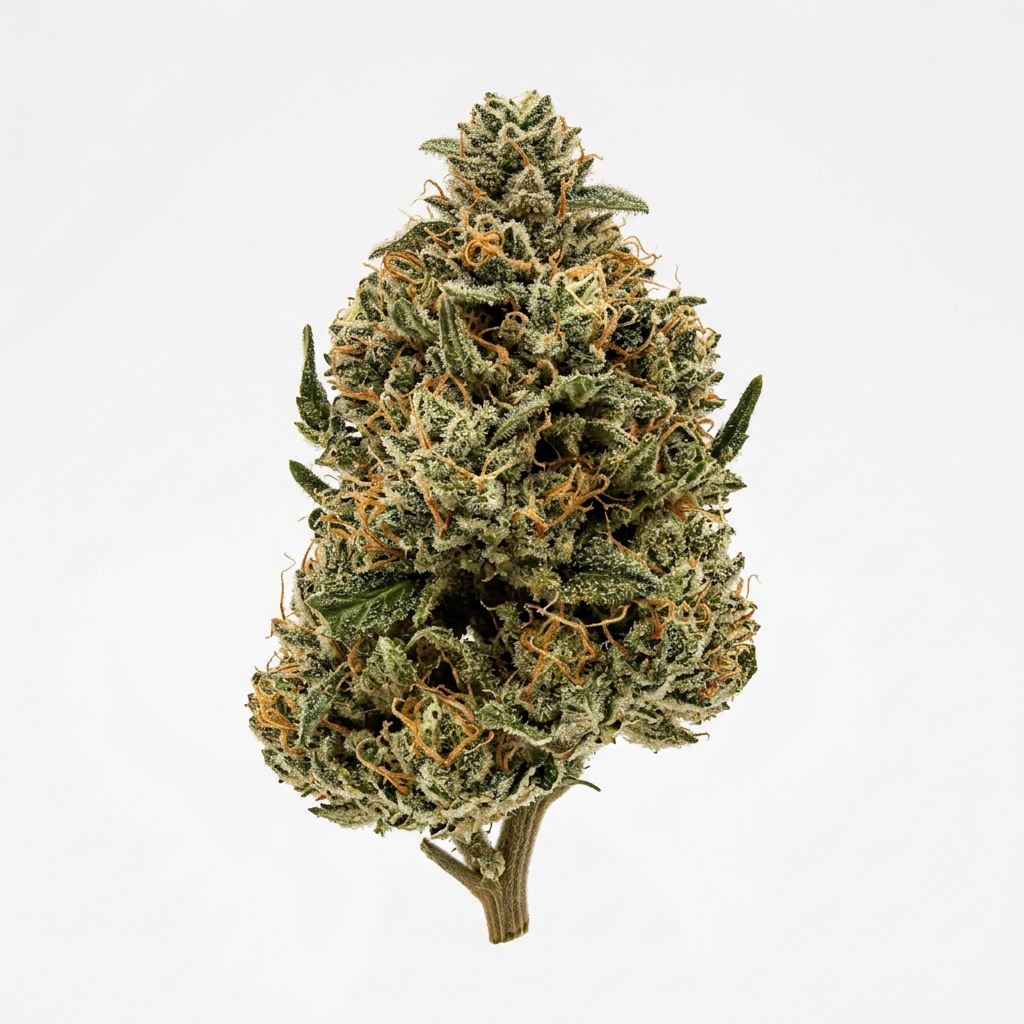
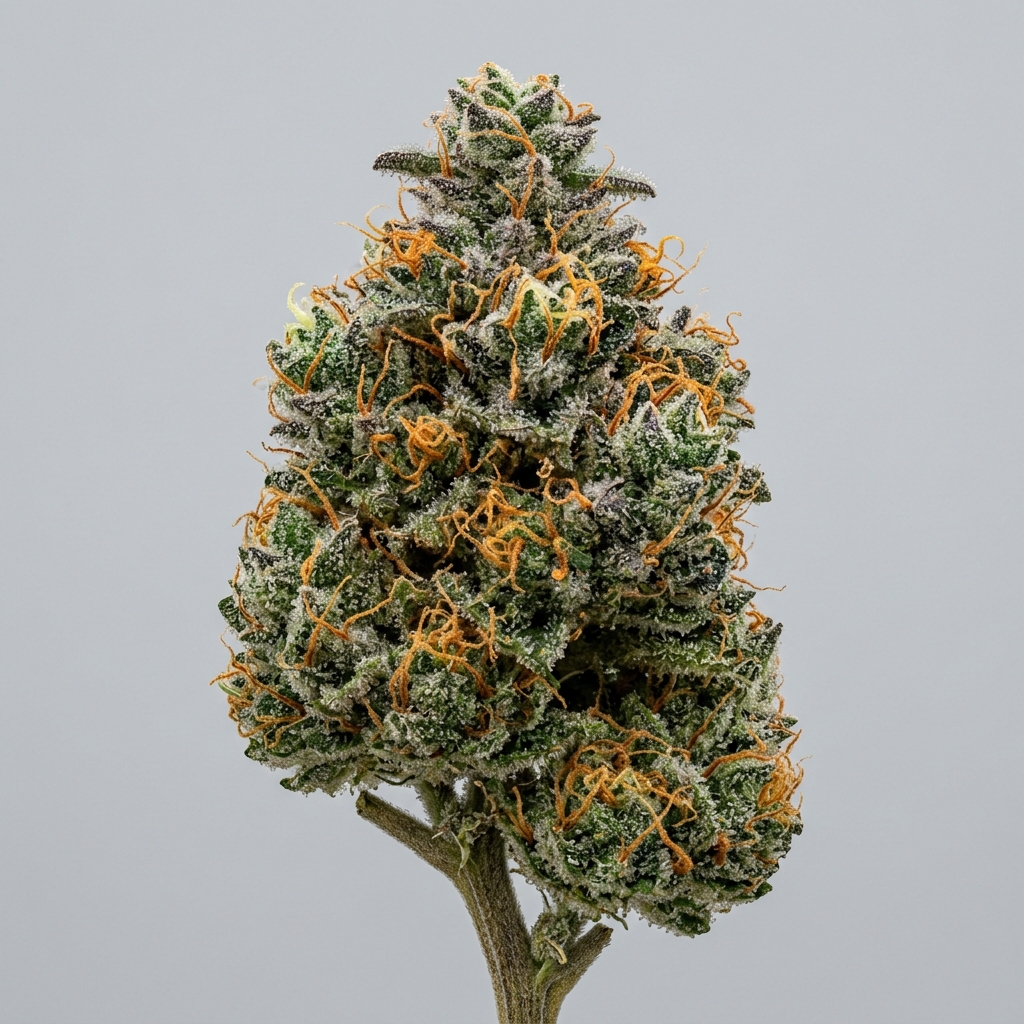
Strawberry Pie is an indica-dominant hybrid cultivar typically testing between 20% and 26% THC, widely recognized for its sweet, pastry-like profile and heavy resin production. Bred by crossing the legendary Strawberry Cough with the dessert-forward Cherry Pie, this strain develops dense, compact buds layered in a thick coat of wet frost. Cultivators prize the variety for its manageable, bushy growth structure and rapid flowering cycle, making it an excellent choice for indoor setups focusing on high-quality extraction material. The finished flowers deliver a clean blend of ripe red berries, doughy pastry, and a subtle earthy musk.
While popular among extractors for its high terpene retention, home growers appreciate its resilience and predictable stretch. It serves as a modern staple for those seeking a heavy evening experience without the immediate sedative lockdown of traditional Kush varieties.
Quick Facts
| Attribute | Details |
|---|---|
| Genetics | Strawberry Cough × Cherry Pie |
| Variety | Indica-dominant Hybrid |
| THC Range | 20% – 26% |
| Flowering Time | 8 – 9 Weeks |
| Yield Potential | Moderate to High |
| Plant Height | Medium (Compact) |
| Climate Preference | Temperate, Low Humidity |
| Difficulty | Easy to Moderate |
Scientific & Botanical Overview
Botanically, Strawberry Pie shows a classic indica morphology, characterized by broad fan leaves, tight internodal spacing, and a stocky frame. The plants naturally develop a strong central leader, though they respond exceptionally well to early canopy training to distribute light to lower bud sites.
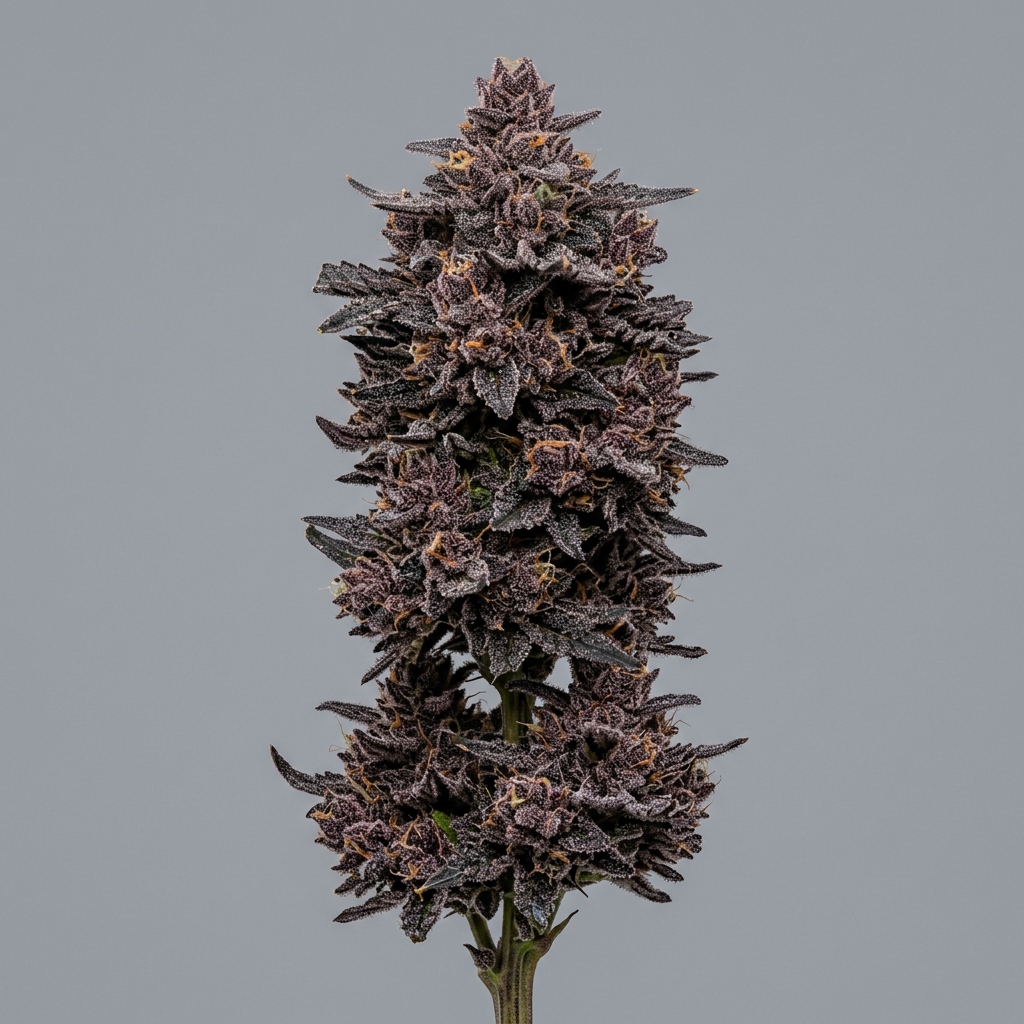
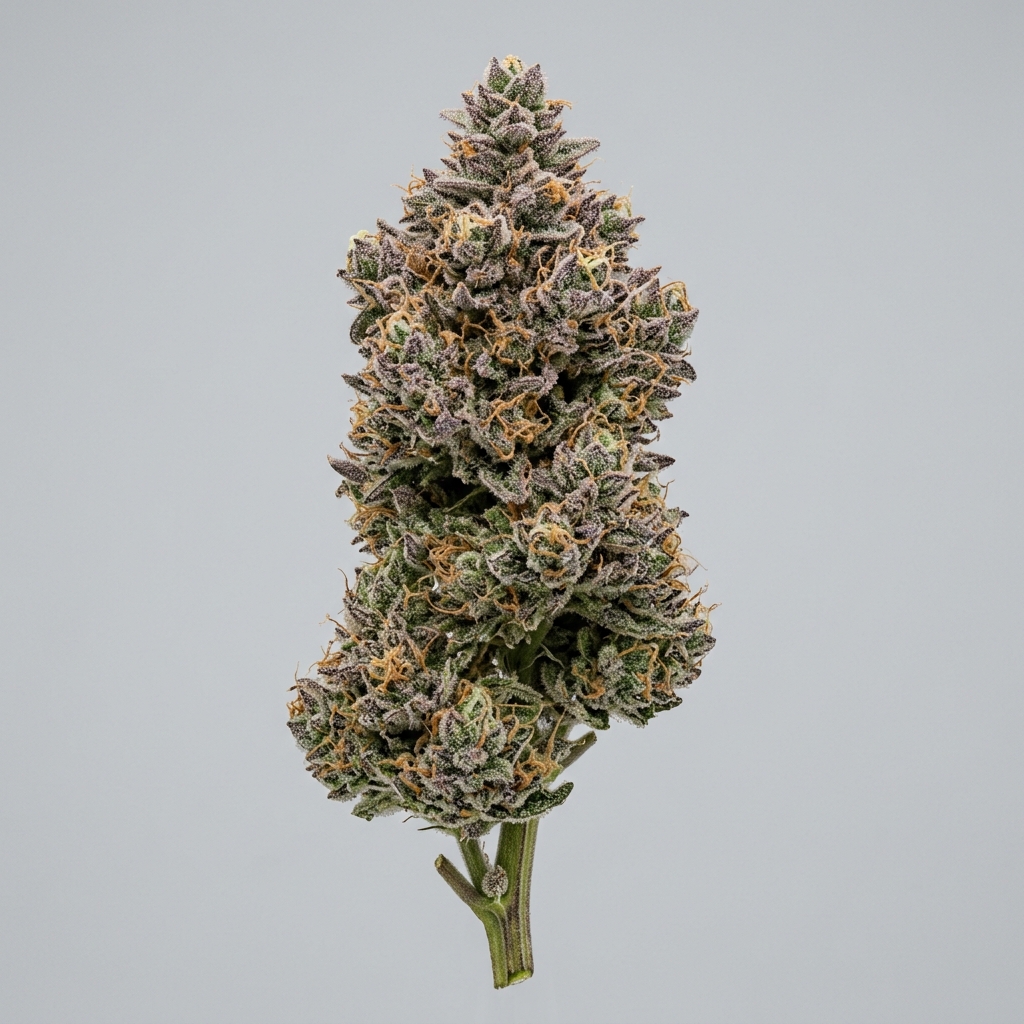
During the mid-to-late flowering stage, the swollen calyxes stack tightly, forming dense, rounded spear colas. Under cooler night temperatures, the foliage often shifts from deep forest green to shades of soft purple and magenta, contrasting sharply with its bright orange pistils.
The resin glands on this cultivar are notably bulbous, producing a sticky, greasy resin that coats the entire flower structure. This high trichome density extends well onto the surrounding sugar leaves, making the trim highly valuable for solventless extraction.
Effects & Use-Cases (Reported)
Commonly reported effects: Users frequently note a gentle, warming physical relaxation accompanied by a calm, clear-headed mental state. The onset is typically smooth, beginning with a soft pressure behind the eyes before settling into a steady, grounding body melt.
Use-case context: Well-suited for late afternoon or evening use, this strain is often selected for unwinding after a demanding day or accompanying a quiet dinner. Its soothing physical properties make it a popular choice for passive activities like reading, listening to music, or preparing for sleep.
Note: Individual tolerance and chemistry vary; higher consumption may lead to pronounced drowsiness or increased physical heaviness.
Aroma & Flavors
Aroma: The primary scent is a dominant burst of sweet, ripe strawberries mixed with a warm, baked pastry dough undertone. A light, earthy musk and a hint of sour cherry emerge as the glassy buds are broken apart.
Flavor: On the inhale, the smoke tastes of sugary red berries and creamy vanilla icing. The exhale leaves a distinct toasted crust flavor on the palate, rounded out by a mild, spicy herbal finish.
Terpene associations:
Myrcene provides the herbal, earthy base, while caryophyllene adds a subtle spicy warmth, and limonene elevates the sweet, fruity top notes.
Tested Cannabinoid & Terpene Ranges
| Compound | Typical Range |
|---|---|
| Δ9-THC | 20.0% – 26.0% |
| CBD | < 1.0% |
| CBG | 0.5% – 1.2% |
| Myrcene | 0.4% – 0.9% |
| Caryophyllene | 0.3% – 0.7% |
| Limonene | 0.2% – 0.5% |
Note: Cannabinoid and terpene levels are highly variable and depend on environmental factors, cultivation techniques, and specific phenotypes.
Cultivation Notes
- Humidity Control: Due to the extreme density of the mature colas, maintaining relative humidity (RH) below 45% during late-flower humidity stages is critical to prevent bud rot.
- Airflow Management: Ensure constant canopy ventilation with oscillating fans to eliminate micro-climates of stagnant, damp air within the bushy foliage.
- Defoliation: Perform a thorough defoliation of the lower third of the plant before switching to the flowering cycle, and a light cleanup around week three of bloom to maximize light penetration.
- Nutrient Requirements: This cultivar is a moderate feeder; avoid heavy nitrogen applications during late veg to prevent leaf clawing, and transition smoothly to phosphorus-rich bloom nutrients.
- Phenotype Selection: Watch for phenotypes that display early purple coloration and a distinct doughy aroma, as these typically yield the most complex terpene profiles.
Grower Notes (Week-by-Week Snapshot)
- Weeks 1–3 (Vegetative & Transition): Plants grow squat with tight internodes. Early topping is recommended at the fourth or fifth node to encourage lateral branching. The controlled stretch upon flipping to a 12/12 light cycle is minimal, usually around 50% to 80% of its vegetative height.
- Weeks 4–6 (Early to Mid Bloom): White pistils form rapidly into dense clusters. Trichome production begins early, coating the developing bracts by week four. Keep daytime temperatures around 75°F (24°C) to support healthy resin development.
- Weeks 7–9 (Late Bloom & Flush): Bud swelling peaks, and the sweet strawberry aroma intensifies significantly. Drop nighttime temperatures by 10°F to encourage the expression of deep purple hues. Execute a clean water flush during the final 10 to 14 days to preserve the clean, pastry-like flavor, followed by a slow dry.
Genetic Lineage
The lineage of Strawberry Pie traces back to two highly celebrated parents, combining old-school fruit profiles with modern dessert genetics. The maternal contributor, Strawberry Cough, is legendary for its uplifting sativa qualities and sweet, unmistakable fresh berry scent. This parent infuses the offspring with its signature fruit forwardness and resilient growth habits.
The paternal influence comes from Cherry Pie, an indica-dominant cross of Granddaddy Purple and Durban Poison. Cherry Pie contributes its dense, tightly packed bud structure, rich doughy undertones, and deeply relaxing physical effects. The resulting hybrid captures the best of both worlds, offering a concentrated berry-pastry profile on a compact, fast-flowering frame.
Research Insights
Analytical testing of this cultivar highlights a rich concentration of monoterpenes, specifically myrcene and limonene, which work in tandem to define its sweet, fruit-forward sensory profile. The presence of sesquiterpenes like caryophyllene provides a structural backbone, contributing to the strain's long-lasting aroma and smooth smoke quality.
Researchers and breeders note that the high trichome-to-plant-matter ratio makes this genetic line highly efficient for solventless extraction methods. The physical stability of the trichome heads allows for clean separation during ice water washing, yielding premium live rosin with excellent terpene clarity.
Frequently Asked Questions
Is Strawberry Pie easy for beginners to grow?
Yes, this strain is relatively easy to manage due to its compact size, sturdy branches, and natural resilience. However, beginners must monitor humidity levels closely during late flower to protect the dense buds from moisture-related issues.
What does Strawberry Pie smell like?
It features a rich, sweet aroma reminiscent of freshly baked strawberry pastries, supported by notes of creamy vanilla, tart cherry, and a mild, earthy undertone.
How much does Strawberry Pie stretch during flower?
The stretch is quite manageable, typically increasing by only 50% to 80% of its vegetative height. This makes it highly suitable for growers with limited vertical space.
What is the best way to consume this strain to enjoy its flavor?
Vaporizing the dried flower at low temperatures (between 350°F and 380°F) or using clean, solventless concentrates like live rosin will best preserve and highlight the delicate strawberry-dough profile.
Educational Disclaimer
This article is for educational and informational purposes only. Cannabis cultivation and consumption are subject to local laws and regulations. Consult with a qualified professional before making any horticultural or health-related decisions.
Rate and review this strain
Ratings and reviews are accepted only from signed-in Google accounts.
Sign in with Google to leave a rating and written review.
Latest Reviews
0 reviewsNo reviews yet. Be the first Google user to rate and review this strain.