
Jealousy (Cannabis Strain)
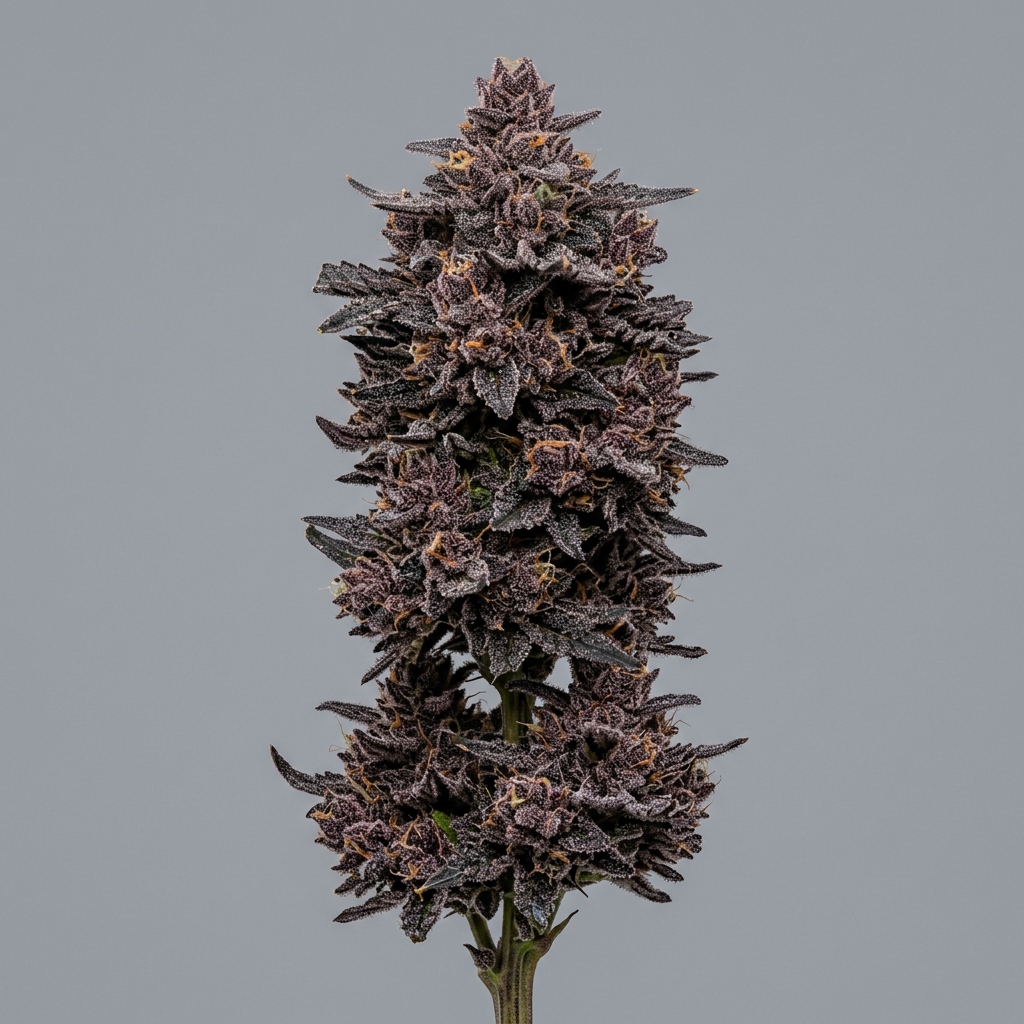
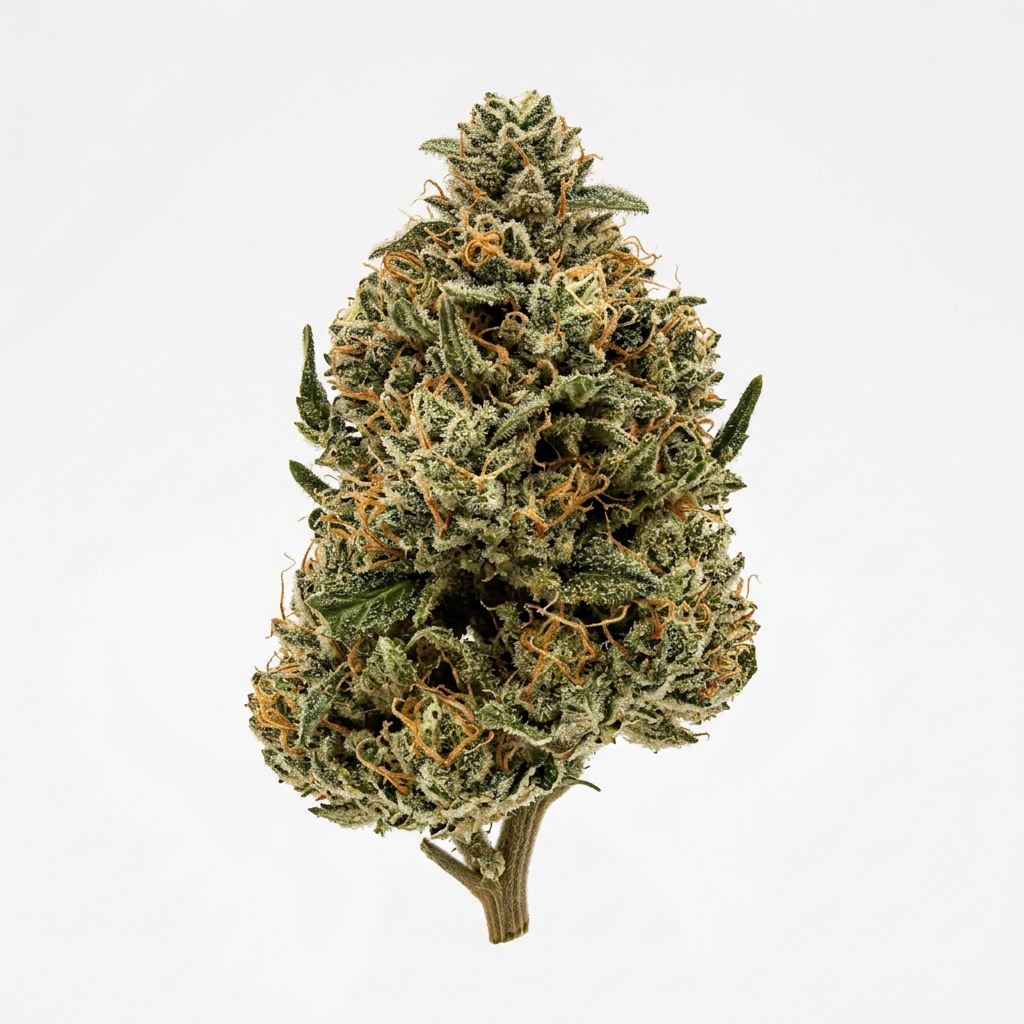
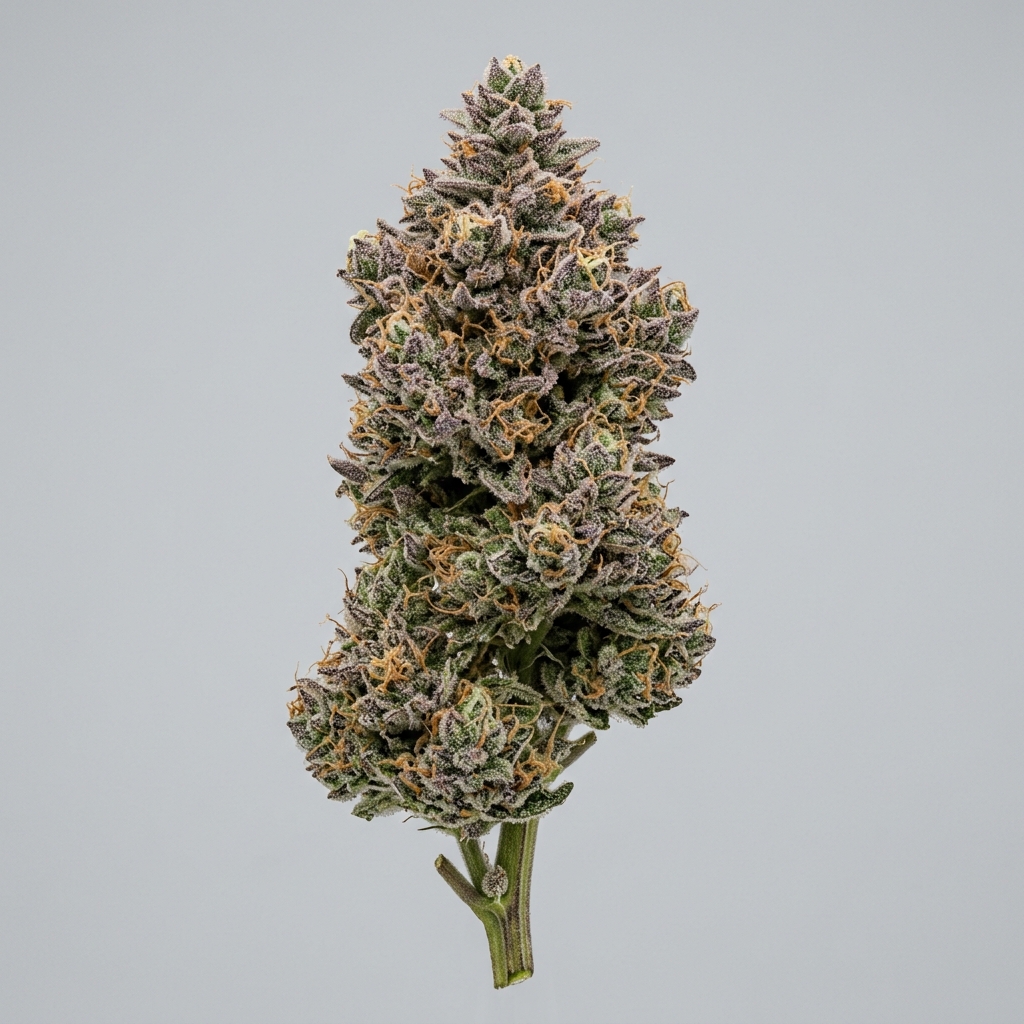
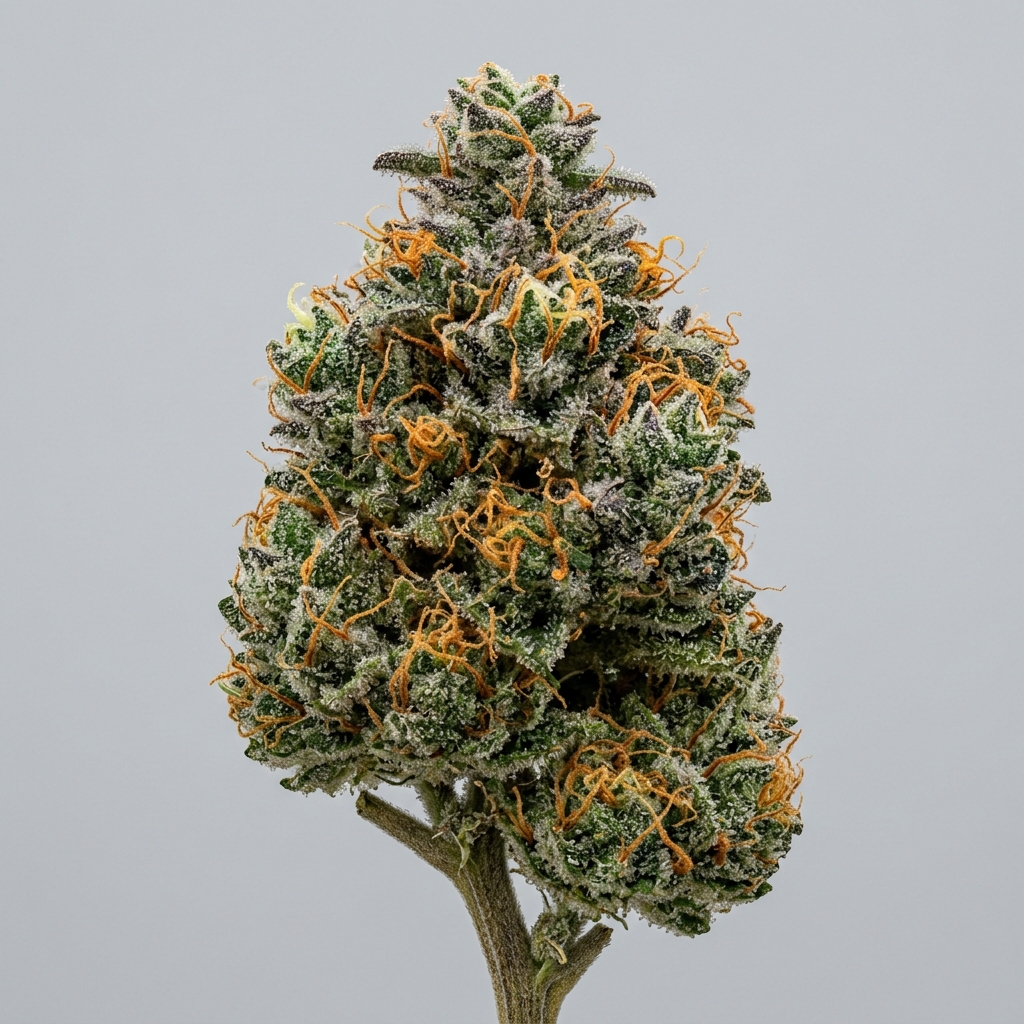
Jealousy is an indica-dominant hybrid cultivar, typically testing between 22% and 28% THC, bred by crossing Gelato 41 with Sherbert Bx1. This cultivar is highly regarded for its dark purple coloration, dense bracts, and a heavy coating of wet frost that makes it highly suitable for extraction. It shows a sweet, creamy dessert profile backed by a sharp gas finish, growing with a manageable stretch and tight internodal spacing.
Cultivators favor this strain for its reliable structural uniformity and exceptional bag appeal. It performs well in both indoor and greenhouse environments, demanding attentive humidity management during late flower due to its dense, resin-rich buds.
Quick Facts
| Field | Value |
|---|---|
| Genetics | Gelato 41 × Sherbert Bx1 |
| Variety | Indica-dominant Hybrid |
| THC Range | 22% – 28% |
| Flowering Time | 8 – 9 Weeks (56 – 63 days) |
| Yield Potential | Moderate to High |
| Plant Height | Medium |
| Climate Preference | Temperate, controlled indoor preferred |
| Difficulty | Moderate |
Scientific & Botanical Overview
Botanically, Jealousy displays classic indica-dominant morphology, characterized by broad fan leaves and a stocky, lateral growth habit. The plant develops tight internodes that require early training to promote optimal airflow throughout the lower canopy.
As flowering progresses, the calyxes swell significantly, turning shades of deep forest green to dark purple. This pigmentation is driven by anthocyanins, which intensify when night temperatures drop slightly during the final weeks of bloom.
The trichome density is exceptionally high, producing glassy buds that feel greasy to the touch. This heavy resin coverage extends from the main spear colas down to the lower fan leaves, indicating strong glandular development.
Effects & Use-Cases (Reported)
Commonly reported effects: Users frequently describe a deep, relaxing physical sensation accompanied by a calm, clear-headed mental state. The onset is typically smooth, slowly settling into the limbs without immediate sedation.
Use-case context: This balanced profile makes it well-suited for late afternoon or evening use, helping to ease physical tension after a long day. It is often chosen by those looking to unwind without experiencing heavy couchlock.
Note: Individual experiences may vary, and high-THC cultivars should be approached with caution by novice consumers.
Aroma & Flavors
Aroma: A complex blend of sweet, doughy pastry and tart gas, underlined by a subtle earthy kush base.
Flavor: The taste mirrors the scent, delivering a creamy, vanilla-forward inhale with a distinct mint and dark berry edge on the exhale.
Terpene associations: The primary terpenes driving this profile are caryophyllene, limonene, and linalool, which contribute to its spicy, citrus, and floral undertones.
Tested Cannabinoid & Terpene Ranges
| Compound | Typical Range |
|---|---|
| Δ9-THC | 22.0% – 28.0% |
| CBD | < 1.0% |
| CBG | 0.5% – 1.5% |
| Beta-Caryophyllene | 0.4% – 0.9% |
| Limonene | 0.3% – 0.7% |
| Linalool | 0.1% – 0.4% |
Note: Cannabinoid and terpene levels are highly phenotype-dependent and subject to specific cultivation and curing methods.
Cultivation Notes
- Humidity Control: Maintain relative humidity (RH) below 45% during the final three weeks of flowering to prevent moisture retention in the dense colas.
- Canopy Management: use low-stress training (LST) and strategic defoliation to improve light penetration through the broad fan leaves.
- Nutrient Regimen: This cultivar responds well to moderate feeding, requiring a clean flush in the final 10 to 14 days to preserve the terpene clarity.
- Temperature Drop: Lowering night temperatures by 5-10°F in late flower helps bring out the deep purple and plum hues.
- Curing: A slow 14-day dry at 60°F and 60% RH is essential to lock in the delicate dessert aroma and prevent a grassy finish.
Grower Notes (Week-by-Week Snapshot)
- Weeks 1–3 (Vegetative & Early Stretch): The plant shows a controlled stretch, usually doubling in size. Focus on topping and establishing a flat canopy to maximize future bud sites.
- Weeks 4–6 (Mid-Flower Development): Flowers begin to stack quickly, showing early signs of greasy resin. Prune the lower third of the plant to redirect energy to the upper spear colas.
- Weeks 7–9 (Late Flower & Ripening): The purple coloration deepens as trichomes turn milky. Monitor the dense calyxes daily and reduce watering slightly as the plant nears harvest.
Genetic Lineage
Jealousy is a direct cross of Gelato 41 and Sherbert Bx1, two highly influential cultivars in contemporary breeding. Gelato 41 contributes its dense, resin-rich structure and deep purple coloration, while the Sherbert backcross reinforces the sweet, creamy fruit notes.
This genetic combination has made Jealousy a cornerstone parent strain for modern dessert-style hybrids. Breeders value its ability to consistently pass down strong lateral branching, high resin production, and a distinct fuel-sweet terpene profile to its offspring.
Research Insights
Analytical testing indicates that Jealousy’s unique sensory profile is largely driven by the co-dominance of caryophyllene and limonene. This combination allows for a balanced physical and cerebral experience, as the spicy, soothing properties of caryophyllene interact alongside the uplifting nature of limonene.
The presence of linalool, even in trace amounts, adds a floral complexity that rounds out the sharper fuel notes. This complex terpene matrix, combined with a high cannabinoid concentration, makes the cultivar a subject of interest for extraction artists focusing on live resin and solventless hash.
Frequently Asked Questions
Is Jealousy an indica or sativa?
Jealousy is an indica-dominant hybrid, combining the relaxing physical traits of its lineage with a clear, functional mental state.
Who bred the Jealousy strain?
The strain was originally bred by Seed Junky Genetics, a California-based nursery famous for developing premium dessert-type cultivars.
What does Jealousy smell like?
It features a complex aroma of sweet, creamy dessert dough balanced by a sharp, gassy finish and subtle earthy undertones.
How long does Jealousy take to flower?
When grown indoors, Jealousy typically finishes flowering in 8 to 9 weeks (56 to 63 days).
Educational Disclaimer
This article is intended solely for educational and informational purposes. Cultivation of cannabis is subject to varying legal restrictions worldwide; always consult local laws and regulations before germinating seeds or propagating plants.
Rate and review this strain
Ratings and reviews are accepted only from signed-in Google accounts.
Sign in with Google to leave a rating and written review.
Latest Reviews
0 reviewsNo reviews yet. Be the first Google user to rate and review this strain.