
Sticky Rice (Cannabis Strain)
Sticky Rice is a unique and sought-after hybrid cannabis strain that has long been associated with Southeast Asian landrace genetics. Often celebrated for its distinct, doughy, and subtly sweet aromatic profile, this cultivar typically tests in the 18%–22% THC range. It is favored by enthusiasts for its balanced experience, offering a cerebral uplift that gradually mellows into a comfortable, physically relaxed state.
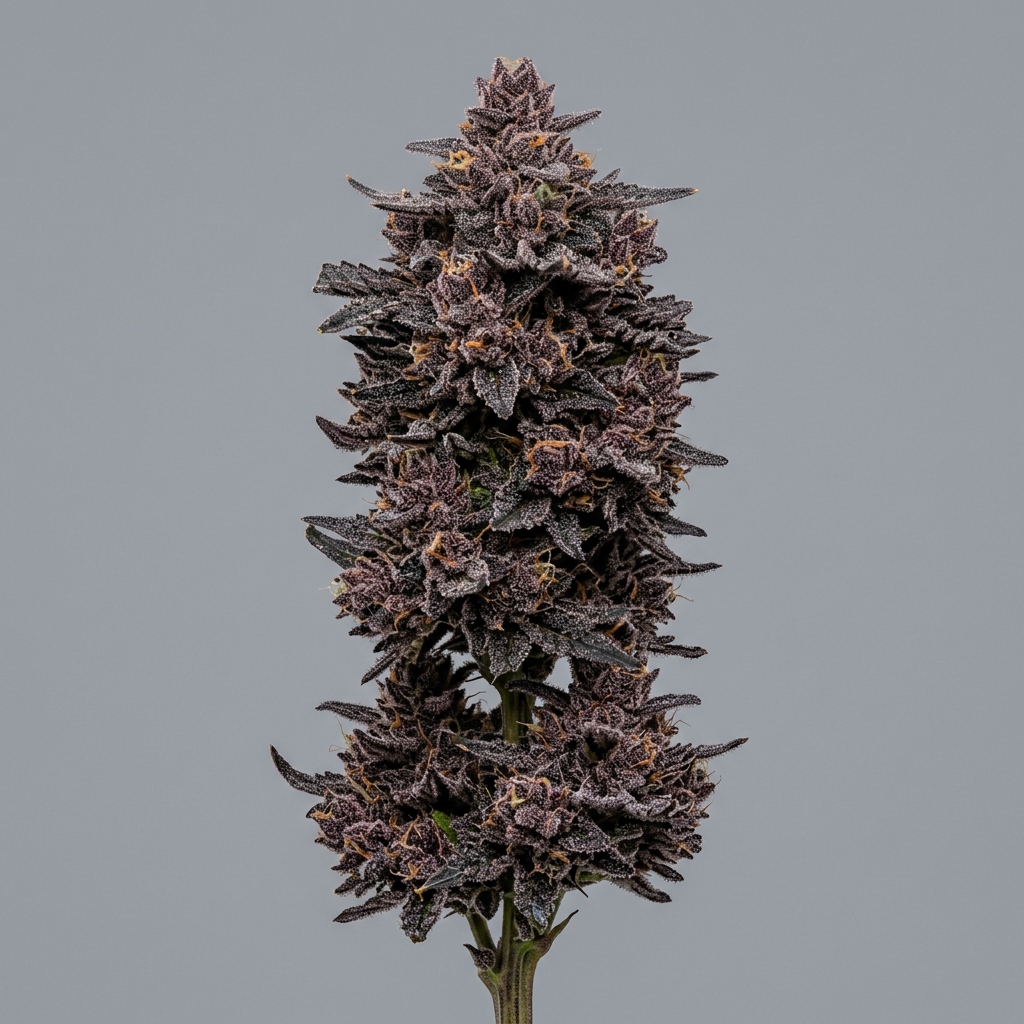
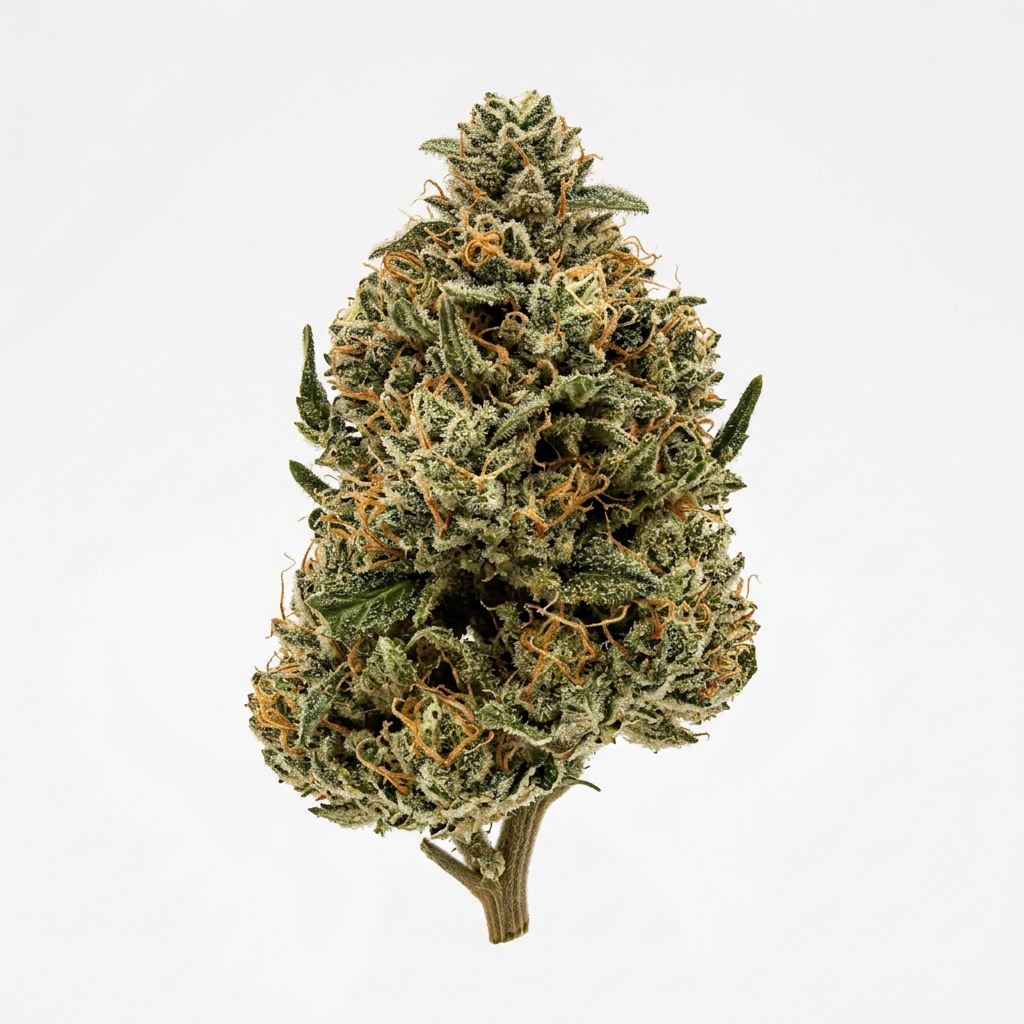
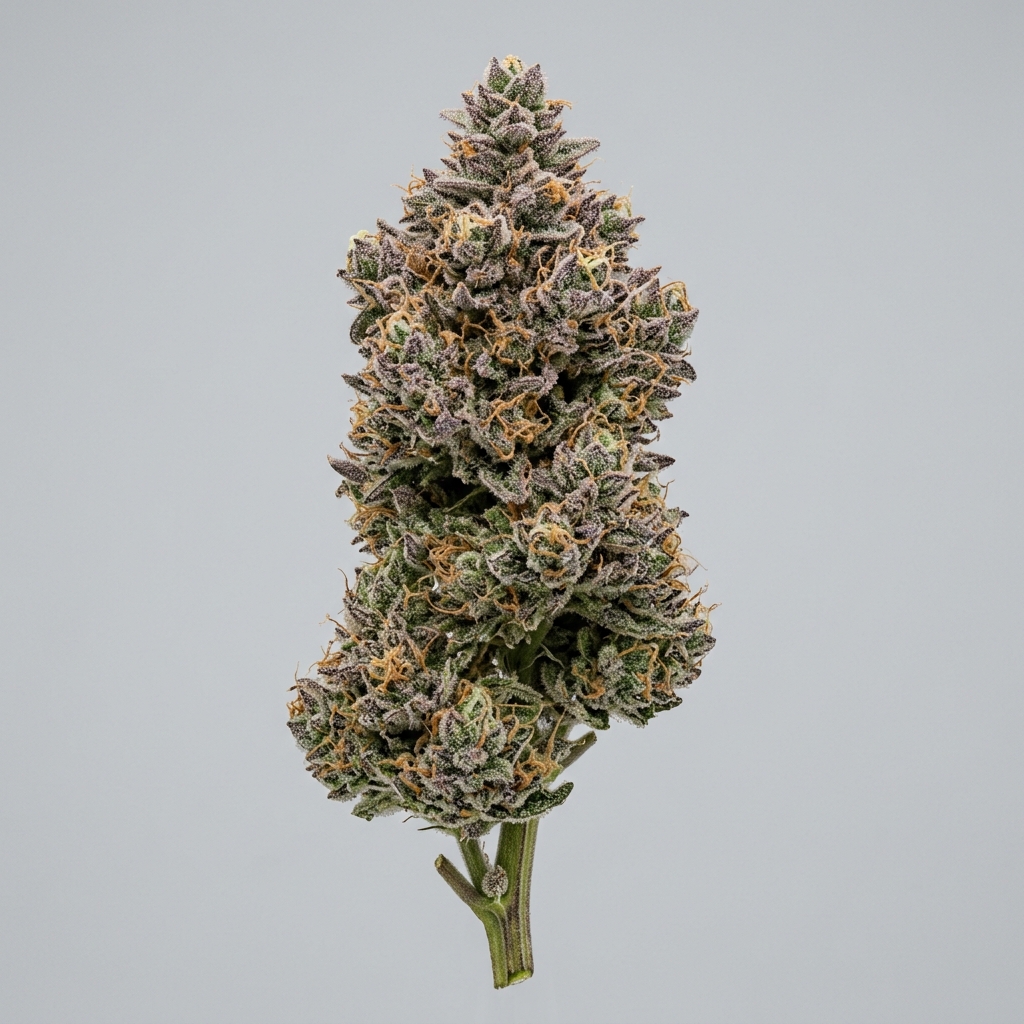
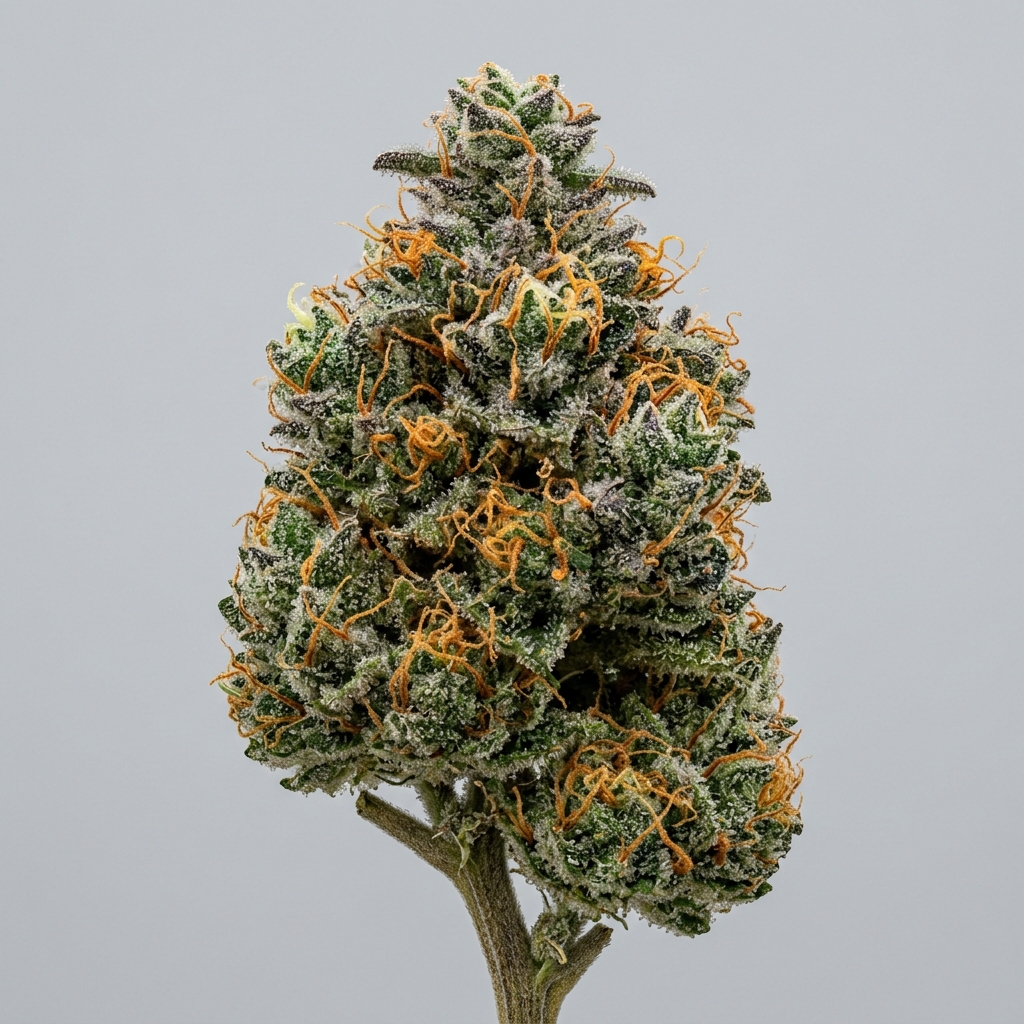
When examined through a scientific and botanical reference, Sticky Rice exhibits characteristics typical of heirloom genetics, often featuring elongated, resin-dusted calyxes and a complex terpene structure. Its growth habit and sensory profile reflect a deep history of regional selection, making it a fascinating subject for those interested in the preservation of diverse cannabis landrace traits.
Quick Facts
| Attribute | Details |
|---|---|
| Genetics | Unknown (Landrace-derived hybrid) |
| Variety | Hybrid (approx. 50% indica / 50% sativa) |
| THC Range | 18% – 22% |
| CBD Range | Low, usually below 1% |
| Dominant Terpenes | Myrcene, Caryophyllene, Limonene |
| Primary Effects | Uplifted, creative, relaxed, focused |
| Flavor Profile | Sweet, doughy, floral, earthy |
| Flowering Time | 9 – 10 weeks |
| Yield Potential | Moderate |
| Plant Height | Medium to Tall |
| Difficulty | Intermediate |
| Indoor / Outdoor | Both |
| Best For | Cultivar education, terpene research, hobbyist cultivation |
| Data Confidence | Estimated — lineage or testing data varies |
Scientific & Botanical Overview
Sticky Rice is widely considered a descendant of regional landrace strains from Southeast Asia. Its morphology often reflects a classic hybrid structure, characterized by moderate internodal spacing and a tendency for the flowers to develop a distinct, sticky resinous coating that justifies its name. The plant’s development is highly responsive to environment, favoring consistent humidity and stable light cycles.
Botanically, this strain is noted for its terpene-rich trichome heads, which concentrate the volatile compounds responsible for its unique sensory profile. Research into such landrace-influenced cultivars often highlights the complex synergy between minor cannabinoids and terpenes, which may contribute to the nuanced experience reported by consumers.
Effects & Use-Cases (Reported)
Commonly reported effects of Sticky Rice include a gentle, creative onset followed by a sustained, tranquil physical sensation. Users often note its ability to facilitate focus without inducing excessive anxiety, making it a versatile choice for daytime or early evening use.
In terms of use-case context, this strain is frequently selected for social gatherings or low-stress creative projects. Anecdotal reports suggest it provides a clean, clear-headed experience that allows users to remain functional while enjoying a mild, euphoric elevation.
Aroma & Flavors
Aroma: A distinct combination of sweet rice starch, floral undertones, and a faint, earthy musk.
Flavor: Smooth and doughy on the inhale, with subtle notes of sweet cream and a spicy, herbal finish.
Terpene associations: The high presence of Myrcene contributes to the earthy base, while Limonene and Caryophyllene add layers of citrus and spice.
Tested Cannabinoid & Terpene Ranges
| Compound | Typical Range* | Notes |
|---|---|---|
| Δ9-THC | 18% – 22% | Primary cannabinoid |
| Myrcene | 0.5% – 1.2% | Earthy, herbal |
| Caryophyllene | 0.3% – 0.8% | Spicy, peppery |
*Ranges may vary by phenotype, cultivation environment, harvest timing, and analytical method.
Cultivation Notes
- Training: Responds well to LST (Low-Stress Training) to manage its vertical growth.
- Nutrients: Prefers a balanced nutrient profile with an emphasis on calcium and magnesium during the mid-flower phase.
- Harvest Timing: Monitor trichome maturity for a balance of cloudy and amber heads.
- Environment: Thrives in moderate temperatures with good airflow to prevent mold in its dense clusters.
Grower Notes (Week-by-Week Snapshot)
- Weeks 1–3: Rapid vegetative growth; ensure adequate light intensity.
- Weeks 4–6: Transition to bloom; watch for stretch and initiate light pruning.
- Weeks 7–9: Flower development accelerates; buds become dense and aromatic.
- Post-Harvest: Slow drying is recommended to preserve the delicate, doughy terpene profile.
Genetic Lineage
The exact lineage of Sticky Rice remains ambiguous, as is common with many heirloom cultivars. Most lineage reports vary, often tracing the strain back to traditional landrace genetics from the Southeast Asian region. It is generally regarded as a stable hybrid that has been adapted by various breeders over time, preserving its unique sensory characteristics while improving structural vigor.
Research Insights
Modern research into the entourage effect continues to explore how cultivars like Sticky Rice utilize a complex array of minor cannabinoids and terpenes to influence the user experience. By focusing on the interplay between compounds like Myrcene and Caryophyllene, researchers aim to better understand the non-THC factors that define a strain’s unique profile.
Frequently Asked Questions
Is Sticky Rice an indica or sativa?
Sticky Rice is generally classified as a balanced hybrid, though its effects and growth patterns may lean slightly depending on the specific phenotype and environmental conditions.
Does Sticky Rice have high CBD levels?
No, Sticky Rice is typically bred for higher THC content. CBD levels are generally low, typically remaining below 1%.
Is Sticky Rice difficult to grow?
It is considered an intermediate strain, requiring some knowledge of training techniques and environmental control to manage its height and ensure optimal flower density.
Educational Disclaimer
This page is provided for scientific and horticultural reference only. Cannabis laws vary by jurisdiction; always ensure compliance with local regulations.
Rate and review this strain
Ratings and reviews are accepted only from signed-in Google accounts.
Sign in with Google to leave a rating and written review.
Latest Reviews
0 reviewsNo reviews yet. Be the first Google user to rate and review this strain.