
Grape Gasoline (Cannabis Strain)
Grape Gasoline is a highly sought-after indica-dominant hybrid, typically testing between 24% and 29% THC. A standout cross of Grape Pie and Jet Fuel Gelato, this cultivar is recognized for its aggressive terpene profile and heavy resin production. It is a premier choice for enthusiasts seeking a robust, full-bodied experience that bridges the gap between deep fruity sweetness and high-octane fuel.
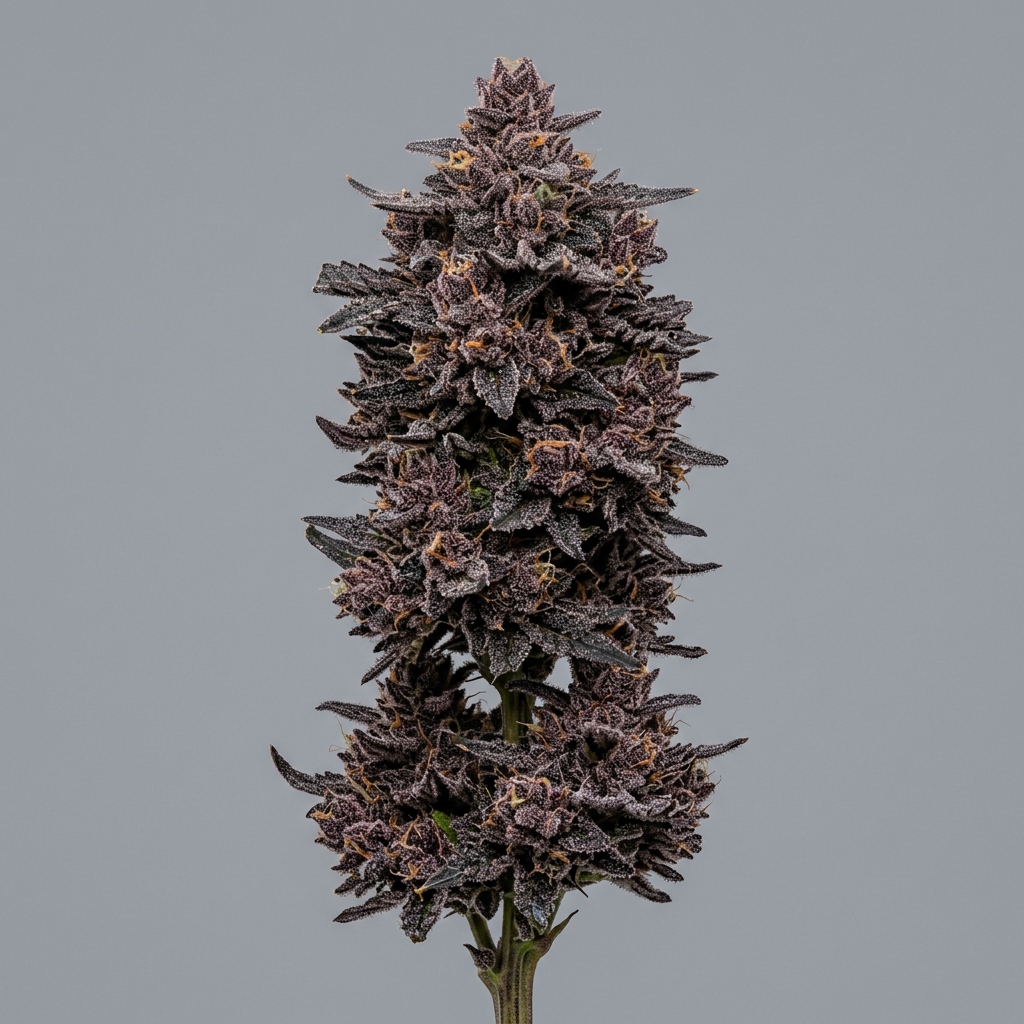
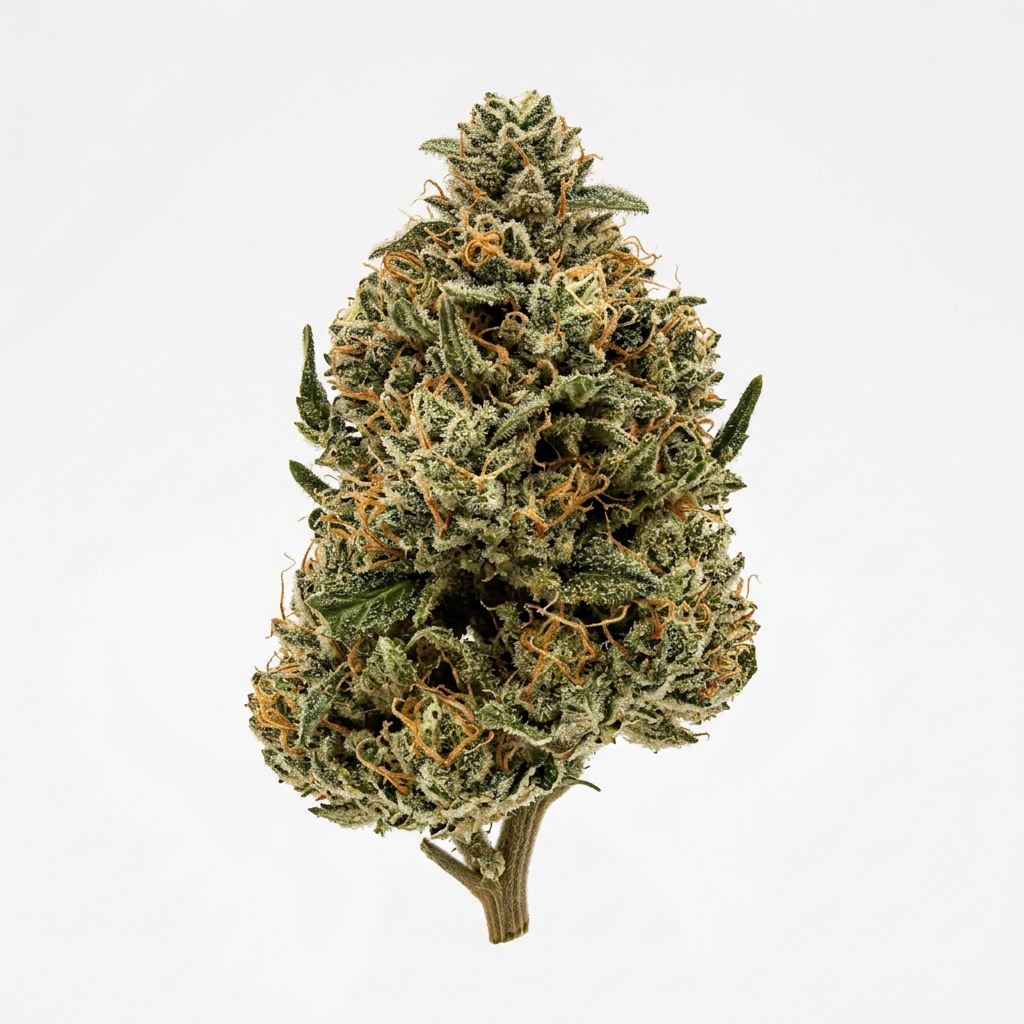
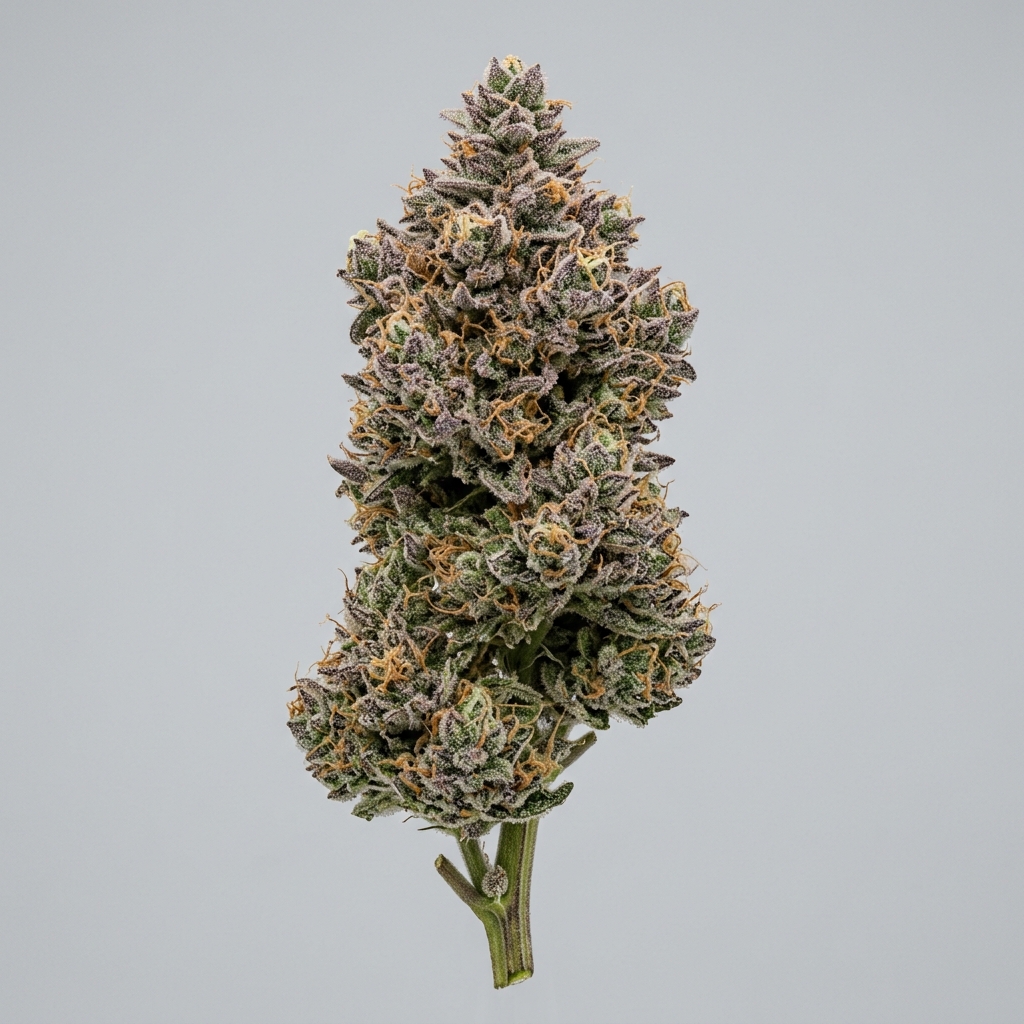
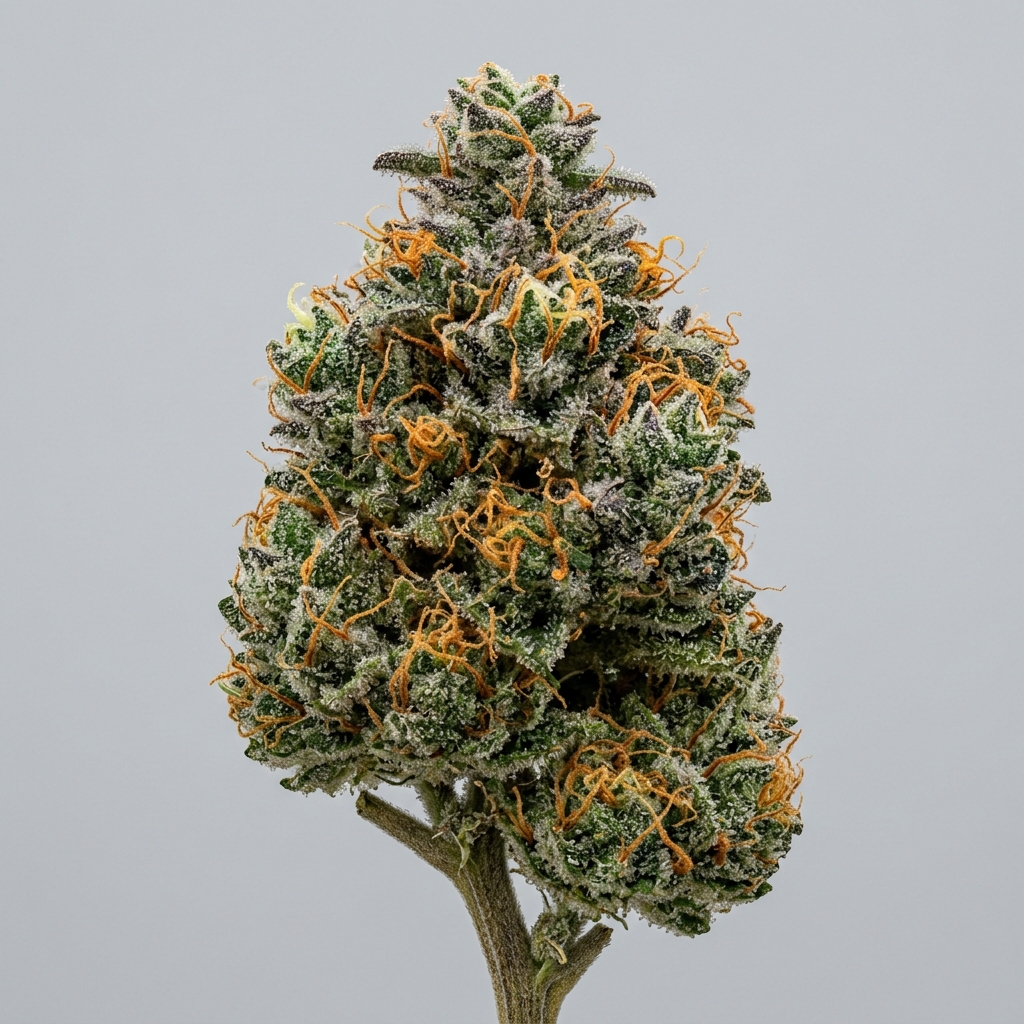
Providing a scientific and botanical reference for modern cannabis breeding, Grape Gasoline demonstrates the complex hybridization possible when combining heavy-hitting dessert genetics with legacy fuel-forward lineages. Its dense, trichome-coated buds are often deep purple and forest green, reflecting its complex genetic heritage.
Quick Facts
| Attribute | Details |
|---|---|
| Genetics | Grape Pie × Jet Fuel Gelato |
| Variety | Indica-dominant hybrid (~70% indica / 30% sativa) |
| THC Range | 24%–29% |
| CBD Range | Low, usually below 1% |
| Dominant Terpenes | Myrcene, Caryophyllene, Limonene |
| Primary Effects | Relaxed, euphoric, heavy-bodied, sleepy |
| Flavor Profile | Grape, fuel, sweet, earthy |
| Flowering Time | 8–9 weeks |
| Yield Potential | Moderate to High |
| Plant Height | Medium |
| Difficulty | Intermediate |
| Indoor / Outdoor | Both (best in controlled indoor environments) |
| Best For | Cultivar education, terpene research, relaxation |
| Data Confidence | High — widely reported cultivar data |
Scientific & Botanical Overview
From a morphology perspective, Grape Gasoline displays classic indica-leaning characteristics, including broad leaves and a dense, bushy structure. The plant is prized for its ability to produce high concentrations of trichomes that often take on a frosty, resin-heavy appearance as the plant matures during its 8-to-9-week flowering cycle.
The chemical profile of this strain is governed by its unique terpene expression, which is heavily influenced by its parentage. The interplay between the fuel-heavy profile of Jet Fuel and the fruit-forward sweetness of Grape Pie provides a balanced yet potent chemical matrix that is frequently studied for its aromatic complexity.
Effects & Use-Cases (Reported)
Commonly reported effects of Grape Gasoline include a deep sense of physical relaxation and a potent cerebral euphoria. Many users note that the initial onset is uplifting, quickly transitioning into a heavy, couch-locking body high that is ideal for evening use.
In terms of use-case context, this strain is often favored by those looking to unwind after a long day. Due to its sedative properties, it is frequently chosen for its potential to support restful downtime, though personal tolerance levels should be considered given its high THC concentration.
Aroma & Flavors
Aroma: Pungent diesel fuel, fermented grapes, and sweet berries.
Flavor: Smooth grape candy, chemical fuel, and a lingering earthy finish.
Terpene associations: Myrcene provides the earthy, herbal base, while Caryophyllene adds a spicy kick to the dominant fuel-like aromatics.
Tested Cannabinoid & Terpene Ranges
| Compound | Typical Range* | Notes |
|---|---|---|
| Δ9-THC | 24%–29% | Primary psychoactive |
| Myrcene | 0.5%–1.2% | Earthy, sedative |
| Caryophyllene | 0.3%–0.8% | Spicy, anti-inflammatory |
*Ranges may vary by phenotype, cultivation environment, harvest timing, and analytical method.
Cultivation Notes
- Training: Responds well to topping and LST (Low Stress Training) to manage its bushy canopy.
- Nutrients: Requires a robust feeding schedule during the peak flowering phase to support heavy bud development.
- Harvest Timing: Monitor trichome color; wait for a mix of milky white and amber for maximum potency.
- Environment: Thrives in humidity-controlled indoor environments to prevent mold in its dense colas.
Grower Notes (Week-by-Week Snapshot)
- Weeks 1–3: Rapid vegetative growth; establish a strong root system.
- Weeks 4–6: Transition to flowering; stretch is moderate; begin bloom nutrients.
- Weeks 7–9: Bud sites swell and trichomes turn cloudy; flush during the final week.
- Post-Harvest: Slow dry in a dark, cool environment; cure for at least 2–4 weeks to develop the complex gas profile.
Genetic Lineage
Grape Gasoline is a deliberate creation by the breeders at Compound Genetics. It combines the genetics of Grape Pie (a Cherry Pie × Grape Stomper cross known for its sweet, fruity profile) and Jet Fuel Gelato (a powerful blend of Jet Fuel and Gelato). This pairing successfully integrates the high-octane, gassy characteristics of the Jet Fuel line with the deep, sugary grape notes of the Grape Pie lineage.
Research Insights
The combination of high-THC content and a terpene profile dominated by Myrcene and Caryophyllene makes Grape Gasoline an interesting subject for studying the “entourage effect.” Research suggests that these specific terpenes may modulate the subjective experience of THC, contributing to the distinctively heavy, relaxing sensations reported by consumers of this specific cultivar.
Frequently Asked Questions
Is Grape Gasoline indica or sativa?
Grape Gasoline is an indica-dominant hybrid, known for its relaxing, body-focused effects.
What does Grape Gasoline smell like?
It features a strong, pungent aroma characterized by sharp gasoline (fuel) notes mixed with sweet, fermented grapes.
Is Grape Gasoline difficult to grow?
It is generally considered to be of intermediate difficulty, requiring careful attention to humidity and airflow due to its dense, resinous flower structure.
Educational Disclaimer
This page is provided for scientific and horticultural reference only. Cannabis laws vary by jurisdiction; always ensure compliance with local regulations.
Rate and review this strain
Ratings and reviews are accepted only from signed-in Google accounts.
Sign in with Google to leave a rating and written review.
Latest Reviews
0 reviewsNo reviews yet. Be the first Google user to rate and review this strain.