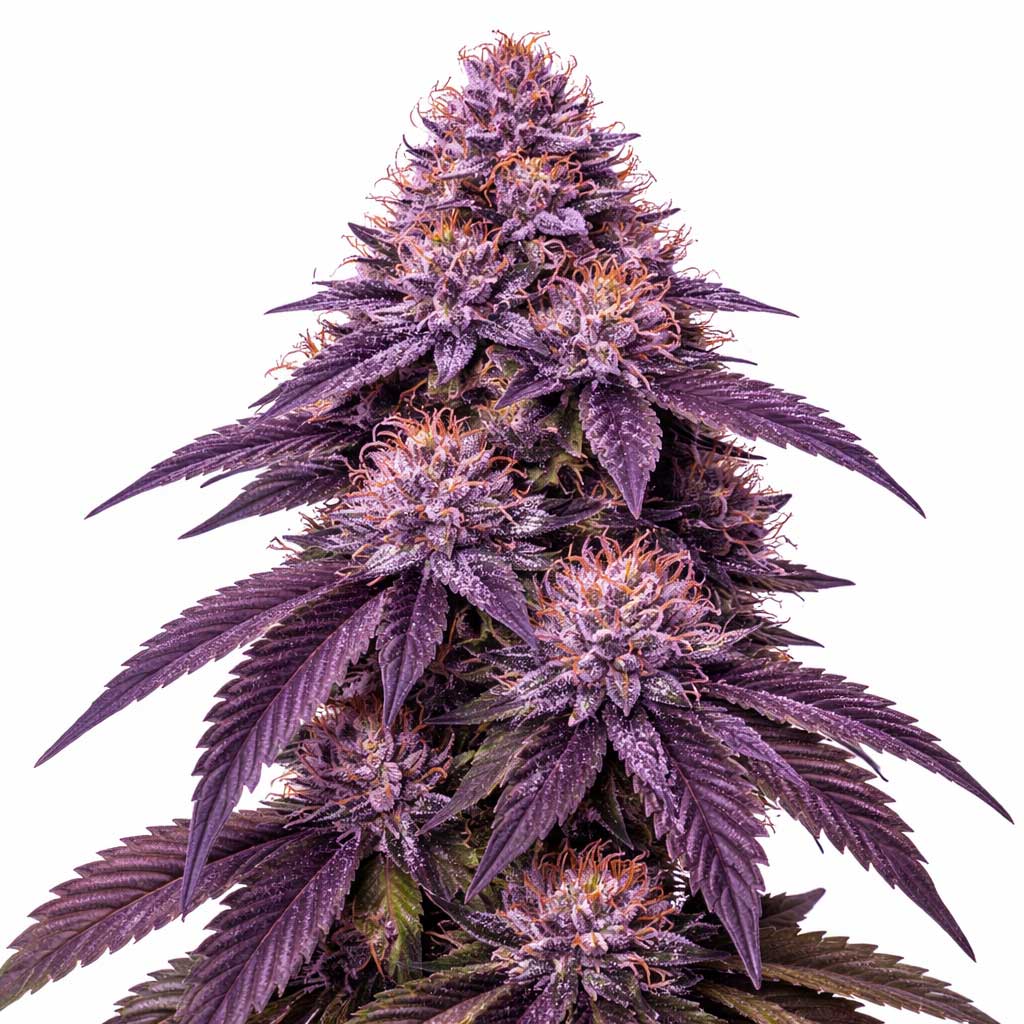
Purple Urkle (Cannabis Strain)
The legendary Purple Urkle is a near-pure indica-dominant cultivar testing between 18% and 22% THC, widely recognized as a select phenotype of Mendocino Purps originating from Northern California. This classic purple variety is celebrated for its dense, resin-coated buds that emit a deep grape and berry aroma balanced by a subtle earthy musk. In the garden, it exhibits a slow, compact growth habit, producing thick stems and broad fan leaves that require patience but reward growers with highly resinous, deeply pigmented flowers.
As a foundational pillar of the West Coast purple family, Purple Urkle has earned a permanent place in cannabis culture. Its slow vegetative stretch and tight internodal spacing make it highly manageable for indoor growers, while its distinct visual appeal and classic heavy-indica profile continue to make it a benchmark for breeders worldwide.
Quick Facts
| Metric | Details |
|---|---|
| Genetics | Likely Mendocino Purps phenotype |
| Variety | Indica-Dominant |
| THC Range | 18% – 22% |
| Flowering Time | 8 – 9 weeks |
| Yield Potential | Moderate |
| Plant Height | Short to medium |
| Climate Preference | Cool to temperate |
| Difficulty | Intermediate |
Scientific & Botanical Overview
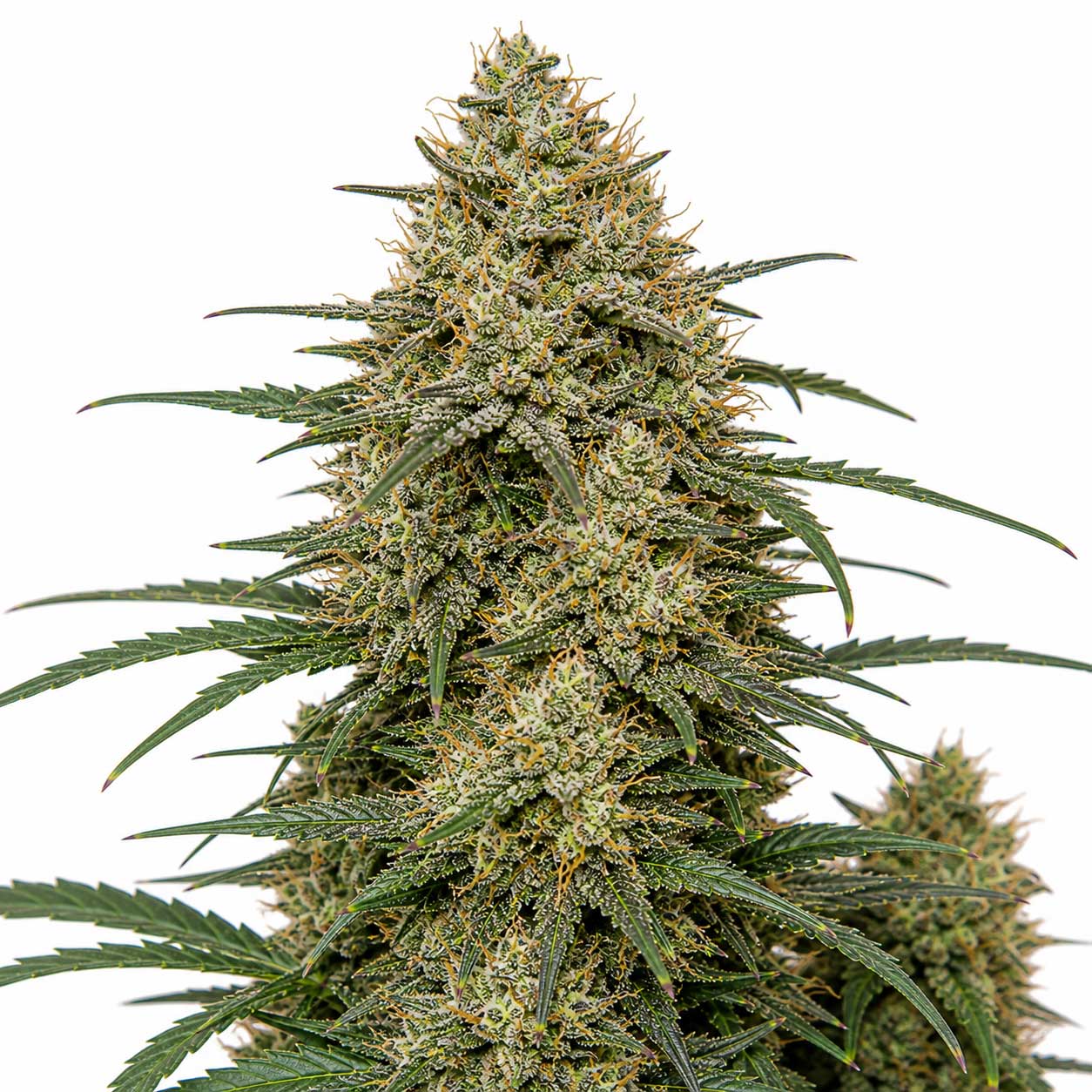
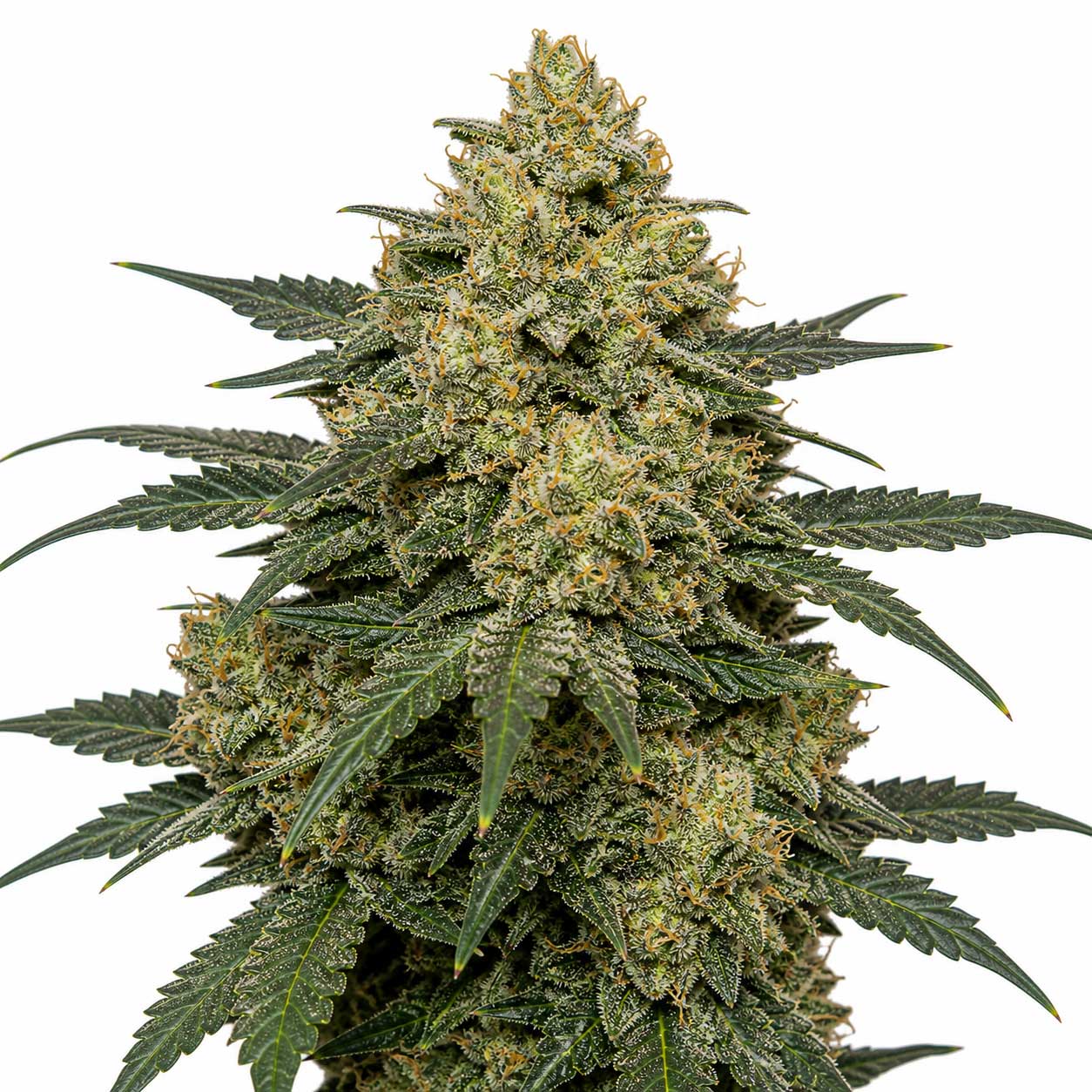
Purple Urkle exhibits a classic indica morphology characterized by a short, stocky frame, thick lateral branches, and broad, dark green fan leaves. The internodal spacing is exceptionally tight, creating a dense canopy that requires regular maintenance to ensure adequate light penetration and airflow. Growers must manage this compact structure carefully to prevent stagnant air pockets within the foliage.
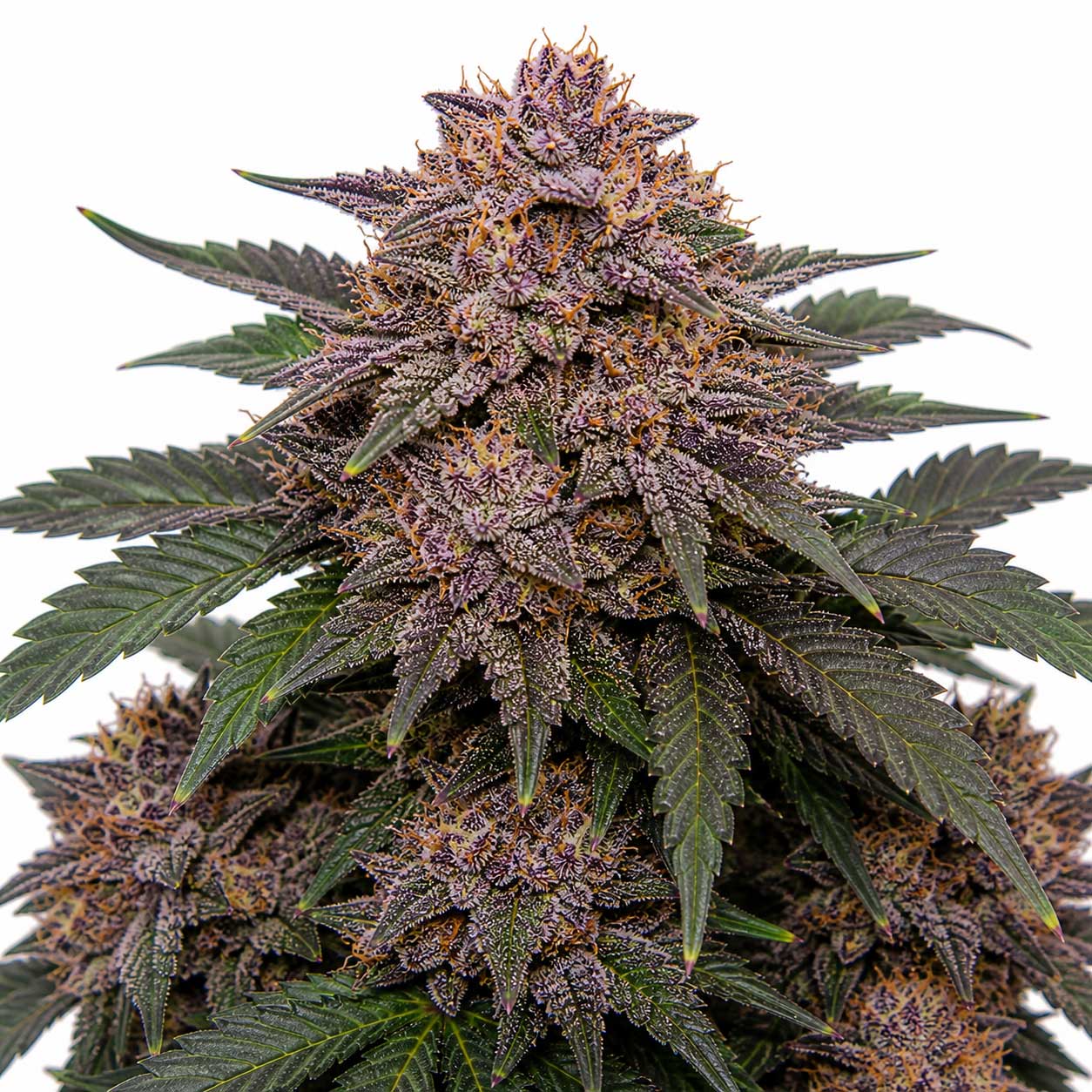
The flower structure consists of small, tightly packed calyxes that form dense, rounded forest-green buds. As the plant matures, high concentrations of anthocyanin pigments turn the foliage and bracts into striking shades of deep violet and royal purple. These colors become especially pronounced during the final weeks of the flowering cycle.
Resin production is heavy, covering the purple calyxes in a thick layer of sticky, glassy trichomes. Bright orange pistils wind through the dense flowers, providing a sharp contrast against the dark, colorful background. This heavy resin coverage gives the finished buds a frosty, glistening appearance.
Effects & Use-Cases (Reported)
Commonly reported effects: Deeply calming, heavily sedating, and physically relaxing with a slow, heavy onset that settles into the limbs.
Use-case context: Best suited for evening or nighttime use, often chosen to unwind after long days or to support a restful night.
Note: These observations are based on historical reports and user feedback; individual experiences may vary depending on tolerance and phenotype.
Aroma & Flavors
Aroma: Rich and sweet grape candy, ripe plums, and dark berries, grounded by a damp, earthy musk and subtle woodiness.
Flavor: Smooth and sweet on the inhale with a distinct artificial grape and berry syrup taste, followed by a spicy, herbal, and classic kush finish.
Terpene associations: Typically dominated by myrcene, caryophyllene, and pinene.
Tested Cannabinoid & Terpene Ranges
| Compound | Typical Range | Notes |
|---|---|---|
| Δ9-THC | 18% – 22% | Moderate to strong potency with a heavy physical focus. |
| CBD | < 1% | Minimal presence typical of classic indica cultivars. |
| Myrcene | Variable | Associated with earthy notes and deep physical relaxation. |
| Caryophyllene | Variable | Adds a subtle spicy depth and woodsy undertone. |
| Pinene | Variable | Provides a light herbal brightness to the overall profile. |
*Ranges are approximate and may vary depending on phenotype, cultivation method, and environmental factors.
Cultivation Notes
- Vegetative Phase: Purple Urkle grows slowly during veg; allow extra time to build a robust frame before flipping to flower.
- Humidity Control: Maintain relative humidity between 40% and 50% during late flowering to protect the dense, compact buds from moisture issues.
- Training: Responds well to light pruning, lollipops, and Sea of Green (SOG) setups to optimize canopy light exposure.
- Temperature Manipulation: Dropping nighttime temperatures by 10 to 15 degrees Fahrenheit in the final weeks of flowering coaxes out the deepest purple hues.
- Harvest Window: Indoors, expect a 56 to 63 day flowering cycle; outdoor plants are typically ready by mid-October.
Grower Notes (Week-by-Week Snapshot)
- Weeks 1-3 (Transition): Minimal vertical stretch compared to modern hybrids; focus on tucking large fan leaves to expose lower bud sites.
- Weeks 4-6 (Mid-Flower): Bud sites stack closely together; resin starts coating the sugar leaves, and the first hints of purple coloration emerge on the calyx margins.
- Weeks 7-9 (Late Flower): Deep violet tones spread across the entire canopy; monitor trichomes closely as they transition from clear to milky white.
- Post-Harvest: A slow, cool 10 to 14 day dry followed by a patient cure is essential to preserve the delicate grape terpenes and deep color profile.
Genetic Lineage
The exact origin of Purple Urkle remains shrouded in Northern California lore, though it is widely accepted to be a select phenotype of Mendocino Purps. Emerging from the Emerald Triangle during the late 1980s or early 1990s, this specific cut was preserved and shared among regional growers who prized its unique grape profile and deep coloration.
Its genetic stability and distinct sensory profile have made it a cornerstone of modern purple breeding. It serves as a direct parent or close relative to legendary cultivars like Granddaddy Purple, Grape Ape, and various Mendocino Purps hybrids, solidifying its legacy in the cannabis gene pool.
Research Insights
Researchers studying Purple Urkle often focus on its high concentration of anthocyanins, water-soluble pigments that react to temperature drops by turning the plant tissue purple. This genetic trait, combined with a dominant myrcene and caryophyllene terpene profile, makes it an excellent subject for studying environmental influences on phytochemical expression.
From a breeding perspective, the cultivar is studied for its ability to reliably pass down its signature grape-like volatile compounds to offspring. Researchers and breeders utilize its genetic map to understand the inheritance patterns of color, structure, and terpene retention in heavy indica lines.
Frequently Asked Questions
Is Purple Urkle an indica or sativa?
Purple Urkle is an indica-dominant cultivar, widely regarded as a near-pure indica due to its short growth structure and deeply relaxing, physical effects.
What does Purple Urkle smell like?
It has a highly distinct aroma of sweet grape candy, ripe berries, and plums, grounded by a rich, earthy, and slightly spicy kush background.
Is Purple Urkle hard to grow?
It is considered moderately difficult because of its slow vegetative growth rate. However, its short, sturdy structure makes it easy to manage inside small grow spaces.
How does Purple Urkle get its purple color?
The purple coloration is genetic, driven by pigments called anthocyanins. Lowering night temperatures during the late flowering stage helps intensify these deep violet and purple hues.
Educational Disclaimer
The information provided on this page is for educational, botanical, and historical reference purposes only. It is not intended to serve as medical advice, and cultivation should only be undertaken in compliance with local laws.
Rate and review this strain
Ratings and reviews are accepted only from signed-in Google accounts.
Sign in with Google to leave a rating and written review.
Latest Reviews
0 reviewsNo reviews yet. Be the first Google user to rate and review this strain.