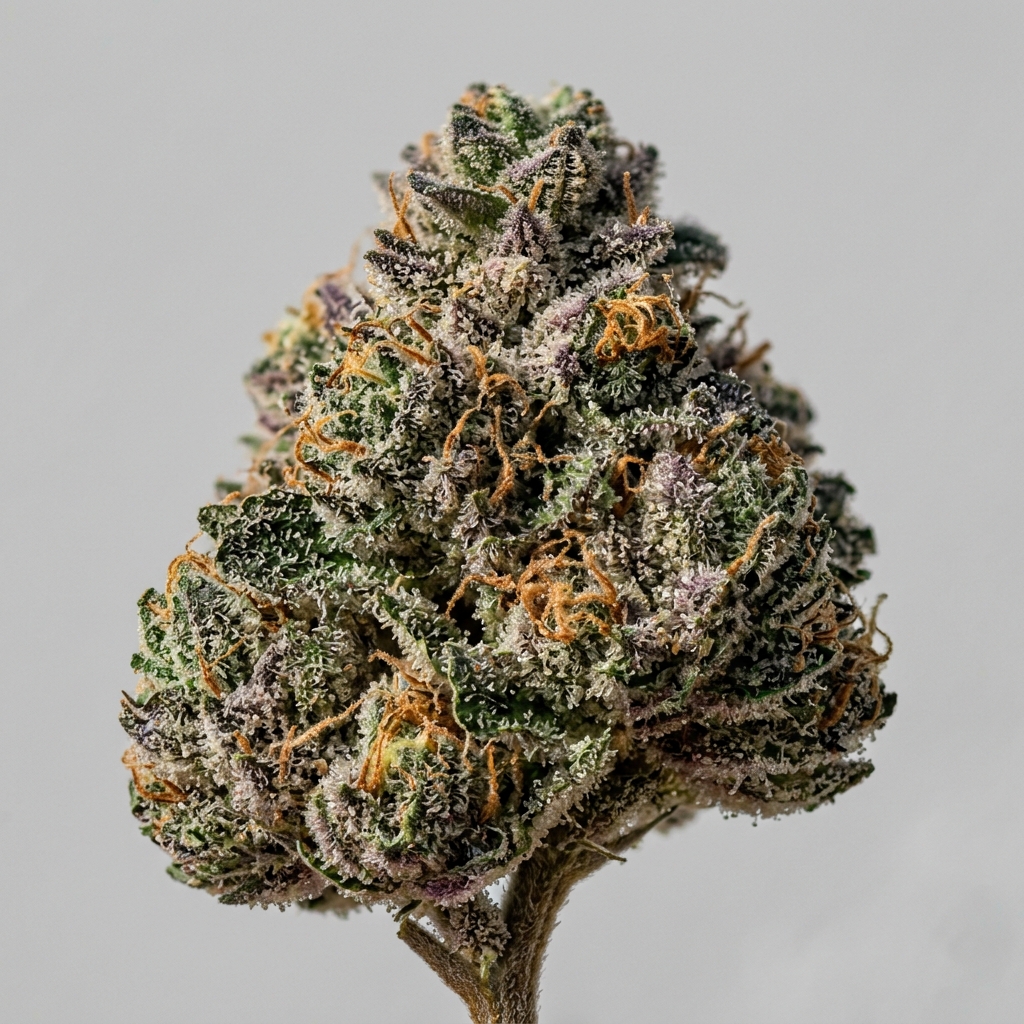
Pink Rozay (Cannabis Strain)
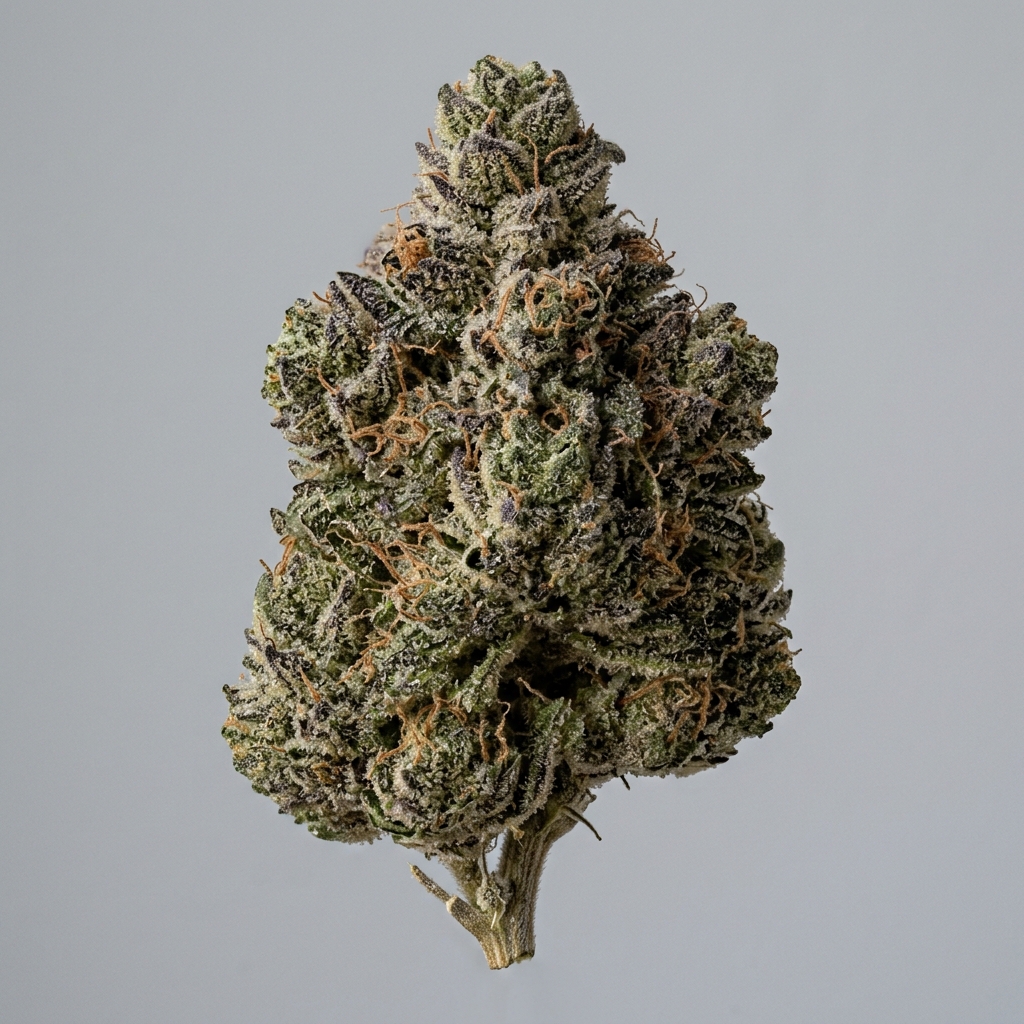
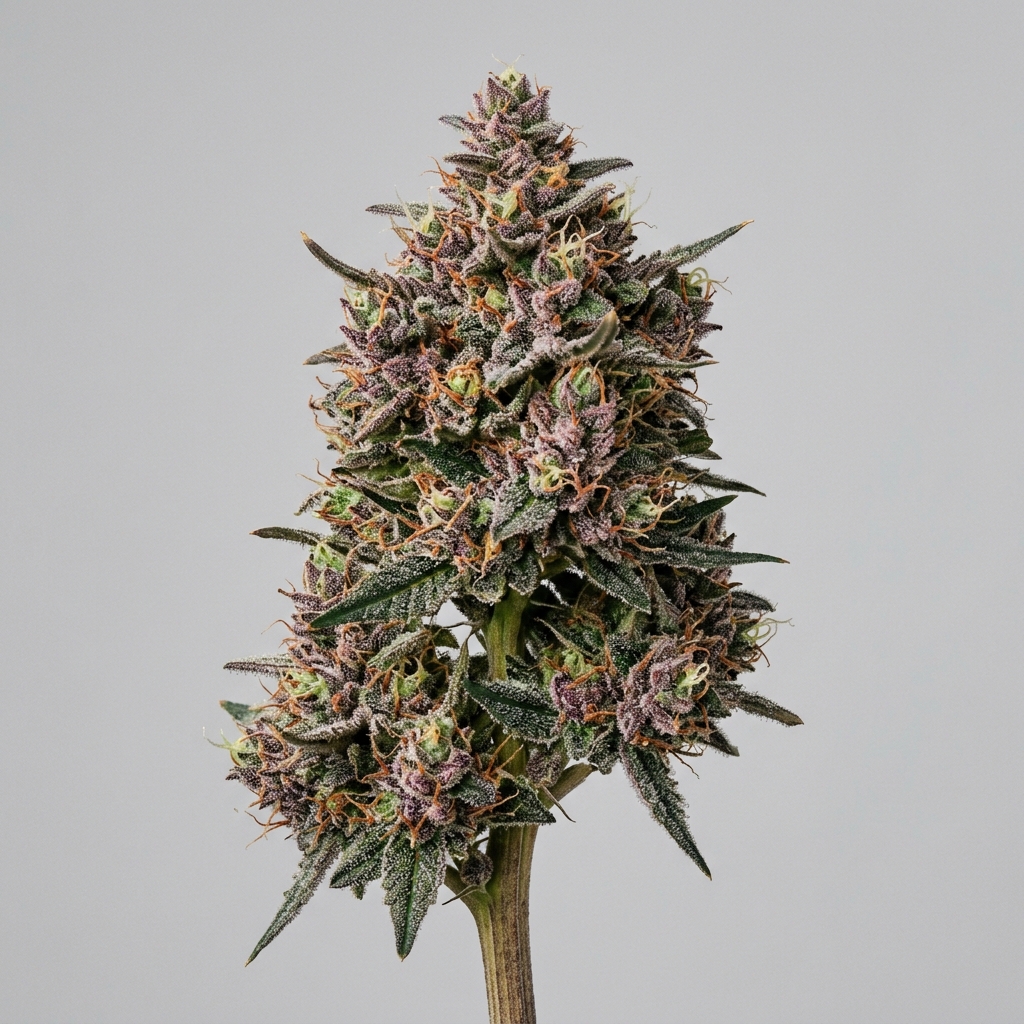
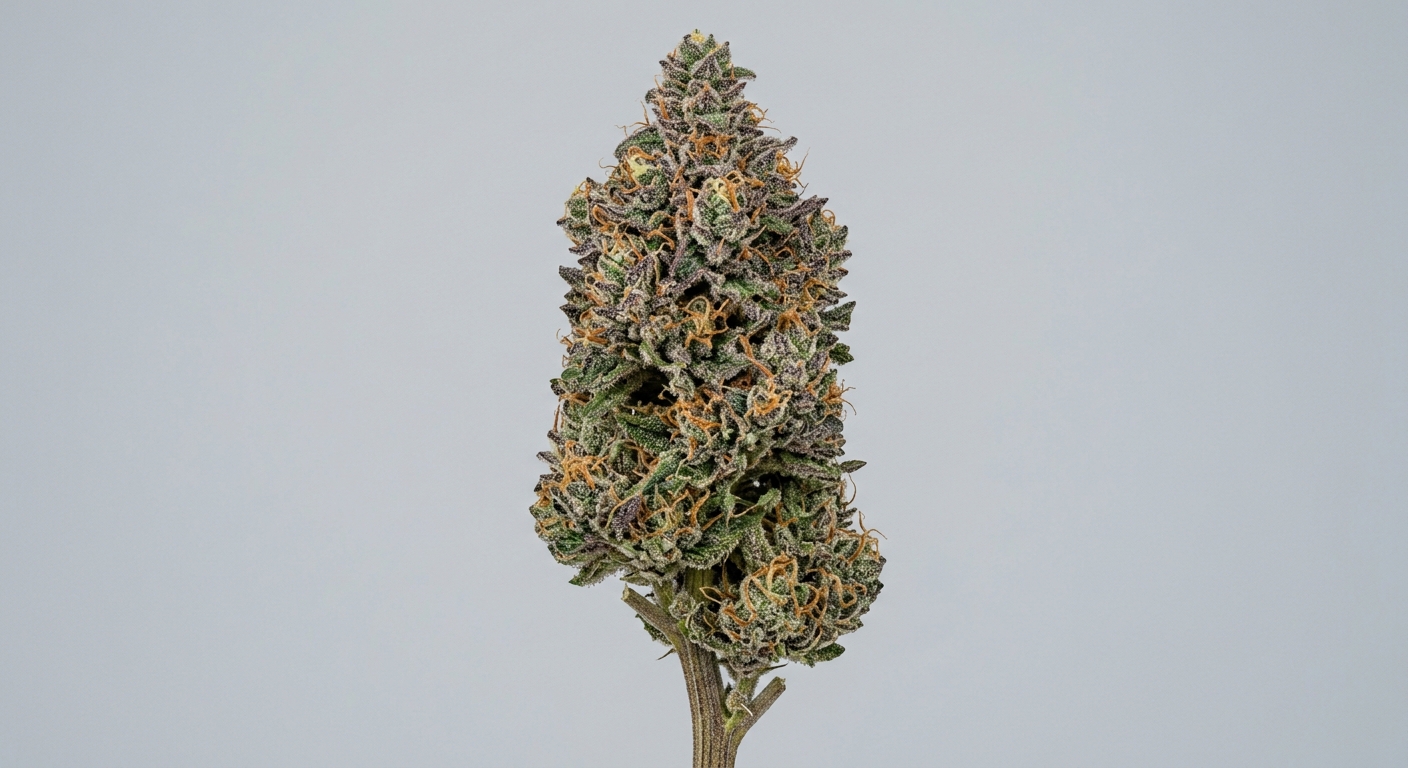
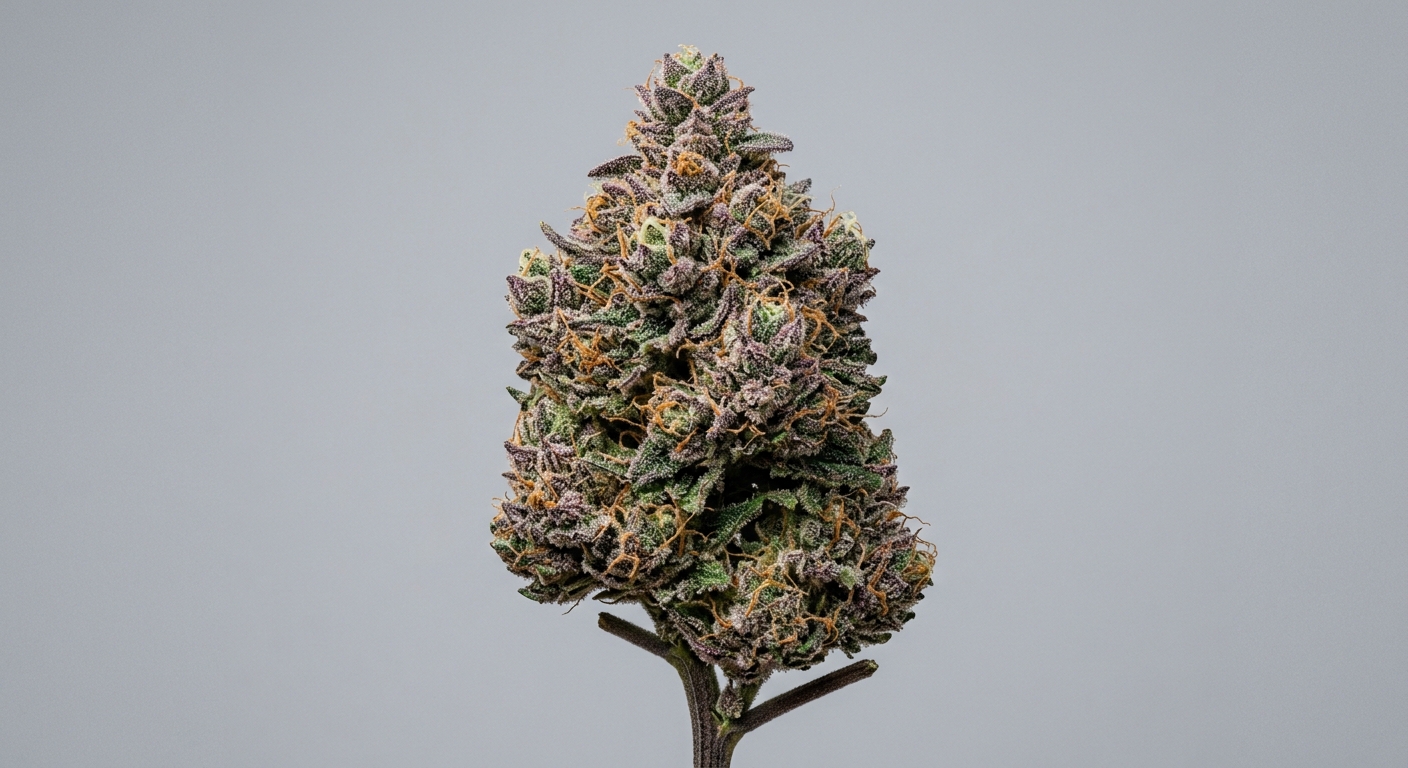
Pink Rozay is an indica-dominant hybrid cultivar, typically testing between 16% and 24% THC, created by crossing Lemonchello with London Pound Cake #75. Known for its striking purple-tinted, resin-rich flowers and a flavor profile reminiscent of sweet, yeasty berries and floral wine, this cultivar develops dense, compact buds with a thick coating of wet frost. In the garden, it shows a stout, bushy growth habit with a controlled stretch, making it a favorite for growers seeking high-quality boutique flower with manageable canopy heights.
Developed under the Grandiflora Genetics banner, Pink Rozay has gained traction in contemporary markets for its distinct visual appeal and complex terpene signature. The cultivar balances its fruity, dessert-like heritage with a deeply relaxing physical profile that avoids heavy, immediate sedation. Its heavy resin coverage and dense bract structure make it highly appealing for both dry-flower preservation and solventless extraction.
Quick Facts
| Metric | Details |
|---|---|
| Genetics | Lemonchello × London Pound Cake #75 |
| Variety | Indica-dominant hybrid |
| THC Range | 16% – 24% |
| Flowering Time | 8 – 9 weeks |
| Yield Potential | Moderate to high |
| Plant Height | Medium (compact) |
| Climate Preference | Mild, temperate, low humidity late flower |
| Difficulty | Moderate |
Scientific & Botanical Overview
Botanically, Pink Rozay displays classic indica-dominant morphology, characterized by broad fan leaves, tight internodal spacing, and a sturdy lateral branch structure. The plants develop thick stems capable of supporting heavy terminal colas without excessive staking. As flowering progresses, the calyxes swell significantly, forming tight, pinecone-shaped clusters.
Anthocyanin accumulation is highly pronounced in this cultivar, especially when exposed to cooler nighttime temperatures during the final weeks of bloom. This genetic trait manifests as deep violet and magenta hues across the sugar leaves and bracts, contrasting with bright orange pistils. The trichome heads are predominantly capitate-stalked, producing a greasy resin layer that remains sticky throughout the curing process.
The cultivar shows a moderate feeding appetite, requiring balanced macronutrients during vegetative growth to support its dense canopy. Airflow management is crucial due to the tight cluster formation of the buds, which can trap moisture if environmental controls are not dialed in.
Effects & Use-Cases (Reported)
Commonly reported effects: Users frequently report a rapid onset of cerebral clarity accompanied by a heavy, warming body sensation. The initial lift is often described as euphoric and mentally soothing, which gradually transitions into a deeply relaxed physical state without immediate couch-lock.
Use-case context: This cultivar is well-suited for late afternoon or evening use, helping to unwind after demanding tasks. Its balanced profile makes it popular for social relaxation, creative brainstorming, or quiet, passive entertainment.
Note: Individual sensitivity to cannabinoids varies; start with low doses to assess personal tolerance to this cultivar’s potent physical effects.
Aroma & Flavors
Aroma: The nose is dominated by a sweet, yeasty berry profile, closely resembling sparkling rosé wine, complemented by a subtle earthy musk and sharp floral undertones.
Flavor: On the palate, it delivers a smooth mixture of candied berries, soft cream, and a tart, slightly sour fruit finish on the exhale.
Terpene associations: Cultivar analyses typically show high concentrations of myrcene, caryophyllene, and limonene, which drive its sweet, spicy, and citrusy aromatic foundation.
Tested Cannabinoid & Terpene Ranges
| Compound | Typical Range |
|---|---|
| Δ9-THC | 16.0% – 24.0% |
| CBD | < 1.0% |
| Myrcene | 0.4% – 0.9% |
| Caryophyllene | 0.3% – 0.7% |
| Limonene | 0.2% – 0.5% |
Note: Cannabinoid and terpene levels are highly variable and depend on specific phenotypes, environmental conditions, and cultivation methods.
Cultivation Notes
- Humidity: Keep relative humidity (RH) around 55-60% during veg, dropping to 40-45% by late flower to prevent moisture retention in the dense colas.
- Nutrition: Responds well to a moderate nitrogen regimen in vegetative stages, transitioning to a phosphorus- and potassium-heavy feed during mid-to-late bloom.
- Training: Topping early and using low-stress training (LST) helps open up the tight canopy, improving light penetration to lower bud sites.
- Harvest: Harvest when trichomes are mostly milky white with about 10-15% amber for the optimal balance of physical relaxation and mental clarity.
- Phenotype management: Look for phenotypes that exhibit early purple coloration and a distinct yeasty, berry nose during week 5 of flower.
Grower Notes (Week-by-Week Snapshot)
- Weeks 1–3 (Vegetative & Early Stretch): Plants undergo a controlled, manageable stretch of about 50-80% after flipping to a 12/12 light cycle. Focus on defoliating the lower third of the plant to encourage upward energy flow.
- Weeks 4–6 (Mid-Flower & Bud Development): Button-like bud sites form quickly, developing a heavy layer of early resin. Ensure strong airflow across the canopy as the flowers begin to swell and tighten.
- Weeks 7–9 (Late Flower & Ripening): Introduce cooler night temperatures to stimulate the expression of deep purple and pink hues. Flush the medium with plain water to clear excess salts and allow the fan leaves to fade naturally.
- Post-Harvest (Curing): Hang-dry the whole plant at 60°F and 60% RH for 10 to 14 days. A slow, controlled dry preserves the delicate volatile terpenes that give this strain its signature wine-like nose.
Genetic Lineage
Pink Rozay inherits its complex, dessert-forward profile from two highly regarded parent strains. Lemonchello (a cross of Original Lemonade and Cherry Pie) provides the sweet, citrus-tart top notes and a subtle mental uplift. This parent contributes to the strain’s bright, fruit-forward aromatic complexity.
The second parent, London Pound Cake #75 (a prized phenotype from the Sunset Sherbert lineage), contributes the heavy, doughy cake backend, stout structure, and dense, resin-encrusted bud formation. Together, these genetics produce a highly stable hybrid with a unique floral-berry expression that stands out in modern gardens.
Research Insights
The distinct aromatic profile of Pink Rozay is of interest to researchers studying the synergy between myrcene and caryophyllene in indica-dominant hybrids. The high concentration of these terpenes, combined with moderate levels of limonene, appears to modulate the psychoactive effects of THC, offering a physically calming experience without heavy sedation.
Furthermore, the intense purple coloration observed in late flower points to high concentrations of anthocyanins, water-soluble pigments belonging to the flavonoid family. Studies suggest these compounds not only serve as a visual indicator of genetic expression under cool temperatures but also play a protective role for the plant against environmental stress.
Frequently Asked Questions
Is Pink Rozay an indica or sativa?
Pink Rozay is an indica-dominant hybrid, typically displaying an 80/20 indica-to-sativa ratio, resulting in a relaxing physical effect paired with a gentle mental lift.
Who bred Pink Rozay?
The strain was originally bred by Grandiflora Genetics in collaboration with the Cookies brand, combining Lemonchello and London Pound Cake #75.
What does Pink Rozay smell like?
It features a sweet, yeasty aroma reminiscent of sparkling rosé wine, accented by notes of fresh berries, floral lavender, and a subtle earthy doughiness.
Is Pink Rozay difficult to grow?
It is considered a moderate-difficulty strain. While it maintains a manageable compact height, its dense bud structure requires careful humidity control during late flower to prevent mold.
Educational Disclaimer
This profile is for educational purposes only. Cannabinoid profiles and growth characteristics can vary significantly based on environmental conditions, phenotype, and cultivation techniques.
Rate and review this strain
Ratings and reviews are accepted only from signed-in Google accounts.
Sign in with Google to leave a rating and written review.
Latest Reviews
0 reviewsNo reviews yet. Be the first Google user to rate and review this strain.