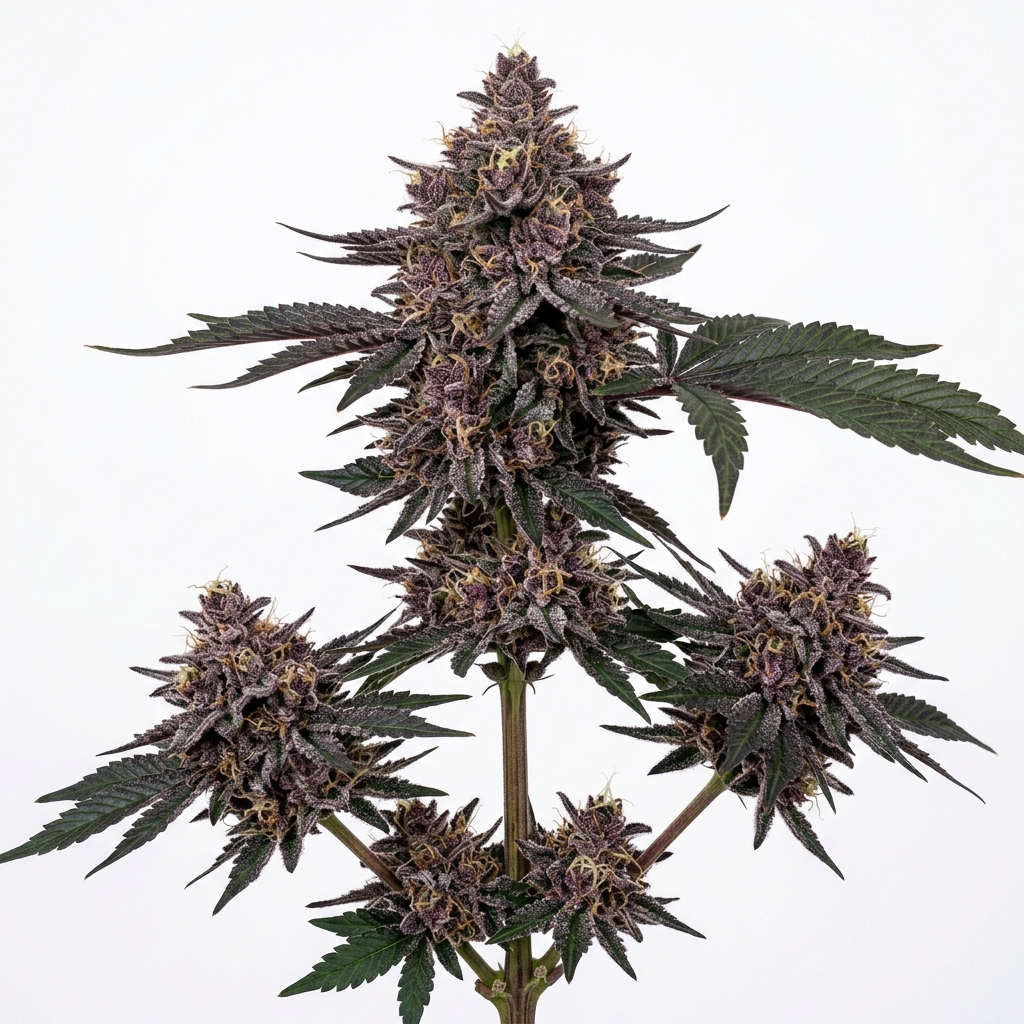
Frozen Berries (Cannabis Strain)
Frozen Berries is an indica-dominant hybrid testing between 19% and 25% THC, celebrated for its heavy trichome coverage and dark fruit profile. The original breeder is not consistently documented across commercial markets, though the cut is widely traced to craft selections crossing classic Blueberry or Blackberry stock with frost-heavy donors such as Permafrost or Ice. The flowers produce a distinct profile of candied berries, wet earth, and a cool mentholated finish across dense, spear-shaped colas that wash exceptionally well for hash production.
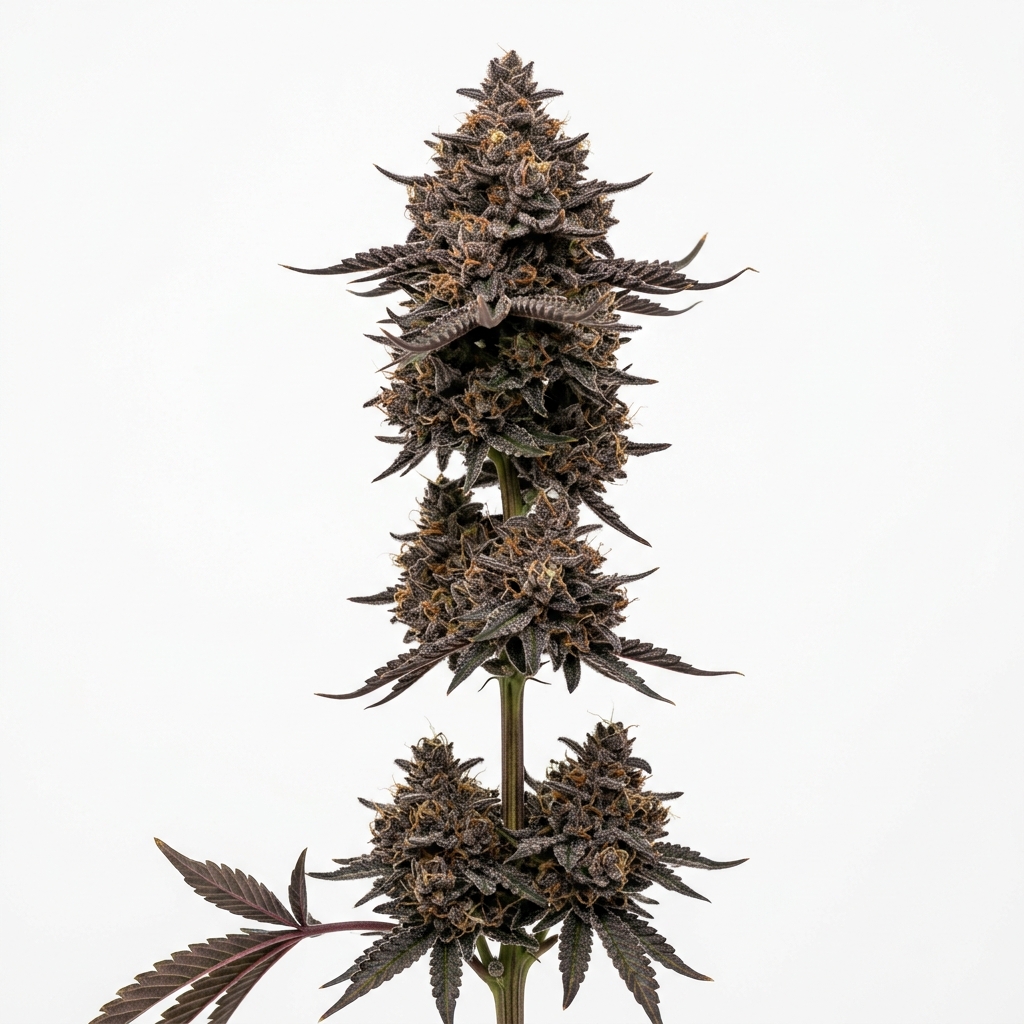
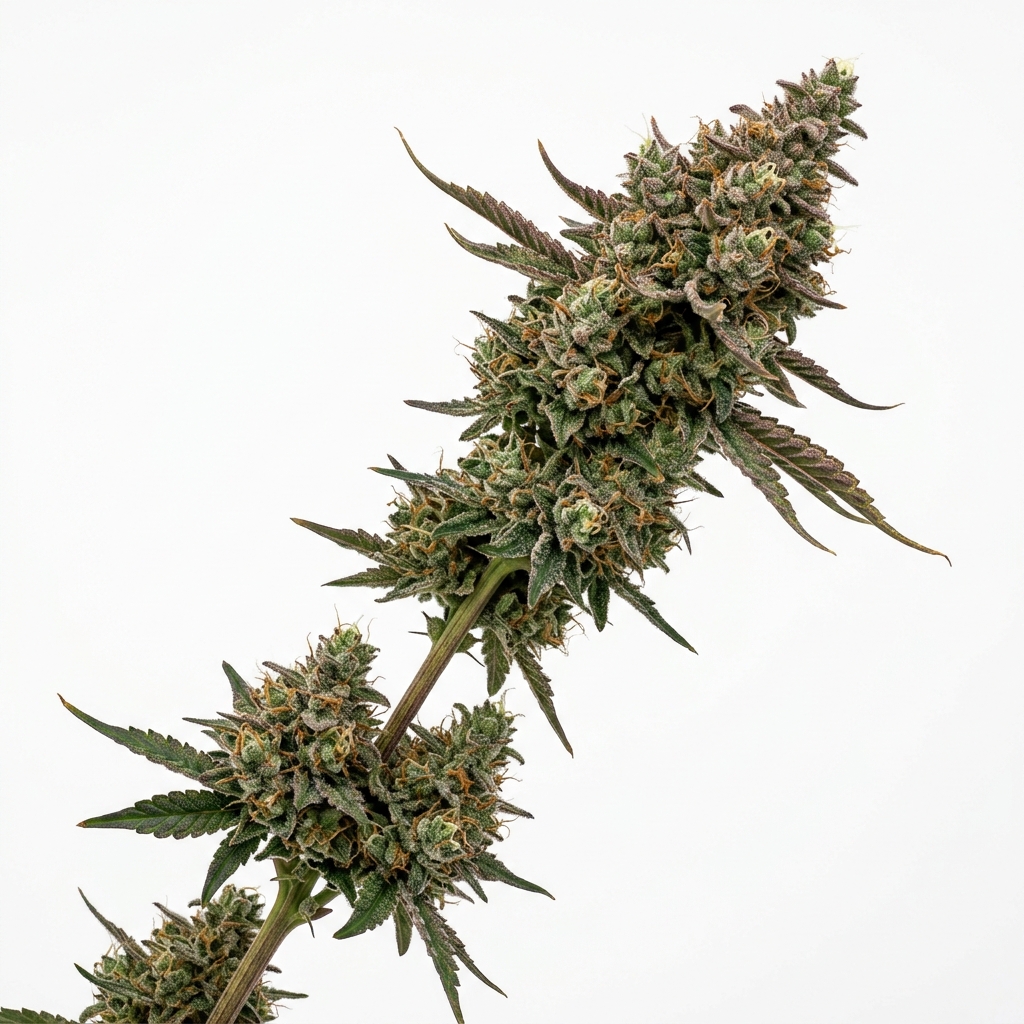
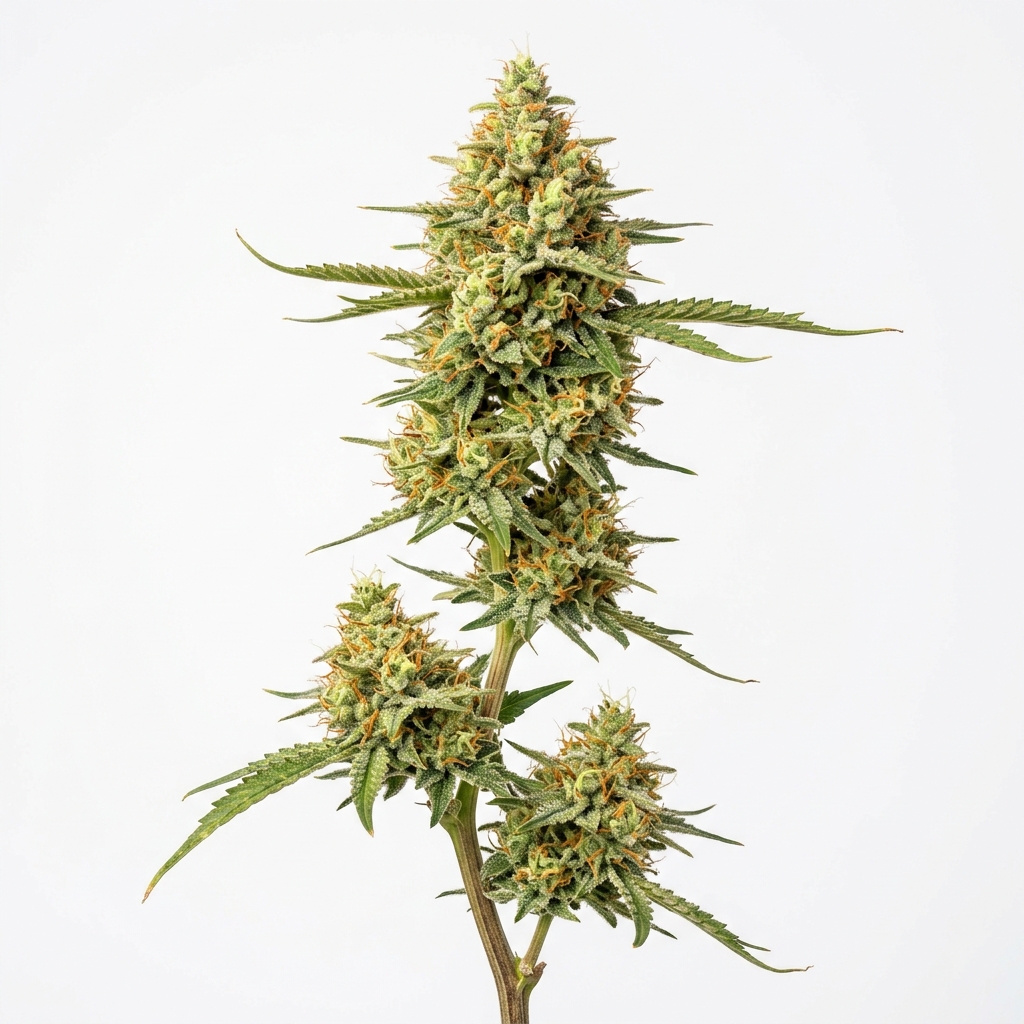
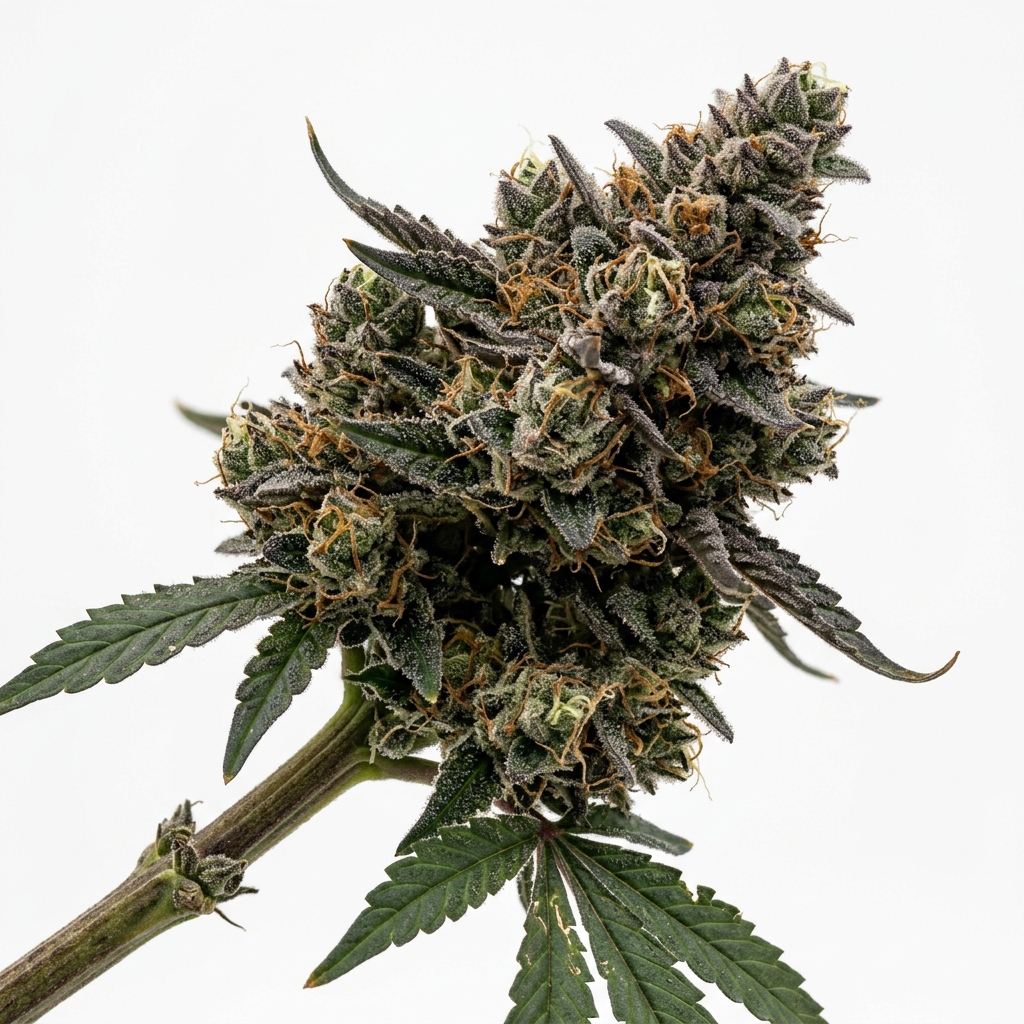
On the branch, the cultivar displays moderate internodal spacing, broad fan leaves, and a controlled stretch during early flower. Its genetic heritage yields deep anthocyanin pigmentation under cooler night temperatures, turning the calyxes deep violet beneath a heavy layer of stalked trichomes. Consumers commonly report a steady, clear-headed onset that transitions into full physical ease without immediate sedation.
Quick Facts
| Field | Details |
|---|---|
| Breeder | Not consistently documented (Craft selection) |
| Genetics | Berry lineage (Blueberry / Blackberry) × Frost donor (Permafrost / Ice) |
| Variety | Indica-dominant hybrid (approx. 70% indica / 30% sativa) |
| THC Range | 19% – 25% (uninfused dried flower) |
| Flowering Time | 8 – 9 weeks (56 – 63 days) |
| Yield Potential | Moderate to high (400 – 500 g/m² indoor) |
| Plant Height | Medium (90 – 140 cm) |
| Climate Preference | Temperate to Mediterranean; sensitive to late humidity |
| Difficulty | Moderate |
Scientific & Botanical Overview
Frozen Berries builds dense, conical flower clusters along sturdy lateral branches. The bract structure is tight and compact, expressing high capitate-stalked glandular trichome density from mid-flower onward. Sugar leaves often take on ink-like purple hues late in the cycle as anthocyanins accumulate.
The secondary metabolite profile leans heavily toward myrcene and beta-caryophyllene, balanced by secondary concentrations of limonene and linalool. This combination creates the signature sweet-and-chilly aromatic expression without sharp sulfurous notes. Gland heads remain firm and brittle at harvest maturity, making the cut popular for cold-water separation.
Vegetative growth is vigorous with strong apical dominance that responds well to topping. Stems are woody and capable of holding substantial bud weight, though secondary trellis netting is recommended once floral mass accelerates in week five.
Effects & Use-Cases (Reported)
Commonly reported effects: The onset typically begins behind the eyes with gentle cerebral clarity before settling into the shoulders and lower back. Consumers frequently describe an unhurried, calm mood accompanied by mild muscle relaxation and reduced mental chatter. As the session progresses, a heavier body feel emerges without immediate couch-lock.
Use-case context: Well-suited for late-afternoon and evening unwinding, low-stress creative hobbies, and post-exercise recovery. The smooth smoke and gradual taper make it approachable for intermediate consumers seeking tactile relaxation without heavy fog.
Individual responses vary based on dosage, tolerance, and cannabinoid ratios. High-THC flower should be approached thoughtfully by sensitive consumers.
Aroma & Flavors
Aroma: Crushed blackberries and sweet blueberry jam accented by a sharp, cooling undertone reminiscent of pine needles and menthol. Breaking the buds releases an earthy, damp soil base layered with soft floral sugar.
Flavor: The inhale carries sweet berry syrup and tart fruit skin. The exhale shifts into cool herbal pine and a slight peppery spice that lingers cleanly on the palate.
Terpene associations: The dominant contribution of myrcene supplies the ripe fruit base, while caryophyllene and pinene introduce the spice and crisp cooling edge on the finish.
Tested Cannabinoid & Terpene Ranges
| Compound | Reported Range |
|---|---|
| Δ9-THC | 19.0% – 25.0% |
| CBD | < 0.5% (Trace) |
| CBG | 0.4% – 1.2% |
| Total Terpenes | 1.5% – 3.0% |
| Primary Terpenes | Myrcene, beta-Caryophyllene, Pinene, Limonene |
Range note: Cannabinoid and terpene metrics reflect laboratory test data from cured flower samples. Environmental parameters, lighting intensity, and harvest timing create natural analytical variance across batches.
Cultivation Notes
- Humidity management: Keep relative humidity around 55% in early bloom and drop to 40%–45% during weeks seven through nine to protect dense colas from botrytis.
- Nutrient requirements: Moderate feeder with steady nitrogen demand through week three of bloom, shifting toward elevated potassium and phosphorus during calyx swell.
- Canopy training: Responds cleanly to early topping at the fourth or fifth node; low-stress training helps create an even horizontal plane.
- Defoliation: Strip lower shade leaves at day 21 of flower to increase lower-tier airflow and light penetration without over-stressing the canopy.
- Harvest window: Target harvest between day 56 and day 63 when trichome heads turn predominantly milky with roughly 10% to 15% amber for optimal terpene clarity.
Grower Notes (Week-by-Week Snapshot)
- Weeks 1–3: Plants stretch roughly 1.5× original vegetative height. Early pistils emerge rapidly around day 14; install first trellis layer early.
- Weeks 4–6: Glandular trichome production accelerates across inner bracts and sugar leaves. Aroma develops a sharp berry sweetness; maintain canopy temperatures at 24°C–26°C.
- Weeks 7–9: Swelling calyxes harden into spear-shaped clusters. Night drops of 4°C–6°C reveal purple hues; reduce irrigation volume slightly to prepare for dry down.
- Drying & Curing: Dry whole plants at 15°C–18°C and 60% relative humidity for 12–14 days. Cure in airtight containers for a minimum of three weeks to preserve subtle pine and berry notes.
Genetic Lineage
The genetic background of Frozen Berries pairs classic North American berry lines with frost-dense hybrid selections. The maternal side leans into established Blueberry or Blackberry ancestry, contributing intense anthocyanin coloring, rich fruit esters, and a broad leaf morphology. These varieties have long anchored modern dessert and fruit profiles.
The pollinator side derives from resinous cultivars like Permafrost or heritage Ice lines. This parentage contributes heavy trichome development, a crisp pinene-forward undertone, and stronger structural branching. The resulting hybrid balances dark fruit sweetness with exceptional resin output.
Research Insights
Scientific literature on dominant cannabis terpenes indicates that myrcene influences the permeability of cell membranes and may modulate sensory perception in combination with THC. Independent studies on beta-caryophyllene have documented its unique status as a dietary terpene that binds selectively to CB2 receptors in non-neural tissues.
While these botanical findings help explain the biological mechanisms of isolated compounds, they do not constitute clinical proof for this specific cultivar. Environmental factors, cure quality, and individual physiology all play primary roles in how consumers experience the flower.
Frequently Asked Questions
Who is the original breeder of Frozen Berries?
The original breeder is not consistently documented in commercial records. The cultivar emerged through Pacific Northwest and California craft networks selecting berry hybrids for enhanced resin production.
Is Frozen Berries an indica or sativa?
Frozen Berries is an indica-dominant hybrid, displaying broad fan leaves, compact internodal spacing, and relaxing physical effects associated with heavy indica genetics.
What does Frozen Berries smell and taste like?
It carries an aroma of sweet blackberry jam, damp earth, and cool pine. The smoke delivers a rich berry flavor backed by a crisp, mentholated herbal finish.
How long does Frozen Berries take to flower?
Indoor flowering typically finishes in 8 to 9 weeks (56 to 63 days). Outdoor crops generally finish by early to mid-October in northern temperate zones.
Educational Disclaimer
This content is for educational and informational purposes only. Cannabis laws and regulations vary by jurisdiction. Always consult with a qualified professional before beginning any cultivation project or consuming cannabis products.
Rate and review this strain
Ratings and reviews are accepted only from signed-in Google accounts.
Sign in with Google to leave a rating and written review.
Latest Reviews
0 reviewsNo reviews yet. Be the first Google user to rate and review this strain.
Follow New Cultivar Records
Get newly documented genetics, breeder history, research highlights, and important Strainpedia discoveries by email.