Yung Berry (Cannabis Strain)
Yung Berry, often stylized as Yung Barry, is a modern, potent hybrid cannabis cultivar that has gained strong popularity in the 2025–2026 market, especially within Michigan and Midwest craft scenes. Branded by companies such as Doobies and featured by dispensaries including Premiere Provisions and Mango Cannabis, it is recognized for high THC potential and balanced, social effects.
Although its exact lineage is often treated as proprietary, Yung Berry is widely viewed as a new-school reinterpretation of classic berry-forward cannabis genetics, combining modern potency with a fresher and more functional hybrid profile. The information below is provided strictly for scientific and botanical reference.
Quick Facts
| Feature | Details |
|---|---|
| Alternative Names | Yung Barry |
| Brand / Breeder | Doobies (primary commercial association) |
| Variety | Balanced hybrid |
| THC Range | 28%–32% |
| Aroma | Light sour berry and fresh pine |
| Vibe | Uplifting, social, and creative |
| Market Status | Popular in 2026 pre-roll and bulk flower menus |
Scientific & Botanical Overview
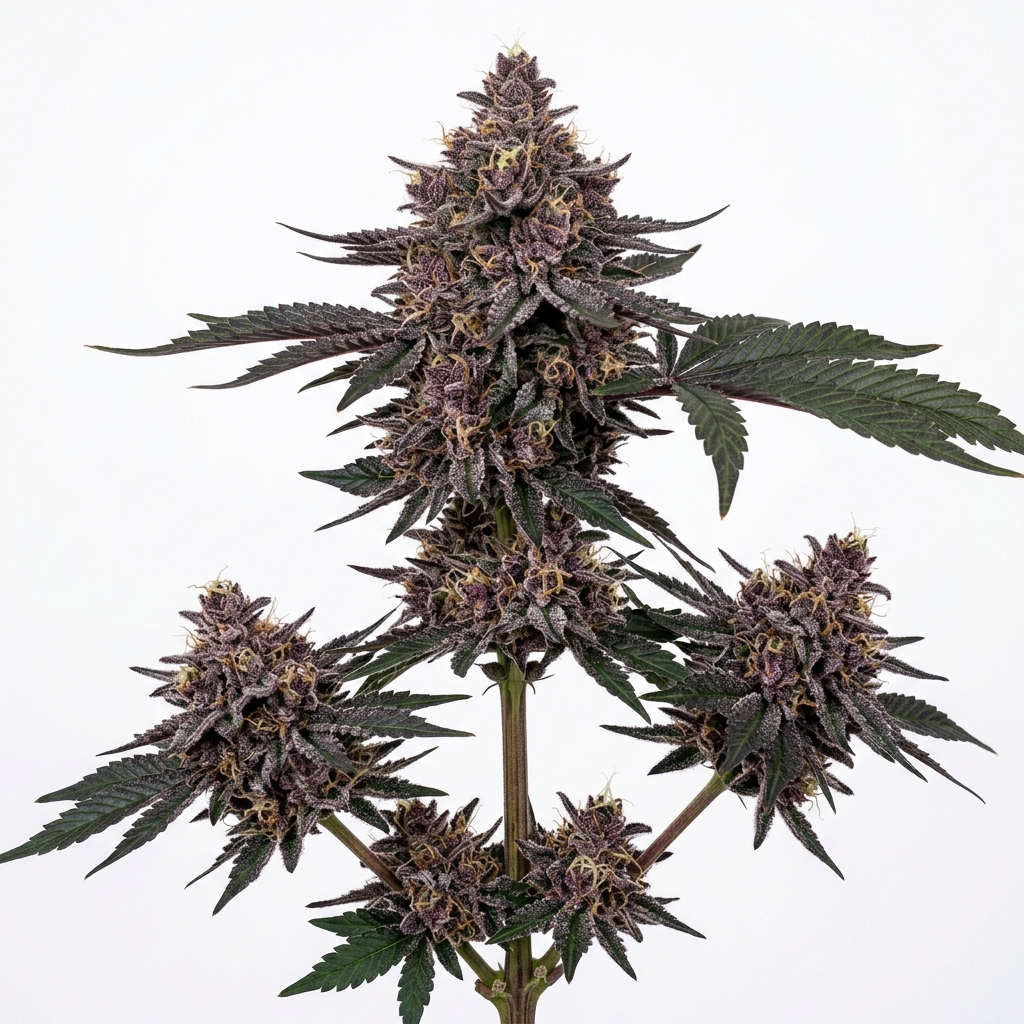
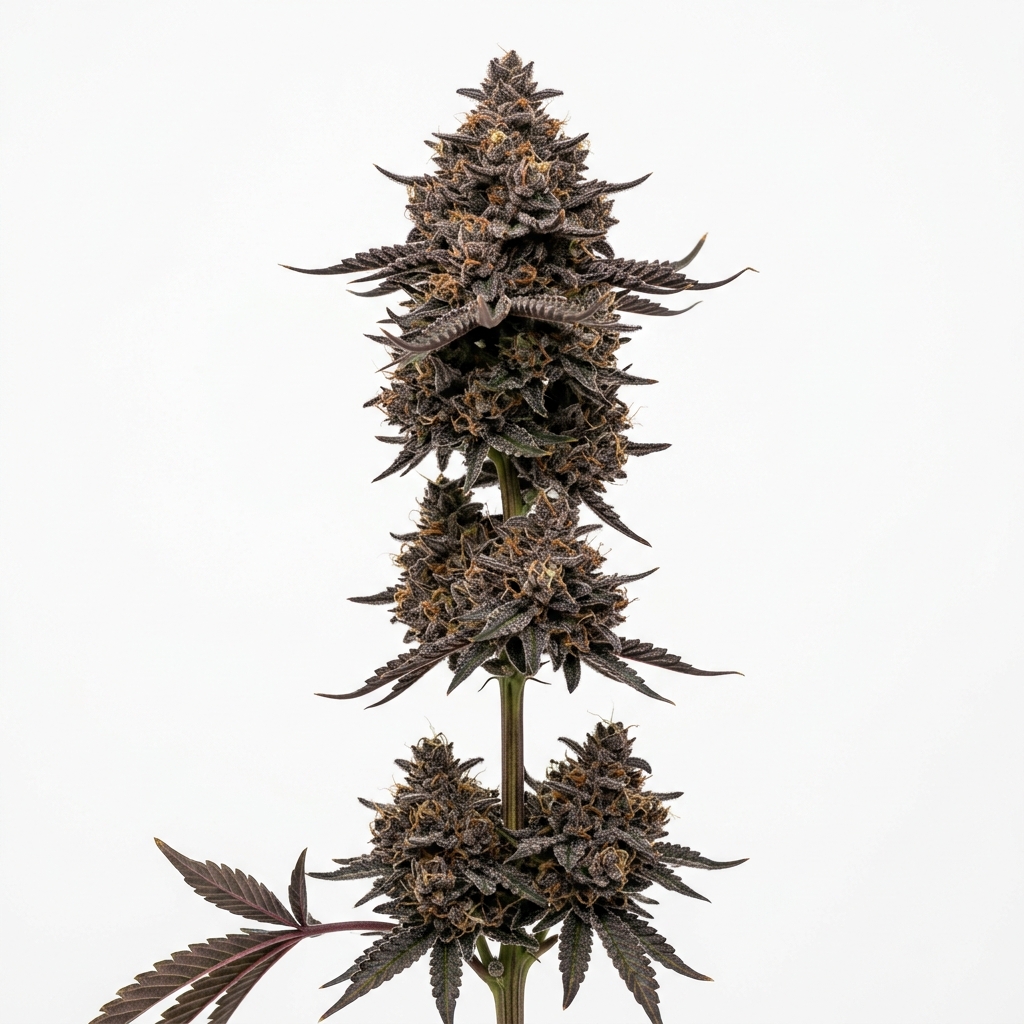
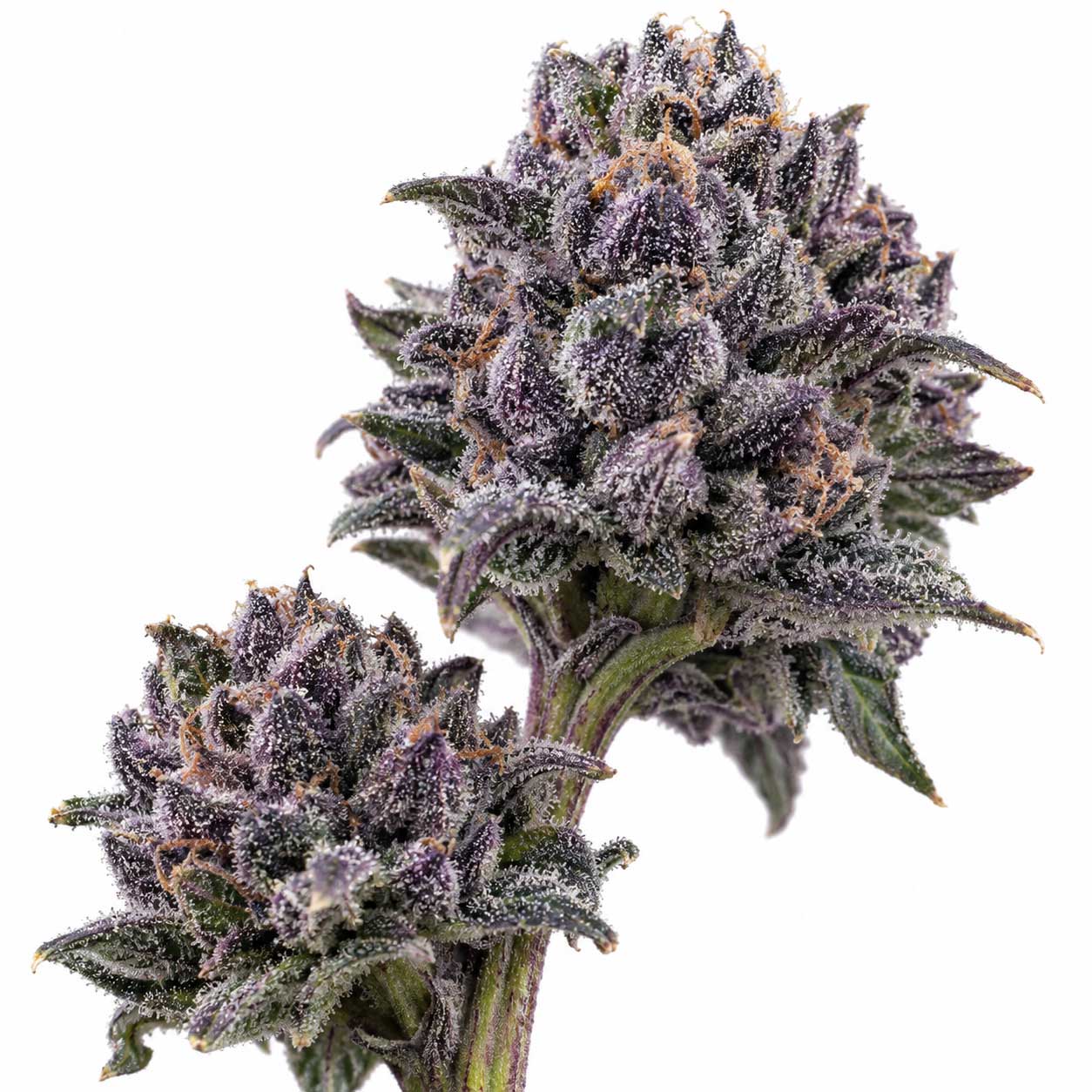
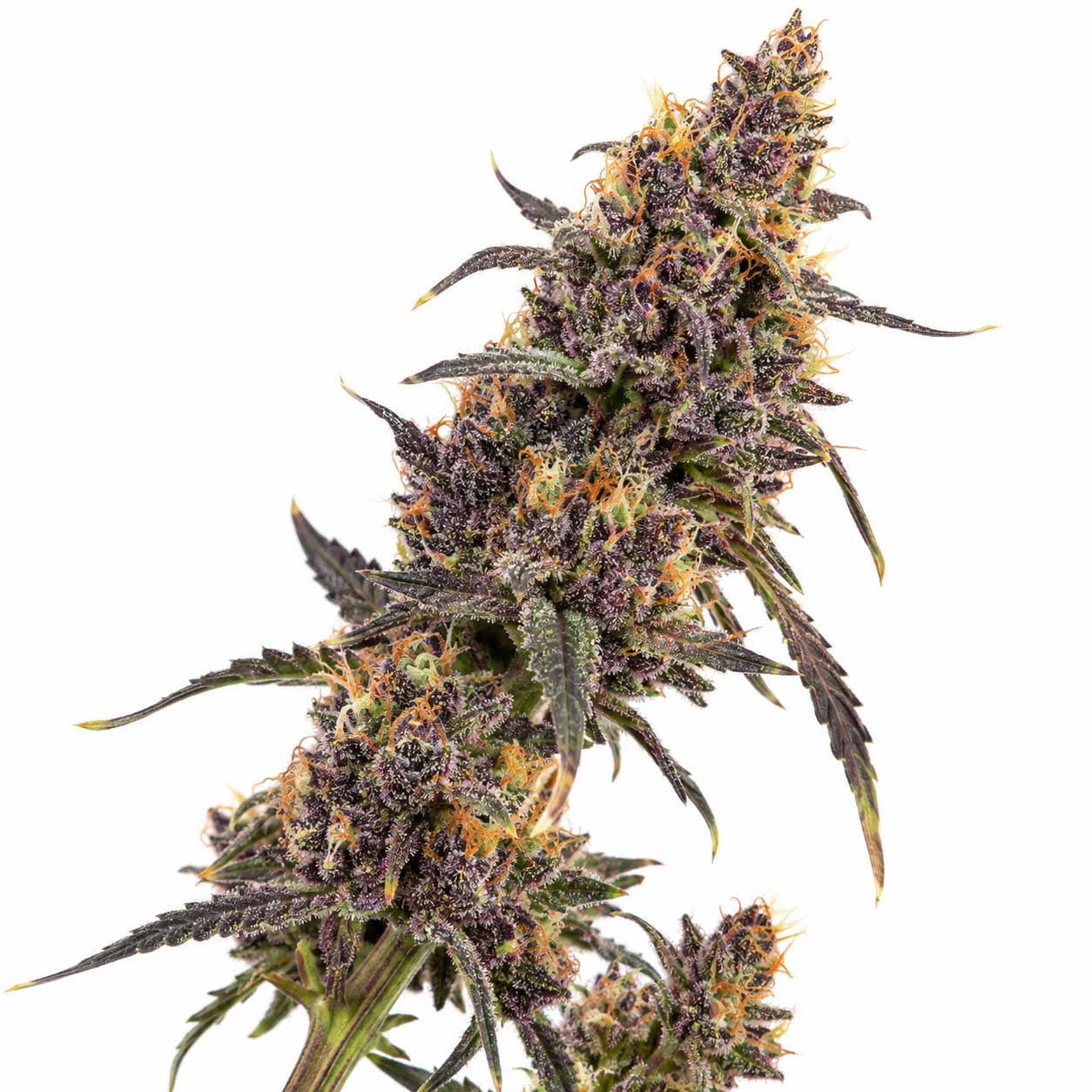
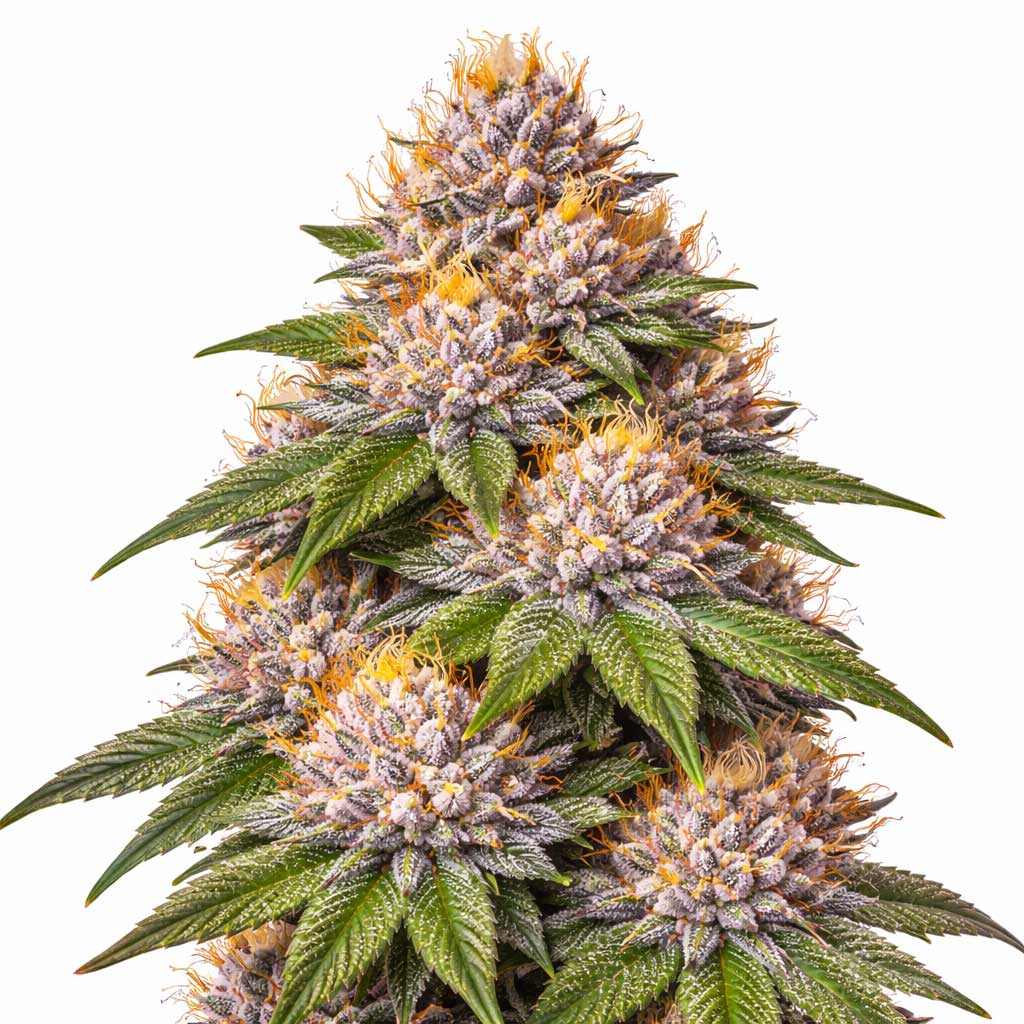
Yung Berry reflects a current breeding direction focused on maximizing THC saturation while preserving a delicate berry-forward terpene identity. The flowers are typically dense and mid-to-large in size, with light olive-green coloration, vibrant orange pistils, and a thick crystalline trichome layer that gives the buds a frosted, sugary appearance.
Botanically, its structure suggests a refined hybrid lineage, likely involving a high-potency OG- or Diesel-influenced line paired with a legacy berry phenotype to stabilize both potency and flavor. Even without a publicly confirmed pedigree, the cultivar presents as a distinctly modern hybrid with both commercial bag appeal and sensory precision.
Yung Berry stands out because it appears to modernize the classic berry category without fully inheriting the heavier sedation often associated with older Blueberry-style lines.
Effects & Use-Cases (Reported)
Commonly reported effects: an immediate upbeat mood boost, social ease, and a euphoric headspace that may support conversation, creativity, and general emotional lift without tipping too far into heavy sedation.
Use-case context: Yung Berry is often associated with social gatherings, concerts, group hangouts, and creative sessions where a brighter and more interactive experience is preferred. Many users also describe it as useful for reducing everyday stress while remaining physically comfortable and mentally engaged.
Note: These observations are anecdotal reports and should not be interpreted as medical claims.
Aroma & Flavors
Aroma: A fresh and light bouquet of tart wild berries and fresh-cut pine, with a subtle fuel-like undertone when the flower is broken apart.
Flavor: The inhale is often described as smooth, sweet-and-sour berry, while the exhale becomes crisp and clean with a lingering piney-citrus finish.
Terpene associations: Limonene, Caryophyllene, and Pinene.
Tested Cannabinoid & Terpene Ranges
| Compound | Typical Range* | Notes |
|---|---|---|
| Δ9-THC | 28.0%–31.9% | Very high potency range associated with premium 2026 batches |
| CBD | ~0.0% | Usually present only in trace amounts |
| Limonene | High | Associated with citrus lift and the strain’s upbeat, creative opening |
| Pinene | Moderate | Contributes fresh pine notes and a cleaner aromatic edge |
| Caryophyllene | Moderate | Adds subtle spice and a more grounded body component |
*Ranges are based on reported inventory and batch information associated with Doobies and Premiere Provisions in 2026 and may vary by lot and harvest.
Cultivation Notes
- Structure: Typically forms dense mid-to-large buds with strong trichome coverage and modern bag appeal
- Likely Lineage Behavior: Its hybrid structure suggests a balanced growth pattern rather than an overly tall or overly squat frame
- Market Orientation: Commonly positioned as a retail-ready flower and pre-roll cultivar due to potency and broad appeal
- Resin Profile: Thick frosting suggests strong emphasis on visual presentation and cured flower quality
- Commercial Interest: Especially popular in pre-roll and bulk flower menus in Midwest legal markets
Grower Notes (Week-by-Week Snapshot)
- Early Vegetative Stage: Balanced hybrid vigor is expected, with steady branching and healthy canopy development.
- Mid Vegetative to Pre-Flower: Plants likely respond well to standard canopy shaping to maintain even flower sites.
- Mid Flower: Berry and pine aromatics become more pronounced as trichome production increases.
- Late Flower: Buds swell with a frosted sugary finish and stronger sour-fruit complexity.
- Post-Harvest: Careful curing is important to preserve the lighter berry-pine profile that differentiates it from heavier legacy berry strains.
Genetic Lineage
The exact genetic lineage of Yung Berry is often treated as a proprietary breeder secret. Even so, the cultivar is widely recognized as a modern evolution of classic berry-forward cannabis, likely combining a high-potency OG- or Diesel-leaning line with older-school berry genetics inspired by the legacy established through DJ Short-style breeding.
This likely background helps explain the cultivar’s unusual combination of strong THC performance, fresh sour-berry aroma, and a more social, cerebral effect pattern than many older berry-heavy indica expressions.
Research Insights
Yung Berry is notable because it reflects a broader market trend toward revitalizing classic flavor families with modern potency expectations. Rather than simply reproducing traditional Blueberry-like sedation, it appears to reposition berry genetics within a more functional, social, and commercially competitive hybrid framework.
From a product standpoint, the cultivar also shows how modern branding and retail positioning can elevate a strain into staple menu status when it combines high lab numbers, approachable flavor, and balanced effects that appeal to a wide range of consumers.
Frequently Asked Questions
Is Yung Berry the same as Blueberry?
No. While both share berry-forward character, Yung Berry is generally positioned as a more modern and much higher-potency hybrid with a brighter, more social effect profile than classic Blueberry.
Why is it called Yung Berry?
The name likely reflects modern cannabis branding, signaling a newer, higher-THC reinterpretation of traditional berry-flavored genetics.
Is Yung Berry good for sleep?
Generally, it is more often associated with social energy, mood elevation, and creative use than with strong nighttime sedation.
What makes Yung Berry stand out?
Its standout traits include high THC levels, a fresh sour berry and pine aroma, balanced social effects, and a frosty flower presentation that fits current craft-market preferences.
Educational Disclaimer
This page is provided for scientific and horticultural reference only. Cannabis laws vary by jurisdiction; always ensure compliance with local regulations.
Rate and review this strain
Ratings and reviews are accepted only from signed-in Google accounts.
Sign in with Google to leave a rating and written review.
Latest Reviews
0 reviewsNo reviews yet. Be the first Google user to rate and review this strain.
Follow New Cultivar Records
Get newly documented genetics, breeder history, research highlights, and important Strainpedia discoveries by email.