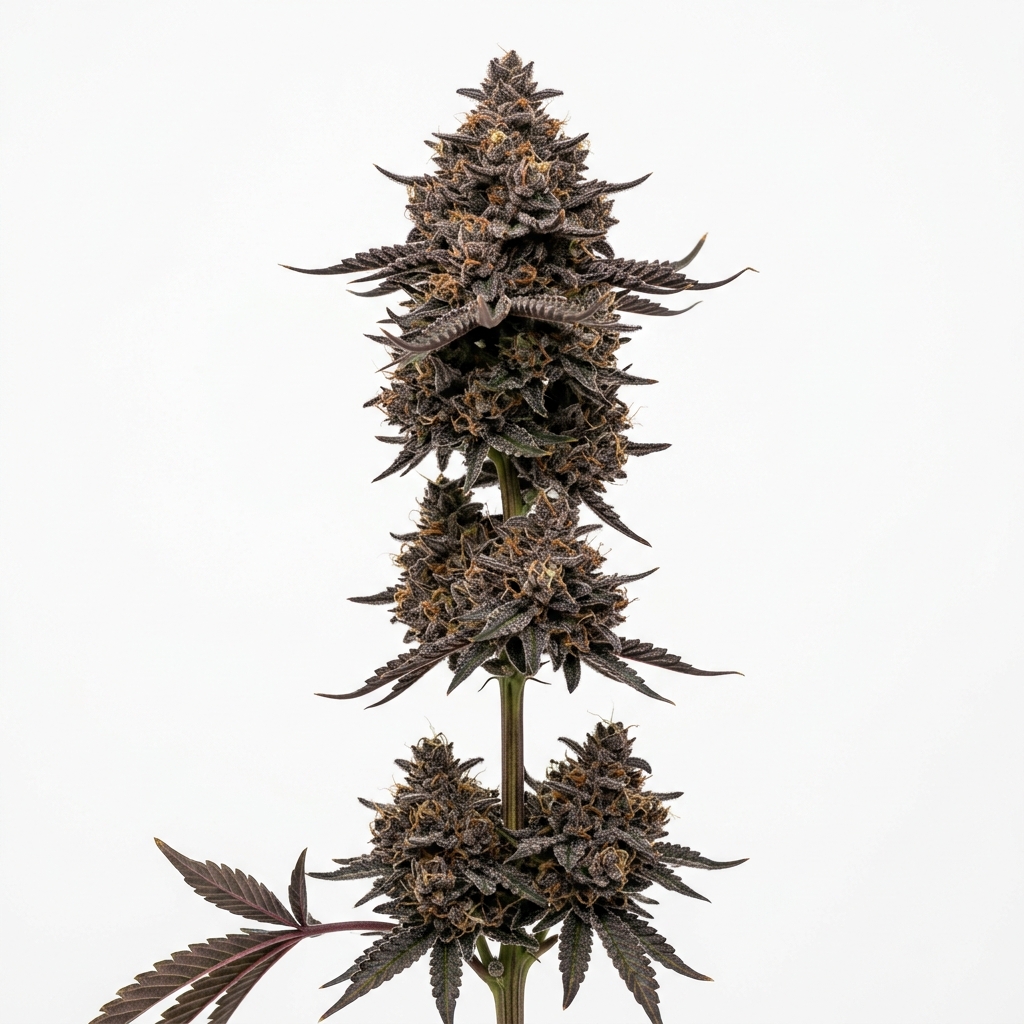
Black Caviar (Cannabis Strain)
Black Caviar is an indica-dominant hybrid cultivar delivering uninfused flower THC levels typically tested between 20% and 26%, bred from a pairing of Black Fire and Caviar. The original breeder is not consistently documented in reliable public records, though the cut emerged from boutique selections focused on intense pigmentation and greasy resin heads. It produces dense, resin-rich flowers characterized by a terpene profile of tart dark berries, pungent fuel, and a rich, savory earth base.
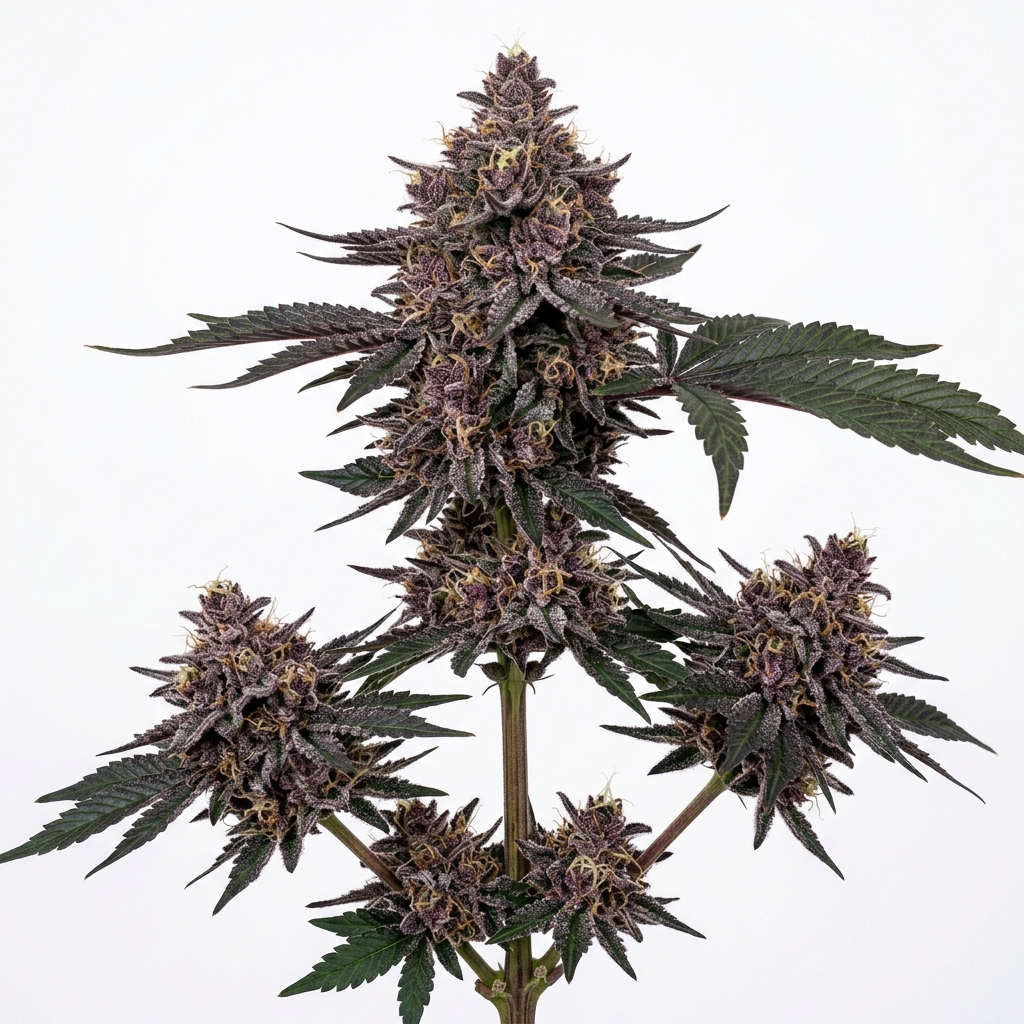
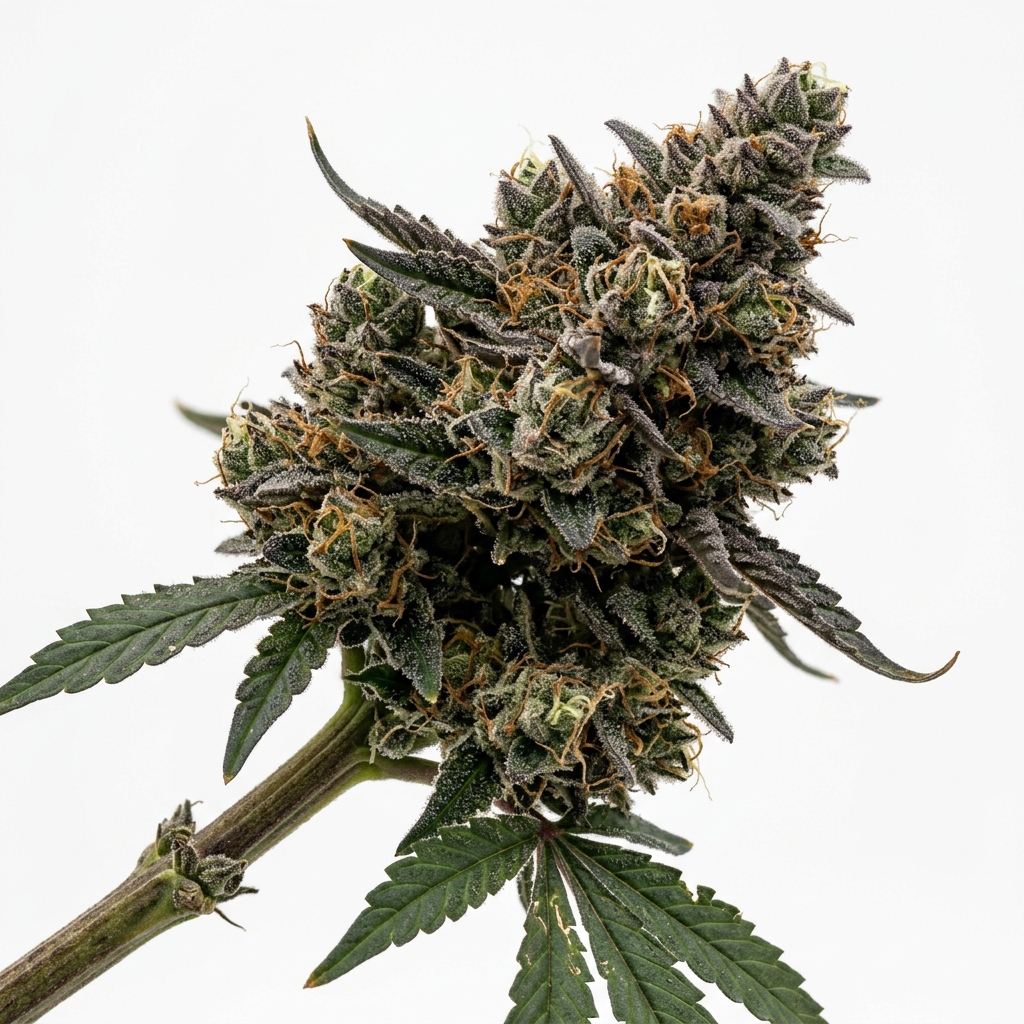
Plants inherit a stout structural frame and broad fan leaves from their parentage, frequently expressing deep purple to charcoal hues across bracts late in bloom under cooler nighttime temperatures. Cultivators prize the cut for its controlled stretch and manageable internodal spacing, while consumers commonly report a steady, grounding physical relaxation accompanied by calm mental clarity.
Quick Facts
| Field | Detail |
|---|---|
| Breeder | Not consistently documented |
| Genetics | Black Fire × Caviar |
| Variety | Indica-dominant hybrid |
| THC Range | 20% – 26% |
| Flowering Time | 8 – 9 weeks (56 – 63 days) |
| Yield Potential | Moderate to high |
| Plant Height | Medium |
| Climate Preference | Temperate to warm, low late humidity |
| Difficulty | Moderate |
Scientific & Botanical Overview
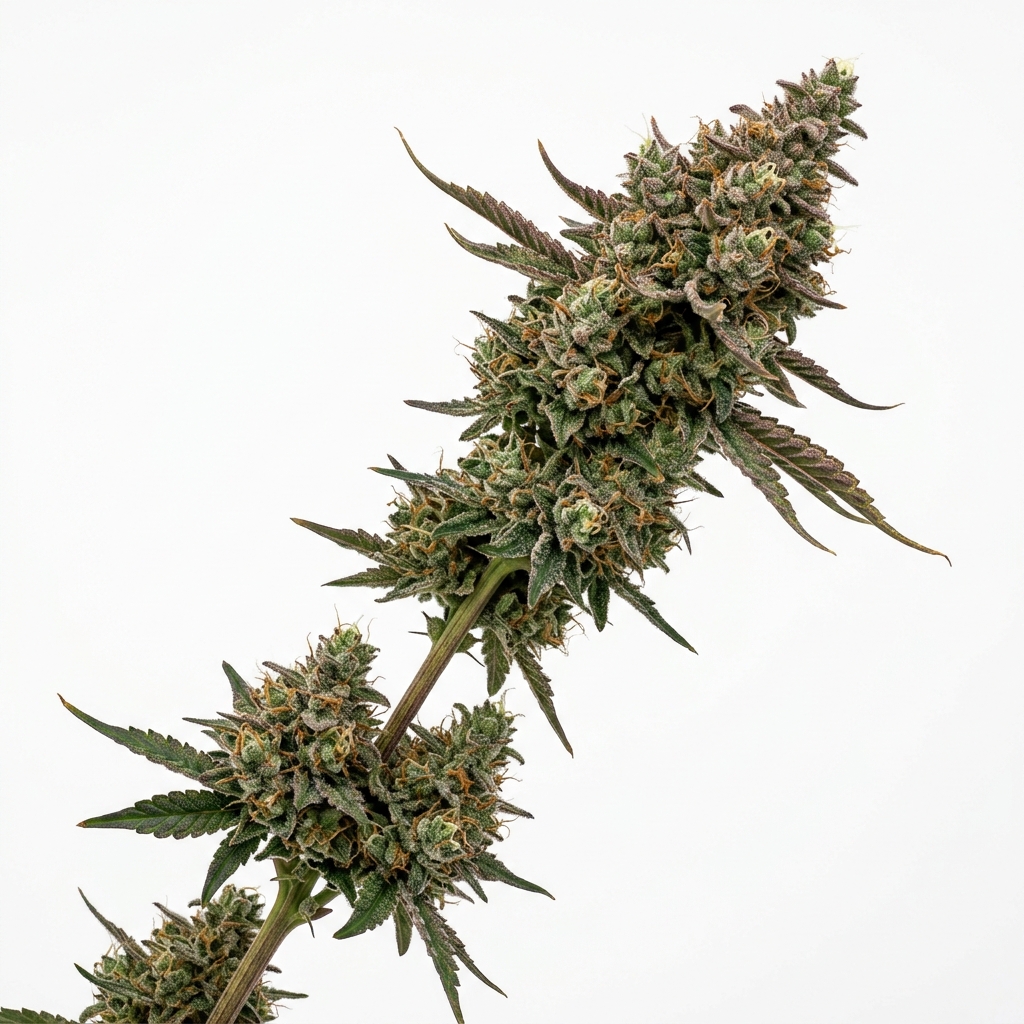
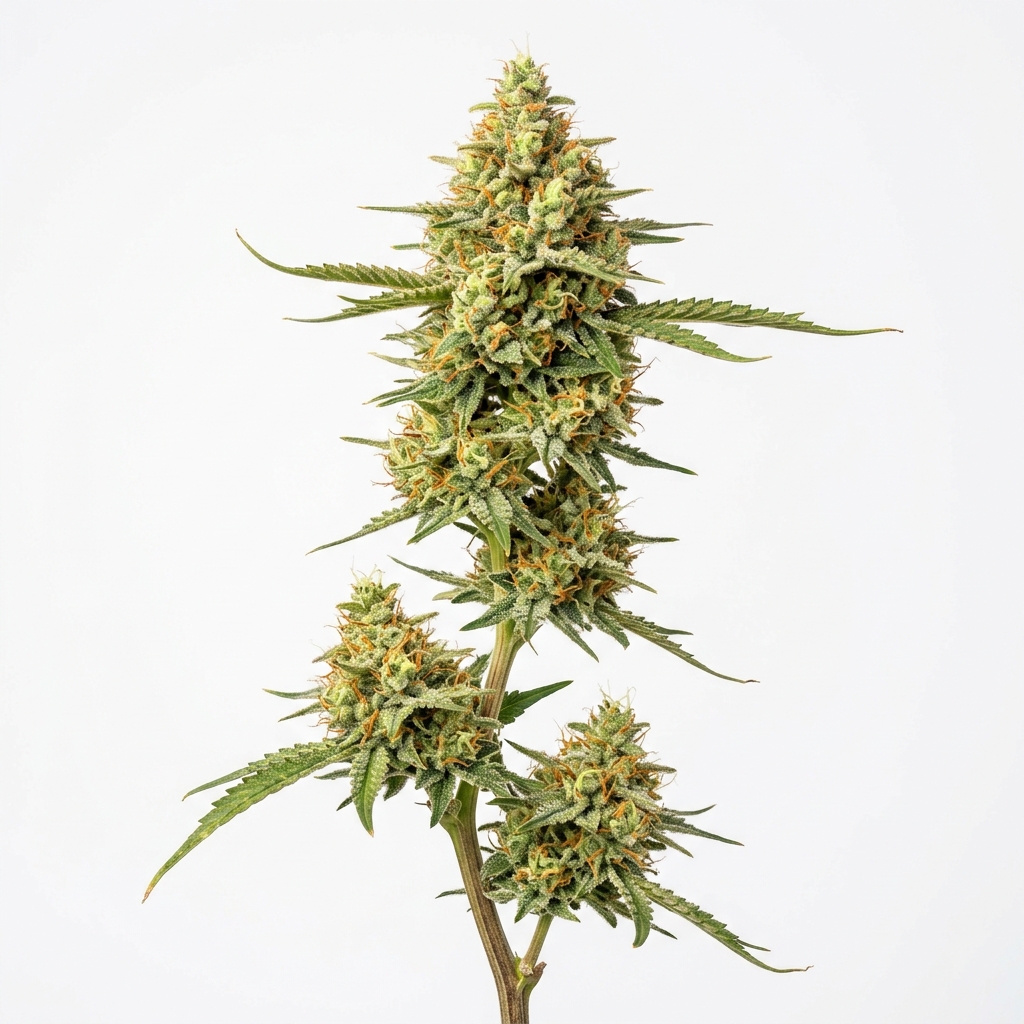
Black Caviar develops as a compact, sturdy bush with dense lateral branching and thick secondary stems. Foliage shows classic broad-leaflet morphology, turning from dark olive to deep plum as anthocyanin accumulation peaks during maturation. The cultivar maintains relatively short internodal gaps that form consolidated, spear-shaped flower clusters along primary terminals.
The inflorescence features tightly clustered, swollen calyxes coated in capitate-stalked glandular trichomes. Bracts exhibit heavy resin coverage that feels tacky and oily rather than brittle when handled. A moderate calyx-to-leaf ratio makes post-harvest processing straightforward, provided that flowers are dried with sufficient indirect airflow to preserve head integrity.
Chemotype profiles for Black Caviar are dominated by delta-9-tetrahydrocannabinol alongside secondary concentrations of cannabigerol. The primary volatile profile leans heavily on beta-caryophyllene, myrcene, and limonene, with supporting concentrations of linalool and humulene providing floral and earthy undertones.
Effects & Use-Cases (Reported)
Commonly reported effects: Consumers typically describe a calm, heavy body sensation that settles in slowly without immediate sedation. The mental effect is commonly characterized as tranquil and unhurried, easing racing thoughts while maintaining coherent awareness. As the duration progresses, physical heaviness generally intensifies, often leading to deep relaxation.
Use-case context: Given its weighted physical profile, Black Caviar is primarily selected for evening hours, quiet post-work routines, or relaxed low-activity weekends. Many users reach for this cultivar when winding down before sleep or during leisurely solitary activities like listening to music or reading.
Note: Individual experiences vary substantially depending on dosage, personal tolerance, and specific phenotype chemistry.
Aroma & Flavors
Aroma: Cured flowers release a pungent mix of tart blackberries, sharp fuel, and damp potting soil. Grinding the buds exposes sharper layers of cracked black pepper, pine resin, and an underlying funk reminiscent of aged hashish.
Flavor: The smoke delivers an earthy kush base balanced by dark fruit skins and sour diesel on the inhale. The exhale leaves a lasting coating of savory spice, subtle woodiness, and a light citrus bite on the palate.
Terpene associations: The complex bouquet is governed by beta-caryophyllene delivering pepper and spice, myrcene contributing ripe fruit and herbal dampness, and limonene supplying a faint citrus brightness to cut through the heavy musk.
Tested Cannabinoid & Terpene Ranges
| Compound | Typical Flower Range |
|---|---|
| Δ9-THC | 20.0% – 26.0% |
| CBD | < 0.2% |
| CBG | 0.5% – 1.2% |
| β-Caryophyllene | 0.40% – 0.90% |
| β-Myrcene | 0.30% – 0.80% |
| Limonene | 0.20% – 0.50% |
| Linalool | 0.10% – 0.30% |
| Humulene | 0.10% – 0.25% |
Range note: Cannabinoid and terpene percentages reflect lab-tested ranges from uninfused dried flower. Results vary according to lighting intensity, nutrient regimens, phenotype selection, and curing protocols.
Cultivation Notes
- Humidity management: Keep relative humidity between 55% and 60% during early bloom, reducing to 40% to 45% during the final three weeks to prevent moisture entrapment inside dense upper colas.
- Nutrient requirements: Black Caviar handles moderate to heavy feeding during peak flower, with consistent calcium and magnesium demands under high-intensity indoor lighting.
- Canopy training: Topping once or twice during vegetative growth alongside gentle low-stress training helps broaden the canopy and expose lower flowering sites to direct light.
- Defoliation: Strip broad fan leaves around day 21 and day 42 of flowering to improve internal air movement and reduce microclimate humidity around compact bud sites.
- Harvest window: Optimal trichome maturity is typically reached between days 56 and 63, signaled by cloudy resin heads with roughly 10% to 20% amber conversion.
Grower Notes (Week-by-Week Snapshot)
- Weeks 1–3 (Vegetative Transition & Early Stretch): Plants exhibit a manageable vertical stretch of approximately 1.5×. Lateral branches fill out rapidly, making this the ideal window to set a trellis net and establish an even canopy plane.
- Weeks 4–6 (Mid-Flower & Resin Development): Calyxes swell and trichome production accelerates rapidly across sugar leaves. Maintain steady phosphorus and potassium inputs while monitoring canopy airflow.
- Weeks 7–9 (Late Bloom & Senescence): Foliage often shifts toward deep purple and near-black tones, especially if night temperatures drop into the 64°F–68°F (18°C–20°C) range. Taper nitrogen feed and monitor trichome heads daily for harvest timing.
Genetic Lineage
Black Caviar brings together the genetics of Black Fire and Caviar. Black Fire—itself a cross involving Green Crack and Fire OG lines—contributes tight node density, strong resin head count, and deep fuel notes. Caviar contributes classic broadleaf stature, rich earthy undertones, and pronounced cold-temperature coloration.
The resulting offspring consistently display compact hybrid vigor, manageable canopy heights, and a pronounced dark berry and gas aromatic profile. The hybrid leans distinctly toward its indica heritage in growth habit, resin density, and finished flower structure.
Research Insights
Academic research into cannabis secondary metabolites indicates that combinations of beta-caryophyllene and myrcene interact with cannabinoid receptors and ion channels, potentially modulating perceived physical heaviness and sensory depth. Caryophyllene is unique among dietary terpenes for functioning as a selective full agonist of CB2 receptors in mammalian models.
While general scientific literature documents the pharmacology of these individual terpenes and cannabinoids, specific controlled human trials on the Black Caviar cultivar have not been published. Reported experiential effects remain informed by consumer consensus, testing records, and observational horticultural data.
Frequently Asked Questions
Who is the original breeder of Black Caviar?
The original breeder of Black Caviar is not consistently documented in verified public records, with the cut having circulated primarily through boutique and legacy clone networks.
Is Black Caviar an indica or sativa?
Black Caviar is an indica-dominant hybrid cultivar, evident in its stout growth structure, broad foliage, dense floral clusters, and physically relaxing profile.
What does Black Caviar smell and taste like?
It carries a distinct aroma and flavor profile of tart dark berries, pungent fuel, rich earth, and cracked black pepper, supported by subtle floral woodiness on the exhale.
What is the flowering time of Black Caviar?
Under standard indoor photoperiod conditions (12/12), Black Caviar typically completes flowering in 8 to 9 weeks (56 to 63 days).
Educational Disclaimer
This content is for educational and informational purposes only. Cannabis laws and regulations vary by jurisdiction. Always consult with a qualified professional before beginning any cultivation project or consuming cannabis products.
Rate and review this strain
Ratings and reviews are accepted only from signed-in Google accounts.
Sign in with Google to leave a rating and written review.
Latest Reviews
0 reviewsNo reviews yet. Be the first Google user to rate and review this strain.
Follow New Cultivar Records
Get newly documented genetics, breeder history, research highlights, and important Strainpedia discoveries by email.