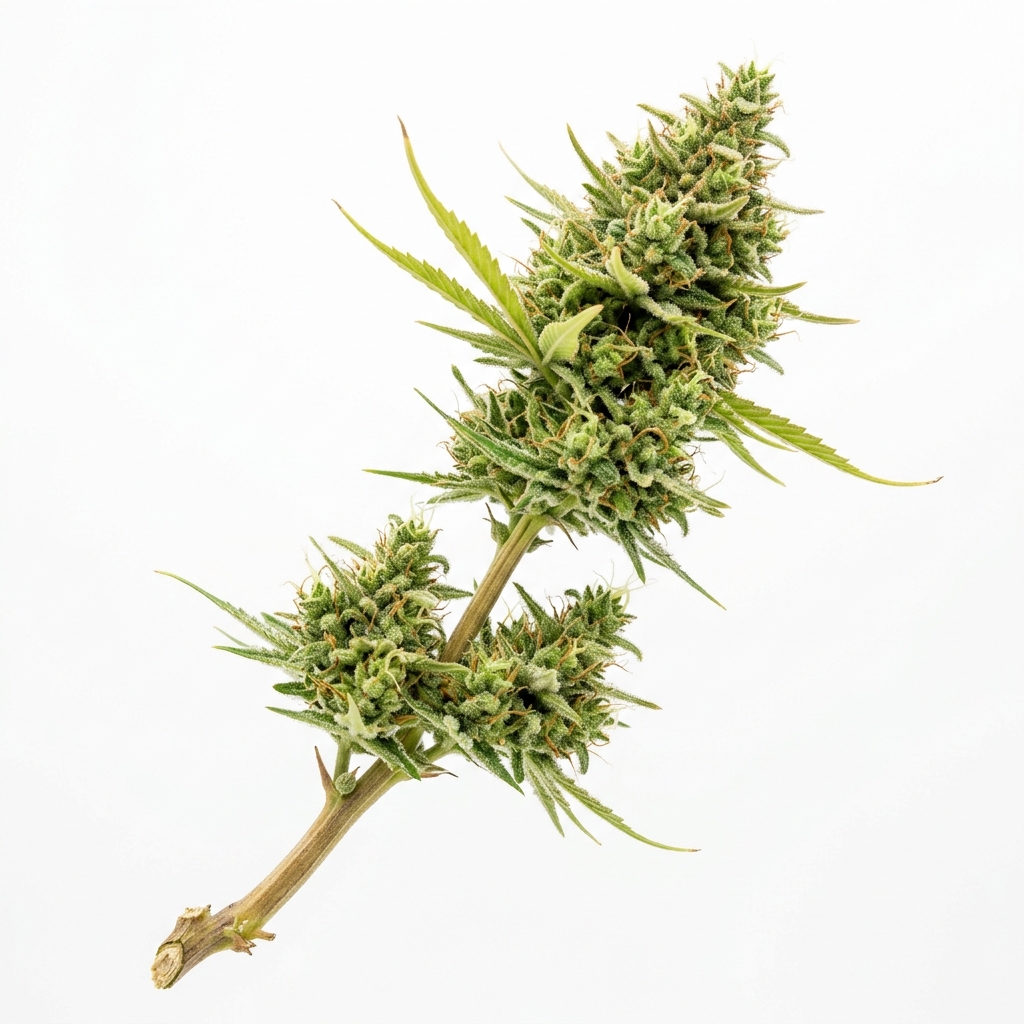
Aj’s Sour Diesel (Cannabis Strain)
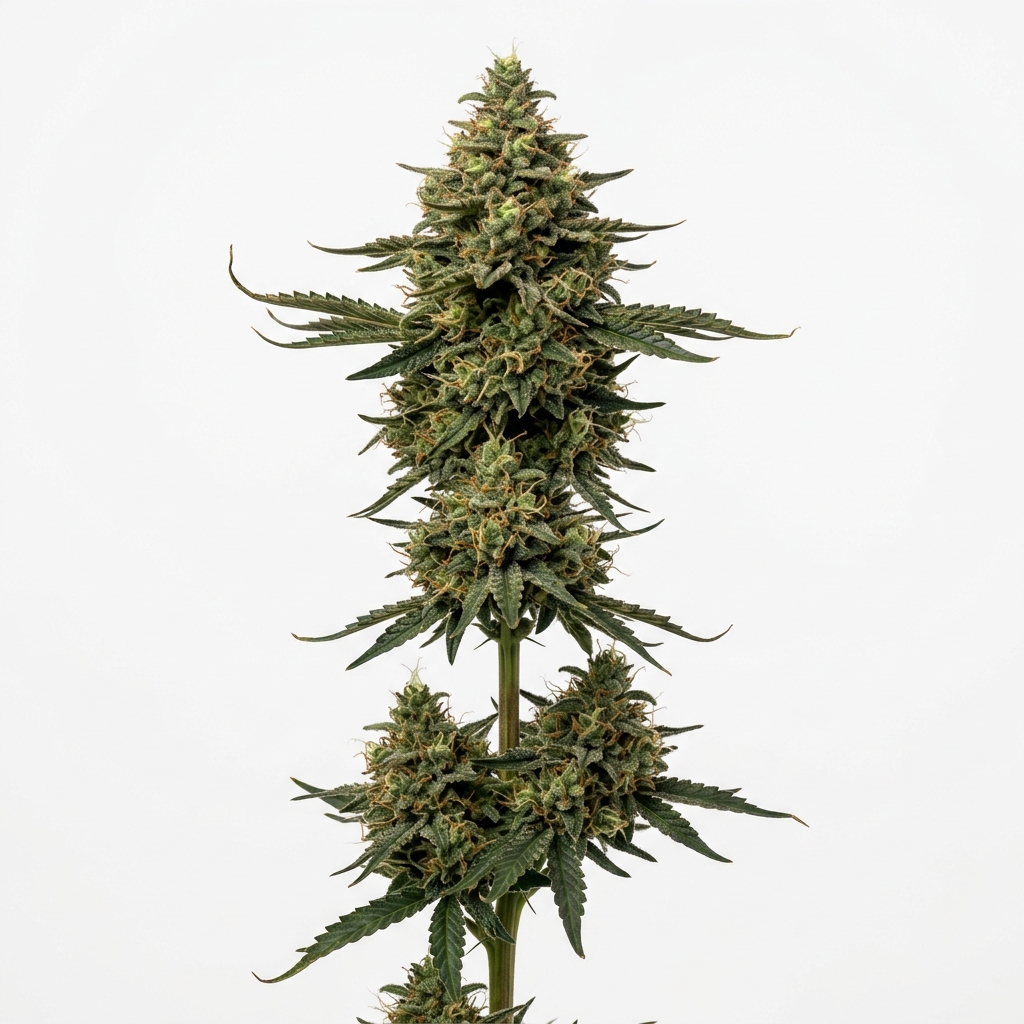
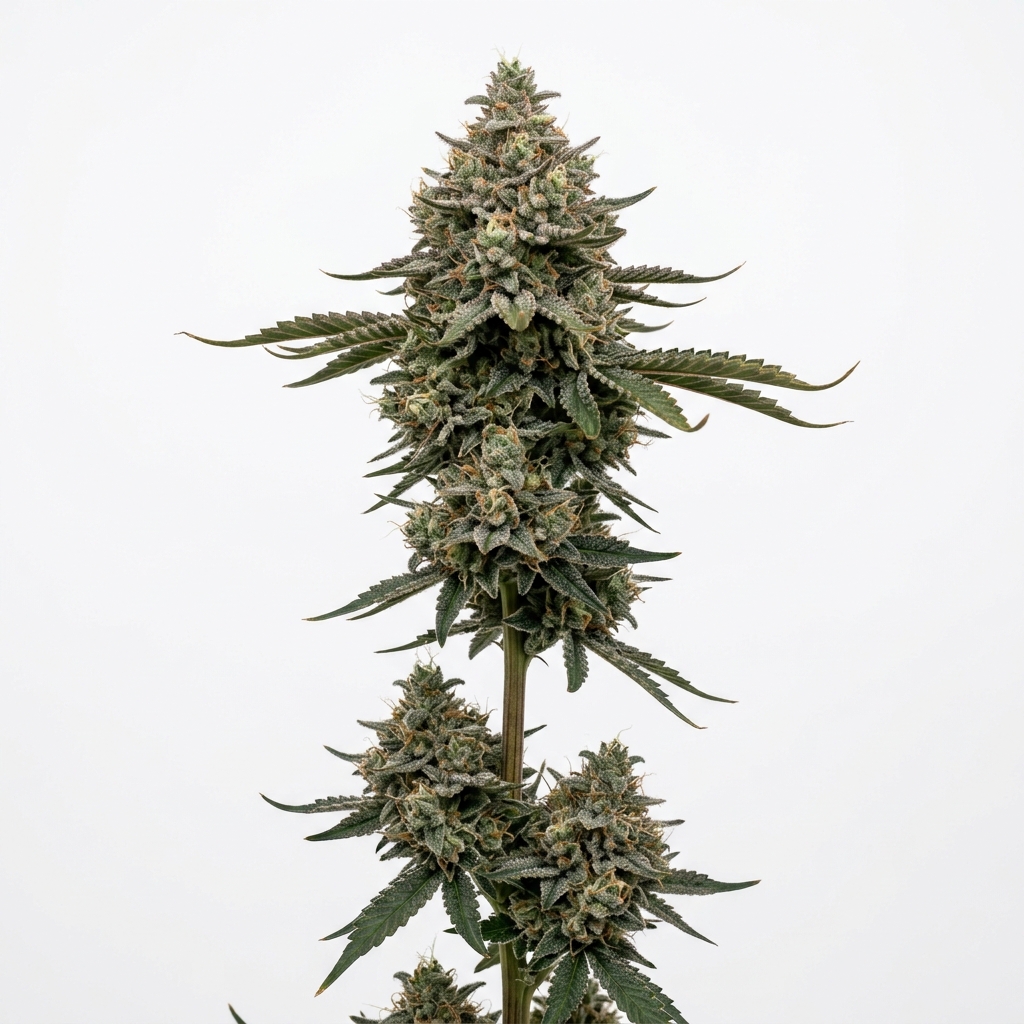
Aj’s Sour Diesel is a legendary sativa-dominant hybrid testing between 20% and 26% THC, widely recognized as the definitive clone-only expression of classic East Coast Sour Diesel. Selected and preserved by New York cultivator AJ during the early 1990s, the cut traces its roots to Chem 91 crossed with an early Super Skunk or Northern Lights pollinator. The cultivar is famous for its unmistakable aroma of acrid chemical kerosene, sour lime, and skunky musk, paired with elongated spear-shaped colas covered in greasy, wet-looking trichomes. In the grow room, it shows vigorous vegetative stretch and open calyx stacking, cementing its status as an enduring benchmark for classic fuel-forward genetics.
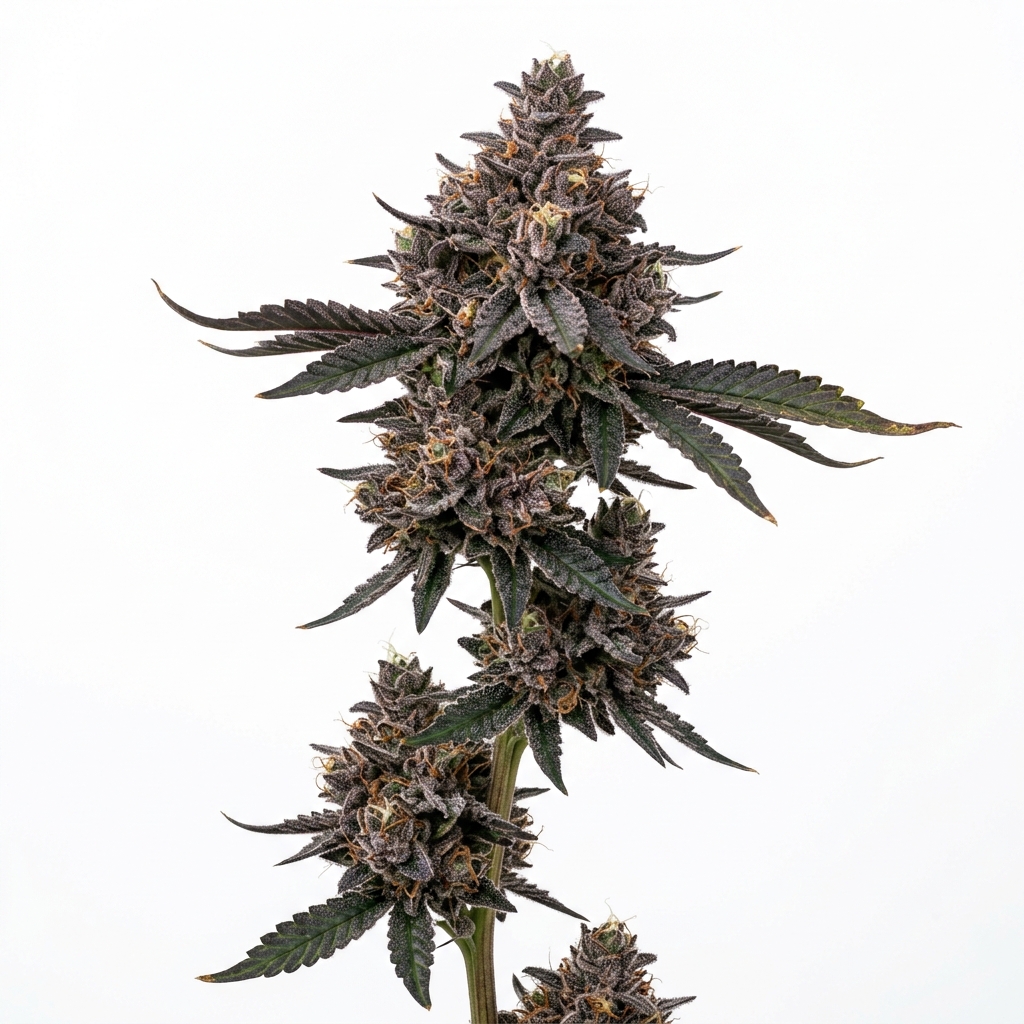
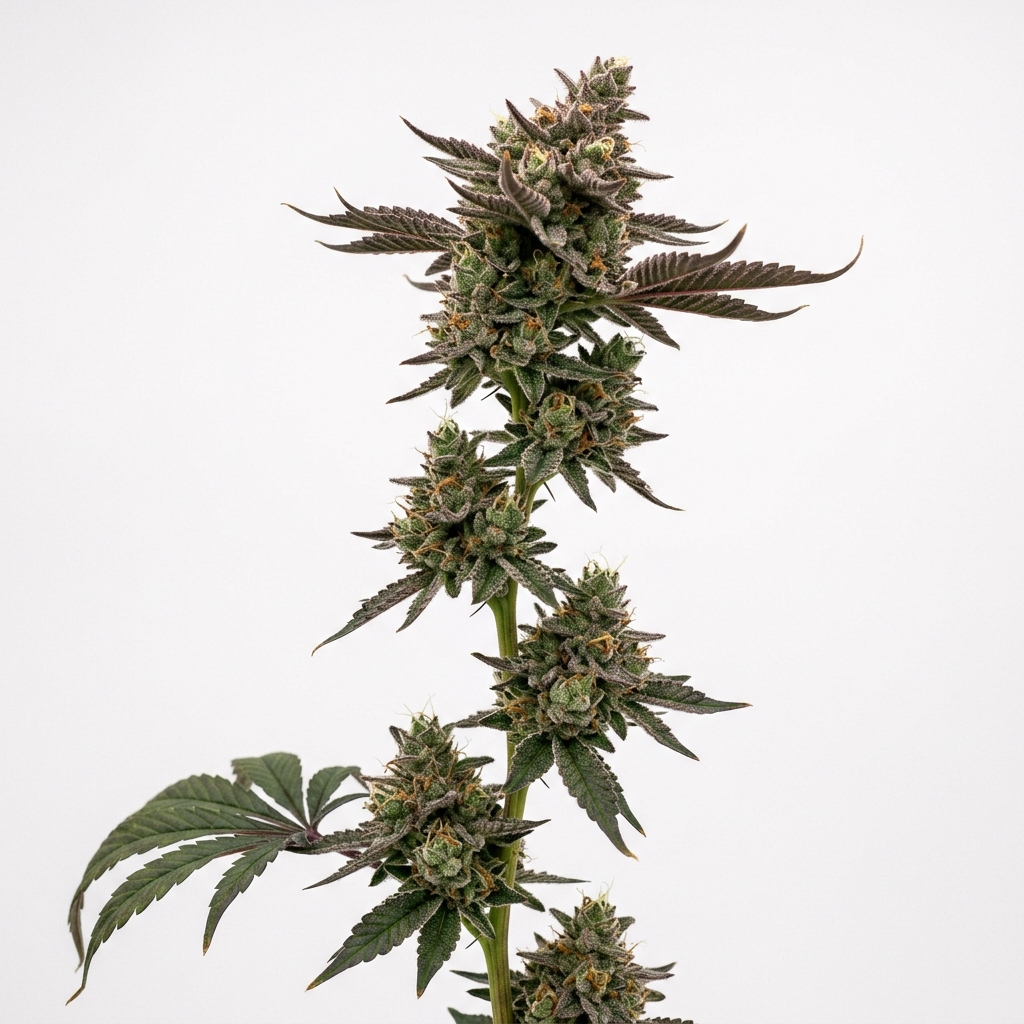
The morphology leans heavily toward its equatorial sativa heritage, producing thin fan leaves, substantial internodal spacing, and a late-blooming flowering cycle. When cured properly, the buds remain airy yet resin-dense with a high calyx-to-leaf ratio that makes trimming straightforward. Consumption is typically associated with a sharp, cerebral rush accompanied by clear sensory focus, followed by a mild, tension-easing body finish that avoids early lethargy.
Quick Facts
| Field | Details |
|---|---|
| Breeder | AJ (Asshole Joe) / NYC Legacy Preservation |
| Genetics | Chem 91 × Super Skunk (commonly reported) |
| Variety | Sativa-dominant hybrid (approx. 85/15) |
| THC Range | 20% – 26% |
| Flowering Time | 10 – 11 weeks (70 – 77 days) |
| Yield Potential | Moderate to High |
| Plant Height | Tall (significant stretch) |
| Climate Preference | Warm, dry, temperate environments |
| Difficulty | Moderate to Experienced |
Scientific & Botanical Overview
Aj’s Sour Diesel shows a classic narrow-leaf structural morphology marked by rapid vertical extension and flexible, slender lateral stems. Flowers develop as elongated, tapered spear colas composed of loosely grouped, swollen bracts rather than dense golf-ball clusters. This open bud architecture provides natural protection against fungal pathogens during the early phases of bloom, though high humidity in late flowering can still present risks as colas fill out.
The cut produces a wet, greasy glandular trichome coverage rich in monoterpenes and volatile sulfur compounds that give the cultivar its sharp chemical profile. Resin heads are moderately sized and clear to cloudy through most of the bloom cycle, ambering late compared to modern compact hybrids. The high calyx-to-leaf ratio results in light foliage along the main branch stems, directing light penetration into mid-canopy flowering sites.
From a nutritional standpoint, the plant shows strong vegetative vigor and a steady appetite for nitrogen and calcium through early stretch. In flower, it responds well to moderate, consistent feeding schedules but is prone to tip burn if pushed with aggressive PK boosters. Maintaining root oxygenation and balanced soil moisture keeps the lanky stems firm enough to support terminal weight.
Effects & Use-Cases (Reported)
Commonly reported effects: The onset is immediate, delivering an alert, cerebral lift characterized by heightened sensory awareness and energetic momentum. Physical sensations remain light and clear, allowing the body to feel loose without causing sluggishness or heavy couch lock.
Use-case context: Enthusiasts frequently favor this cut for morning or daytime routines, creative problem-solving, outdoor activities, and social gatherings. The motivating head space makes it a common choice when focus and sustained activity are desired over deep sedation.
Note: Individual experiences vary based on dosage, tolerance, and environment. High-THC cultivars may induce transient overstimulation in sensitive consumers.
Aroma & Flavors
Aroma: Pungent unrefined diesel fuel, sharp sour citrus, damp earth, and an acrid skunk undertone that lingers heavily in the surrounding air. Breaking apart the cured bracts releases a deeper kerosene and industrial solvent finish.
Flavor: Tart lemon-lime and tart gas dominate the inhale, transitioning to a dry, earthy diesel and peppery musk on the exhale that coats the palate.
Terpene associations: The sensory profile is driven primarily by β-caryophyllene, myrcene, and limonene, with supporting concentrations of humulene and linalool providing herbal and floral grounding.
Tested Cannabinoid & Terpene Ranges
| Compound | Type | Reported Range |
|---|---|---|
| Δ9-THC | Cannabinoid | 20.0% – 26.0% |
| CBD | Cannabinoid | < 1.0% |
| CBG | Cannabinoid | 0.5% – 1.5% |
| β-Caryophyllene | Terpene | 0.4% – 1.0% |
| Myrcene | Terpene | 0.3% – 0.8% |
| Limonene | Terpene | 0.2% – 0.6% |
| Humulene | Terpene | 0.1% – 0.4% |
Range note: Cannabinoid and terpene expressions vary depending on environmental factors, lighting intensity, nutrient regimens, and curing practices. Figures reflect lab-tested ranges reported for cured dried flower samples.
Cultivation Notes
- Humidity management: Maintain 60% – 65% relative humidity in early vegetative growth, tapering down to 40% – 45% during the final three weeks of bloom to protect extended colas from internal moisture accumulation.
- Nutrient requirements: Plants appreciate steady calcium and magnesium throughout stretch; keep nitrogen balanced and avoid heavy phosphorous-potassium loading in late flower to preserve terpene clarity.
- Canopy training: Trellising or SCROG is highly recommended to manage the 2x to 3x flowering stretch and support thin branches holding heavy terminal spears.
- Defoliation: Focus on light lower-canopy pruning in weeks 2 and 4 of flower to improve airflow and eliminate unproductive interior shoots without over-stripping main sun leaves.
- Harvest window: Allow the cultivar a full 70 to 77 days of bloom; harvesting too early cuts short the late bract swelling and dampens the distinctive fuel sharpness.
Grower Notes (Week-by-Week Snapshot)
- Weeks 1–3: Fast vegetative expansion gives way to aggressive vertical stretch. Install secondary support netting early and keep lighting intensity balanced to avoid unnecessary node spacing.
- Weeks 4–6: Vertical growth halts as calyx clusters initiate along the main stems. The characteristic sour fuel scent begins to develop noticeably in the room.
- Weeks 7–9: Bracts begin to stack and elongate into classic spear formations. Maintain strong air movement across the canopy as trichome coverage thickens into a greasy sheen.
- Weeks 10–11: Final floral swelling occurs alongside rapid terpene maturation. Trichomes transition from cloudy to scattered amber; reduce humidity and prepare for a slow, cool dry.
Genetic Lineage
Aj’s Sour Diesel emerged during the vibrant underground breeding era of the 1990s on the American East Coast. Preserved by the grower known as AJ, the cut was selected from a line tied directly to the original Chemdawg stock—specifically Chem 91—and crossed with Skunk or Northern Lights lineage. This union enhanced the raw chemical pungency of Chemdawg with the heightened vigor, sour citrus bite, and elongated bud structure of Skunk genetics.
Unlike modern dessert-oriented hybrids that prioritize compact density and heavy anthocyanin expression, Aj’s Sour Diesel remains true to vintage clone-only traits: bright lime-green calyxes, intense volatile aromatic output, and a pronounced cerebral lift. It has served as a cornerstone genetic parent for dozens of contemporary diesel crosses and breeding programs across North America and Europe.
Research Insights
General cannabis research indicates that the synergy between high concentrations of Δ9-THC and dominant monoterpenes like limonene and myrcene can influence how subjective effects are perceived, often aligning with alertness and uplifting mental states. The presence of β-caryophyllene, which acts as a dietary cannabinoid binding directly to peripheral CB2 receptors, may contribute to physical comfort and perceived anti-inflammatory relief without dulling mental engagement.
While broad scientific literature explores the behavior of these individual chemical constituents, specific clinical evaluations of Aj’s Sour Diesel as an isolated botanical preparation remain limited. Variations in cultivation parameters, cure time, and harvest timing can significantly alter the balance of volatile sulfur compounds and minor cannabinoids, meaning individual batch profiles must be verified through accredited laboratory testing.
Frequently Asked Questions
Who is the original breeder of Aj’s Sour Diesel?
The cut was selected and preserved by the New York legacy grower known as AJ (Asshole Joe) during the early-to-mid 1990s, originating from the classic East Coast Chem and Skunk lines.
Is Aj’s Sour Diesel an indica or sativa?
It is an 85/15 sativa-dominant hybrid, displaying tall, stretchy vegetative traits, narrow leaf blades, and an uplifting, head-focused effect profile.
What does Aj’s Sour Diesel smell and taste like?
The profile is dominated by sharp kerosene, raw diesel fuel, sour lime, and skunk, leaving a lingering tart gas and earthy spice flavor on the exhale.
How long does Aj’s Sour Diesel take to flower?
The cut requires an extended flowering window of 10 to 11 weeks (70 to 77 days) for the calyxes to fully swell and develop peak terpene richness.
Educational Disclaimer
This content is for educational and informational purposes only. Cannabis laws and regulations vary by jurisdiction. Always consult with a qualified professional before beginning any cultivation project or consuming cannabis products.
Rate and review this strain
Ratings and reviews are accepted only from signed-in Google accounts.
Sign in with Google to leave a rating and written review.
Latest Reviews
0 reviewsNo reviews yet. Be the first Google user to rate and review this strain.
Follow New Cultivar Records
Get newly documented genetics, breeder history, research highlights, and important Strainpedia discoveries by email.