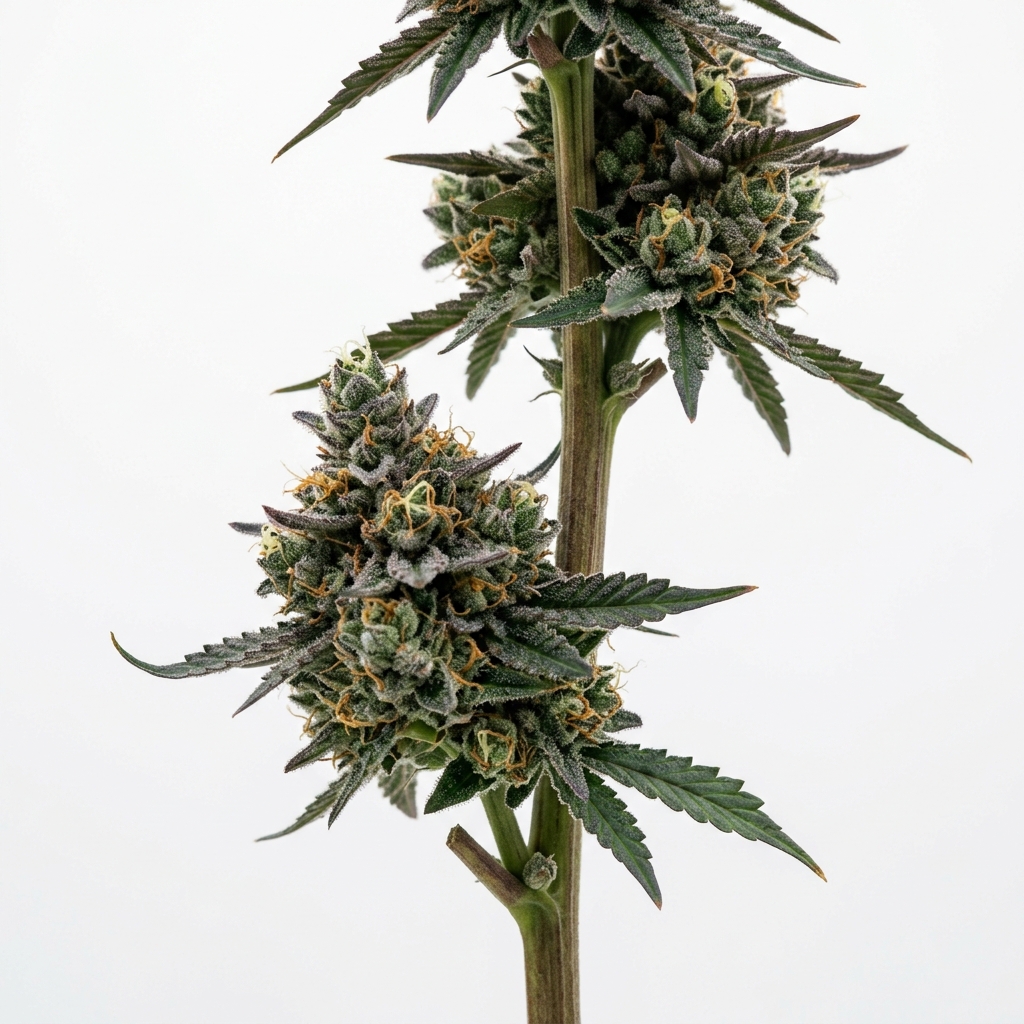
Blue Jam (Cannabis Strain)
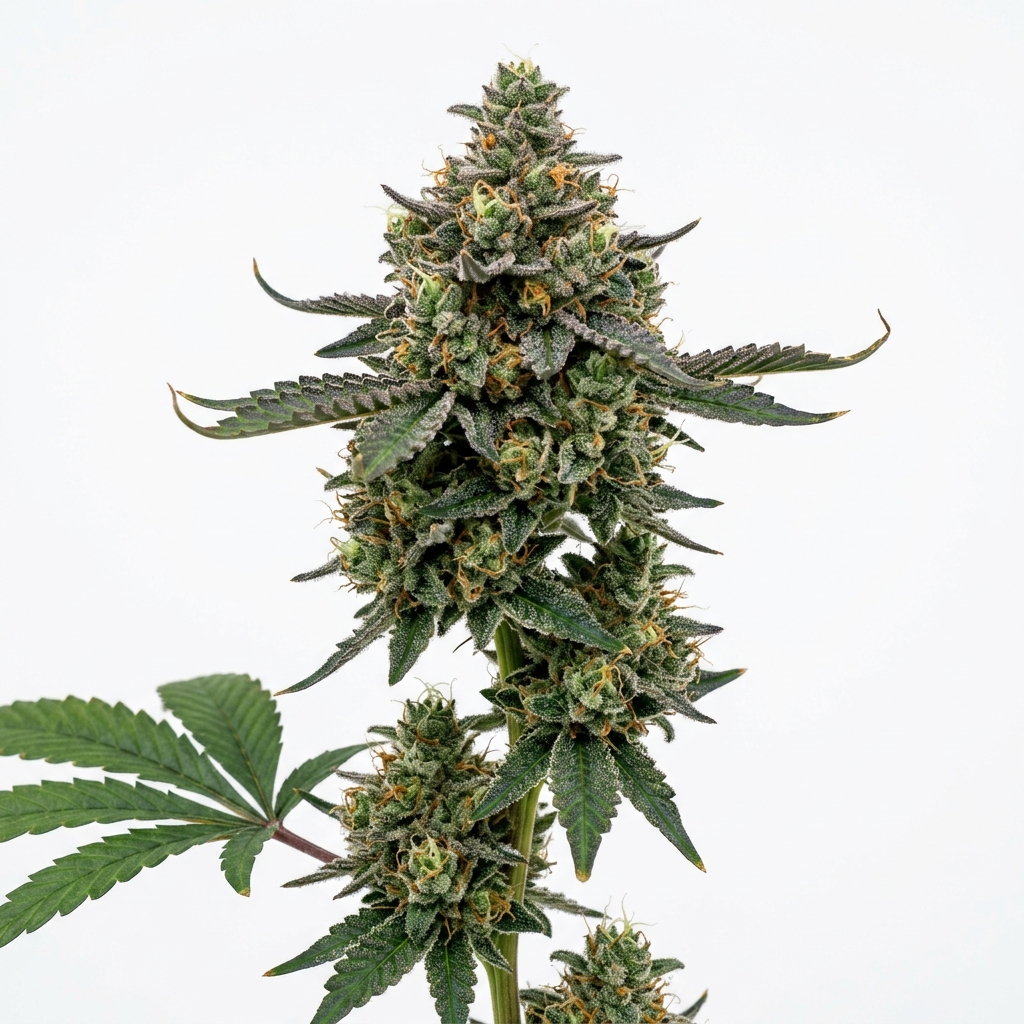
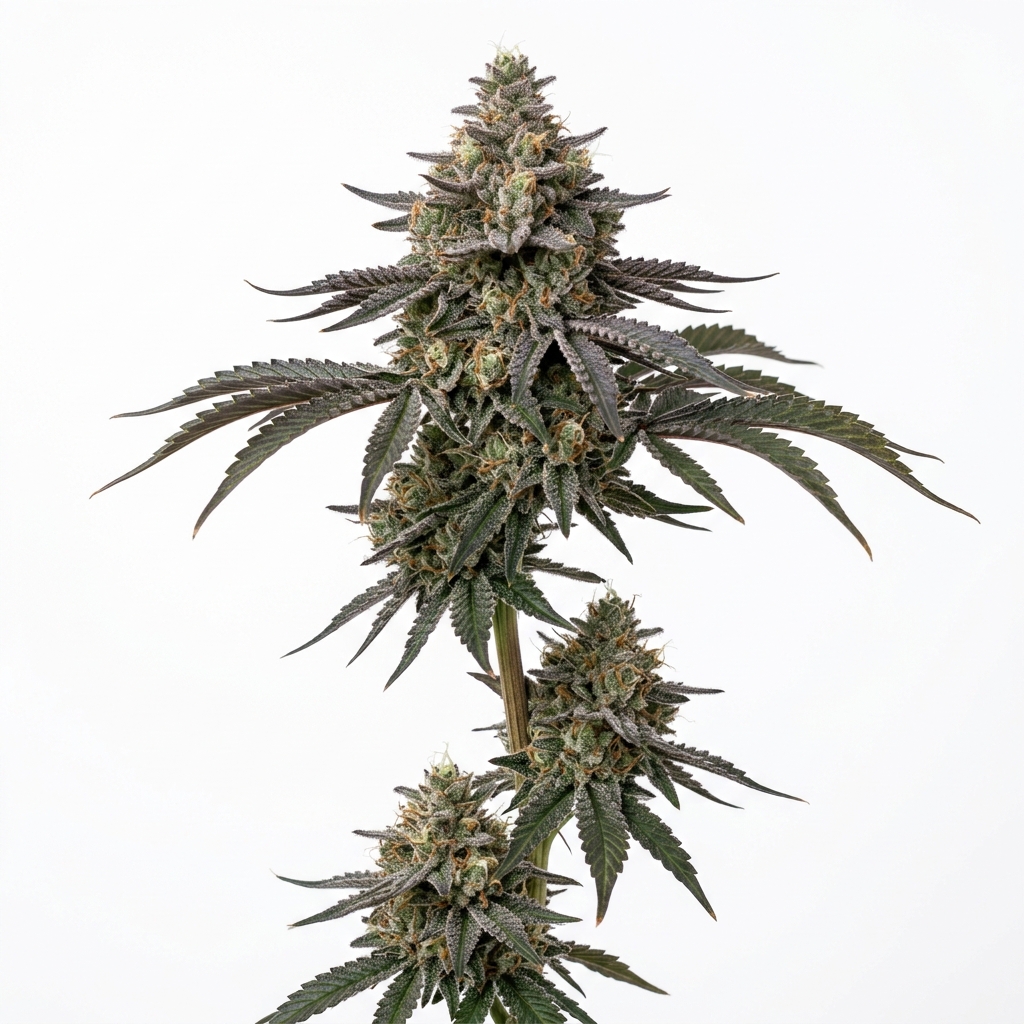
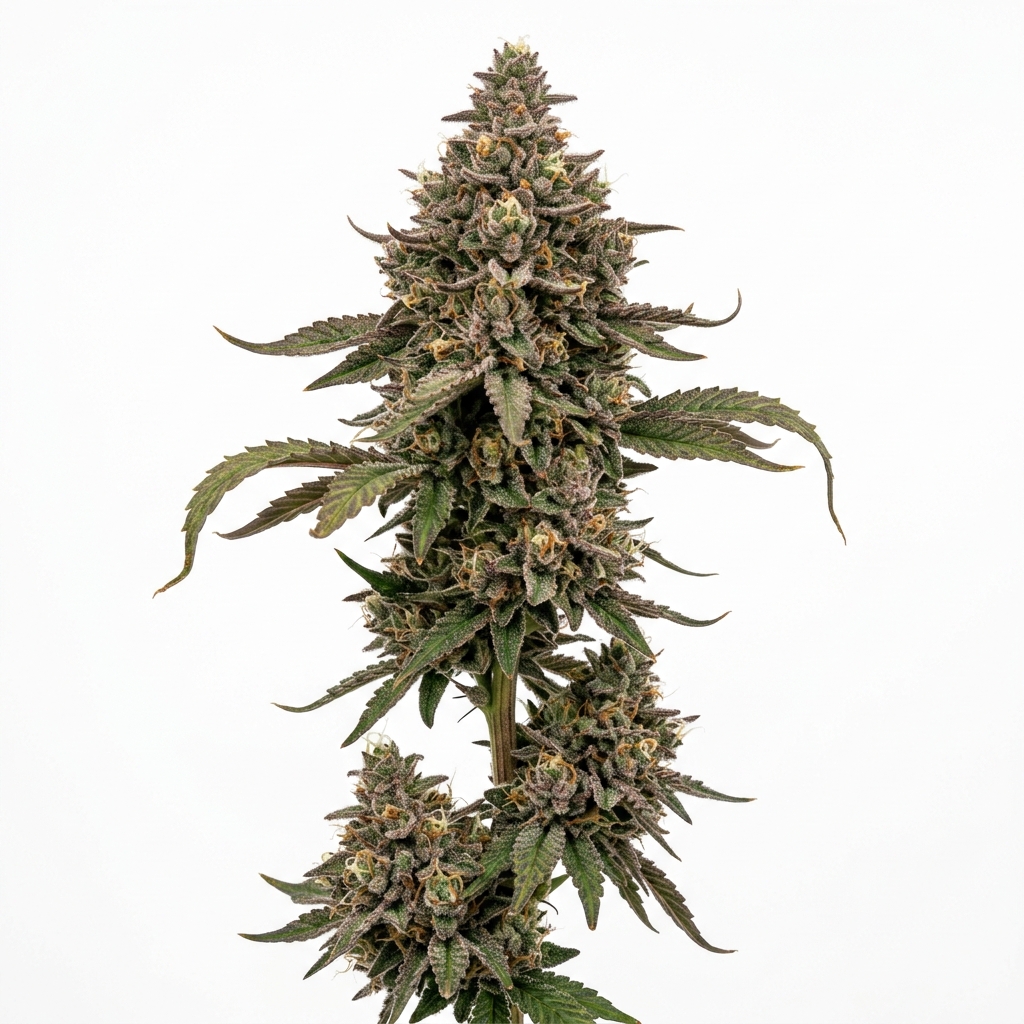
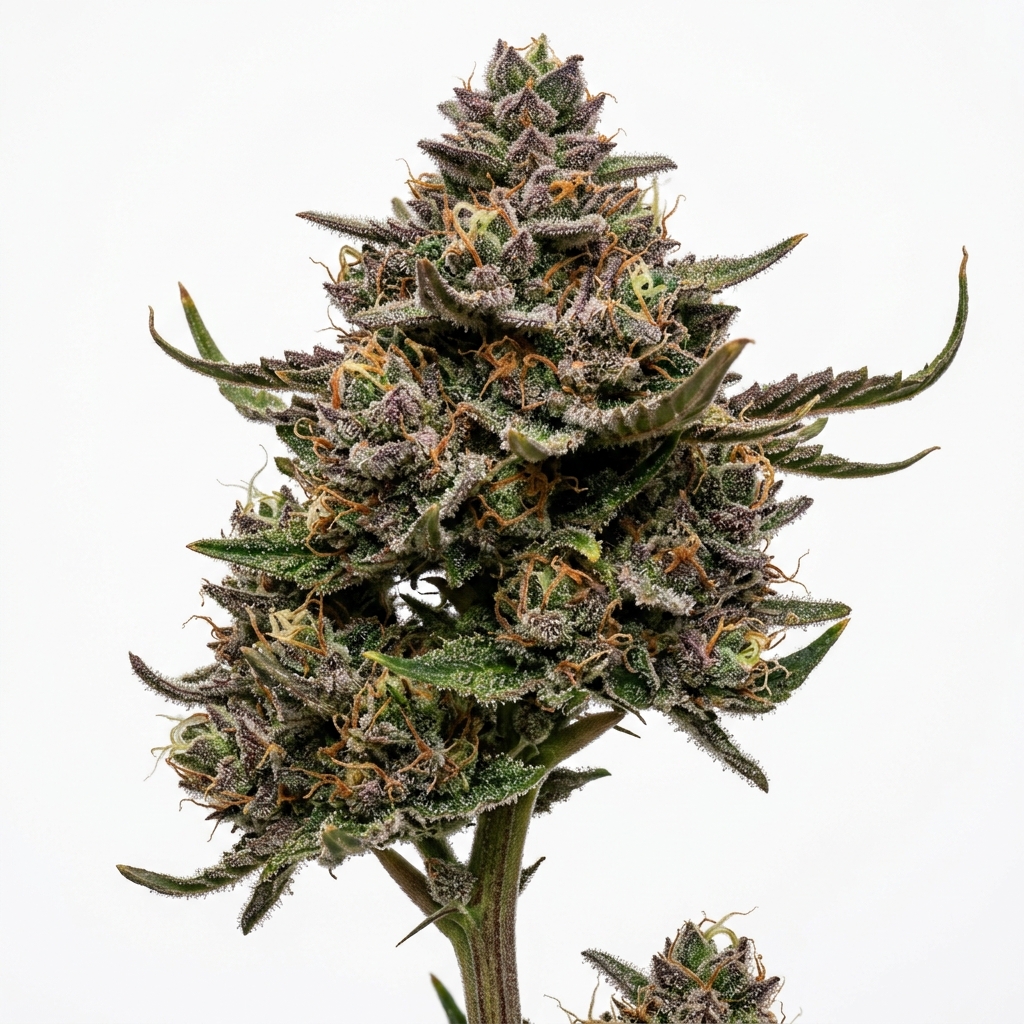
Blue Jam is an indica-dominant hybrid known for its concentrated berry sweetness, dense floral structure, and reliable resin output, typically testing between 19% and THC not consistently reported in dried flower. The cultivar is commonly reported as a cross of classic Blueberry and Strawberry Jam, though the original breeder is not consistently documented in reliable public sources. The finished flowers display deep forest hues with frequent violet accents, carrying a profile marked by stewed dark berries, sugary pastry notes, and a faint peppery finish. Growers value the plant for its manageable stature and generous trichome coverage, which holds up well in both jar presentation and solventless washing.
The maternal line provides a stable foundation of broad foliage and compact internodal spacing, while the pollen donor reinforces the sweet, cooked-fruit aroma. The reported onset leans toward calm physical ease paired with a mild, clear-headed cerebral lift that settles into deep physical comfort. Because of its steady potency and smooth finish, Blue Jam has gained traction among cultivators seeking rich fruit profiles without the finicky canopy behavior common to modern dessert hybrids.
Quick Facts
| Field | Detail |
|---|---|
| Breeder | Not consistently documented |
| Genetics | Blueberry × Strawberry Jam |
| Variety | Indica-dominant hybrid |
| THC Range | 19% – 25% |
| Flowering Time | 8 – 9 weeks (56 – 63 days) |
| Yield Potential | Moderate to high |
| Plant Height | Medium |
| Climate Preference | Temperate, controlled indoor, or dry Mediterranean |
| Difficulty | Moderate |
Scientific & Botanical Overview
Botanically, Blue Jam develops a sturdy central stem with tight lateral branching and broad, dark green fan leaves typical of Afghani-derived heritage. The floral architecture consists of rounded, swollen calyx clusters that stack into dense, chunky colas rather than elongated spears. Under cooler nighttime temperatures in late bloom, anthocyanin accumulation often turns the sugar leaves and outer bracts deep purple or slate blue.
The cultivar produces a dense glandular trichome blanket with bulbous heads that remain sticky and oily to the touch throughout the cure. Bract development is compact, yielding a solid calyx-to-leaf ratio that simplifies manicuring after drying. Stems remain stiff and supportive, though the sheer density of the upper clusters often warrants supplemental trellis netting in mid-to-late flower.
Root vigor is moderate to strong, showing consistent nutrient uptake across standard soilless and organic media. Blue Jam typically maintains steady transpiration rates without excessive stretching during the flower transition, doubling its height at most before directing its energy into dense resin production.
Effects & Use-Cases (Reported)
Commonly reported effects: Consumers typically describe an initial wave of calm mood elevation accompanied by a gradual release of muscular tension in the neck and shoulders. The experience is often characterized by a warm, weighted body sensation that remains functional at moderate doses without immediate heavy sedation.
Use-case context: Due to its relaxing physical profile, Blue Jam is frequently chosen for evening wind-down routines, low-stress creative hobbies, or quiet social settings. It fits well after physical exertion or at the conclusion of a workday when mental decompression is the primary goal.
Note: Individual response varies based on personal tolerance, environment, and dose. High-potency batches can lean increasingly sedative during the later stages of the duration.
Aroma & Flavors
Aroma: The cured flowers release a forward scent of warm berry compote, sweet grape skins, and tart wild berries. Breaking open the dense buds exposes deeper layers of damp earth, mild cedar, and a subtle cracked-pepper spice.
Flavor: On the palate, Blue Jam delivers a smooth, sugary blueberry entry followed by a rounded strawberry preserves note. The exhale leaves a soft earthy tone with lingering fruit sweetness and a faint citrus snap.
Terpene associations: The aromatic profile is largely driven by myrcene, caryophyllene, and pinene, with minor contributions of limonene and linalool supporting the sweet, floral fruit top notes.
Tested Cannabinoid & Terpene Ranges
| Compound | Type | Reported Range |
|---|---|---|
| Δ9-THC | Cannabinoid | 19% – 25% |
| CBD | Cannabinoid | < 1% |
| CBG | Cannabinoid | 0.5% – 1.2% |
| Myrcene | Terpene | 0.4% – 1.1% |
| β-Caryophyllene | Terpene | 0.3% – 0.8% |
| α-Pinene | Terpene | 0.1% – 0.4% |
Range note: Cannabinoid and terpene concentrations reflect laboratory data from mature, cured whole flower. Actual chemical output fluctuates based on light intensity, nutritional regimen, harvest timing, and curing conditions.
Cultivation Notes
- Humidity management: Keep relative humidity near 55% during early bloom, lowering to 40%–45% during the final three weeks to protect the dense calyx clusters from internal moisture stagnation.
- Nutrient requirements: Blue Jam thrives on a balanced feeding schedule with moderate nitrogen during vegetative growth and elevated potassium and phosphorus during peak flower bulking.
- Canopy training: Low-stress training and selective topping early in veg encourage multi-top canopies that maximize light penetration across the lower bud sites.
- Defoliation: Perform a moderate strip around day 21 of flower to clear inward-facing fan leaves, ensuring good airflow through the thick mid-canopy.
- Harvest window: Inspect trichome heads beginning in late week 8; optimal harvest typically occurs when gland heads show mostly milky opacity with roughly 10% to 15% amber.
Grower Notes (Week-by-Week Snapshot)
- Weeks 1–3 (Transition & Stretch): Plants exhibit a controlled stretch of roughly 1.5× to 2× vegetative height. Early pistil development starts rapidly along short internodes.
- Weeks 4–6 (Bud Set & Bulking): Calyxes swell into tightly knit clusters. Resin production increases sharply on surrounding sugar leaves, releasing a strong sweet berry scent across the room.
- Weeks 7–9 (Ripening & Color Expression): Inflorescences harden considerably and fan leaves naturally fade. Night temperatures kept between 18°C and 20°C (64°F–68°F) help bring out violet tones.
- Post-Harvest (Drying & Curing): Dry slowly at 16°C–18°C (60°F–64°F) and 58%–62% relative humidity for 12 to 14 days to preserve delicate monoterpenes and preserve berry flavor clarity.
Genetic Lineage
The genetic backbone of Blue Jam traces to the legendary Blueberry line, a cornerstone cultivar developed in the late 20th century blending Afghani, Thai, and Oaxacan landrace inputs. This lineage provides Blue Jam with its classic squat growth habit, broad leaf morphology, and distinct dark fruit aroma. Blueberry is widely known for imparting calm physical characteristics and striking color potential to its progeny.
The cross is complemented by Strawberry Jam, a sweet fruit hybrid selected for its high terpene output and candy-like berry profile. The union of these two parent lines reinforces the stewed fruit ester profile while maintaining structural density and dependable resin coverage throughout the flowering cycle.
Research Insights
Academic research into cannabis secondary metabolites indicates that combinations of myrcene and beta-caryophyllene are frequently associated with soothing, body-centered consumer experiences. Pharmacological studies suggest that caryophyllene acts as a dietary cannabinoid binding directly to peripheral CB2 receptors, while myrcene may influence cell membrane permeability, potentially altering the perceived intensity of other volatile compounds.
While general botanical studies clarify the biological mechanisms of these individual terpenes and phytocannabinoids, specific phenotypic expressions like Blue Jam depend heavily on cultivation environment and post-harvest handling. Controlled comparative studies on this exact hybrid remain limited, meaning consumer reports and horticultural records provide the primary basis for its current strain profile.
Frequently Asked Questions
Who is the original breeder of Blue Jam?
The original breeder of Blue Jam is not consistently documented in verified public records, with several regional craft growers and seed collectives producing selections under this name.
Is Blue Jam an indica or sativa cultivar?
Blue Jam is classified as an indica-dominant hybrid, displaying compact branching, dense flower morphology, and predominantly relaxing physical effects.
What does Blue Jam smell and taste like?
The profile centers on stewed blueberries, ripe strawberries, and sweet preserves, supported by an earthy, slightly spicy undertone on the exhale.
What is the flowering time for Blue Jam?
Indoor flowering typically completes in 8 to 9 weeks (56 to 63 days), depending on grower preference for trichome maturity and amber gland development.
Educational Disclaimer
This content is for educational and informational purposes only. Cannabis laws and regulations vary by jurisdiction. Always consult with a qualified professional before beginning any cultivation project or consuming cannabis products.
Rate and review this strain
Ratings and reviews are accepted only from signed-in Google accounts.
Sign in with Google to leave a rating and written review.
Latest Reviews
0 reviewsNo reviews yet. Be the first Google user to rate and review this strain.
Follow New Cultivar Records
Get newly documented genetics, breeder history, research highlights, and important Strainpedia discoveries by email.