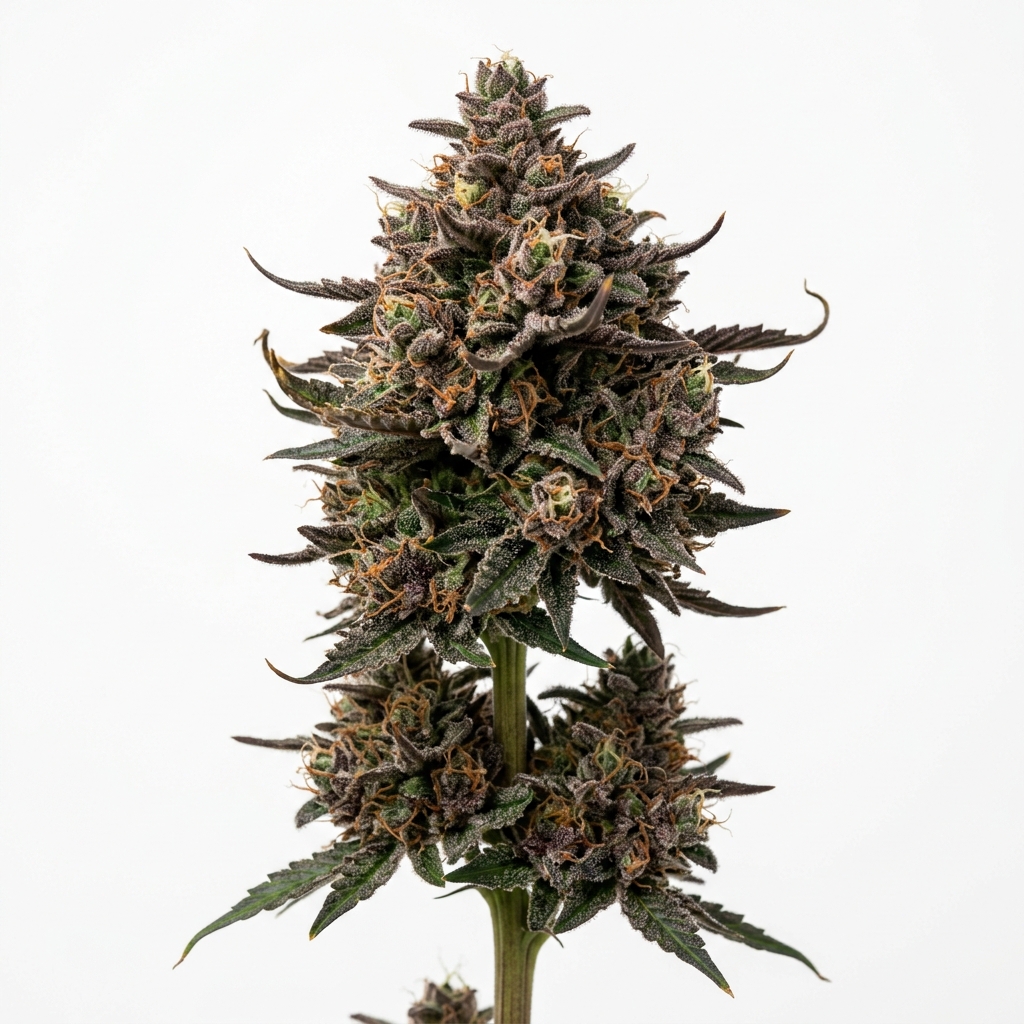
Dior Runtz (Cannabis Strain)
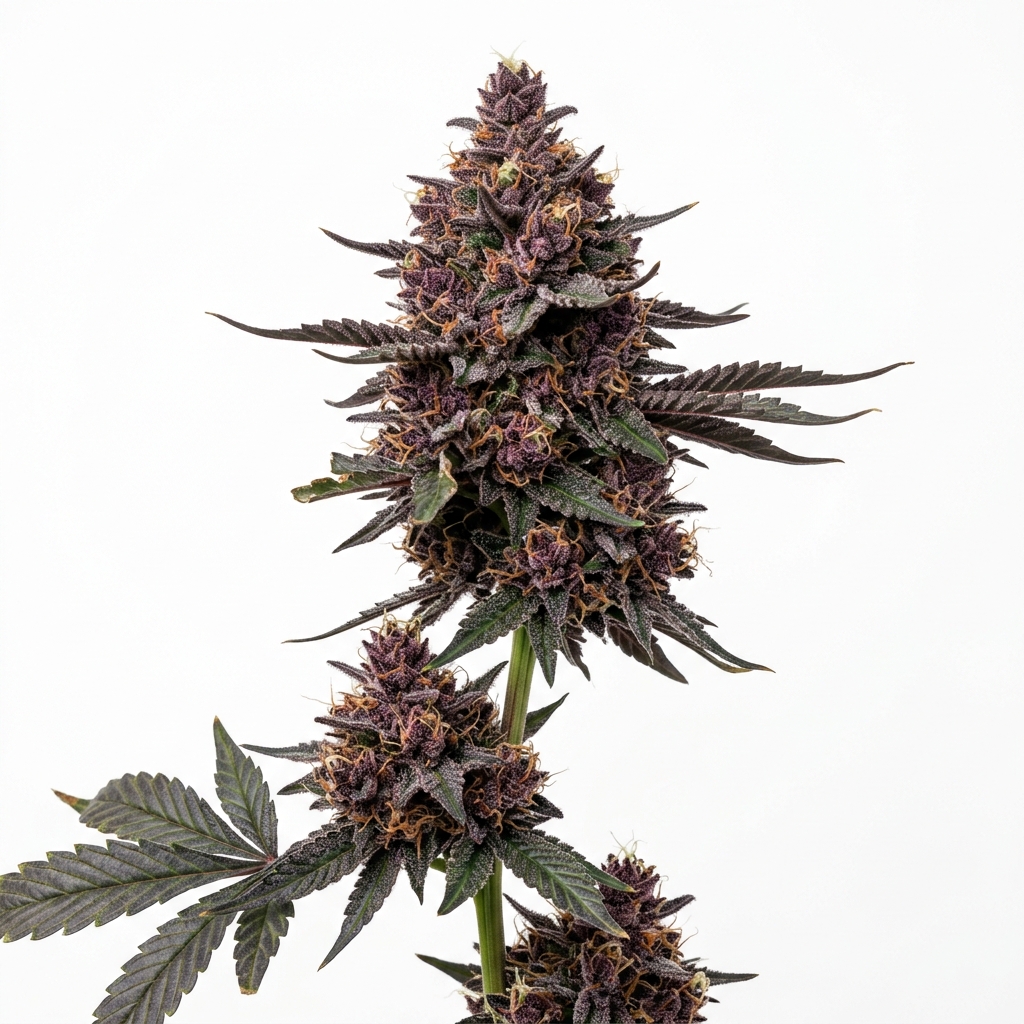
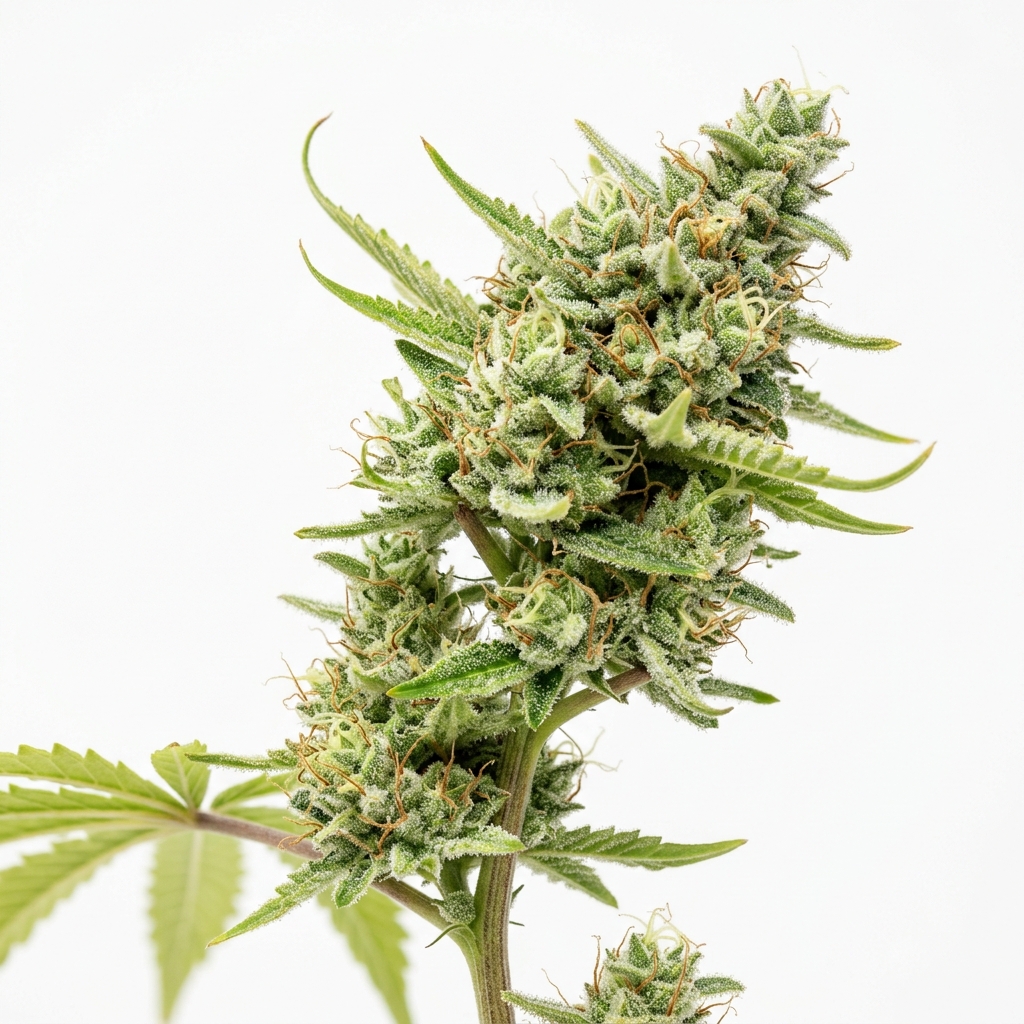
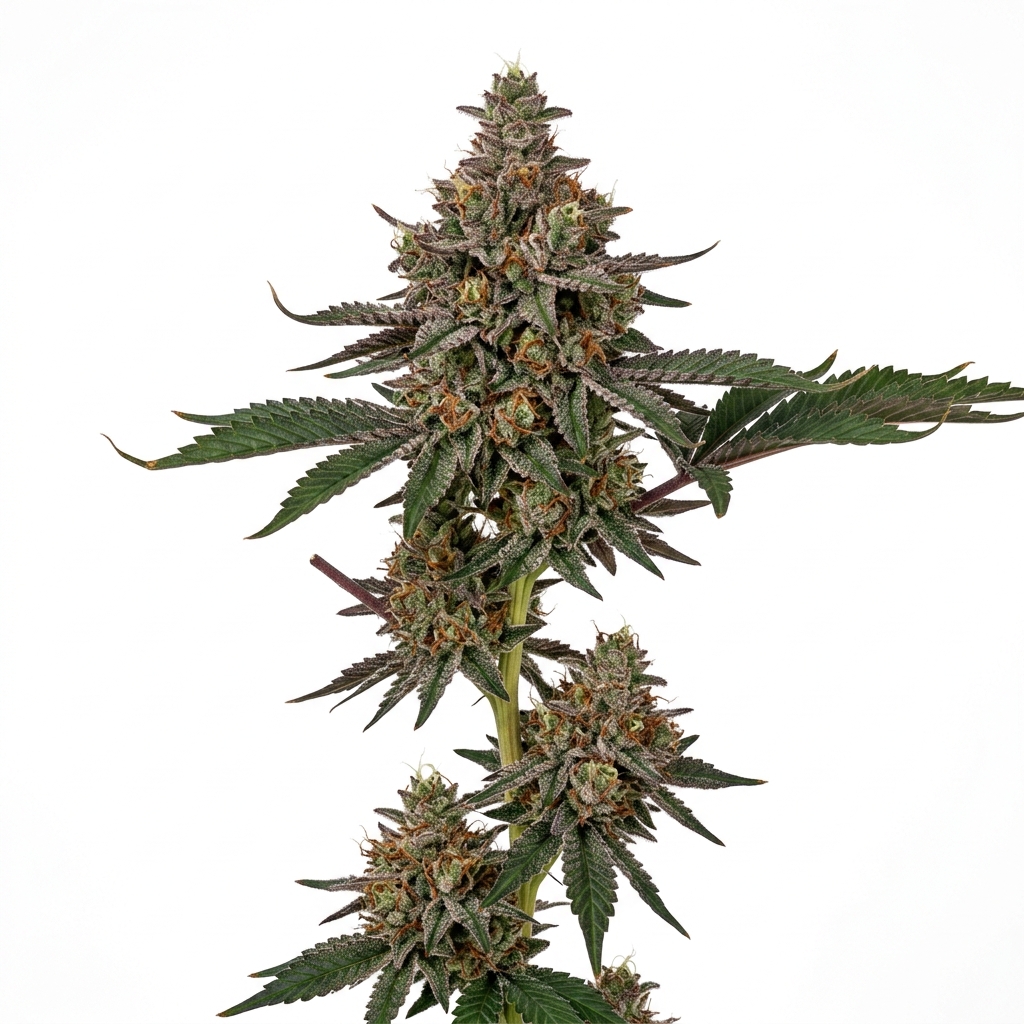
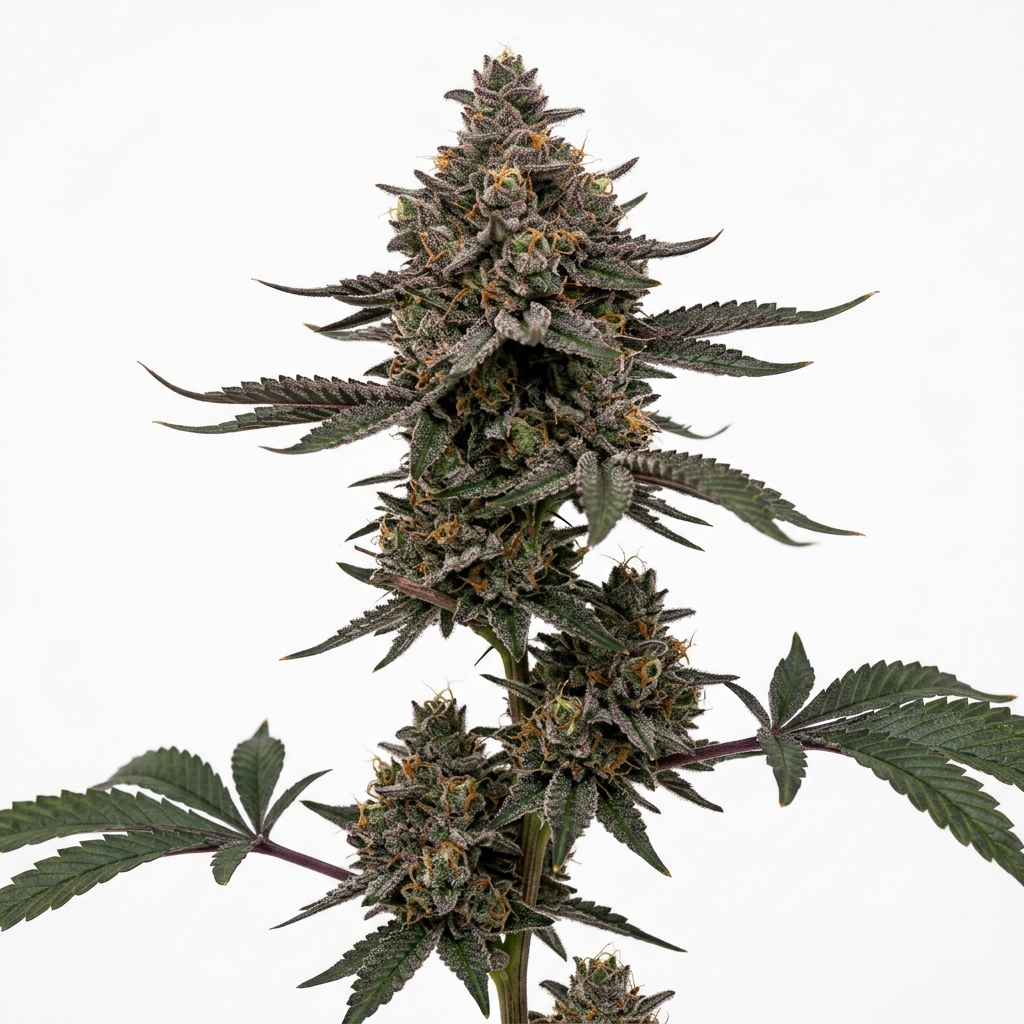
Dior Runtz is an indica-dominant hybrid cultivar testing between 22% and 28% THC, originating from a cross of Runtz and Dior. The original breeder is not consistently documented in reliable public sources, though the cut emerged from California’s boutique exotic market. The cultivar produces dense, spade-shaped flowers layered in thick glandular resin, featuring a terpene profile that marries sugary tropical fruit with a pungent fuel undertone.
In the garden, it develops manageable vertical frames with sturdy secondary branching and moderate internodal spacing. The smoke delivers a rapid cerebral shift followed by steady physical heaviness, making it a staple for late-day relaxation.
Quick Facts
| Field | Detail |
|---|---|
| Breeder | Not consistently documented |
| Genetics | Runtz × Dior |
| Variety | Hybrid (Indica-dominant) |
| THC Range | 22% – 28% |
| Flowering Time | 8 – 9 weeks (56 – 63 days) |
| Yield Potential | Moderate (350 – 450 g/m²) |
| Plant Height | Medium (90 – 130 cm) |
| Climate Preference | Temperate, Mediterranean, controlled indoor |
| Difficulty | Moderate |
Scientific & Botanical Overview
Dior Runtz forms tightly packed, conical flower clusters with an elevated calyx-to-leaf ratio. As flowering progresses, foliage shifts from deep forest green to plum and midnight purple, driven by anthocyanin accumulation triggered by cooler late-stage dark cycles.
The glandular trichomes are dense and bulbous, coating the bract surfaces and sugar leaves in a greasy resin layer. This resin structure holds significant terpene content that concentrates heavily during the final three weeks of bloom.
Vegetative growth is steady rather than explosive, producing broad fan leaves and stout stalks. Stems thicken rapidly to support the weight of the upper terminal colas without requiring aggressive structural staking.
Effects & Use-Cases (Reported)
Commonly reported effects: The onset typically begins with a focused, euphoric buzz behind the eyes, lightening mental tension. As the initial clarity levels out, a full-body relaxation spreads into the limbs, encouraging stillness and muscle ease.
Use-case context: Given its calming trajectory, consumers commonly select this cultivar for evening sessions, low-stress creative hobbies, or unwinding after physical exertion. In larger amounts, the physical heaviness tends to encourage sleep.
Individual response varies based on personal tolerance, setting, and exact batch chemistry. Beginners should approach tested flower with measured dosing.
Aroma & Flavors
Aroma: Freshly broken buds release an upfront burst of candied citrus, sour berries, and creamy vanilla, backed by a sharp, pungent chemical gas that lingers in the room.
Flavor: The smoke leads with sweet confectionery fruit and tart lime on the inhale. The exhale transitions quickly into an earthy diesel finish with light notes of floral spice.
Terpene associations: The profile is primarily shaped by beta-caryophyllene, limonene, and linalool, with secondary contributions from myrcene and humulene grounding the sweet top notes.
Tested Cannabinoid & Terpene Ranges
| Compound | Type | Reported Range |
|---|---|---|
| Δ9-THC | Cannabinoid | 22% – 28% |
| CBD | Cannabinoid | < 1% |
| CBG | Cannabinoid | 0.5% – 1.5% |
| Beta-Caryophyllene | Terpene | 0.4% – 0.9% |
| Limonene | Terpene | 0.3% – 0.7% |
| Linalool | Terpene | 0.1% – 0.4% |
| Myrcene | Terpene | 0.1% – 0.3% |
Range note: Cannabinoid and terpene concentrations depend heavily on growing conditions, lighting spectrum, curing practices, and the specific phenotype cultivated.
Cultivation Notes
- Humidity management: Keep relative humidity around 55% during early flower, lowering down to 40%–45% during the final three weeks to prevent moisture entrapment inside the dense colas.
- Nutrient requirements: Plants handle moderate feeding schedules well; avoid heavy nitrogen inputs after week three of flower to maintain bud density and clean resin production.
- Canopy training: Responds cleanly to early topping and low-stress training (LST), creating an even canopy that allows light to penetrate lower bud sites.
- Defoliation: Perform a moderate strip around day 21 and day 42 of flowering to improve airflow through the thick inner canopy.
- Harvest window: Inspect trichomes between days 56 and 63; harvest when glands show predominantly milky heads with 10%–15% amber for optimal potency and depth.
Grower Notes (Week-by-Week Snapshot)
- Weeks 1–3 (Transition & Stretch): Plants undergo a manageable stretch of roughly 1.5x. Train shoots outward and establish an even canopy before vertical growth stabilizes.
- Weeks 4–6 (Flower Set & Trichome Build): Pistils cluster quickly and calyxes begin swelling. Resin production starts early, bringing an unmistakable sugary gas smell into the room.
- Weeks 7–9 (Ripening & Color Shift): Calyxes swell into firm, rounded nuggets. Cooler night temperatures encourage rich violet colors across the upper bracts while trichome heads turn cloudy.
- Post-Harvest (Drying & Curing): Dry slowly at 60°F (15°C) and 60% relative humidity for 12–14 days. A slow cure in airtight containers for 3–4 weeks locks in the candy-gas terpene clarity.
Genetic Lineage
Dior Runtz brings together the acclaimed Runtz line (Zkittlez × Gelato #33) and Dior, an exotic selection known for sharp gas and dense flower structure. The combination pairs the iconic sugary, fruit-forward resin of Runtz with an added layer of solvent fuel and enhanced bud density.
This lineage ensures heavy trichome coverage and dark anthocyanin pigmentation inherited from its Gelato and boutique dessert forebears, while retaining the sturdy lateral branching typical of modern West Coast hybrids.
Research Insights
Academic research into cannabis profiles highlights that cultivars rich in both beta-caryophyllene and limonene provide distinct experiential qualities. Beta-caryophyllene selectively binds to peripheral CB2 receptors, while limonene is frequently studied for its role in mood elevation and rapid sensory onset.
While general pharmacological literature outlines how these individual compounds behave in isolation, strain-specific effects depend on the entire chemical profile, total potency, and individual biological differences.
Frequently Asked Questions
Who is the original breeder of Dior Runtz?
The original breeder is not consistently documented in reliable public sources, as the cultivar surfaced through California’s boutique exotic cut scene.
Is Dior Runtz an indica or sativa?
Dior Runtz is an indica-dominant hybrid that balances an early euphoric head shift with a sustained, relaxing physical finish.
What does Dior Runtz smell and taste like?
It carries an intense aroma of candied tropical fruit, tart berries, and sweet dough layered over a pungent, chemical diesel base.
How long does Dior Runtz take to flower?
Indoor flowering typically takes 8 to 9 weeks (56 to 63 days) before trichomes reach full maturity.
Educational Disclaimer
This content is for educational and informational purposes only. Cannabis laws and regulations vary by jurisdiction. Always consult with a qualified professional before beginning any cultivation project or consuming cannabis products.
Rate and review this strain
Ratings and reviews are accepted only from signed-in Google accounts.
Sign in with Google to leave a rating and written review.
Latest Reviews
0 reviewsNo reviews yet. Be the first Google user to rate and review this strain.
Follow New Cultivar Records
Get newly documented genetics, breeder history, research highlights, and important Strainpedia discoveries by email.