Exaltation (Cannabis Strain)
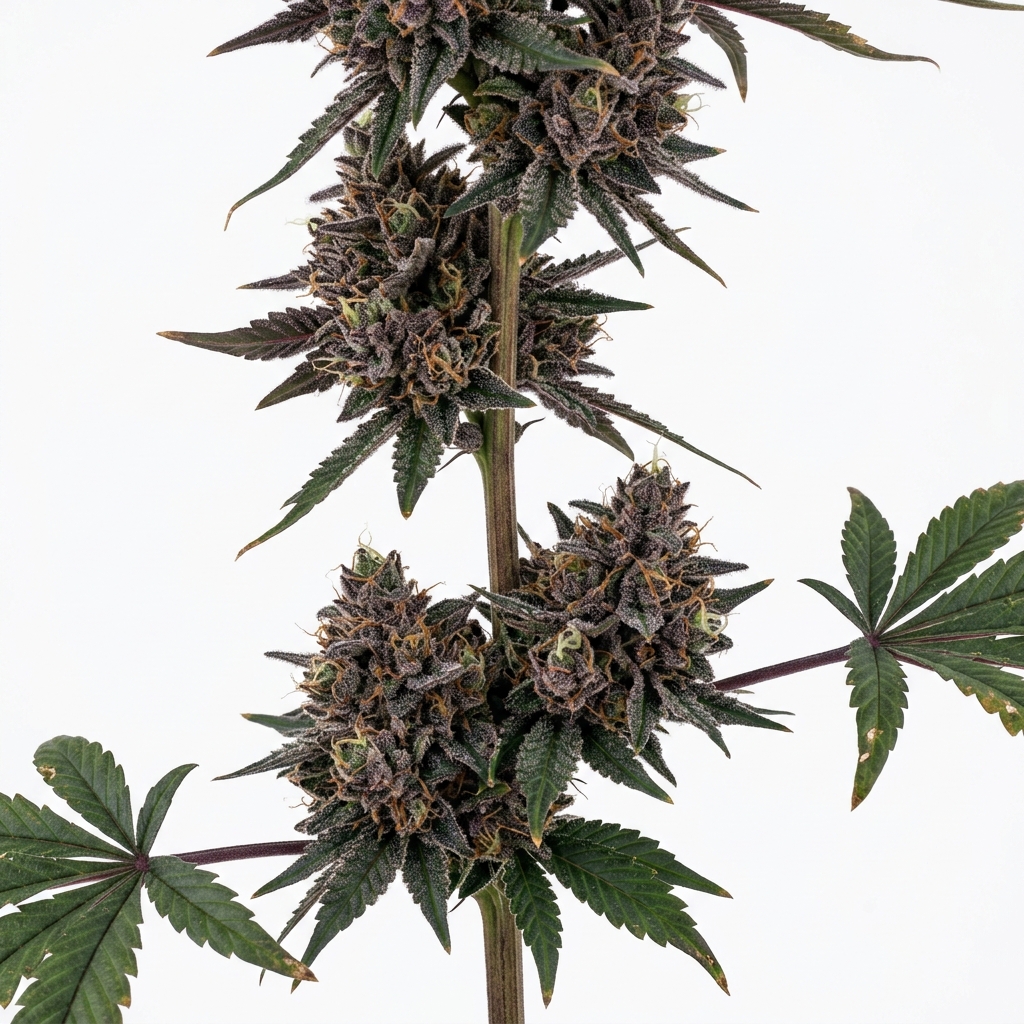
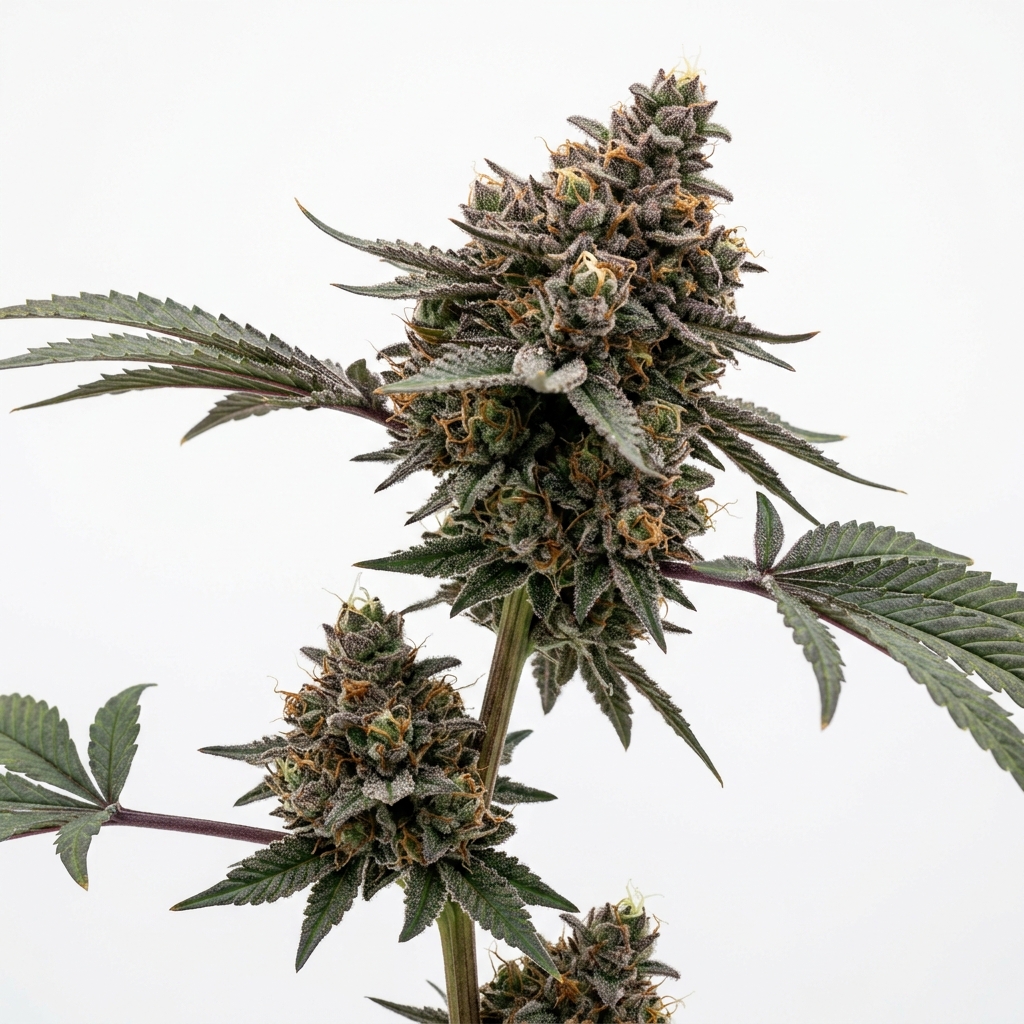
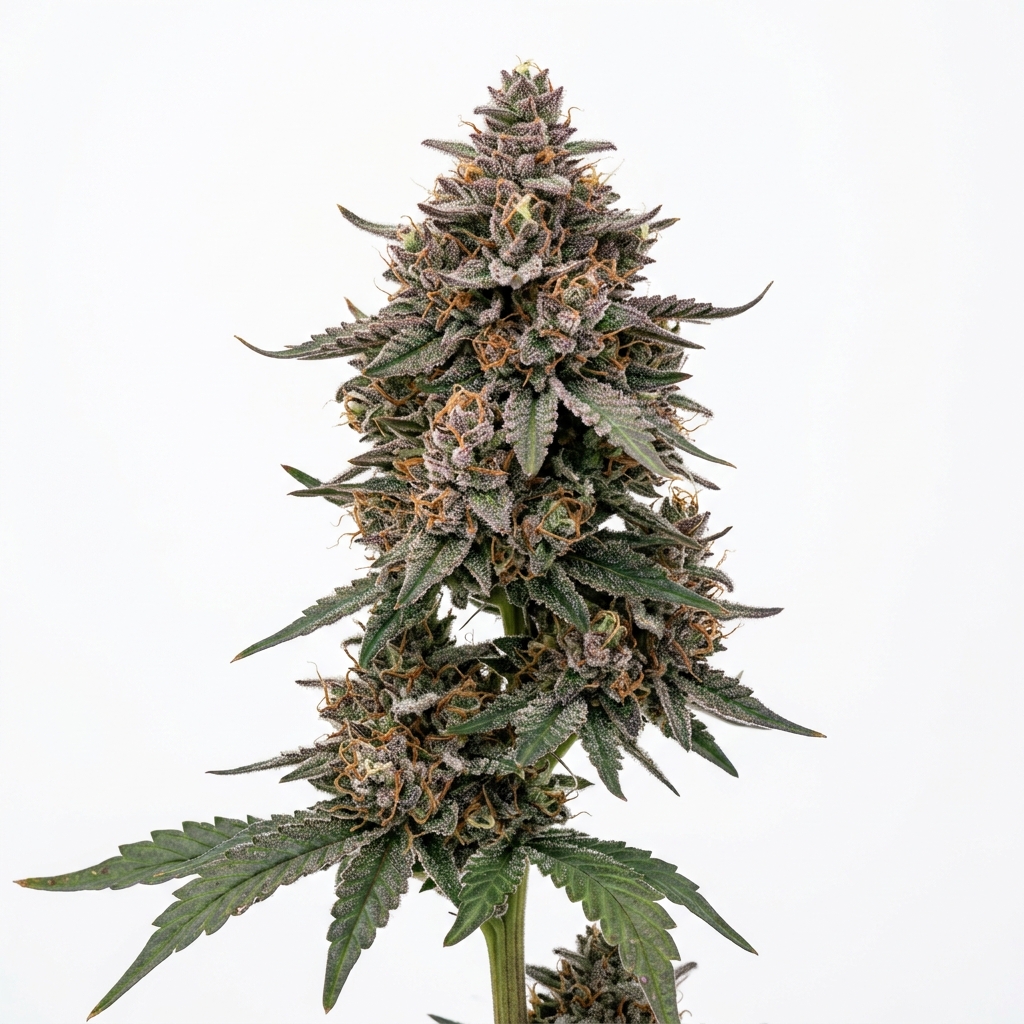
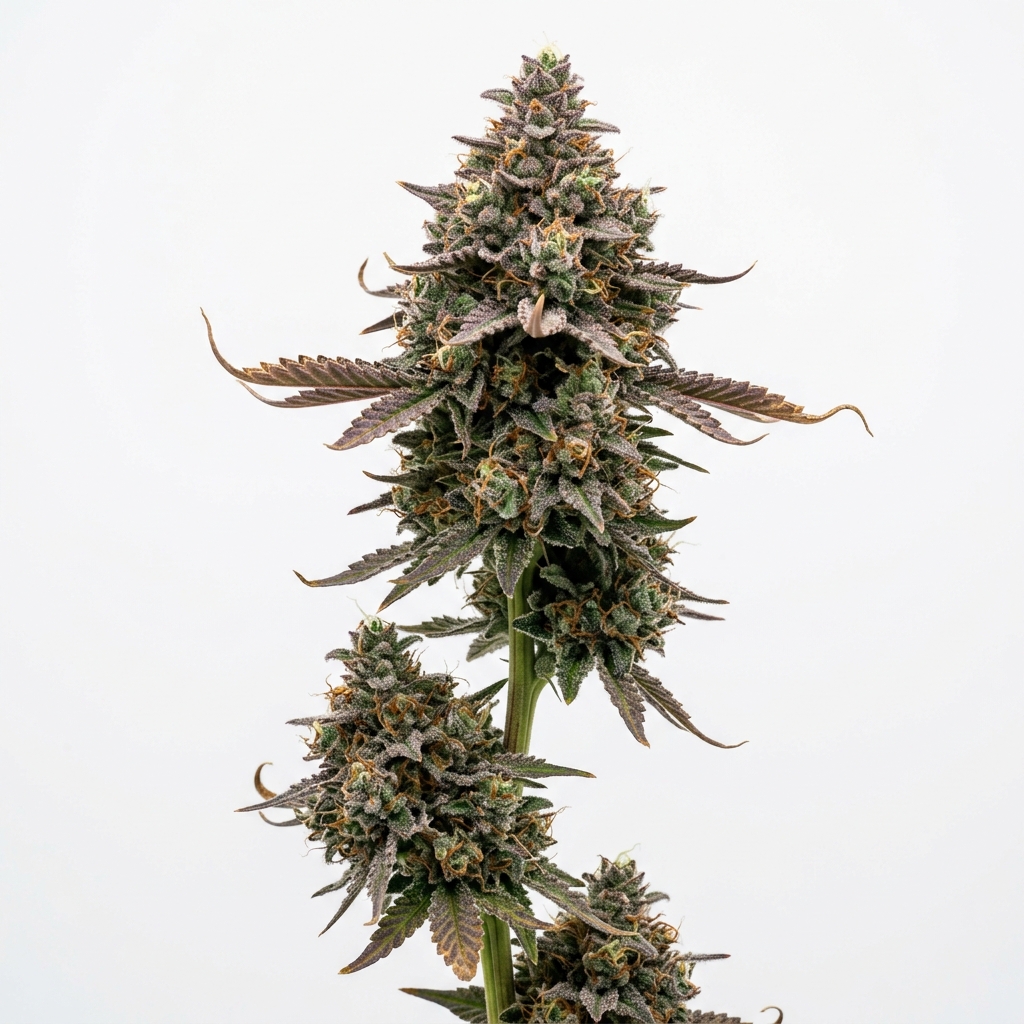
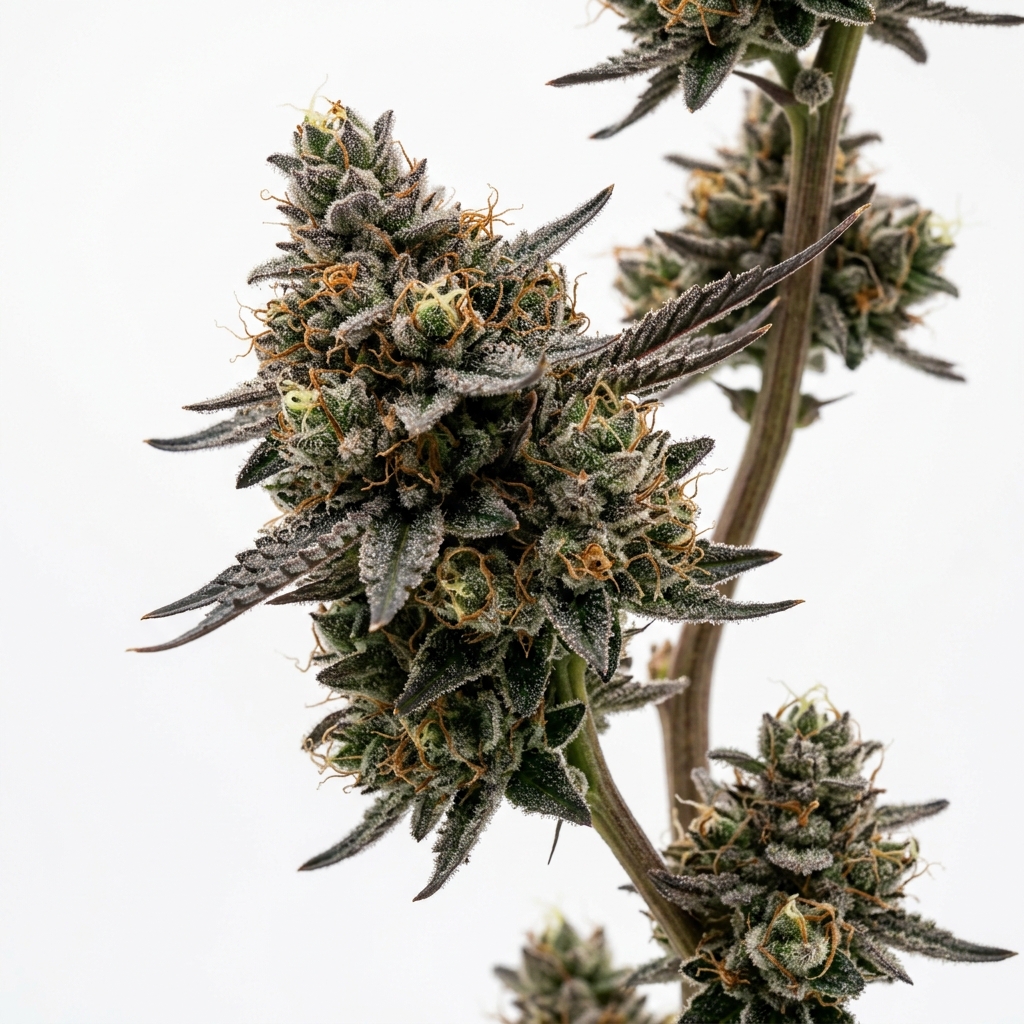
Exaltation is an indica-dominant hybrid bred by Compound Genetics, created by crossing Verde Dolce with The Menthol. Dried flower testing typically places total THC between 24% and 29%. The cultivar develops dense spear colas layered in wet frost, delivering an aromatic profile marked by tart green apple, sweet cream, and sharp fuel with a cooling mint finish. Its dense resin coverage and firm calyx structure make it well-suited for craft flower cultivation and solventless extraction.
The cross brings together the candied apple-pastry sweetness of Verde Dolce and the robust lateral branching and menthol-gas punch of The Menthol line. Plants produce thick foliage, moderate internodal spacing, and heavy secondary bract stacking under strong light levels. Reported effects lean toward calm body relaxation paired with focused mental clarity, offering a grounding experience without immediate sedation.
Quick Facts
| Field | Detail |
|---|---|
| Breeder | Compound Genetics |
| Genetics | Verde Dolce × The Menthol |
| Variety | Indica-dominant hybrid |
| THC Range | 24% – 29% |
| Flowering Time | 8 – 9 weeks (56 – 63 days) |
| Yield Potential | Moderate to heavy (450 – 550 g/m²) |
| Plant Height | Medium (1.5× – 2× stretch) |
| Climate Preference | Temperate, controlled indoor/greenhouse |
| Difficulty | Moderate |
Scientific & Botanical Overview
Exaltation forms a balanced, semi-compact plant structure supported by rigid stems and short to moderate internodes. Broad fan leaves display dark forest green coloring during vegetative growth, often taking on plum and charcoal hues along the margins as flowering progresses. Dense bract stacking creates firm, conical colas with a high flower-to-leaf ratio.
Chemotype profiles classify Exaltation as a Type I (THC-dominant) variety with minimal CBD expression. Capitate-stalked glandular trichomes coat the swollen calyxes early in bloom, forming a greasy outer resin layer. These resin heads hold structural integrity well during cure, contributing to strong terpene retention.
The plant transitions through flowering within an 8- to 9-week photoperiod cycle. Nutrient uptake is steady, with the cultivar responding well to moderate nitrogen in transition followed by balanced potassium and phosphorus supplementation through mid-flower. Late-flower humidity control is necessary to protect the dense flower core.
Effects & Use-Cases (Reported)
Commonly reported effects: The onset typically begins with a calm cerebral lift and mild pressure behind the eyes, settling into steady mental composure. As the session progresses, a soothing physical ease spreads across the neck and back, relaxing muscle tension while keeping focus clear.
Use-case context: Well-suited for late afternoon unwinding, social conversation, low-key creative tasks, or evening listening sessions. The gradual physical relaxation makes it practical for end-of-day recovery without immediate couch lock.
Note: Individual experiences vary based on dosage, tolerance, and personal endocannabinoid system sensitivity.
Aroma & Flavors
Aroma: Pungent notes of crisp green apple, sour fruit, and pastry dough lead upfront, balanced by a sharp undertone of diesel fuel, earth, and cooling wintergreen.
Flavor: The smoke opens with sweet candied fruit and rich cream, shifting toward earthy gas, damp pine, and a brisk menthol finish on the exhale.
Terpene associations: The profile is primarily driven by β-caryophyllene, limonene, and β-myrcene, with secondary contributions from linalool and humulene providing floral-herbal depth.
Tested Cannabinoid & Terpene Ranges
| Compound | Type | Reported Range |
|---|---|---|
| Δ9-THC | Cannabinoid | 24.0% – 29.0% |
| CBD | Cannabinoid | < 0.2% |
| CBG | Cannabinoid | 0.5% – 1.2% |
| β-Caryophyllene | Terpene | 0.50% – 1.10% |
| Limonene | Terpene | 0.35% – 0.85% |
| β-Myrcene | Terpene | 0.25% – 0.70% |
| Linalool | Terpene | 0.10% – 0.35% |
Range note: Cannabinoid and terpene figures represent dried uninfused flower tested in commercial cultivation programs. Environmental variables, lighting type, root-zone management, and curing methods will alter specific batch expressions.
Cultivation Notes
- Humidity management: Maintain 55%–60% RH during early vegetative stretch, tapering to 45%–50% during mid-bloom, and keeping late-flower humidity between 40% and 45% to safeguard dense colas.
- Nutrient requirements: Plants handle moderate electrical conductivity (EC 1.8–2.2 in peak flower); avoid oversupplying nitrogen past week three of bloom to prevent leafy bud formation.
- Canopy training: Responds well to early topping and a single layer of trellis netting to spread lateral shoots evenly across the footprint.
- Defoliation: Perform a thorough cleanup of lower shade leaves at day 21 of flower to direct light into lower bud sites and increase internal airflow.
- Harvest window: Optimal trichome development typically occurs between day 56 and day 63 when glandular heads turn milky with 10%–15% amber.
Grower Notes (Week-by-Week Snapshot)
- Weeks 1–3 (Transition): Plants display a predictable 1.5x to 2x vertical stretch; secure main stems to trellis grids and maintain steady transpiration rates.
- Weeks 4–6 (Bud Formation & Resin Onset): Calyxes swell rapidly into distinct clusters; trichome development begins heavily across sugar leaves as the tart fuel aroma emerges.
- Weeks 7–9 (Ripening & Color Shift): Pistils darken to deep orange, calyxes tighten, and fan leaves often show purple fade under cooler nighttime temperatures.
- Post-Harvest (Dry & Cure): Whole-plant hang at 60°F (15.5°C) and 60% RH for 12 to 14 days preserves terpene clarity and the distinct menthol-apple profile.
Genetic Lineage
Exaltation is built on the combination of Verde Dolce and The Menthol. Verde Dolce is a dessert-forward selection pairing the creamy structure of Gelato 33 with the tart, crisp profile of Sour Apple IBL. This maternal parent passes along dense bud clustering, high resin gland density, and bright fruit aromatics.
The pollen donor, The Menthol, is a notable Compound Genetics backbone combining Gelato 45, White Diesel, High Octane, and Jet Fuel G6. This lineage provides structural rigidity, cold tolerance, and the heavy diesel-peppermint undertone that grounds Exaltation’s sweet top notes.
Research Insights
Cannabis research indicates that cultivars dominated by high Δ9-THC alongside elevated β-caryophyllene and limonene frequently produce an initial sensory lift paired with physical body ease. β-Caryophyllene acts as a dietary cannabinoid capable of binding selectively to CB2 receptors, which researchers associate with peripheral relaxation and anti-inflammatory pathways.
While general botanical studies establish baseline mechanisms for these volatile compounds, specific experiential outcomes for Exaltation depend on total chemotype composition, harvest timing, and individual user physiology. Ongoing laboratory analysis continues to map how specific terpene ratios influence overall consumption character.
Frequently Asked Questions
Who bred Exaltation?
Exaltation was bred by Compound Genetics as part of their breeding lines featuring The Menthol.
Is Exaltation indica or sativa?
Exaltation is an indica-dominant hybrid, displaying sturdy plant architecture and balanced, relaxing physical effects.
What does Exaltation smell and taste like?
The cultivar features an aroma of tart green apple, sweet pastry, and diesel fuel, finishing with a flavor of sweet cream, earth, and cool menthol.
How long does Exaltation take to flower?
Indoor flowering typically takes 8 to 9 weeks (56 to 63 days) to reach full botanical maturity.
Educational Disclaimer
This content is for educational and informational purposes only. Cannabis laws and regulations vary by jurisdiction. Always consult with a qualified professional before beginning any cultivation project or consuming cannabis products.
Rate and review this strain
Ratings and reviews are accepted only from signed-in Google accounts.
Sign in with Google to leave a rating and written review.
Latest Reviews
0 reviewsNo reviews yet. Be the first Google user to rate and review this strain.
Follow New Cultivar Records
Get newly documented genetics, breeder history, research highlights, and important Strainpedia discoveries by email.