Cherry Mamba (Cannabis Strain) — Strainpedia
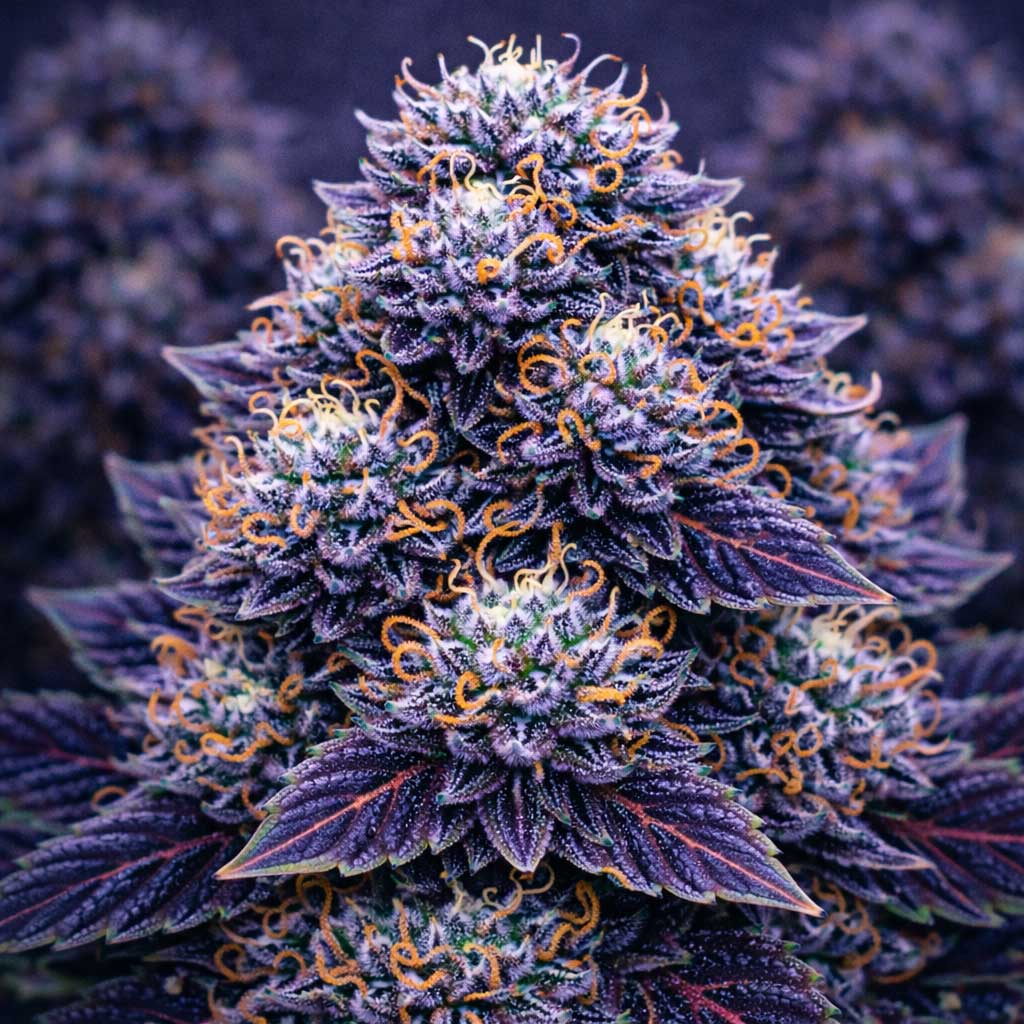
Cherry Mamba is a rare and potent Indica-dominant hybrid cannabis cultivar commonly cited as approximately 70% Indica and 30% Sativa. The strain is created by crossing Black Cherry Soda with the powerful Black Mamba lineage.
It is widely discussed for its striking dark “black-cherry” appearance and heavy physical relaxation. The information below is provided strictly for scientific and botanical reference.
Quick Facts
| Genetics | Black Cherry Soda x Black Mamba |
|---|---|
| Variety | Indica-Dominant Hybrid (Approx. 70% Indica / 30% Sativa) |
| Flowering Time | 8–9 weeks (56–63 days indoors) |
| Yield Potential | 400–500 g/m² (Moderate) |
| Plant Height | 90–120 cm; compact, bushy structure |
| Climate Preference | Mediterranean / Temperate |
| Difficulty | Intermediate |
Scientific & Botanical Overview
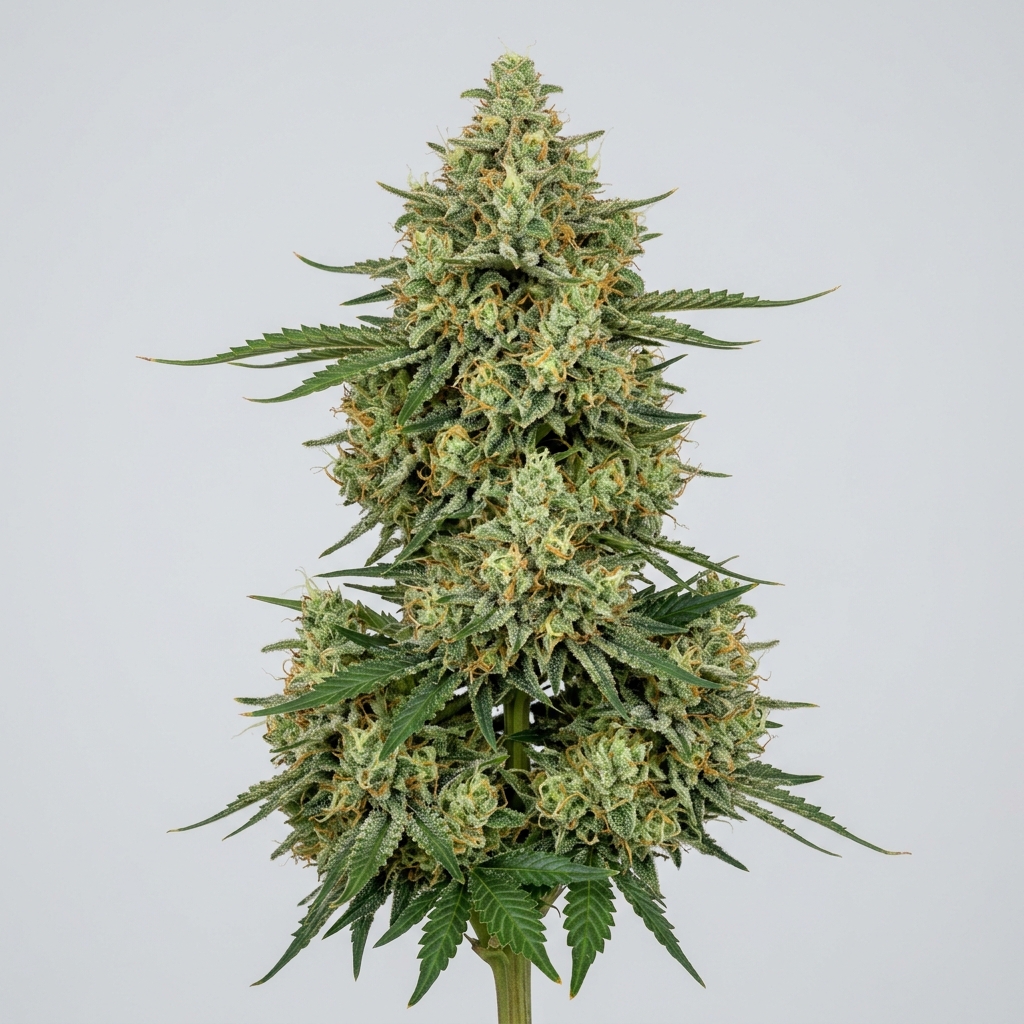
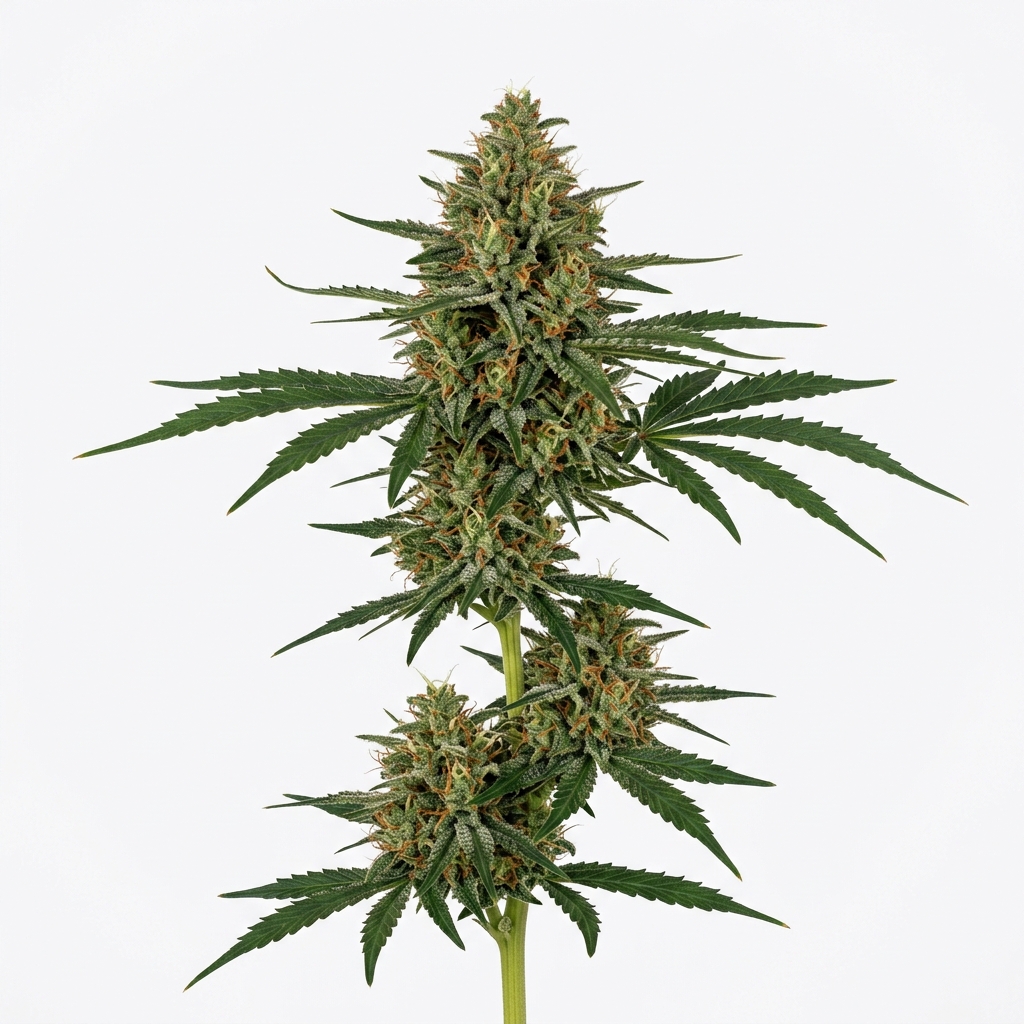
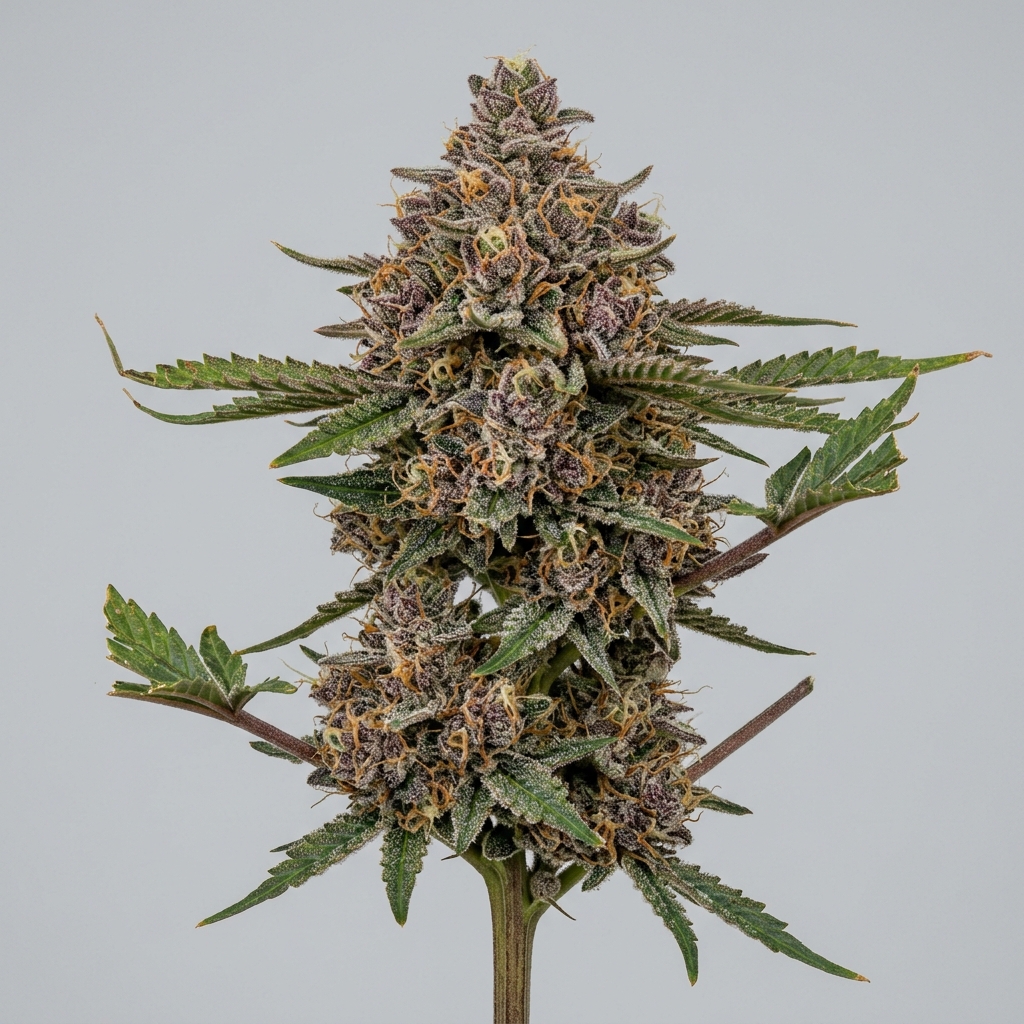
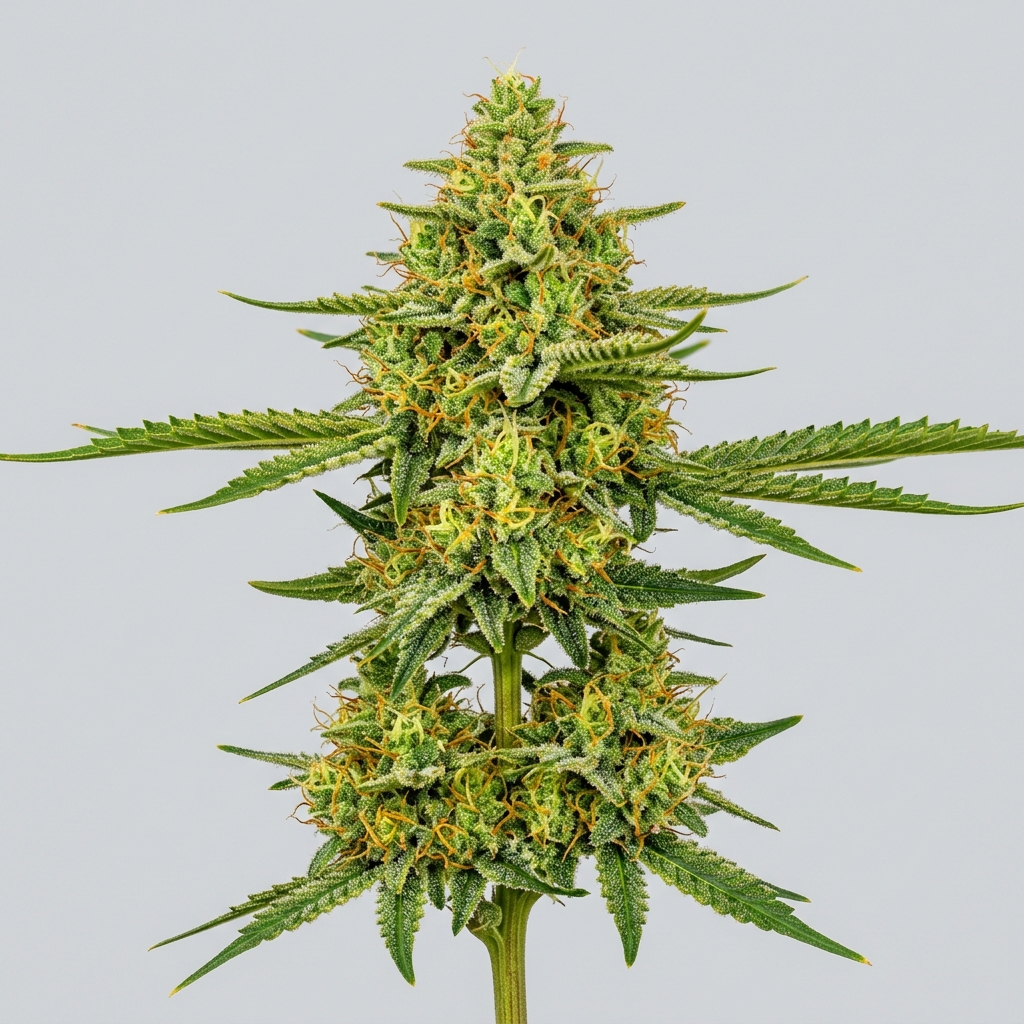
Cherry Mamba plants are visually distinctive in cultivation. The buds are typically dense, rounded, and resin-rich with thick amber pistils. As flowering progresses, the flowers often shift from deep green to dark purple or near-black coloration due to strong anthocyanin expression.
Its growth structure follows a classic Indica morphology with short internodes, thick stems, and broad fan leaves. Because of the dense flower clusters, cultivators typically manage airflow carefully to reduce moisture buildup in late flowering.
Effects & Use-Cases (Reported)
- Commonly reported effects: deep physical relaxation, calming mental quietness, and heavy body comfort.
- Use-case context: often described as better suited for evening or nighttime use.
- Note: These observations are anecdotal and should not be interpreted as medical claims.
Aroma & Flavors
- Aroma: fermented cherry sweetness, berry notes, earthy musk, and a hint of skunky pine.
- Flavor: tart cherry and grape tones on inhale followed by musky earth and light pepper spice.
- Terpene associations: myrcene (dominant), caryophyllene, limonene.
Tested Cannabinoid & Terpene Ranges
| Compound | Typical Range* | Notes |
|---|---|---|
| Δ⁹-THC | ~18–24% | Moderate-to-high potency depending on phenotype. |
| CBD | ~0.1–0.6% | Typically present in trace amounts. |
| Myrcene | ~0.7–1.1% | Associated with earthy aroma and deep physical relaxation. |
| Caryophyllene | ~0.4–0.8% | Adds peppery spice and aromatic depth. |
| Limonene | ~0.2–0.5% | Provides mild citrus brightness and balance. |
*Ranges represent literature-informed estimates and may vary depending on phenotype, cultivation environment, and laboratory testing methods.
Cultivation Notes
- Light Cycle: 18/6 vegetative growth followed by 12/12 flowering.
- Humidity Targets: Around 50% during vegetative growth and 40% during late flowering.
- Nutrition: Performs well with balanced nutrient programs and additional phosphorus during mid-flower.
- Training Techniques: Early topping and selective pruning improve light penetration and airflow.
- Harvest Window: Early October for outdoor cultivation in the Northern Hemisphere.
Grower Notes (Week-by-Week Snapshot)
- Weeks 1–2: Minimal stretch; plants remain compact and sturdy.
- Weeks 3–4: Resin begins forming on early flower clusters.
- Weeks 5–6: Purple hues appear across calyxes and sugar leaves.
- Weeks 7–8: Buds become dense and extremely sticky with strong aroma development.
- Week 9: Final ripening phase; harvest timing based on trichome maturity.
Genetic Lineage
Cherry Mamba combines the colorful terpene-rich profile of Black Cherry Soda with the heavy potency associated with Black Mamba. The Black Cherry Soda parent contributes fruit-forward aromas and deep pigmentation, while Black Mamba genetics are frequently associated with strong physical effects and dense Indica-style structure.
Research Insights
The deep purple coloration commonly observed in Cherry Mamba is linked to anthocyanin pigments produced during flower maturation. These flavonoids may contribute to the plant’s dark appearance, particularly when nighttime temperatures drop during late flowering.
Frequently Asked Questions
How strong is Cherry Mamba?
While THC levels vary by phenotype, the strain is generally considered potent and physically relaxing.
Does Cherry Mamba really turn black?
Under cooler nighttime conditions, the purple coloration can become extremely dark and appear almost black.
Is the name related to the snake?
No. The “Mamba” reference typically reflects its lineage and the heavy physical effects associated with the strain.
Is it suitable for daytime use?
Many users describe it as better suited for evening or nighttime sessions due to its relaxing nature.
Educational Disclaimer: This page is provided strictly for scientific and horticultural reference and does not constitute medical or promotional advice. Cannabis cultivation, possession, and use are regulated by local laws. Always comply with applicable legislation in your jurisdiction.
Rate and review this strain
Ratings and reviews are accepted only from signed-in Google accounts.
Sign in with Google to leave a rating and written review.
Latest Reviews
0 reviewsNo reviews yet. Be the first Google user to rate and review this strain.