Red Forbidden Runtz (Cannabis Strain) — Strainpedia
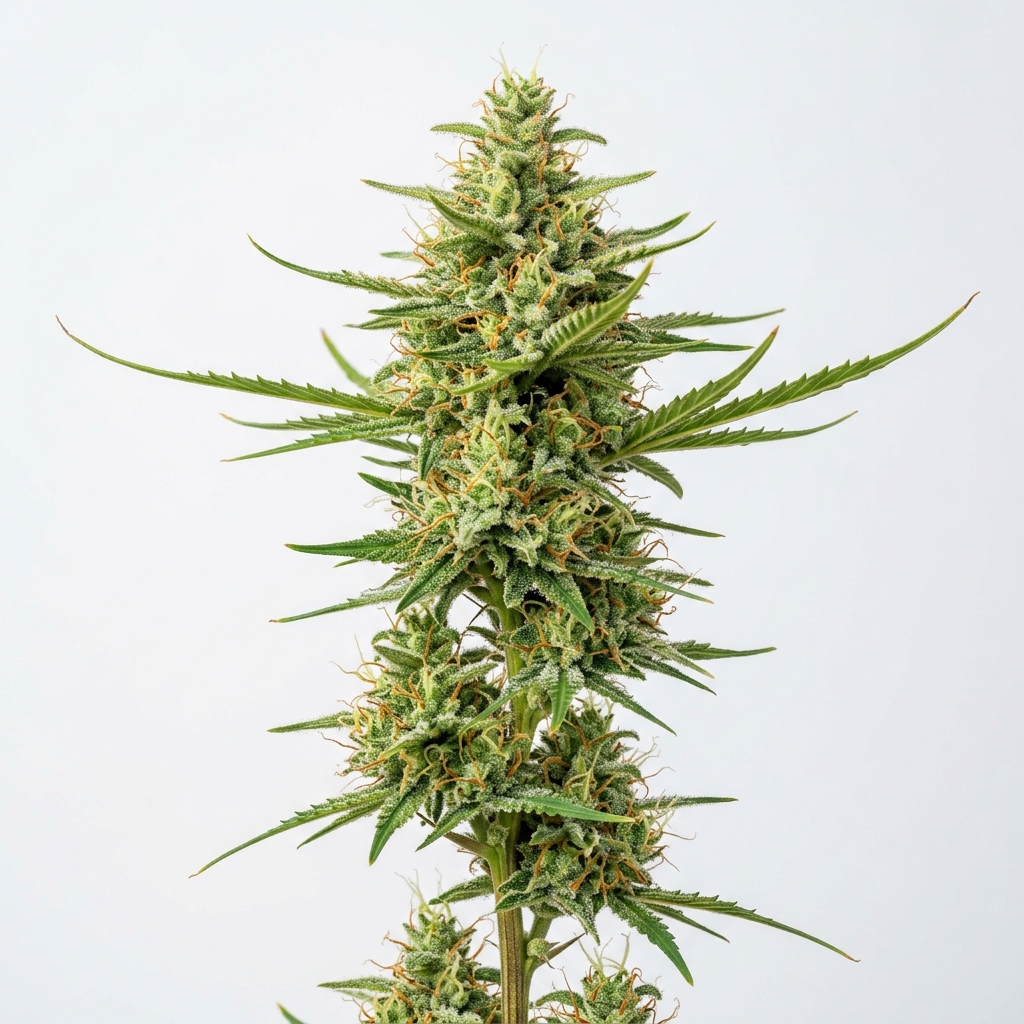
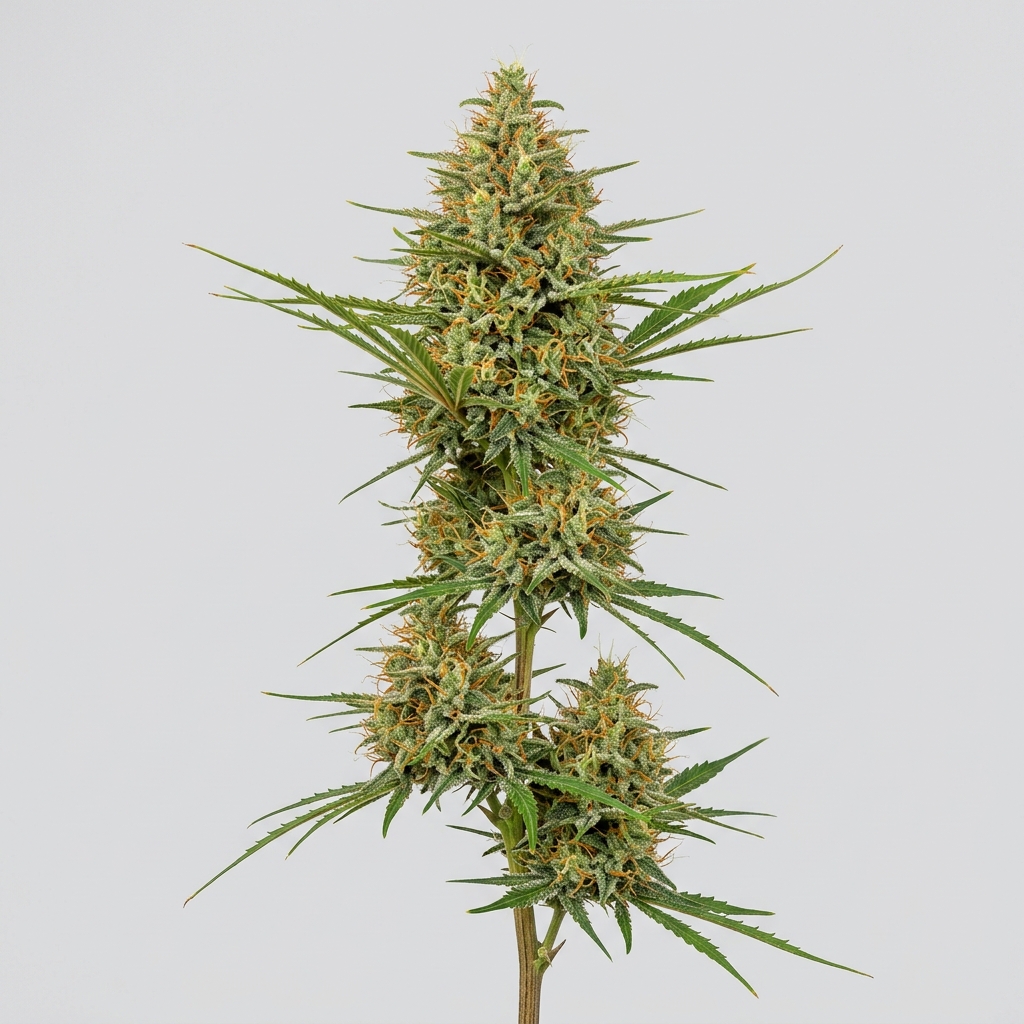
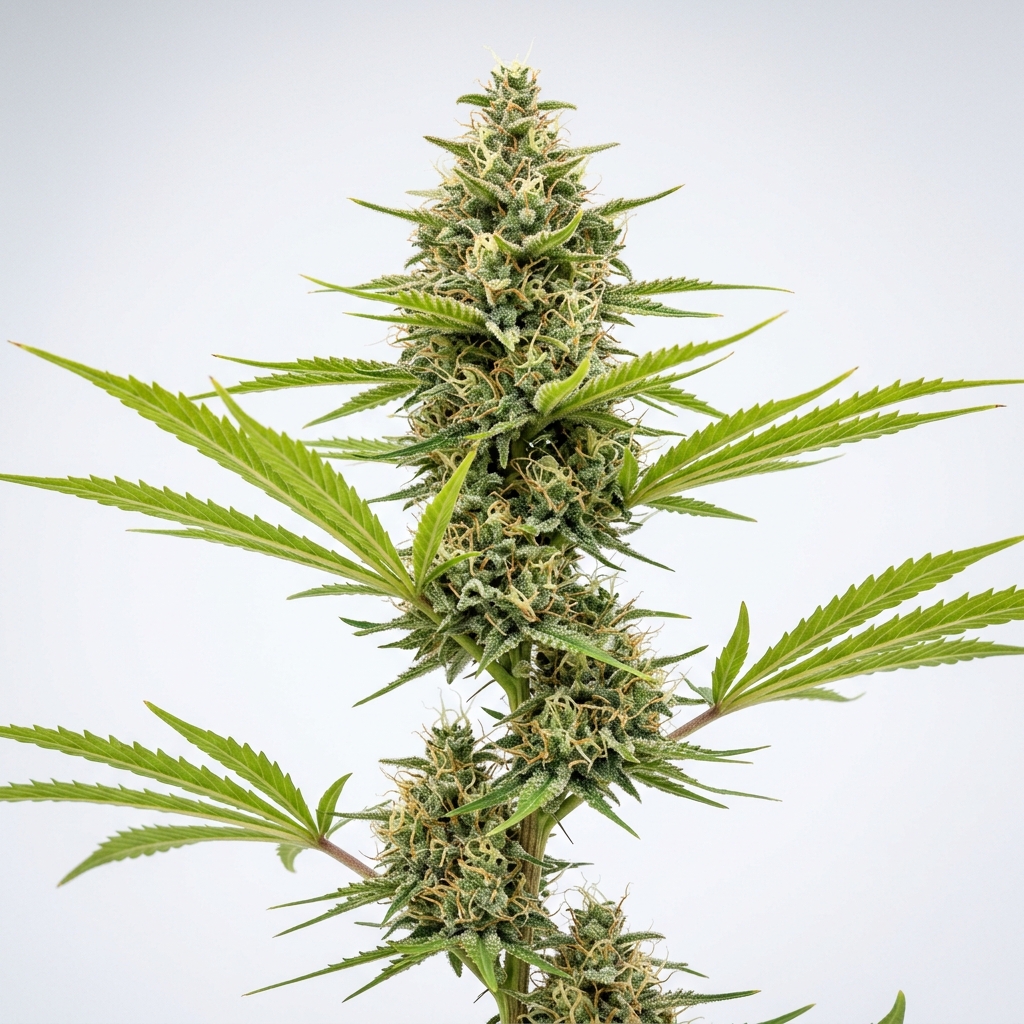
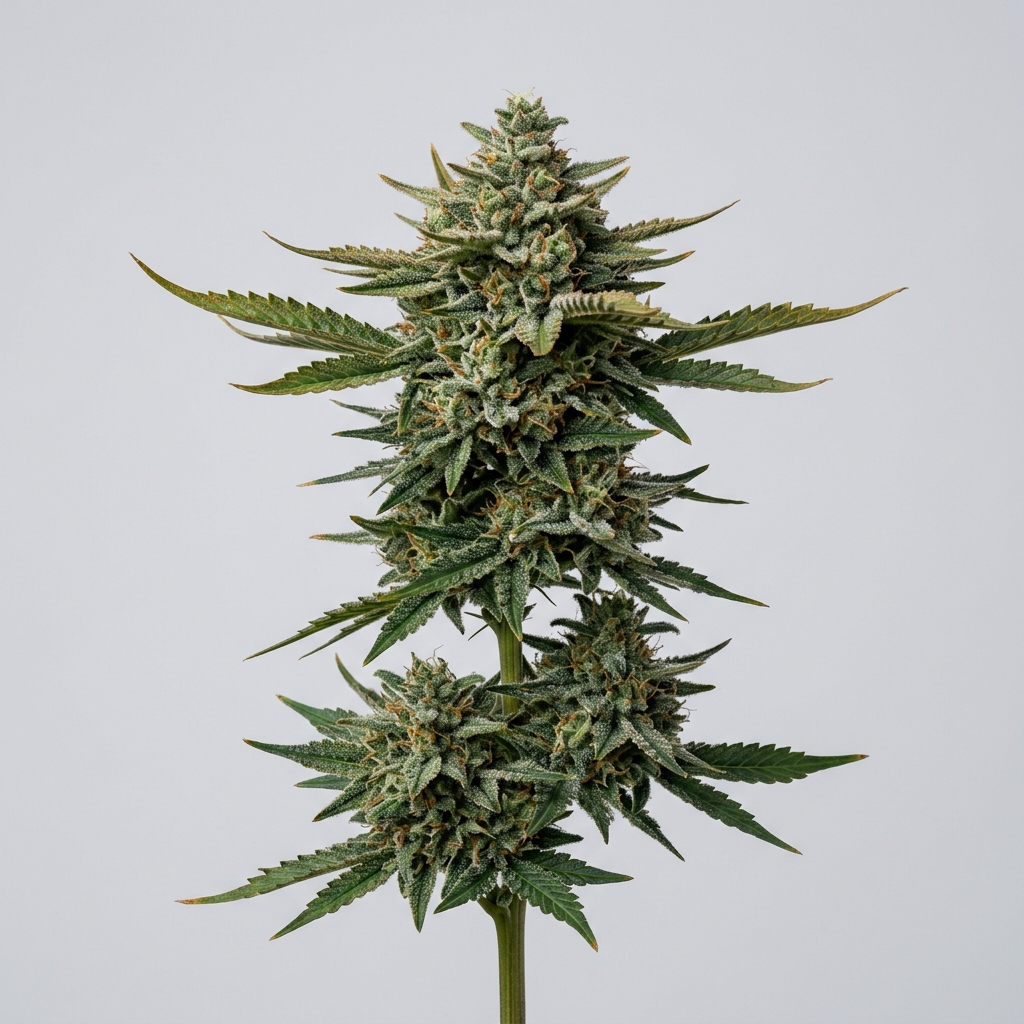
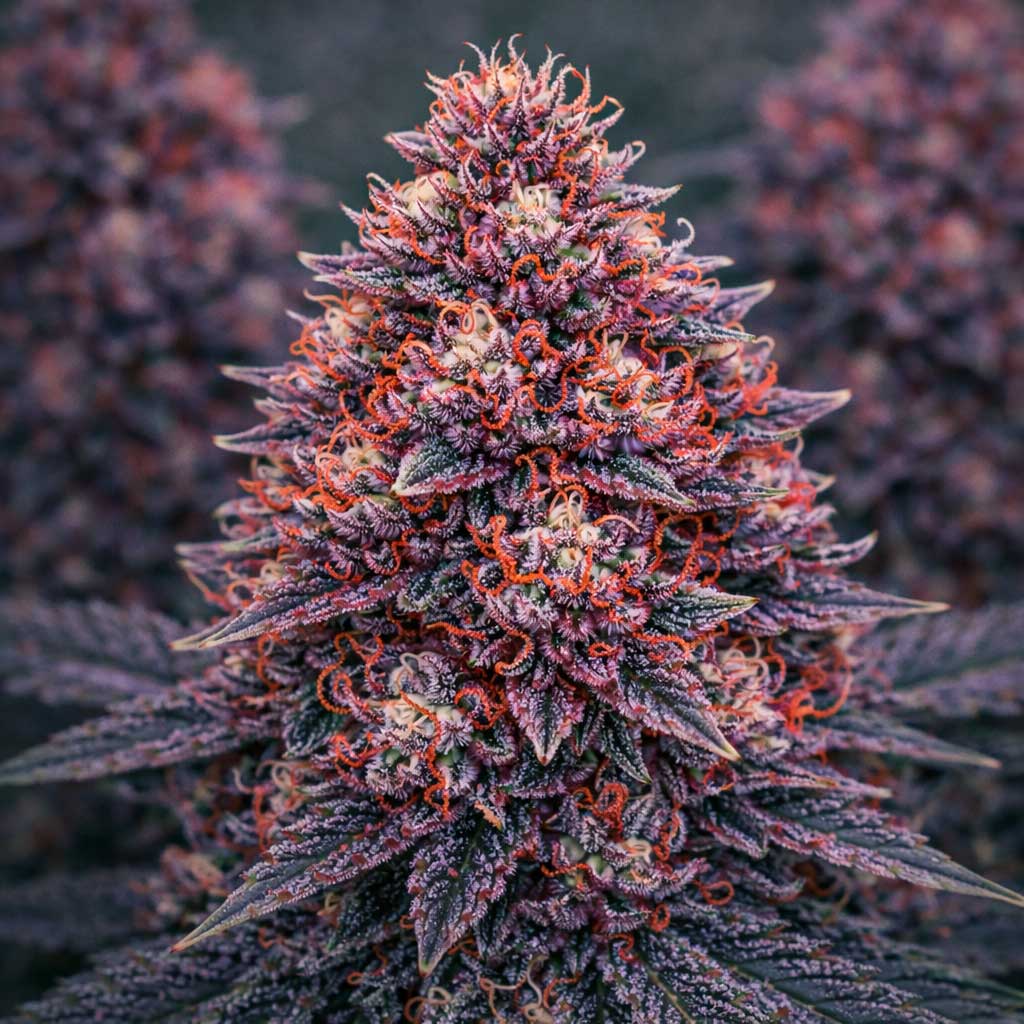
Red Forbidden Runtz is a boutique Indica-Dominant Hybrid cultivar (often cited as 70% Indica / 30% Sativa) created by crossing Forbidden Fruit x Red Runtz (Red Pop x Runtz). Recognized for its rare maroon-to-burgundy coloration and sour fruit-forward terpene expression, it is frequently referenced in horticultural discussions for its dense flower structure, resin production, and distinctive “red” aesthetic. The information below is intended strictly for scientific and botanical reference.
Quick Facts
| Genetics | Forbidden Fruit x Red Runtz (Red Pop x Runtz) |
|---|---|
| Variety | Indica-Dominant Hybrid (approx. 70% Indica / 30% Sativa) |
| Flowering Time | 8.5–9 weeks (60–63 days indoors) |
| Yield Potential | 450–550 g/m² (Moderate to High) |
| Plant Height | 100–130 cm; stocky, medium height with dense colas |
| Climate Preference | Dry, temperate conditions; sensitive to high humidity in late bloom |
| Difficulty | Intermediate (Requires attentive airflow management) |
Scientific & Botanical Overview
Red Forbidden Runtz is visually distinguished by buds that often fade into deep maroon, burgundy, and brick-red tones rather than traditional purple hues. This coloration is largely attributed to anthocyanin expression influenced by the Red Pop lineage. Plants typically exhibit a compact, Indica-leaning structure with thick stems and “rock-hard” flower density. Heavy trichome coverage contributes to a glossy, resin-coated appearance. Due to its dense floral clusters, proper ventilation during late flowering is essential to maintain plant health.
Effects & Use-Cases (Reported)
- Commonly reported effects: deep physical relaxation, prolonged euphoria, and calming body-forward sensations.
- Use-case context: often selected for evening sessions or late-day relaxation.
- Note: These are observational reports, not medical claims; outcomes are not guaranteed.
Aroma & Flavors
- Aroma: sour cherry soda layered with fermented tropical fruit and earthy gas undertones.
- Flavor: sweet red berries and creamy vanilla on the inhale, followed by sour candy and gassy spice on the exhale.
- Terpene associations: myrcene (dominant), limonene, caryophyllene.
Tested Cannabinoid & Terpene Ranges
| Compound | Typical Range* | Notes |
|---|---|---|
| Δ⁹-THC | ~26–30% | High potency range reported in lab analyses; results vary by batch. |
| CBD | ~0–0.5% | Typically present at trace levels. |
| Myrcene | ~0.7–1.2% | Associated with body-forward and sedative characteristics. |
| Limonene | ~0.5–0.9% | Contributes sour citrus and fruit-forward brightness. |
| Caryophyllene | ~0.4–0.7% | Adds earthy spice and depth to the terpene profile. |
*Ranges are literature- and lab-report-informed references and can differ with environment, harvest timing, post-harvest handling, and analytical methods.
Cultivation Notes
- Light Cycle: 18/6 vegetative; 12/12 flowering
- Humidity Targets: Maintain 40% or lower during final weeks to reduce risk of moisture-related issues.
- Nutrition: Often described as responsive to balanced feeding programs; excessive nitrogen in late bloom may impact terpene clarity.
- Training: Topping and light defoliation improve airflow and encourage lateral bud development.
- Harvest Window: Late September to early October outdoors (Northern Hemisphere).
Grower Notes (Week-by-Week Snapshot)
- Weeks 1–2 (Transition): limited stretch; strong central structure forms early.
- Weeks 3–4: rapid trichome development; soda-like aroma intensifies.
- Weeks 5–6: buds swell; maroon coloration begins appearing on foliage.
- Weeks 7–9: ripening phase; deeper red hues develop as temperatures fluctuate.
- Post-Harvest: Slow 14-day drying and proper curing help preserve fruit-forward terpene expression.
Timelines shift with genotype and environment; prioritize trichome maturity and plant health indicators over calendar counts.
Genetic Lineage
Red Forbidden Runtz combines Forbidden Fruit (Cherry Pie x Tangie) with Red Runtz (Red Pop x Runtz). Forbidden Fruit contributes tropical citrus sweetness, while Red Pop enhances soda-like berry notes and red pigmentation. The Runtz influence reinforces dense resin production and candy-forward complexity.
Research Insights
Discussion surrounding Red Forbidden Runtz frequently centers on its terpene profile, particularly the interaction between myrcene and limonene. Within cannabis research, terpene interactions are studied under the broader “entourage effect” framework. Balanced yet Indica-leaning terpene expression may influence perceived relaxation levels, though individual responses vary significantly.
Frequently Asked Questions
Is Red Forbidden Runtz an Indica or Sativa?
It is generally classified as an Indica-Dominant Hybrid (approx. 70% Indica / 30% Sativa).
Why does it appear red instead of purple?
Its Red Pop lineage influences anthocyanin expression, resulting in maroon and burgundy hues under certain environmental conditions.
How strong is it?
Reported THC levels commonly range between 26–30%, depending on phenotype and cultivation practices.
Is it suitable for beginner growers?
It is considered Intermediate, primarily due to its dense flower structure requiring strong airflow control.
Educational Disclaimer: This page is provided for scientific and horticultural reference only and does not constitute medical or promotional advice. Cannabis cultivation, possession, and use are regulated by local laws. Always comply with applicable legislation in your region.
Rate and review this strain
Ratings and reviews are accepted only from signed-in Google accounts.
Sign in with Google to leave a rating and written review.
Latest Reviews
0 reviewsNo reviews yet. Be the first Google user to rate and review this strain.