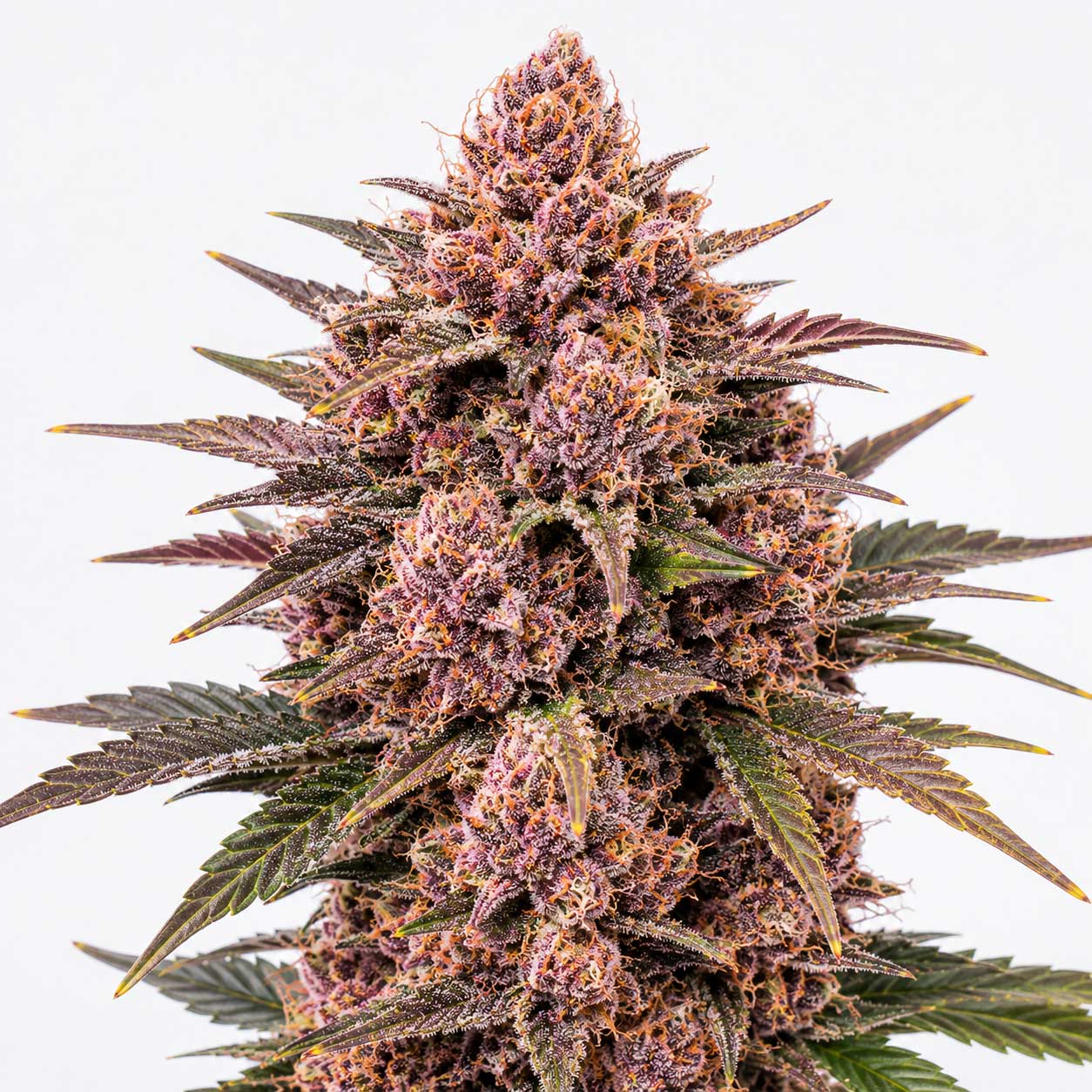
Rose Gold Runtz (Cannabis Strain)
Rose Gold Runtz is a balanced hybrid cultivar (approximately 50% Indica / 50% Sativa) created by crossing the highly celebrated Apples & Bananas with White Runtz. This modern exotic is distinguished by its high potency range of 25–32% THC, a striking rose-gold visual aesthetic, and a complex terpene profile reminiscent of sweet rose petals and blueberry cream. The cultivar is highly regarded for its wet frost resin production and dense, colorful bracts that appeal to extraction artists and boutique growers alike.
While its lineage delivers heavy-hitting physical relaxation, Rose Gold Runtz maintains a functional mental clarity that prevents immediate sedation. The plants exhibit a manageable growth habit with tight internodes and a controlled stretch, making them well-suited for indoor canopy management. This profile offers a practical look at its botanical characteristics and cultivation requirements for educational and horticultural reference.
Quick Facts
| Metric | Specification |
|---|---|
| Genetics | Apples & Bananas × White Runtz |
| Variety | Balanced Hybrid (50% Indica / 50% Sativa) |
| THC Range | 25–32% |
| Flowering Time | 8–9 weeks (56–63 days) |
| Yield Potential | 400–450 g/m² (Moderate) |
| Plant Height | 90–150 cm (Medium, bushy) |
| Climate Preference | Temperate / Mediterranean (Sensitive to extreme heat) |
| Difficulty | Moderate (Intermediate) |
Scientific & Botanical Overview
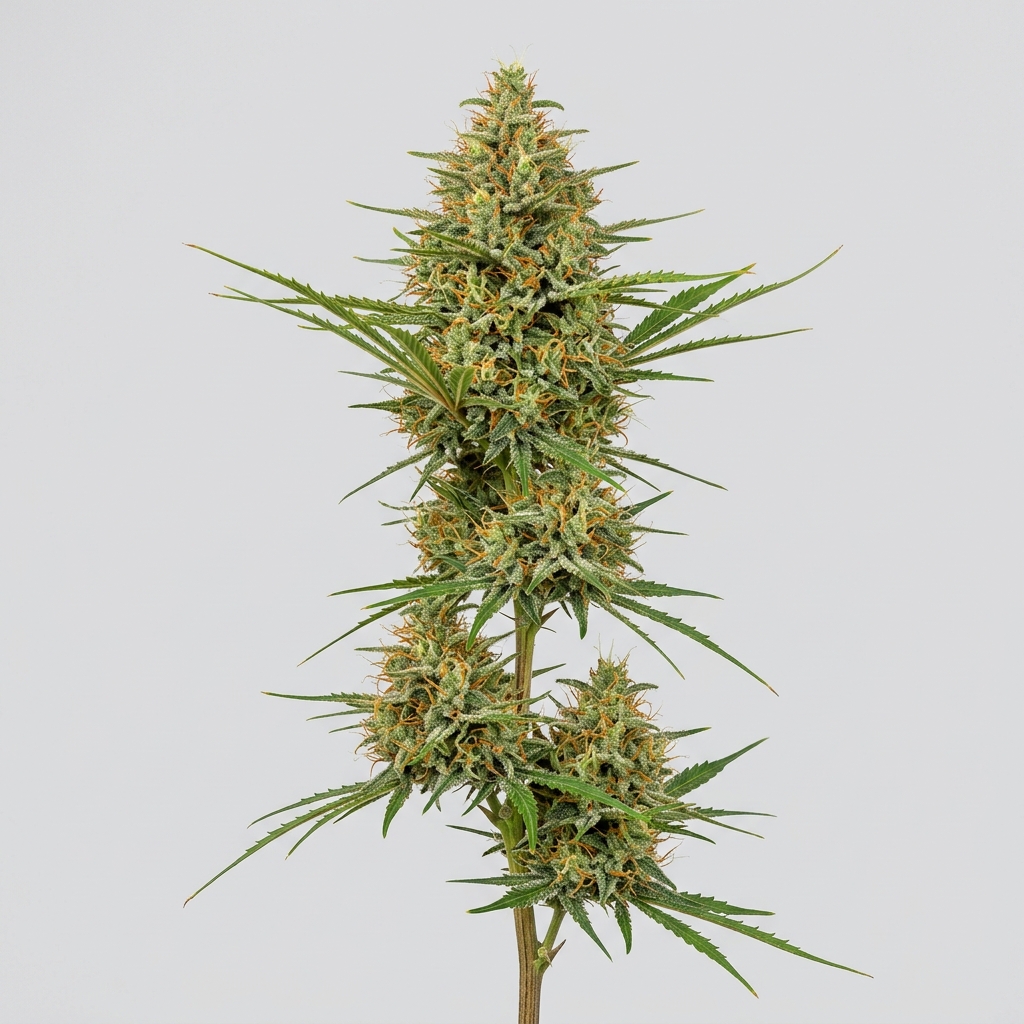
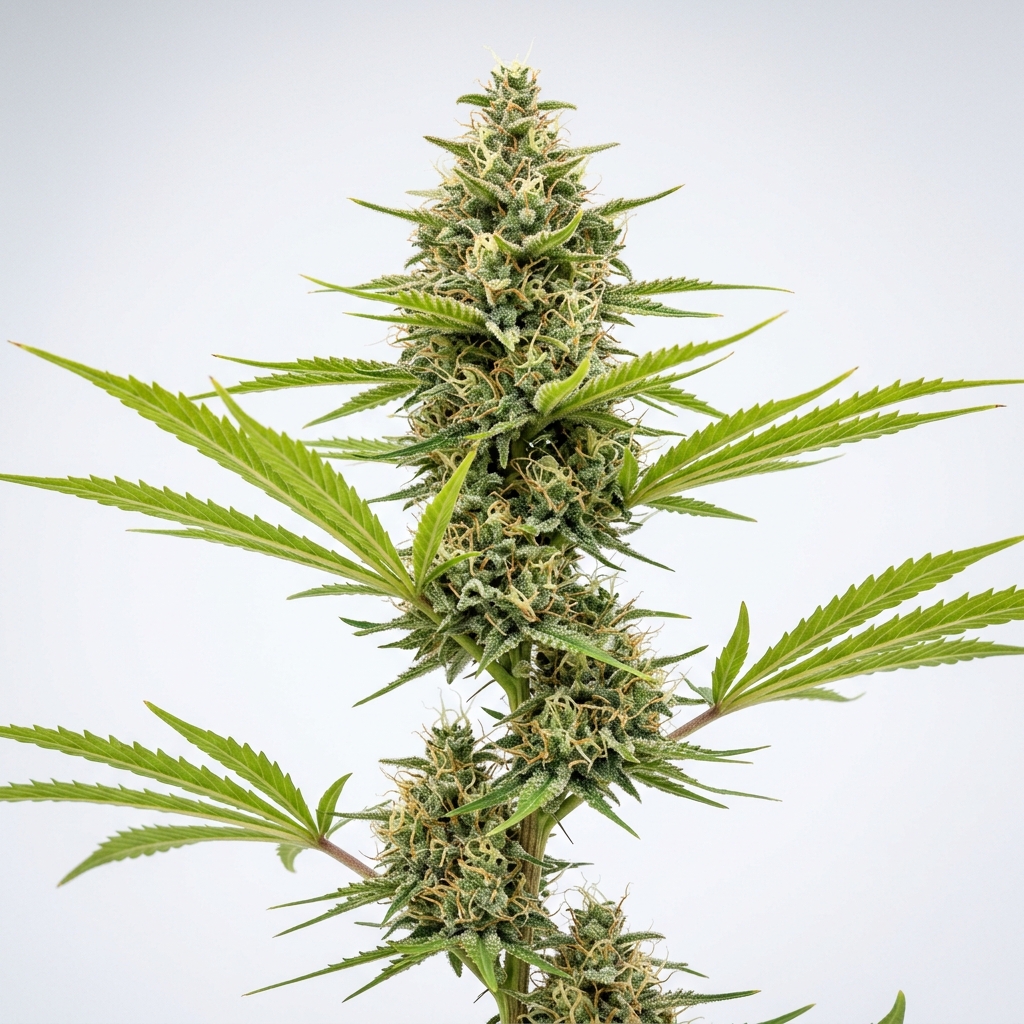
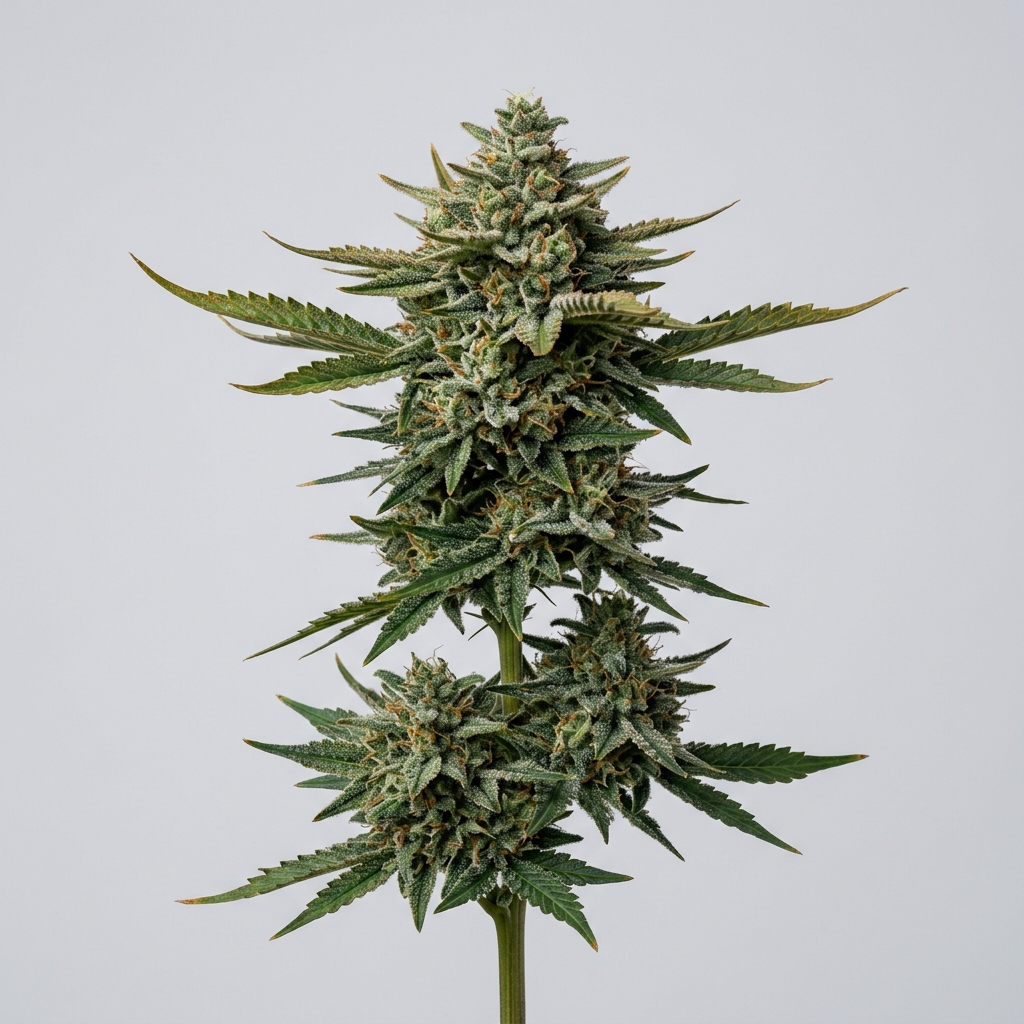
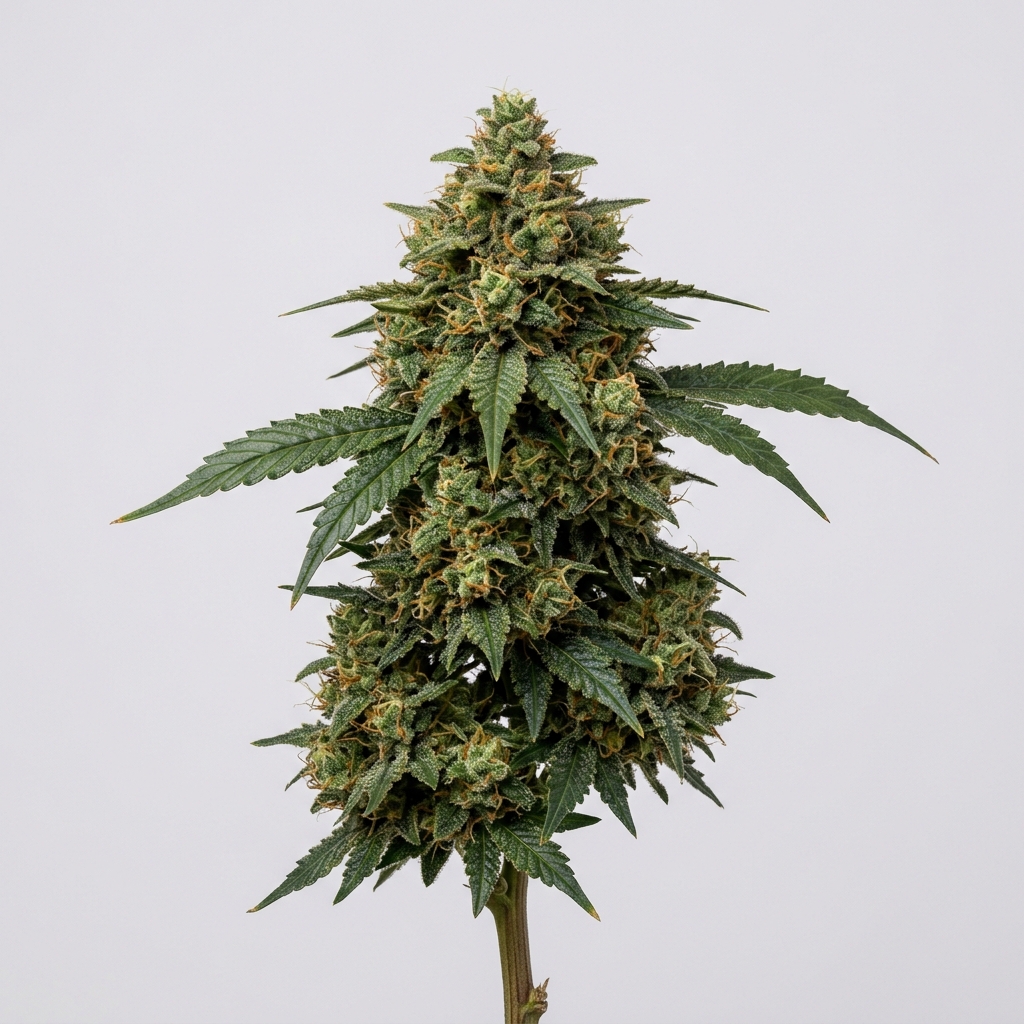
Rose Gold Runtz produces dense, spade-shaped emerald flowers that naturally transition into deep lavender and violet tones during the late blooming phase. The distinctive rose-gold shimmer is a visual result of thick, glass-like trichome heads layering over the purple bracts and amber pistils. Under close inspection, the calyxes appear swollen and tightly packed, a structural trait heavily influenced by its White Runtz parentage.
The vegetative growth is characterized by broad fan leaves and sturdy lateral branches that support the weight of developing spear colas. Structural vigor inherited from Apples & Bananas allows the plant to handle training techniques without significant stress. Anthocyanin expression, which drives the purple coloration, is highly responsive to temperature drops in the final two weeks of flowering.
Resin production on this cultivar is notably greasy, coating not only the flowers but also the surrounding sugar leaves. This high concentration of glandular trichomes makes it a popular choice for solventless extraction. The plant maintains a moderate height, typically requiring minimal vertical space if canopy training is applied early in the vegetative cycle.
Effects & Use-Cases (Reported)
Commonly reported effects: An initial euphoric lift is typically followed by a warming physical relaxation and a calm, creative focus. Users frequently note that the physical heaviness is balanced by an active mental clarity, avoiding the immediate couch-lock associated with heavier indica varieties.
Use-case context: This cultivar is often selected for afternoon or evening sessions, social gatherings, creative projects, or winding down after physical activity. The balanced profile makes it versatile for transitional day-to-night use.
Note: These are observational reports based on consumer feedback and laboratory testing; individual experiences may vary depending on tolerance, dosage, and unique chemistry.
Aroma & Flavors
Aroma: A dominant profile of sweet rose-petal and floral citrus is layered with creamy blueberry and a sharp, earthy fuel undertone. Breaking the buds releases a deeper, doughy sweetness with a hint of tart gas.
Flavor: The inhale delivers a sugary blueberry cream and soft floral notes, followed by a bright, sour citrus lift and a subtle mint finish on the exhale.
Terpene associations:
Myrcene (dominant, providing earthy fruitiness), linalool (contributing the signature floral, rose-like aroma), caryophyllene (adding a mild spicy gas), and limonene (providing a sharp citrus lift).
Tested Cannabinoid & Terpene Ranges
| Compound | Typical Range* | Notes |
|---|---|---|
| Δ9-THC | 25–32% | High-potency range; varies based on lighting and cultivation methods. |
| CBD | 0.1–0.4% | Typically present in minimal quantities. |
| CBG | 0.5–1.2% | Minor cannabinoid frequently detected in mature trichomes. |
| Myrcene | 0.4–0.9% | The dominant terpene, establishing the deep, earthy berry base. |
| Linalool | 0.2–0.5% | Responsible for the distinct rose-petal and lavender aroma. |
| Caryophyllene | 0.3–0.7% | Adds a warm, spicy gas finish to the exhale. |
*Ranges are literature- and lab-report-informed references and can differ with environment, harvest timing, post-harvest handling, and analytical methods.
Cultivation Notes
- Humidity Targets: Maintain 55–60% during the vegetative phase. Reduce to 40–50% during early-to-mid flower, and drop to 35–40% in the final weeks to prevent moisture retention in the dense bracts.
- Nutrition: Responsive to steady nitrogen levels in veg and high potassium during mid-flower. Keep calcium and magnesium levels consistent to support the heavy resin load.
- Training: Responds exceptionally well to topping and Low-Stress Training (LST). Utilizing a Screen of Green (SCROG) helps distribute light evenly across the dense lateral branches.
- Harvest: Outdoors, plan for a late September to early October harvest in the Northern Hemisphere. Watch for amber trichome transition to optimize physical relaxation.
- Phenotype Management: Some phenotypes stretch more than others due to the Apples & Bananas parentage; early canopy control is key to managing vertical space.
Grower Notes (Week-by-Week Snapshot)
- Weeks 1–3 (Transition & Stretch): Plants will experience a moderate stretch, often doubling in height. Focus on selective tucking and light defoliation to improve airflow through the lower canopy.
- Weeks 4–6 (Early Bloom & Resin): Flower sites develop rapidly into tight, spade-shaped clusters. Glandular trichomes begin to coat the calyxes, and the signature sweet, floral aroma becomes noticeable.
- Weeks 7–9 (Ripening & Coloration): Flower swelling peaks. Introduce cooler nighttime temperatures (around 15–17°C) to stimulate the expression of deep purple and lavender anthocyanins.
- Post-Harvest (Cure): A slow 10–14 day dry at 15°C and 60% relative humidity is essential to preserve the delicate linalool and myrcene terpenes before a minimum 3-week jar cure.
Genetic Lineage
The lineage of Rose Gold Runtz is a deliberate pairing of two modern powerhouse lines. Its maternal parent, Apples & Bananas (Blue Power × Gelatti), contributes robust physical structure, exceptional resin output, and a complex dark berry and gas aroma. This genetic background ensures that the offspring maintain strong lateral branches capable of holding heavy colas without snapping.
On the paternal side, White Runtz (Zkittlez × Gelato) lends its legendary candy sweetness, tight internodal spacing, and a dense, compact flower architecture. The combination of these two profiles results in a cultivar that preserves the exotic candy appeal of the Runtz family while introducing a sophisticated floral and herbal complexity.
Research Insights
Analytical testing of Rose Gold Runtz frequently highlights a unique terpene ratio, specifically the co-dominance of linalool alongside myrcene and caryophyllene. In botanical research, the presence of linalool in high-potency cannabis cultivars is studied for its potential to modulate the intense psychoactive effects of THC, offering a more balanced physical experience. This interaction is often explored under the broader framework of the entourage effect.
Furthermore, the high concentration of anthocyanins in this cultivar points to a robust genetic pathway for flavonoid production. These compounds not only dictate the striking purple and lavender coloration under cooler conditions but also contribute to the complex sensory profile of the cured flower, making it a subject of interest for breeders focused on visual and aromatic refinement.
Frequently Asked Questions
Is Rose Gold Runtz an Indica or Sativa?
Rose Gold Runtz is a balanced hybrid, typically classified as a 50% Indica / 50% Sativa cultivar. It delivers a blend of physical relaxation and mental clarity without leaning too heavily toward sedation or hyperactivity.
What does Rose Gold Runtz smell like?
It features a distinct aroma of sweet rose petals, floral citrus, and creamy blueberry, backed by a subtle earthy gas and doughy undertone when the buds are broken apart.
How difficult is it to grow Rose Gold Runtz?
It is moderately difficult to grow. While it is highly responsive to canopy training and SCROG setups, growers must carefully manage late-flower humidity to protect its dense, resin-rich flowers from moisture issues.
What are the parent strains of Rose Gold Runtz?
Rose Gold Runtz is a genetic cross between Apples & Bananas (Blue Power × Gelatti) and White Runtz (Zkittlez × Gelato).
Educational Disclaimer
This guide is intended strictly for educational, scientific, and botanical reference purposes. Cultivation of cannabis is subject to local laws and regulations. The information provided does not constitute medical advice or guarantees of specific cultivation outcomes.
Rate and review this strain
Ratings and reviews are accepted only from signed-in Google accounts.
Sign in with Google to leave a rating and written review.
Latest Reviews
0 reviewsNo reviews yet. Be the first Google user to rate and review this strain.