Golden Pineapple (Cannabis Strain)
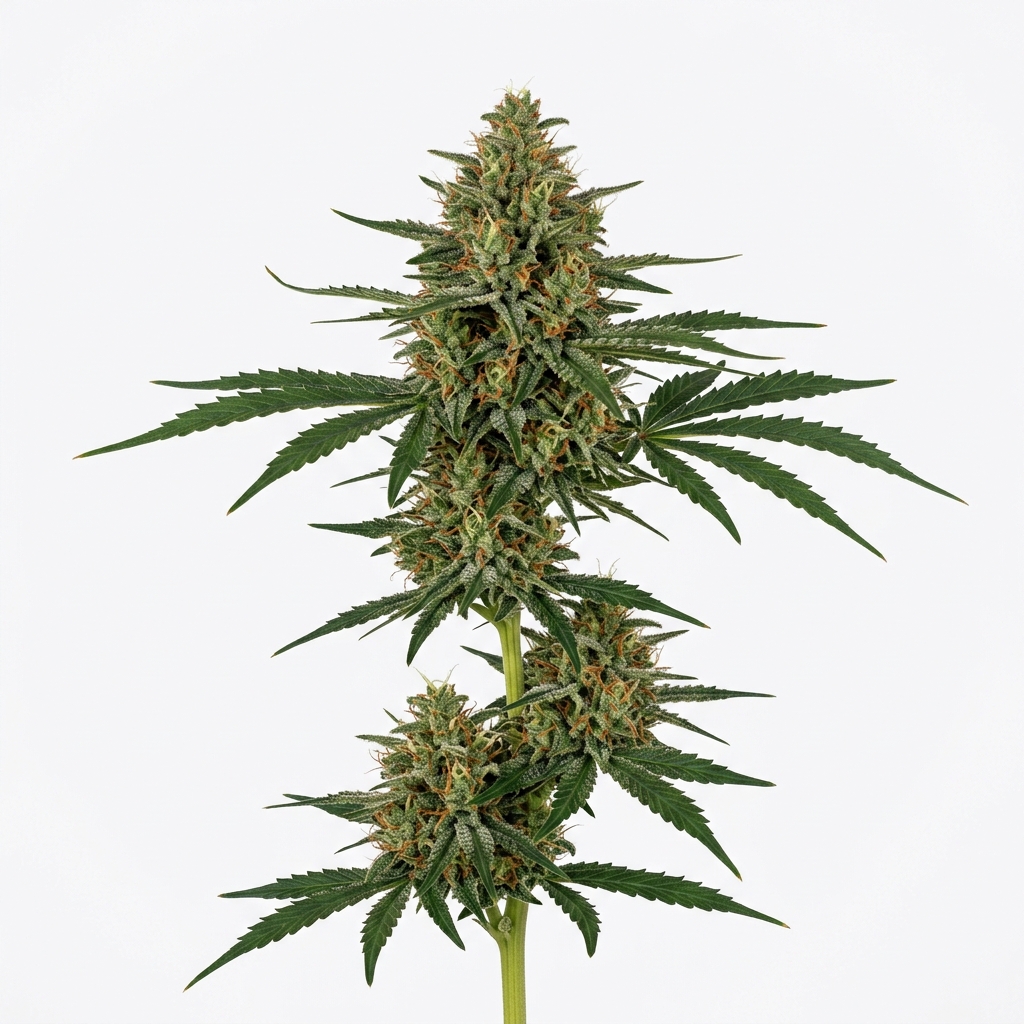
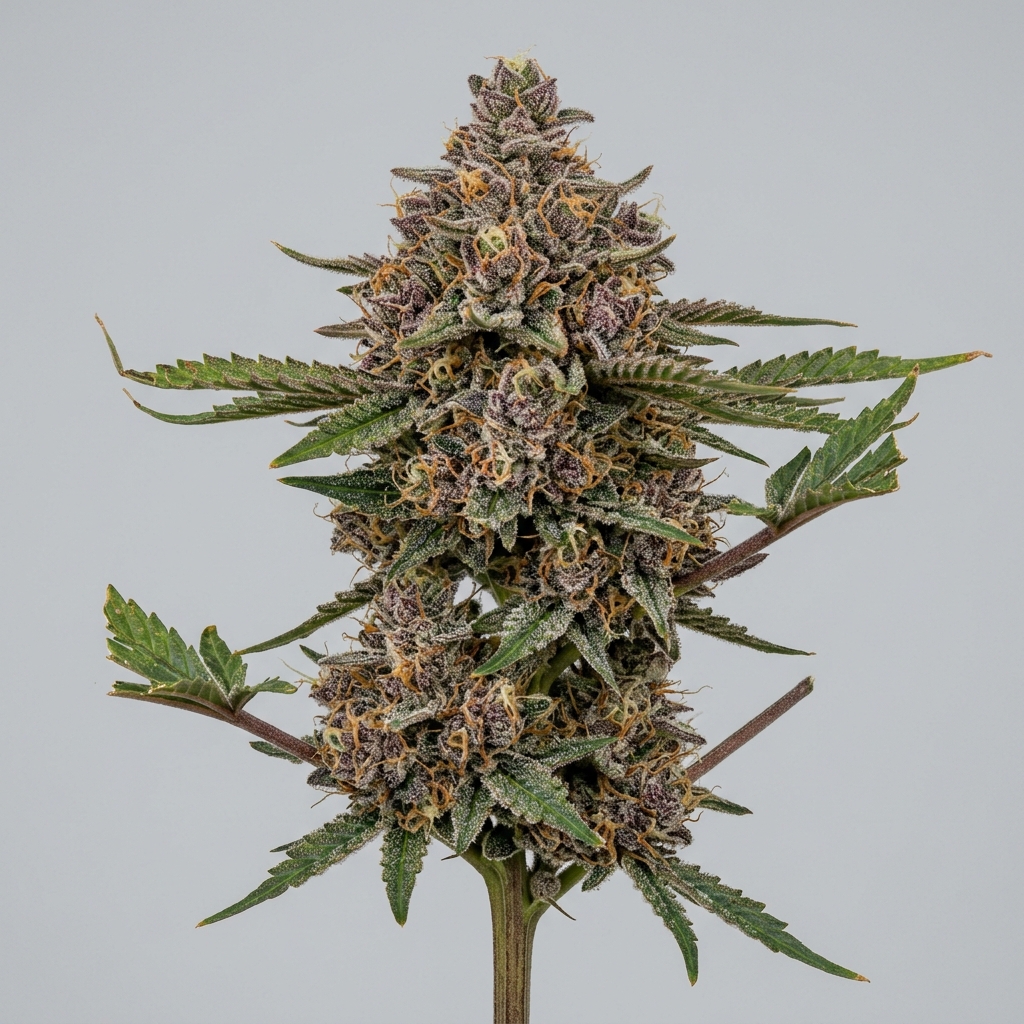
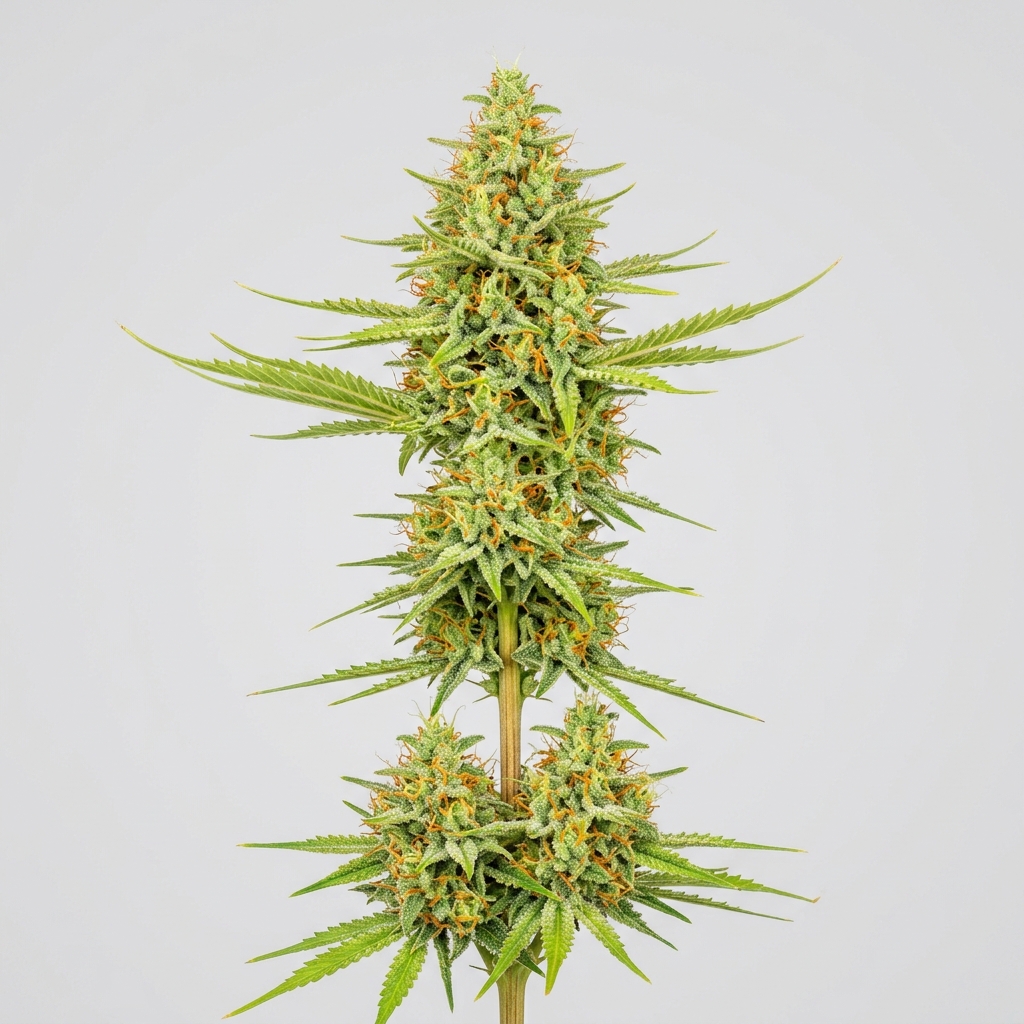
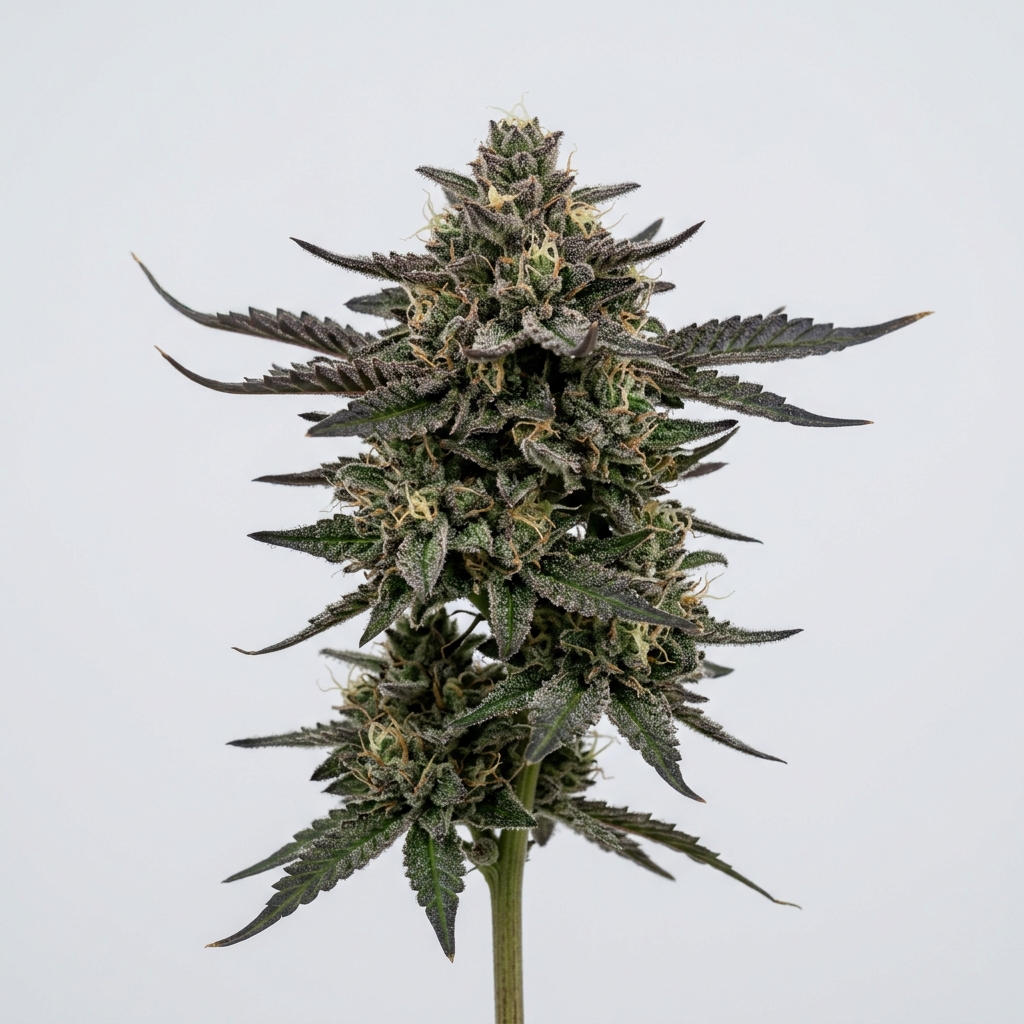
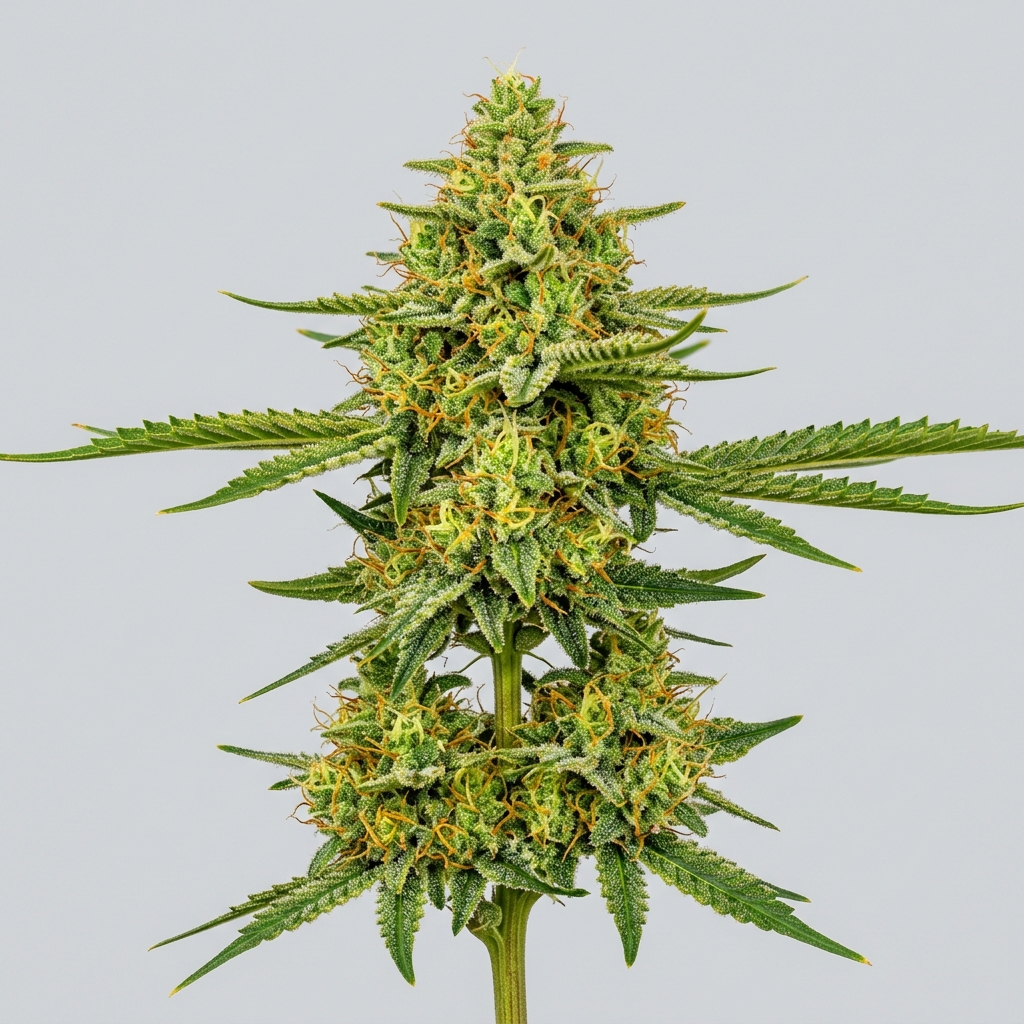
Golden Pineapple is an aromatic, sativa-dominant hybrid typically testing between 18% and 25% THC, created by crossing the legendary Golden Goat with Pineapple Kush. This daytime sensory hybrid is widely celebrated for its striking tropical fruit profile, heavy resin production, and glassy buds that carry a distinct golden hue under proper lighting. Growers value the cultivar for its manageable stretch, dense spear colas, and intense terpene clarity that emerges early in the flowering cycle.
Originally gaining traction in the Pacific Northwest, this selection has secured a permanent place in contemporary gardens due to its reliable vigor and extraction potential. The finished flowers display swollen calyxes coated in a sticky layer of wet frost, giving off a sharp pineapple tang backed by an earthy kush base.
Quick Facts
| Field | Details |
|---|---|
| Genetics | Golden Goat × Pineapple Kush |
| Variety | Sativa-dominant Hybrid |
| THC Range | 18% – 25% |
| Flowering Time | 8 – 9 Weeks |
| Yield Potential | Moderate to High |
| Plant Height | Medium to Tall |
| Climate Preference | Temperate, Low Humidity |
| Difficulty | Moderate |
Scientific & Botanical Overview
Botanically, Golden Pineapple displays traits from both sides of its parentage, showing broad fan leaves during early vegetative growth that transition to narrower leaflets as the plant matures. The internodal spacing is moderately tight for a sativa-dominant selection, allowing for efficient light penetration throughout the canopy.
The cultivar is characterized by its dense, spear-shaped colas that resist moisture-related issues better than bulkier indica counterparts, thanks to a slightly more open bract structure. Resin production is highly concentrated on the calyxes, with capitate-stalked trichomes developing early and maintaining clarity until late senescence.
This strain responds well to canopy management techniques like topping and low-stress training. Its sturdy stems easily support the weight of the developing flowers, though supplemental trellising is recommended to manage the late-stage flower weight and prevent branches from leaning.
Effects & Use-Cases (Reported)
Commonly reported effects: Users frequently report an immediate, clear-headed cerebral lift accompanied by a gentle, relaxing physical undercurrent. The experience is often described as energetic and focused, making it a popular choice for daytime activities without the racing anxiety sometimes associated with pure landrace sativas.
Use-case context: This hybrid is well-suited for creative projects, social gatherings, or active outdoor pursuits where mental clarity and physical comfort are equally desired. Its balanced nature makes it a versatile option for daytime use.
Note: Individual tolerance and consumption methods can significantly alter these effects, and high doses may lead to a more pronounced physical heaviness.
Aroma & Flavors
Aroma: The olfactory profile is dominated by a sharp, sweet tropical pineapple scent, layered with notes of overripe fruit, sour citrus, and a subtle fuel undertone. Breaking the buds releases a deeper, earthy kush base that balances the intense sweetness.
Flavor: On the palate, the strain delivers a pronounced tropical fruit flavor reminiscent of fresh pineapple chunks, followed by a tart gas and a clean, slightly spicy herbal finish.
Terpene associations: The aromatic complexity of this cultivar is driven primarily by terpinolene, myrcene, and caryophyllene, which work together to produce its signature sweet-and-sour profile.
Tested Cannabinoid & Terpene Ranges
| Compound | Tested Range |
|---|---|
| Δ9-THC | 18.0% – 25.0% |
| CBD | < 0.5% |
| Terpinolene | 0.4% – 0.8% |
| Myrcene | 0.3% – 0.6% |
| Caryophyllene | 0.2% – 0.5% |
Note: Cannabinoid and terpene levels are highly dependent on specific phenotypes, environmental conditions, and cultivation techniques.
Cultivation Notes
- Humidity: Maintain relative humidity around 55-60% during vegetative growth, dropping gradually to 40-45% by the final weeks of flowering to prevent moisture retention in the dense colas.
- Nutrition: Responds well to a moderate feeding schedule; avoid excessive nitrogen during early flower to prevent leaf curl and maintain terpene clarity.
- Training: use Screen of Green (ScrOG) or multi-topping techniques to maximize light exposure to lower bud sites and promote uniform canopy development.
- Harvest: Look for a transition of trichomes from glassy-clear to mostly milky-white, with roughly 10-15% amber heads for the optimal balance of uplifting effects.
- Phenotype Management: Keep an eye out for phenos that lean heavily toward the Golden Goat parentage, as these may require an extra week of flowering and exhibit more stretch.
Grower Notes (Week-by-Week Snapshot)
- Weeks 1–3 (Vegetative & Transition): Plants show rapid vegetative growth with a moderate stretch upon flipping to a 12/12 light cycle. Early training should be completed during this window to establish the canopy structure.
- Weeks 4–6 (Mid-Flower): Flower clusters begin to stack rapidly, developing a noticeable coating of wet frost. The characteristic tropical pineapple aroma starts to fill the grow space, requiring robust carbon filtration.
- Weeks 7–9 (Late Flower & Ripening): Buds swell significantly, displaying vibrant orange pistils and dense, resin-rich bracts. Flush the medium with plain water during the final 10-14 days to enhance flavor purity and ensure a clean burn.
Genetic Lineage
Golden Pineapple inherits its complex characteristics from two highly regarded parent strains. The maternal parent, Golden Goat, is a renowned three-way cross of Hawaiian, Romulan, and Island Sweet Skunk, known for its soaring sativa energy and tropical, sweet-and-sour terpene profile.
The paternal influence comes from Pineapple Kush, a relaxing hybrid crossing Pineapple and Master Kush. This lineage contributes structural density to the buds, tempers the sativa stretch, and infuses the genetic line with its deep, earthy kush undertones and soothing physical properties.
Research Insights
Analytical testing of this cultivar highlights a high concentration of the cyclic monoterpene terpinolene, a compound relatively uncommon as a dominant terpene in modern commercial hybrids. This compound, combined with significant levels of myrcene, is believed to play a critical role in shaping the strain’s uplifting yet physically grounding sensory profile.
The unique terpene distribution makes Golden Pineapple a subject of interest for extractors, as the volatile aromatics preserve exceptionally well during light hydrocarbon extraction. The resulting concentrates often exhibit a glassy, golden appearance and an intensely concentrated tropical profile.
Frequently Asked Questions
Is Golden Pineapple a sativa or an indica?
Golden Pineapple is a sativa-dominant hybrid, typically consisting of approximately 55% to 65% sativa genetics, inherited from its Golden Goat parentage.
What does Golden Pineapple smell like?
The strain has a highly distinct aroma of fresh, sweet pineapple mixed with tart citrus, overripe tropical fruits, and a subtle, earthy kush background.
How long does Golden Pineapple take to flower?
Indoors, Golden Pineapple typically completes its flowering cycle in 8 to 9 weeks, making it relatively fast-flowering for a sativa-dominant hybrid.
Is Golden Pineapple easy to grow?
It is considered a moderate-difficulty strain to cultivate. While it is naturally vigorous and pest-resistant, growers must manage its moderate stretch and keep late-flower humidity levels low.
Educational Disclaimer
This article is for educational and informational purposes only. Cannabis cultivation and consumption are subject to local laws and regulations. Consult with a qualified professional before making any agricultural or health-related decisions.
Rate and review this strain
Ratings and reviews are accepted only from signed-in Google accounts.
Sign in with Google to leave a rating and written review.
Latest Reviews
0 reviewsNo reviews yet. Be the first Google user to rate and review this strain.