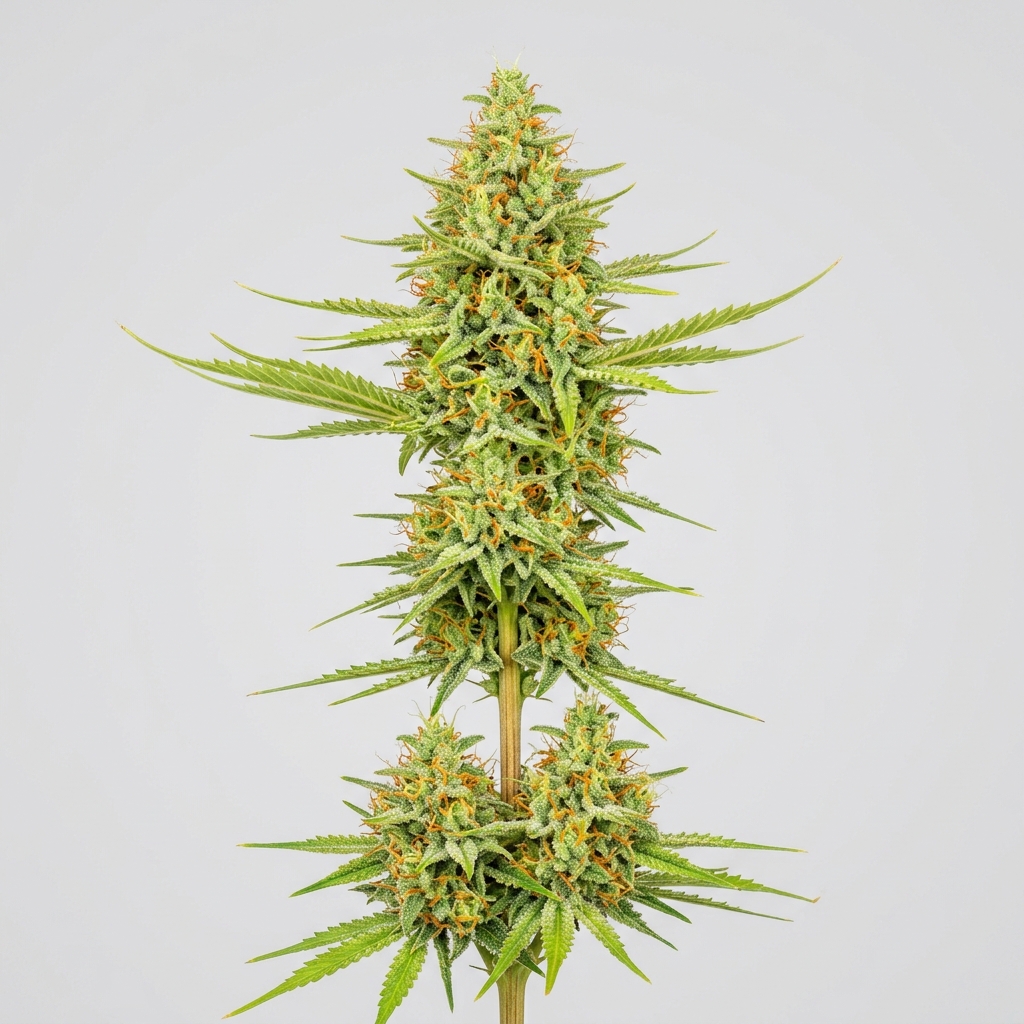
Green Goblin (Cannabis Strain)
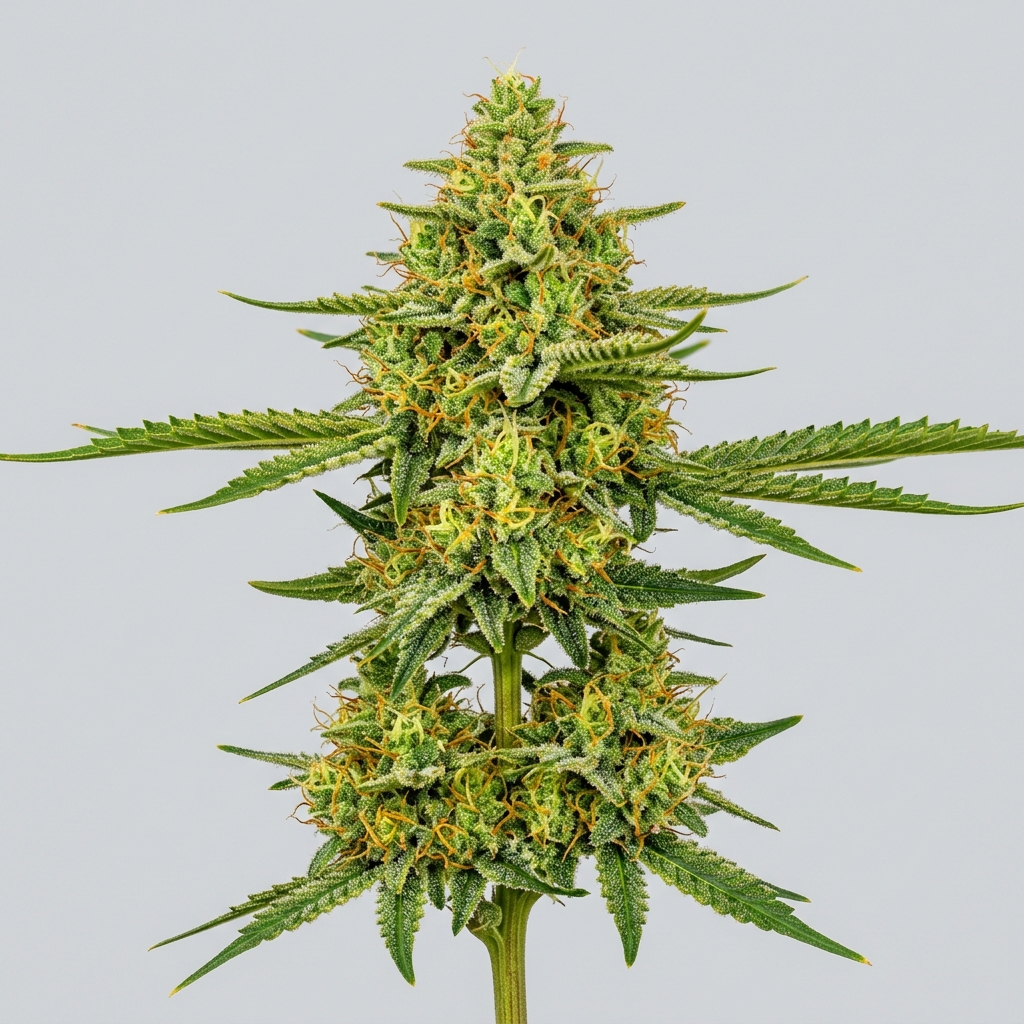
Green Goblin is a sativa-dominant hybrid, typically testing between 18% and 24% THC, widely recognized as a coveted, skunk-forward phenotype of Green Crack (or alternatively, a select cross of Northern Lights #5 and Skunk #1). Known for its bright, neon-green spear colas and a thick coating of glassy buds, this cultivar delivers a sharp citrus lift layered over a heavy, skunky diesel base. It shows a vigorous but manageable growth profile, making it a favorite among growers seeking old-school skunk characteristics paired with modern, resin-rich flowers.
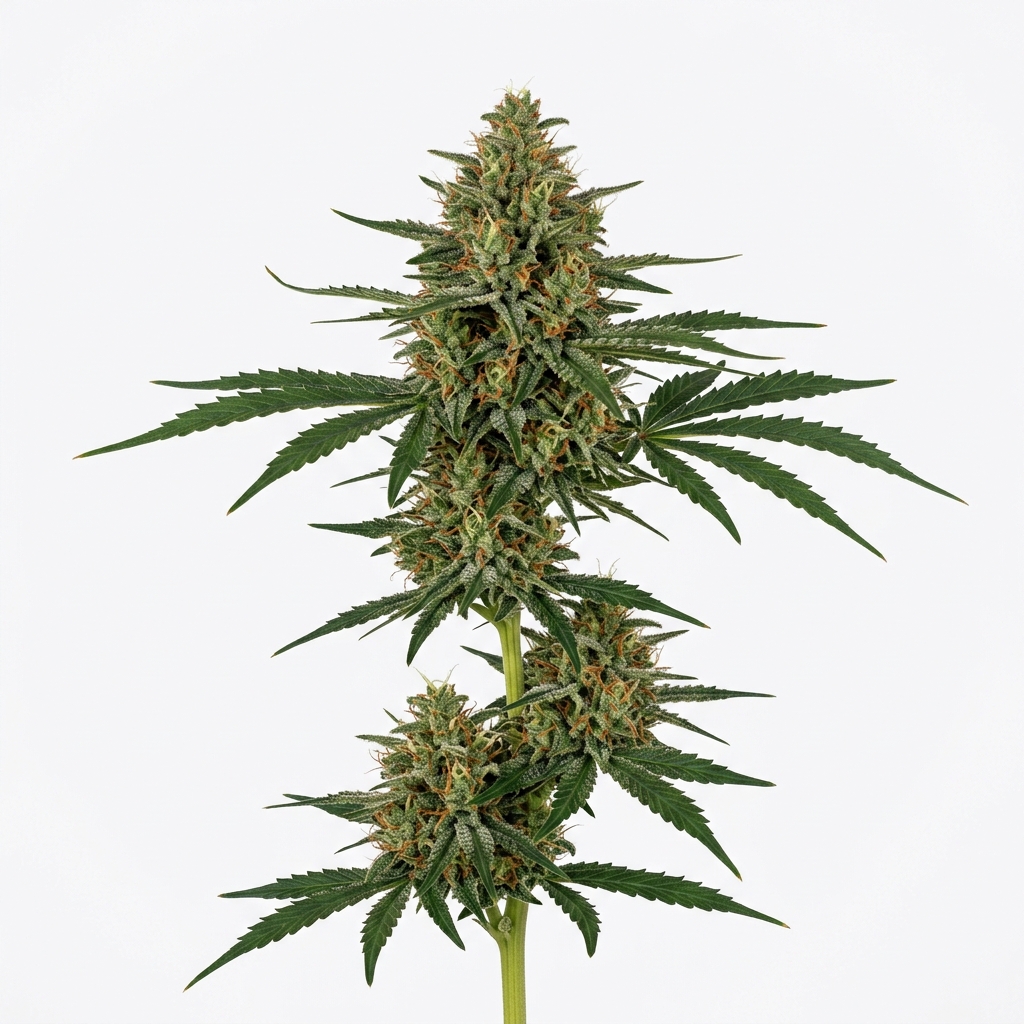
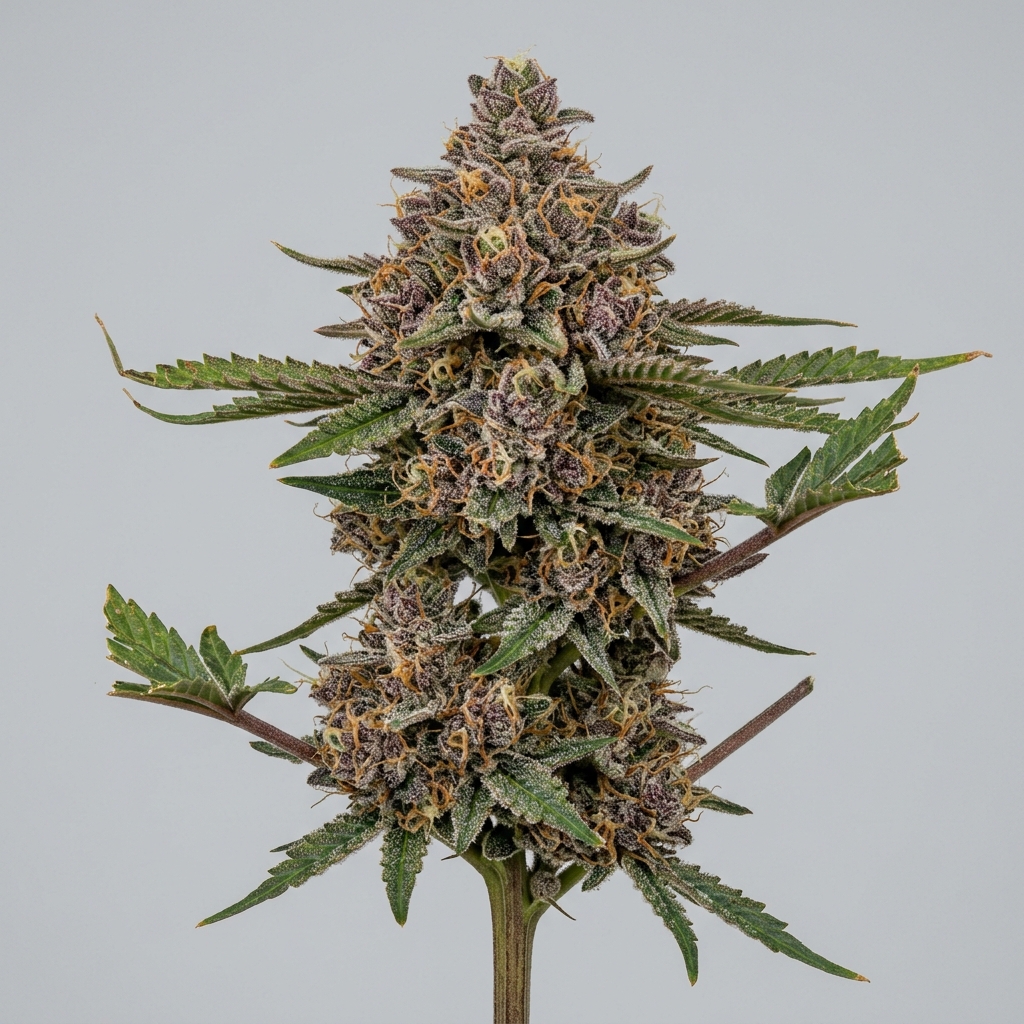
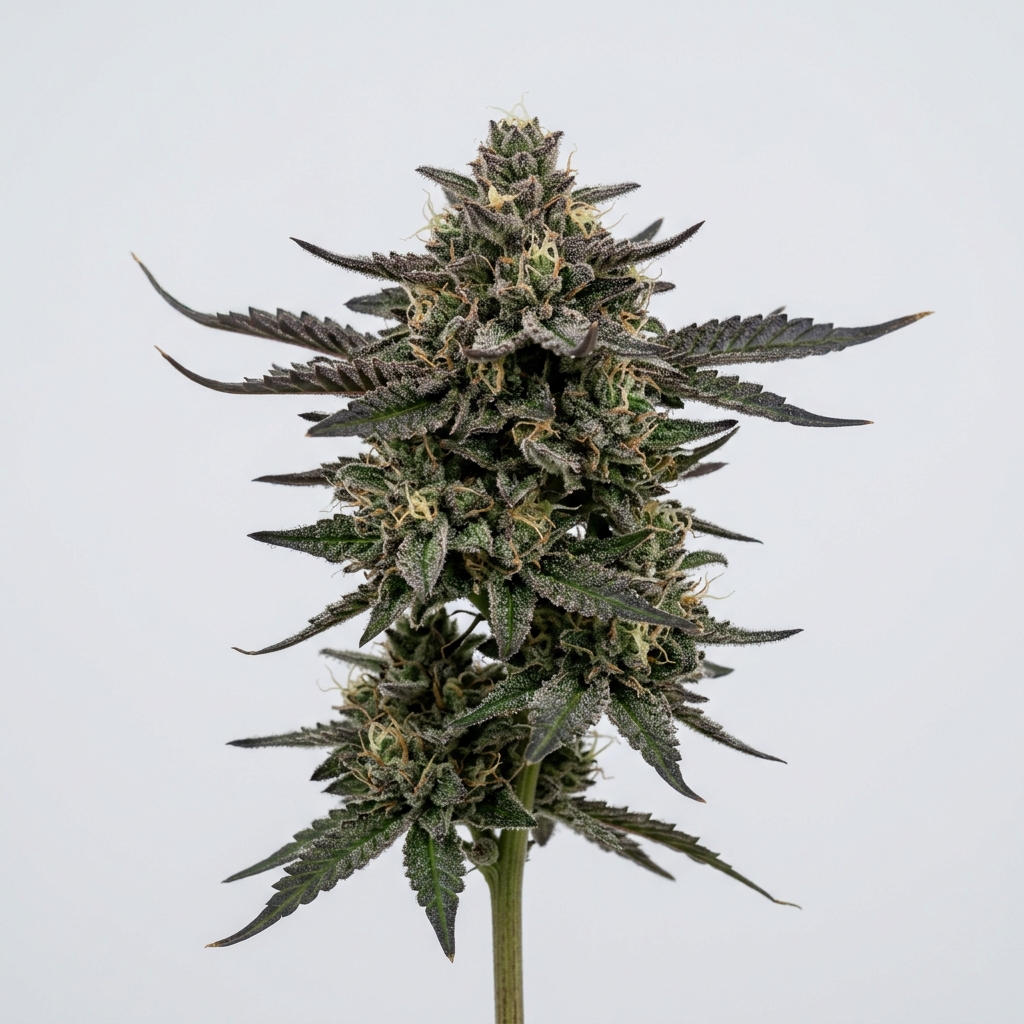
Cultivators appreciate the plant’s structural efficiency, which balances tight internodes with thin, light-reaching fan leaves. The cured flowers present a striking visual contrast of pale green bracts wrapped in vivid orange pistils. Its distinct profile makes it a staple for daytime use, offering a clear-headed, energetic experience that stays grounded without the racy edge of pure sativas.
Quick Facts
| Metric | Details |
|---|---|
| Genetics | Green Crack phenotype (Skunk #1 × Afghani) |
| Variety | Sativa-dominant Hybrid |
| THC Range | 18% – 24% |
| Flowering Time | 7 – 9 Weeks |
| Yield Potential | Moderate to High |
| Plant Height | Medium to Tall |
| Climate Preference | Temperate, low humidity |
| Difficulty | Moderate |
Scientific & Botanical Overview
Botanically, Green Goblin shows a classic hybrid structure with a notable sativa lean during its vegetative stretch. The leaves are typically narrow-fingered and pale green, allowing high light penetration through the lower canopy. This morphology helps maintain consistent airflow and reduces the microclimatic humidity that can threaten dense flower clusters.
The inflorescence is characterized by dense, elongated spear colas that stack tightly along the main stems. Swollen calyxes develop early in the flowering cycle, eventually forming a dense crust of capitate-stalked trichomes that exude a greasy resin. The plant’s structural integrity is reinforced by woody stems, though the weight of the mature colas often requires external trellis support.
Phenotypic variation is relatively low, with most selections leaning heavily toward the classic Skunk morphology. The plant displays high nutrient efficiency but requires careful canopy management to support its heavy terminal colas. Its resilience to minor temperature fluctuations makes it a reliable choice for both greenhouse and indoor environments.
Effects & Use-Cases (Reported)
Commonly reported effects: Consumers frequently describe a rapid, clear-headed stimulation accompanied by an energetic physical buzz. The initial onset is clean and uplifting, gently settling into a functional, focused headspace that does not induce heavy physical sedation or lethargy.
Use-case context: This profile makes the cultivar well-suited for morning or midday activities, creative work, and social settings. It provides a steady, active baseline that aligns with tasks requiring sustained focus and physical mobility.
Note: High-THC cultivars can occasionally induce mild tension in sensitive individuals; starting with moderate amounts is advised.
Aroma & Flavors
Aroma: A pungent blend of earthy musk, sharp diesel, and sweet, rotten skunk defines the initial profile. Breaking the buds releases a brighter, sour undertone reminiscent of overripe citrus and wet soil.
Flavor: The smoke delivers a sharp citrus lift on the inhale, followed by a lingering herbal pine and tart gas finish. The retrohale highlights a subtle sweetness that balances the heavier, fuel-like notes.
Terpene associations: Dominant terpenes typically include myrcene, caryophyllene, and limonene, which steer the profile from sweet citrus to deep, musky earth.
Tested Cannabinoid & Terpene Ranges
| Compound | Typical Range |
|---|---|
| Δ9-THC | 18.0% – 24.0% |
| CBG | 0.5% – 1.2% |
| β-Myrcene | 0.4% – 0.9% |
| β-Caryophyllene | 0.3% – 0.7% |
| d-Limonene | 0.2% – 0.5% |
Note: Cannabinoid and terpene levels are highly variable and depend on specific cultivation practices, environmental conditions, and curing methods.
Cultivation Notes
- Humidity Control: Maintain relative humidity below 45% during late flower to prevent moisture retention in the dense spear colas.
- Canopy Management: Implement topping and low-stress training (LST) early in veg to encourage lateral branching and maximize light exposure.
- Nutrient Feeding: The cultivar responds well to moderate nitrogen levels during vegetative growth, shifting to phosphorus-rich feeds as soon as flowers begin to stack.
- Airflow: Ensure high-volume air movement below the canopy to maintain structural health and ward off pests.
- Harvest Window: Harvest when trichomes transition from milky white to roughly 10% amber for the cleanest energetic profile.
Grower Notes (Week-by-Week Snapshot)
- Weeks 1–3 (Vegetative & Transition): Rapid vertical stretch begins immediately upon flipping to a 12/12 light cycle. Prune lower fan leaves to improve air circulation and direct energy upward.
- Weeks 4–6 (Mid-Flower): Calyxes begin to swell rapidly, and a visible layer of wet frost develops along the sugar leaves. Support branches with trellis netting to prevent bending under the weight of emerging colas.
- Weeks 7–9 (Late Flower & Flush): The skunky aroma intensifies significantly. Run a clean water flush during the final 10 to 14 days to clear residual nutrients and preserve terpene clarity.
- Post-Harvest (Dry & Cure): Hang-dry the entire plant at 60°F and 60% relative humidity for 10 to 14 days, followed by a minimum two-week jar cure to unlock the deep diesel undertones.
Genetic Lineage
Green Goblin is widely recognized as a specific, highly stable phenotype of the legendary Green Crack (a cross of Skunk #1 and an indica Afghani landrace). This select cut emphasizes the sharp, fuel-forward attributes of its Skunk lineage while retaining the dense bud structure and resin production inherited from its Afghani parentage.
Some regional grower circles associate the name with a direct cross of Northern Lights #5 and Skunk #1, which mirrors a similar genetic space. Regardless of the exact parental cut, the cultivar remains a textbook example of late-20th-century breeding, prioritizing physical resilience and distinct chemical aromas.
Research Insights
Analytical testing of Green Goblin highlights a terpene profile dominated by myrcene and caryophyllene, with minor concentrations of pinene and ocimene. This specific combination is of interest to researchers studying how monoterpenes influence the sensory perception of cannabinoids without altering basic receptor binding. The presence of pinene is often associated with the clear, focused mental state reported by consumers.
The cultivar’s stable expression of secondary metabolites suggests a highly backcrossed genetic foundation. Its ability to retain high terpene clarity even under variable heat parameters makes it a valuable subject for studies focusing on environmental stress adaptation in hybrid cannabis.
Frequently Asked Questions
Is Green Goblin the same as Green Crack?
Green Goblin is widely considered a specific, skunk-leaning phenotype of Green Crack. While they share the same parental lineage of Skunk #1 and Afghani, Green Goblin typically presents a more pungent, diesel-forward aroma and slightly denser flower clusters.
What does Green Goblin smell like?
The strain is known for its intense, old-school aroma of pungent skunk and earthy diesel, accented by a sharp citrus lift and subtle herbal pine notes upon grinding.
How long does Green Goblin take to flower?
When grown indoors, the cultivar typically finishes its flowering cycle in 7 to 9 weeks, depending on the specific phenotype and environmental conditions.
Is Green Goblin difficult to grow?
It is considered moderately easy to grow. While it is highly resilient to temperature changes, growers must actively manage its significant stretch during early flower and maintain low humidity to protect the dense colas.
Educational Disclaimer
This article is for informational and educational purposes only. Cannabis laws and regulations vary by jurisdiction. Consult a qualified professional before undertaking any cultivation or consumption practices.
Rate and review this strain
Ratings and reviews are accepted only from signed-in Google accounts.
Sign in with Google to leave a rating and written review.
Latest Reviews
0 reviewsNo reviews yet. Be the first Google user to rate and review this strain.