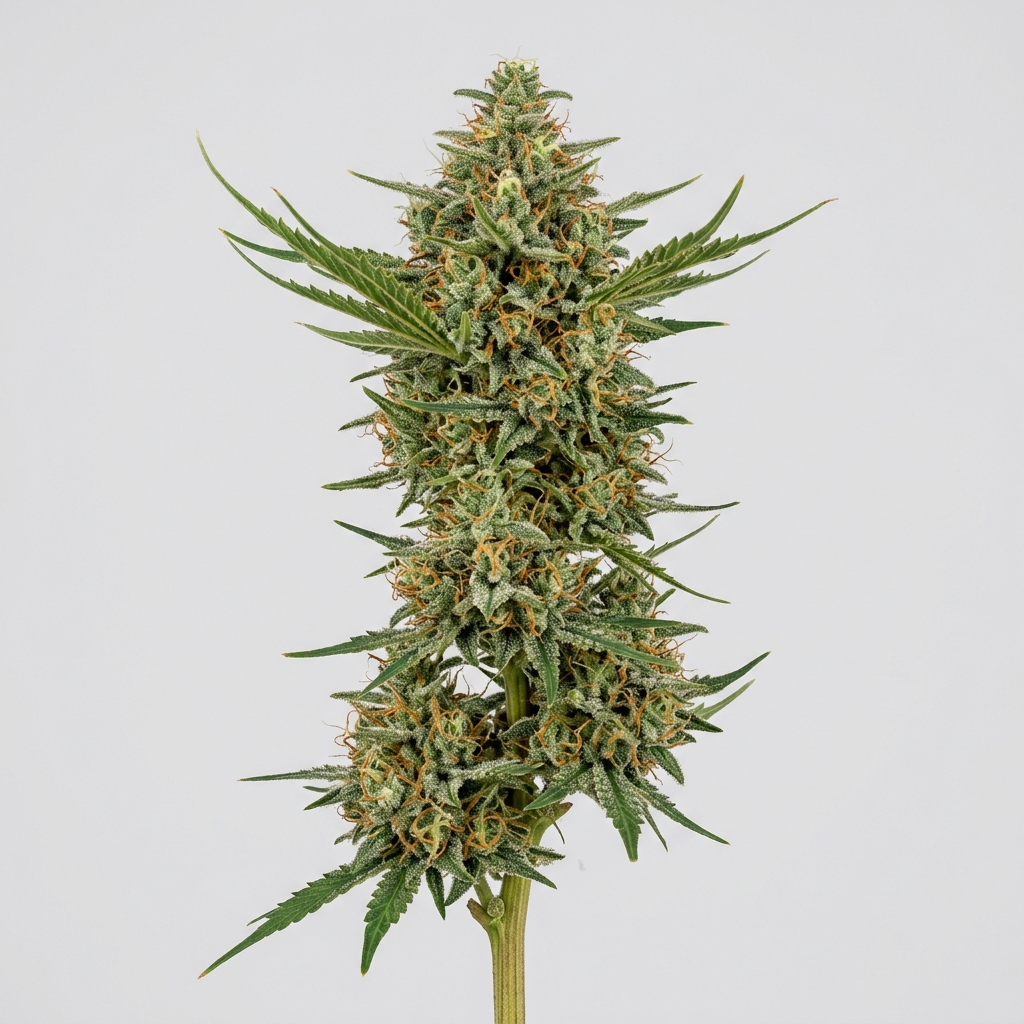
Kushage (Cannabis Strain)
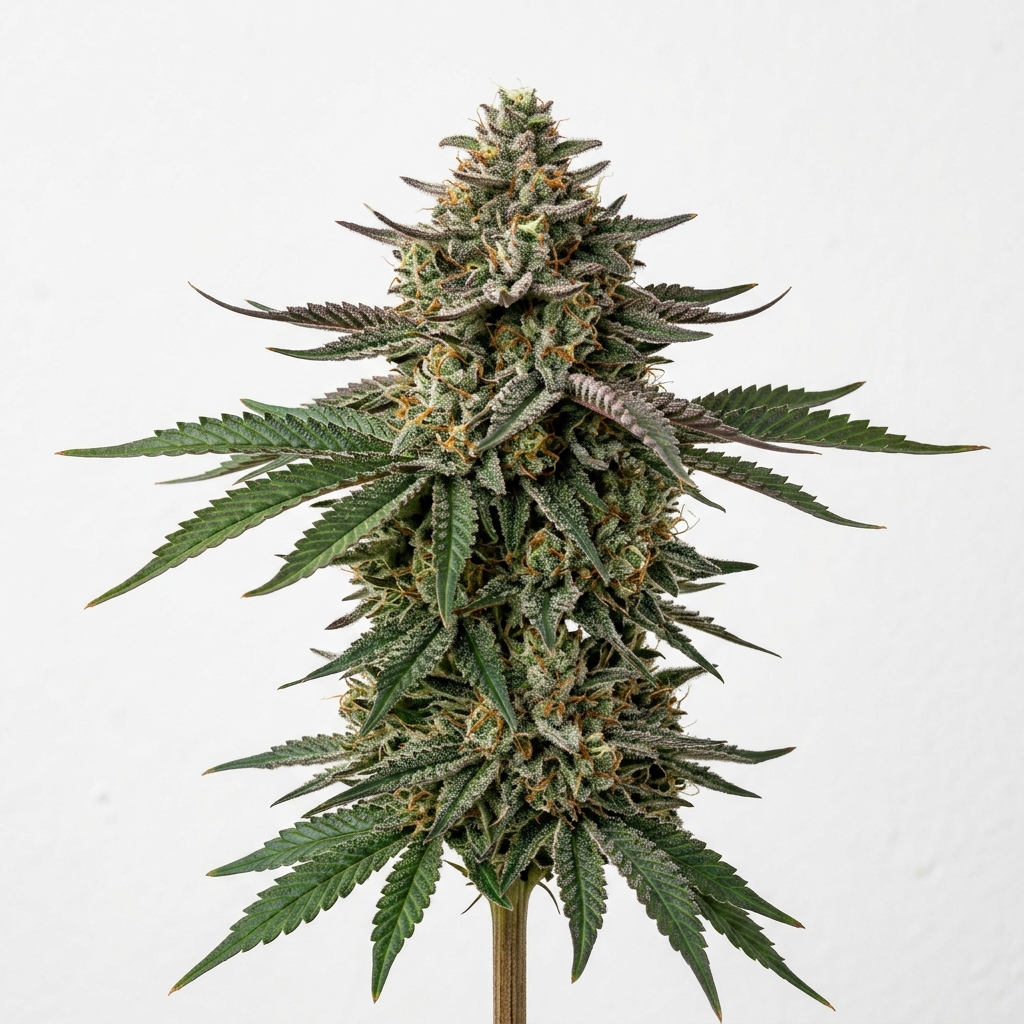
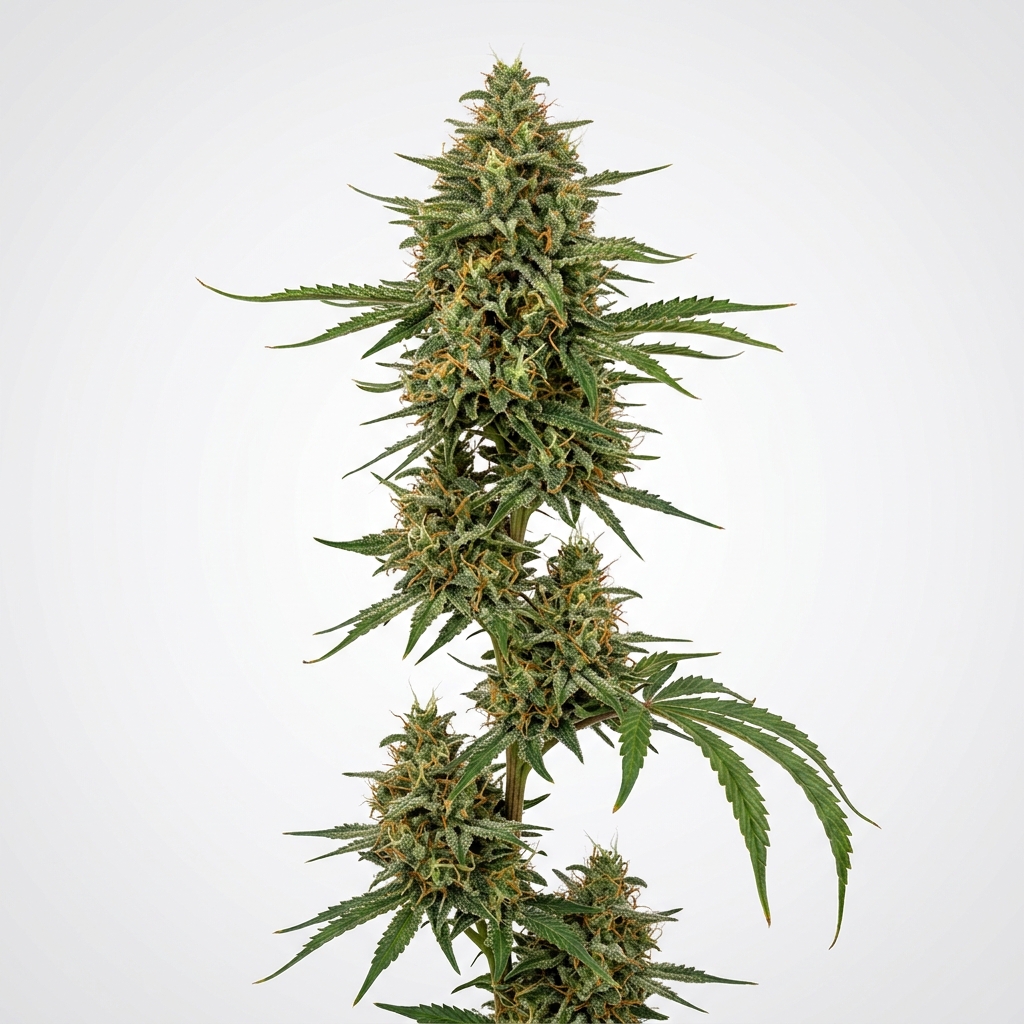
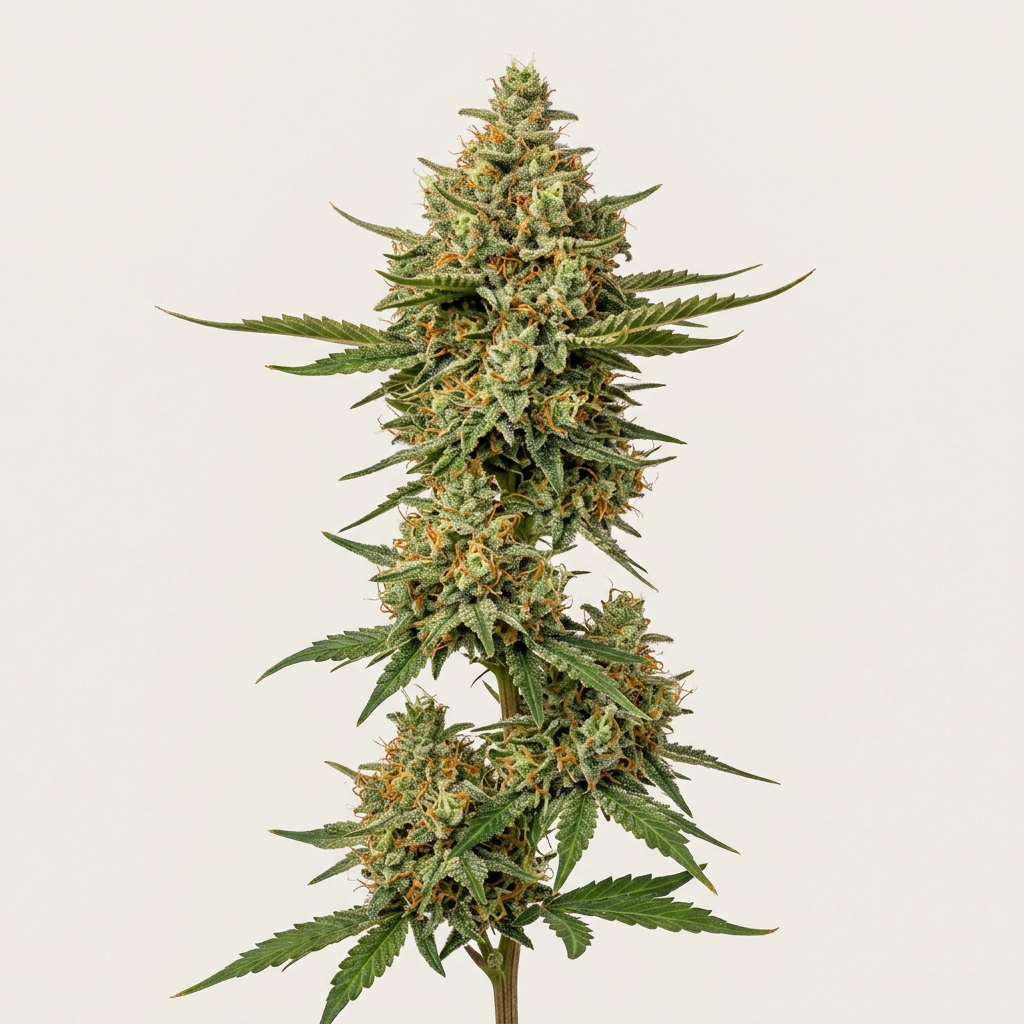
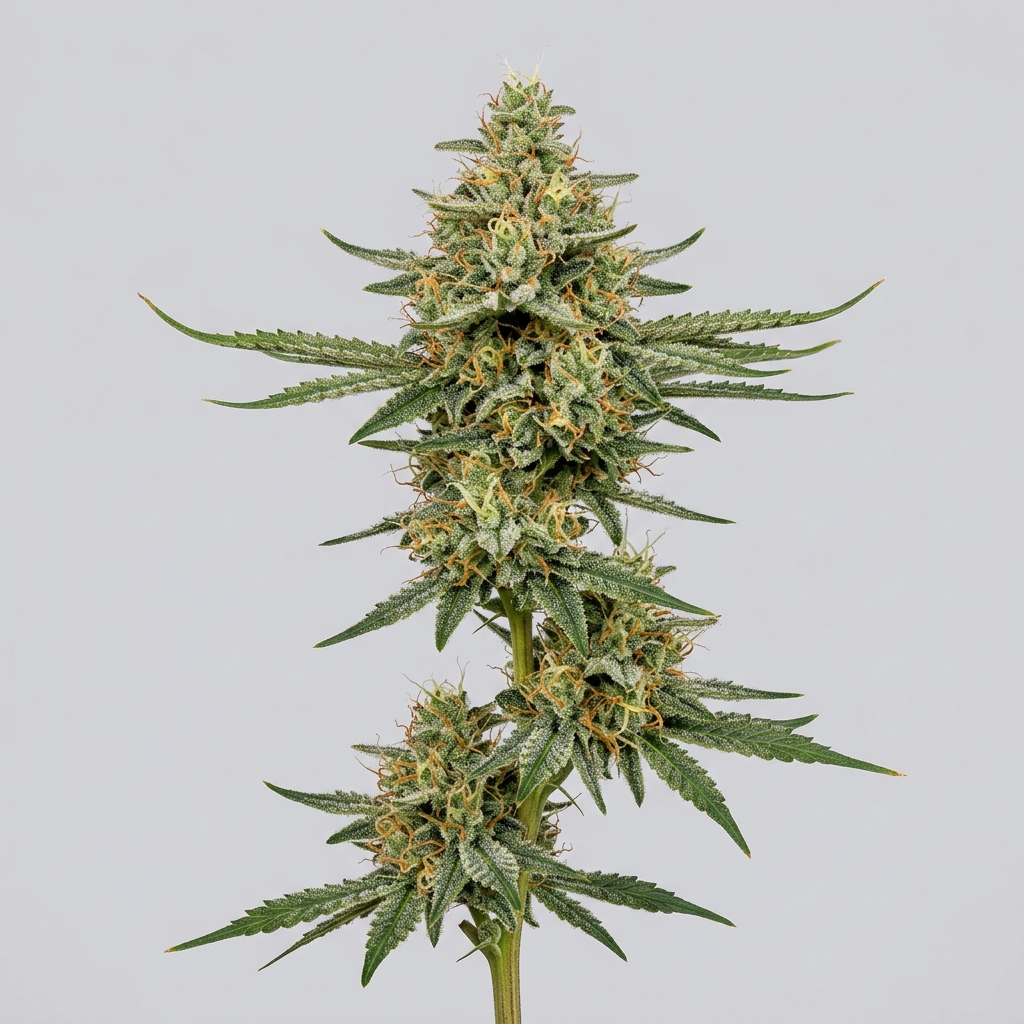
Kushage is an elegant, sativa-dominant hybrid crossing the legendary S.A.G.E. with a select OG Kush phenotype, typically testing in the 18% to 23% THC range. Developed by T.H. Seeds, this cultivar combines the spicy, sandalwood-forward profile of its sativa parent with the heavy, fuel-tinged earthiness of classic West Coast Kush. It is recognized for producing tall, resin-rich spear colas that demand structural support during late-stage flower, yielding glassy buds covered in greasy resin. Cultivators prize this variety for its vigorous vegetative growth and its highly aromatic, energetic, yet physically grounding qualities.
This hybrid acts as a bridge between old-school Amsterdam sativa genetics and modern California gas. The flowers cure to a vibrant sage-green shade, accented by deep orange pistils and a thick coating of wet frost. While it requires patience in the drying room to preserve its delicate terpene clarity, the resulting profile delivers a complex, multi-layered experience that appeals to seasoned growers and flavor-focused consumers alike.
Quick Facts
| Attribute | Details |
|---|---|
| Genetics | S.A.G.E. x OG Kush |
| Variety | Sativa-dominant Hybrid (approx. 60% Sativa / 40% Indica) |
| THC Range | 18% – 23% |
| Flowering Time | 9 – 11 Weeks (63 – 77 days) |
| Yield Potential | Moderate to High |
| Plant Height | Tall (significant stretch) |
| Climate Preference | Temperate, dry, low late-flower humidity |
| Difficulty | Moderate |
Scientific & Botanical Overview
Kushage shows a distinct growth morphology that reflects its mixed heritage, showing a pronounced stretch during the transition to flower. The plant develops broad fan leaves in the vegetative stage, which gradually thin out as the sativa-dominant genetics assert themselves in the canopy. Tight internodes along the primary branches support dense, elongated spear colas rather than the rounded golf-ball buds typical of pure indica strains.
The cultivar relies on a robust vascular system to support its heavy resin production, which becomes apparent by the fourth week of flowering. Swollen calyxes stack closely along the stems, creating a tight, dense bract structure that resists pests but remains sensitive to high humidity. Under optimal conditions, the trichomes transition from clear to a milky, amber-flecked finish, indicating peak cannabinoid and terpene accumulation.
Its metabolic focus shifts late in the cycle toward volatile monoterpenes, particularly alpha-pinene and caryophyllene. This shift requires careful environmental calibration, as excessive heat in the final weeks can degrade these delicate compounds. Proper air circulation and a dropping temperature curve during the final flush help lock in the cold-cured, greasy resin texture.
Effects & Use-Cases (Reported)
Commonly reported effects: Users often describe a sharp citrus lift that initiates a focused, clear-headed cerebral state. This initial energy gently transitions into a warm, physically relaxing sensation that settles into the limbs without inducing heavy sedation. The balance makes it suitable for daytime activities where mental clarity and physical comfort must coexist.
Use-case context: This profile is frequently selected for creative projects, social gatherings, or active outdoor pursuits. Its grounding kush base helps temper the rapid sativa onset, making it a preferred choice for individuals who find pure sativas overly stimulating.
Note: Individual experiences may vary based on tolerance, dosage, and specific phenotype chemistry.
Aroma & Flavors
Aroma: The scent profile is dominated by a pungent earthy kush base, layered with sharp notes of fresh pine, sandalwood, and a subtle herbal musk. Breaking the buds releases a sharp citrus lift and a faint undertone of spicy black pepper.
Flavor: On the palate, the smoke or vapor delivers a pronounced herbal sage flavor on the intake, followed by a tart gas and woody pine finish. The exhale is clean, leaving a lingering mint finish and a spicy, sandalwood aftertaste.
Terpene associations: Analytical testing typically highlights high concentrations of caryophyllene, alpha-pinene, and myrcene, which drive its spicy, forest-like aromatic signature.
Tested Cannabinoid & Terpene Ranges
| Compound | Typical Range |
|---|---|
| Δ9-THC | 18.0% – 23.0% |
| CBD | < 1.0% |
| Caryophyllene | 0.4% – 0.8% |
| Alpha-Pinene | 0.3% – 0.6% |
| Myrcene | 0.2% – 0.5% |
| Limonene | 0.1% – 0.4% |
Range note: Cannabinoid and terpene levels are highly variable and depend on cultivation methods, curing conditions, and specific phenotype selection.
Cultivation Notes
- Humidity Control: Maintain relative humidity below 45% during the final three weeks of flowering to protect the dense, resin-rich spear colas from mold.
- Training Techniques: use Low-Stress Training (LST) or Super Cropping early in the vegetative cycle to manage the significant stretch once flowering begins.
- Nutrient Regimen: This cultivar prefers a moderate feeding schedule; avoid heavy nitrogen inputs during mid-to-late flower to prevent leaf curl.
- Support Systems: Install trellising or bamboo stakes by week four of flower to support the heavy, elongated bud sites.
- Phenotype Selection: Look for phenotypes that exhibit the tight internodal spacing of the OG Kush parent combined with the vigorous, upright growth of S.A.G.E.
Grower Notes (Week-by-Week Snapshot)
- Weeks 1–3 (The Stretch): Expect rapid vertical growth; the plant can double in height during this phase. Ensure adequate canopy spacing and begin light defoliation to improve airflow.
- Weeks 4–6 (Bud Set & Resin): Elongated spear colas begin to form as calyxes stack. Trichome production accelerates, and a greasy resin layer starts coating the sugar leaves.
- Weeks 7–9+ (Swelling & Ripening): Buds fill out and harden. Reduce temperatures and humidity levels to encourage terpene preservation and watch for the pistils to turn deep orange.
- Post-Harvest (Slow Dry & Cure): Hang whole plants for 10 to 14 days at 60°F (15°C) and 60% relative humidity to preserve the delicate herbal and pine notes before a minimum three-week jar cure.
Genetic Lineage
Kushage is a deliberate cross of two highly influential parents: S.A.G.E. (Sativa Afghani Genetic Equilibrium) and a select cut of OG Kush. S.A.G.E. contributes its signature spicy, sandalwood aroma, robust sativa growth traits, and clear-headed energy. This balance is grounded by the heavy resin production, dense structure, and fuel-forward undertone of the OG Kush parent.
Bred by Amsterdam’s T.H. Seeds, this combination was designed to capture the structural benefits and potency of modern West Coast Kush while maintaining the complex, uplifting high of classic European sativas. The resulting lineage has made Kushage a staple breeding block for growers seeking to introduce exotic herbal notes into heavy kush lines.
Research Insights
Analytical testing of Kushage highlights a unique terpene profile where caryophyllene and alpha-pinene exist in near-equal ratios. This specific distribution is relatively rare in contemporary hybrids, which often lean heavily toward limonene or myrcene. The presence of alpha-pinene is of particular interest to researchers studying its potential to modulate the cognitive effects typically associated with high-THC cultivars.
The high concentration of sesquiterpenes in its greasy resin suggests a highly developed glandular trichome structure capable of synthesizing complex aromatic compounds under moderate thermal stress. This makes the cultivar a valuable subject for studies focusing on terpene preservation techniques during commercial drying and curing protocols.
Frequently Asked Questions
Is Kushage a sativa or indica?
Kushage is a sativa-dominant hybrid, typically consisting of approximately 60% sativa and 40% indica genetics, combining S.A.G.E. and OG Kush.
How long does Kushage take to flower?
This strain has a slightly longer flowering window, usually requiring 9 to 11 weeks (63 to 77 days) to reach full maturity and peak resin production.
What does Kushage smell like?
It features a complex aroma of earthy kush and fresh pine, layered with sharp sandalwood, spicy black pepper, and an herbal sage finish.
Is Kushage difficult to grow?
It is considered moderately difficult to grow due to its significant height stretch and the need for structural support and strict humidity control in late flower.
Educational Disclaimer
This guide is for educational and informational purposes only. Local laws regarding cannabis cultivation and consumption vary widely, and growers must comply with all applicable regional regulations.
Rate and review this strain
Ratings and reviews are accepted only from signed-in Google accounts.
Sign in with Google to leave a rating and written review.
Latest Reviews
0 reviewsNo reviews yet. Be the first Google user to rate and review this strain.