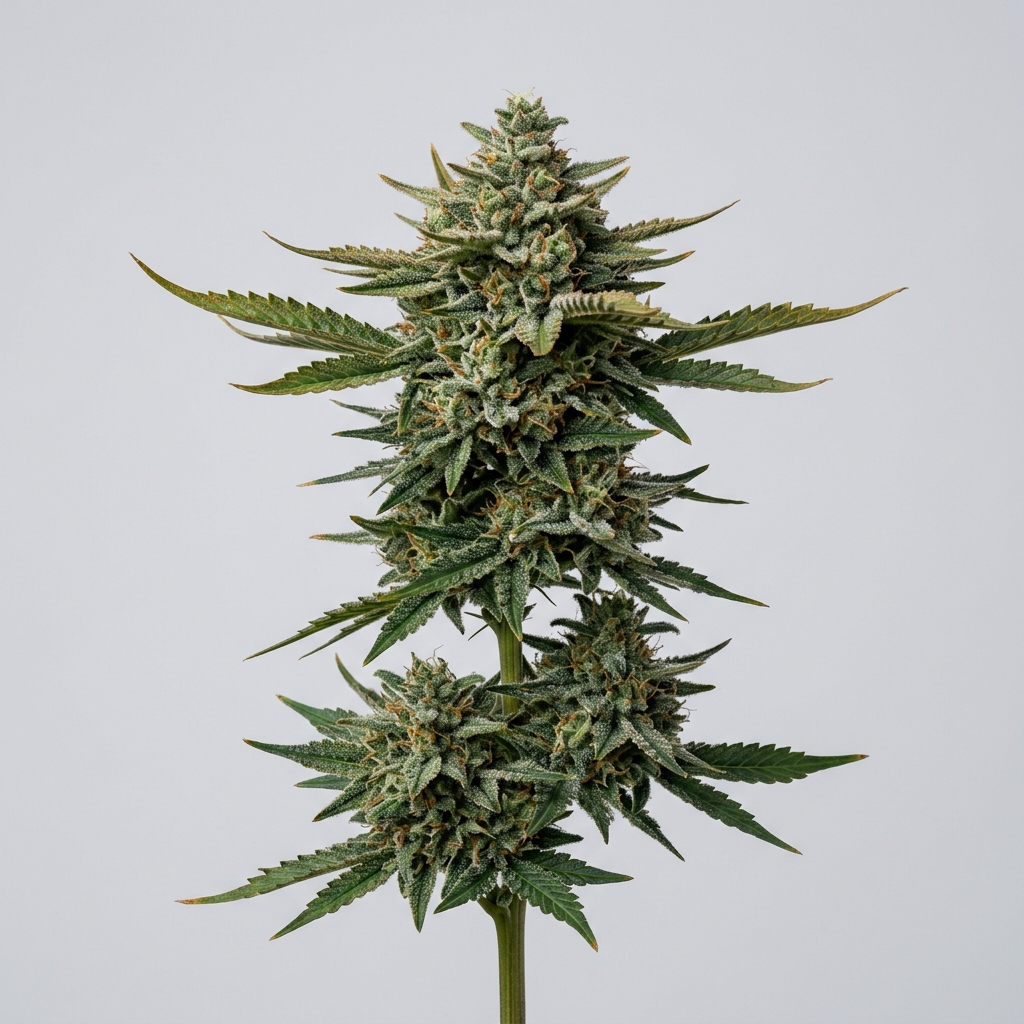
A.M.S. (Cannabis Strain)
A.M.S., short for Anti Mold Strain, is a robust indica-dominant hybrid registering between 15% and 19% THC, bred by crossing a selected Swiss Sativa with a rugged Swiss Indica. Celebrated for its remarkable resilience in wet climates, this cultivar delivers a complex profile of sweet forest fruits, woody pine, and a distinct herbal finish. It produces dense, resin-rich flowers on a sturdy, medium-stretching frame, making it a legendary choice for outdoor cultivators facing challenging late-season weather.
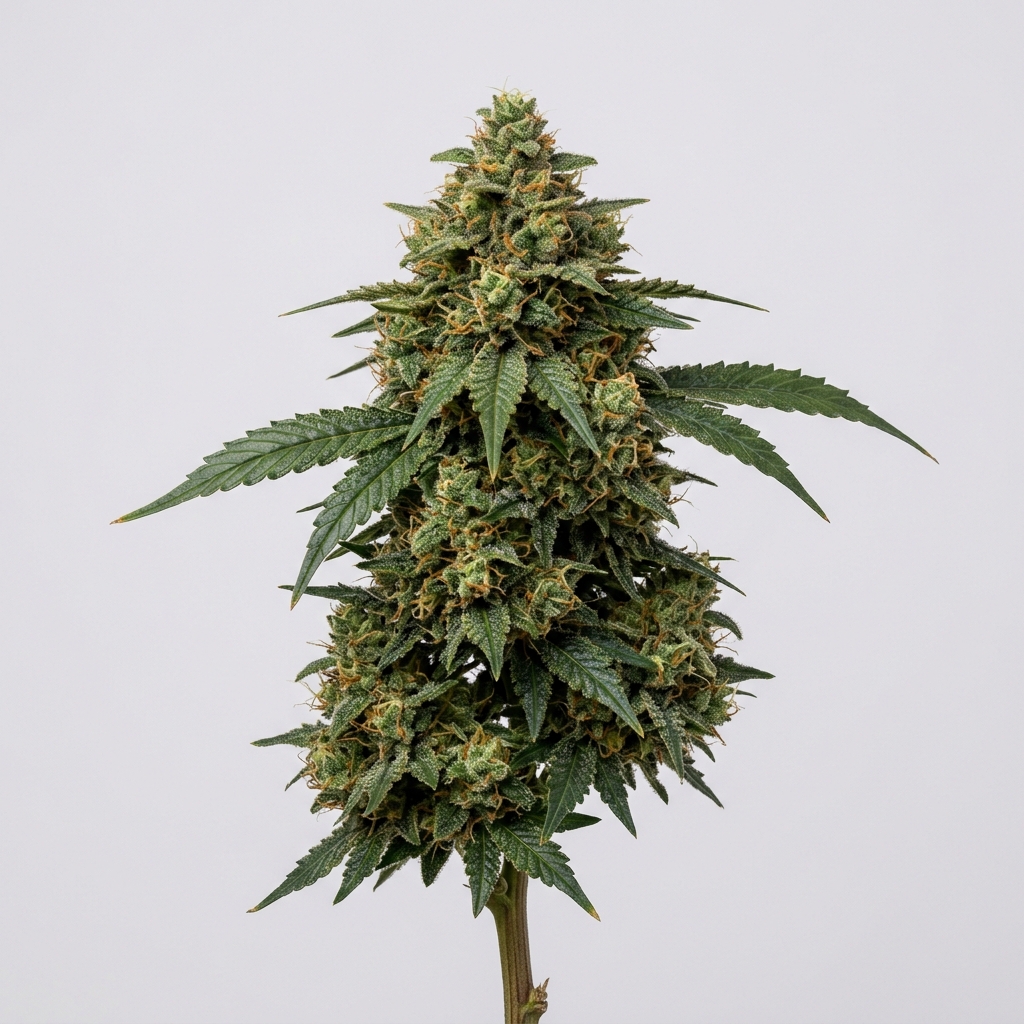
While originally selected for its utility in damp alpine environments, this strain has earned a dedicated following among indoor growers who appreciate its predictable growth patterns and reliable yield. The cured buds display a frosty, glass-like sheen over deep green bracts, offering a functional, clear-headed experience that balances physical relaxation with a gentle sensory lift.
Quick Facts
| Attribute | Detail |
|---|---|
| Genetics | Swiss Sativa × Swiss Indica |
| Variety | Indica-dominant hybrid (60% Indica / 40% Sativa) |
| THC Range | 15% – 19% |
| Flowering Time | 8 – 9 Weeks |
| Yield Potential | High (up to 700g/m² indoor / 800g/plant outdoor) |
| Plant Height | Medium (100 – 150 cm) |
| Climate Preference | Cool, damp, temperate, or alpine climates |
| Difficulty | Easy to Moderate |
Scientific & Botanical Overview
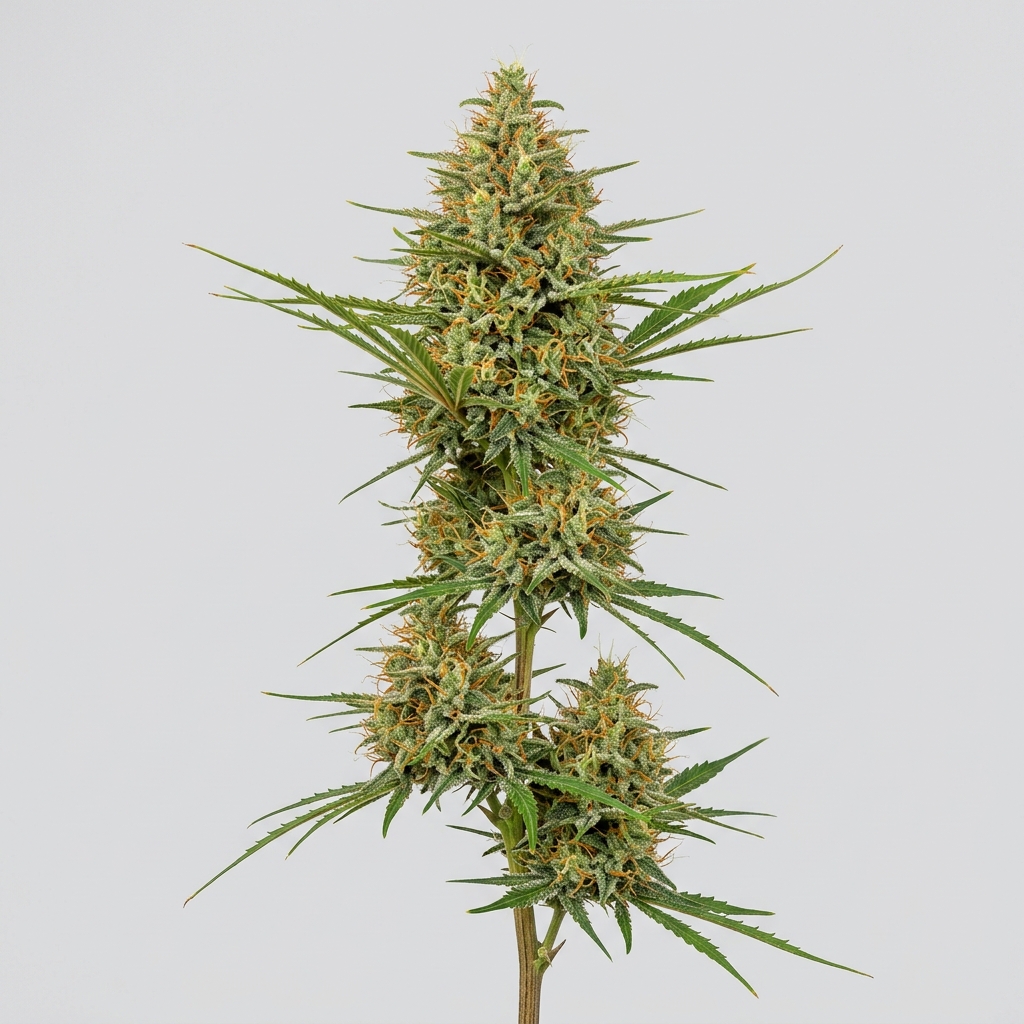
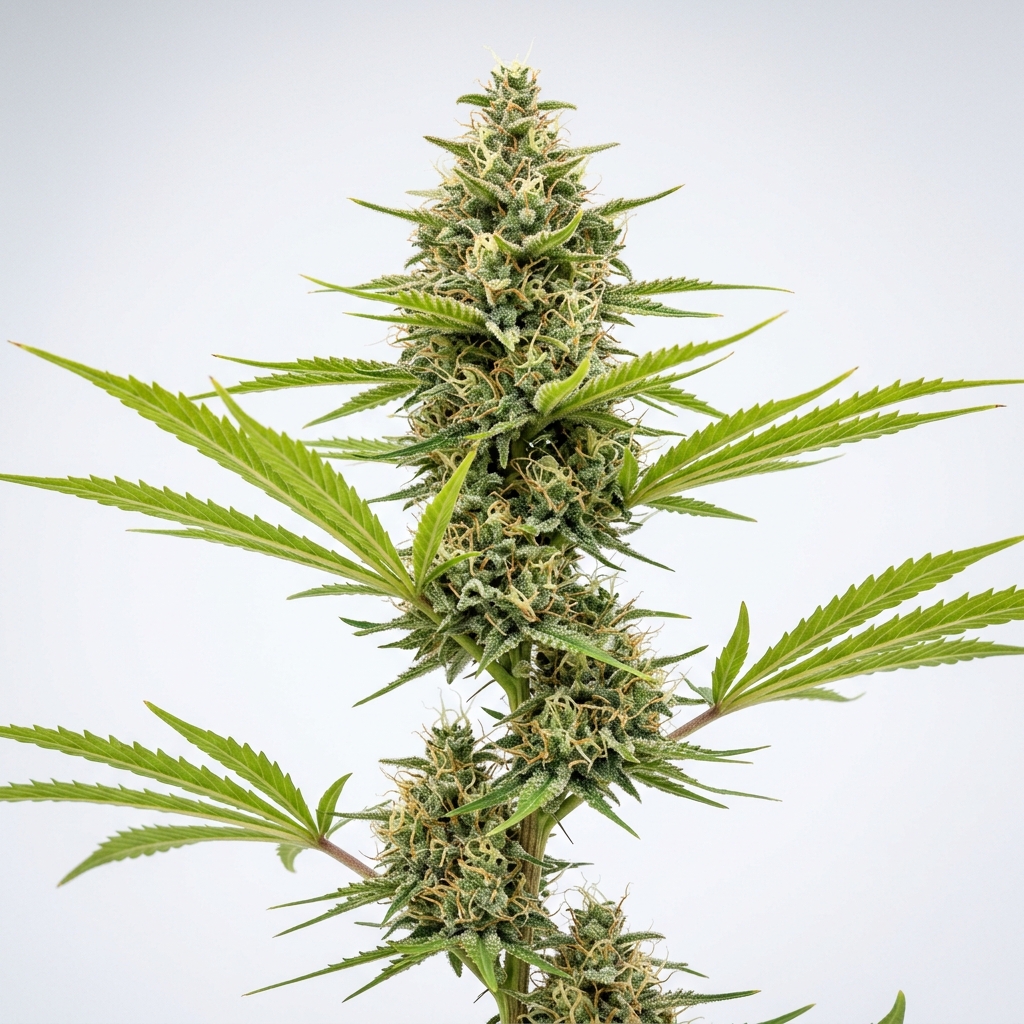
Botanically, A.M.S. shows a classic hybrid structure with strong lateral branching and tight internodes. Its Swiss Sativa heritage influences the leaf shape, presenting slightly narrower leaflets than typical indica-dominant varieties, which aids in airflow through the canopy. The plant develops a thick central stem capable of supporting heavy, spear-like colas without requiring excessive support.
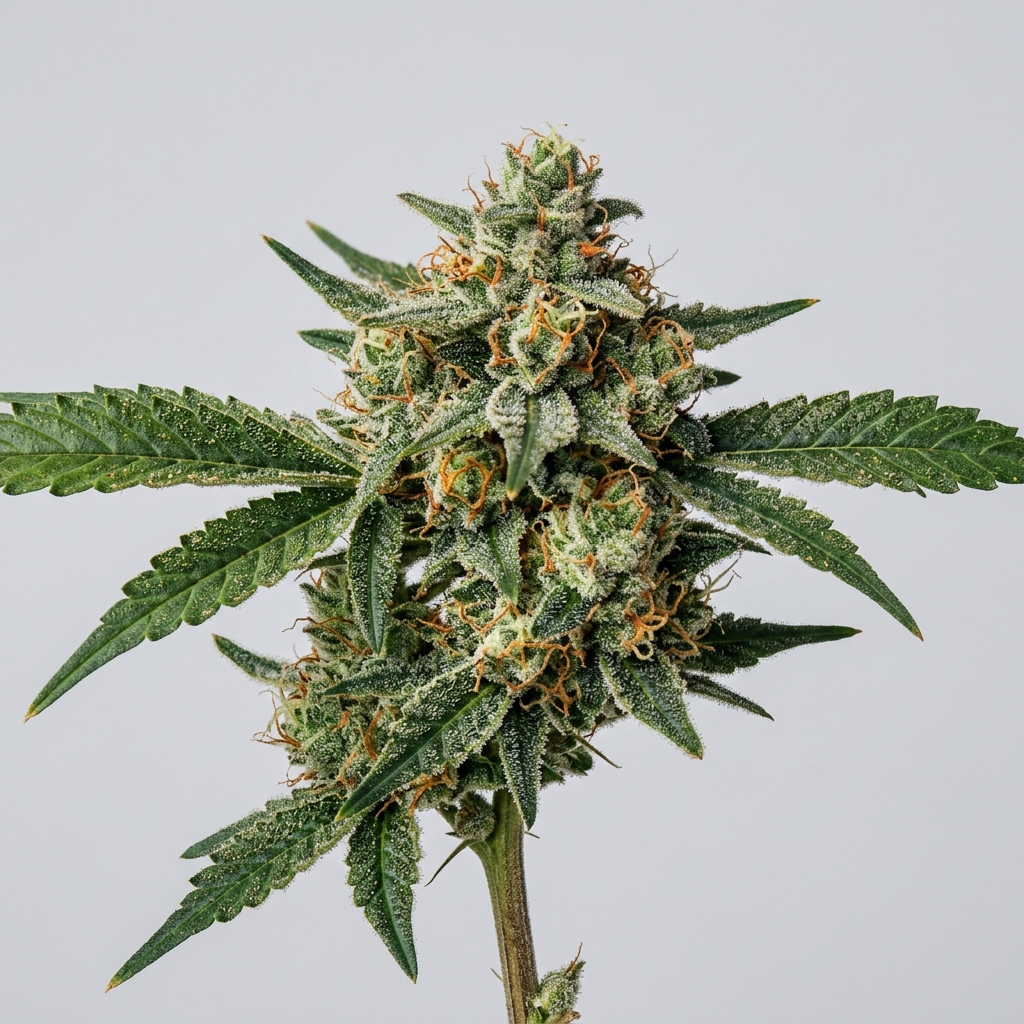
The flowers feature swollen calyxes that pack tightly along the stems, coated in a layer of greasy resin that acts as a natural barrier against moisture. This high resin production, combined with a relatively open bud structure compared to dense indoor kush varieties, prevents water from pooling in the flower clusters. The plant’s defense mechanisms are highly active, making it uniquely resistant to botrytis and powdery mildew.
As the plant nears maturity, the broad fan leaves often transition to deep forest green, occasionally showing pale yellow or subtle purple hues if exposed to cool night temperatures. The pistils remain relatively short and turn a deep amber color, nestled within bracts that hold their structural integrity even under heavy autumn rainfall.
Effects & Use-Cases (Reported)
Commonly reported effects: Users typically describe a clean, functional physical relaxation paired with a clear, uplifting mental clarity. It avoids the heavy sedation associated with many modern indica hybrids, making it suitable for daytime or early evening use.
Use-case context: This balanced profile makes it highly favored for creative projects, light outdoor activities, or winding down after a long day without losing mental focus. The smooth physical onset helps ease muscle tension while leaving the mind sharp and alert.
Note: Individual experiences may vary depending on dosage, tolerance, and the specific phenotype cultivated.
Aroma & Flavors
Aroma: The initial nose is sweet and earthy, reminiscent of damp forest soil and wild berries, with a sharp pine lift that cuts through the sweetness.
Flavor: On the palate, it delivers a smooth blend of sweet fruit and herbal tea, leaving a clean, woody, and slightly spicy finish on the exhale.
Terpene associations: Lab analyses frequently show a profile dominated by myrcene, pinene, and caryophyllene, which together shape its earthy, forest-like character.
Tested Cannabinoid & Terpene Ranges
| Compound | Tested Range |
|---|---|
| Δ9-THC | 15.0% – 19.0% |
| CBD | < 1.0% |
| Myrcene | 0.4% – 0.8% |
| Pinene | 0.2% – 0.5% |
| Caryophyllene | 0.1% – 0.4% |
Note: Cannabinoid and terpene levels are highly variable and depend on specific batch phenotypes, cultivation methods, and curing practices.
Cultivation Notes
- Humidity management: While highly mold-resistant, maintaining late-flower humidity below 50% indoors will maximize trichome density and terpene clarity.
- Nutrition: A.M.S. is a moderate feeder; avoid heavy nitrogen applications during mid-to-late bloom to prevent leafy bud structures.
- Training: Responds exceptionally well to topping and low-stress training (LST) to create an even canopy of spear colas.
- Harvest window: Look for mostly cloudy trichomes with roughly 10% amber for the most balanced, functional effect.
- Phenotype variation: Two main phenotypes occur: a sativa-leaning phenotype with a longer stretch and sweeter fruit notes, and a more compact, pine-forward indica phenotype.
Grower Notes (Week-by-Week Snapshot)
- Weeks 1–3 (Vegetative & Early Stretch): Steady root establishment with a controlled stretch after flipping to 12/12. Fan leaves grow broad but maintain sufficient spacing for light penetration.
- Weeks 4–6 (Mid-Flower): Rapid development of white pistils and early resin production. Lateral branches begin to stiffen as small, glassy bud clusters form along the nodes.
- Weeks 7–9 (Late Flower & Ripening): Calyxes swell significantly, and the sweet, woody aroma peaks. Flush with pure water during the final 10 days to ensure a clean, smooth-burning final product.
- Post-Harvest (Cure): A slow dry at 60°F (15°C) and 60% relative humidity for 11–14 days preserves the delicate mountain-pine and berry terpenes.
Genetic Lineage
A.M.S. was developed by Green House Seed Co. through a rigorous selection process involving landrace and heirloom genetics from Switzerland. By crossing a high-altitude Swiss Sativa with a robust Swiss Indica, breeders aimed to capture the vigor and mold resistance of mountain-adapted cannabis while stabilizing a reliable, commercially viable hybrid.
The Swiss Sativa parent contributes the uplifting mental character and airy canopy structure, while the Swiss Indica parent locks in the shorter flowering time, dense bud structure, and physical relaxation. This classic European heritage sets it apart from contemporary, dessert-strain-heavy lineages.
Research Insights
Phytochemical analysis of A.M.S. reveals a robust terpene profile where pinene and myrcene coexist in high concentrations. This specific ratio is of interest to researchers studying how mountain-evolved cultivars use monoterpenes to deter pests and withstand intense UV radiation at high altitudes.
The presence of moderate levels of secondary cannabinoids, combined with its stable THC window, makes it a valuable subject for studying balanced hybrid genetics. Its exceptional resistance to environmental pathogens like grey mold provides a genetic blueprint for breeding programs targeting outdoor viability in humid regions.
Frequently Asked Questions
What does A.M.S. stand for?
A.M.S. stands for Anti Mold Strain, highlighting its exceptional resistance to mold, mildew, and rot in damp or humid climates.
Is A.M.S. suitable for beginner growers?
Yes, its high resilience to environmental stressors, forgiving nutrient requirements, and strong pest resistance make it an excellent choice for novice cultivators, especially those growing outdoors.
What are the primary flavors of A.M.S.?
It features a sweet, herbal taste with distinct notes of forest berries, woody pine, and a slightly spicy, earthy finish on the exhale.
How long does A.M.S. take to flower?
Indoors, it typically finishes flowering in 8 to 9 weeks. Outdoors, it is usually ready for harvest by late September or early October in the Northern Hemisphere.
Educational Disclaimer
This guide is for educational and informational purposes only. Local laws regarding cannabis cultivation and consumption vary widely; always consult your regional regulations before germinating seeds or consuming cannabis products.
Rate and review this strain
Ratings and reviews are accepted only from signed-in Google accounts.
Sign in with Google to leave a rating and written review.
Latest Reviews
0 reviewsNo reviews yet. Be the first Google user to rate and review this strain.