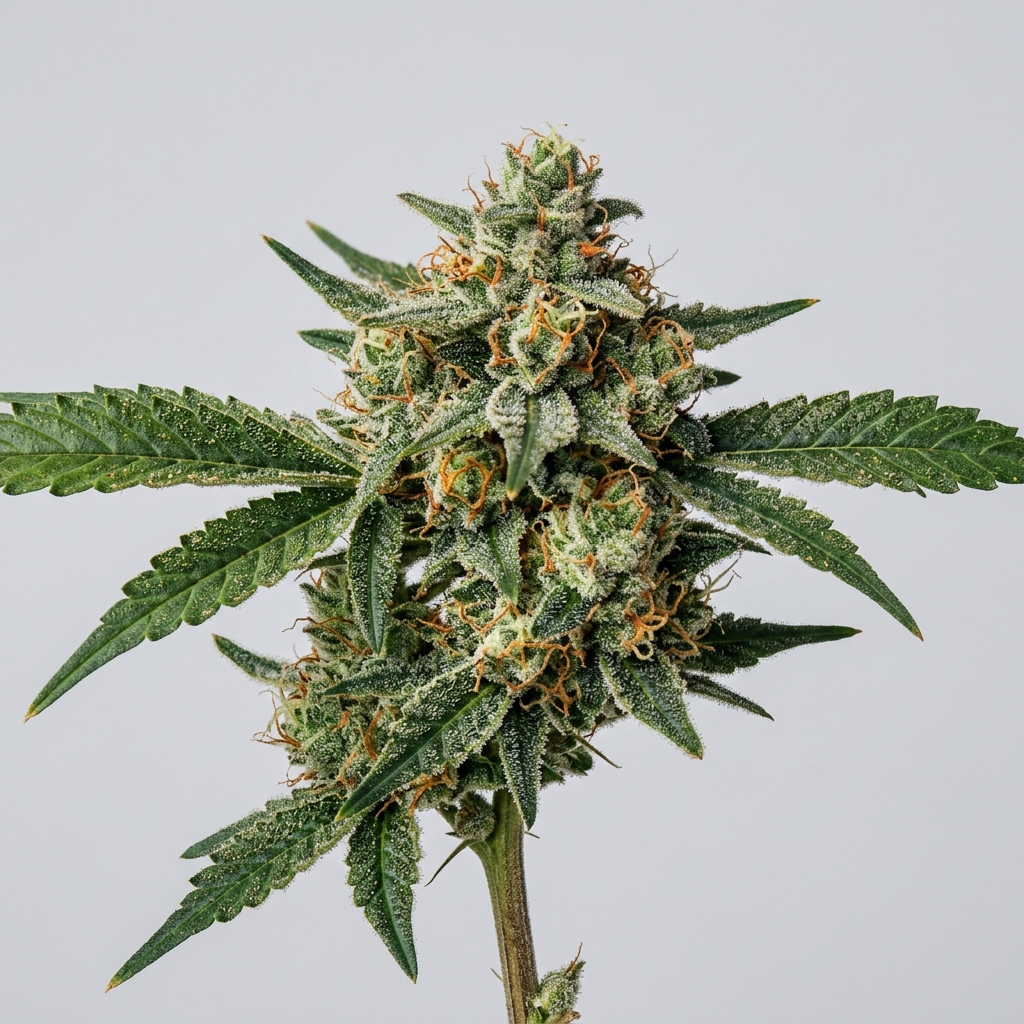
El Niño (Cannabis Strain)
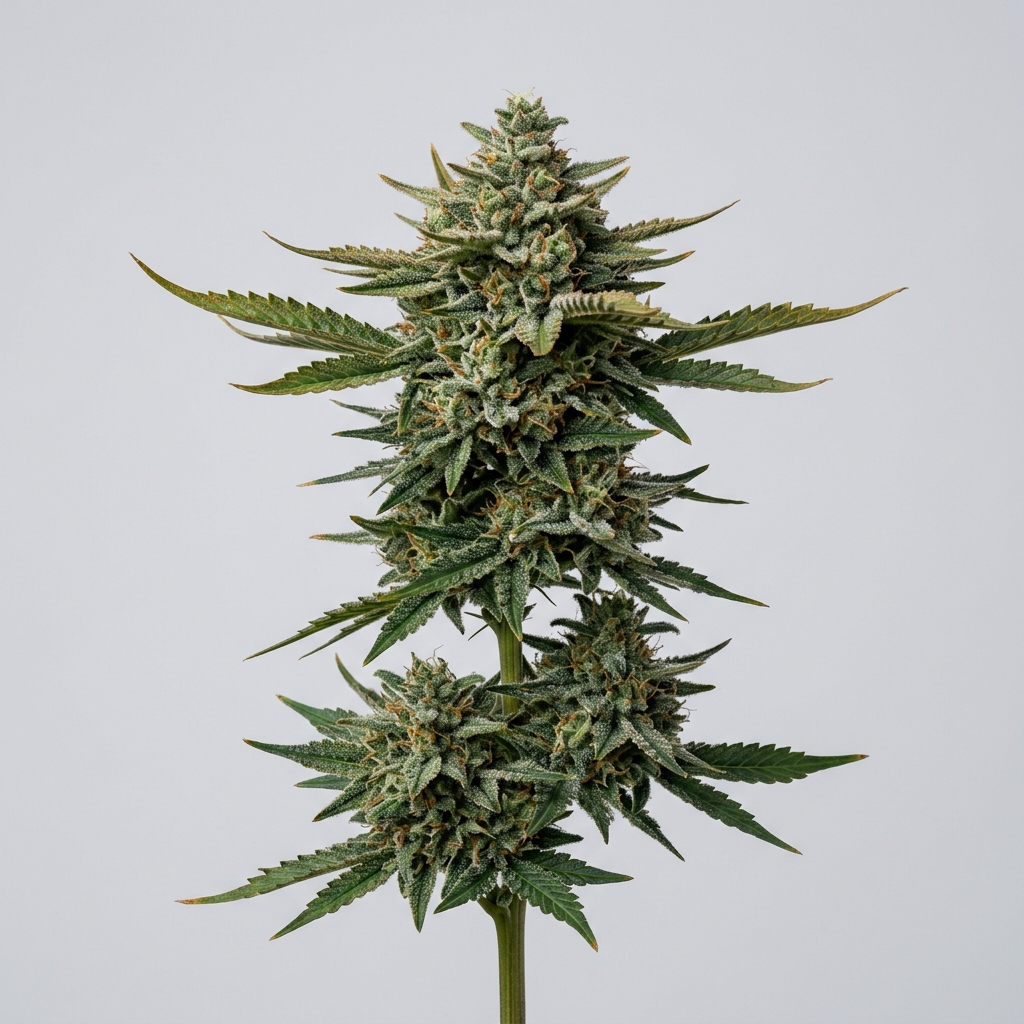
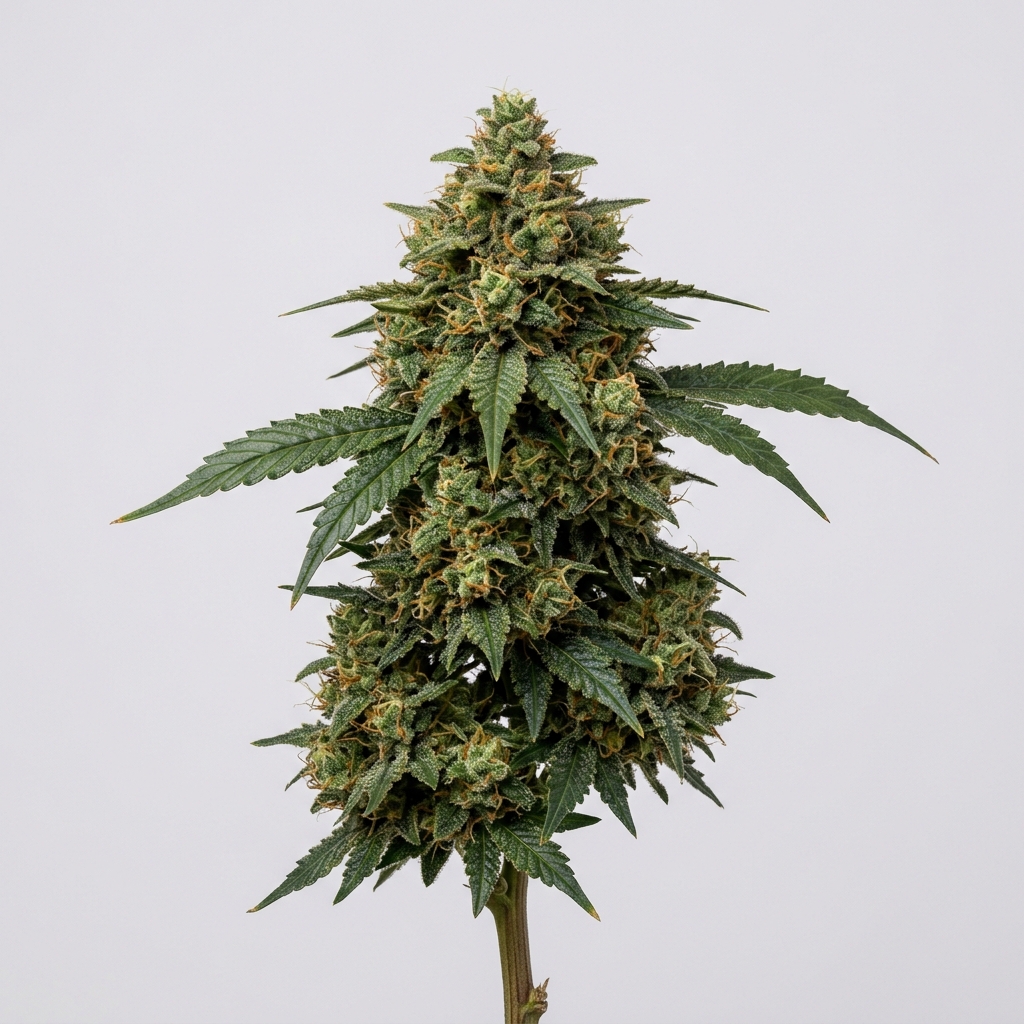
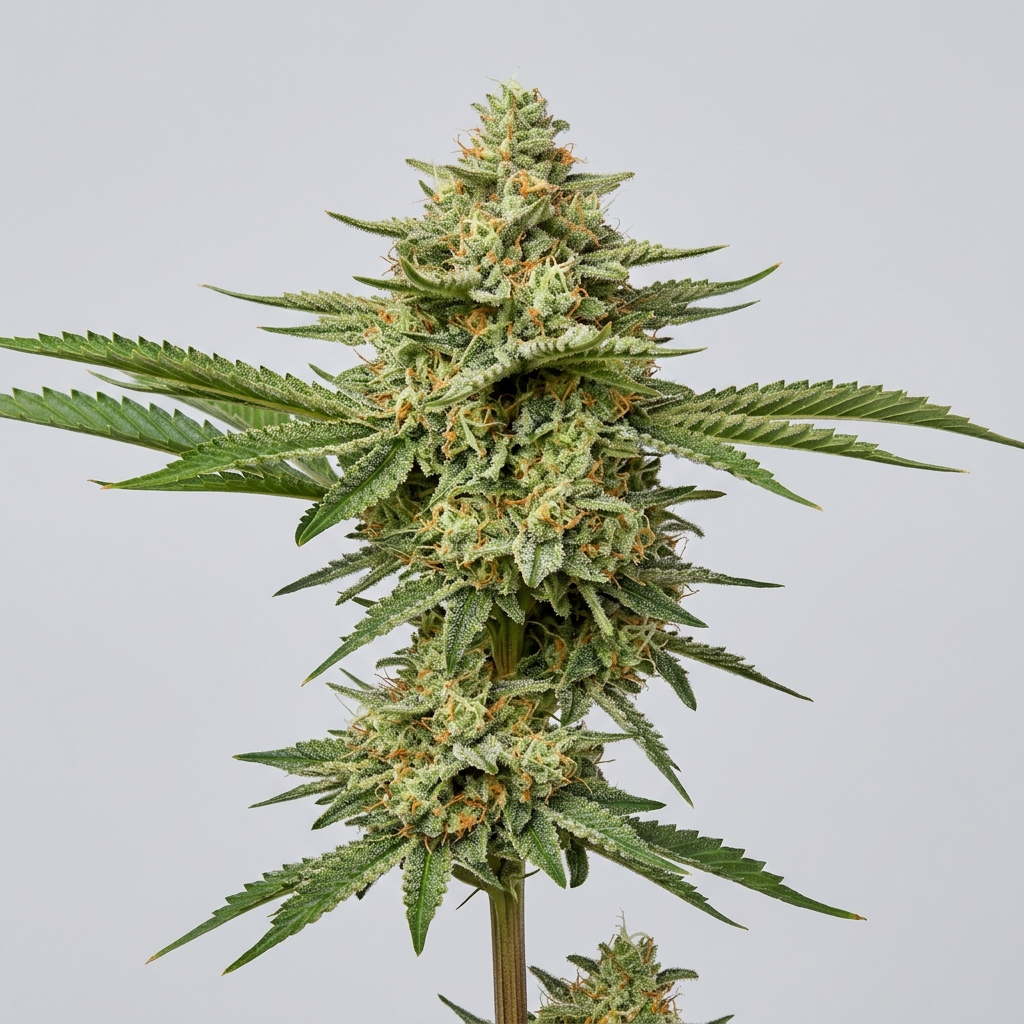
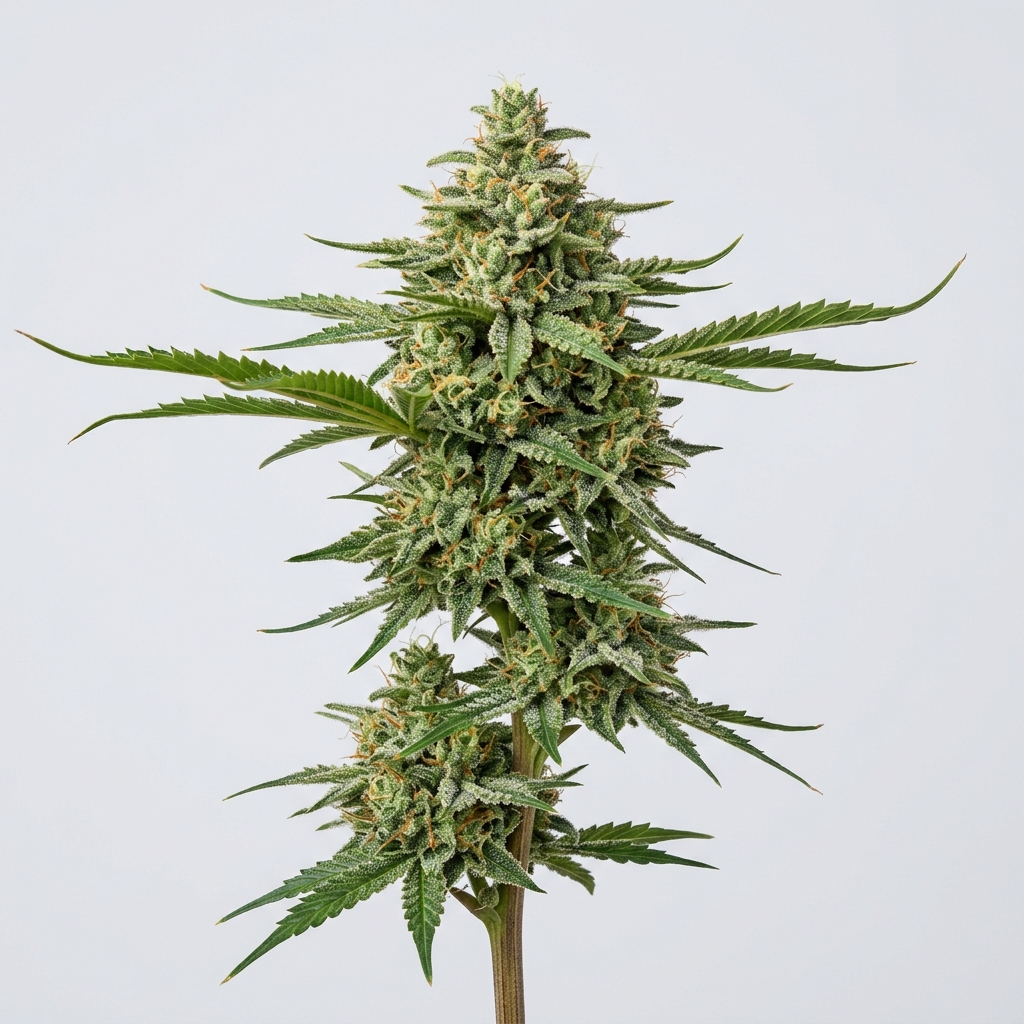
El Niño is an indica-dominant hybrid typically testing between 15% and 21% THC, created by crossing legendary genetics: Haze, Super Skunk, and White Widow. Known for its dense, resin-rich flowers and exceptional frost coverage, this classic late-1990s cultivar delivers a complex profile of spicy incense, sweet herbs, and sharp citrus undertones. The plant maintains a compact, bushy structure with tight internodes, making it a highly manageable and rewarding option for growers seeking classic Dutch genetics.
Renowned for its heavy resin production inherited from its White Widow lineage, El Niño produces sticky, swollen calyxes coated in glassy trichomes. It offers a balanced, grounding experience that settles deeply into the body while maintaining a clear, reflective mental space.
Quick Facts
| Specification | Details |
|---|---|
| Genetics | Haze × Super Skunk × White Widow |
| Variety | Indica-dominant Hybrid |
| THC Range | 15% – 21% |
| Flowering Time | 8 – 9 Weeks |
| Yield Potential | Moderate to High |
| Plant Height | Short to Medium |
| Climate Preference | Temperate / Mild |
| Difficulty | Moderate |
Scientific & Botanical Overview
In the garden, El Niño grows with a squat, sturdy indica structure despite its Haze heritage. The vegetative phase is defined by broad fan leaves, thick stems, and very tight internodes. This dense growth habit requires early defoliation to maintain healthy airflow through the lower canopy.
During flower, the plant focuses its energy on tight, rounded bud clusters that stack closely along the branches. The calyx-to-leaf ratio is highly favorable, allowing for an efficient post-harvest trim. Heavy resin production begins early, quickly covering the developing bracts in a sticky layer of greasy trichomes.
While some phenotypes may show a taller stretch reminiscent of its Haze parentage, most selections remain compact and highly stable. The cultivar responds exceptionally well to canopy management techniques, making it an ideal choice for sea-of-green setups.
Effects & Use-Cases (Reported)
Commonly reported effects: Users frequently note a gentle, creeping physical relaxation coupled with a calm, meditative mental clarity. The onset is smooth, avoiding sudden intensity and instead easing the body into a state of physical comfort.
Use-case context: This balanced profile makes the strain highly suited for quiet evening reflection, creative unwinding, or transitioning into a restful night. It provides a grounding physical weight without causing immediate, heavy sedation.
Please note: Individual experiences can vary significantly based on tolerance, dosage, and specific phenotype chemistry.
Aroma & Flavors
Aroma: Spicy incense, damp earth, and aged cedar, accented by a subtle, sharp citrus lift.
Flavor: Sweet, herbal smoke with a distinct black pepper bite and a smooth, woody finish.
Terpene associations: Typically rich in caryophyllene, myrcene, and limonene, which drive its complex, savory-sweet profile.
Tested Cannabinoid & Terpene Ranges
| Compound | Typical Range |
|---|---|
| Δ9-THC | 15.0% – 21.0% |
| CBD | < 0.5% |
| β-Caryophyllene | 0.3% – 0.7% |
| β-Myrcene | 0.2% – 0.5% |
| d-Limonene | 0.1% – 0.4% |
Cannabinoid and terpene levels are highly variable and depend heavily on cultivation practices, environmental factors, and curing methods.
Cultivation Notes
- Keep humidity strictly managed during late flower, ideally below 45%, to prevent moisture retention in the dense, resinous colas.
- Apply light to moderate nutrients, as the cultivar can be sensitive to nitrogen toxicity during the early vegetative phase.
- use low-stress training (LST) and selective defoliation to improve light penetration through the compact canopy.
- Harvest when the trichomes transition from milky white to mostly amber to maximize the heavy, physical qualities of the resin.
- Maintain a slow, cool dry for 10 to 14 days at 60°F and 60% relative humidity to preserve the delicate, spicy terpene profile.
Grower Notes (Week-by-Week Snapshot)
- Weeks 1–3 (Vegetative & Transition): Establish a strong root zone and encourage lateral branching. The plant stays naturally low, so vegetative time can be extended slightly if larger yields are desired.
- Weeks 4–6 (Mid-Flower): Bud sites begin to cluster rapidly, and resin production becomes visible on the sugar leaves. Ensure adequate airflow around the dense inner branches.
- Weeks 7–9 (Late Flower & Flush): Colas swell and harden, covered in a thick layer of wet frost. Flush with pure water during the final 10 days to encourage clean terpene clarity and a smooth burning quality.
Genetic Lineage
The heritage of El Niño is a masterclass in classic Dutch breeding, combining three influential building blocks. The maternal side features a selected Haze hybrid crossed with Super Skunk, introducing a complex, spicy terpene profile and robust growth characteristics.
This hybrid was then crossed with a high-performance White Widow clone, which cemented the strain’s legendary resin production, dense bud structure, and physical potency. This combination yields a highly stable cultivar that captures the best of both old-school Sativa complexity and classic Indica structure.
Research Insights
Analytical profiles of El Niño consistently highlight a high concentration of sesquiterpenes like caryophyllene, which may contribute to its grounding, physically soothing properties. This chemical makeup aligns with the classic "white" strains of its era, prioritizing high resin gland density over pure, isolated cannabinoid potency.
The presence of Haze genetics introduces minor monoterpenes that brighten the overall profile, preventing the sedative qualities of the Super Skunk and White Widow from becoming overly heavy. This balance makes the cultivar an excellent subject for studying the synergistic relationships between older landrace-derived terpenes and modern hybrid cannabinoids.
Frequently Asked Questions
Is El Niño hard to grow?
No, it is generally considered a moderate-difficulty strain. Its compact structure makes it easier to manage than pure Haze varieties, though growers must monitor humidity closely due to its dense, resinous buds.
What are the primary aromas of El Niño?
The strain features a complex blend of spicy incense, damp earth, and aged cedar, finished with a subtle, sharp citrus lift on the exhale.
How long does El Niño take to flower?
Typically, El Niño completes its flowering cycle in 8 to 9 weeks when grown indoors, which is remarkably fast for a Haze-descended hybrid.
What is the genetic background of El Niño?
It is a three-way cross of Haze, Super Skunk, and White Widow, originally bred by Green House Seed Co. in the late 1990s.
Educational Disclaimer
This content is for educational and informational purposes only. Cultivation and consumption laws vary by jurisdiction, and users should always consult local regulations before handling cannabis.
Rate and review this strain
Ratings and reviews are accepted only from signed-in Google accounts.
Sign in with Google to leave a rating and written review.
Latest Reviews
0 reviewsNo reviews yet. Be the first Google user to rate and review this strain.