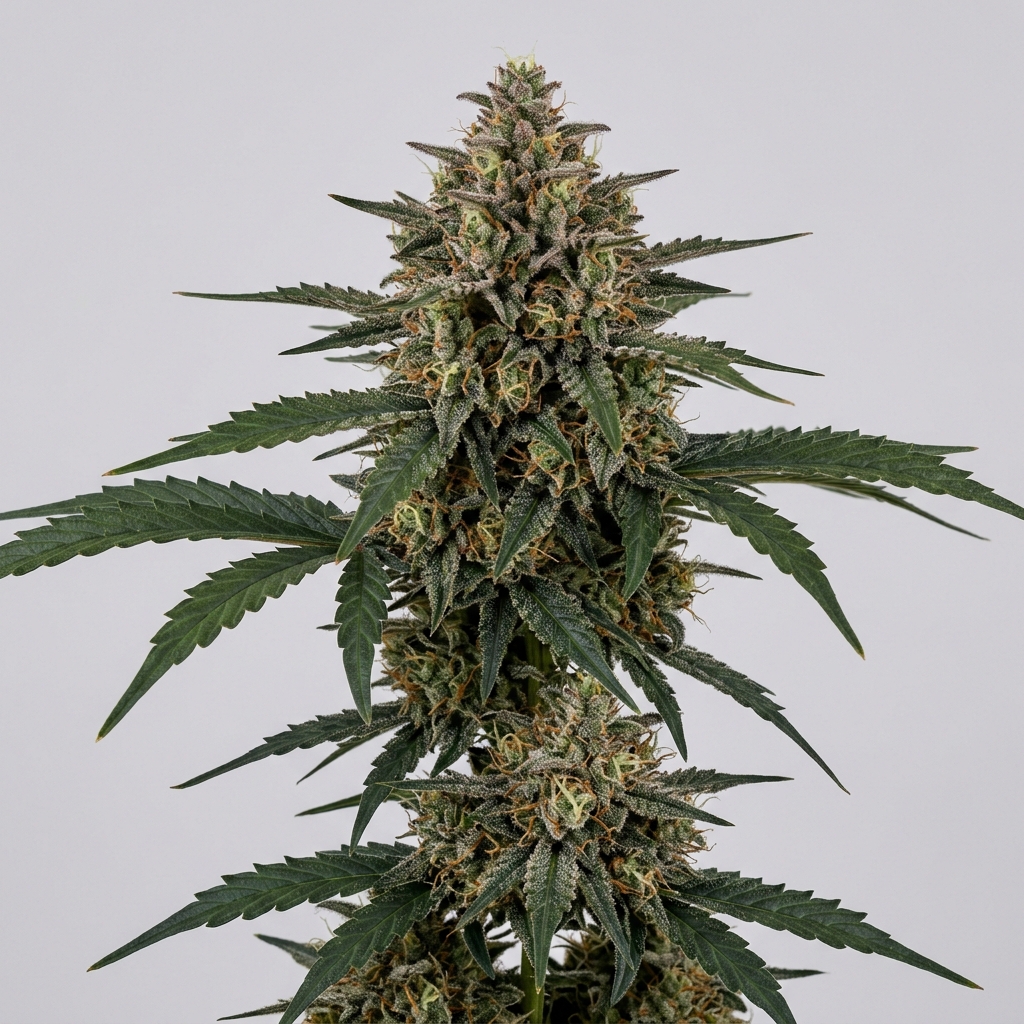
Pandora (Cannabis Strain)
Pandora is a refined, Indica-dominant autoflowering cultivar bred by Paradise Seeds, crossing Spoetnik #1 and Sensi Star with a select autoflowering Indica ruderalis backcross. Typically testing between 15% and 19% THC, this strain is celebrated for its compact, resin-rich structure, sweet herbal aroma, and rapid life cycle. Growers favor its reliable, stout architecture and heavy, glassy buds, making it a staple for both indoor tents and discreet outdoor gardens seeking a classic evening profile.
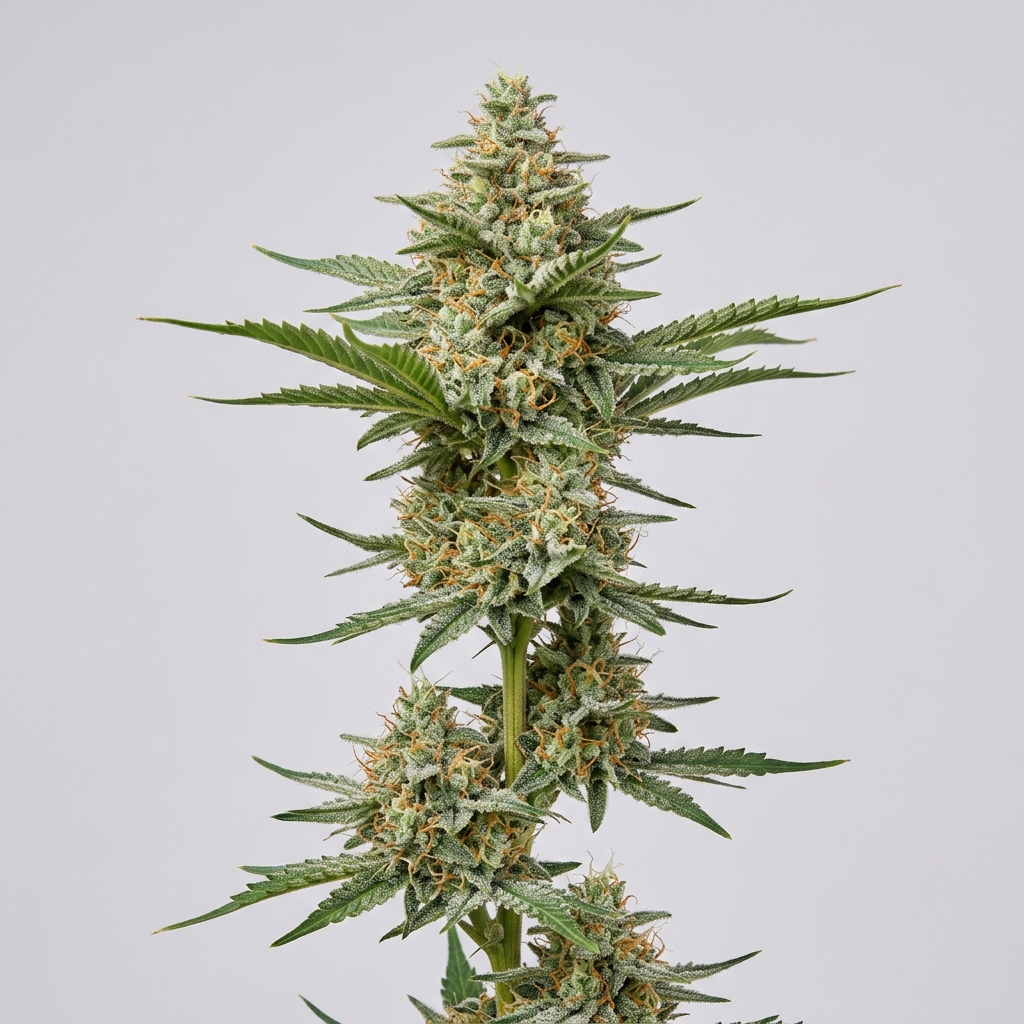
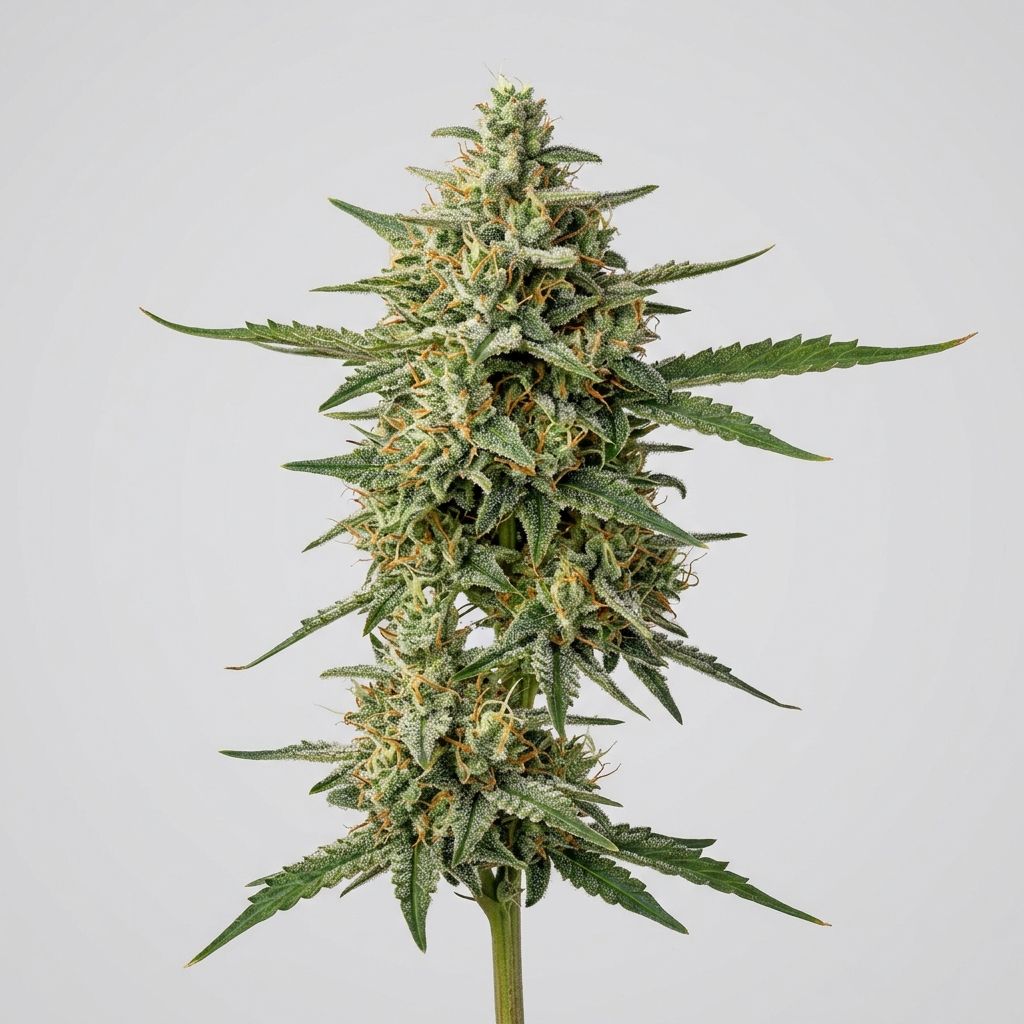
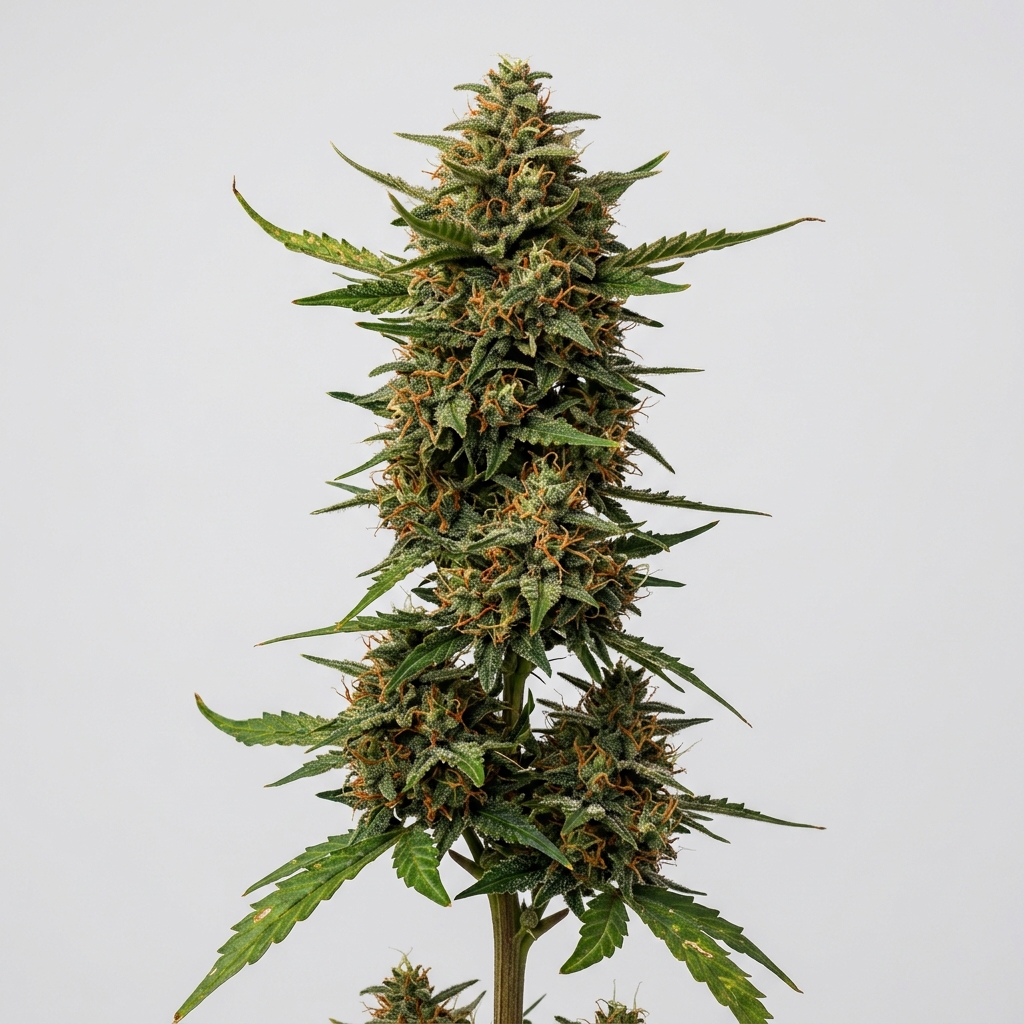
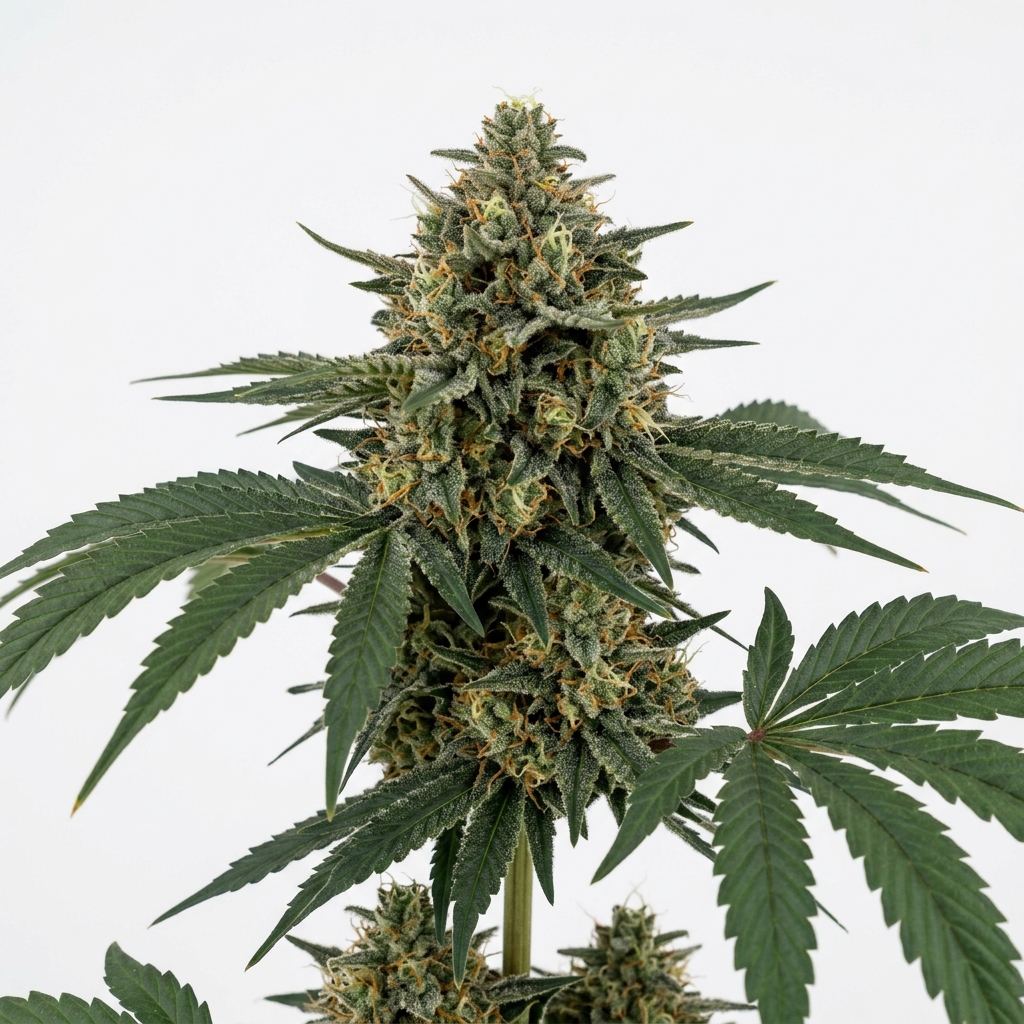
Unlike many early-generation autoflowers that sacrificed potency for speed, this cultivar delivers a dense, oily resin coat that rivals photoperiod strains. It stays relatively short, packing its weight into a thick central spear cola and tight side branches. The finished flowers show off swollen calyxes and a deep, spicy undertone that reflects its strong heritage.
Quick Facts
| Field | Details |
|---|---|
| Genetics | Spoetnik #1 × Sensi Star × Auto Indica |
| Variety | Indica-dominant Autoflower |
| THC Range | 15% – 19% |
| Flowering Time | 10 – 11 weeks (seed to harvest) |
| Yield Potential | Moderate to High |
| Plant Height | Short to Medium (60–90 cm) |
| Climate Preference | Temperate, warm, and dry |
| Difficulty | Easy to Moderate |
Scientific & Botanical Overview
Botanically, this cultivar shows classic Indica morphology modified by ruderalis genetics, resulting in a short, stocky frame with minimal internodal spacing. The broad, dark green fan leaves shade a dense canopy that requires selective defoliation to maintain optimal airflow. Its autoflowering trait triggers transition to bloom independently of light cycle changes, typically starting around week three of growth.
The bract-to-leaf ratio is highly favorable for an autoflower, producing chunky, tight clusters that form a dominant main cola. Under close inspection, the trichome distribution is dense and uniform, with short stalks supporting large, oily heads. This heavy resin production serves as a protective barrier against pests and minor environmental fluctuations.
During late flower, the pistils turn a deep amber color while the calyxes swell significantly, giving the buds a bumpy, textured appearance. The plant manages moisture well, but its dense bud structure means late-flower humidity must be carefully monitored to prevent mold in the final weeks.
Effects & Use-Cases (Reported)
Commonly reported effects: Users frequently describe a smooth, creeping physical relaxation that settles heavily in the limbs without immediate sedation. A calm, clear-headed mental state typically accompanies the physical weight, making it highly functional in lower doses.
Use-case context: This profile makes the cultivar highly suited for evening wind-down routines, quiet creative tasks, or post-exercise recovery. Its steady, long-lasting physical presence is preferred by those seeking relief from physical tension without a sharp mental fog.
Note: Individual experiences may vary depending on dosage, tolerance, and phenotype expression.
Aroma & Flavors
Aroma: A complex blend of sweet earth, spicy musk, and a subtle pine undertone that intensifies when the buds are broken apart.
Flavor: Smooth and sweet on the draw, leaving a persistent herbal spice and dark berry edge on the exhale.
Terpene associations:
Myrcene, caryophyllene, and limonene dominate the profile, shaping both its sweet-spicy scent and deep physical character.
Tested Cannabinoid & Terpene Ranges
| Compound | Typical Range |
|---|---|
| d9-THC | 15.0% – 19.0% |
| CBD | < 1.0% |
| b-Myrcene | 0.5% – 1.2% |
| b-Caryophyllene | 0.3% – 0.8% |
| d-Limonene | 0.2% – 0.5% |
Note: Cannabinoid and terpene levels are highly variable and depend on cultivation practices, curing methods, and analytical testing standards.
Cultivation Notes
- Humidity: Keep relative humidity around 50-60% during vegetative growth, dropping to 40% in late flower to protect the dense colas.
- Nutrition: Responds best to a light to moderate feeding schedule; avoid heavy nitrogen in early flower to prevent leaf curl.
- Training: Best suited for low-stress training (LST) or Sea of Green (SOG) setups; avoid high-stress topping due to the limited recovery window of autoflowers.
- Harvest: Harvest when the trichomes are mostly milky-white with about 10-20% amber for optimal sedative potency.
- Phenotype management: Some phenotypes stretch slightly more; support the main stem early if the central cola starts leaning.
Grower Notes (Week-by-Week Snapshot)
- Weeks 1–3 (Seedling & Early Veg): Focus on root development in the final container to avoid transplant shock. Keep light intensity moderate and maintain high humidity around 65%.
- Weeks 4–6 (Transition & Early Bloom): The plant begins stretching and showing pre-flowers. Gently tuck broad fan leaves to expose lower bud sites to light, and transition to phosphorus-rich nutrients.
- Weeks 7–9 (Late Bloom & Bulking): Buds swell rapidly and resin production peaks. Lower the humidity to 40-45% and ensure strong airflow across the canopy to prevent moisture buildup.
- Weeks 10+ (Flush & Harvest): Flush with plain, pH-balanced water for the final 7 to 10 days as fan leaves naturally yellow. Look for swollen calyxes and amber trichomes before cutting.
Genetic Lineage
The lineage of this cultivar is rooted in classic Dutch breeding, combining the resinous power of Sensi Star with the robust growth of Spoetnik #1. Sensi Star contributes its legendary heavy-hitting Indica traits and thick coat of wet frost, while Spoetnik #1 lends its cerebral clarity and sweet, dark berry undertones.
To adapt these photoperiod giants into an automatic format, breeders introduced a stable ruderalis line. This careful backcrossing preserved the original parents’ dense, greasy resin production and sweet, spicy aroma while compressing the life cycle into a reliable 75-day window.
Research Insights
Analytical testing of this strain reveals a terpene profile dominated by myrcene and caryophyllene, which work alongside its moderate-to-high THC levels to produce a deeply relaxing physical effect. The presence of trace amounts of secondary terpenes like linalool and humulene further refines its herbal, spicy aroma.
Researchers and breeders study these autoflowering genetics to understand how ruderalis crosses retain high cannabinoid output while bypassing traditional photoperiod triggers. This cultivar serves as a prime example of successful hybridization, showing that modern autoflowers can achieve resin densities comparable to standard photoperiod lines.
Frequently Asked Questions
Is Pandora an easy strain for beginners to grow?
Yes, its automatic flowering nature and natural resilience to minor environmental stress make it highly suitable for beginners. Because it does not require light cycle adjustments, it simplifies the growing process.
How tall does this strain typically grow?
Indoors, it generally stays compact, reaching heights between 60 and 90 centimeters. Outdoors, with unrestricted root space and ample sunlight, it can stretch slightly taller but remains easy to manage.
What are the dominant aromas of this cultivar?
It features a sweet, earthy, and spicy aroma with hints of pine and dark berries, heavily influenced by its Sensi Star lineage.
What is the ideal training method for this plant?
Low-stress training (LST) is highly recommended. Because autoflowers have a fixed lifespan, high-stress training like topping can stunt growth and reduce overall yields.
Educational Disclaimer
Disclaimer: This content is for educational and informational purposes only. Cultivation and consumption of cannabis are subject to local laws and regulations.
Rate and review this strain
Ratings and reviews are accepted only from signed-in Google accounts.
Sign in with Google to leave a rating and written review.
Latest Reviews
0 reviewsNo reviews yet. Be the first Google user to rate and review this strain.