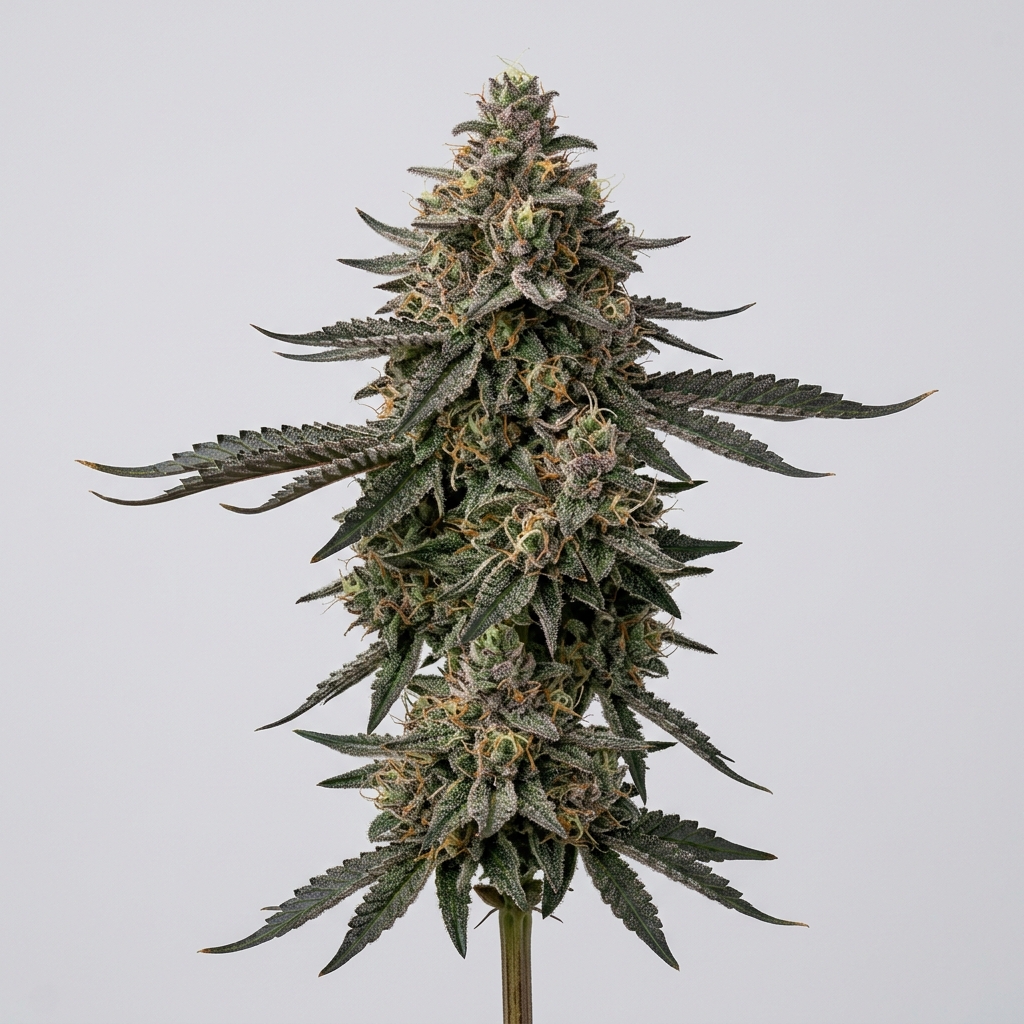
Whiteberry (Cannabis Strain)
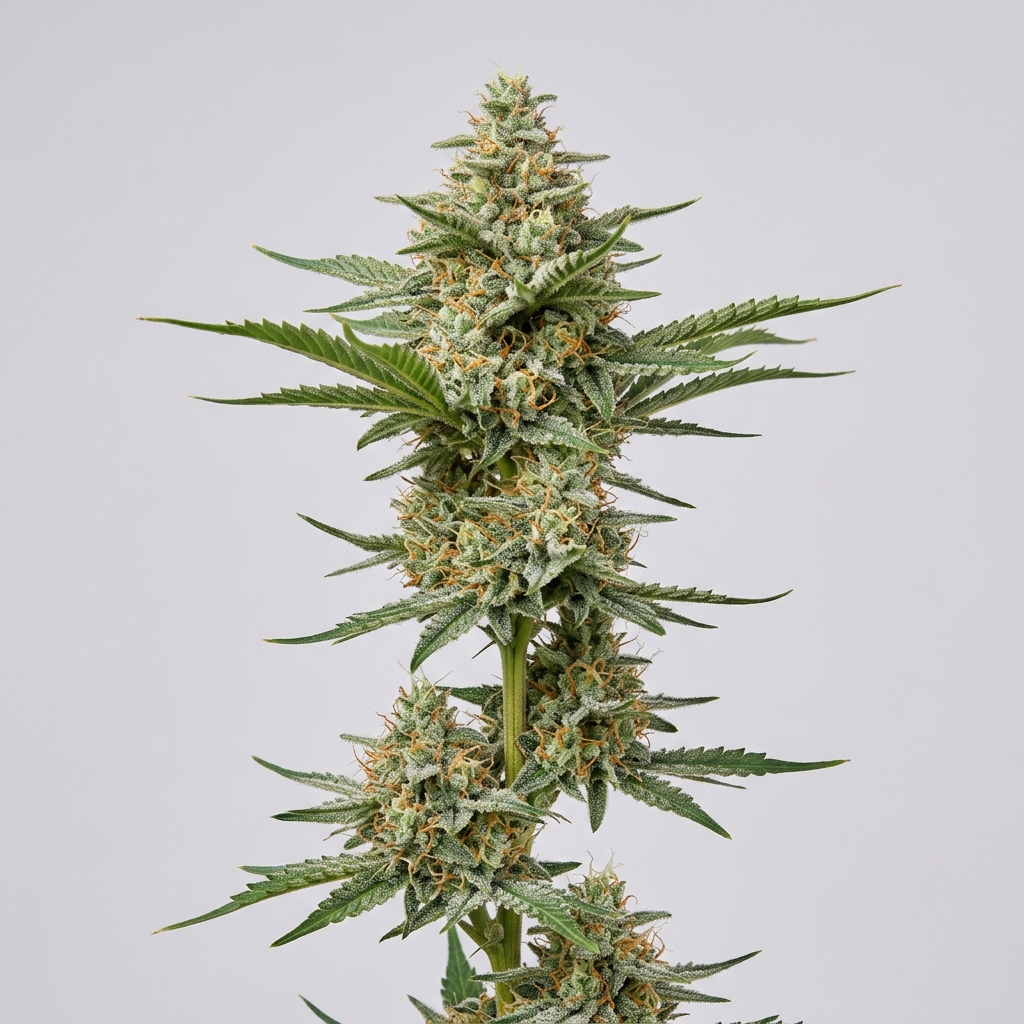
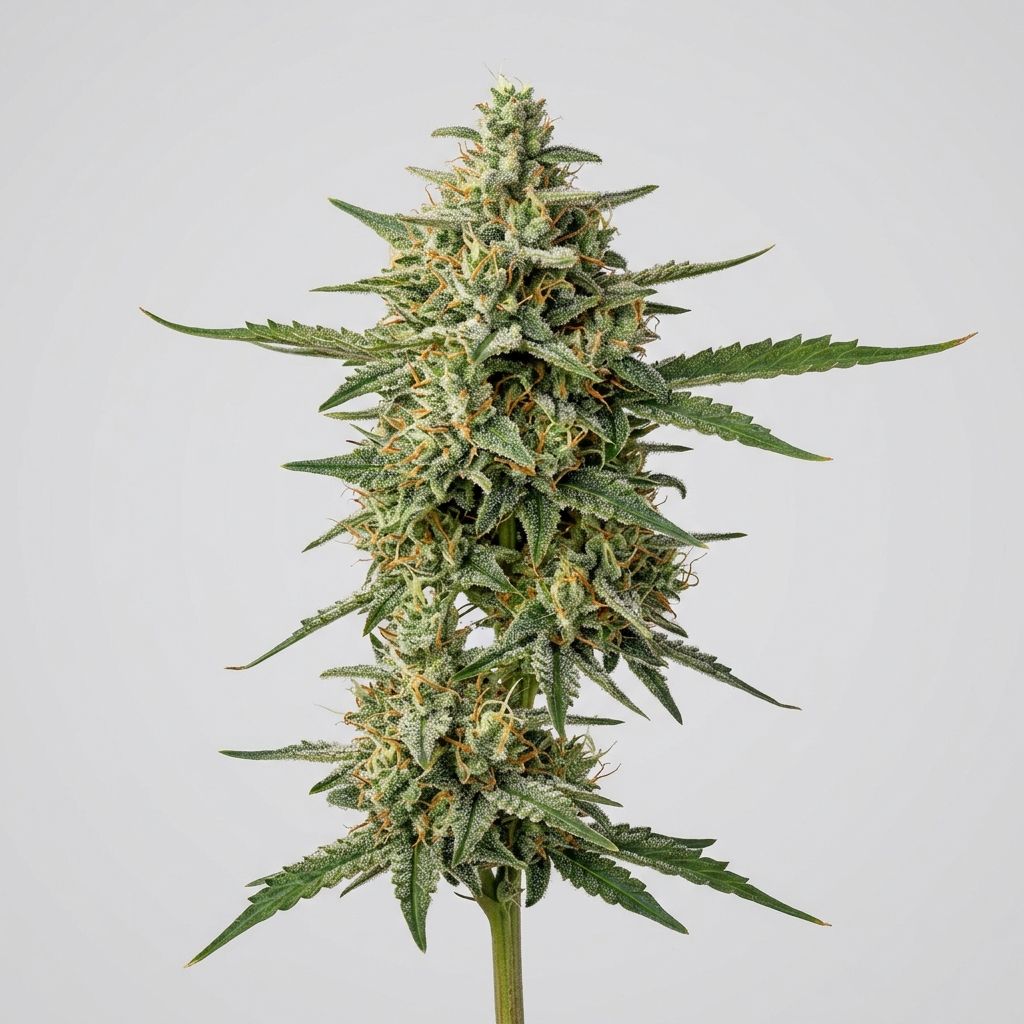
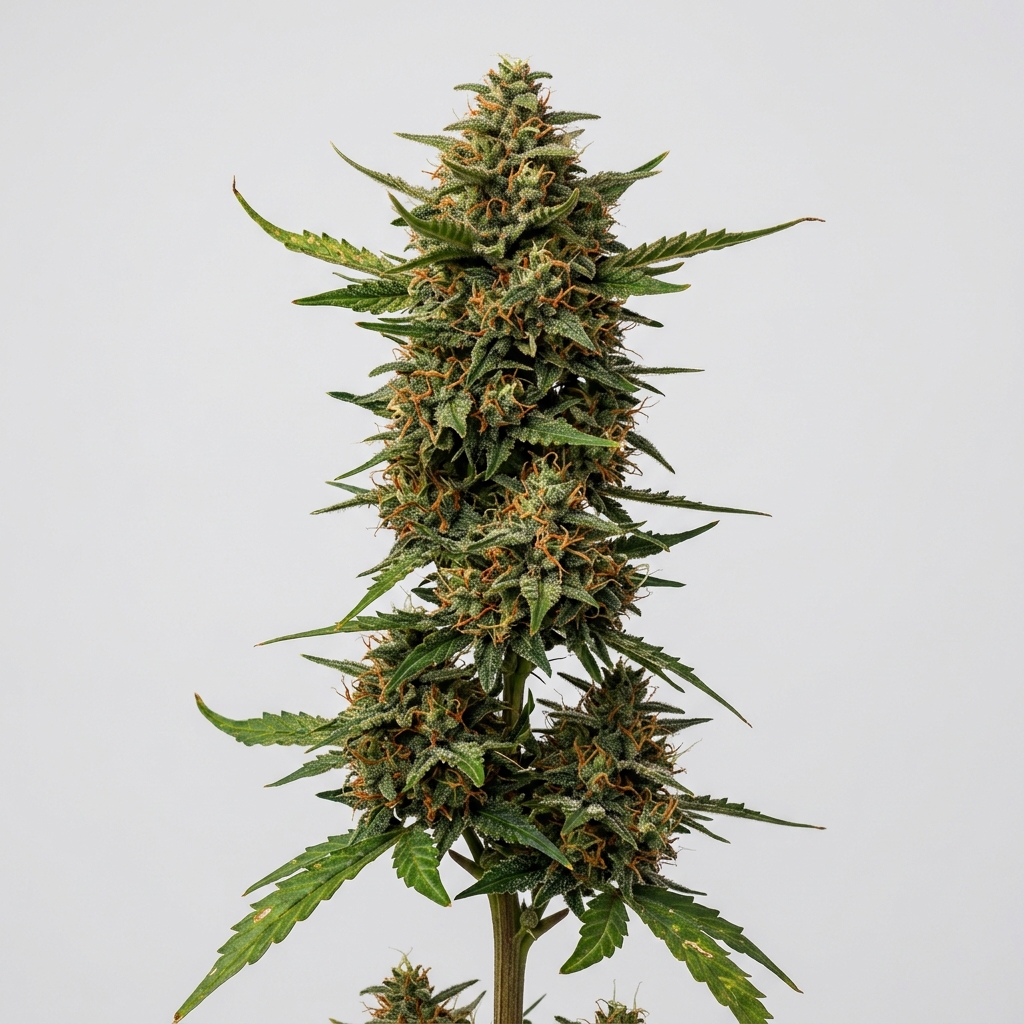
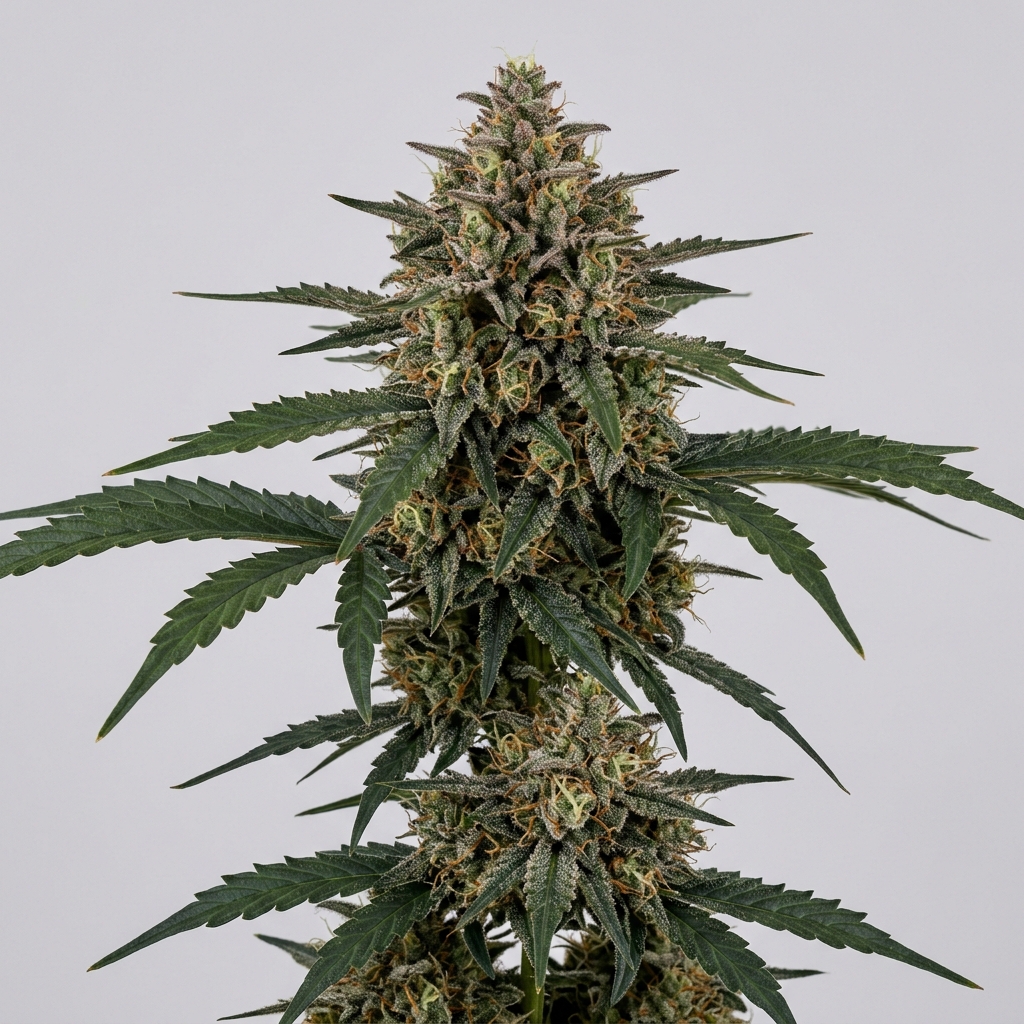
Whiteberry is an indica-dominant hybrid featuring a tested THC range of 18% to 22%, created by crossing the legendary White Widow with a select Blueberry phenotype. This cultivar is highly regarded for its fast-flowering nature, single-cola dominant growth profile, and a striking dark berry edge layered over an earthy, resinous base. Its dense, forest-green flowers regularly exhibit deep purple hues when exposed to cooler night temperatures, finishing with a heavy coat of glassy wet frost that appeals directly to extraction artists and flavor-focused growers alike.
Often described by cultivators as a model plant for Sea of Green (SOG) setups, this strain displays a highly structured, compact morphology with tight internodes and minimal lateral stretching. The resulting flowers carry a sweet, slightly tart berry perfume that deepens during a slow, controlled cure. It offers a balanced, versatile experience that transitions smoothly from a clear, focused onset into a deeply relaxing physical finish.
Quick Facts
| Attribute | Details |
|---|---|
| Genetics | White Widow × Blueberry |
| Variety | Indica-dominant Hybrid (75% Indica / 25% Sativa) |
| THC Range | 18% – 22% |
| Flowering Time | 7 – 8 Weeks (approx. 50 – 55 days) |
| Yield Potential | Moderate to High |
| Plant Height | Medium (compact) |
| Climate Preference | Temperate, mild Mediterranean |
| Difficulty | Easy to Moderate |
Scientific & Botanical Overview
Whiteberry shows a classic indica-dominant structural morphology, characterized by broad fan leaves, thick stems, and a pronounced central leader. This single-cola dominance makes it exceptionally suited for high-density planting techniques where canopy uniformity is paramount. Under optimal conditions, the nodal spacing remains highly compressed, keeping the developing buds close to the main stalk.
The cultivar’s bract-to-leaf ratio is notably high, which simplifies the trimming process and allows for excellent light penetration throughout the upper canopy. As senescent phases begin in late flower, the plant rapidly mobilizes anthocyanins in response to temperature drops, shifting the foliage color from deep olive green to rich shades of violet and midnight blue.
Resin production is both early and prolific, with capitate-stalked trichomes developing along the fan leaves and petioles by the third week of flowering. This dense coat of wet frost acts as a natural barrier, sealing in volatile terpenes and protecting the swollen calyxes from environmental stressors.
Effects & Use-Cases (Reported)
Commonly reported effects: Consumers frequently describe an initial wave of mental clarity and a subtle, uplifting head lift that gradually gives way to a heavy, soothing physical relaxation. This dual-stage experience makes it highly adaptable, offering a functional daytime presence in small amounts while delivering a deep, tranquilizing body melt in higher doses.
Use-case context: The strain is well-suited for late afternoon or evening use, providing a calm transition after a demanding day without immediate, heavy sedation. Its physical soothing properties make it a popular choice among those seeking relief from muscle tension, physical fatigue, and daily mental stress.
Note: Individual experiences may vary depending on dosage, tolerance, and phenotype variation; consumers should approach high-THC cultivars with mindful moderation.
Aroma & Flavors
Aroma: A pungent bouquet of ripe forest fruits and tart berry dominates the initial profile, underpinned by a sharp, earthy pine undertone and a subtle hint of spicy wood.
Flavor: The smoke delivers a smooth, sweet berry taste on the inhale, transitioning to a complex herbal and light fuel-like finish upon exhalation.
Terpene associations: Lab analyses frequently identify high concentrations of myrcene, caryophyllene, and limonene, which drive its sweet fruitiness and grounded, earthy undertone.
Tested Cannabinoid & Terpene Ranges
| Compound | Tested Range |
|---|---|
| Δ9-THC | 18.0% – 22.0% |
| CBG | 0.5% – 1.2% |
| Myrcene | 0.4% – 0.9% |
| Caryophyllene | 0.2% – 0.6% |
| Limonene | 0.1% – 0.4% |
Note: Cannabinoid and terpene levels are highly variable and depend heavily on cultivation practices, curing protocols, and specific phenotype selections.
Cultivation Notes
- Humidity Management: Maintain relative humidity (RH) around 50% to 55% during early bloom, reducing to 40% or lower in the final two weeks to safeguard the dense, compact colas against moisture retention.
- Nutrient Regimen: Responds well to a moderate feeding schedule; avoid excessive nitrogen during early flower to prevent leafy bud structures and maintain a clean flush.
- Training and Pruning: Highly receptive to Sea of Green (SOG) setups; minor lower lollipoping is recommended to focus energy on the massive central colas.
- Temperature Control: Introduce cool night temperatures (a drop of 10°F to 12°F) during the last two weeks of flower to stimulate the expression of deep purple and blue phenotypes.
- Phenotype Selection: Look for mother plants that exhibit tight internodes, quick resin onset, and a distinct sweet berry aroma by week three of veg or early bloom.
Grower Notes (Week-by-Week Snapshot)
- Weeks 1–3: Plants show a controlled, manageable stretch, typically doubling in size. Focus on establishing a clean canopy line and removing thin lower growth to maximize airflow.
- Weeks 4–6: Bud sites swell rapidly as the central spear colas begin to lock in. Trichome coverage spreads onto the sugar leaves, and the sweet berry aroma becomes highly pronounced.
- Weeks 7–8: The calyxes swell significantly, and pistils transition from white to a deep amber. Monitor trichome maturity closely, aiming for a mix of milky and amber heads for the ideal balance of effects.
- Post-Harvest: Execute a slow, 10-to-14-day dry at 60°F and 60% relative humidity. A patient two-to-three-week jar cure is essential to fully lock in the delicate berry terpenes and reduce any chlorophyll undertones.
Genetic Lineage
Whiteberry is built upon a classic foundation, combining the legendary resin-producing power of White Widow with the iconic, sweet-tasting genetics of Blueberry. This deliberate pairing was engineered to merge the high-potency, crystalline nature of the Widow line with the deep color profiles and sweet, fruity terpene expressions of the classic blue family.
The legacy of both parents is clearly visible in the offspring’s growth habits and end-product quality. While the White Widow side contributes the heavy, wet frost and structural stability, the Blueberry lineage infuses the plant with its unmistakable dark berry edge and stunning violet hues during late-stage senescent phases.
Research Insights
Scientific interest in cultivars like Whiteberry often centers on the interaction between high levels of myrcene and caryophyllene in the presence of moderate-to-high THC concentrations. This specific chemical arrangement is thought to facilitate a more pronounced physical relaxation, as myrcene is widely recognized in literature for its potential sedating and muscle-relaxing qualities.
Additionally, the presence of minor cannabinoids such as CBG, alongside secondary terpenes like limonene, suggests a complex chemical matrix that may modulate the overall psychoactive experience. Researchers hypothesize that these secondary compounds work in tandem to temper the potential anxiety sometimes associated with pure THC, resulting in a more grounded, balanced physical and mental effect.
Frequently Asked Questions
Is Whiteberry easy to grow for beginners?
Yes, Whiteberry is considered an excellent choice for novice growers due to its compact growth habit, fast flowering time, and robust resistance to common pests and mold.
What is the average flowering time of Whiteberry?
Under standard indoor light cycles, Whiteberry typically finishes its flowering cycle in 7 to 8 weeks (approximately 50 to 55 days).
Does Whiteberry turn purple?
Yes, this cultivar frequently expresses deep purple and blue hues, particularly when night temperatures are dropped systematically during the final two weeks of the blooming phase.
What is the best growing method for Whiteberry?
Because of its single-cola dominance and minimal lateral branching, Whiteberry performs exceptionally well in a Sea of Green (SOG) configuration.
Educational Disclaimer
This strain profile is intended solely for educational and informational purposes. Cultivation and consumption of cannabis are subject to local laws and regulations, and readers should consult local guidelines before engaging in any related activities.
Rate and review this strain
Ratings and reviews are accepted only from signed-in Google accounts.
Sign in with Google to leave a rating and written review.
Latest Reviews
0 reviewsNo reviews yet. Be the first Google user to rate and review this strain.