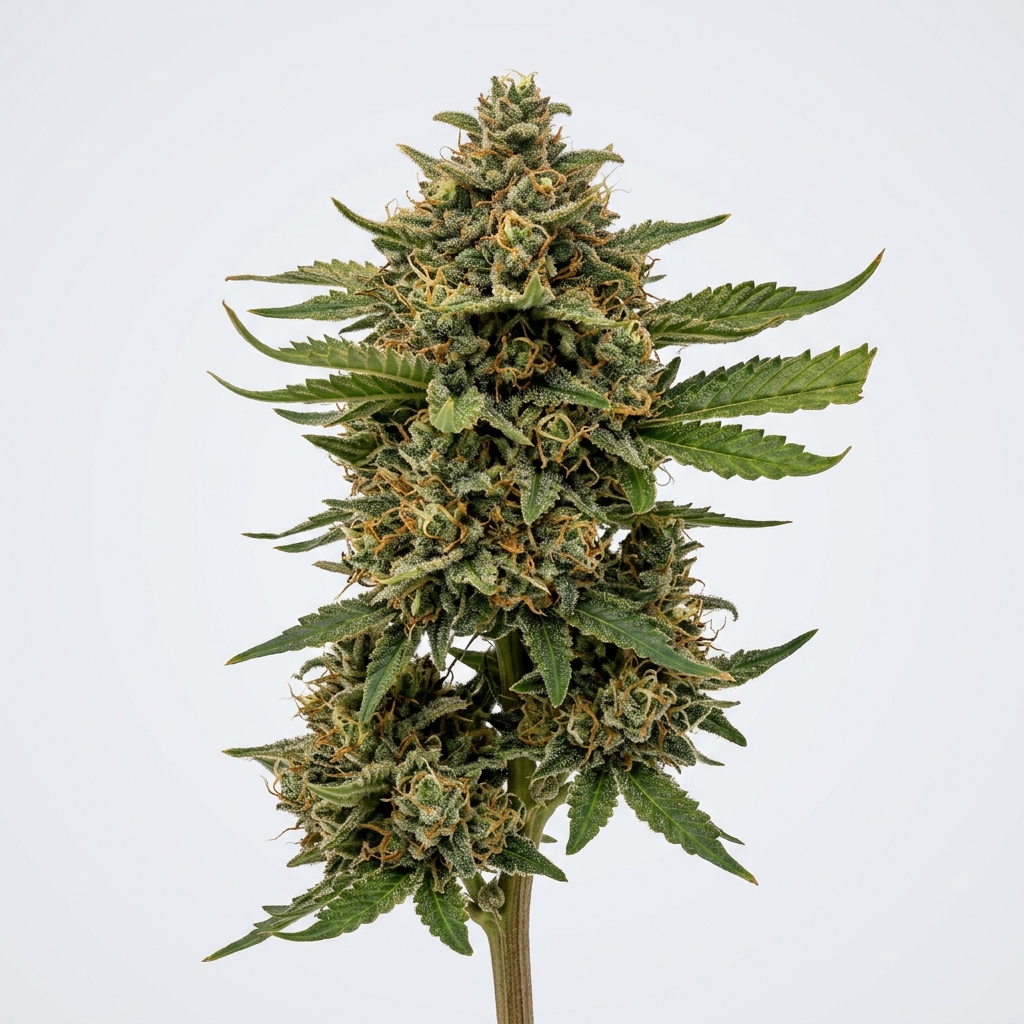
Remedy (Cannabis Strain)
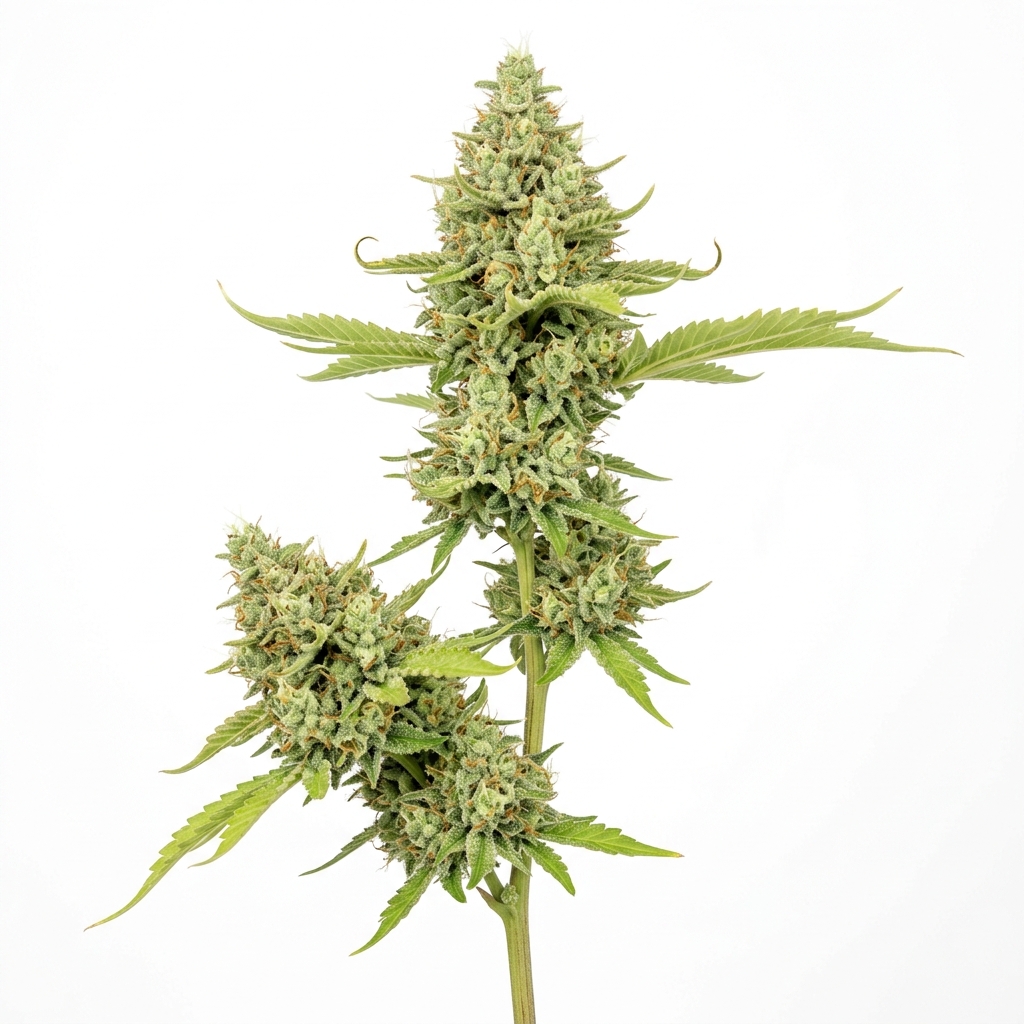
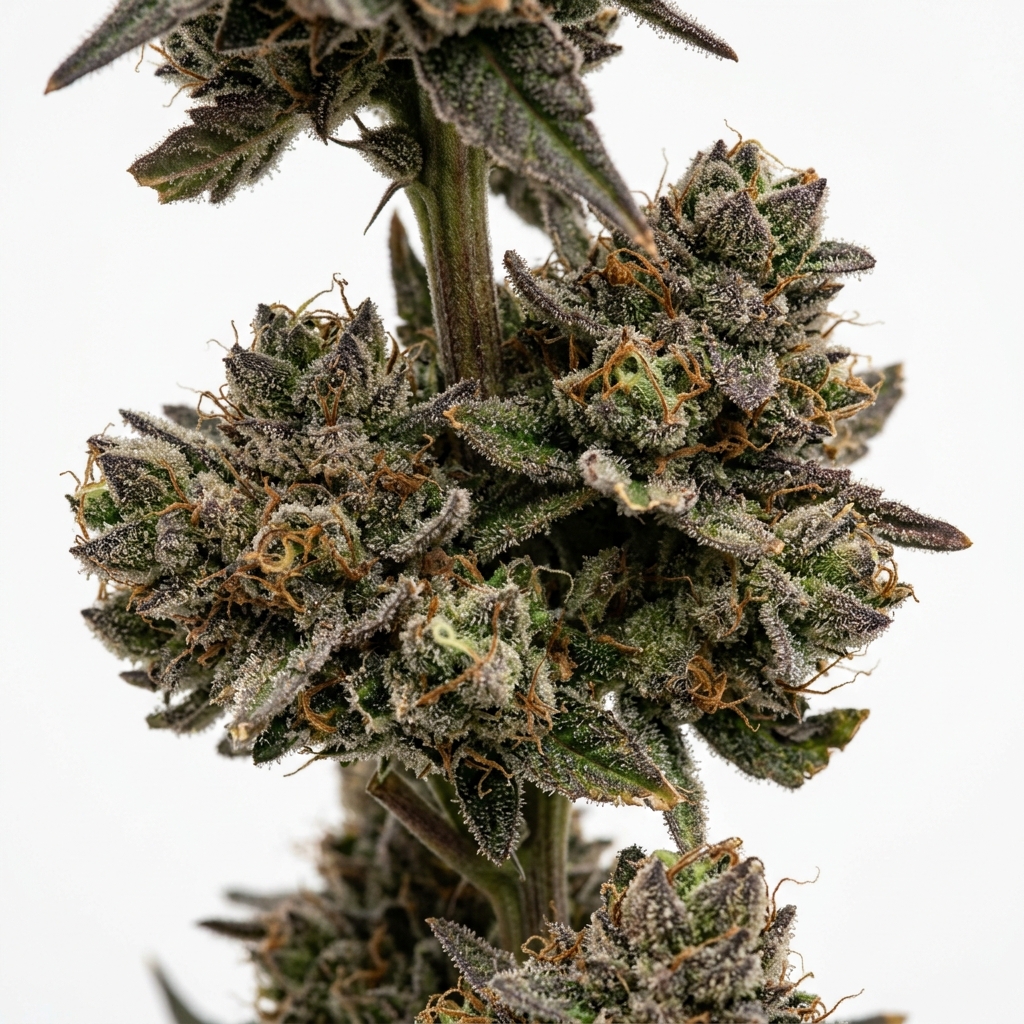
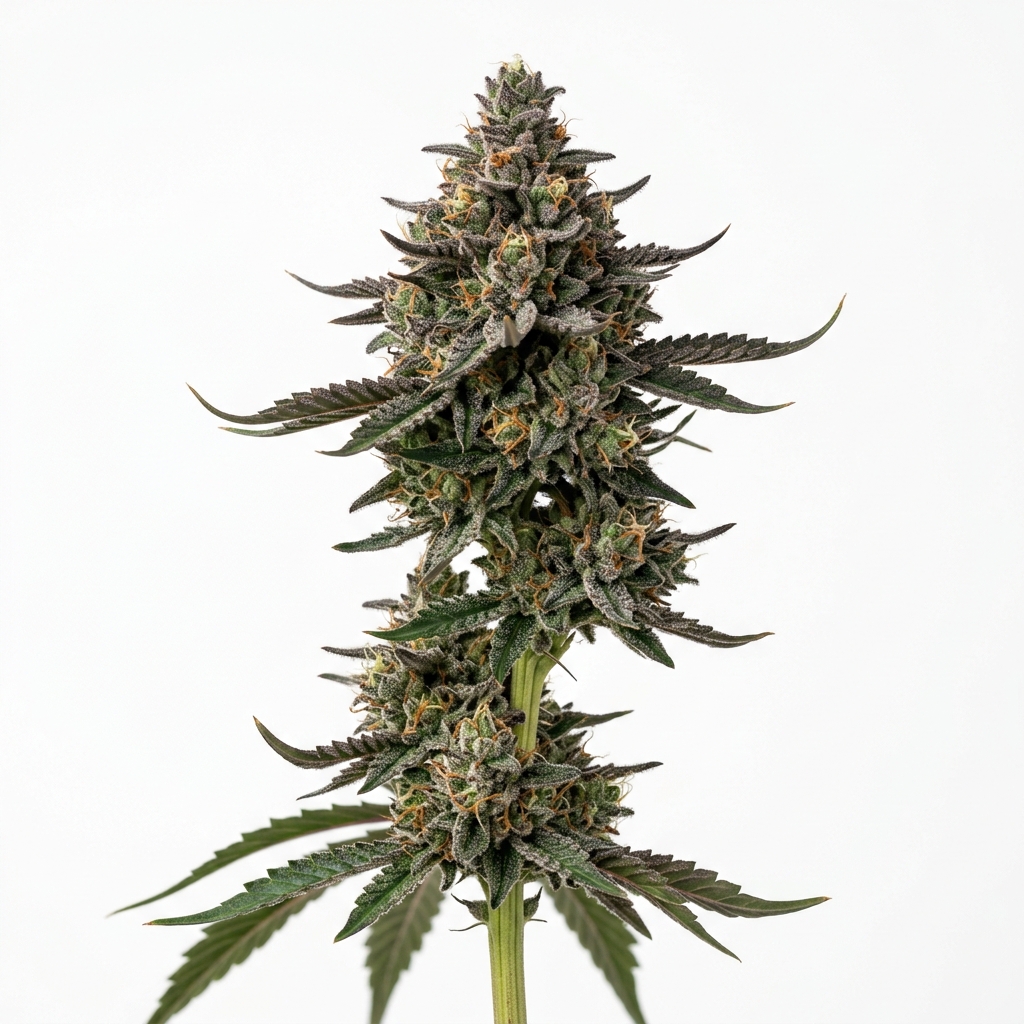
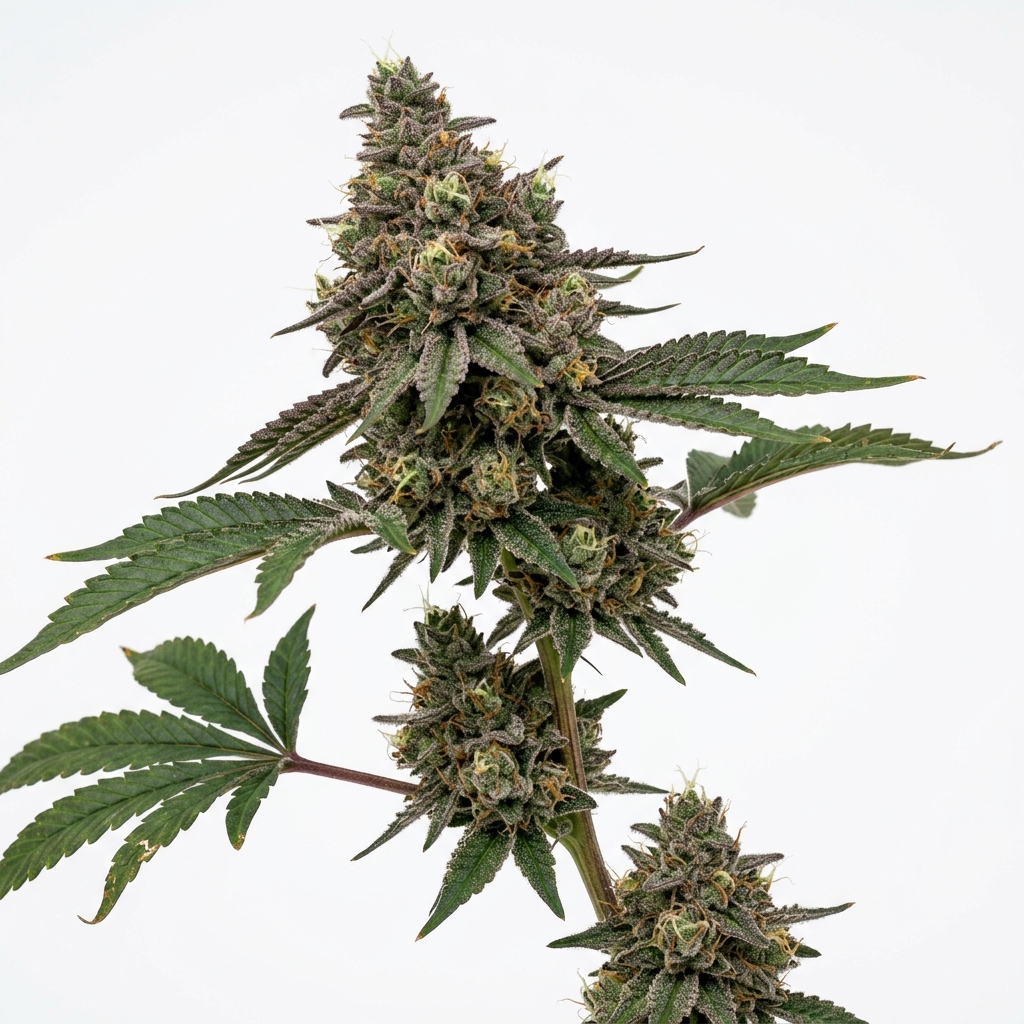
Remedy is a highly regarded high-CBD cultivar, typically crossing Cannatonic and Afghan Skunk, valued for its near-absence of psychoactive effects and its rich, therapeutic resin profile. This strain regularly produces CBD levels ranging from 12% to 16% while keeping Δ9-THC well under 1%, making it an industry standard for non-intoxicating relief. The plant develops dense, forest-green spear colas with a heavy dusting of golden trichomes, releasing a distinct aroma of damp earth, woody pine, and soft herbal tea. Growers appreciate its manageable, bushy structure and reliable outdoor resilience, making it a staple for both boutique hemp farms and home cultivators seeking terpene-rich CBD flowers.
Unlike typical recreational varieties, this cultivar focuses its metabolic energy on producing high concentrations of cannabidiol and minor terpenes rather than intoxicating cannabinoids. Its slow dry and cure preserve a delicate, pine-forward flavor profile that stands out in a market often dominated by high-THC hybrids. It remains a foundational choice for extraction-grade resin and clean, daytime herbal therapy.
Quick Facts
| Fact | Detail |
|---|---|
| Genetics | Cannatonic × Afghan Skunk |
| Variety | CBD-dominant Hybrid |
| THC/CBD Range | <1% THC / 12%–16% CBD |
| Flowering Time | 7–9 Weeks |
| Yield Potential | Moderate to High |
| Plant Height | Medium (3–5 feet) |
| Climate Preference | Temperate, dry climates |
| Difficulty | Easy to Moderate |
Scientific & Botanical Overview
Botanically, Remedy shows classic indica-leaning morphology inherited from its Afghan ancestry, characterized by broad fan leaves, thick stems, and tight internodal spacing. The vegetative stage requires regular defoliation to maintain airflow through its dense canopy, especially when grown in high-humidity environments.
The calyx-to-leaf ratio is moderate, producing tightly packed, resin-rich flowers that mature into chunky, spade-shaped buds. Its trichome heads are smaller and more densely packed than those of high-THC cultivars, containing a high concentration of CBD and specialized monoterpenes.
During late flower, the pistils turn a deep amber-orange, contrasting against the dark olive-green foliage. The plant's overall vigor and resistance to common pests make it a reliable genetic backbone for CBD breeding projects.
Effects & Use-Cases (Reported)
Commonly reported effects: Users frequently describe a deep sense of physical relaxation, mental clarity, and a soothing wave that eases bodily tension without any psychoactive haze.
Use-case context: This profile makes it highly suitable for daytime use, focus-driven tasks, or evening wind-downs where functional clarity is required.
Note: Individual experiences may vary, and the high-CBD nature of this cultivar means it does not produce the typical euphoric high associated with THC-dominant strains.
Aroma & Flavors
Aroma: A dominant fragrance of fresh pine needles and damp forest floor, layered with subtle undertones of sweet lemon and dry herbs.
Flavor: The smoke or vapor delivers an earthy kush base with a clean mint finish and a lingering touch of woody spice on the exhale.
Terpene associations:
Myrcene, pinene, and caryophyllene drive this clean, organic sensory profile.
Tested Cannabinoid & Terpene Ranges
| Compound | Tested Range |
|---|---|
| CBD | 12.0% – 16.0% |
| Δ9-THC | 0.5% – 0.9% |
| Myrcene | 0.4% – 0.8% |
| Pinene | 0.2% – 0.5% |
| Caryophyllene | 0.1% – 0.3% |
Range note: Cannabinoid and terpene expressions are highly dependent on cultivation practices, lighting spectrums, and curing methods.
Cultivation Notes
- Keep late-flower humidity below 45% to prevent moisture retention within the dense, resinous spear colas.
- Responds exceptionally well to low-stress training (LST) and light topping to encourage lateral branching and even canopy distribution.
- Maintains a moderate nutrient feeding schedule; avoid heavy nitrogen during mid-to-late flower to preserve terpene clarity.
- Ensure a slow dry of 10 to 14 days at 60°F and 60% relative humidity to lock in the delicate pinene and myrcene profiles.
Grower Notes (Week-by-Week Snapshot)
- Weeks 1–3 (Vegetative & Transition): Steady root development and robust lateral growth. Begin early pruning of lower fan leaves to improve under-canopy airflow.
- Weeks 4–6 (Early to Mid Flower): The plant undergoes a controlled stretch, usually doubling in height. Small, glassy resin glands begin forming along the dense bracts.
- Weeks 7–9 (Late Flower & Harvest): Buds swell significantly, developing a greasy resin coating. Monitor trichomes for a milky-white appearance; harvest before amber heads dominate to preserve maximum CBD content.
Genetic Lineage
The lineage of Remedy traces back to the pioneering efforts of CBD-focused breeders who crossed the CBD-rich hybrid Cannatonic with a robust, resinous Afghan Skunk. This pairing aimed to stabilize a high-CBD chemotype while retaining the structural resilience and heavy flower production of classic Afghan genetics.
The resulting offspring preserved the therapeutic cannabinoid ratio of its Cannatonic parent while gaining the dense bud structure and rich, earthy terpene profile of its Skunk heritage. This genetic foundation has made it a highly reliable parent strain for modern medicinal breeding programs.
Research Insights
Scientific interest in high-CBD cultivars like Remedy focuses on the unique expression of the plant's secondary metabolites in the absence of high THC concentrations. Analytical testing reveals a highly stable cannabinoid-to-terpene ratio, which serves as a model for studying how non-intoxicating compounds interact with human physiology.
The high concentration of myrcene and pinene in its resin profile suggests a specialized adaptation for pest deterrence and UV protection. Breeders use these stable genetic traits to introduce physical hardiness and predictable CBD yields into newer, more complex hybrids.
Frequently Asked Questions
Will Remedy make me feel high?
No, Remedy is a high-CBD, low-THC strain that does not produce the intoxicating or psychoactive effects typical of high-THC cannabis.
What is the typical CBD-to-THC ratio of Remedy?
Remedy typically shows a CBD-to-THC ratio of approximately 28:1, with CBD levels around 12% to 16% and THC remaining under 1%.
Is Remedy easy to grow?
Yes, its robust Afghan Skunk lineage provides excellent resistance to common pests and mold, making it a highly manageable strain for growers of all experience levels.
What does Remedy taste like?
Remedy features a clean, organic flavor profile defined by an earthy kush base, fresh pine, and a subtle herbal mint finish.
Educational Disclaimer
The information provided on this page is for educational and informational purposes only. It is not intended as medical advice. Always consult with a qualified healthcare professional before using cannabis products.
Rate and review this strain
Ratings and reviews are accepted only from signed-in Google accounts.
Sign in with Google to leave a rating and written review.
Latest Reviews
0 reviewsNo reviews yet. Be the first Google user to rate and review this strain.
Follow New Cultivar Records
Get newly documented genetics, breeder history, research highlights, and important Strainpedia discoveries by email.