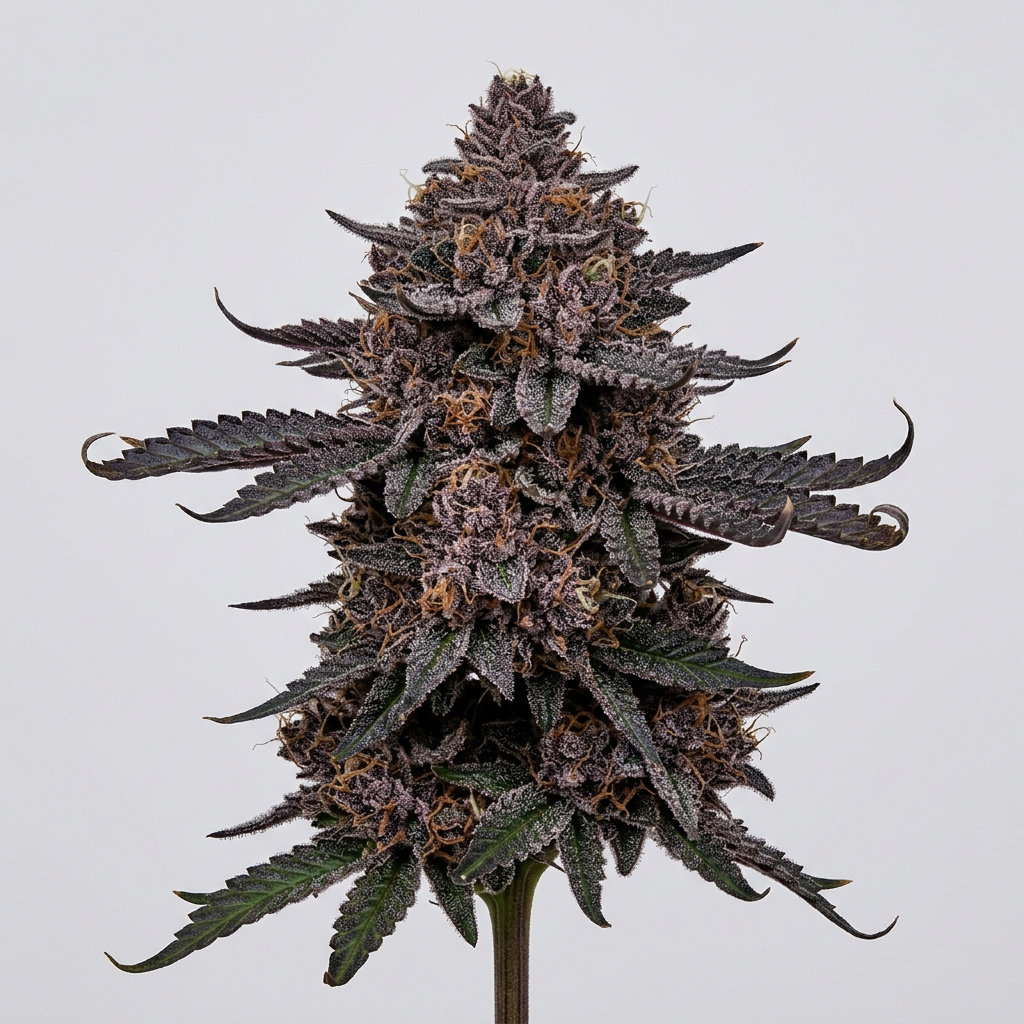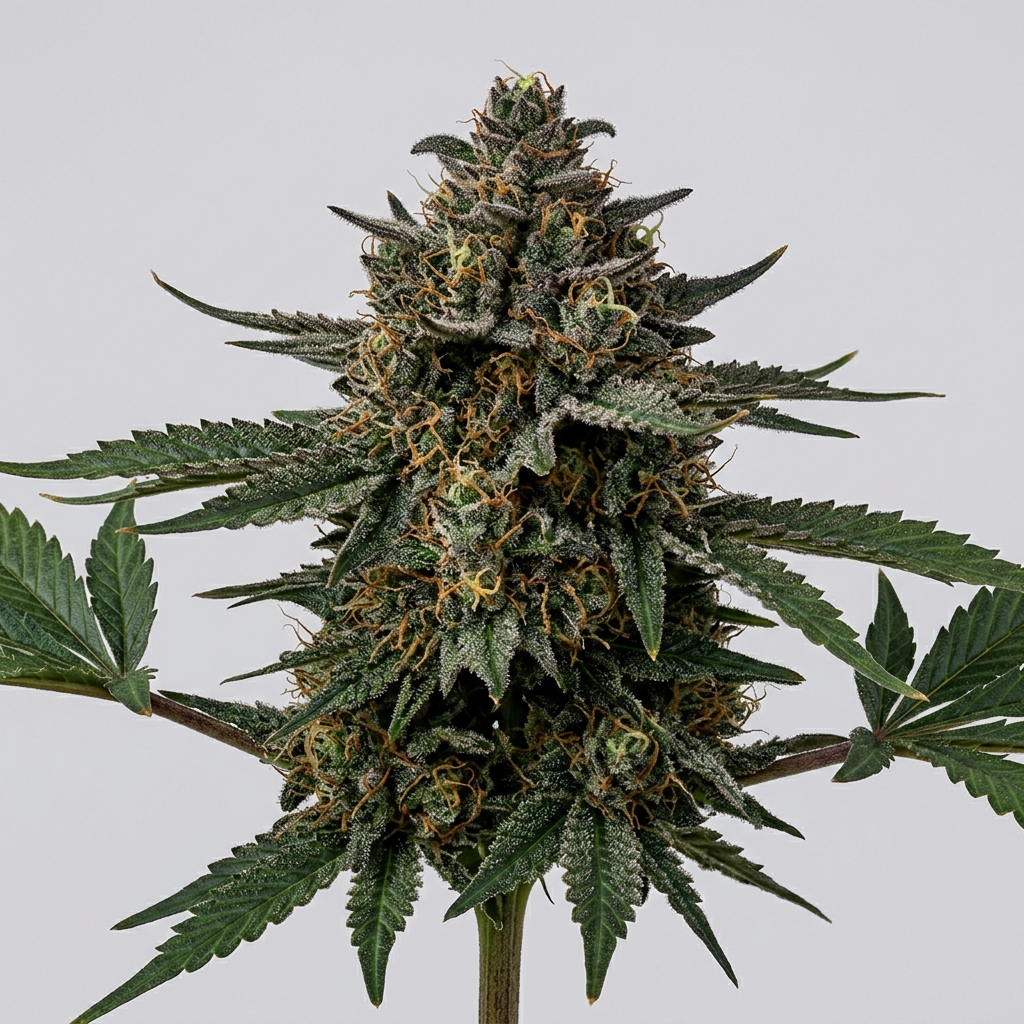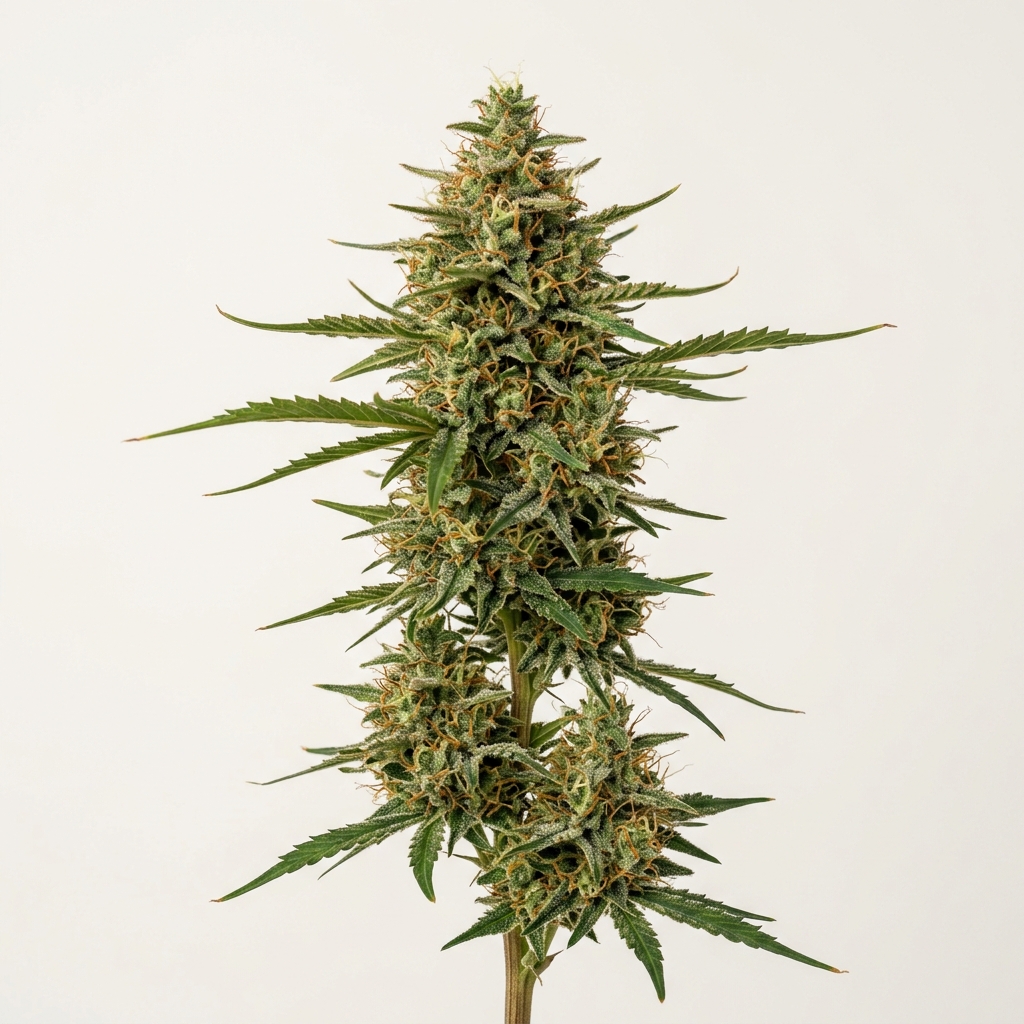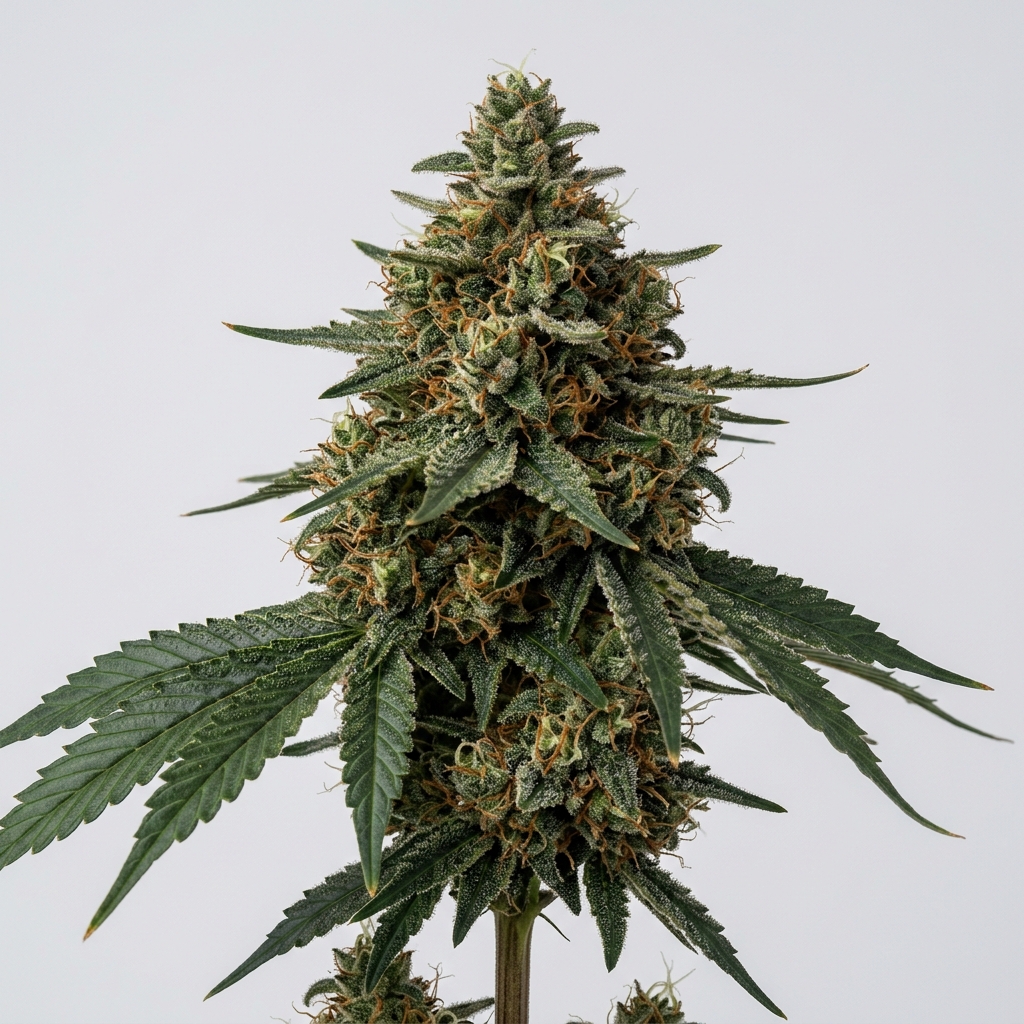
Morning Glory (Cannabis Strain)
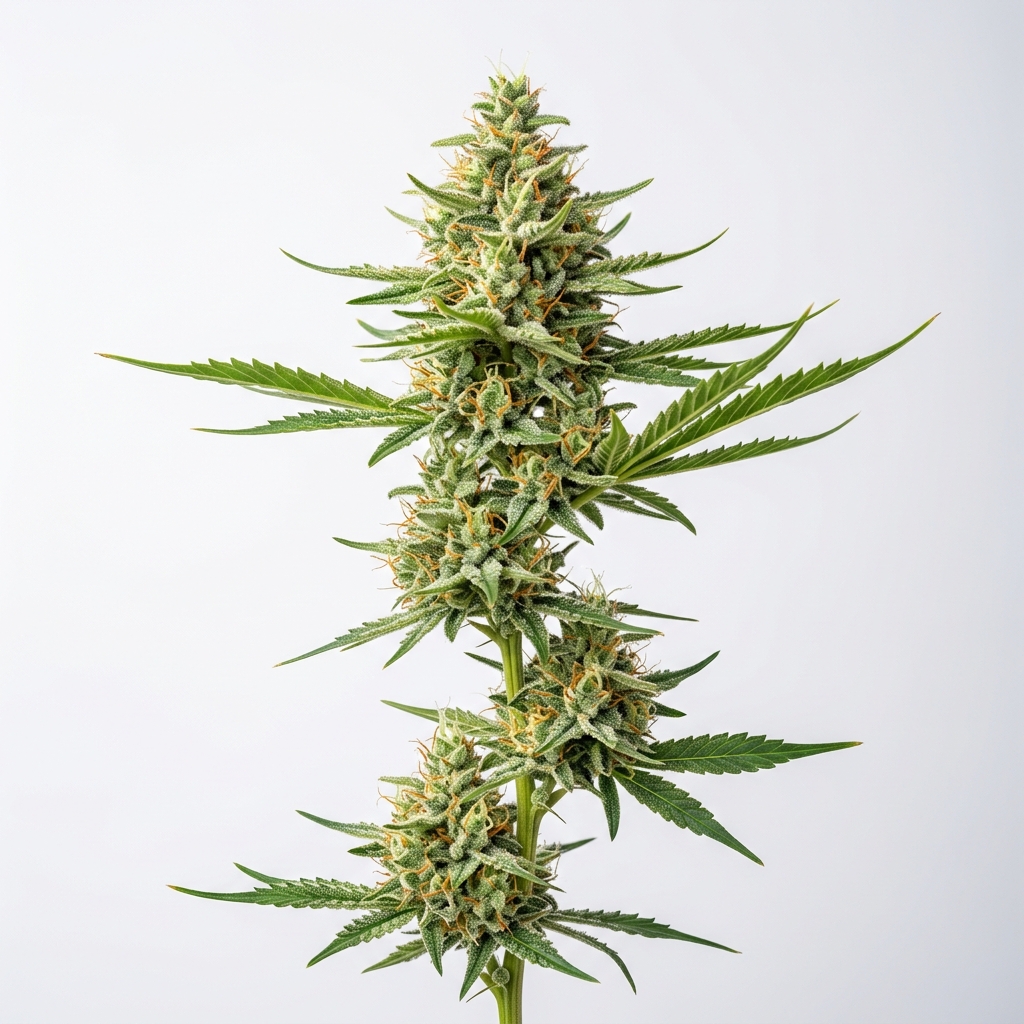
Morning Glory is a classic Sativa-dominant hybrid crossing Hawaiian Sativa with the robust genetics of Shiva Skunk and Skunk #1. Typically testing between 16% and 20% THC, this cultivar is recognized for its bright citrus-skunk aroma, spear-shaped colas, and clean, cerebral motivation. Its growth profile displays a manageable sativa stretch, producing resin-rich flowers that appeal to growers seeking functional, old-school daytime profiles.
The cultivar is highly regarded for its balance of tropical fruit notes and a sharp, earthy undertone. It develops a generous coating of glassy trichomes over light green bracts, making it a favorite for dry sifting and light extraction.
Quick Facts
| Metric | Details |
|---|---|
| Genetics | Hawaiian Sativa × Shiva Skunk × Skunk #1 |
| Variety | Sativa-dominant Hybrid (approx. 60/40) |
| THC Range | 16% – 20% |
| Flowering Time | 8 – 10 Weeks |
| Yield Potential | Moderate to High |
| Plant Height | Medium to Tall |
| Climate Preference | Warm, Temperate, Low Humidity |
| Difficulty | Moderate |
Scientific & Botanical Overview
Morning Glory shows a classic hybrid morphology with a pronounced sativa lean, characterized by moderate to wide internodal spacing and slender fan leaves. During the transition to flower, the plant undergoes a controlled stretch, requiring early structural support to manage its tall, branching frame. It responds exceptionally well to topping and low-stress training (LST) to maximize light penetration to lower bud sites.
The bud structure consists of elongated, spear-shaped colas with moderately dense bracts and striking orange pistils. Unlike dense indica varieties, these airy flowers allow for excellent airflow, reducing the risk of late-flower moisture issues. The resin distribution is uniform, coating both the calyxes and surrounding sugar leaves in a fine layer of wet frost.
On a chemical level, the strain focuses its metabolic energy on producing high levels of terpinolene, beta-caryophyllene, and myrcene. This terpene profile works alongside its cannabinoid structure to deliver a clear, non-sedating sensory profile. The plant thrives in temperate climates but requires a watchful eye on nitrogen levels during vegetative growth to prevent excessive stretching.
Effects & Use-Cases (Reported)
Commonly reported effects: Users frequently describe an immediate wave of mental clarity, accompanied by a subtle physical ease that does not lead to heaviness. The experience is characterized by a bright, focused energy that supports creative tasks and social engagement.
Use-case context: This profile makes Morning Glory well-suited for daytime activities, morning routines, and creative projects requiring sustained focus. It serves as an alternative to heavier, myrcene-dominant hybrids that tend to induce early fatigue.
Note: Individual tolerance levels and phenotype variations can alter the intensity of the cerebral effects. Sativa-sensitive individuals should approach initial sessions with caution to gauge personal response.
Aroma & Flavors
Aroma: The initial nose is dominated by a sharp citrus lift, followed closely by a deep, earthy skunk base and hints of forest pine.
Flavor: On the palate, it delivers a smooth blend of sweet tropical fruit and spicy skunk, leaving a clean, herbal mint finish.
Terpene associations: Terpinolene provides the bright, piney-citrus top notes, while beta-caryophyllene adds a subtle peppery spice, and myrcene anchors the flavor with a rich, earthy undertone.
Tested Cannabinoid & Terpene Ranges
| Compound | Typical Range |
|---|---|
| Δ9-THC | 16.0% – 20.0% |
| CBG | 0.5% – 1.2% |
| Terpinolene | 0.4% – 0.8% |
| beta-Caryophyllene | 0.2% – 0.5% |
| Myrcene | 0.15% – 0.4% |
Note: Cannabinoid and terpene levels are highly variable and depend on specific phenotype expression, environmental conditions, and cultivation techniques.
Cultivation Notes
- Humidity Control: Maintain relative humidity (RH) around 50-55% during early flower, dropping to 40-45% in the final two weeks to preserve delicate terpenes.
- Nutrient Management: Apply a moderate feeding regimen, avoiding heavy nitrogen inputs in early bloom to limit excessive stem elongation.
- Plant Training: use trellis netting or topping early in vegetative growth to manage the canopy height and promote uniform bud development.
- Harvest Timing: Harvest when the glassy buds show a mixture of milky and amber trichomes, typically around day 60 to 65 of flowering.
- Phenotype Management: Watch for faster-flowering phenotypes that lean toward the Shiva Skunk parent, which offer slightly denser buds and shorter flowering windows.
Grower Notes (Week-by-Week Snapshot)
- Weeks 1–3 (Transition & Stretch): Expect a significant vertical stretch as the plant transitions to bloom. Implement light training and ensure support structures are in place.
- Weeks 4–6 (Flower Development): Elongated spear colas begin to form, showing early resin production. Maintain consistent potassium and phosphorus levels.
- Weeks 7–9+ (Ripening & Flush): Bud swelling slows as trichomes mature into a dense layer of wet frost. Flush with pure water during the final 10 to 14 days to enhance terpene clarity.
- Post-Harvest (Dry & Cure): Execute a slow dry at 60°F (15°C) and 60% humidity for 10 to 14 days, followed by a minimum three-week cure to lock in the complex skunk-citrus aroma.
Genetic Lineage
Morning Glory owes its uplifting foundation to a selected Hawaiian Sativa cut, which contributes the bright tropical flavor and cerebral focus. This landrace-derived parentage ensures a soaring, energetic high but can introduce wild, hard-to-manage growth patterns if left untrained.
To ground these sativa traits, breeders introduced Shiva Skunk and Skunk #1 into the lineage. These legendary indica-leaning ancestors stabilize the flowering time, increase bud density, and infuse the strain with its signature spicy skunk undertone and robust physical resilience.
Research Insights
Chemical analysis of Morning Glory highlights a distinct synergy between its primary terpenes, particularly terpinolene and beta-caryophyllene. This specific combination is frequently researched for its potential to modulate the psychoactive effects of THC, promoting alertness rather than sedation.
From a breeding perspective, the strain is valued for preserving old-school skunk characteristics while retaining a highly functional cannabinoid profile. It serves as a prime reference point for studying how landrace sativa genetics can be successfully domesticated for modern indoor cultivation environments without losing their unique sensory qualities.
Frequently Asked Questions
Is Morning Glory hard to grow?
Morning Glory is moderately easy to grow, though its sativa-leaning stretch requires active canopy management. Using low-stress training (LST) or trellis systems helps keep the plant’s height under control indoors.
What does Morning Glory smell like?
The strain features a sharp citrus lift combined with a deep, earthy skunk base and subtle notes of forest pine. This complex profile is inherited from its Skunk #1 and Hawaiian Sativa ancestors.
How long does Morning Glory take to flower?
Most phenotypes finish flowering in 8 to 10 weeks. Phenotypes leaning heavily toward Shiva Skunk may ripen slightly faster, closer to the 8-week mark.
What are the primary effects of Morning Glory?
It is commonly reported to produce a focused, clear-headed energy with a mild physical relaxation. This makes it a popular choice for daytime productivity and creative projects.
Educational Disclaimer
This article is for educational and informational purposes only. Cultivation and consumption of cannabis are subject to varying legal regulations globally. Always consult local laws and guidelines before handling or consuming cannabis products.
Rate and review this strain
Ratings and reviews are accepted only from signed-in Google accounts.
Sign in with Google to leave a rating and written review.
Latest Reviews
0 reviewsNo reviews yet. Be the first Google user to rate and review this strain.