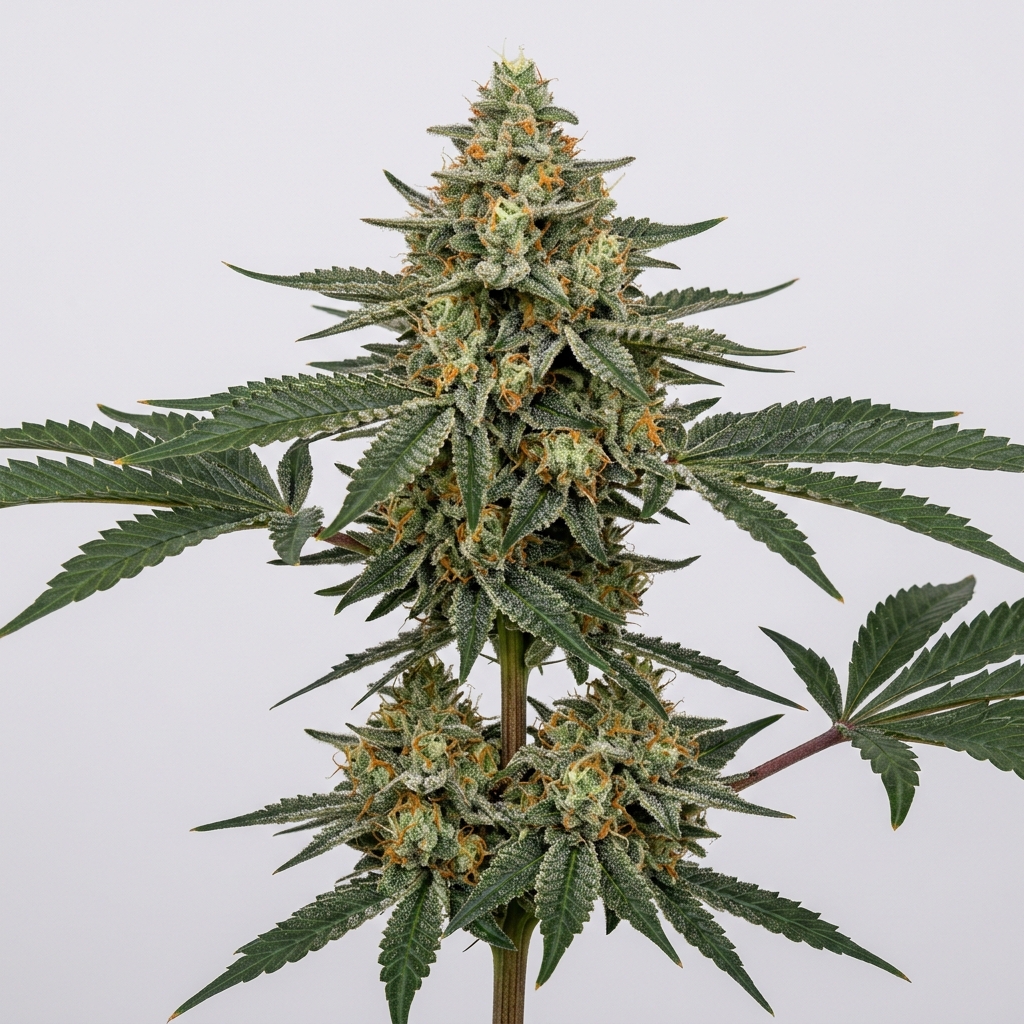
Sweet Tooth (Cannabis Strain)
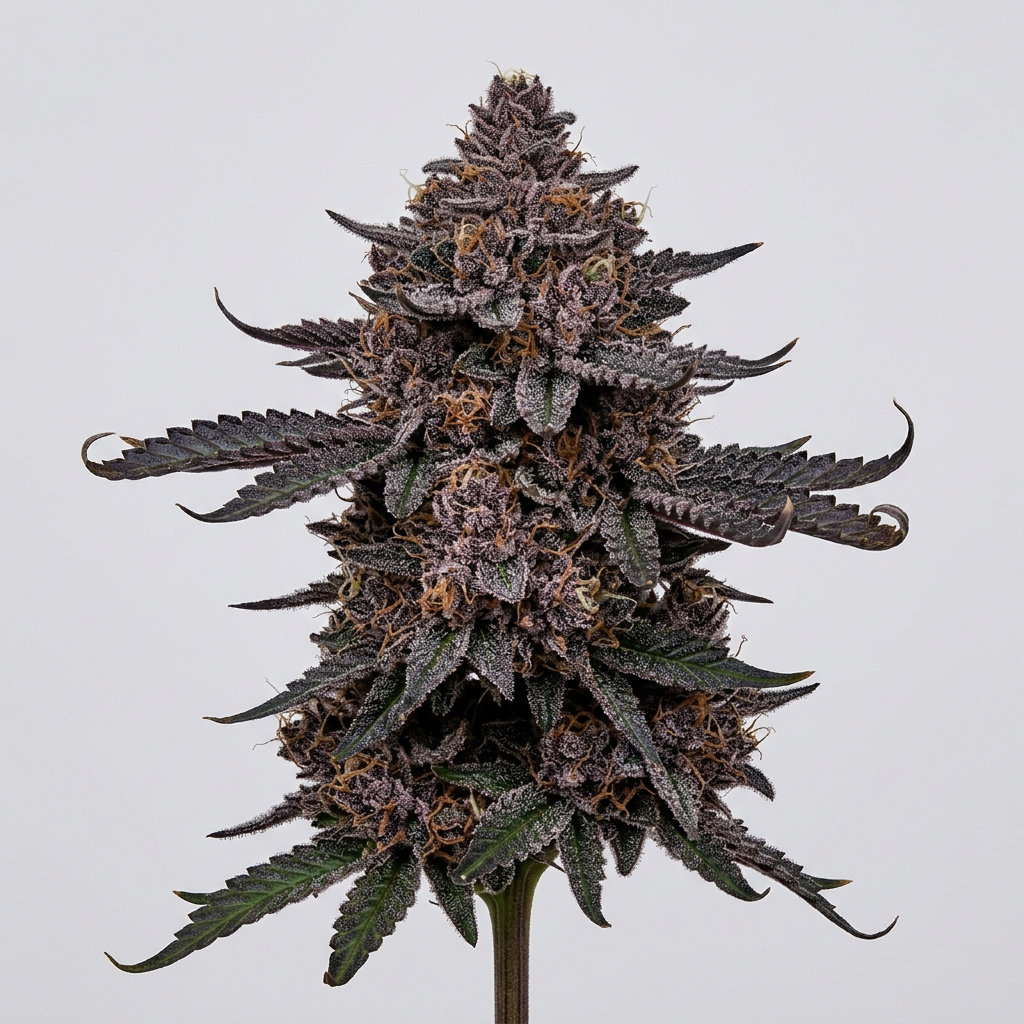
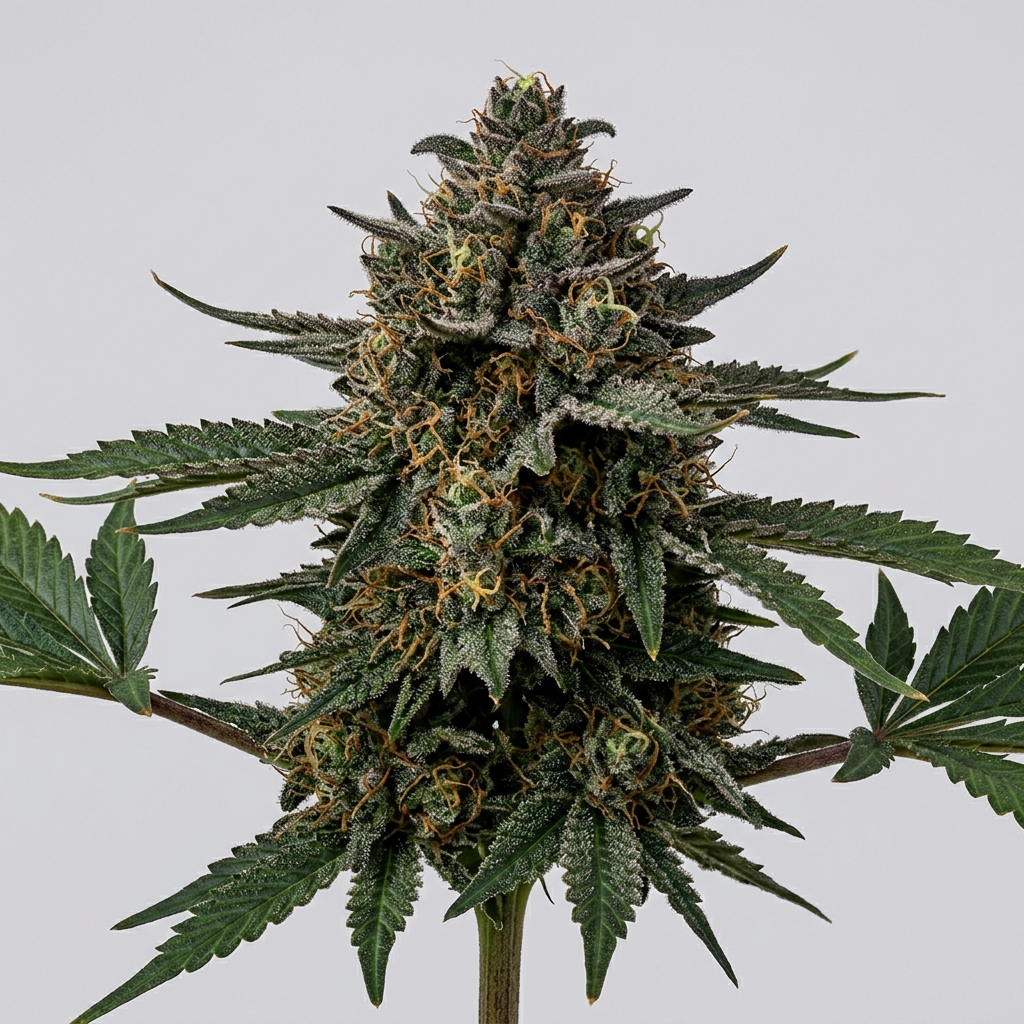
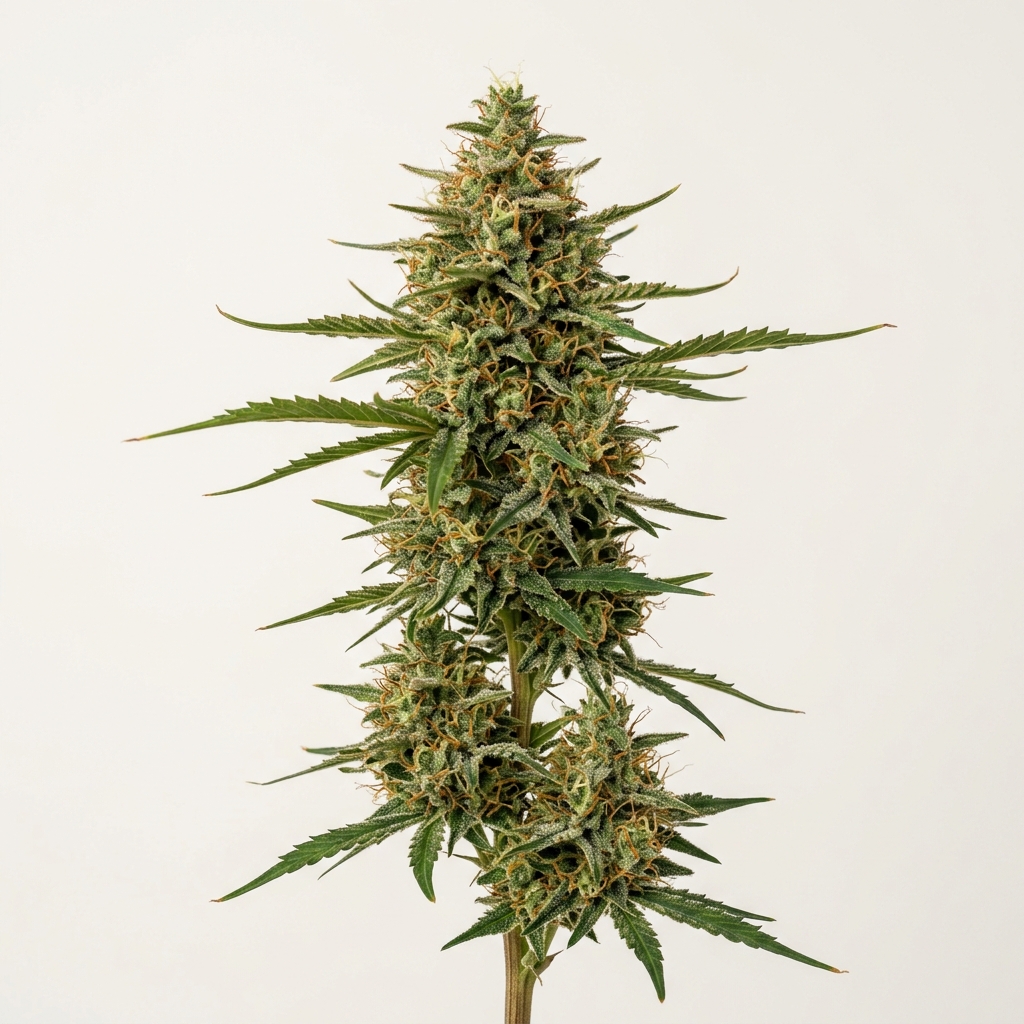
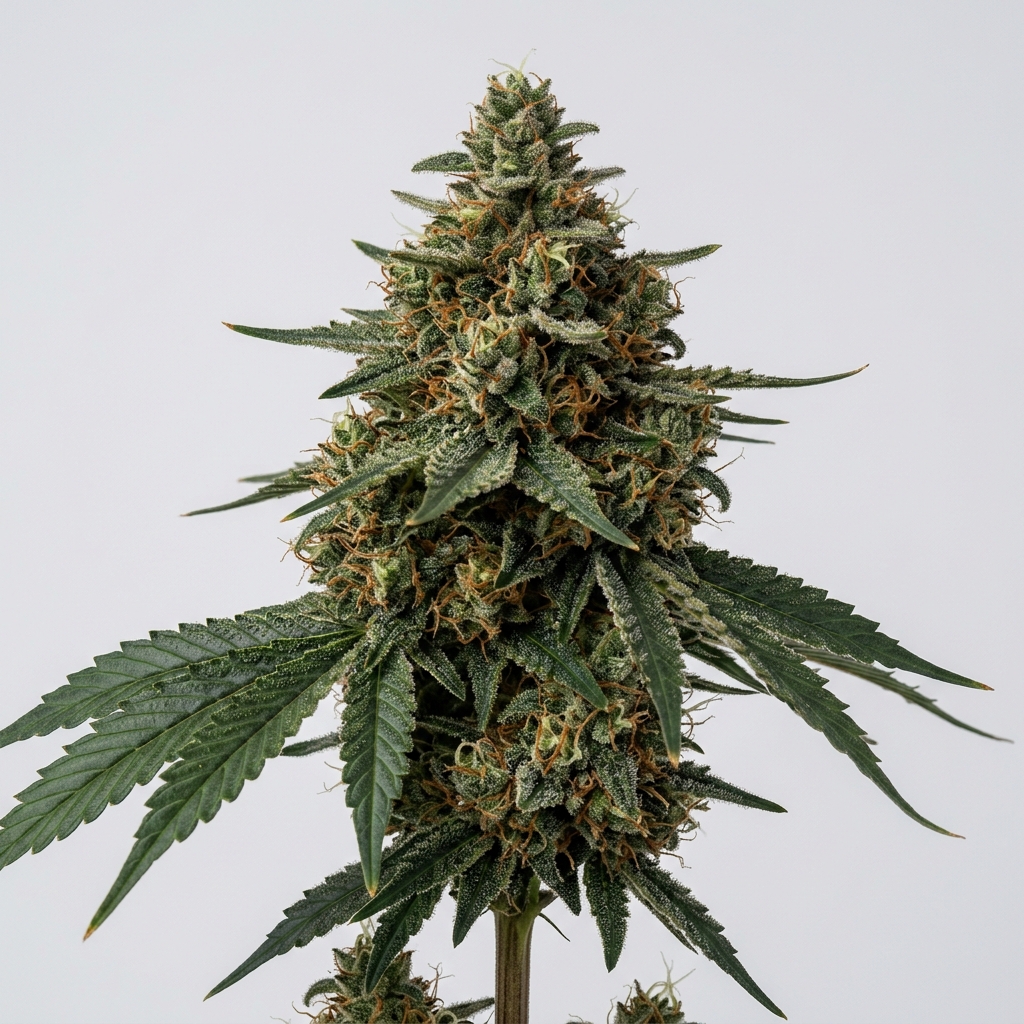
Sweet Tooth is a classic indica-dominant hybrid, typically testing between 16% and 22% THC, created by crossing the legendary Sweet Pink Grapefruit with an indica-dominant Blueberry selection. Renowned for its thick layer of sugary, wet frost and dense, bulbous calyxes, this cultivar is celebrated for its sweet berry and citrus aroma. Its growth behavior is characterized by a stocky, lateral-branching structure that produces heavy, resin-rich spear colas, making it a staple among extraction-focused growers and collectors of vintage sweet terpenes.
Originally developed in the late 1990s, this strain secured multiple High Times Cannabis Cup awards, cementing its legacy as a foundational sweet-profile cultivar. Modern selections continue to favor its reliable resin production and smooth, physical relaxation, offering a nostalgic alternative to modern gas-dominant hybrids.
Quick Facts
| Field | Detail |
|---|---|
| Genetics | Sweet Pink Grapefruit × Blueberry |
| Variety | Indica-dominant Hybrid |
| THC Range | 16% – 22% |
| Flowering Time | 50 – 60 Days |
| Yield Potential | Moderate to High |
| Plant Height | Medium (Stocky) |
| Climate Preference | Temperate / Mild |
| Difficulty | Easy to Moderate |
Scientific & Botanical Overview
Structurally, Sweet Tooth shows classic indica morphology, characterized by broad fan leaves, tight internodes, and robust lateral branching. The plant develops dense, chunky flowers with highly swollen calyxes that pack tightly along the stems. Its resin development is exceptionally early, often showing a glassy sheen across the sugar leaves by the third week of flower.
The cultivar maintains a highly efficient transpiration rate but requires careful airflow management due to the sheer density of its mature colas. Leaf-to-calyx ratio is highly favorable, making the manicuring process straightforward for commercial operations. Under cooler night temperatures in late flower, some phenotypes can express subtle purple hues along the leaf margins.
The vascular system of this strain supports heavy nutrient uptake, particularly during the mid-bloom swell. Its stems are thick and woody, providing natural structural support, though the weight of its resin-rich flowers often necessitates supplemental trellising.
Effects & Use-Cases (Reported)
Commonly reported effects: Users frequently describe a deep, warming physical relaxation that settles heavily into the limbs, accompanied by a calm, clear-headed mental state. It is highly regarded for its soothing qualities, which typically transition into a heavy, restful state without the sharp mental haze associated with some modern heavy-THC cultivars.
Use-case context: This cultivar is best suited for evening or post-activity consumption, where physical decompression is the primary goal. Its balanced, smooth onset makes it a preferred choice for winding down, listening to music, or preparing for sleep.
Note: Individual experiences may vary depending on tolerance, dosage, and specific phenotype chemistry.
Aroma & Flavors
Aroma: The primary nose is dominated by a bright, sugary grapefruit sweetness, backed by a rich, jammy berry undertone. Breaking the buds releases a deeper, slightly earthy musk that balances the intense fruit forwardness.
Flavor: On the exhale, the flavor mirrors the aroma, delivering a smooth, syrup-like sweetness with a sharp citrus lift and a subtle woody finish. The smoke is notable for its velvety texture, leaving a lingering candy-like coating on the palate.
Terpene associations: Analytical profiles typically show high concentrations of myrcene, limonene, and caryophyllene, which drive its signature blend of tropical sweetness, citrus top notes, and soothing physical effects.
Tested Cannabinoid & Terpene Ranges
| Compound | Typical Range |
|---|---|
| Δ9-THC | 16.0% – 22.0% |
| CBD | < 1.0% |
| Myrcene | 0.5% – 1.2% |
| Limonene | 0.3% – 0.8% |
| Caryophyllene | 0.2% – 0.6% |
Note: Quantitative values represent laboratory-tested averages across multiple phenotypes. Individual cultivation practices, medium choice, and environmental parameters will directly influence final cannabinoid and terpene concentrations.
Cultivation Notes
- Humidity management: Maintain relative humidity below 45% during the final three weeks of flowering to prevent moisture retention within the dense, resin-packed colas.
- Nutrient feeding: Responds exceptionally well to a steady, moderate feeding regimen, with a slight reduction in nitrogen early in the bloom cycle to prevent leaf curl.
- Canopy training: Utilizing Low-Stress Training (LST) or a single Screen of Green (ScrOG) layer helps spread the stocky canopy, ensuring light penetrates to the lower bud sites.
- Harvest timing: Trichome maturity is the key indicator; harvest when heads are mostly milky with about 10-15% amber for the most balanced physical profile.
- Phenotype variation: Look for the “Grapefruit” leaning phenotype, which tends to finish slightly faster and shows a more pronounced citrus-candy nose.
Grower Notes (Week-by-Week Snapshot)
- Weeks 1–3 (Transition & Early Bloom): The plant undergoes a controlled stretch, usually doubling in size. Early flower clusters form quickly, and a fine layer of glassy resin begins to coat the young bracts.
- Weeks 4–6 (Mid-Bloom & Swell): Calyxes swell rapidly, forming dense, spear-shaped colas. Odor control becomes essential as the sweet, citrus aroma intensifies; support branches with stakes or trellis nets to prevent sagging.
- Weeks 7–9 (Late Bloom & Flush): Resin production peaks, giving the buds a wet, sugary appearance. Execute a thorough two-week flush with plain, pH-balanced water to ensure a clean burn and preserve the delicate terpene profile.
Genetic Lineage
Sweet Tooth was originally bred by Spice of Life, utilizing a select cutting of Sweet Pink Grapefruit—a highly coveted clone-only phenotype from Canada known for its intense citrus sweetness. This mother plant was backcrossed with a robust, blue-hued Blueberry male sourced from DJ Short’s legendary breeding lines.
This deliberate pairing successfully combined the sharp, uplifting terpene profile of the Grapefruit line with the heavy resin production, structural stability, and deep, relaxing qualities of the Blueberry parent. The resulting offspring became a foundational building block for several award-winning sweet-profile hybrids of the early 2000s.
Research Insights
Phytochemical analysis indicates that the distinct sensory profile of Sweet Tooth is driven by a high concentration of monoterpenes, specifically myrcene and limonene, which work in tandem with its moderate cannabinoid content. This specific distribution of terpenes is believed to modulate the physical effects, providing a smooth, sedative experience without inducing extreme cognitive fog.
From a horticultural perspective, breeders value this cultivar’s genetic stability and its ability to consistently pass down its heavy resin-producing traits. The high density of glandular trichomes makes it a frequent subject of study for extraction efficiency and solventless concentrate production.
Frequently Asked Questions
What is the genetic background of Sweet Tooth?
Sweet Tooth is an indica-dominant hybrid created by crossing the clone-only Sweet Pink Grapefruit with a select Blueberry male. This combination brings together Canadian citrus genetics and classic West Coast berry traits.
How does Sweet Tooth grow?
It grows as a stocky, bushy plant with tight internodes and thick lateral branches. It produces heavy, dense spear colas that require good airflow and physical support during late flower.
What are the primary aromas and flavors of Sweet Tooth?
The aroma is dominated by a sugary, pink grapefruit sweetness with a jammy berry undertone. The flavor is smooth and syrup-like, leaving a sweet citrus and candy-like coating on the palate.
Is Sweet Tooth suitable for extraction?
Yes, the strain is highly regarded for concentrate production. Its early, heavy resin development and large, bulbous trichome heads make it excellent for solventless extraction methods like ice water hash and rosin.
Educational Disclaimer
This article is intended solely for educational, historical, and botanical reference purposes. Cultivation and consumption of cannabis are subject to varying local, state, and federal laws. Always consult local regulations and a qualified professional before engaging in cultivation or consumption.
Rate and review this strain
Ratings and reviews are accepted only from signed-in Google accounts.
Sign in with Google to leave a rating and written review.
Latest Reviews
0 reviewsNo reviews yet. Be the first Google user to rate and review this strain.