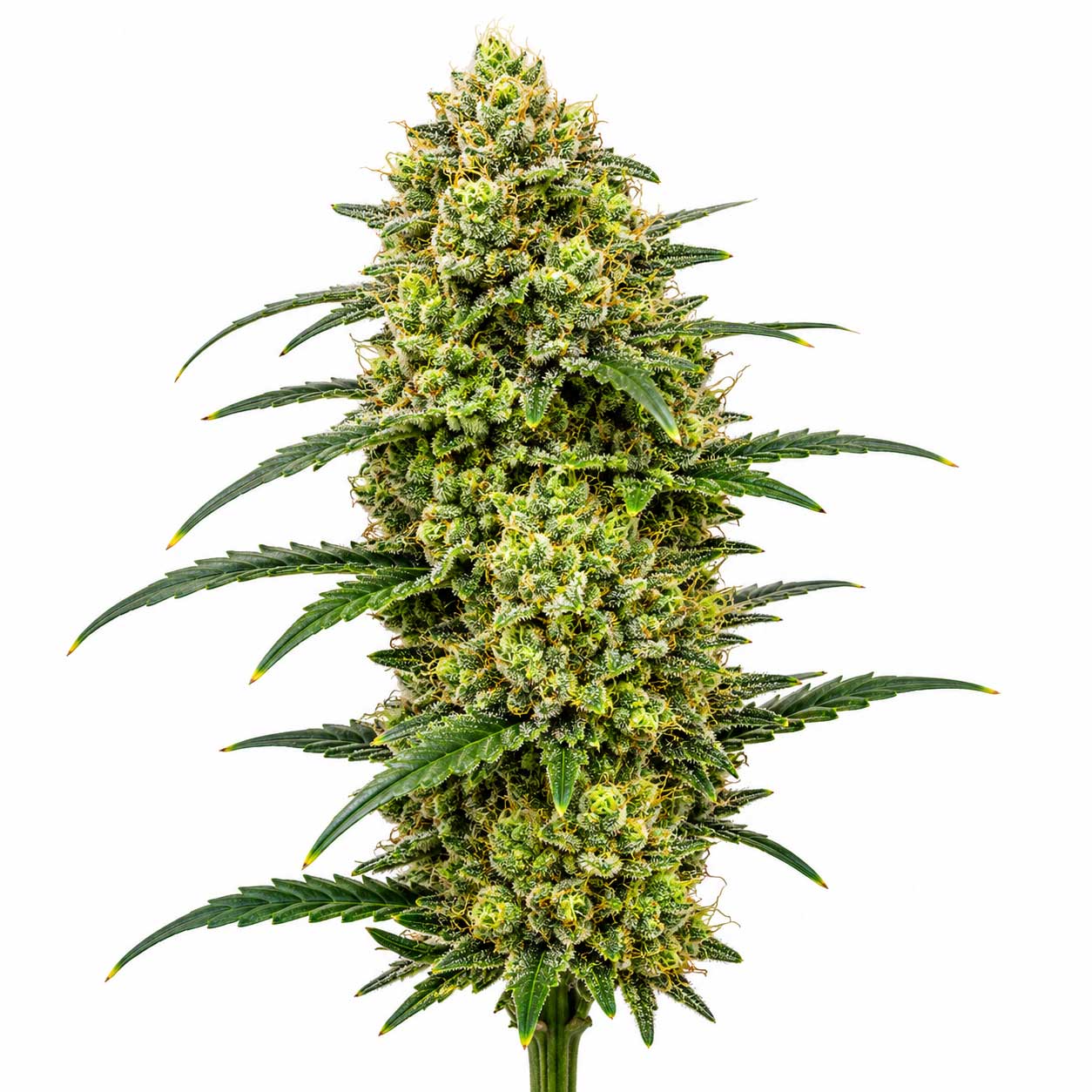
Cheddar Cheeze (Cannabis Strain)
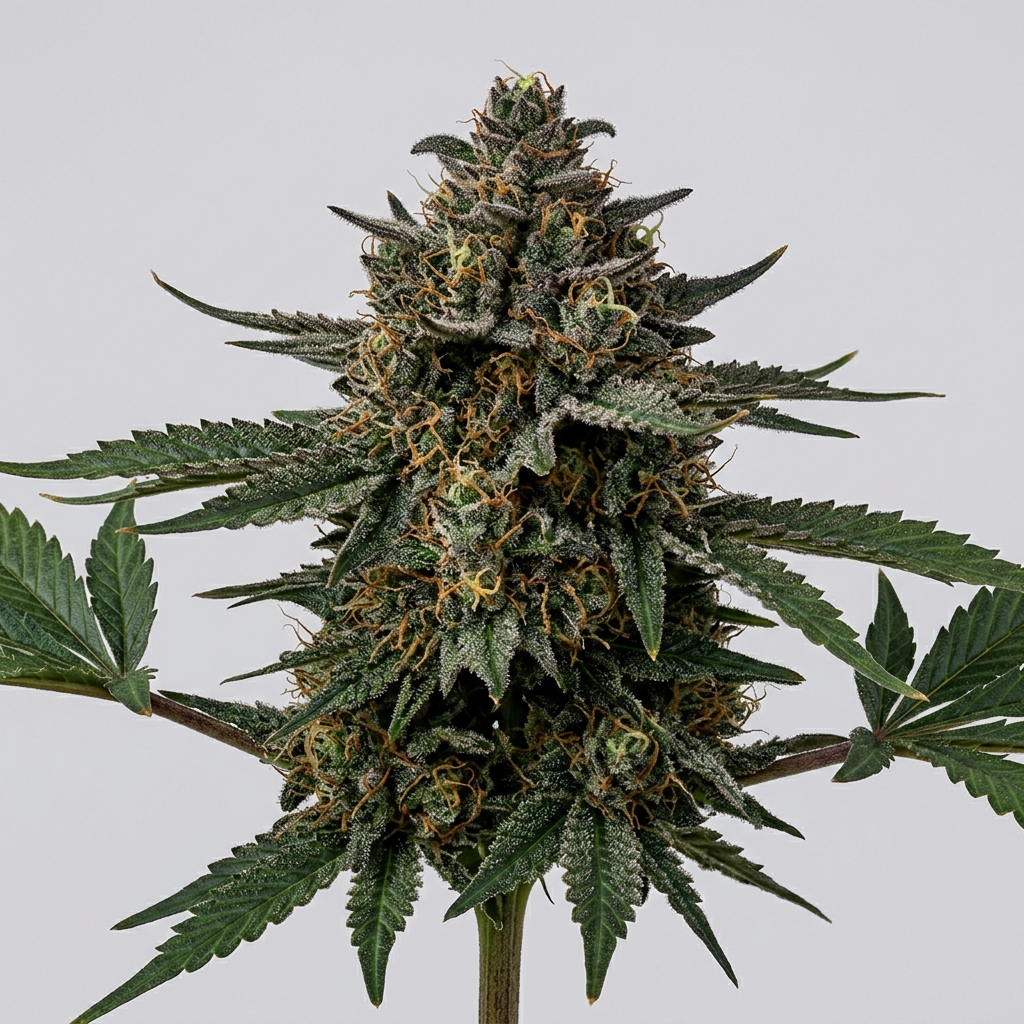
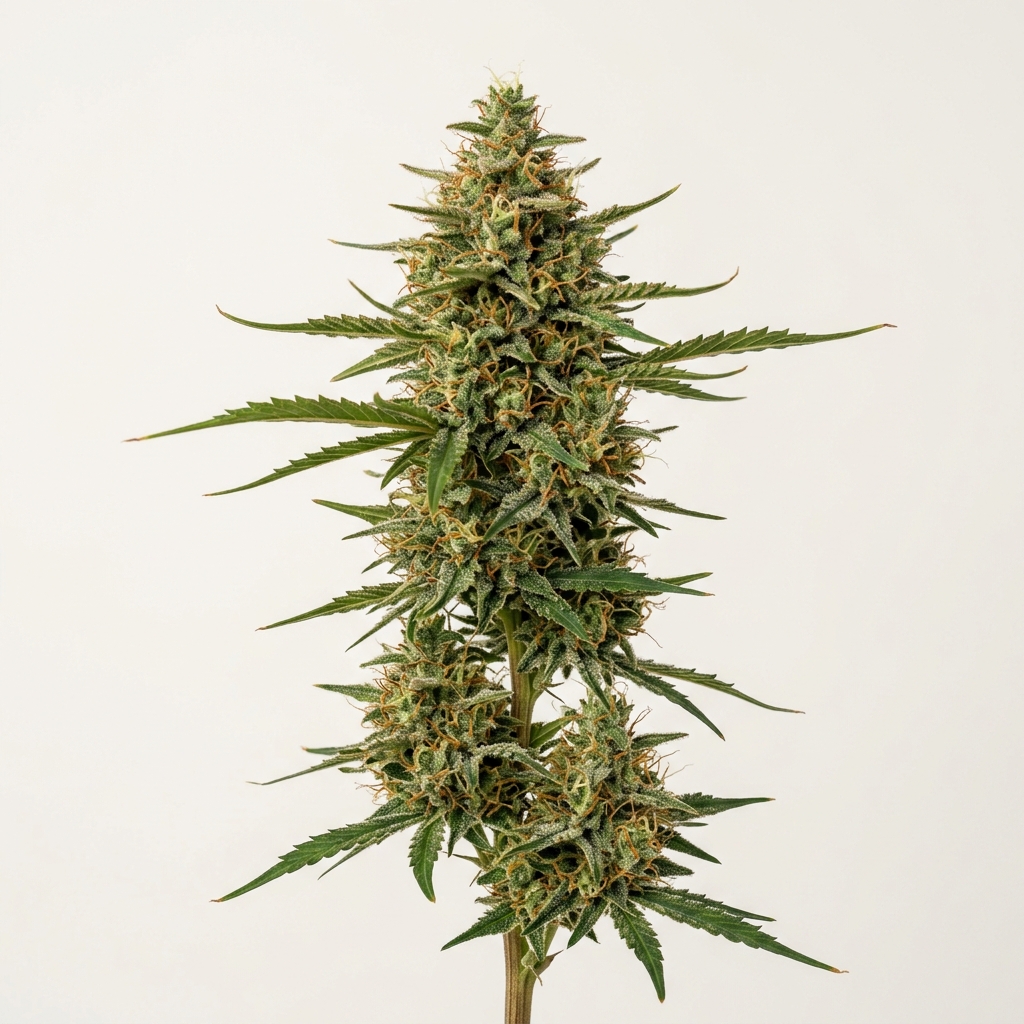
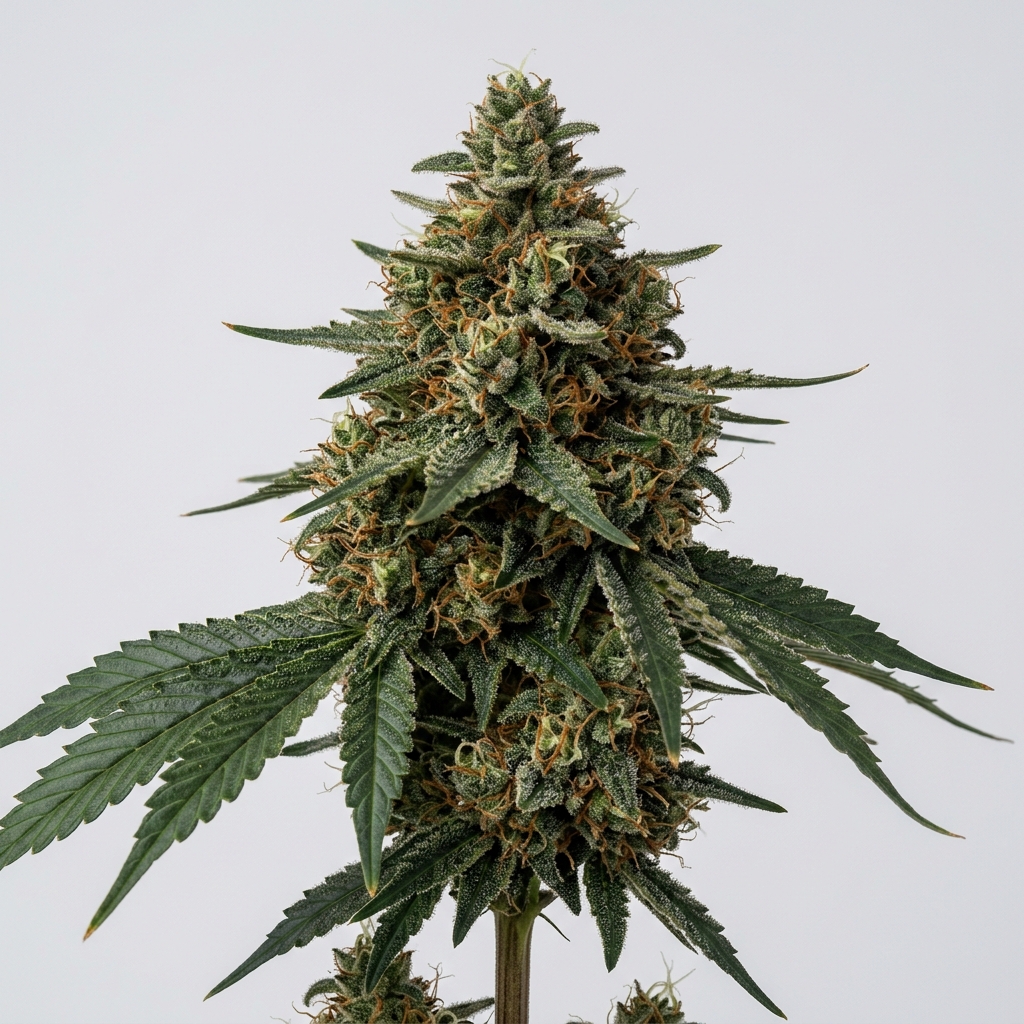
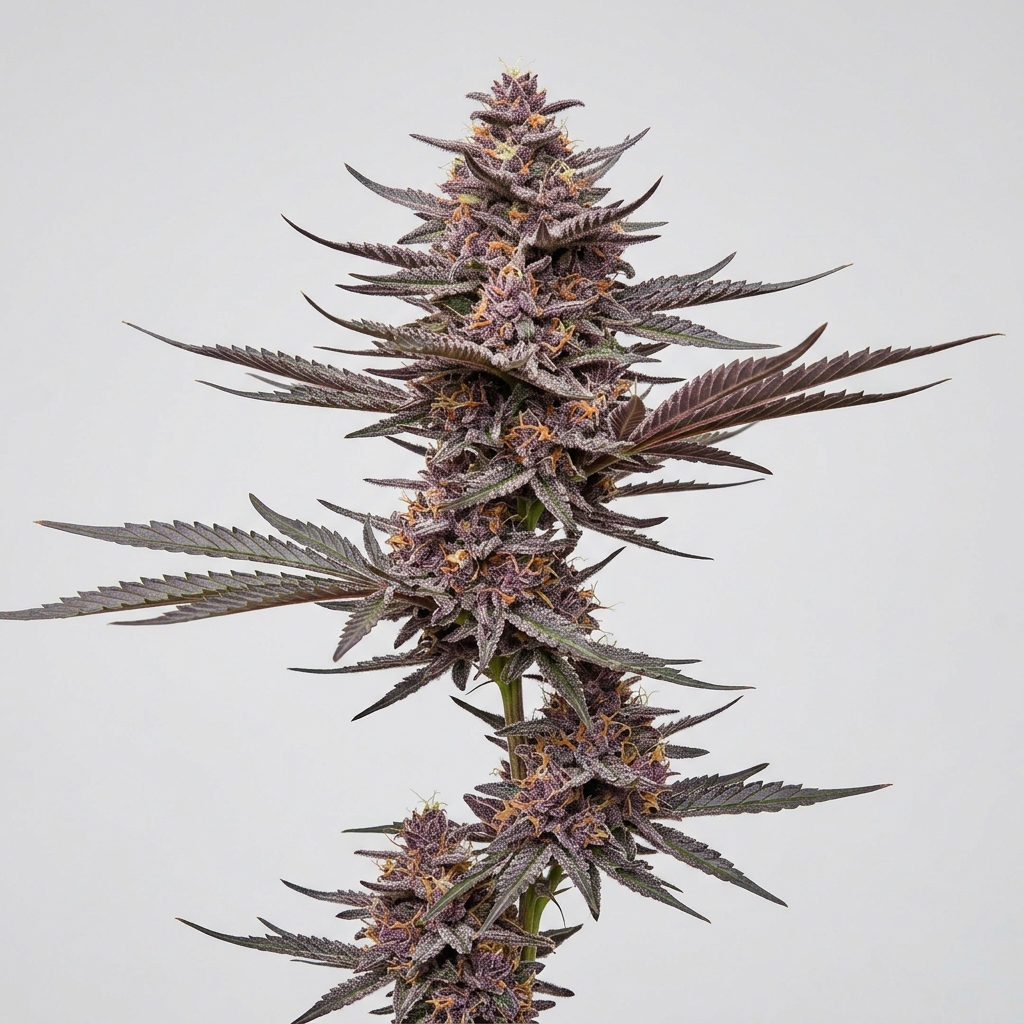
Cheddar Cheeze is a high-potency Indica-dominant hybrid (70% Indica / 30% Sativa) testing between 26% and 30% THC, bred by crossing the iconic UK Exodus Cheese with a proprietary, heavy-hitting Indica stabilizer. This cultivar stands out in a market saturated with sweet candy profiles, offering an offensive, savory aromatic signature dominated by fermented dairy, sharp garlic, and musky earth. Its growth habit is characterized by a vigorous, vine-like structure that yields dense, electric lime-green buds coated in a greasy, sulfur-rich resin. Engineered for experienced growers and consumers seeking deep physical relaxation, Cheddar Cheeze delivers a heavy, old-school funk paired with modern genetic stability.
As a flagship release of the emerging savory exotic movement, this strain targets those who value complex, non-sweet terpene lanes. The heavy concentration of volatile sulfur compounds (VSCs) provides a sharp, lingering umami finish that coats the palate. It serves as a potent evening option, balancing a creeping mental ease with a profound, anchored body melt.
Quick Facts
| Attribute | Value |
|---|---|
| Genetics | UK Exodus Cheese x Proprietary Indica Stabilizer |
| Variety | Indica-dominant Hybrid (70% Indica / 30% Sativa) |
| THC Range | 26%–30% |
| Flowering Time | 8–9 weeks (56–63 days) |
| Yield Potential | 550–650 g/m² (Indoors) |
| Plant Height | Medium to tall (requires structural support) |
| Climate Preference | Temperate, low humidity late flower |
| Difficulty | Advanced (intense odor control required) |
Scientific & Botanical Overview
Cheddar Cheeze revives the functional, pungent chemistry of classic 1990s breeding while incorporating modern structural stability. Unlike rigid, self-supporting modern polyhybrids, this cultivar exhibits a flexible, almost vine-like lateral branching pattern that requires early trellis support. The nodal spacing is moderate, allowing excellent light penetration when properly managed under a Screen of Green (ScrOG) system.
The strain’s defining botanical asset is its dense, oily glandular trichomes, which are rich in volatile sulfur compounds (VSCs) alongside traditional monoterpenes. These specialized resin heads are highly resilient, preserving the sharp, dairy-like aromatics through the drying and curing process better than drier, sandier resin types. The flowers develop as medium-sized, tightly packed spear colas with swollen calyxes and minimal leaf-to-bud ratio.
Internally, the plant’s metabolic pathways favor heavy essential oil production, which manifests as a greasy, wet-looking sheen on the lime-green bracts. Growers will notice the intense aroma begins early in the vegetative stage, accelerating rapidly once the plant transitions to flower. This functional funk serves as a natural deterrent to certain pests, though it demands rigorous climate and odor management indoors.
Effects & Use-Cases (Reported)
Commonly reported effects: A slow-creeping mental euphoria that gently settles behind the eyes before transitioning into a heavy, warm body melt. Users frequently report a deep, anchored calm that quiets racing thoughts without inducing immediate, heavy sedation.
Use-case context: Ideal for late-night decompression, physical tension relief, and low-energy social settings where deep relaxation is desired. The heavy physical profile also makes it a popular choice for stimulating appetite and easing into a restful state before sleep.
Note: These are observational reports based on consumer feedback and should not be treated as medical advice. Individual experiences may vary depending on tolerance, dosage, and consumption methods.
Aroma & Flavors
Aroma: Pungent, sour dairy, aged parmesan, and decaying garlic, underpinned by a deep, musky petrol and damp earth.
Flavor: A savory, umami-heavy inhale dominated by sharp, spicy blue cheese and a thick, buttery finish that lingers on the tongue.
Terpene associations:
Myrcene (dominant), caryophyllene, and limonene, supported by a high concentration of volatile sulfur compounds.
Tested Cannabinoid & Terpene Ranges
| Compound | Typical Range* | Notes |
|---|---|---|
| Δ⁹-THC | 26%–30% | High-potency tier; delivers a heavy, physical onset. |
| CBD | <1% | Trace amounts typical of modern exotics. |
| Myrcene | High | Promotes physical relaxation and musky undertones. |
| Caryophyllene | Moderate | Adds a sharp, spicy bite to the flavor profile. |
| Volatile Sulfur Compounds (VSCs) | Very High | Responsible for the signature fermented cheese and garlic aroma. |
*Ranges are reference-informed and can vary with phenotype, cultivation conditions, harvest timing, curing practices, and analytical methods.
Cultivation Notes
- Odor Control: Mandatory. The intense, sulfurous aroma will easily bypass standard carbon filters if they are not fresh or properly sized.
- Humidity Levels: Keep relative humidity (RH) below 45% during the final three weeks of flowering to prevent botrytis in the dense, oily buds.
- Nutrient Regimen: Moderate feeding is recommended; organic-leaning inputs help maximize the development of the complex, savory esters and volatile sulfur compounds.
- Structural Support: The flexible, vine-like branches require early staking or double-trellising to prevent heavy colas from collapsing late in flower.
- Phenotype Variation: Most phenotypes lean heavily toward the Exodus Cheese profile, but watch for rare, stockier indica-leaning plants that finish a week earlier.
Grower Notes (Week-by-Week Snapshot)
- Weeks 1–3 (Vegetative & Transition): Focus on multi-topping and low-stress training (LST) to establish a wide, flat canopy. Expect a moderate to high stretch once the light cycle is flipped, with branches showing significant flexibility.
- Weeks 4–6 (Mid-Flower): The first signs of greasy resin appear on the developing calyxes, accompanied by a sharp, sour-milk aroma. Ensure the trellis screen is fully utilized to support lateral branches as they begin to weight down.
- Weeks 7–9 (Late Flower & Flush): Reduce humidity to 40–45% and monitor the dense spear colas closely. Flush with plain water during the final 10–14 days to preserve the clean, buttery flavor and encourage a natural fade in the fan leaves.
- Post-Harvest (Cure): A slow, 14-day dry at 60°F (15°C) and 60% RH is critical to lock in the volatile sulfur compounds. Cure in airtight glass jars for at least three weeks to let the sharp, fermented dairy notes fully mature.
Genetic Lineage
The genetic foundation of Cheddar Cheeze rests on the legendary UK Exodus Cheese, a famous Skunk #1 phenotype selected in the United Kingdom during the late 1980s for its uniquely offensive, dairy-like profile. This clone-only classic was crossed with a proprietary, highly stable Indica selection designed to increase overall resin density and shorten the flowering time. The result is a hybrid that preserves the unmistakable, room-filling funk of the original parent while adapting to modern, high-intensity indoor cultivation.
By stabilizing the wild, vine-like growth of the Exodus line with a sturdier Indica companion, the breeders successfully concentrated the terpene and cannabinoid output. This cross ensures that the resulting offspring consistently express the desired savory, non-sweet traits that have become increasingly rare in contemporary candy-dominated lines. The lineage represents a deliberate effort to preserve old-school European genetics for the modern boutique market.
Research Insights
Scientific interest in Cheddar Cheeze centers on its high expression of volatile sulfur compounds (VSCs), which work in tandem with dominant monoterpenes like myrcene and sesquiterpenes like caryophyllene. While THC levels of 26% to 30% drive the primary psychoactive experience, it is the sulfur-based chemistry that shapes the distinct, heavy character of the high. This interaction, often described as part of the broader entourage effect, illustrates how non-terpene volatile compounds contribute to both aroma intensity and overall potency.
Furthermore, the resin structure of this cultivar presents a unique case study in post-harvest preservation. The high concentration of lipids and heavy essential oils within the trichome heads acts as a natural barrier against rapid oxidation, allowing the finished buds to retain their pungent aroma far longer than typical fruit-forward strains. This chemical stability makes Cheddar Cheeze a valuable genetic resource for breeders looking to reintroduce physical depth and savory complexity into modern hybrid lines.
Frequently Asked Questions
Is Cheddar Cheeze suitable for beginner growers?
Due to its intense odor control requirements, flexible vine-like growth, and sensitivity to late-flower humidity, Cheddar Cheeze is best suited for growers with some experience. It requires proactive training and structural support to reach its full potential.
What does Cheddar Cheeze smell like?
The strain has a highly pungent, savory aroma of fermented dairy, aged parmesan, and rotting garlic, with deep undertones of musky earth and petrol. It is distinctly non-sweet and very loud.
How long does Cheddar Cheeze take to flower?
Cheddar Cheeze typically completes its flowering cycle in 8 to 9 weeks (56 to 63 days) when grown indoors. Outdoor harvests generally occur in mid-to-late October in the Northern Hemisphere.
What are the primary effects of this strain?
Users commonly report a creeping mental euphoria followed by a deep, heavy body melt. It is highly valued for evening relaxation, physical tension relief, and quiet decompression.
Educational Disclaimer
This profile is for educational and informational purposes only. Cultivation of cannabis is subject to varying local, state, and federal laws. Always consult local regulations before germinating seeds or cultivating cannabis plants.
Rate and review this strain
Ratings and reviews are accepted only from signed-in Google accounts.
Sign in with Google to leave a rating and written review.
Latest Reviews
0 reviewsNo reviews yet. Be the first Google user to rate and review this strain.