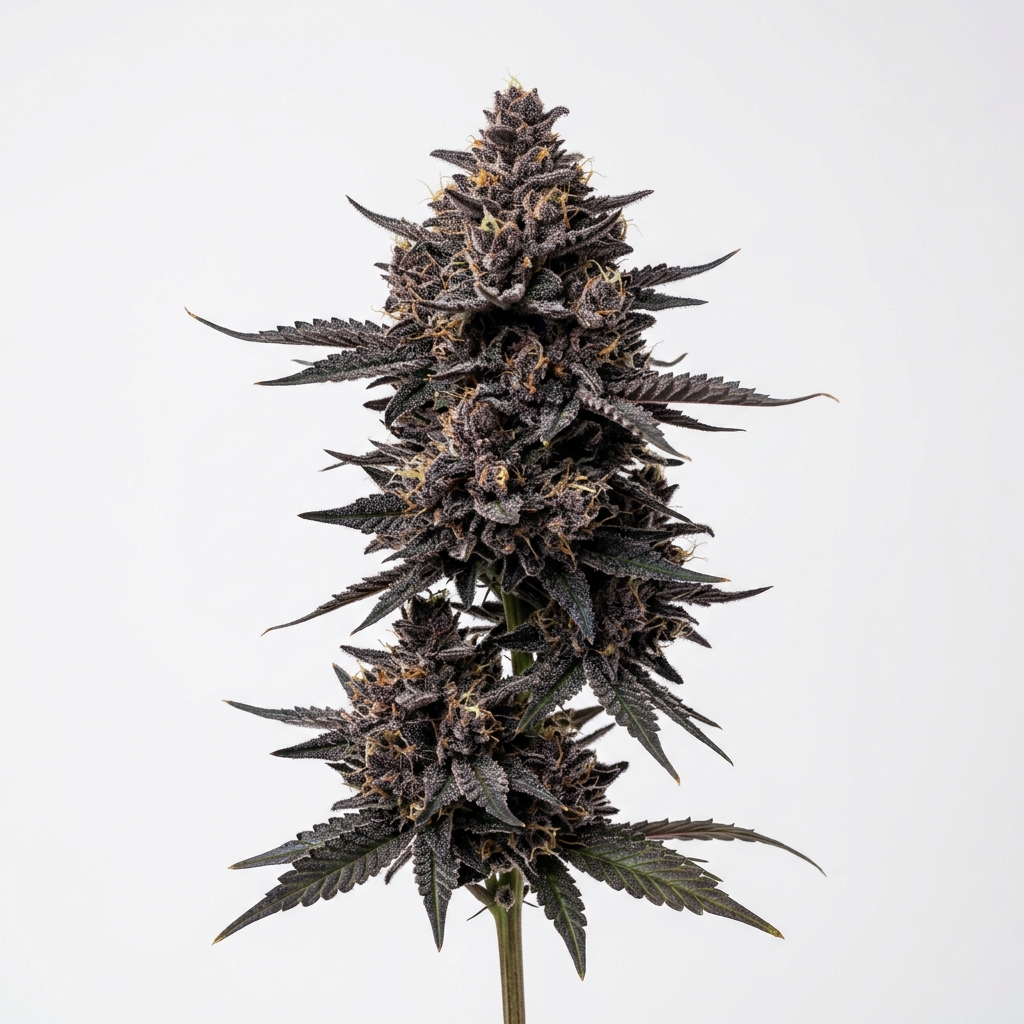
Purple Octane (Cannabis Strain)
Purple Octane is an indica-dominant hybrid, typically testing between 24% and 28% THC, selected for its heavy gas profile and striking purple coloration. Bred by crossing Hi-Octane with a selection of Jealousy and Runtz, this cultivar yields dense, greasy resin-rich flowers on a sturdy frame with controlled stretch. Its sensory profile leads with a sharp, fuel-forward nose that gives way to a dark berry edge, making it a highly sought-after choice for evening relaxation and solventless extraction.
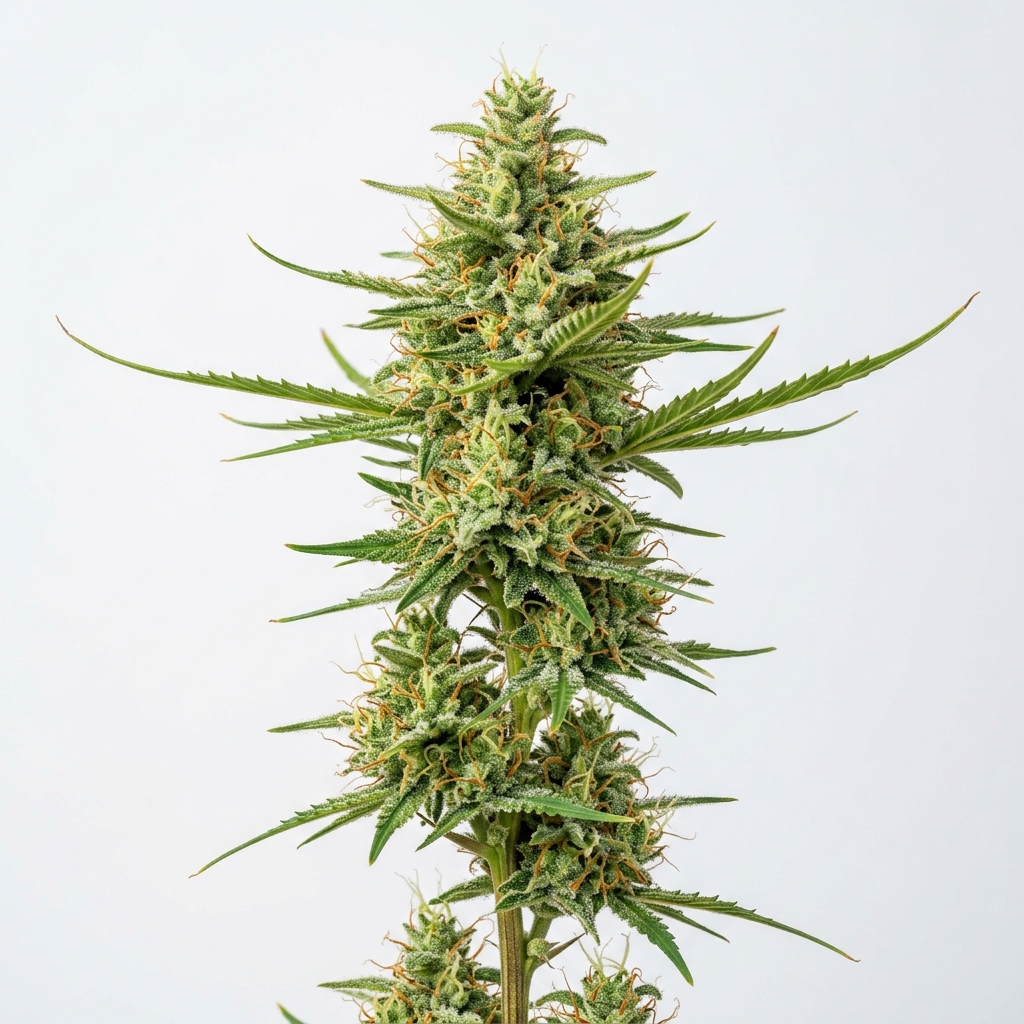
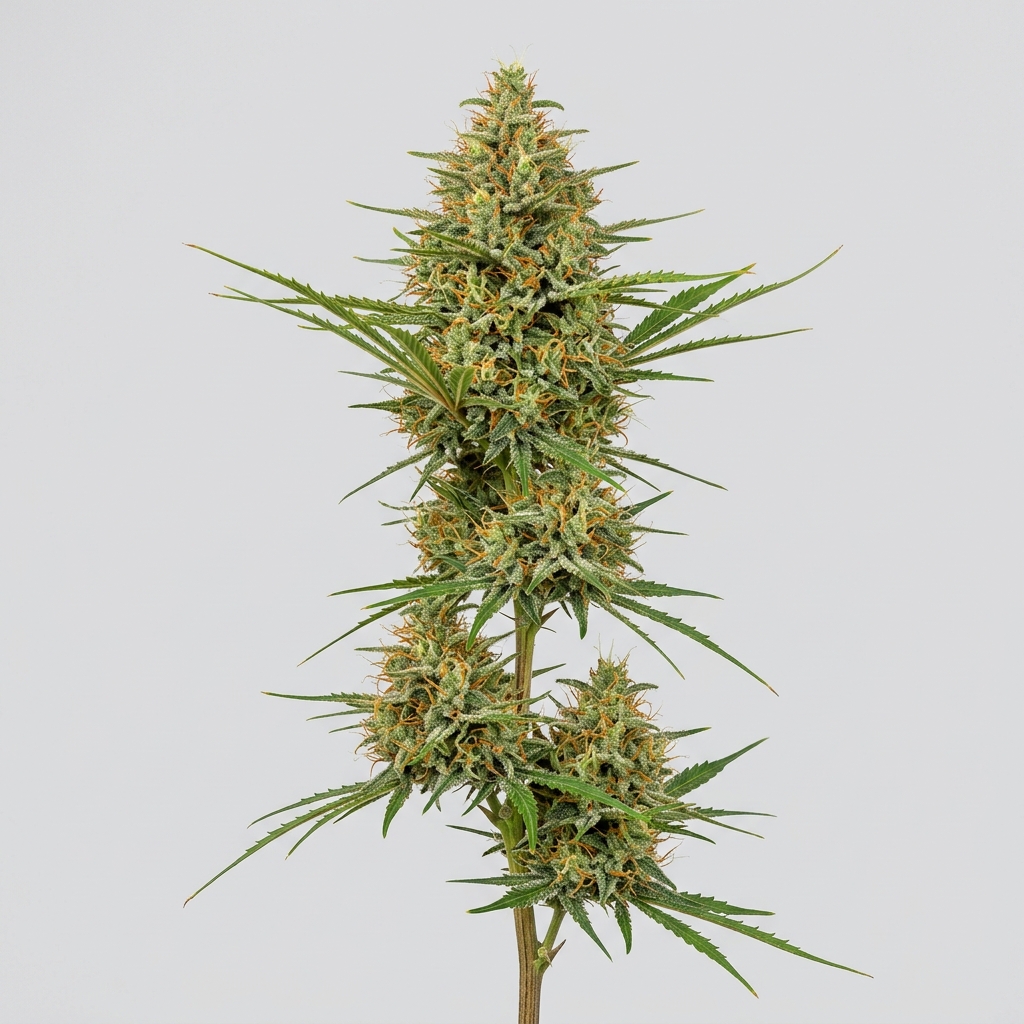
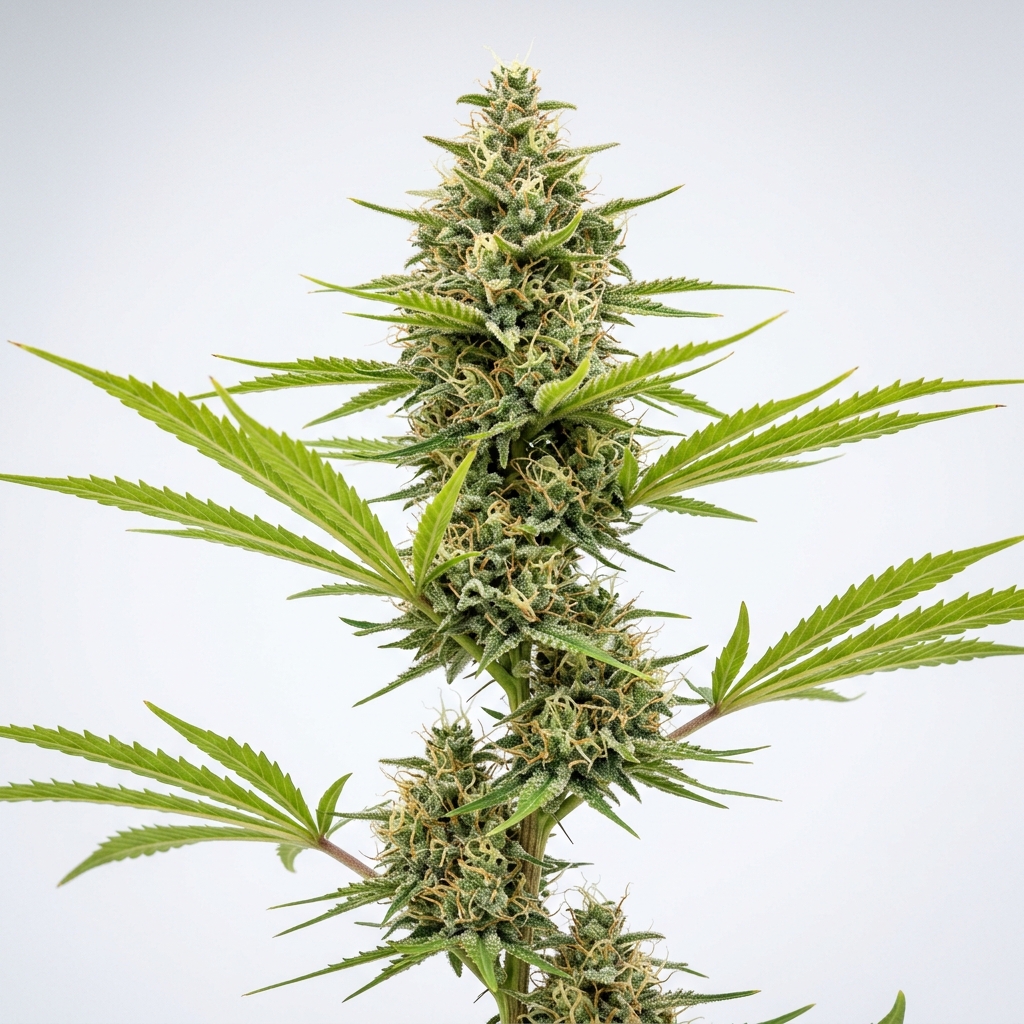
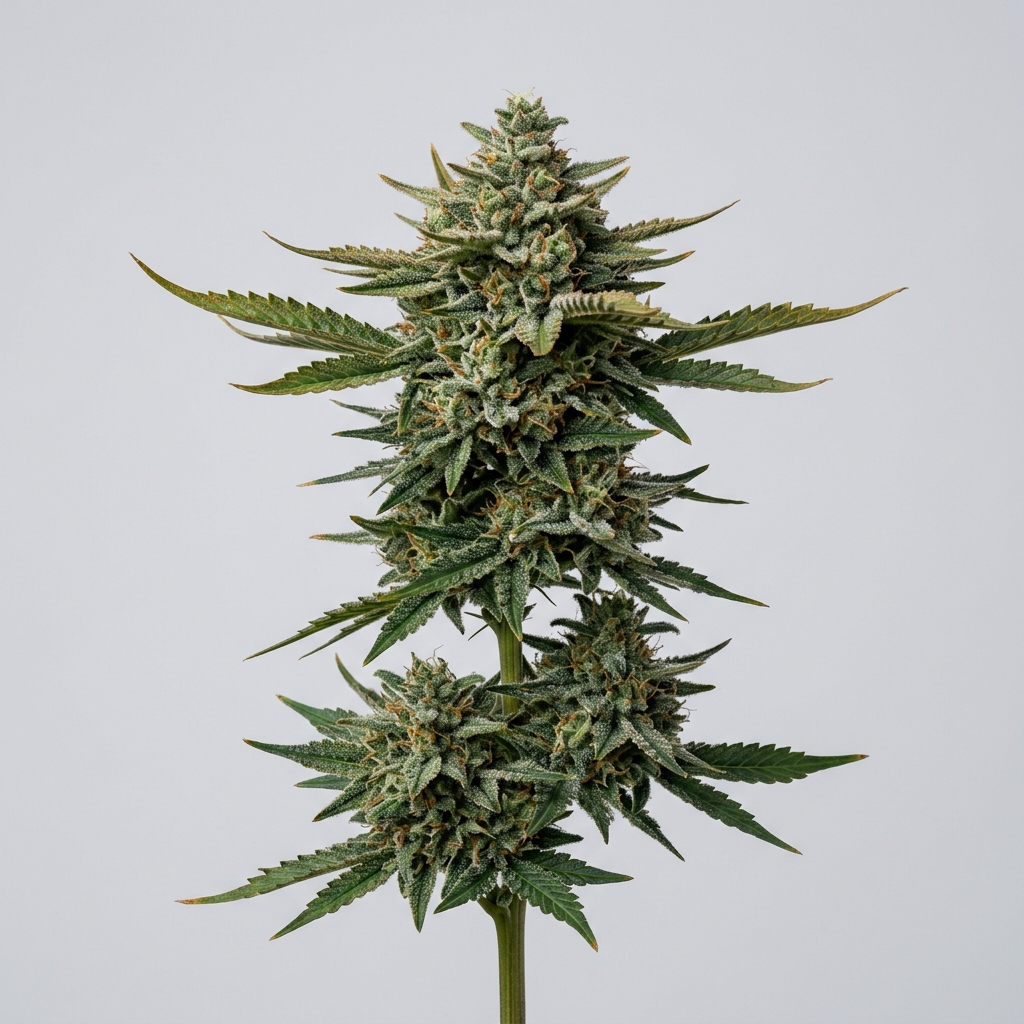
Growers favor the cultivar for its predictable growth habits and exceptional bag appeal, characterized by swollen calyxes blanketed in wet frost. The deep indigo hues emerge late in the flowering cycle, especially when night temperatures are gently modulated during the final flush.
Quick Facts
| Metric | Details |
|---|---|
| Genetics | Hi-Octane × (Jealousy × Runtz) |
| Variety | Indica-dominant Hybrid |
| THC Range | 24% – 28% |
| Flowering Time | 8 – 9 Weeks |
| Yield Potential | Moderate to High |
| Plant Height | Medium |
| Climate Preference | Temperate, low humidity late in flower |
| Difficulty | Moderate |
Scientific & Botanical Overview
Botanically, Purple Octane shows classic indica-leaning morphology with broad fan leaves and tight internodes. The plant develops a robust central stalk that supports dense upper colas without excessive stretching during the early transition phase.
The bracts are tightly packed and accumulate a dense layer of capitate-stalked trichomes that feel greasy to the touch. Anthocyanin accumulation is highly pronounced in this cultivar, turning the fan leaves and dense calyxes deep shades of purple and near-black as harvest approaches.
Airflow management is critical during the final weeks of development due to the tight structure of the spear colas. Maintaining low relative humidity prevents moisture retention within the dense floral clusters, preserving terpene clarity and preventing mold.
Effects & Use-Cases (Reported)
Commonly reported effects: Users frequently describe a heavy, physical relaxation that settles quickly before spreading throughout the body. It is typically associated with a calming of mental chatter and a deep, grounding physical release.
Use-case context: This cultivar is best suited for late-evening use or quiet night routines where physical rest is the primary goal. It is rarely chosen for active daytime tasks, as its sedative qualities tend to encourage prolonged stillness.
Note: Individual experiences may vary, and high-potency cultivars should be approached with caution by those sensitive to strong physical sedation.
Aroma & Flavors
Aroma: The initial nose is dominated by a sharp, chemical diesel fuel, accented by an underlying sweetness. As the buds are broken apart, a deeper layer of spicy earth and dark grape emerges.
Flavor: On the palate, the smoke is thick and expansive, carrying a heavy kush base with a tart gas finish. A subtle dark berry edge lingers on the exhale, balancing the intense fuel-forward notes.
Terpene associations: Lab analyses frequently point to a dominance of caryophyllene, limonene, and myrcene, which collectively drive the spicy, fuel, and citrus-undertone profile.
Tested Cannabinoid & Terpene Ranges
| Compound | Tested Range |
|---|---|
| Δ9-THC | 24.0% – 28.0% |
| CBD | < 1.0% |
| β-Caryophyllene | 0.6% – 1.2% |
| Limonene | 0.4% – 0.8% |
| β-Myrcene | 0.3% – 0.7% |
| Linalool | 0.1% – 0.3% |
Note: Terpene and cannabinoid levels are highly dependent on specific phenotypes, cultivation methods, and curing practices.
Cultivation Notes
- Humidity control: Keep relative humidity below 45% during the final three weeks of flower to protect the dense, resin-rich flowers from internal moisture buildup.
- Nutrient requirements: Purple Octane responds well to a moderate feeding schedule, showing a preference for steady nitrogen in veg and increased phosphorus and potassium as the spear colas stack.
- Pruning and training: Implementing low-stress training (LST) and selective defoliation early in flower improves light penetration to the lower node sites.
- Temperature drop: Introducing a 10°F drop in night temperatures during the final two weeks of flowering helps unlock the deep purple hues of the bracts.
- Harvest window: Look for milky trichomes with roughly 10% to 15% amber heads to capture the peak of its physical, relaxing properties.
Grower Notes (Week-by-Week Snapshot)
- Weeks 1–3 (Transition & Stretch): The plants show a controlled stretch, usually doubling in size. Focus on tucking large fan leaves and establishing a flat canopy to maximize light exposure across all budding sites.
- Weeks 4–6 (Flower Development & Frost): Small, glassy buds begin to cluster along the tight internodes. Resin production kicks in early, coating the surrounding sugar leaves with wet frost, while a faint chemical gas aroma begins to fill the space.
- Weeks 7–9 (Ripening & Coloration): The spear colas swell significantly, and the deep purple coloration spreads across the foliage. Flush with clean water during the final 10 days, monitoring trichome maturity closely.
- Post-Harvest (Dry & Cure): A slow dry at 60°F and 60% relative humidity for 12 to 14 days is essential to preserve the volatile fuel terpenes and ensure a smooth, clean-burning finish.
Genetic Lineage
Purple Octane is a modern hybrid that traces its roots to elite West Coast genetics, combining the fuel-heavy structure of Hi-Octane with the complex, sweet-and-sour profile of Jealousy and Runtz. This lineage brings together legendary ancestors like Kush Mints, Gelato, and Zkittlez, resulting in a balanced expression of gas and dessert traits.
The breeding goal focused on intensifying both the dark purple coloration and the heavy, chemical-gas aroma. By stabilizing these traits, the lineage consistently delivers highly resinous plants with exceptional bag appeal and a distinct, lingering finish.
Research Insights
Phytochemical profiles of Purple Octane indicate a high concentration of sesquiterpenes, particularly caryophyllene, which interacts with peripheral receptors to support physical relaxation. The presence of limonene adds a bright, uplifting element to the initial onset, helping to balance the heavy physical sedation.
The high density of trichomes makes this cultivar of great interest for solventless extraction research. The greasy, stable resin heads separate easily during ice water washing, yielding highly aromatic live rosin that retains the signature gas and dark berry profile of the flower.
Frequently Asked Questions
Is Purple Octane difficult to grow?
It is considered a moderate-difficulty strain. While it maintains a manageable structure and predictable stretch, growers must carefully manage late-flower humidity to prevent issues within its exceptionally dense colas.
What does Purple Octane smell like?
The nose is a heavy mix of sharp diesel fuel and chemical gas, balanced by a sweet, dark berry undertone that becomes more apparent as the buds are cured.
When is the best time to harvest Purple Octane?
It typically finishes flowering in 8 to 9 weeks. Harvest when the trichomes are mostly milky white with a small percentage of amber heads to ensure peak potency.
Does this strain always turn purple?
While the genetics strongly favor purple coloration, dropping night temperatures by about 10°F during the final weeks of flower will reliably bring out its deep indigo and near-black hues.
Educational Disclaimer
This content is for educational and informational purposes only. Cultivation of cannabis is subject to varying local laws and regulations. Consult local guidelines before attempting to grow or use cannabis.
Rate and review this strain
Ratings and reviews are accepted only from signed-in Google accounts.
Sign in with Google to leave a rating and written review.
Latest Reviews
0 reviewsNo reviews yet. Be the first Google user to rate and review this strain.