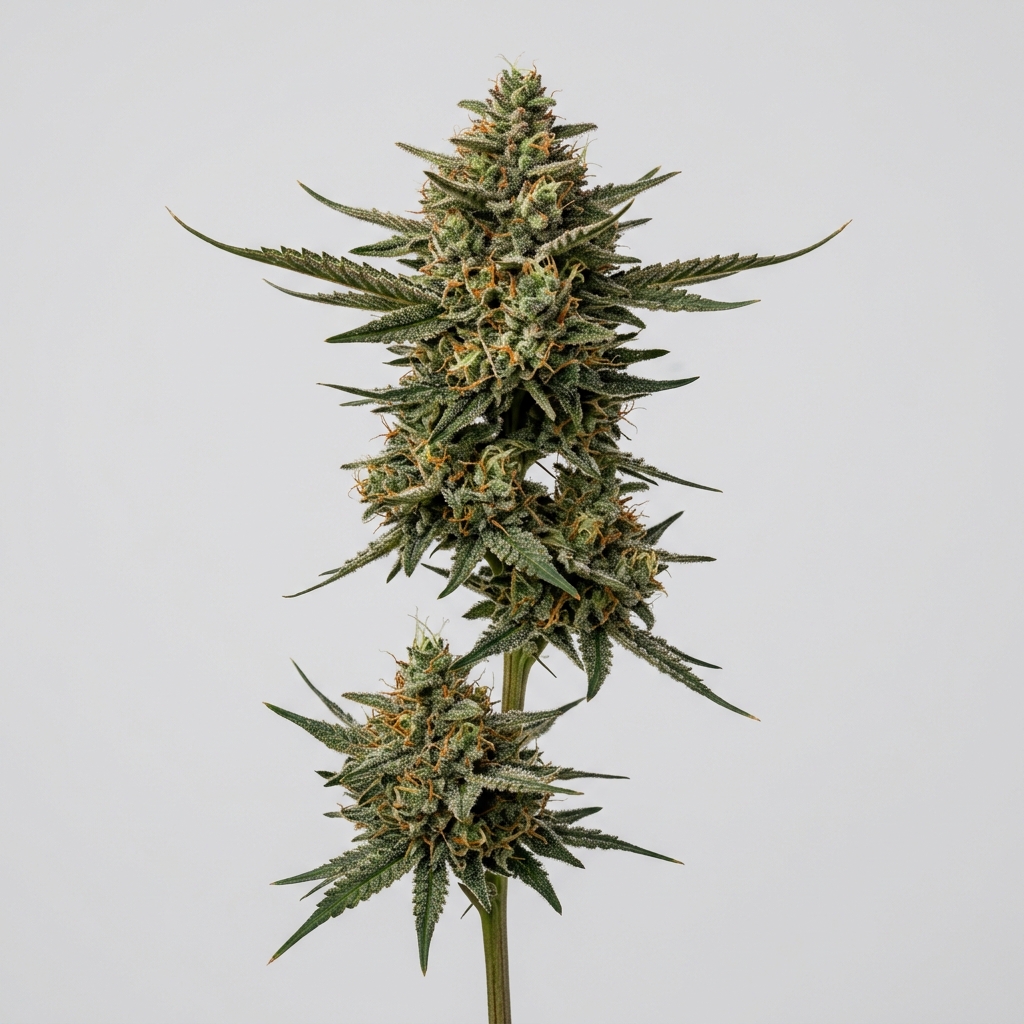
Chocolate Diesel (Cannabis Strain)
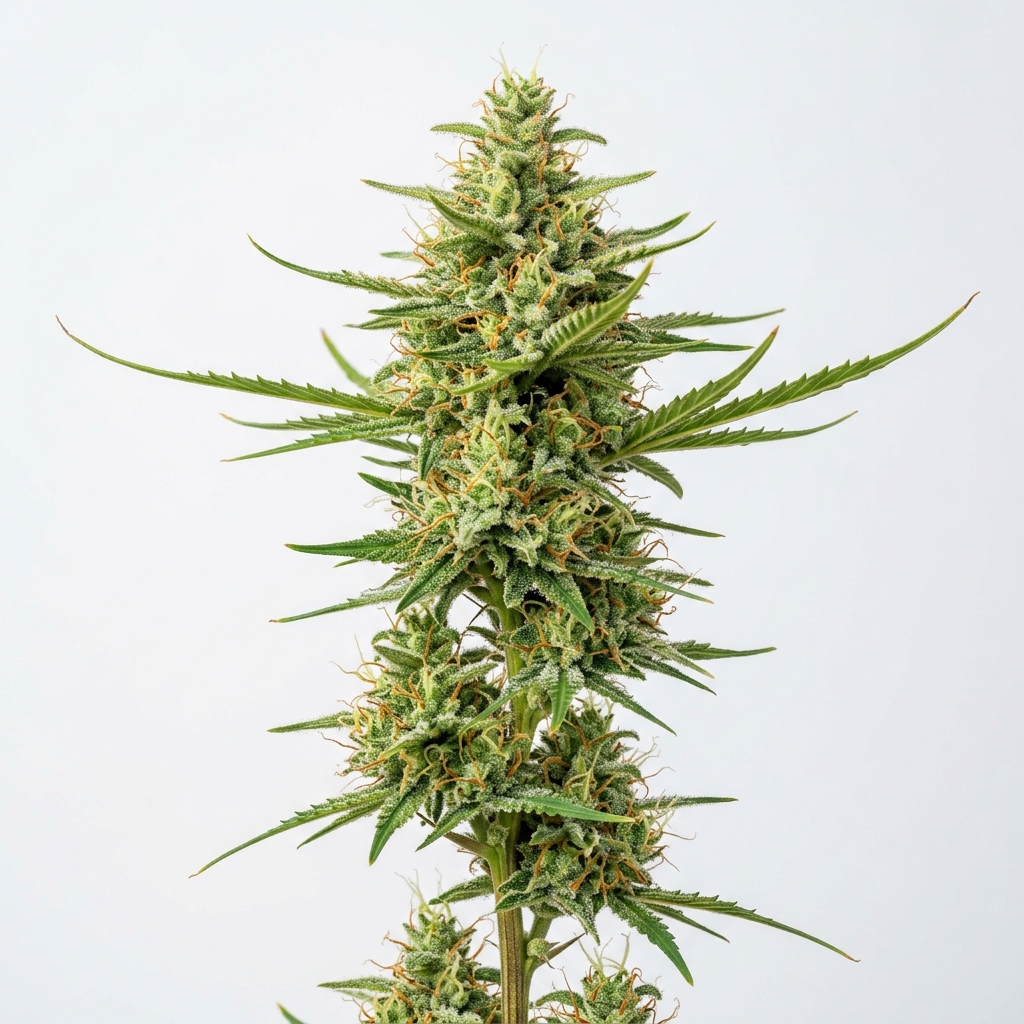
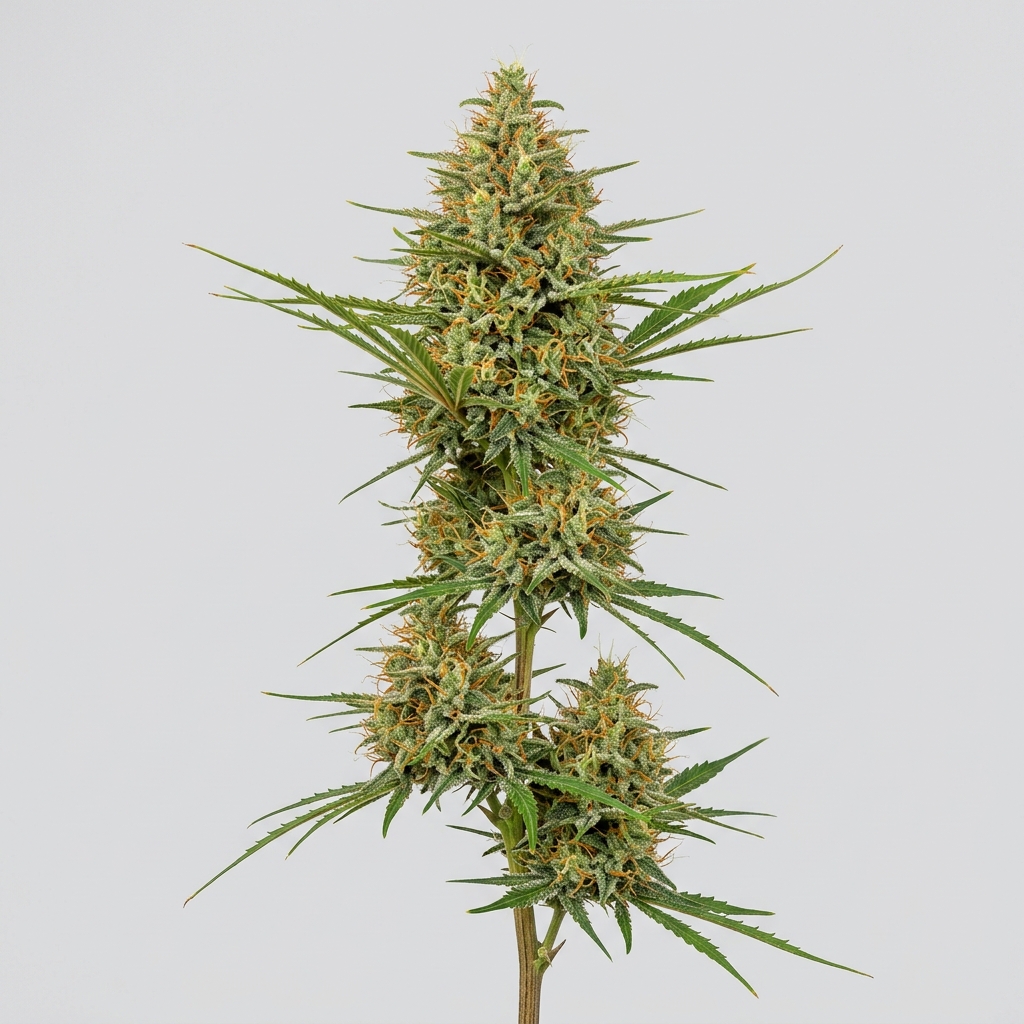
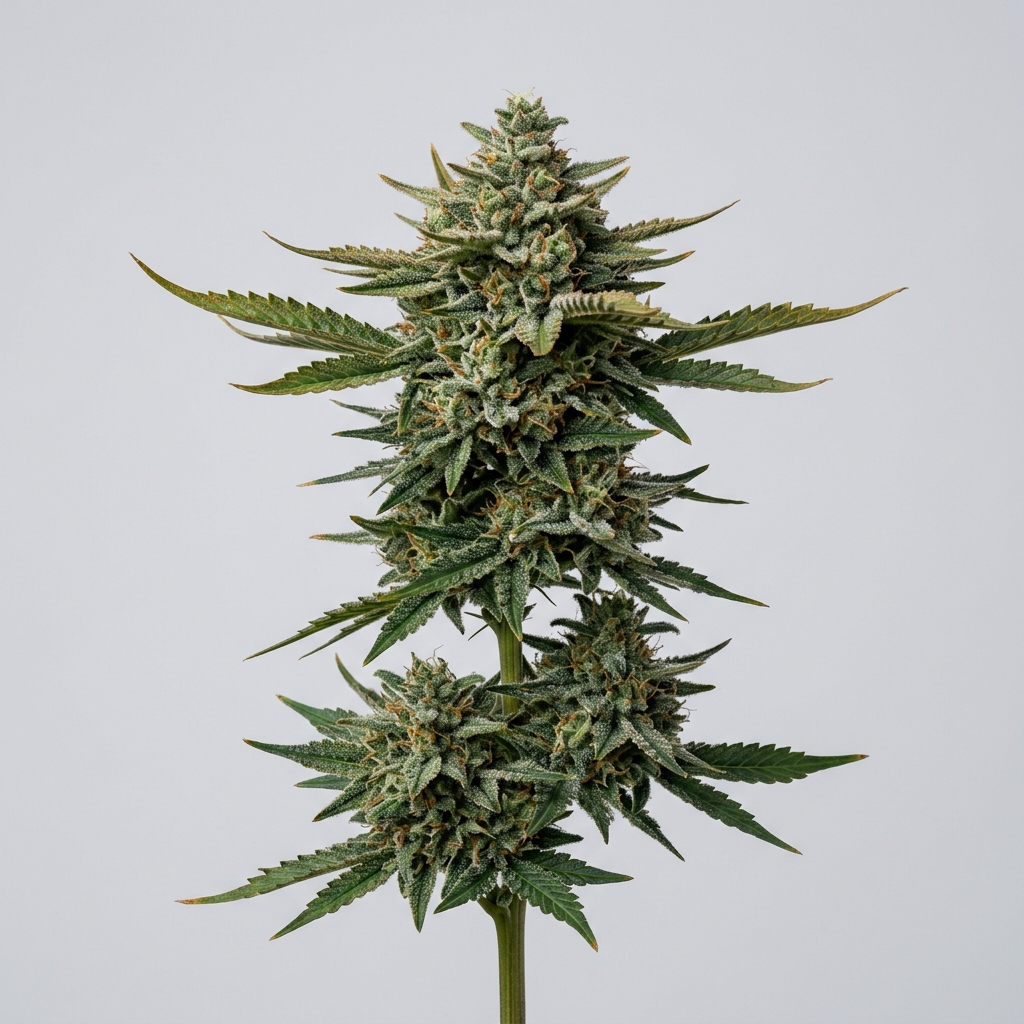
Chocolate Diesel is a soaring, sativa-dominant cultivar known for its intense fuel-forward aroma and distinct dark cacao finish. Crossing the legendary Sour Diesel with the rare Chocolate Trip, this strain typically tests between 18% and 24% THC, delivering a highly cerebral and energizing experience. The plant produces tall, spear colas covered in greasy resin and swollen calyxes that emit a sharp, fuel-forward stench tempered by an earthy, bitter-chocolate undertone. Growers prize this variety for its vigorous vegetative stretch and resin-rich flowers, making it a classic choice for lovers of old-school diesel profiles.
While its appearance leans toward the wild, open structure of classic sativas, its dense bracts and heavy resin coverage reveal its refined lineage. This cultivar demands attention in the grow room, particularly regarding height management and late-flower humidity control. For those seeking an intense, fuel-driven profile with a complex, savory twist, it remains a standout representative of the diesel family.
Quick Facts
| Specification | Details |
|---|---|
| Genetics | Sour Diesel × Chocolate Trip |
| Variety | Sativa-dominant Hybrid |
| THC Range | 18% – 24% |
| Flowering Time | 9 – 11 Weeks |
| Yield Potential | Moderate to High |
| Plant Height | Tall (Significant stretch) |
| Climate Preference | Warm, semi-humid to dry |
| Difficulty | Moderate to Experienced |
Scientific & Botanical Overview
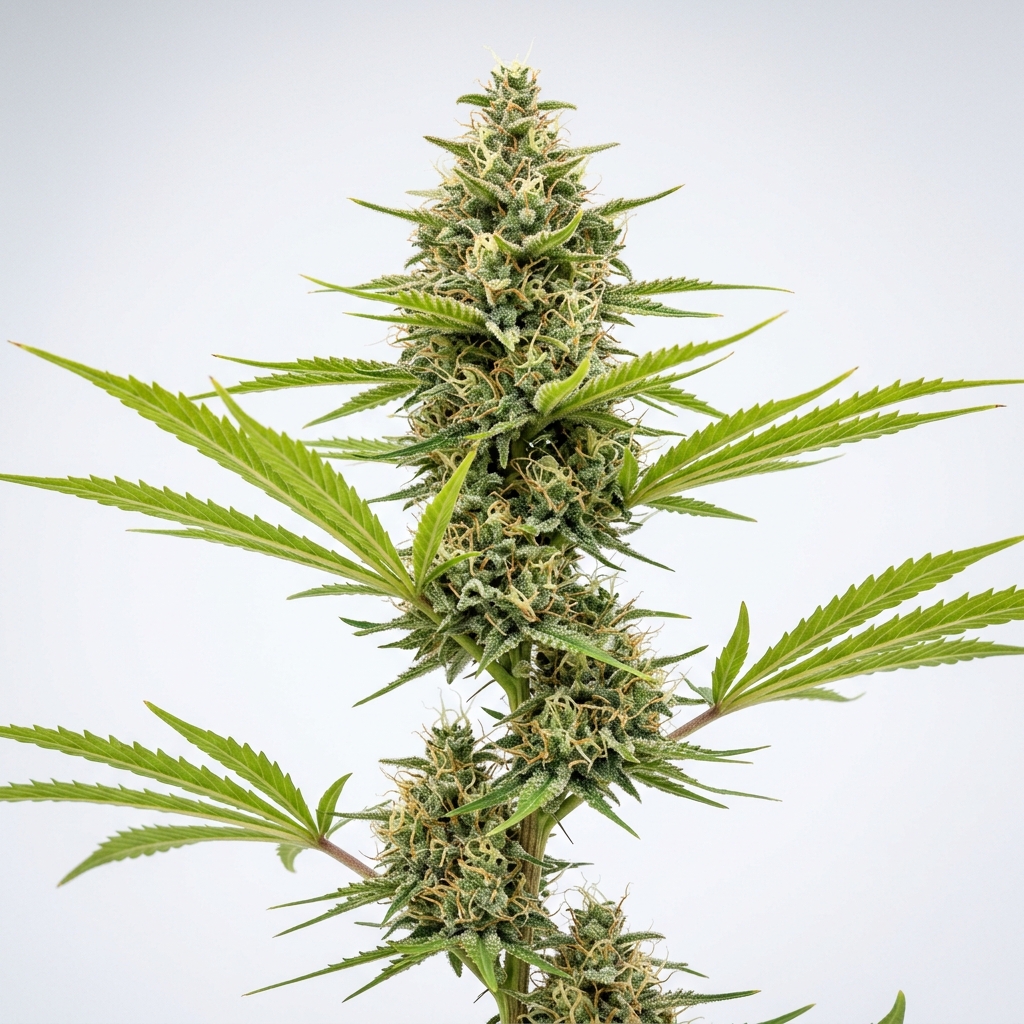
Botanically, this cultivar shows classic sativa morphology, characterized by broad fan leaves in early veg that give way to thin, narrow leaflets as the plant stretches. The internodal spacing is relatively wide, allowing for excellent airflow through the canopy, which helps mitigate moisture retention in the dense upper colas. This structure requires deliberate management to optimize light penetration to lower bud sites.
During the flowering cycle, the calyx-to-leaf ratio is exceptionally high, making the manicuring process straightforward. The buds form elongated spear shapes rather than tight, round golf balls, with resin glands developing early along the sugar leaves and bracts. Under optimal conditions, the calyxes swell significantly, creating a bumpy, textured surface coated in glassy buds.
The trichome heads are predominantly capitate-stalked, producing a greasy resin layer that is highly volatile. This resin profile is rich in monoterpenes, which require careful curing parameters to preserve the delicate balance between the sharp fuel notes and the heavier, earthy sesquiterpenes. Proper humidity control during the late-flower phase is essential to prevent internal bud rot in these long, resin-rich flowers.
Effects & Use-Cases (Reported)
Commonly reported effects: Users frequently describe a rapid, clear-headed cerebral lift that promotes focus, physical energy, and creative drive. The initial onset is sharp and energizing, gradually settling into a warm, functional body buzz that rarely induces heavy sedation.
Use-case context: This profile makes the cultivar highly suited for daytime activities, creative projects, and outdoor pursuits where mental clarity and physical stamina are desired. It is less suited for late-evening use due to its stimulating properties.
Note: Because of its high THC content and rapid onset, less experienced individuals should approach this variety with caution to avoid overstimulation.
Aroma & Flavors
Aroma: A pungent mix of sour gas, chemical diesel, and damp earth, accented by a subtle, bitter coffee note that emerges upon breaking the buds.
Flavor: The smoke is sharp and expansive, delivering a heavy fuel taste on the inhale followed by a distinct dark chocolate and roasted nut finish on the exhale.
Terpene associations: High concentrations of beta-caryophyllene, myrcene, and limonene drive the complex interplay of spice, fuel, and citrus undertones.
Tested Cannabinoid & Terpene Ranges
| Compound | Typical Range |
|---|---|
| Δ9-THC | 18.0% – 24.0% |
| CBD | < 0.2% |
| CBG | 0.5% – 1.2% |
| Beta-Caryophyllene | 0.4% – 0.9% |
| Myrcene | 0.3% – 0.7% |
| Limonene | 0.2% – 0.5% |
Note: Cannabinoid and terpene profiles are highly variable and depend on specific phenotypes, cultivation environments, and curing techniques.
Cultivation Notes
- Provide generous vertical space to accommodate a 100% to 150% stretch during the first three weeks of flowering.
- Implement low-stress training (LST) or scrogging early in the vegetative cycle to manage the canopy height and promote even light distribution.
- Maintain moderate nutrient levels, as this cultivar can be sensitive to heavy nitrogen feeds during mid-to-late flowering.
- Keep late-flower humidity strictly below 45% to prevent mold within the long, dense spear colas.
- Aim for a slow dry of 10 to 14 days at 60°F and 60% relative humidity to preserve the volatile diesel terpenes.
Grower Notes (Week-by-Week Snapshot)
- Weeks 1–3 (The Stretch): The plants will undergo rapid vertical growth. Ensure light heights are adjusted daily and begin tucking branches under trellis netting to establish a flat canopy.
- Weeks 4–6 (Bud Formation): Small, resinous button-like clusters form along the long branches. The first signs of the characteristic sour fuel aroma will begin to emerge.
- Weeks 7–9 (Resin & Swell): The colas will fill out, showing swollen calyxes and a heavy coat of glassy buds. Reduce humidity and monitor the trichomes closely.
- Weeks 10–11 (Ripening & Flush): Most phenotypes require a full 10 weeks, with some stretching into week 11. Execute a clean water flush when trichomes transition from clear to mostly milky with sparse amber.
Genetic Lineage
The lineage of this cultivar traces back to a deliberate pairing of two distinct aromatic profiles. The maternal parent, Sour Diesel, contributes the sharp, unmistakable chemical gas and robust sativa growth characteristics that have defined East Coast cannabis culture for decades. This parent passes down its vigorous stretch and high bud-to-leaf ratio.
The paternal influence comes from Chocolate Trip, an exotic hybrid known for its deep, earthy, and chocolate-forward terpene profile. This cross tempers the aggressive, astringent fuel of the diesel parent, introducing a rich, dark sweetness and enhancing the overall resin density of the offspring. The result is a balanced, terpene-rich hybrid that retains the potency of both ancestors.
Research Insights
Horticultural observations on this cultivar often focus on its unique terpene distribution, particularly the ratio of sesquiterpenes like beta-caryophyllene to monoterpenes like myrcene. This balance is believed to modulate the uptake of cannabinoids, contributing to the prolonged, clear-headed cerebral effects reported by consumers. The high concentration of caryophyllene also suggests potential interactions with peripheral cannabinoid receptors.
Breeders value this genetic line for its dominant aroma transmission and high resin output. The stability of the chocolate and diesel traits makes it a reliable foundation for creating complex, gas-forward hybrids with enhanced bag appeal and robust pest resistance. Ongoing analysis continues to explore how its unique sensory profile correlates with specific cannabinoid ratios.
Frequently Asked Questions
Is Chocolate Diesel a sativa or an indica?
It is a sativa-dominant hybrid, exhibiting the tall stature, long flowering time, and energizing cerebral effects typical of sativa varieties.
How long does this strain take to flower?
Most phenotypes require between 9 and 11 weeks of flowering to reach peak maturity and resin production.
What does it taste like?
It features a complex profile of sharp chemical diesel and sour gas on the inhale, with a lingering finish of dark chocolate, coffee, and earth.
Is it difficult to grow?
It is moderately difficult to cultivate due to its significant height stretch and long flowering cycle, requiring active canopy management and humidity control.
Educational Disclaimer
This strain profile is for educational and informational purposes only. Cannabinoid profiles, terpene content, and growth characteristics can vary significantly based on environmental factors, breeder genetics, and cultivation practices.
Rate and review this strain
Ratings and reviews are accepted only from signed-in Google accounts.
Sign in with Google to leave a rating and written review.
Latest Reviews
0 reviewsNo reviews yet. Be the first Google user to rate and review this strain.