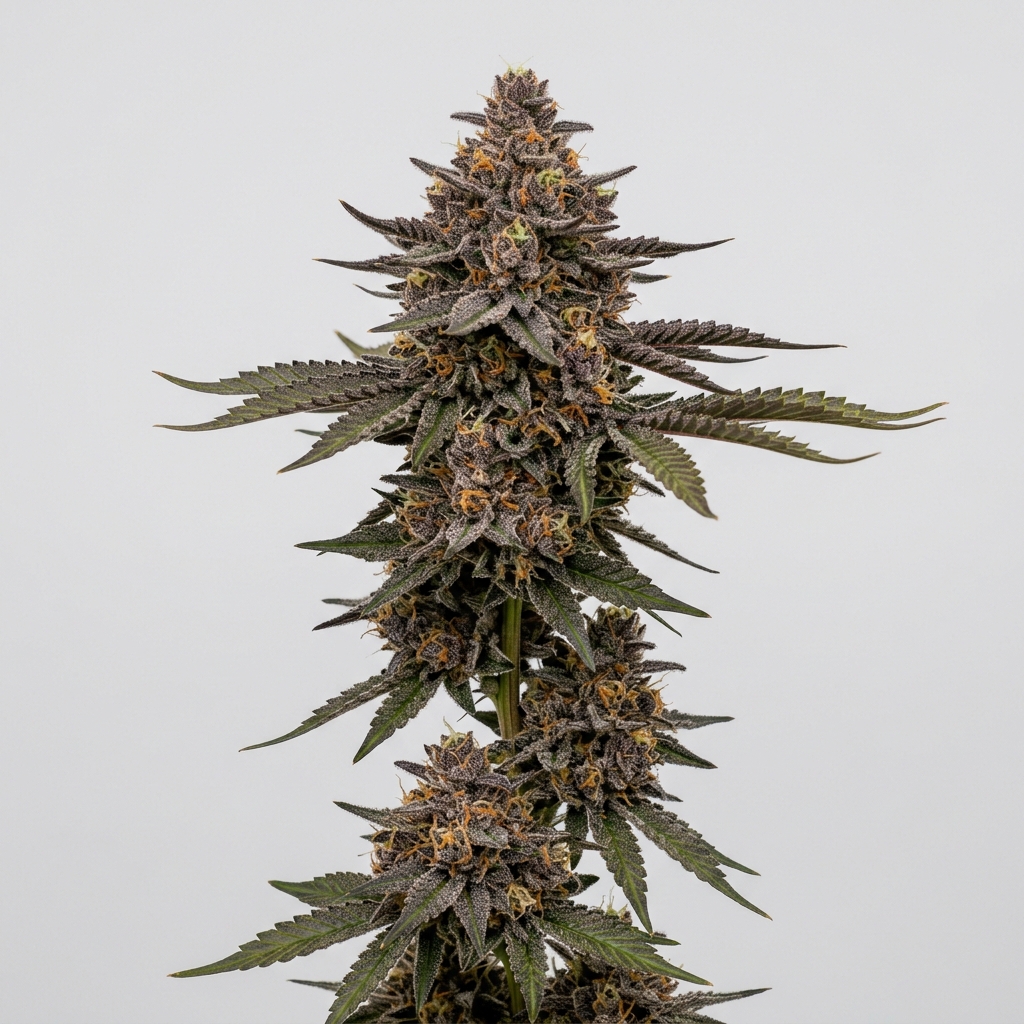
Grape Gas (Cannabis Strain)
Grape Gas is an indica-dominant hybrid cultivar typically testing between 20% and 26% THC, bred by crossing Grape Pie with Jet Fuel Gelato. This cultivar is highly regarded for its pungent profile of tart grape and heavy fuel, producing dense, purple-hued buds covered in a greasy layer of wet frost. In the garden, it shows a controlled stretch and develops thick, resin-rich spear colas that make it a favorite for solventless extraction.
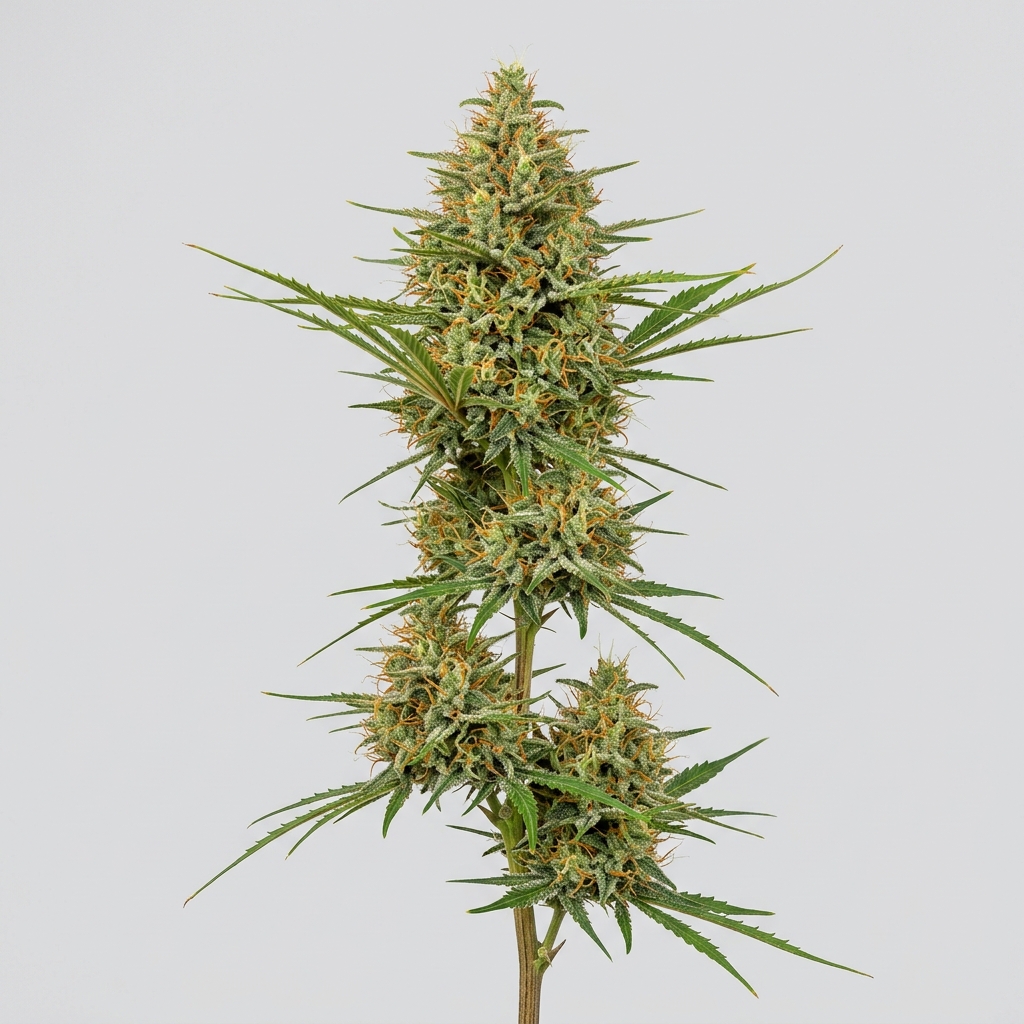
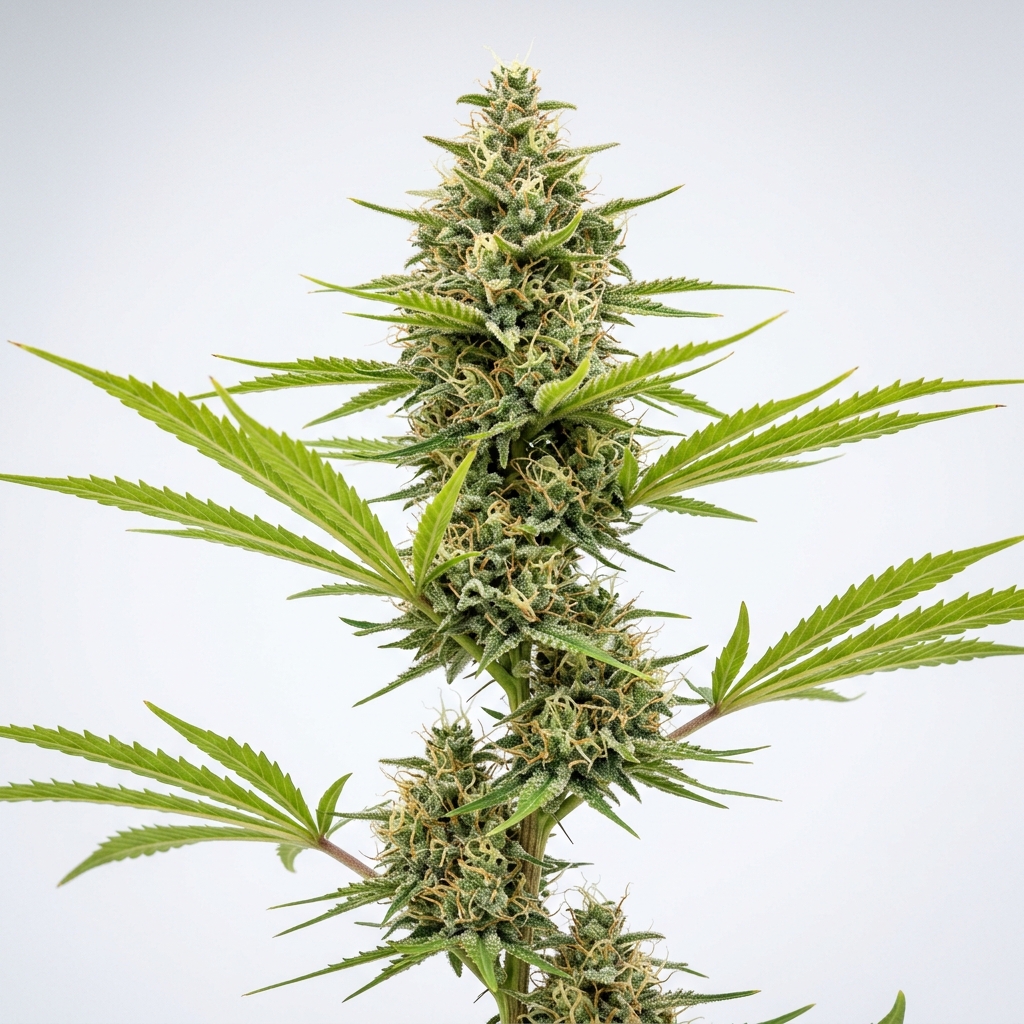
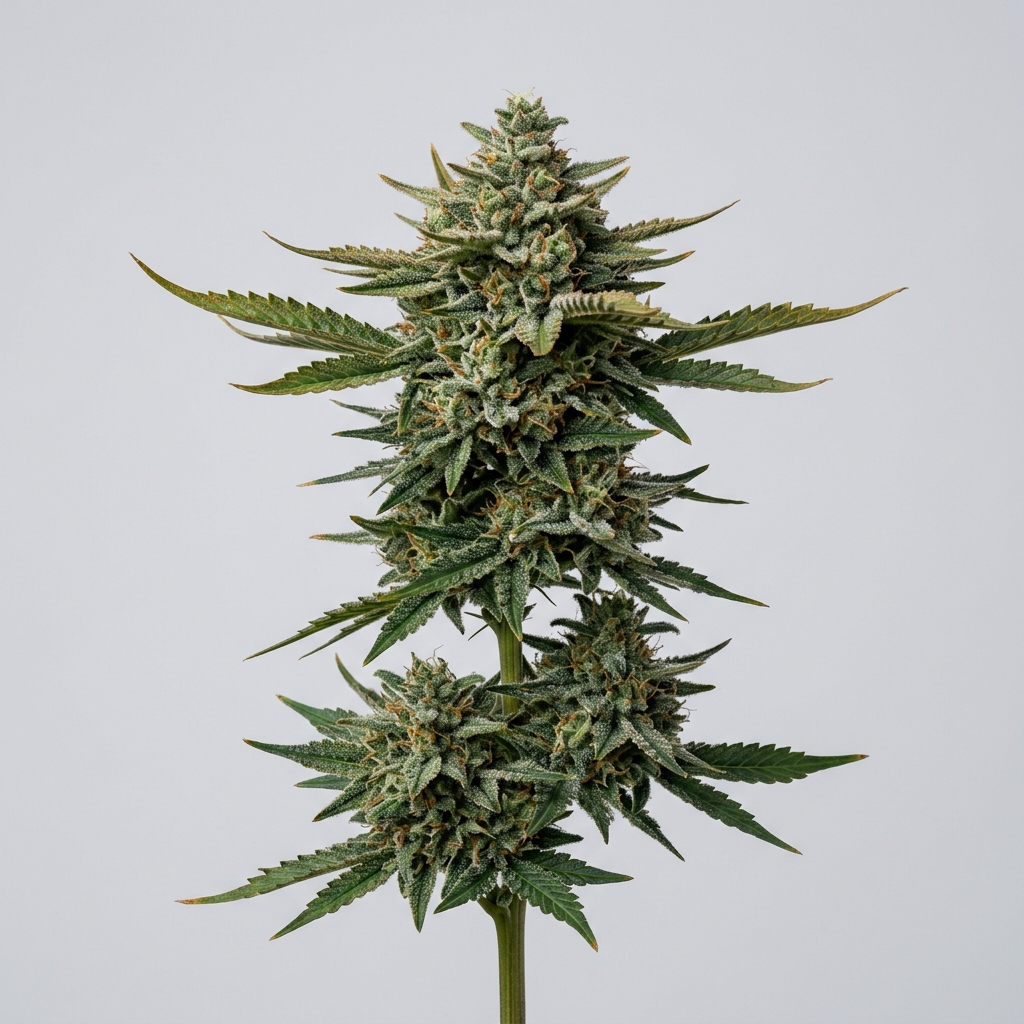
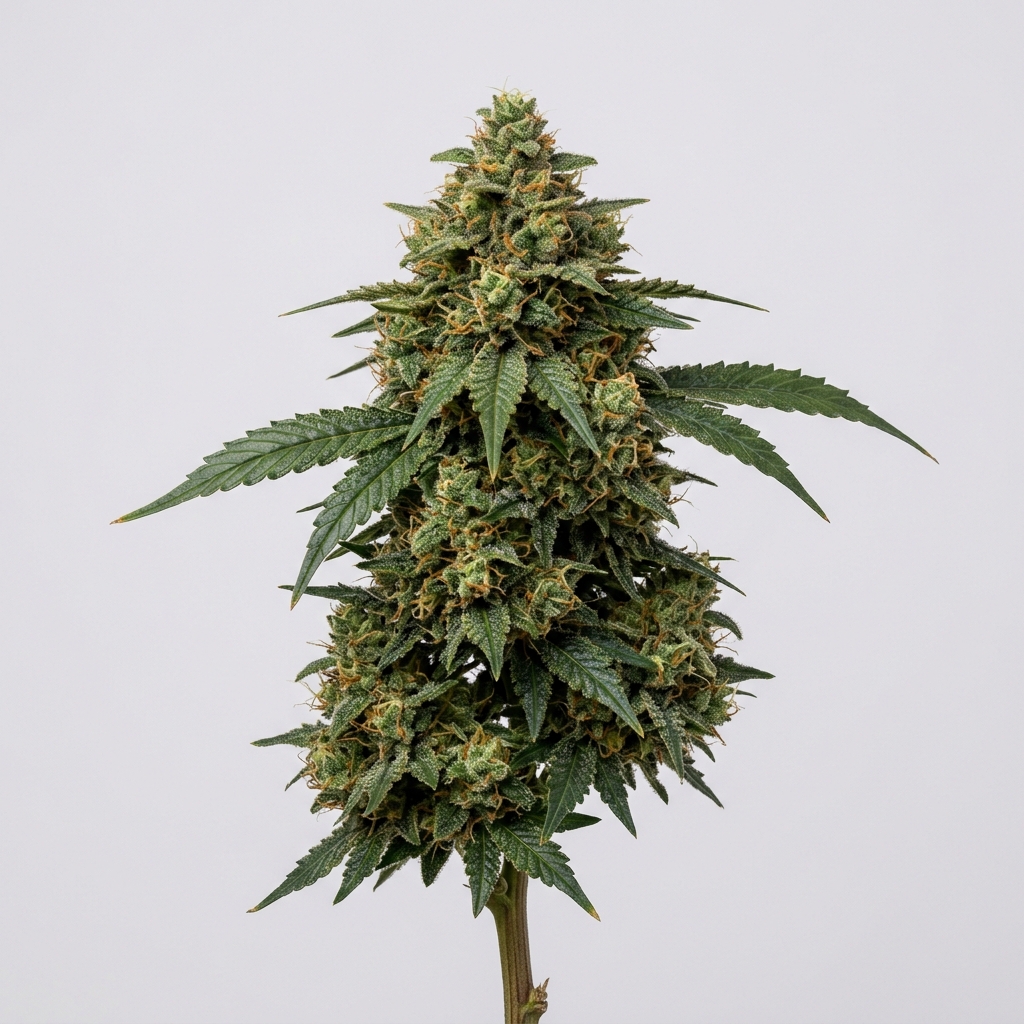
Its visual appeal is defined by deep violet bracts contrasted against bright orange pistils and olive-green foliage. Cultivators appreciate its predictable growth pattern and high calyx-to-leaf ratio, which simplifies the trimming process and ensures excellent airflow through the canopy.
Quick Facts
| Field | Details |
|---|---|
| Genetics | Grape Pie × Jet Fuel Gelato |
| Variety | Indica-dominant Hybrid |
| THC Range | 20% – 26% |
| Flowering Time | 8 – 9 Weeks |
| Yield Potential | Moderate to High |
| Plant Height | Medium |
| Climate Preference | Temperate, low late-flower humidity |
| Difficulty | Moderate |
Scientific & Botanical Overview
Botanically, Grape Gas shows a classic hybrid structure with broad fan leaves and tight internodal spacing. The plant produces dense, conical buds characterized by swollen calyxes that stack tightly along the lateral branches. The structural integrity of the stems is generally robust, allowing the plant to support its heavy flower weight with minimal auxiliary support.
As the flowering cycle progresses, the cultivar undergoes a dramatic color shift, producing high concentrations of anthocyanins under cooler night temperatures. This results in deep purple and near-black hues throughout the canopy, accented by a thick coat of glassy buds. The contrasting bright orange pistils add to its striking visual identity during late flower.
The resin production is notably greasy rather than sandy, indicating a high concentration of volatile monoterpenes within the trichome heads. This structural characteristic makes the flowers highly resilient to physical handling but requires careful environmental management to prevent moisture retention inside the dense bracts.
Effects & Use-Cases (Reported)
Commonly reported effects: A rapid onset of physical relaxation accompanied by a calm, clear-headed mental state. Many note a heavy sensation in the limbs that transitions into a soothing, full-body calm without immediate, heavy sedation.
Use-case context: Best suited for late afternoon or evening use, particularly during creative projects, quiet social gatherings, or winding down after physical exertion. Its balanced physical weight helps ease tension while keeping the mind relatively sharp.
Note: Individual experiences may vary based on tolerance and phenotype; start with lower doses to assess personal sensitivity to high-THC cultivars.
Aroma & Flavors
Aroma: A pungent blend of fermented dark berries, sharp kerosene, and a subtle earthy musk that intensifies when the buds are broken apart.
Flavor: A rich taste of sweet grape candy on the inhale, followed by a sharp, lingering gas and spicy pepper finish on the exhale.
Terpene associations: Rich in caryophyllene, limonene, and myrcene, which drive its complex sweet-and-sour profile.
Tested Cannabinoid & Terpene Ranges
| Compound | Typical Range |
|---|---|
| Δ9-THC | 20.0% – 26.0% |
| CBG | 0.5% – 1.2% |
| beta-Caryophyllene | 0.4% – 0.9% |
| Limonene | 0.3% – 0.7% |
| Myrcene | 0.2% – 0.6% |
| Linalool | 0.1% – 0.3% |
Note: Cannabinoid and terpene levels are highly variable and depend on specific cultivation practices, environmental factors, and curing methods.
Cultivation Notes
- Humidity control: Keep relative humidity below 45% during the final three weeks of flower to protect the dense buds from moisture buildup.
- Nutrition: Responds well to a moderate feeding schedule; avoid over-fertilization with nitrogen during early flower to prevent leafy bud structures.
- Training: use low-stress training (LST) and topping to promote an even canopy and maximize light penetration to lower bud sites.
- Harvest window: Look for cloudy trichomes with roughly 10% to 15% amber heads to capture the peak balance of flavor and potency.
- Phenotype management: Select phenotypes that exhibit both the dark berry aroma and the robust branch strength of the Jet Fuel Gelato parent.
Grower Notes (Week-by-Week Snapshot)
- Weeks 1–3 (Transition & Stretch): Expect a moderate stretch of up to 50% to 60% after flipping to a 12/12 light cycle. Prune the lower third of the plant early to redirect energy to the main colas.
- Weeks 4–6 (Mid-Flower): Trichome production begins early on the sugar leaves. The aroma shifts from a raw green scent to a sweet, doughy grape profile as calyxes begin to swell.
- Weeks 7–9 (Late Flower & Ripening): Flush the medium with clean water while dropping night temperatures to bring out the deep purple pigmentation. Ensure high airflow and low humidity to protect the dense spear colas.
- Post-Harvest (Dry & Cure): Execute a slow dry at 60°F (15°C) and 60% relative humidity for 10 to 14 days to preserve the volatile terpene profile, followed by a minimum three-week jar cure.
Genetic Lineage
Grape Gas was developed by Compound Genetics, a breeding group renowned for crossing modern dessert profiles with high-octane fuel lines. The mother, Grape Pie (Cherry Pie × Grape Stomper), contributes its sweet, baked-goods aroma and rich purple coloration. This parental line is famous for its resin density and distinct dark berry edge.
The pollen donor, Jet Fuel Gelato (Gelato 45 × High Octane Jet Fuel), injects vigorous growth, structural integrity, and a sharp gas undertone. This combination yields a balanced hybrid that retains the best cosmetic and aromatic traits of both parents, offering improved yield and resistance compared to older grape cultivars.
Research Insights
Analytical testing indicates that the unique sensory profile of this cultivar relies on the co-dominance of caryophyllene and limonene. This specific terpene ratio appears to modulate the binding affinity of cannabinoids at the CB1 receptor, tempering the high THC content with physical comfort. The presence of linalool adds a floral complexity that enhances the overall terpene clarity.
Researchers and breeders study this cultivar for its exceptional resin gland stability. The durable membrane of its trichome heads makes it highly suitable for ice water extraction, yielding high-quality bubble hash that retains its distinct grape-gas aroma through the solventless refinement process.
Frequently Asked Questions
Is Grape Gas an indica or sativa?
Grape Gas is an indica-dominant hybrid cultivar, blending the relaxing physical effects of Grape Pie with the uplifting, structural vigor of Jet Fuel Gelato.
What does Grape Gas smell like?
The aroma is a pungent mix of sweet, fermented grapes, dark berries, and a sharp, chemically fuel undertone that lingers in the air.
Is Grape Gas difficult to grow?
It is considered moderately easy to grow. While it has a predictable stretch and sturdy branches, growers must carefully manage late-flower humidity due to its highly dense bud structure.
What is the flowering time of Grape Gas?
This cultivar typically finishes flowering in 8 to 9 weeks when grown indoors, or by mid-October when cultivated outdoors in temperate climates.
Educational Disclaimer
This article is for educational and informational purposes only. Cannabis cultivation and consumption are subject to local laws and regulations. Consult with horticultural experts and local guidelines before undertaking cultivation.
Rate and review this strain
Ratings and reviews are accepted only from signed-in Google accounts.
Sign in with Google to leave a rating and written review.
Latest Reviews
0 reviewsNo reviews yet. Be the first Google user to rate and review this strain.