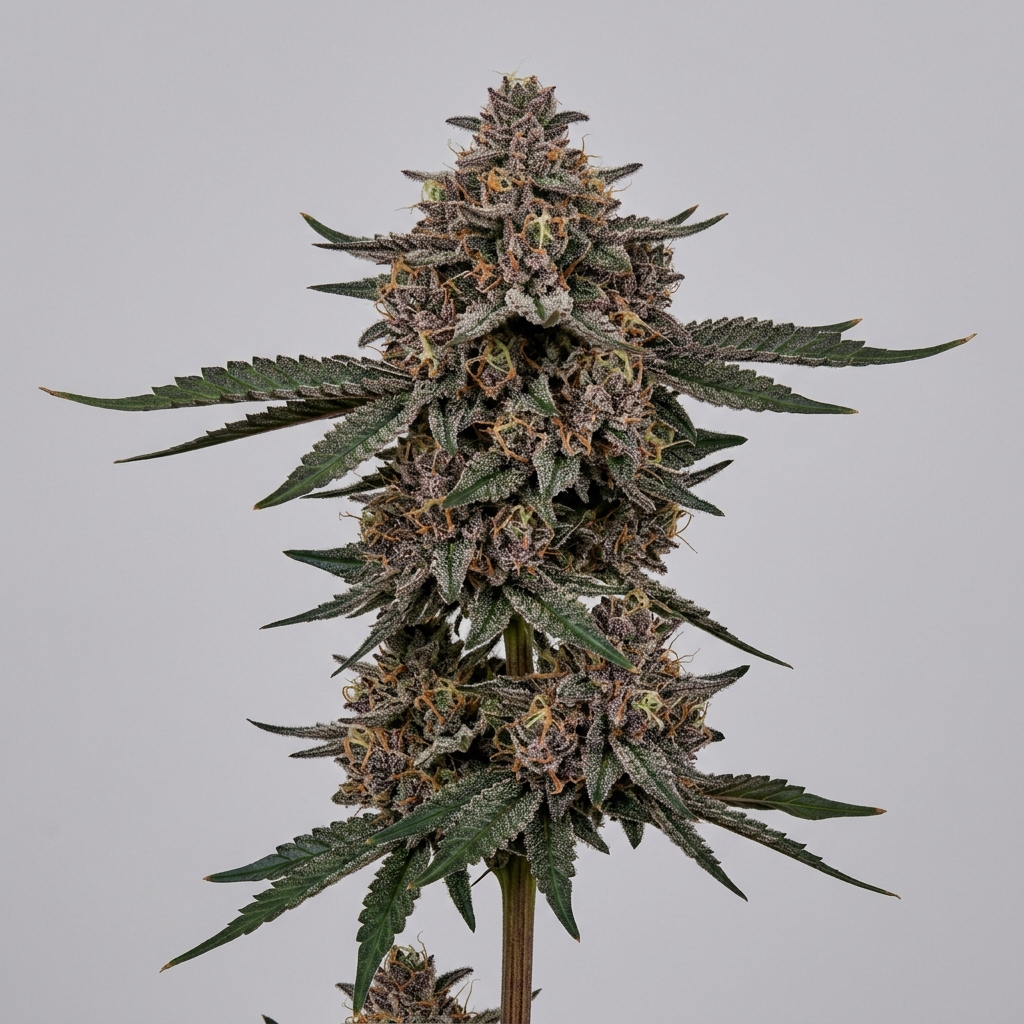
Truffle Butter (Cannabis Strain)
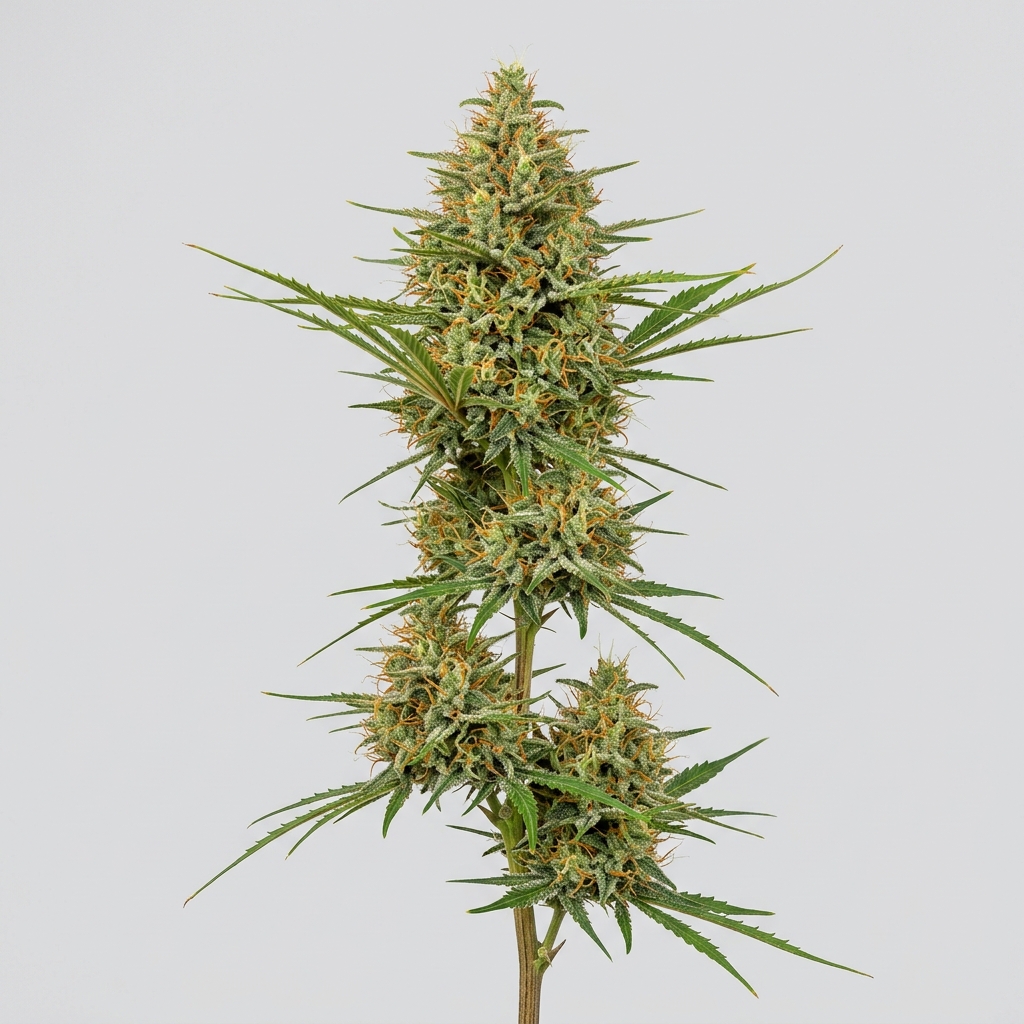
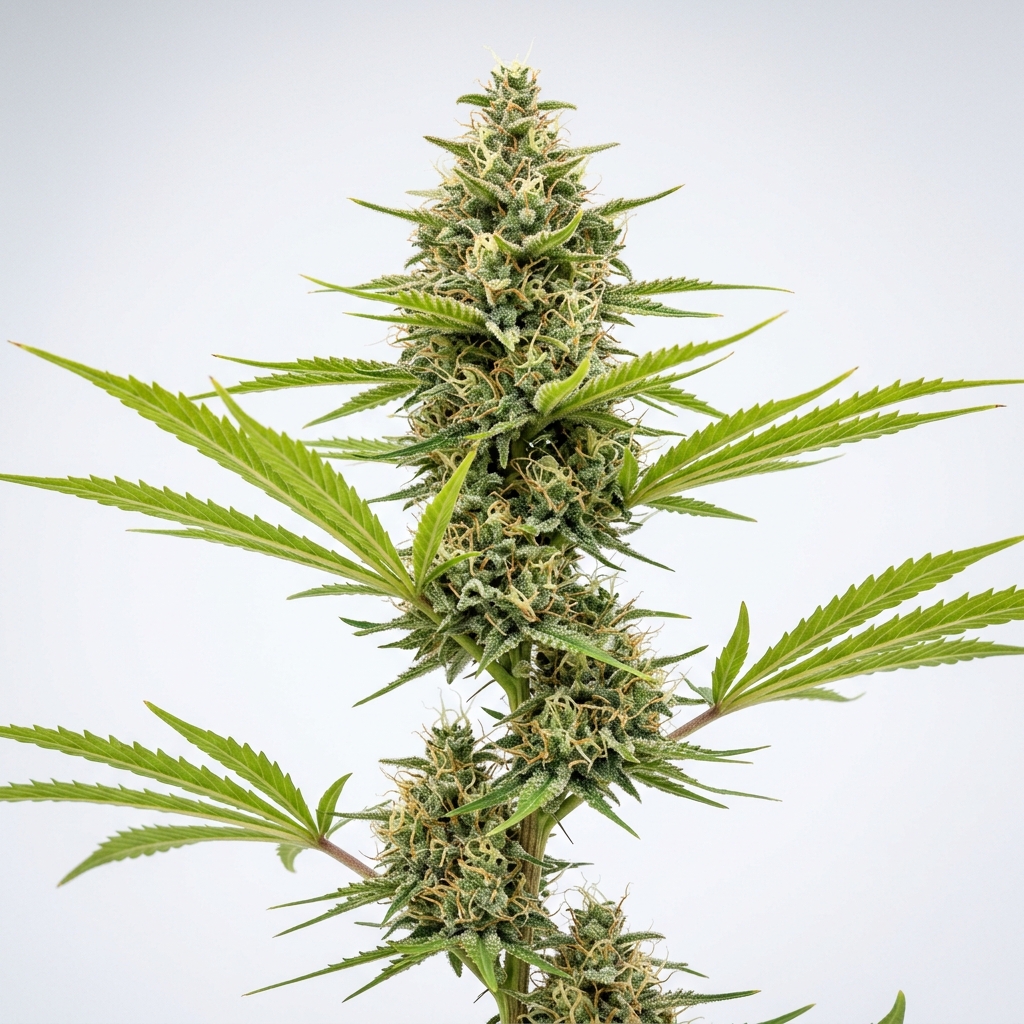
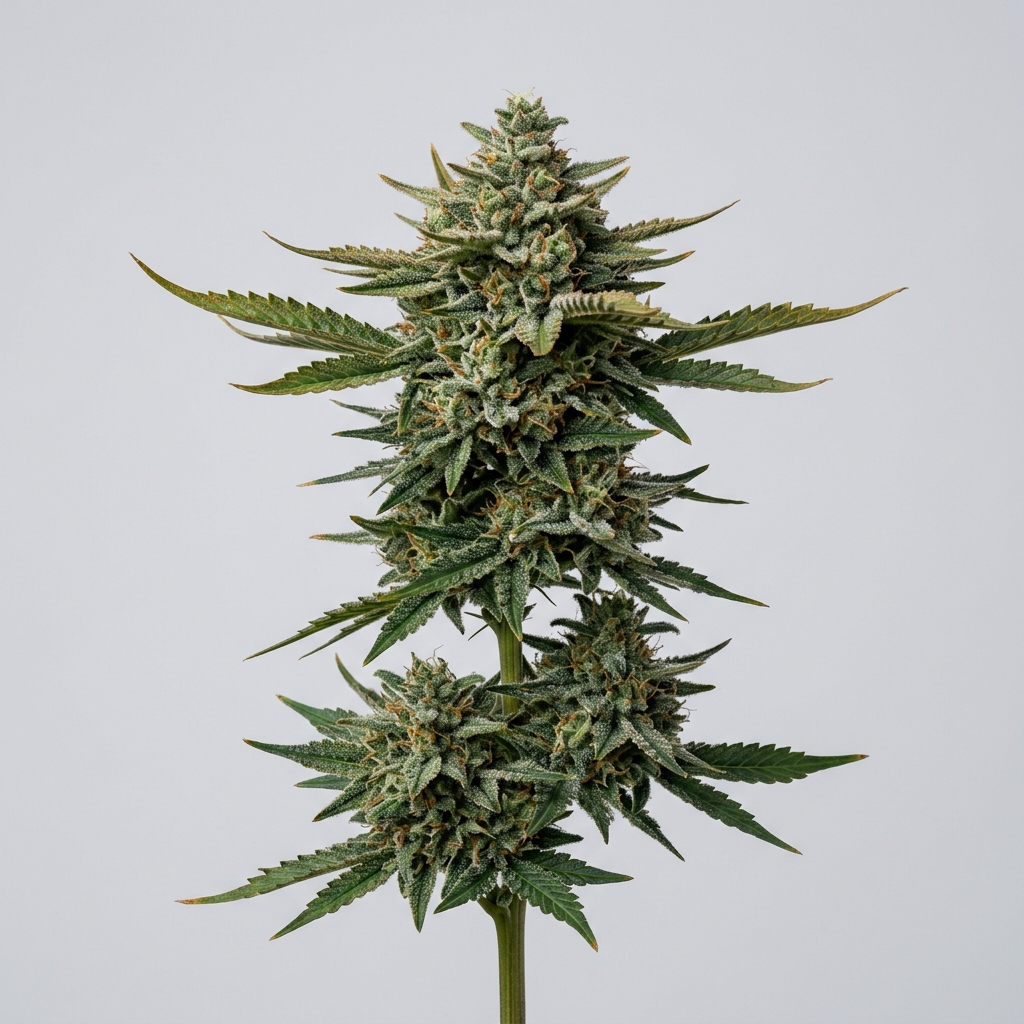
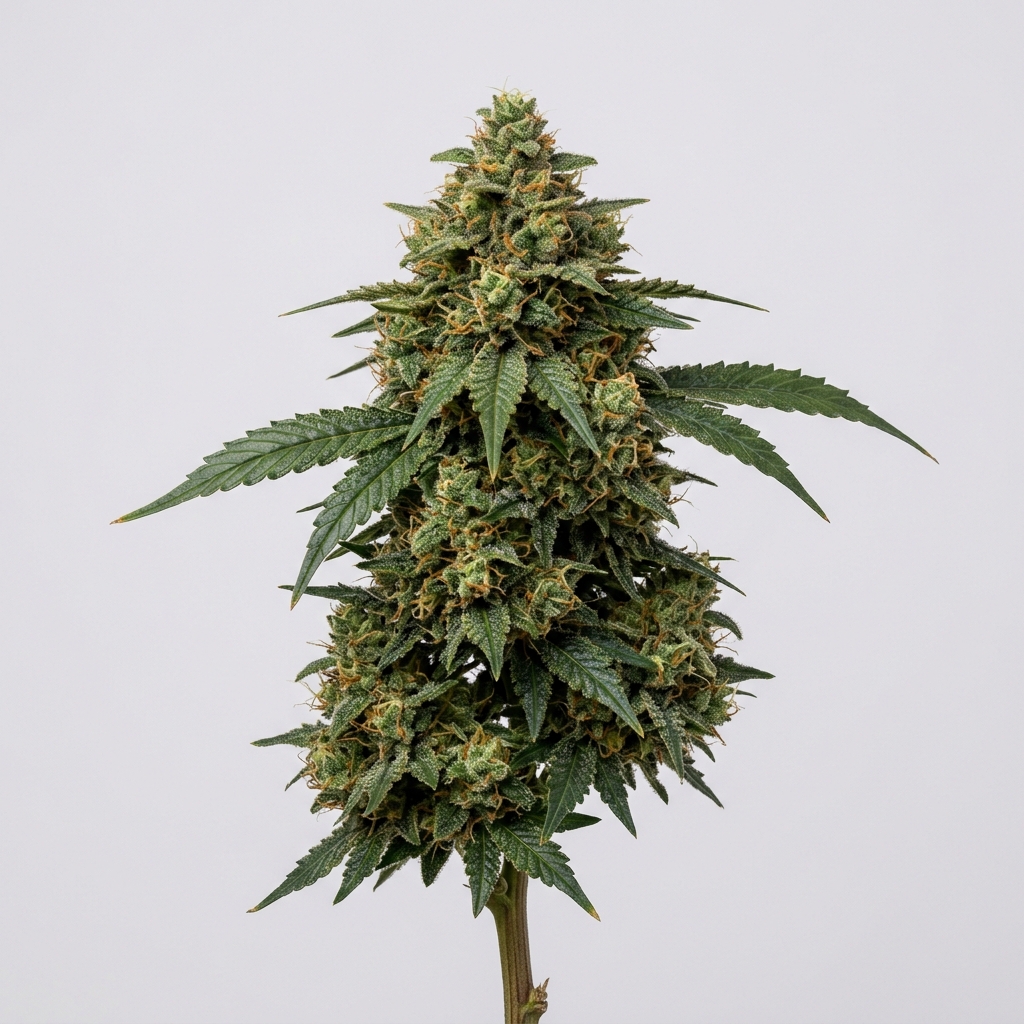
Truffle Butter is an indica-dominant cultivar, crossing Gelato 25 and Chocolate Kush, known for its heavy resin production and deeply relaxing properties. Typically testing between 20% and 26% THC, this strain delivers a rich profile of sweet dough, dark chocolate, and earthy fuel. Cultivators favor the plant for its manageable, medium-sized structure, tight internodal spacing, and highly resinous, purple-tinted flowers. It serves as a classic evening selection, combining the dessert-like qualities of the Cookies family with the physical weight of a traditional Kush.
The cultivar has earned a solid reputation among growers and consumers who prioritize terpene clarity and heavy trichome coverage. Its greasy resin makes it highly suitable for solventless extraction, while its dense, slow-curing buds retain their complex aroma long after harvest. In the garden, Truffle Butter displays predictable growth patterns, making it a reliable performer under controlled indoor conditions.
Quick Facts
| Field | Details |
|---|---|
| Genetics | Gelato 25 × Chocolate Kush |
| Variety | Indica-dominant hybrid (approx. 70/30) |
| THC Range | 20% – 26% |
| Flowering Time | 8 – 9 weeks |
| Yield Potential | Moderate to high |
| Plant Height | Medium (controlled stretch) |
| Climate Preference | Temperate, low late-flower humidity |
| Difficulty | Moderate |
Scientific & Botanical Overview
Botanically, Truffle Butter displays classic indica morphology with broad fan leaves, stout stems, and a compact canopy. The plant produces dense bracts and swollen calyxes that cluster tightly along the branches, minimizing unnecessary stem space. Under cooler night temperatures in late flower, the foliage and buds readily express deep purple and anthocyanin-driven hues.
The trichome development on this cultivar is particularly dense, covering not only the flowers but also extending deep into the surrounding sugar leaves. This heavy resin coat acts as a natural barrier, though the density of the colas demands careful monitoring of microclimates. Airflow must remain consistent to prevent moisture retention within the tight flower clusters.
Nitrogen requirements are moderate during vegetative growth, but the plant responds well to increased phosphorus and potassium as it transitions into flower. The root system is robust, supporting the heavy weight of the upper canopy without requiring excessive structural staking if early training is applied.
Effects & Use-Cases (Reported)
Commonly reported effects: Deep physical relaxation, gentle mental ease, and a heavy, grounding sensation that settles over the body.
Use-case context: Best suited for evening or late-night use, this strain is frequently selected for wind-down routines, quiet relaxation, or preparing for sleep.
Note: Due to its high cannabinoid concentration, newer consumers should approach this cultivar with caution to avoid early onset drowsiness.
Aroma & Flavors
Aroma: Sweet, doughy pastry notes blended with a sharp, earthy fuel base and a dark berry edge.
Flavor: Rich, creamy butter and cocoa on the inhale, leaving a lingering mint and tart gas finish on the palate.
Terpene associations: Dominant in caryophyllene, limonene, and myrcene, which contribute to its warm, earthy, and citrus-touched profile.
Tested Cannabinoid & Terpene Ranges
| Compound | Typical Range |
|---|---|
| Δ9-THC | 20% – 26% |
| CBG | 0.5% – 1.2% |
| β-Caryophyllene | 0.4% – 0.9% |
| Limonene | 0.3% – 0.7% |
| Myrcene | 0.2% – 0.6% |
| Linalool | 0.1% – 0.4% |
Note: Cannabinoid and terpene levels are highly variable and depend on specific cultivation practices, curing methods, and environmental phenotypes.
Cultivation Notes
- Humidity: Keep relative humidity (RH) below 45% during the final three weeks of flowering to protect the dense, resin-rich flowers from mold.
- Nutrition: Maintain a moderate feeding schedule, avoiding heavy nitrogen inputs late in the vegetative phase to prevent excessive leaf growth.
- Training: use low-stress training (LST) and early topping to promote lateral branching and create an even canopy of spear colas.
- Harvest: Monitor trichomes closely; harvest when the heads transition from milky white to approximately 10% amber for optimal terpene clarity.
- Phenotype management: Select phenotypes that show strong stem strength and early purple coloration, as these typically yield the most aromatic flowers.
Grower Notes (Week-by-Week Snapshot)
- Weeks 1–3: The plants undergo a controlled stretch, usually doubling in size. Implement light defoliation at the end of week three to improve light penetration to lower bud sites.
- Weeks 4–6: Flower development accelerates with the appearance of wet frost along the bracts. Ensure structural supports, like trellis netting, are in place to hold the swelling colas.
- Weeks 7–9: Buds pack on mass and develop deep purple tones if night temperatures are dropped slightly. Flush the medium with clean water during the final 10 days to clean out residual nutrients.
- Post-Harvest: Execute a slow dry at 60°F (15°C) and 60% relative humidity for 11 to 14 days to preserve the delicate buttery and gaseous volatile compounds.
Genetic Lineage
Truffle Butter derives its sweet, dessert-forward profile from Gelato 25, a phenotype of the legendary Gelato family. This parent contributes the smooth, doughy flavor and the dense, trichome-laden structure that defines modern cookies cultivars.
The maternal side, Chocolate Kush, introduces a rugged, earthy foundation and a deep, physical weight. This parentage infuses the hybrid with its subtle cocoa aroma and robust growing characteristics, balancing the delicate sweetness of the Gelato genetics.
Research Insights
Analytical testing of Truffle Butter highlights a high concentration of sesquiterpenes, particularly caryophyllene, which interacts directly with peripheral receptors. This chemical makeup supports the cultivar’s physical grounding qualities without relying solely on high THC percentages.
The presence of secondary terpenes like linalool and limonene provides a subtle aromatic contrast, balancing the heavier, fuel-like notes. This complex terpene profile is of interest to breeders looking to stabilize sweet-gas traits in modern indica hybrids.
Frequently Asked Questions
Is Truffle Butter suitable for outdoor growing?
Yes, but it requires a warm, dry Mediterranean climate. Because of its dense buds, outdoor growers must protect the plants from late-season rainfall and high humidity to prevent bud rot.
What does Truffle Butter smell like?
The strain has a complex aroma of sweet, buttery dough, dark chocolate, and a rich, earthy kush base with a hint of tart gas.
How long does Truffle Butter take to flower?
When grown indoors, Truffle Butter typically finishes its flowering cycle in 8 to 9 weeks.
Is Truffle Butter good for resin extraction?
Absolutely. The greasy resin and high trichome density make it an excellent choice for solventless extraction methods, such as ice water hash and rosin pressing.
Educational Disclaimer
This article is for educational and informational purposes only. Cannabis cultivation and consumption are subject to local laws and regulations. Consult with professional sources before starting any cultivation project.
Rate and review this strain
Ratings and reviews are accepted only from signed-in Google accounts.
Sign in with Google to leave a rating and written review.
Latest Reviews
0 reviewsNo reviews yet. Be the first Google user to rate and review this strain.