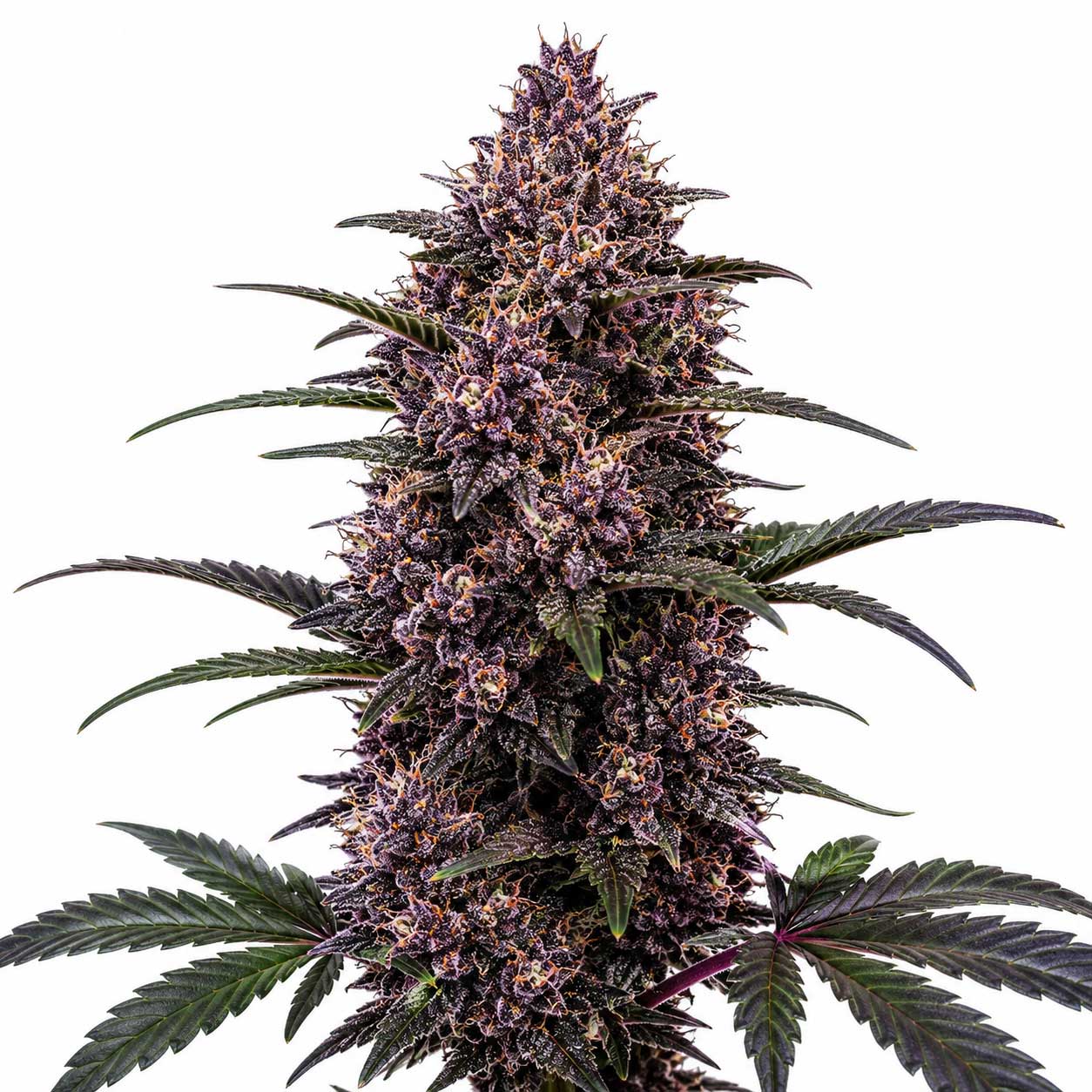
Trop Cherry (Cannabis Strain)
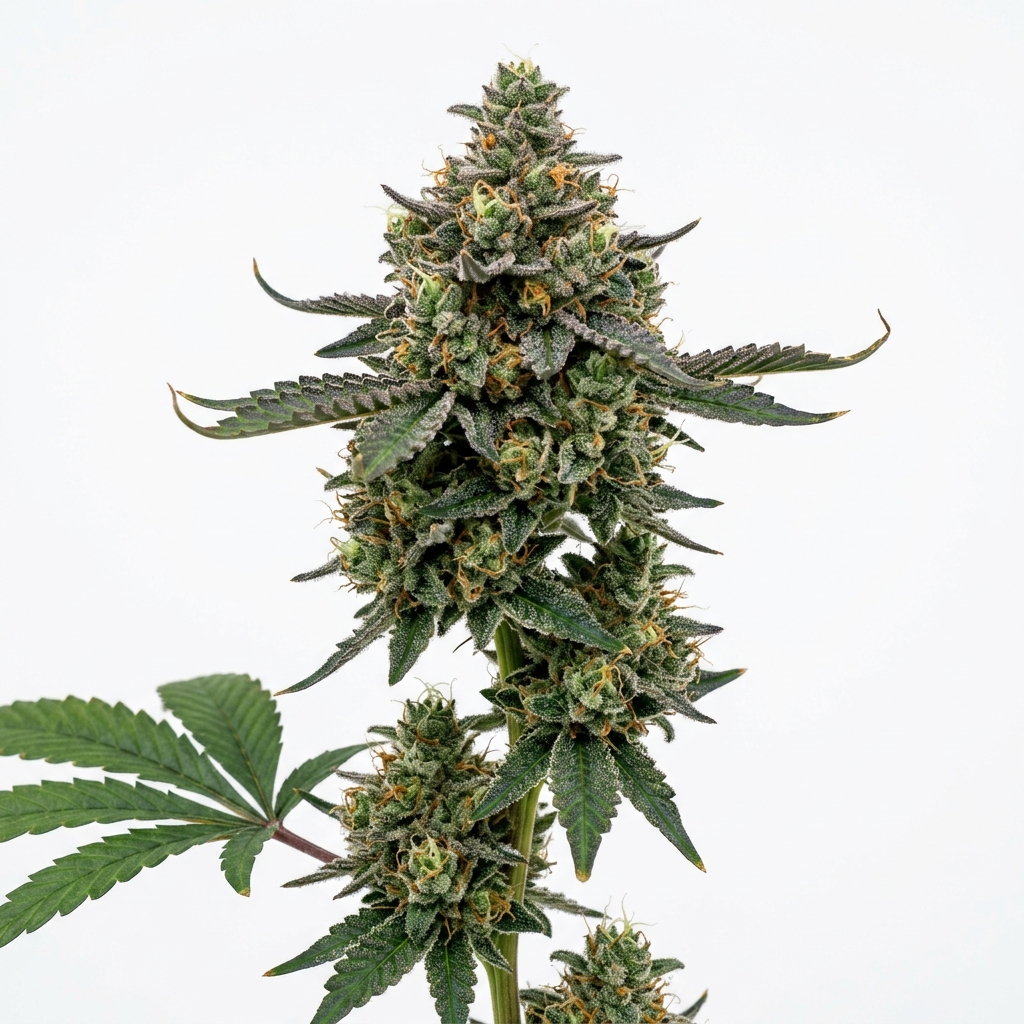
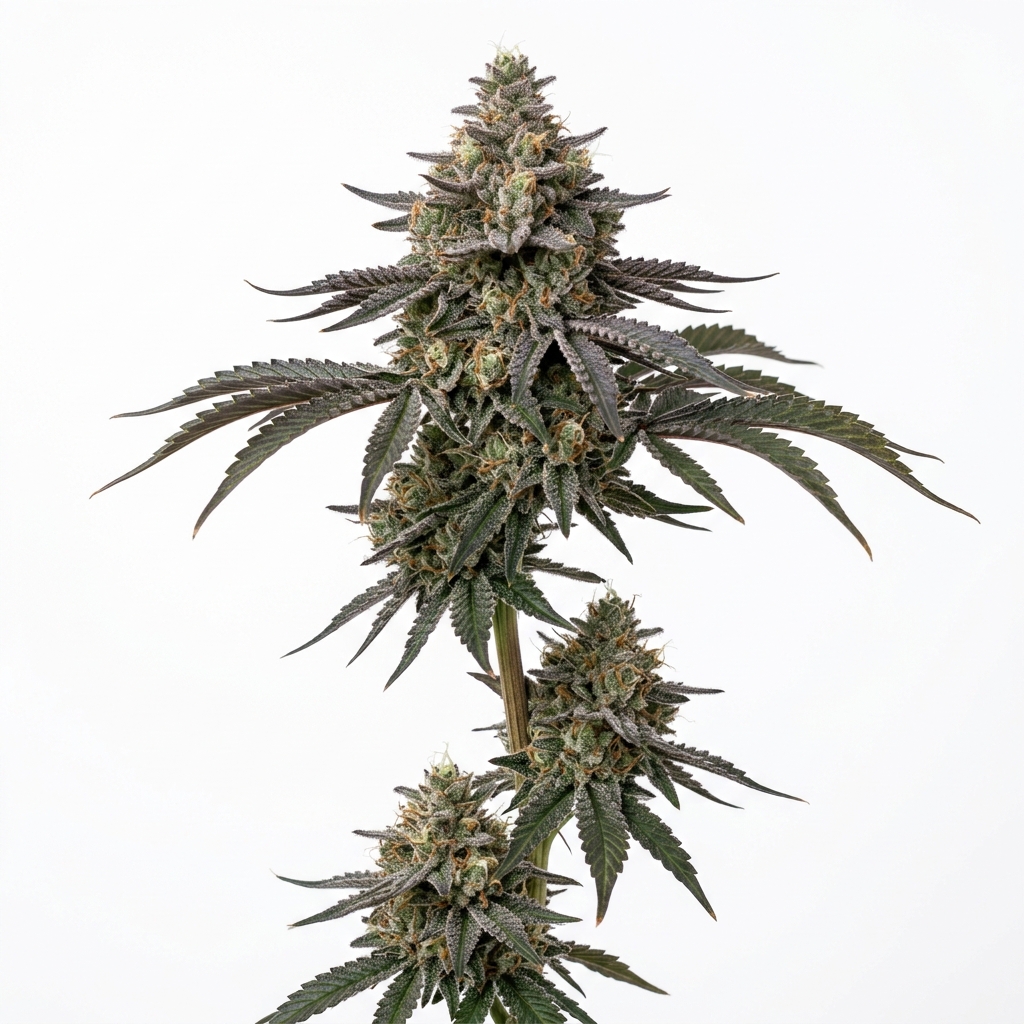
Trop Cherry is a sativa-dominant hybrid cultivar, typically testing between 16% and 21% THC, created by crossing the legendary Tropicanna Cookies with Cherry Cookies. Renowned for its striking deep-purple anatomy and high terpene clarity, this cultivar delivers a sharp profile of tart citrus, sweet cherry, and light doughy undertones. It features a manageable indoor stretch, upright branching, and produces highly resinous, glassy buds that make it a favorite for solventless extraction.
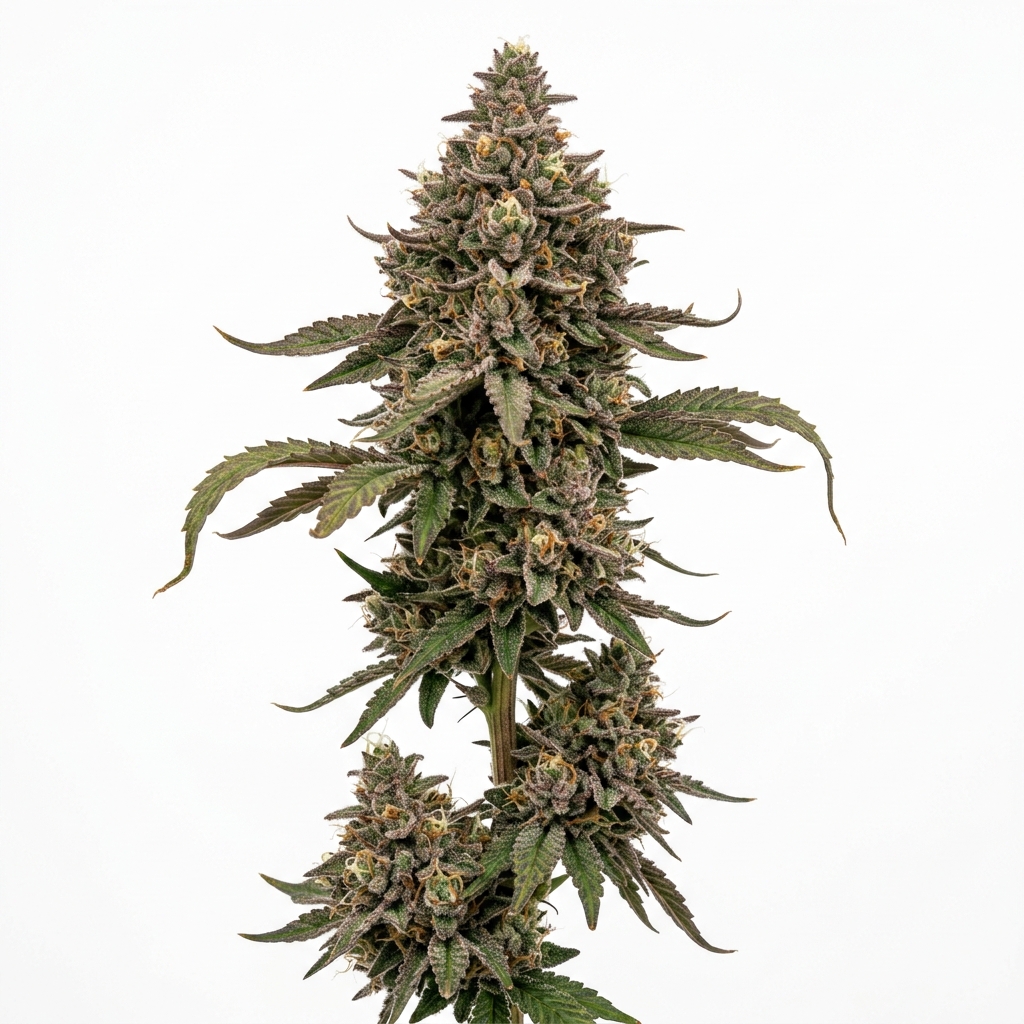
Cultivators prize this selection for its reliable pigment expression, with many phenotypes turning dark magenta or deep violet even under standard growing temperatures. The flowers dry to a striking contrast of silver trichomes against near-black bracts, offering exceptional bag appeal alongside an uplifting, functional daytime effect.
Quick Facts
| Attribute | Details |
|---|---|
| Genetics | Tropicanna Cookies × Cherry Cookies |
| Variety | Sativa-dominant Hybrid (approx. 60/40) |
| THC Range | 16% – 21% |
| Flowering Time | 58 – 63 Days (8.5 – 9 Weeks) |
| Yield Potential | Moderate to High |
| Plant Height | Medium-Tall (controlled stretch) |
| Climate Preference | Temperate, moderate humidity |
| Difficulty | Moderate |
Scientific & Botanical Overview
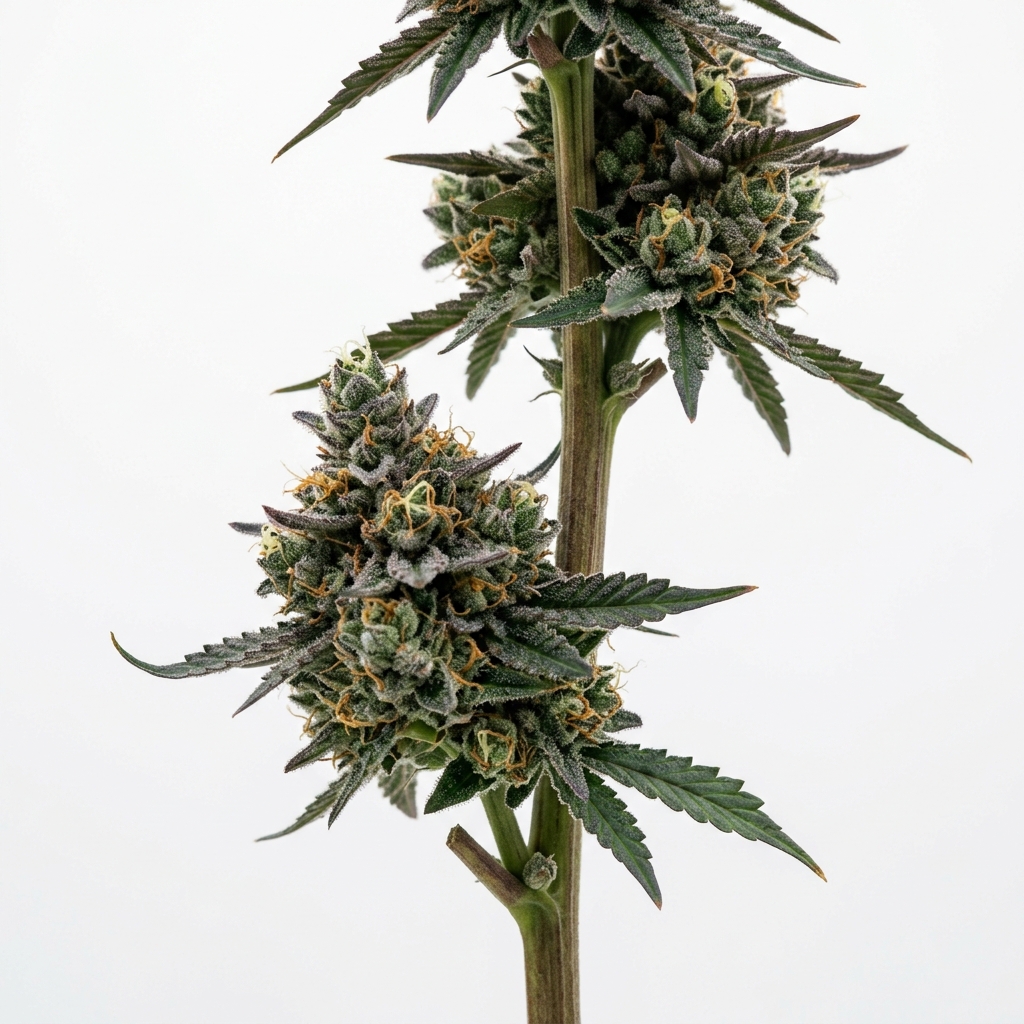
Trop Cherry displays a distinct morphological footprint inherited from its Cookies ancestry, characterized by strong apical dominance and tight internodes that open up slightly during the early flowering stretch. The foliage is broad-fingered and dark green, frequently developing deep purple veins well before the onset of senescence.
The bract-to-leaf ratio is exceptionally high, allowing for excellent airflow through the canopy and a relatively straightforward post-harvest trim. Its calyxes swell significantly in the final weeks, stacking into dense, spear-shaped colas coated in a dense layer of capitate-stalked trichomes.
Anthocyanin accumulation is highly pronounced in this cultivar, driven by genetic factors rather than cold stress alone. This results in uniform purple coloration throughout the inner flower structure, a trait highly valued by extraction technicians looking for colorful ice water hash.
Effects & Use-Cases (Reported)
Commonly reported effects: Users typically describe a clear-headed, uplifting mental lift accompanied by a gentle, relaxing physical undercurrent that does not cause heavy sedation.
Use-case context: Excellent for daytime productivity, creative projects, or social settings where mental clarity and physical comfort are desired simultaneously.
Note: Individual tolerance and specific phenotype variations can alter the intensity of these effects; beginners should start with lower amounts.
Aroma & Flavors
Aroma: A pungent burst of fresh orange zest and dark cherry punch, backed by a subtle, earthy cookie dough undertone.
Flavor: Tangy citrus and sweet cherry on the inhale, transitioning to a smooth, slightly herbal and tart berry finish.
Terpene associations: High concentrations of caryophyllene, limonene, and myrcene drive the distinct fruit-forward and spicy profile.
Tested Cannabinoid & Terpene Ranges
| Compound | Typical Range |
|---|---|
| Δ9-THC | 16.0% – 21.0% |
| CBD | < 1.0% |
| CBG | 0.5% – 1.2% |
| Beta-Caryophyllene | 0.4% – 0.9% |
| Limonene | 0.3% – 0.7% |
| Myrcene | 0.2% – 0.5% |
Note: Cannabinoid and terpene levels are highly variable and depend heavily on cultivation methods, curing practices, and specific phenotype selections.
Cultivation Notes
- Humidity: Maintain relative humidity around 55-60% during early vegetative growth, tapering down to 40-45% in late flower to protect the dense colas from moisture retention.
- Nutrition: Responds well to a moderate feeding regimen; avoid over-fertilizing with nitrogen during mid-to-late bloom to prevent leaf burn and preserve terpene clarity.
- Training: Responds excellently to topping and low-stress training (LST) to create an even canopy and maximize light penetration to lower bud sites.
- Harvest: Watch trichome maturity closely; harvest when the resin heads transition from glassy to milky white, with about 10% amber for optimal terpene preservation.
- Phenotype Management: Select for phenotypes that display both strong stem integrity and early anthocyanin production to ensure high-yielding, colorful offspring.
Grower Notes (Week-by-Week Snapshot)
- Weeks 1–3 (Vegetative & Transition): The plant shows a moderate stretch upon flipping to a 12/12 light cycle. Prune lower fan leaves to improve airflow and focus energy on the upper canopy.
- Weeks 4–6 (Mid-Flower): Bud sites begin to stack rapidly, showcasing early trichome production and faint purple hues on the leaf margins. Ensure trellis support is in place to handle the weight of developing colas.
- Weeks 7–9 (Late Flower & Senescence): Deep purple pigmentation spreads across the entire flower structure. Reduce ambient temperatures slightly during the final week to enhance the contrast of the silver resin against the dark bracts.
- Post-Harvest (Dry & Cure): Execute a slow dry at 60°F (15°C) and 60% relative humidity for 10 to 14 days. A patient cure in airtight containers preserves the delicate cherry and orange terpenes.
Genetic Lineage
Trop Cherry was developed by Relentless Genetics, crossing the highly celebrated Tropicanna Cookies (known for its intense citrus aroma and deep purple traits) with Cherry Cookies (valued for its sweet cherry flavor and dense structure). This combination successfully stabilized the rich terpene profile and striking coloration of the Tropicanna parent while introducing the structural density of the Cookies line.
The resulting offspring inherits the best qualities of both parent strains, offering a balanced growth pattern and a highly distinct organoleptic profile. It has become a foundational building block for modern breeders seeking to introduce reliable purple pigmentation and sweet fruit profiles into new hybrids.
Research Insights
Chemical analysis of Trop Cherry profiles reveals a strong dominance of sesquiterpenes and monoterpenes, particularly beta-caryophyllene and limonene. This specific ratio contributes to the strain’s uplifting cognitive effects, as these compounds are thought to interact with central nervous system receptors to modulate mood without inducing heavy physical lethargy.
Horticultural research highlights the cultivar’s robust anthocyanin expression, which is genetically pre-determined rather than purely environmental. This makes it an ideal study subject for researchers investigating pigment pathways in cannabis, as well as breeders aiming to optimize visual traits in commercial production.
Frequently Asked Questions
Is Trop Cherry a sativa or indica?
Trop Cherry is a sativa-dominant hybrid, typically classified as a 60% sativa and 40% indica cross, offering an uplifting mental experience with light physical relaxation.
What does Trop Cherry smell like?
This strain has a highly distinct aroma of tart cherries, fresh orange zest, and sweet tropical punch, rounded out by a subtle, earthy cookie dough finish.
How long does it take to flower?
Indoors, Trop Cherry typically finishes its flowering cycle in 58 to 63 days (approximately 8.5 to 9 weeks).
Why are the buds so purple?
The deep purple coloration is due to a high concentration of anthocyanins, water-soluble pigments within the plant tissues that express dark violet and magenta hues naturally during the flowering stage.
Educational Disclaimer
This article is for educational purposes only. Cannabis cultivation, possession, and use are subject to varying local and federal laws. Always consult local regulations before germinating or consuming cannabis products.
Rate and review this strain
Ratings and reviews are accepted only from signed-in Google accounts.
Sign in with Google to leave a rating and written review.
Latest Reviews
0 reviewsNo reviews yet. Be the first Google user to rate and review this strain.
Follow New Cultivar Records
Get newly documented genetics, breeder history, research highlights, and important Strainpedia discoveries by email.