Garlic Breath (Cannabis Strain)
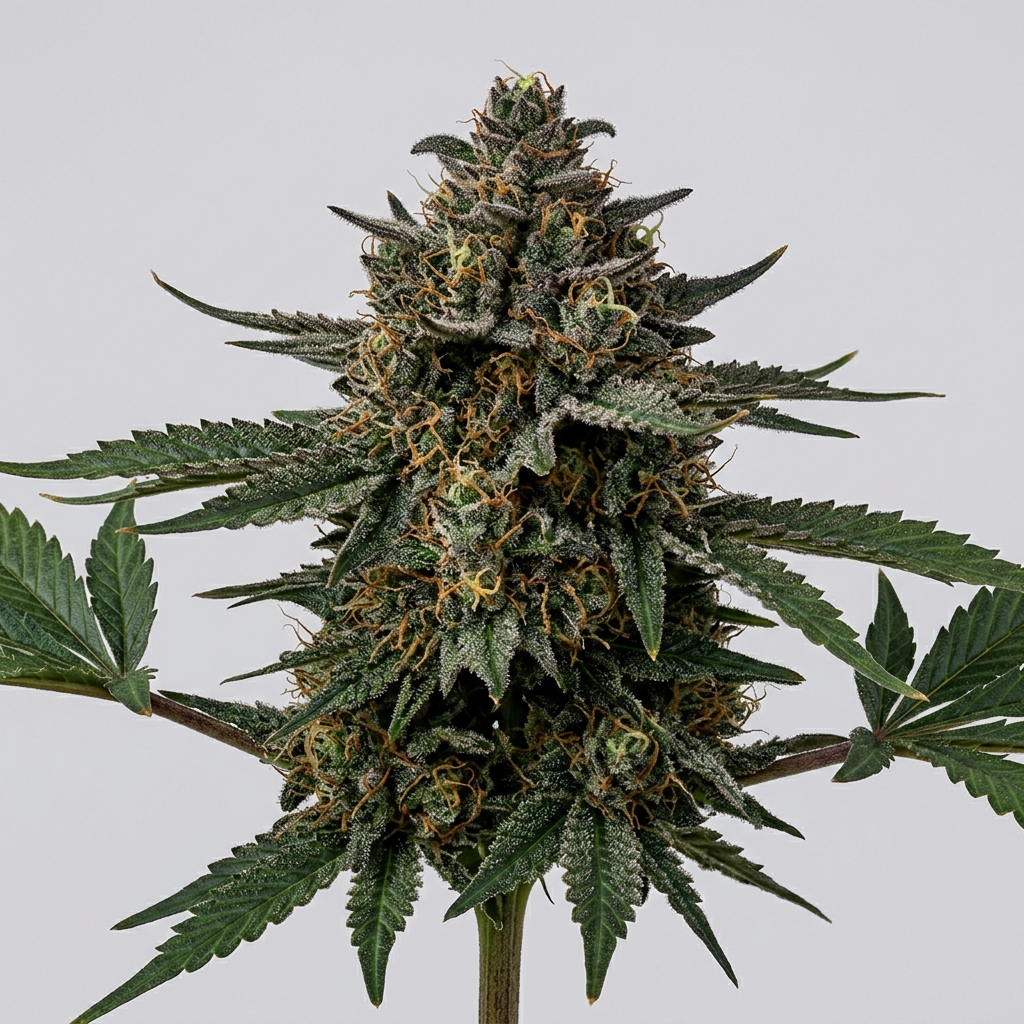
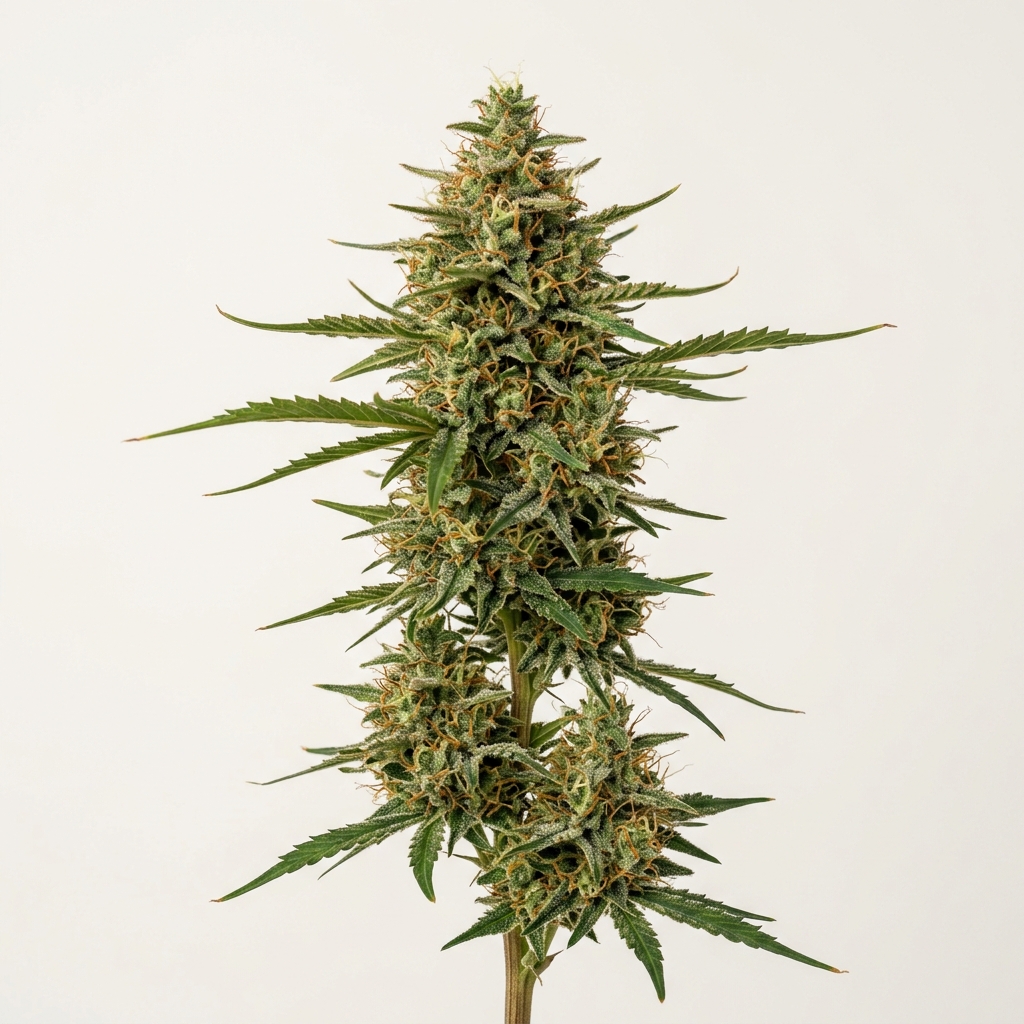
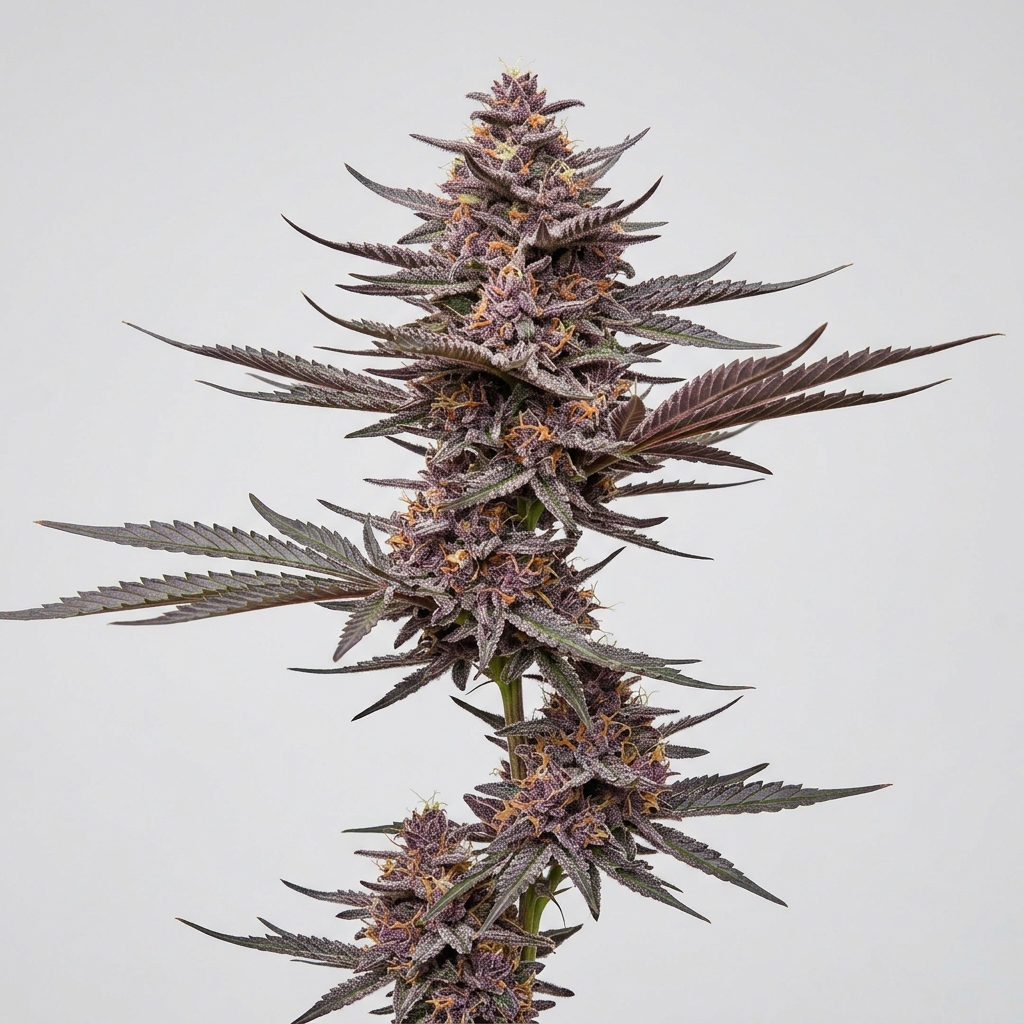
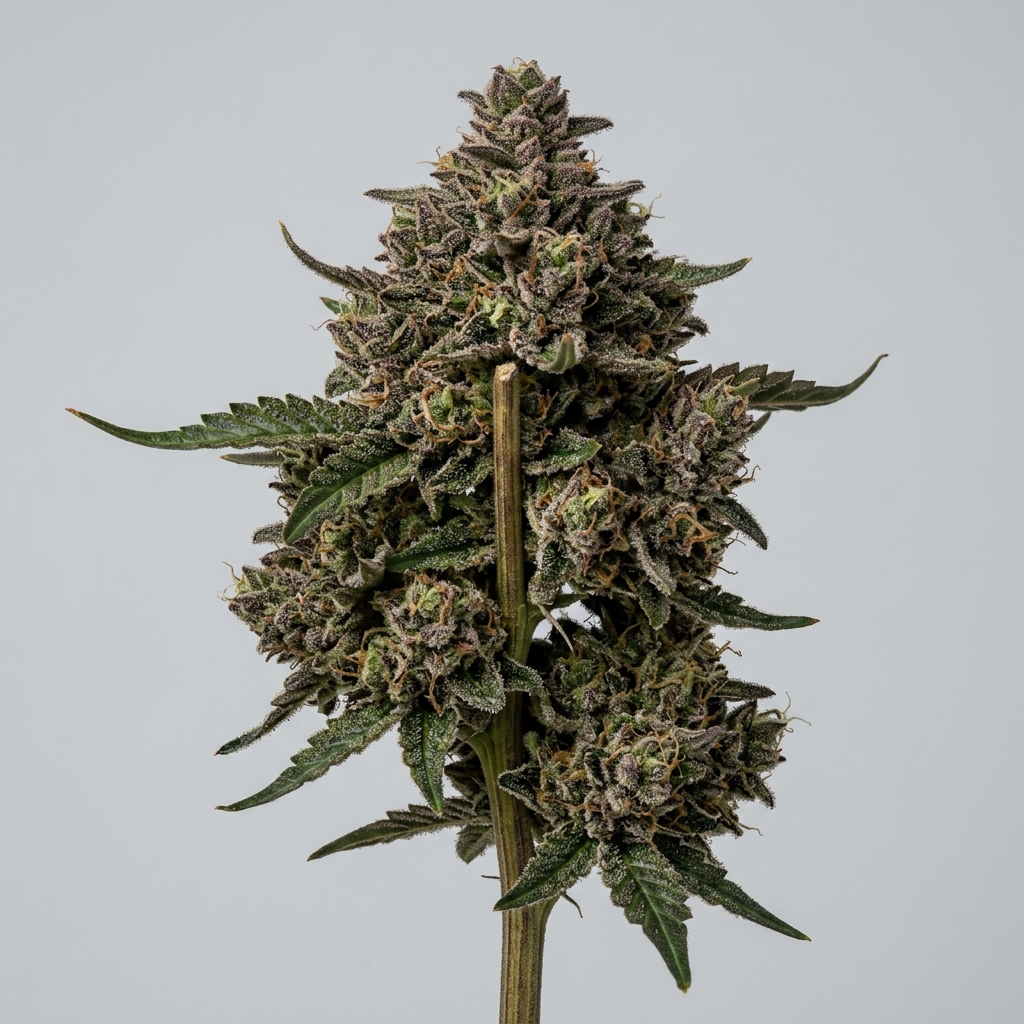
Garlic Breath is an indica-dominant hybrid typically testing between 20%–28% THC, created by crossing the highly sought-after GMO (Garlic Cookies) with Mendo Breath. Known for its distinctive profile of savory garlic, chemical fuel, and earthy spice, this cultivar produces dense, spade-shaped colas coated in a thick layer of greasy resin. The plants display a manageable, controlled stretch during early flower and develop deep purple hues under cooler night temperatures, making it a favorite among growers seeking exceptional extraction-grade material and consumers looking for a heavy evening experience.
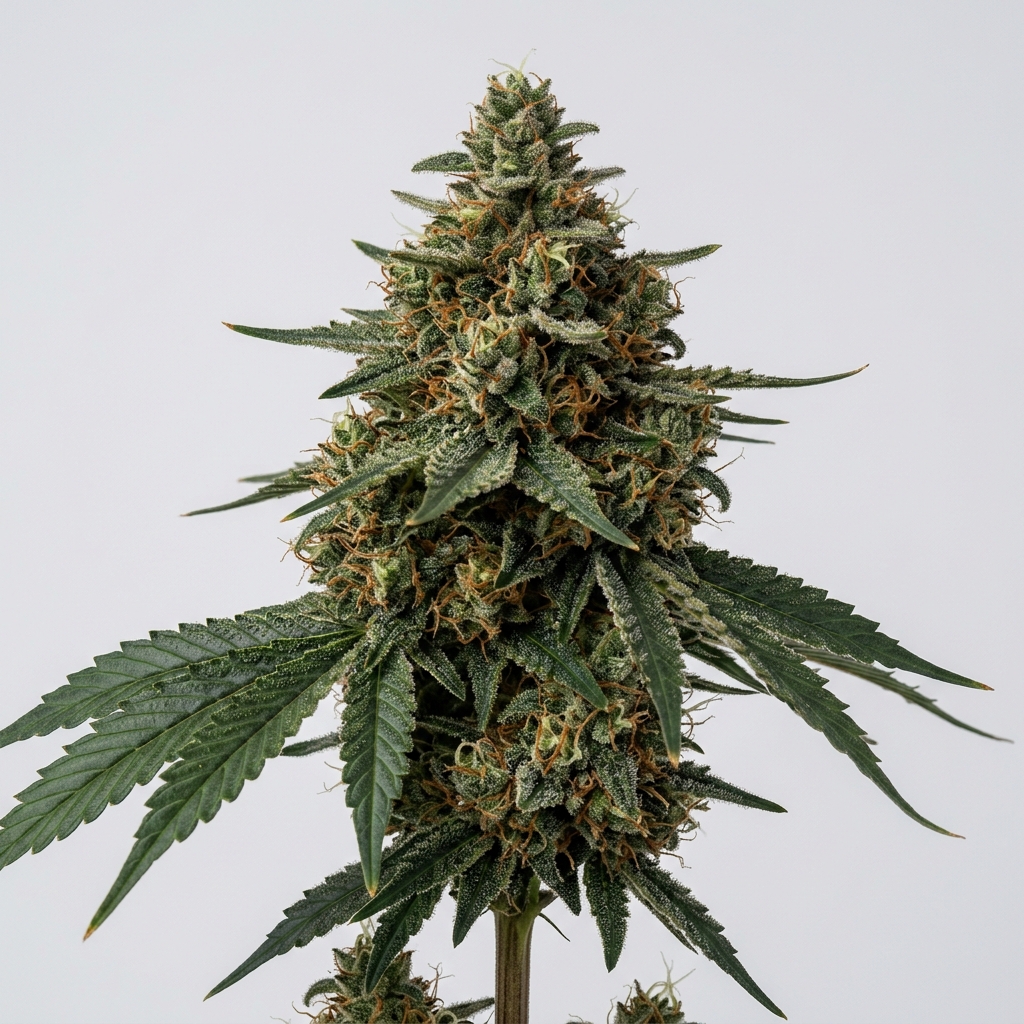
This strain has earned a loyal following for its unapologetically savory profile, departing from the sweet and fruity trends of contemporary breeding. Its buds show remarkable density with swollen calyxes and tight bracts, almost entirely obscured by a frosty blanket of trichomes. For cultivators, it represents a highly rewarding project that demands attention to late-flower humidity but pays off with outstanding terpene clarity and wash yields.
Quick Facts
| Attribute | Details |
|---|---|
| Genetics | GMO × Mendo Breath (F2) |
| Variety | Indica-dominant Hybrid |
| THC Range | 20% – 28% |
| Flowering Time | 8 – 9 Weeks (56 – 63 Days) |
| Yield Potential | Moderate to High |
| Plant Height | Medium |
| Climate Preference | Temperate, Low Humidity |
| Difficulty | Moderate |
Scientific & Botanical Overview
Garlic Breath shows classic indica-dominant structural traits, characterized by broad fan leaves and tight internodes. The vegetative phase produces sturdy, thick-stemmed plants that easily support the weight of their developing flowers. As flowering progresses, the nodes stack tightly, forming dense spear colas that require adequate airflow to prevent moisture retention.
The cultivar is highly resinous, producing glandular trichomes that mature into a sticky, greasy texture rather than a dry, sandy frost. Anthocyanin accumulation is common in late flower, especially when night temperatures drop, turning the deep olive-green fan leaves and bracts into shades of dark purple and near-black.
Its secondary metabolite production is dominated by high concentrations of caryophyllene, limonene, and myrcene. This specific combination drives the sharp, sulfurous, and fuel-like aromatic profile while contributing to the dense, heavy resin coverage that coats every bract and sugar leaf.
Effects & Use-Cases (Reported)
Commonly reported effects: Users often describe a rapid onset of physical relaxation that spreads from the temples down to the limbs, accompanied by a calm, meditative mental state. The initial cerebral lift quickly gives way to a heavy, sedative body stone that makes physical activity unappealing.
Use-case context: This cultivar is best reserved for late evening or night use, particularly when winding down after a demanding day or preparing for sleep. Its deeply relaxing properties make it unsuitable for daytime productivity or social gatherings requiring high energy.
Note: Due to its high potency and rapid physical onset, novice consumers should approach this strain with caution to avoid early sedation.
Aroma & Flavors
Aroma: A pungent mix of crushed garlic, chemical fuel, and damp earth dominates the room immediately upon opening a jar, backed by a subtle, spicy herbal undertone. Flavor: The smoke is thick and savory, leaving a lingering taste of toasted garlic, onion, and a sharp, peppery diesel finish on the exhale. Terpene associations: Caryophyllene provides the spicy, peppery bite, while limonene adds a clean, sharp undertone, and myrcene grounds the profile with a deep, musky earthiness.
Tested Cannabinoid & Terpene Ranges
| Compound | Estimated Range |
|---|---|
| Δ9-THC | 20.0% – 28.0% |
| CBD | 0.1% – 0.5% |
| CBG | 0.5% – 1.5% |
| Beta-Caryophyllene | 0.4% – 1.2% |
| Limonene | 0.3% – 0.9% |
| Myrcene | 0.2% – 0.8% |
All cannabinoid and terpene levels are literature-informed estimates and will vary based on specific phenotype, cultivation methods, and curing practices.
Cultivation Notes
- Humidity Management: Keep relative humidity (RH) below 45% during the final three weeks of flowering to protect the dense, compact colas from bud rot.
- Nutrient Feeding: The cultivar responds well to a moderate-to-heavy feeding schedule, showing a strong appetite for nitrogen during veg and phosphorus/potassium during peak flower.
- Canopy Training: Implementing low-stress training (LST) and early topping helps create a flat, even canopy, maximizing light penetration to lower bud sites.
- Defoliation: Heavy defoliation is recommended just before flipping to flower and again around day 21 to improve airflow through the tight internodes.
- Phenotype Selection: Look for phenotypes that exhibit the savory garlic nose early in week 4 of flower, as these typically yield the highest resin content.
Grower Notes (Week-by-Week Snapshot)
- Weeks 1–3 (Transition & Stretch): Plants undergo a moderate stretch, typically doubling in height. Focus on tucking large fan leaves and establishing the primary canopy structure.
- Weeks 4–6 (Bud Set & Resin Initiation):** Small, round flower clusters form quickly, and the first visible layers of greasy resin begin to coat the surrounding sugar leaves. The signature savory aroma becomes noticeable.
- Weeks 7–9 (Ripening & Flush): Calyxes swell significantly, and pistils turn a deep amber. Reduce temperatures and humidity, and perform a thorough two-week flush to enhance the terpene clarity and clear the ash.
Genetic Lineage
Garlic Breath inherits its robust structure and pungent, savory profile directly from its parentage. The maternal parent, GMO (also known as Garlic Cookies), passes down its legendary fuel-and-garlic aroma, high resin production, and dense, compact bud structure.
The paternal parent, Mendo Breath, contributes to the strain’s manageable height, faster flowering time, and deep purple coloration. This combination tempers the long, stretchy growth habit of GMO while preserving its heavy, relaxing potency.
Research Insights
Analytical testing of Garlic Breath highlights a complex volatile profile where sulfur-containing compounds and sesquiterpenes interact. This interaction is responsible for the unique savory, garlic-like aroma, which is relatively rare in a market dominated by sweet, monoterpene-heavy profiles.
The high concentration of caryophyllene combined with significant levels of limonene suggests a potential for strong physical relaxation without immediate cognitive cloudiness, though the sheer volume of cannabinoids typically tips the experience toward sedation.
Frequently Asked Questions
Is Garlic Breath an indica or sativa?
Garlic Breath is an indica-dominant hybrid, typically exhibiting a 70% indica and 30% sativa split, resulting in a heavy, relaxing physical effect.
What does Garlic Breath smell like?
The strain features an intense, savory aroma of crushed garlic, green onion, and chemical fuel, balanced by a deep, earthy kush base.
How long does Garlic Breath take to flower?
Garlic Breath typically finishes flowering in 8 to 9 weeks (56 to 63 days) when grown indoors.
Is Garlic Breath difficult to grow?
It is considered a moderate-difficulty strain, requiring careful humidity control and strategic defoliation due to its dense bud structure and tight internodes.
Educational Disclaimer
This profile is for educational and informational purposes only. Local laws regarding cannabis cultivation and consumption vary, and readers should consult their local regulations.
Rate and review this strain
Ratings and reviews are accepted only from signed-in Google accounts.
Sign in with Google to leave a rating and written review.
Latest Reviews
0 reviewsNo reviews yet. Be the first Google user to rate and review this strain.