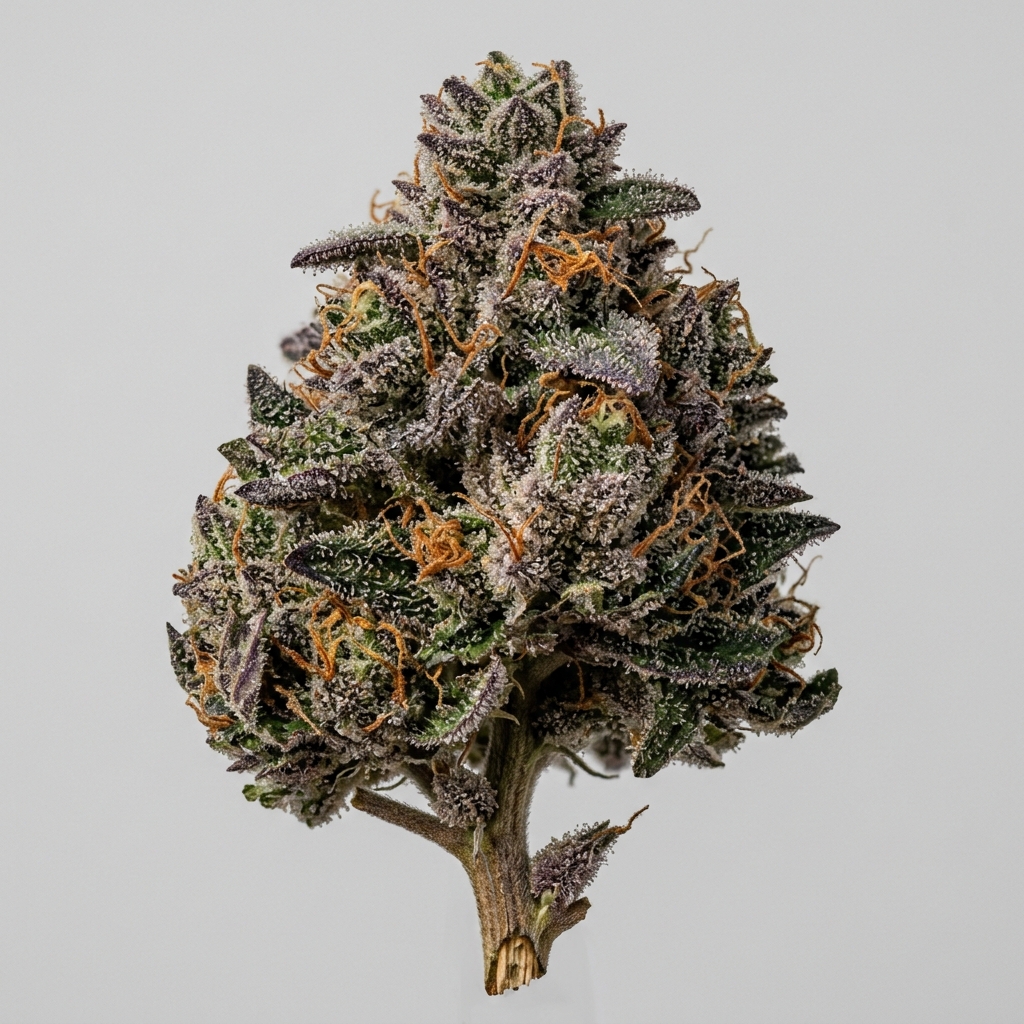
Grape God (Cannabis Strain)
Grape God is an indica-dominant hybrid crossing the sharp, citrus-heavy Grapefruit with the legendary, resin-rich God Bud. This cultivar typically tests between 15% and 22% THC, producing dense, grape-shaped flowers layered in sticky, sweet-scented resin. Known for its quick-setting physical relaxation and deep berry profile, it has earned a steady reputation among growers looking for purple-tinged flowers and classic evening effects.
Cultivators appreciate Grape God for its manageable indica structure and relatively short flowering cycle. The plant develops tight internodal spacing and produces heavy, resin-coated colas that give off a prominent sweet berry and damp earth aroma during late bloom. It serves as an excellent example of old-school British Columbia genetics blended with modern sweet-fruit appeal.
Quick Facts
| Attribute | Details |
|---|---|
| Genetics | Grapefruit × God Bud |
| Variety | Indica-dominant hybrid |
| THC Range | 15% – 22% |
| Flowering Time | 7 – 8 weeks (50 – 56 days) |
| Yield Potential | Moderate to high |
| Plant Height | Compact to medium |
| Climate Preference | Temperate, controlled indoor, low late-flower humidity |
| Difficulty | Moderate |
Scientific & Botanical Overview
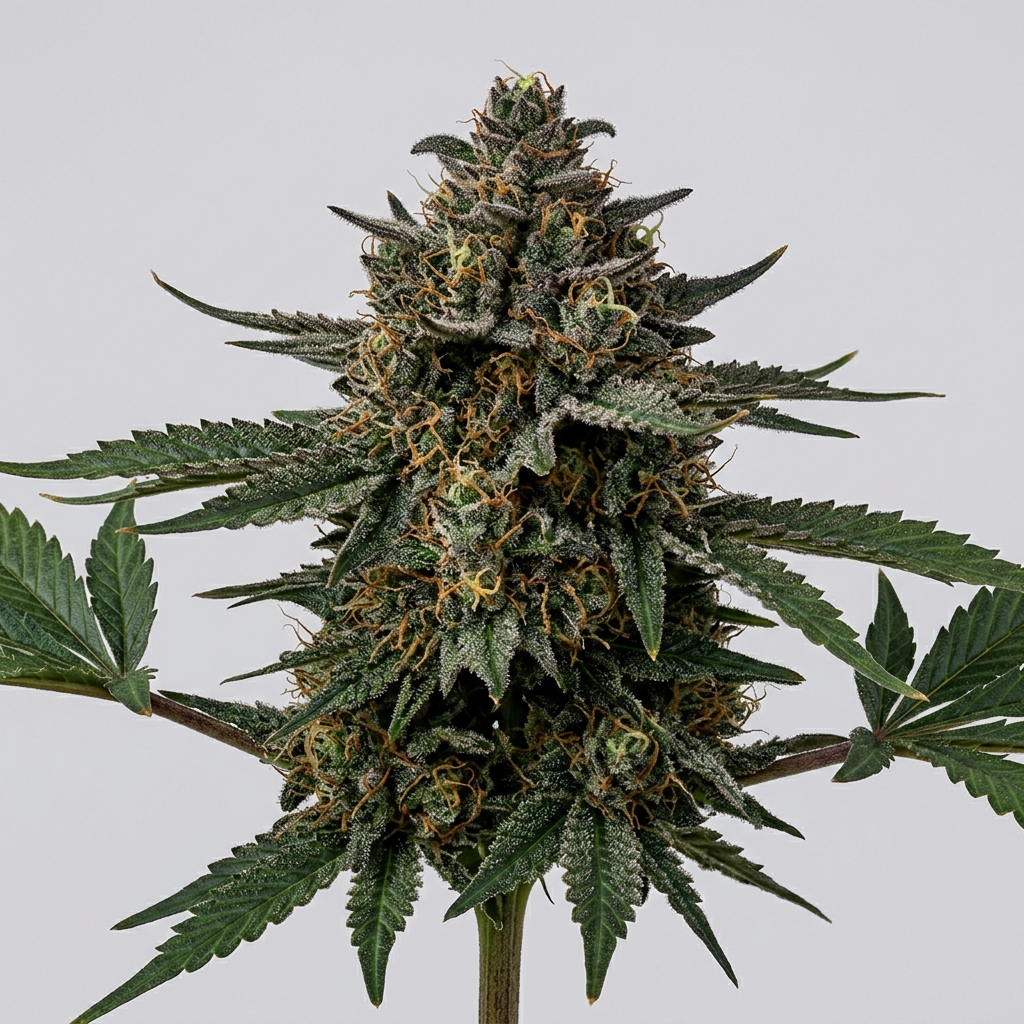
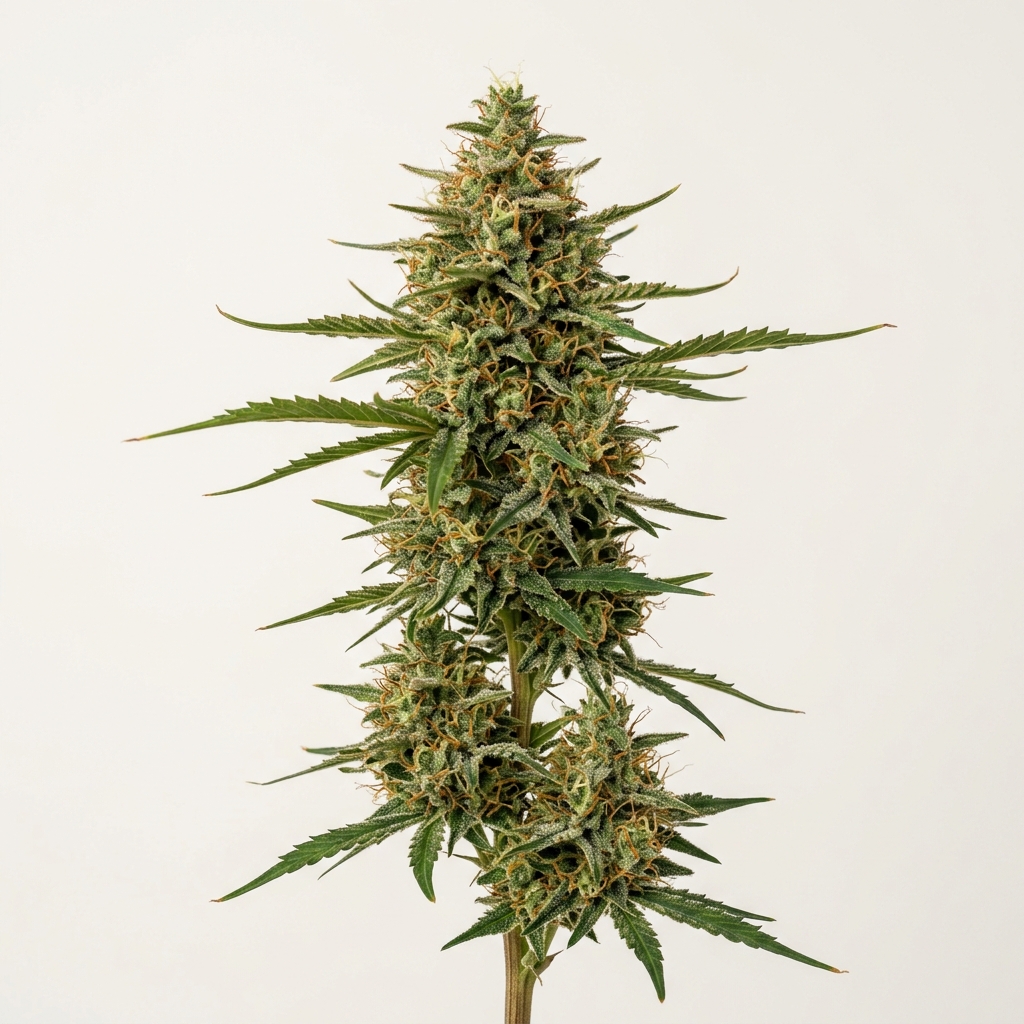
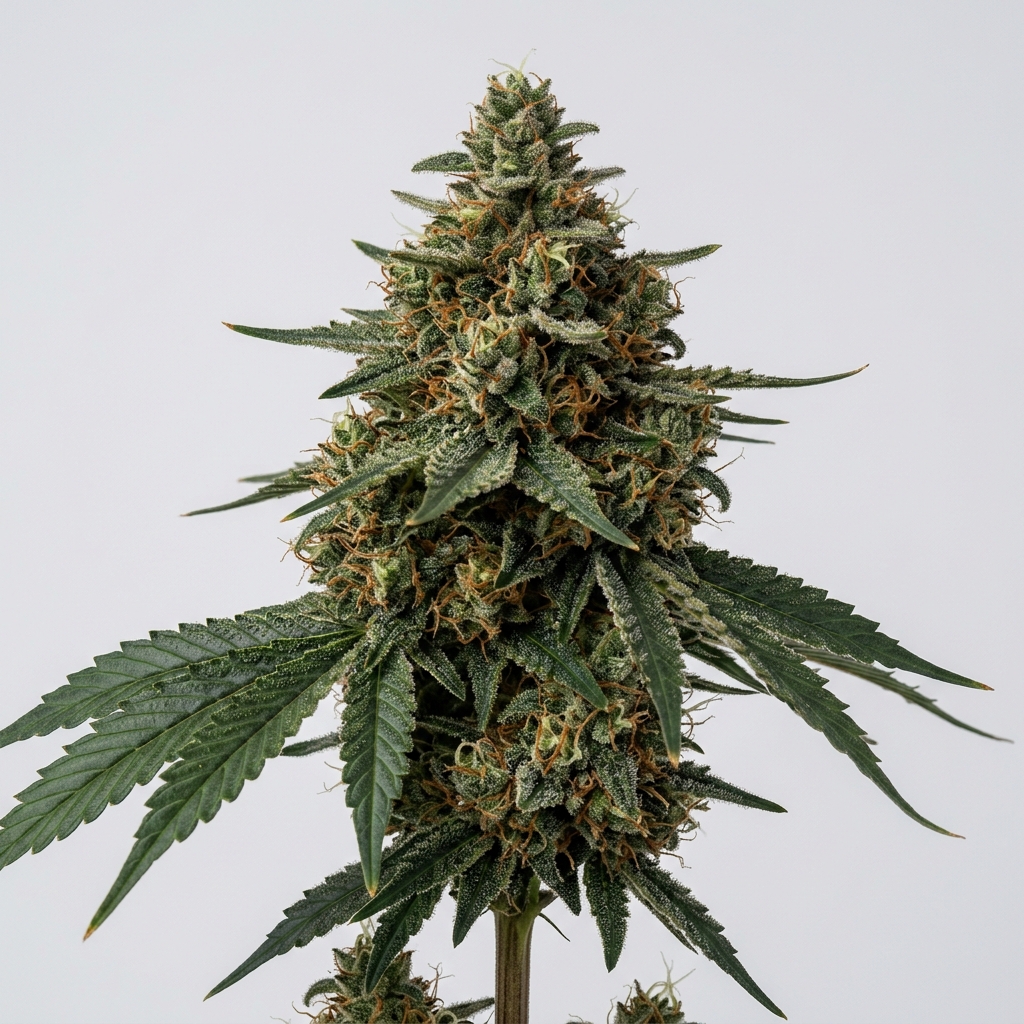
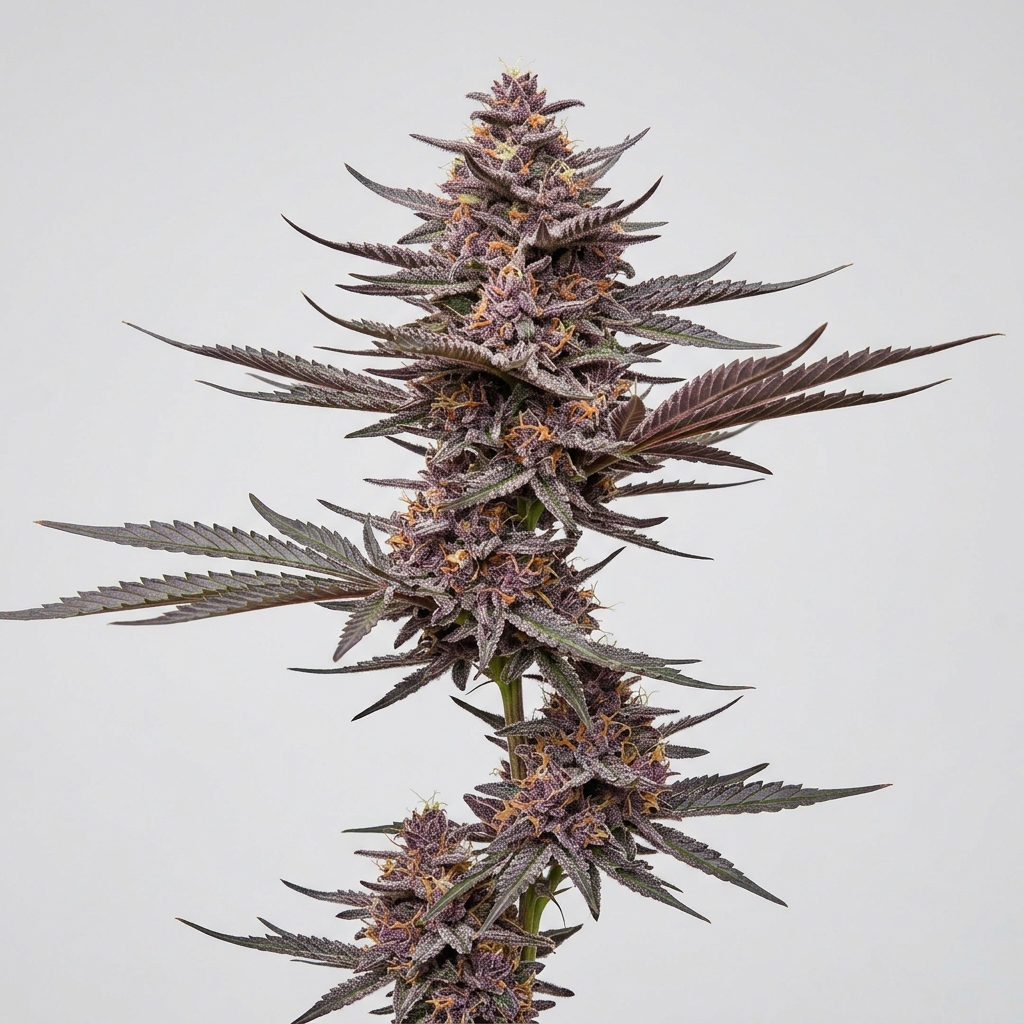
Botanically, Grape God shows classic indica morphology, characterized by broad fan leaves, thick stems, and a compact, bushy stature. The nodal development is tight, requiring proactive canopy management to maintain airflow through the dense lower branches. Its leaf tissue often darkens to deep forest green, with anthocyanin accumulation triggering purple hues when night temperatures drop late in the flowering cycle.
The bract-to-leaf ratio is highly favorable, allowing for efficient post-harvest trimming. Trichome development is dense and uniform, featuring capitate-stalked glands that produce a greasy resin layer rich in sesquiterpenes. The calyxes swell significantly in the final two weeks, creating tight, compact colas that hold moisture easily if humidity is not strictly controlled.
Phenotypic variation is relatively low when sourced from stable parental stock, with most selections leaning heavily toward the God Bud structure while retaining the sweet, sulfur-grape terpene expression of the Grapefruit parent. This structural predictability makes it highly suitable for Sea of Green (SOG) setups.
Effects & Use-Cases (Reported)
Commonly reported effects include a heavy physical relaxation, a calm mental state, and a notable easing of muscle tension. Users frequently describe a warm, slow-settling physical sensation that begins behind the eyes before spreading downward through the limbs.
Use-case context is primarily suited for evening or nighttime use due to its deeply relaxing nature. It is commonly selected by those seeking to wind down after physical exertion or to assist with transitional sleep routines.
Note: Individual experiences may vary based on personal biochemistry, dosage, and specific phenotype profiles.
Aroma & Flavors
Aroma: The olfactory profile is dominated by a deep, sweet grape note, backed by damp earth, musky hash, and a subtle tart citrus undertone inherited from its Grapefruit lineage.
Flavor: On the palate, the smoke is thick and sweet, delivering a distinct dark berry edge and a lingering earthy kush base on the exhale.
Terpene associations: Lab analyses frequently show high concentrations of myrcene, caryophyllene and ocimene, which combine to create the signature sweet-grape and spicy-earth profile.
Tested Cannabinoid & Terpene Ranges
| Compound | Typical Range |
|---|---|
| Δ9-THC | 15% – 22% |
| CBD | < 1% |
| Myrcene | 0.4% – 0.9% |
| Caryophyllene | 0.2% – 0.5% |
| Ocimene | 0.1% – 0.3% |
Note: Cannabinoid and terpene levels are highly variable and depend heavily on cultivation methods, curing practices, and specific environmental factors.
Cultivation Notes
- Humidity management: Maintain relative humidity below 45% during the final three weeks of flower to prevent botrytis in the dense, compact colas.
- Canopy thinning: Implement selective defoliation early in the flowering stage to improve light penetration and airflow through the tight internodes.
- Nutrient requirements: This cultivar responds well to moderate nitrogen levels during vegetative growth, transitioning to a phosphorus- and potassium-heavy regimen in mid-bloom.
- Temperature control: Dropping night temperatures by 10°F in the last two weeks of bloom will encourage the expression of deep purple and lavender hues.
- Training techniques: Low-stress training (LST) and topping help split the dominant central cola, leading to more uniform canopy development and higher overall yields.
Grower Notes (Week-by-Week Snapshot)
- Weeks 1–3 (Vegetative & Early Stretch): The plant shows a controlled stretch, usually doubling in height. Focus on building a strong structural frame and thinning out low-lying fan leaves that block airflow.
- Weeks 4–6 (Mid-Flower): Bud sites begin to cluster rapidly, forming dense, white-haired button colas. Resin production begins early, accompanied by a sweet, musky grape aroma. Maintain steady P-K feeding.
- Weeks 7–9 (Late Flower & Flush): Calyxes swell and trichomes turn milky. Reduce humidity levels and begin a clean water flush. Keep night temperatures cool to bring out the dark purple hues in the sugar leaves.
Genetic Lineage
Grape God inherits its robust structure and deep physical effects from God Bud, an iconic Canadian indica known for its dense, resin-drenched buds and heavy herbal-earth profile. God Bud contributes the dense bract structure and the deep, relaxing physical signature that defines the hybrid.
The sweet, fruity top notes come from Grapefruit, a classic sativa-dominant selection celebrated for its sharp citrus aroma and uplifting mental clarity. By crossing these two distinct profiles, breeders successfully captured the sweet, fruit-forward terpenes of Grapefruit while maintaining the short, heavy-yielding indica growth patterns of God Bud.
Research Insights
Analytical testing of Grape God highlights a terpene profile rich in myrcene and caryophyllene, compounds frequently associated with physical relaxation and soothing properties. The presence of ocimene, though in smaller ratios, contributes to the sweet, almost synthetic grape aroma that characterizes the cured flower.
The cultivar’s moderate-to-high THC levels, combined with trace amounts of secondary cannabinoids like CBG, suggest a balanced cannabinoid profile that delivers a steady, predictable physical experience without the sharp, anxious spikes sometimes found in high-THC sativa cultivars.
Frequently Asked Questions
Is Grape God an indica or sativa?
Grape God is an indica-dominant hybrid, typically consisting of 70% to 80% indica genetics, resulting in a compact plant structure and relaxing physical effects.
What does Grape God smell like?
The strain features a sweet, prominent aroma of ripe grapes and dark berries, supported by a rich base of damp earth, spicy hash, and a faint hint of citrus.
How long does Grape God take to flower?
Indoors, Grape God typically finishes flowering in 50 to 56 days (approximately 7 to 8 weeks), making it a relatively fast-growing indica hybrid.
Is Grape God easy to grow?
Yes, it is generally considered moderate to easy to grow. Its compact height and predictable growth pattern make it highly manageable, though growers must monitor humidity closely in late flower to protect the dense buds.
Educational Disclaimer
This profile is for educational and informational purposes only. Local laws govern the cultivation and consumption of cannabis, and readers should consult local regulations before attempting to grow or use this cultivar.
Rate and review this strain
Ratings and reviews are accepted only from signed-in Google accounts.
Sign in with Google to leave a rating and written review.
Latest Reviews
0 reviewsNo reviews yet. Be the first Google user to rate and review this strain.